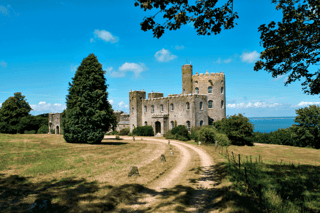
Bothal Castle
Northumberland England England
castle, chateau
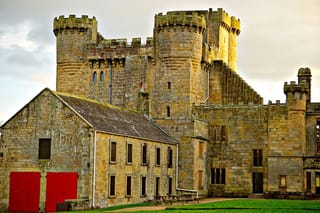
Bothal Castle is a castle and stately home in the village of the same name near the River Wansbeck, between Morpeth and Ashington in the English county of Northumberland
Previous names
Bothal Castle
Description
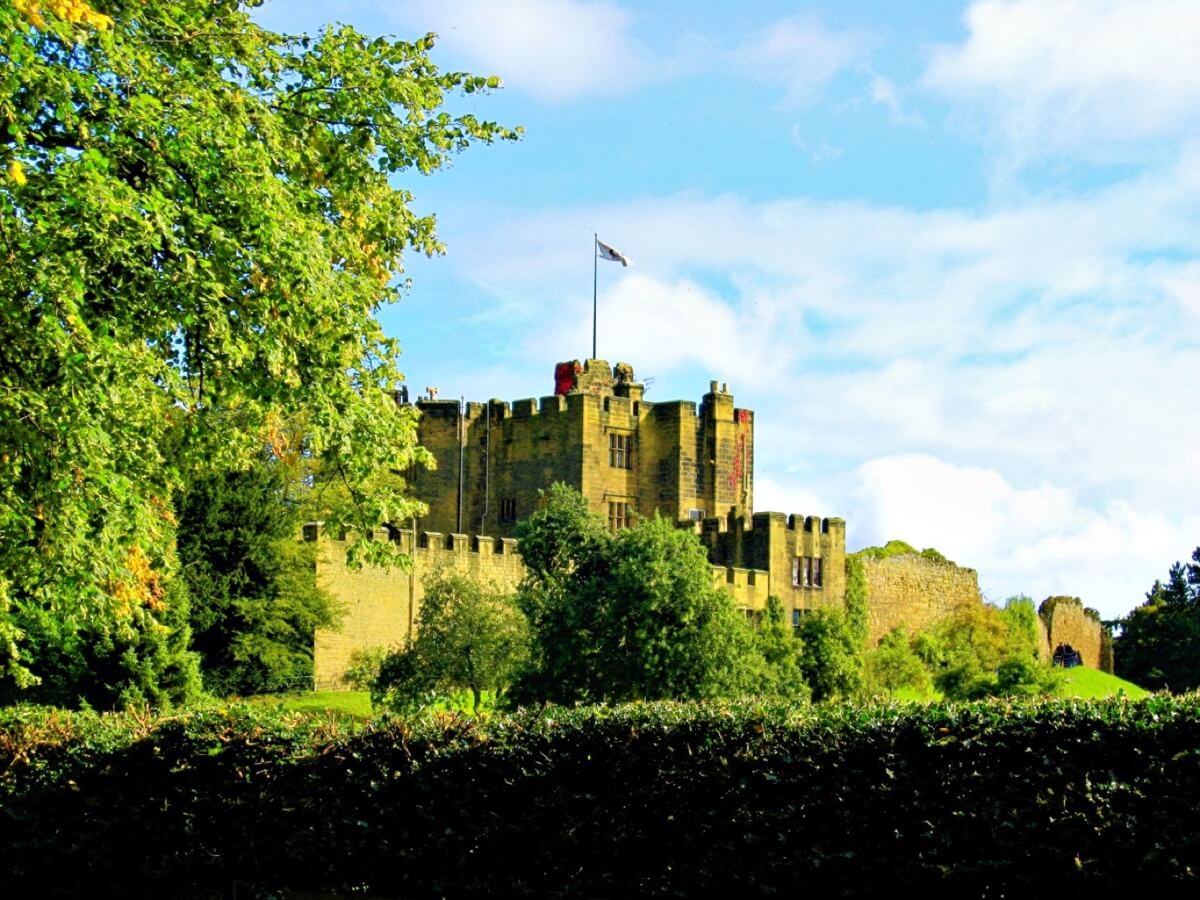
Bothal Castle is a castle and stately home in the village of the same name near the River Wansbeck, between Morpeth and Ashington in the English county of Northumberland. Botl is Old English for a dwelling. Bothal could refer to a particular dwelling or hall. It was fortified before the Norman conquest, and renovated and remodelled a number of times. It is a Scheduled Ancient Monument and a Grade I listed building.
In 1095, Bothal was given by King William Rufus to Guy I de Balliol, whose daughter Alice married William Bertram, Baron of Mitford, who probably built a hall house. Several generations later, in 1343, Sir Robert Bertram was given permission to turn his manor house into a castle, including an impressive gatehouse. The gate tower and fragments of curtain wall are medieval, a good deal of which still survive to this day. Through the marriage of Bertram's daughter Hellen to Sir Robert Ogle (d. c.1363), the estate passed to the Ogle family in the 14th century.
In August 1583 Cuthbert Ogle, 7th Baron Ogle, negotiated a marriage between his daughter Jane and Edward Talbot, a son of George Talbot, 6th Earl of Shrewsbury. Shrewsbury's agents visited Bothal, and described the house as 'a castle battled, and not unlike to Nether Haddon where Master John Manners doth dwell.'
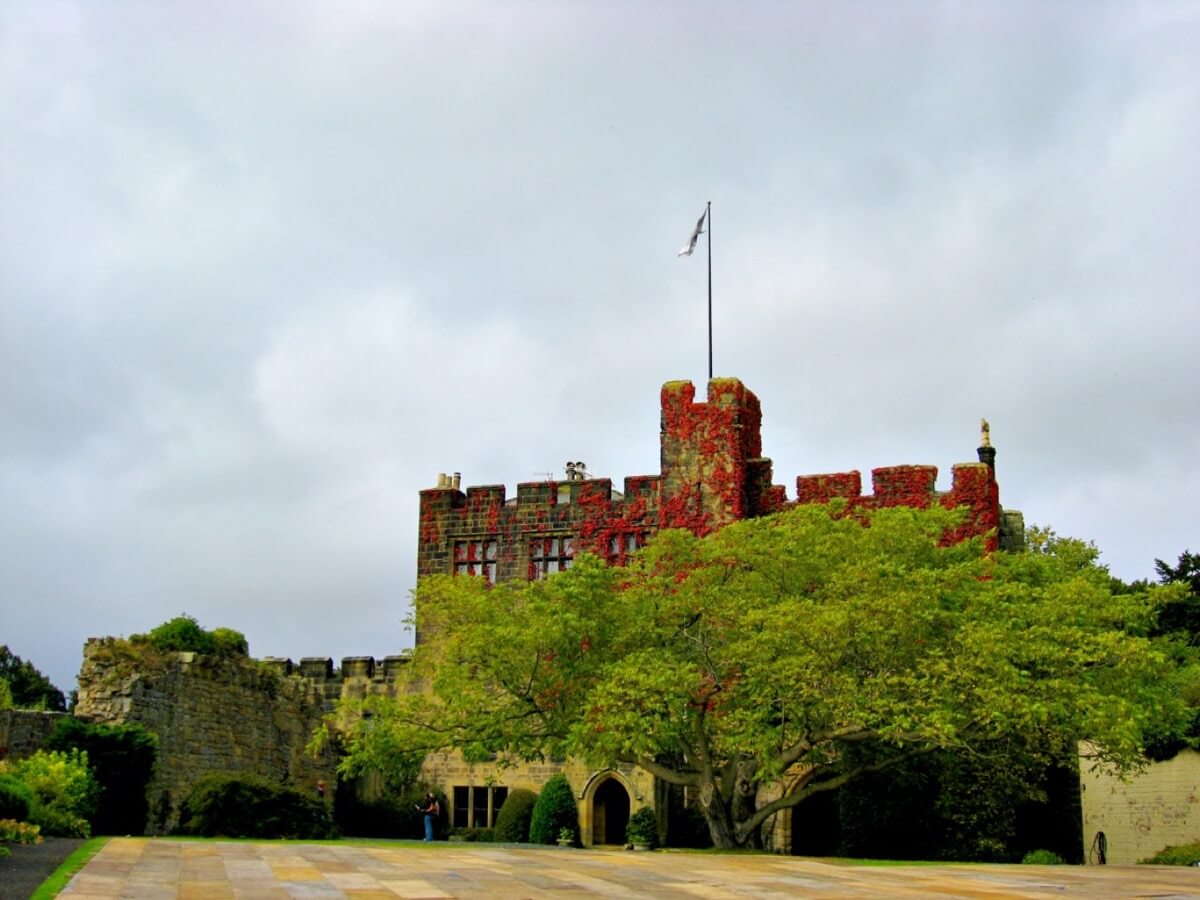
In 1591 the estate passed to the Cavendish-Bentinck family (Dukes of Portland), through the marriage of Catherine, Countess of Ogle to Sir Charles Cavendish of Welbeck. Restoration was carried out in the 19th century. The building is used as a private residence of the Cavendish-Bentinck family and also houses the Welbeck Estate Office. The castle is in an excellent state of repair and is not accessible for the public.
Bothal, or as it was known Bottel meaning a house or a hamlet, was fortified before the Norman Conquest.There has been considerable conjecture however about where the Norman motte could have been sited The Castle sits on a long natural mound and no evidence exists to define the location of any motte even to the consideration that there may have been a bailey and no motte and the thinking behind that conjecture is of an administrative nature rather than architectural reason in that there was no one both willing and empowered to erect a Motte and Bailey Castle at Bothal throughout that era. The Estate passed into Norman hands only in 1095 when Guy de Balliol, Baron of Bywell, took possession and he had no need or right to raise a castle on what was a detatched enclave of a large Barony.
The existing structure dates from C14. A licence to crenellate his Mansum was granted to Sir Robert Bertram in 1343 and it is assumed that he then built the gatehouse probably on the site of a former Norman motte; this motte site having been determined by C. H. Hunter Blair and he admitted that it might not have existed [ AH 4 xxii 147]. A survey in 1576 records the castle having among other facilities, a great chamber, seven bed chambers, bakehouse, brewhouse and a court called the gatehouse wherein there is a prison. It was at that time also noted for its "fair gardinges and orchetts, wherein growed all kynde, Peers, damsillis, nuttes, wardens, cherries to the black and redde, wallnutes, and also Licores verie fine". The house built in the 1840s occupies the position once taken by two towers, The Blanke Tower and the Ogle Tower. The gate tower and fragments of curtain wall are medieval, a good deal of which survives. The rest of the castle was built within the last sixty years. The castle is in an excellent state of repair and is used as a private residence and as offices by the agent of the Duke of Portland and forms part of the Welbeck estate. For a comprehensive history of the Castle see " Bothal Observed" by Roland Bibby
Also known as, or recorded in historical documents as; Bothall; Bothalle; Bothalla; Bothale; Bottell; In the 19th century and evidently earlier the local people pronounced it Bottle.
http://www.northofthetyne.co.uk
External links
Nearby castles