Moritzburg Castle
Meißen Sachsen Germany
castle, chateau
Schloss Moritzburg (Sachsen)
Meißen Sachsen Germany
castle, chateau
Moritzburg Castle (German: Schloss Moritzburg) or Moritzburg Palace is a Baroque palace in Moritzburg, in the German state of Saxony, about 13 kilometres (8
Das Schloss Moritzburg liegt in der gleichnamigen Gemeinde Moritzburg nahe Dresden
Previous names
Moritzburg Castle, Schloss Moritzburg (Sachsen)
Description
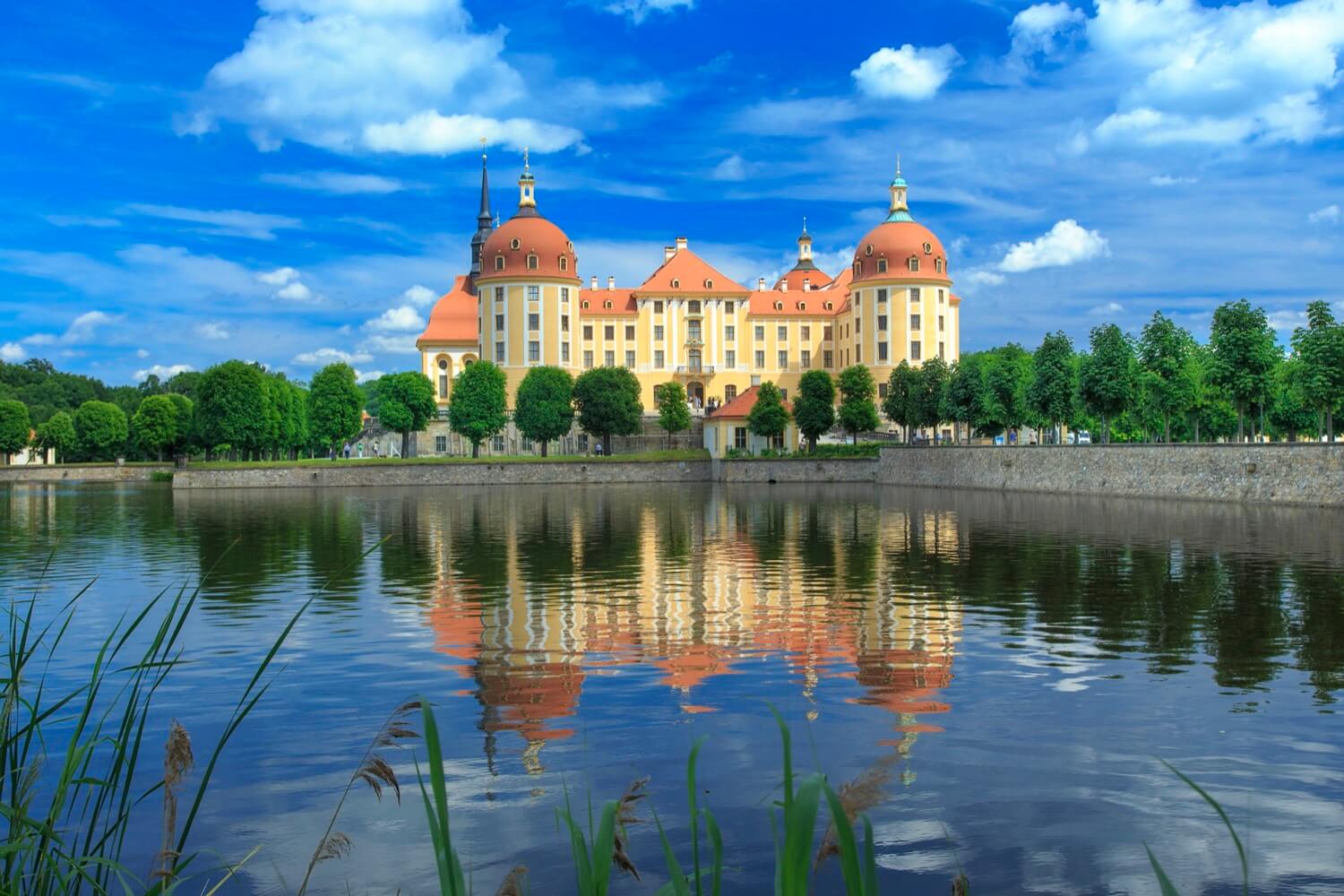
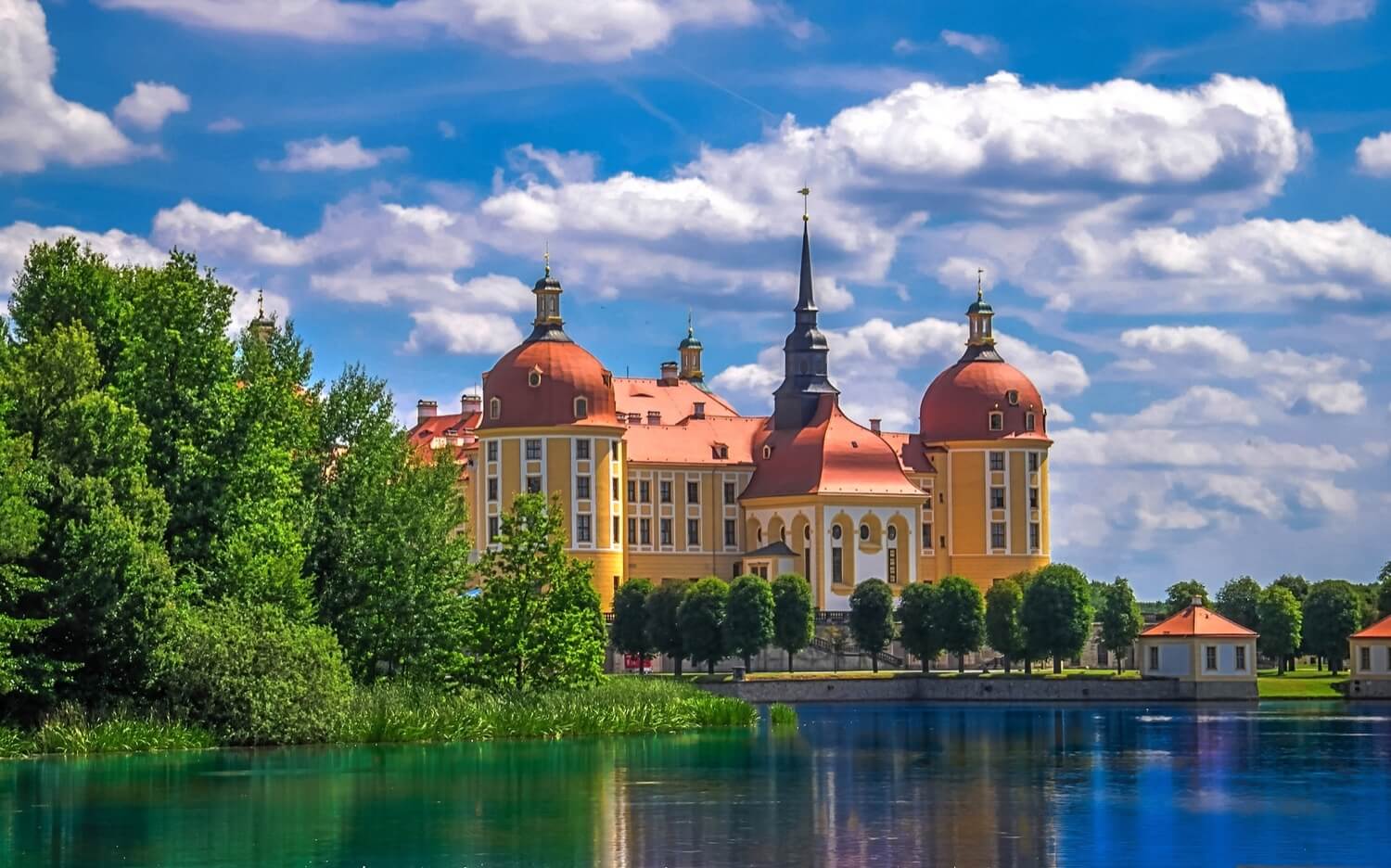
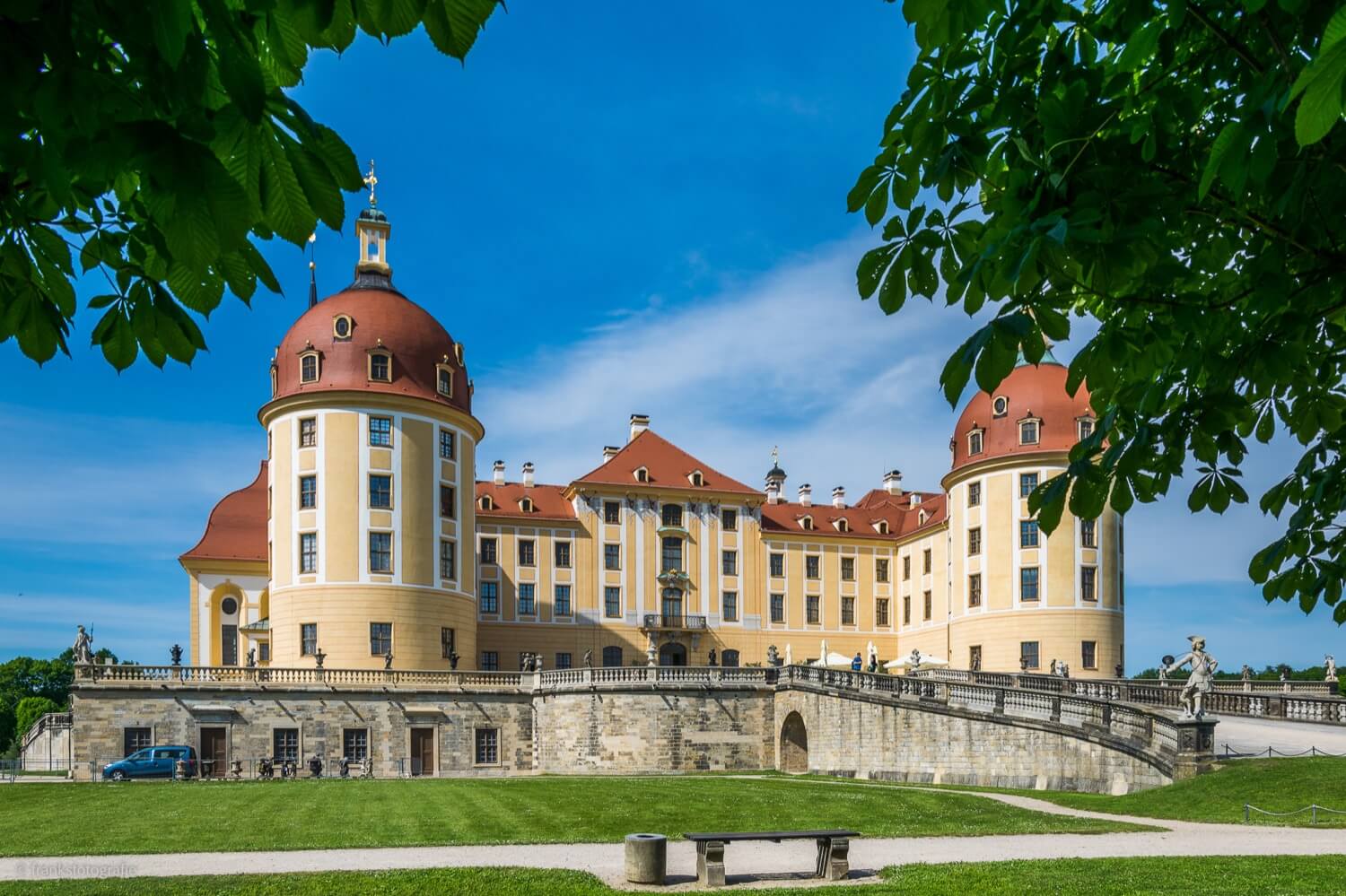
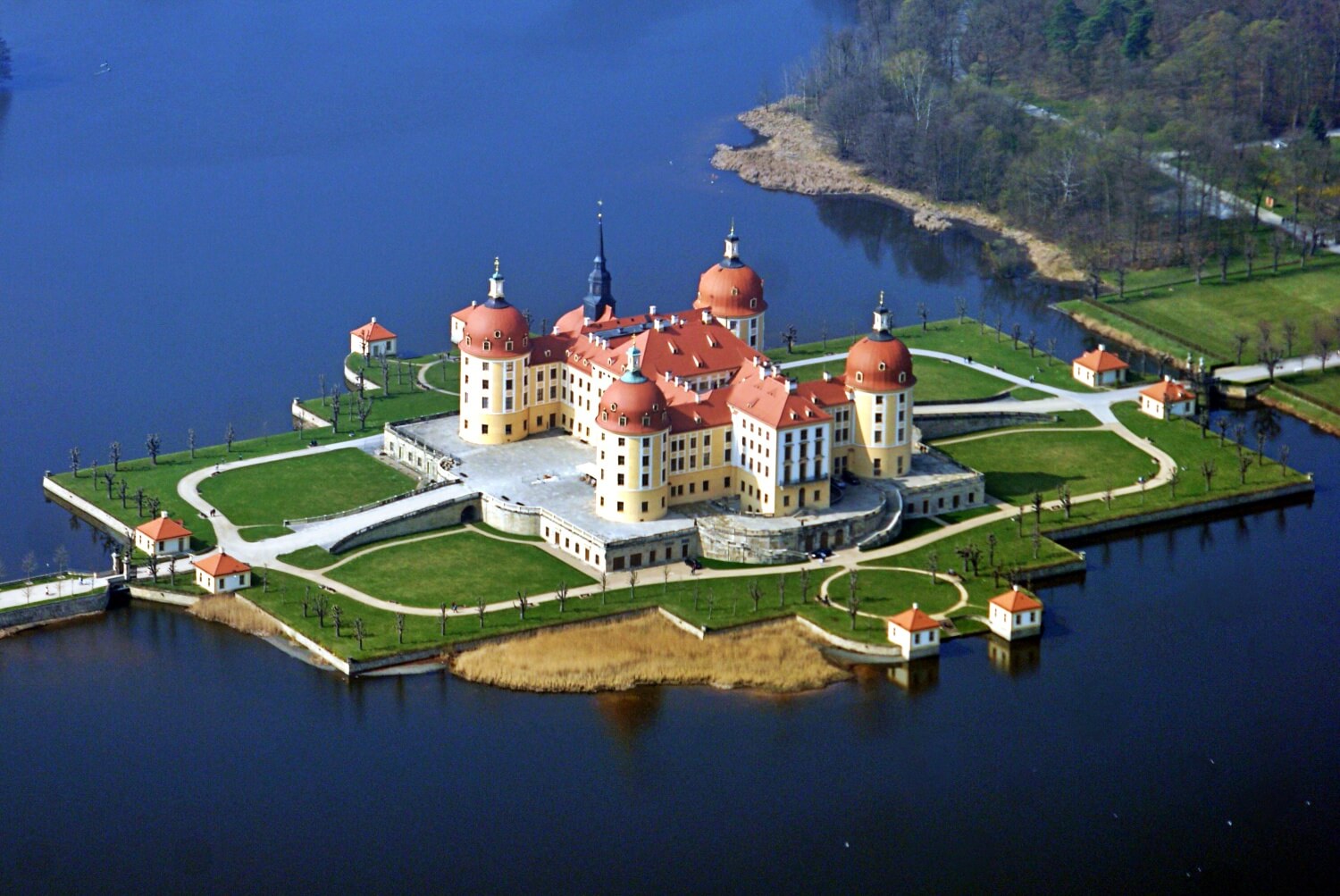
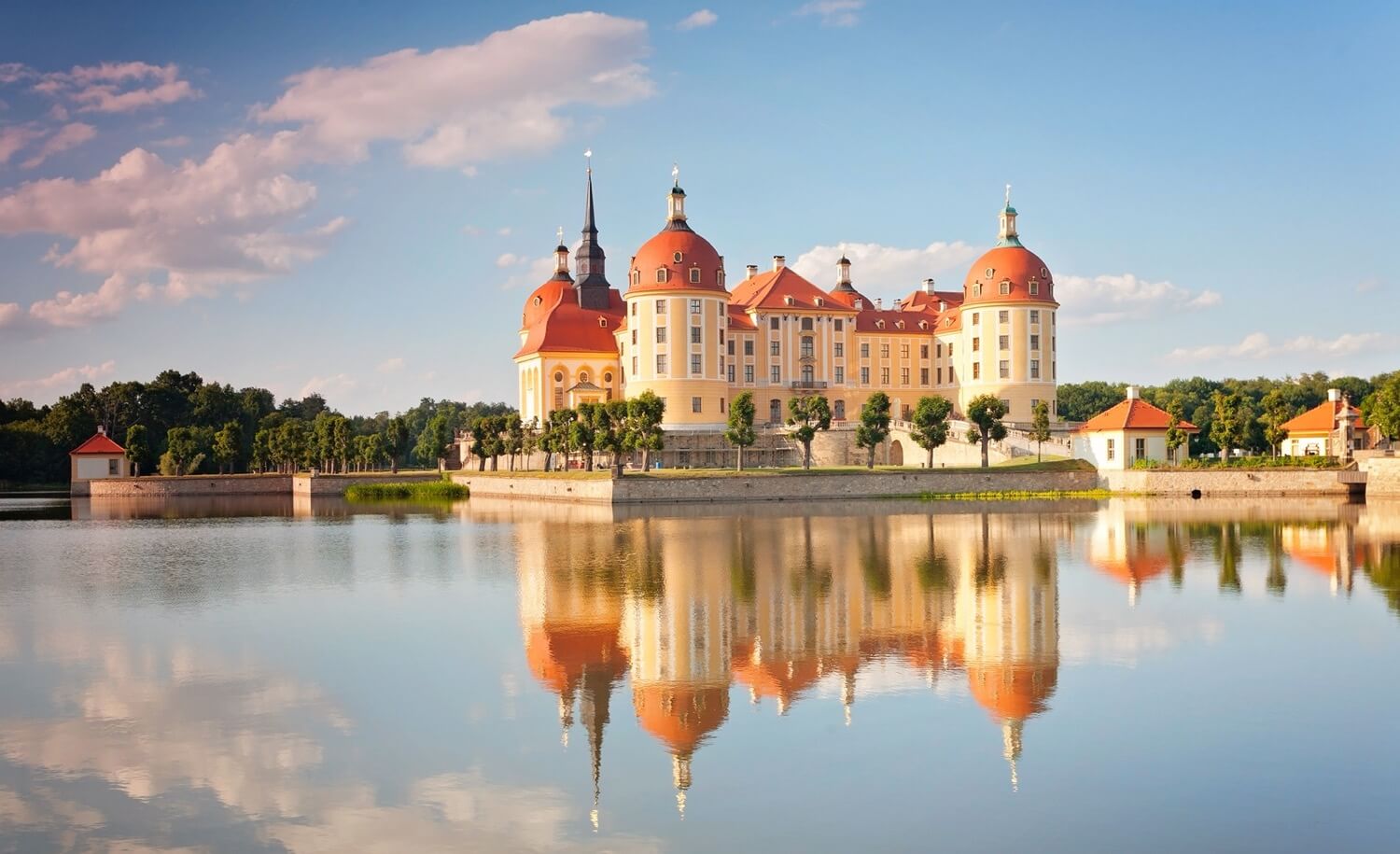
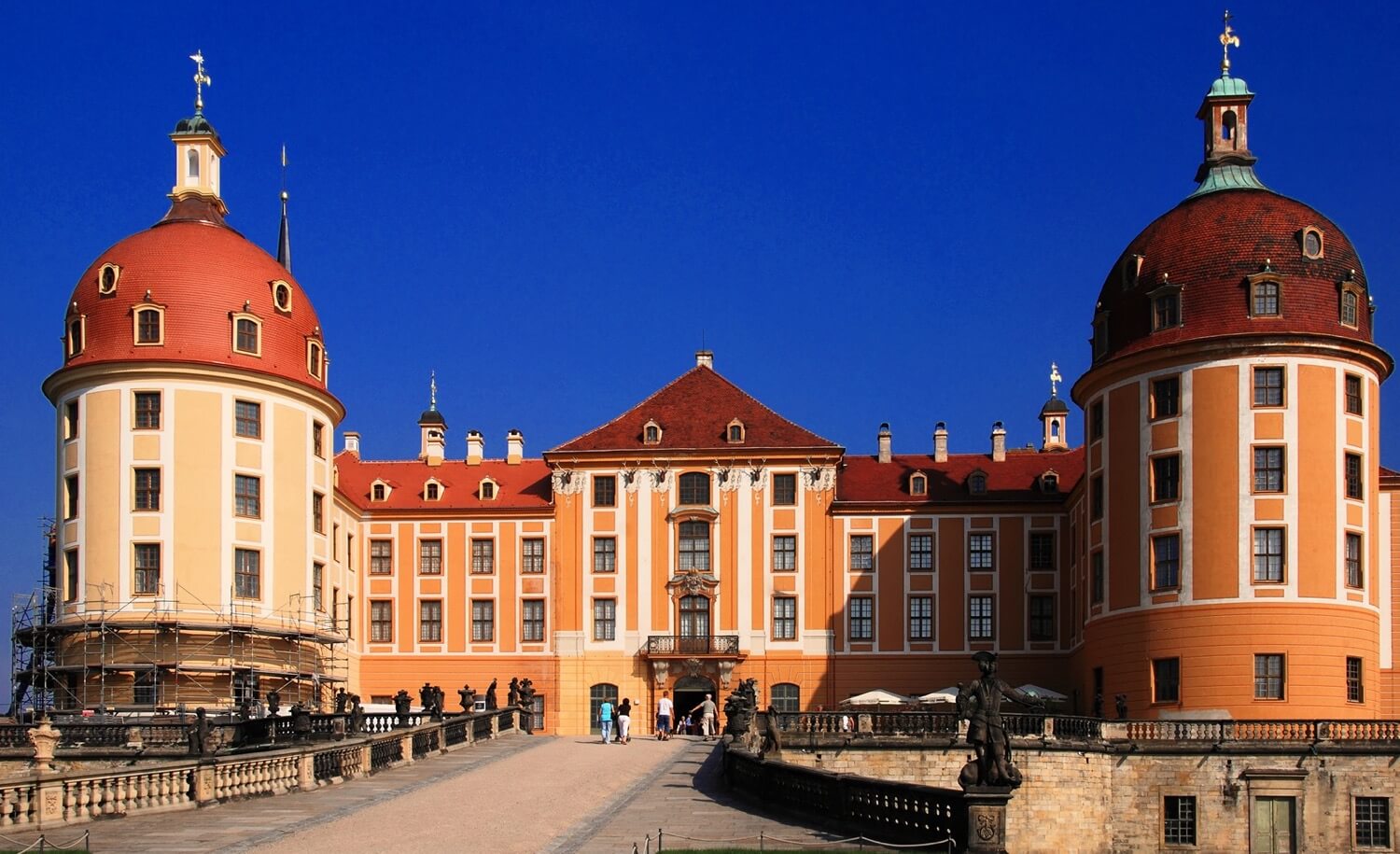
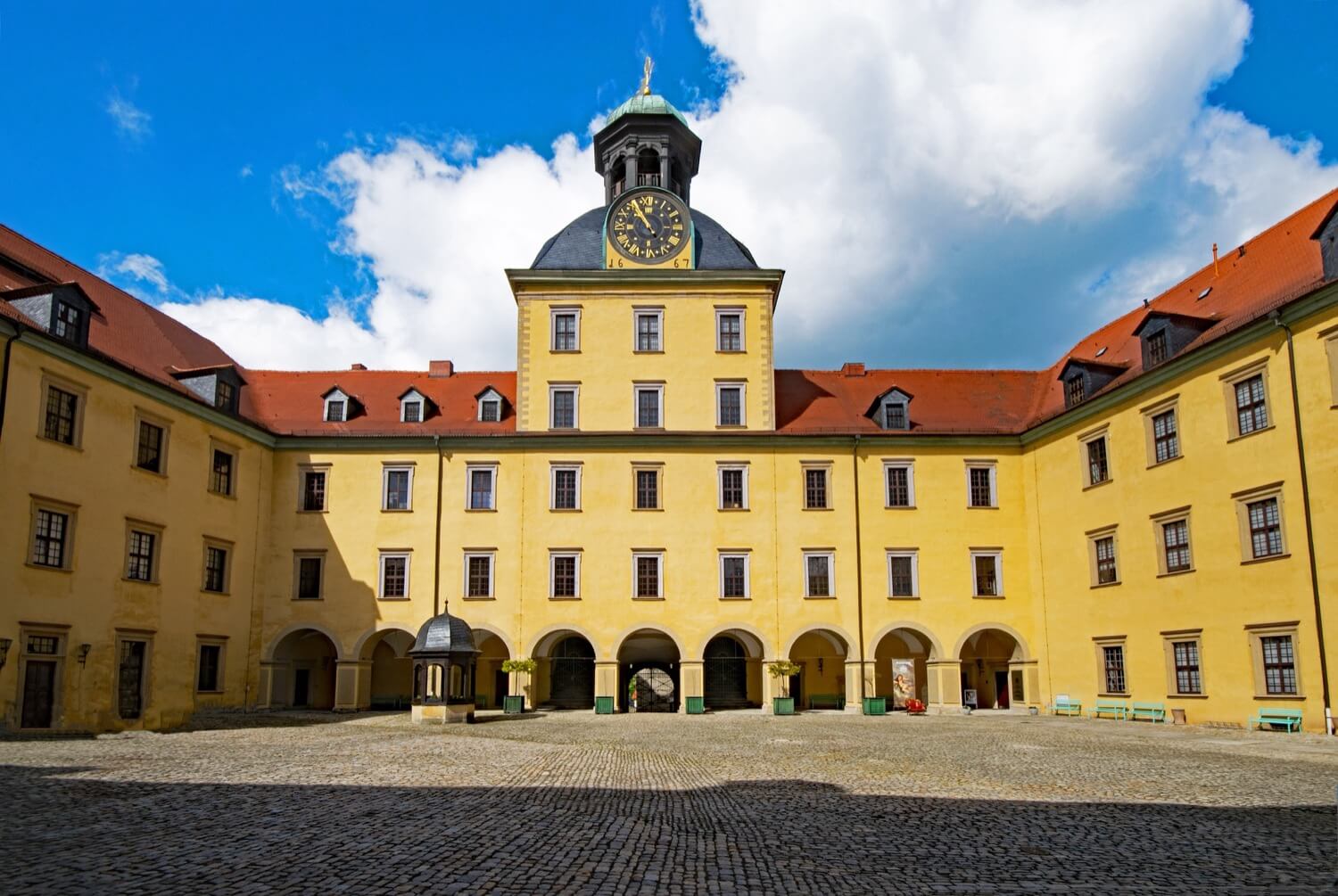
Moritzburg Castle (German: Schloss Moritzburg) or Moritzburg Palace is a Baroque palace in Moritzburg, in the German state of Saxony, about 13 kilometres (8.1 mi) northwest of the Saxon capital, Dresden. The castle has four round towers and lies on a symmetrical artificial island. It is named after Duke Moritz of Saxony, who had a hunting lodge built there between 1542 and 1546. The surrounding woodlands and lakes have been a favourite hunting area of the electors and kings of Saxony.
The original castle, built from 1542–1546, was a hunting lodge for Moritz of Saxony, then Duke of Saxony. Elector John George II of Saxony had the lodge extended; the chapel was added between 1661 and 1671. Designed by his architect, Wolf Caspar von Klengel, the chapel is an example of early Baroque architecture.
The chapel was consecrated in a Catholic rite in 1697, after the grandson of John George II, Elector Augustus II the Strong, converted to Catholicism in order to secure his election as King of Poland. Between 1723 and 1733, Augustus had the castle remodelled as a country seat by architects Matthäus Daniel Pöppelmann and Zacharias Longuelune, adding a formal park, several ponds and a game preserve.
The surroundings of the castle were further developed by Elector Frederick Augustus III of Saxony, a greatgrandson of Augustus II the Strong, at the end of the 18th century. The Little Pheasant Castle (Fasanenschlösschen) was built between 1770 and 1776. The grounds were extended to include a building for the storage of bird nets, the large Well of Venus, living quarters for Count Camillo Marcolini and a maritime setting on the Great Lake complete with a miniature harbour with jetty and lighthouse.
Prince Ernst Heinrich of Saxony, who lived in the castle between 1933 and 1945, was the last resident of the House of Wettin. He was dispossessed in 1945 by the postwar Soviet administration.
The interior of the castle is furnished with examples of opulent baroque decor from the time of Augustus the Strong. The walls are covered in 17th century gold-gilded leather. Many rooms' furnishings are dedicated to courtly hunting.
The collection of red deer antlers is one of the most important of its kind. The castle's largest collection of antlers is shown in the Speisesaal ("dining room"). Most of its 71 trophies are between 270 and 400 years old; they were purchased or acquired as presents. Among them is the heaviest red deer antler in the world, weighing 19.8 kilograms (44 lb) and spanning almost 2 metres (6.6 ft). In the Monströsensaal ("monstrosity room"), there are 39 contorted antlers. One specimen, a 66-point red deer antler is from an animal killed by Elector Frederick III of Brandenburg in 1696.
In 1723, Augustus the Strong acquired a four-poster bed for his Japanese palace. It had approximately a million peacock, pheasant, guinea hen and duck feathers woven into the canvas. Rather than gluing or tying the feathers onto the canvas, they were woven in as weft. Upon acquisition, Augustus had the curtains removed and turned into wall hangings, inspiring the room's name, Federzimmer, or "feather room". This ensemble was moved to Schloss Moritzburg in 1830. Following an extensive 19-year restoration, the bed and wall hangings have been on view again since 2003.
Examples of Chinese, Japanese and Meissen porcelain are shown in the historical Porzellanquartier ("porcelain quarter"). This exhibition displays porcelain depicting hunting, exotic and mythological motifs as well as animal figurines that are relating to Moritzburg’s original determination as a hunting lodge.
The apartments contain examples of opulence in the lacquered and ornate furniture, such as the Augsburg-made silver furniture styled after Louis XIV's silver furniture at Versailles. There are also engraved and inlaid weapons for hunting. The Billiardsaal ("billiards hall"), named after a former billiard table in it, contains monumental paintings on leather by Louis de Silvestre. Eleven rooms are decorated with painted leather wallpaper from the 17th century.
A collection of royal carriages is shown in the entrance hall.
In 1728, a park was added to the castle on the adjacent land to the north. The u-shaped park has an area of approximately 230 by 150 meters. The gardens are in the French style and, because of the death of Augustus the Strong, were never completed. Johann Christian Daniel, Matthäus Daniel Pöppelmann and others were involved in their initial design and planning. The garden's layout follows that of other European royal courts of the time.
During the 19th century, there were rare plants added and the garden was developed into a park in the romantic style.
An 8-arm, star-shaped system of alleys was cut through the Friedewald, the forest on the northern side of the property. In particular, it was designed for royal fox hunting with hounds. The ruins of the Hellhaus ("glade house"), built in 1787 and designed by Johann Daniel Schade, can be found on a raised point at the intersection of the paths. It served the court hunting parties because from here, the so-called "swan keeper" would indicate the direction of flight of the game they hunted. This was done using flags, which he would raise from the top of the building.
One alley running directly east, visually connects the castle with the Fasanenschlösschen ("Little Pheasant Castle"), 2.5 kilometres (1.6 miles) away. Not far from the Fasanenschlösschen is the Well of Venus, one of the largest Baroque fountains in Saxony. It symbolizes the eastern end of a canal, which runs parallel to this corridor most of the time.
During the reconstruction phase of the palace from 1723 until 1733, the large pond surrounding the castle’s artificial island was built from what was originally four smaller ponds. The other ponds in the Friedewald date from the 16th century and have been used for carp production since then. The channels connecting the ponds allow one to "fish" the carp by draining the water.
Shortly after the remodelling of Moritzburg Castle as the country seat of August the Strong, a single-story pavilion was built just 2.5 kilometres (1.6 miles) away by the architect Johann Christoph Knöffel. The pavilion's foundation was later used for the Chinese-style Little Pheasant Castle (Fasanenschlösschen) in 1770. Elector Frederick Augustus III of Saxony had the pavilion built in the middle of the gardens. Johann Daniel Schade who had been the architect in charge of the royal building projects, received the commission for the Rococo design. Construction was completed about 1776.
The shell-pink pavilion is located at the end of an alley leading to the main castle. The square building has five bays wide on each side. The high roof has an ogee profile, capped by an open cupola with a pair of Chinese figures under a parasol as a finial. Concealed behind plantings to give the pavilion an isolated ambience, were outbuildings used to breed pheasants for use in hunting.
The few rooms, including the elector's study, are furnished with original trappings. The Rococo finishes include murals on canvas, inlaid wood paneling, painted and gilded stucco ceilings, and unique finishes crafted from materials like embroidered silk, straw, pearls and feathers. The interiors were restored between 2009 and 2013 through a collaboration between Ostdeutsche Sparkassenstiftung, Sparkasse Meißen, and World Monuments Fund.
On the front of the building, there is a double-flight stairway leading to the lake with a miniature harbour and jetty. There is also a painted brick lighthouse 21.8 metres (72 feet) high. The miniature harbour was used to stage naval battles for the monarch's amusement. In order to re-enact the famous Battle of Chesma, the Dardanelles, a miniature wall representing the original castles at the narrow strait in northwestern Turkey, were also built. Today, the harbour is partly silted because the lake’s water level is approximately 1.5 metres (4.9 feet) lower than before.
On the garden side of the castle, a pair of staircases descend to a sunken parterre, now planted with turf.
In 1972 Moritzburg Castle was one of the locations of the Czechoslovak-German film Tři oříšky pro Popelku ("Three Nuts for Cinderella"), which became a popular fairy-tale movie in Central Europe.
Das Schloss Moritzburg liegt in der gleichnamigen Gemeinde Moritzburg nahe Dresden. Das auf ein Jagdhaus des 16. Jahrhunderts zurückgehende Jagdschloss erhielt seine heutige Gestalt im 18. Jahrhundert unter August dem Starken.
Das Schloss, dessen Hauptachse von Süd nach Nord verläuft, erhebt sich auf einer künstlichen Insel im Schlossteich. Der barocke Vierflügelbau mit seinen vier direkt mit dem Hauptbau verbundenen Türmen ruht auf einem podestartigen Sockelgeschoss. Acht ehemalige Wachhäuschen sind auf der Insel rings um das Schloss gruppiert. Die harmonische Landschaftsintegration des Schlosses wird vervollständigt durch die sich nördlich anschließende Gartenanlage, das etwa zwei Kilometer östlich liegende und durch eine direkte Sichtachse verbundene Fasanenschlösschen mit kleiner Hafenanlage und dem Venusbrunnen, die Dardanellen sowie ein Hellhaus im Zentrum des Schneisensterns im nördlichen Friedewald.
In den Jahren 1542–1546 ließ Herzog Moritz sein Jagdhaus mit Jagdtrophäen im Stil der Renaissance ausstatten. Nach ihm benannte man später das Schloss, der ursprüngliche Name war Dianenburg. Schon das damalige Jagdhaus bestand aus vier dicken Rundtürmen, die mit einer umlaufenden Wehrmauer verbunden waren. Es wurde 1550 Sitz der Verwaltung des Amtes Moritzburg. 1661–1672 erfolgte der Bau der Schlosskapelle unter Leitung von Kurfürst Johann Georg II. Die Pläne der Kapelle stammten vom Baumeister Wolf Caspar von Klengel. In den Jahren 1656 bis 1672 wurde das Jagdhaus unter Mitwirkung von Wolf Caspar von Klengel zum Schloss erweitert.
1697 trat August der Starke zum katholischen Glauben über und wurde König von Polen, womit sich das Bedürfnis nach einem katholischen Gotteshaus ergab. Nachdem die Entscheidung auf Moritzburg gefallen war, erhielt die ehemals protestantische Schlosskapelle Weihnachten 1699 im Rahmen eines Gottesdienstes die katholische Weihe. Seit 1699 findet so bis heute der katholische Gottesdienst in der Kapelle des Schlosses statt.
Im Jahr 1703 entstanden Pläne zum Umbau des Schlosses zum barocken Jagd- und Lustschloss. Die Pläne werden August dem Starken zugeschrieben. Im Oktober 1719 kam die Serenata di Moritzburg von Johann David Heinichen als Umrahmung einer königlichen Jagd hier zur Uraufführung. 1723–1733 wurden unter Leitung von Matthäus Daniel Pöppelmann die Pläne zum Umbau verwirklicht. Das Schloss wurde verändert und neue Teiche und Tiergehege angelegt. Der Umbau endete mit dem Tod Augusts.
Der Kurfürst Friedrich August III. von Sachsen, ein Enkel von August dem Starken, bezog um 1800 die Umgebung des Schlosses verstärkt in die Gestaltung der Landschaft ein. Das Fasanenschlösschen, das Marcolinihaus, der Venusbrunnen, der Hafen und der Moritzburger Leuchtturm mit Mole am Niederen Großteich Bärnsdorf entstanden.
Prinz Ernst Heinrich von Sachsen benutzte Moritzburg 1933–1945 als festen Wohnsitz und richtete einige Räume für Führungen ein. 1945 wurden die Wettiner enteignet. Sie konnten große Teile ihrer wertvollen Schätze im Schlosspark in Holzkisten vergraben. Bis auf wenige Stücke wurden diese von den sowjetischen Truppen gefunden und abtransportiert. Am 4. Oktober 1996 gelang es privaten Hobby-Archäologen, mehrere Kisten mit edelsteinbesetzten Goldschmiedearbeiten zu finden. Sie wurden dem Wettiner Schatz zugeordnet. Obwohl durch die lange Lagerung in der Erde alle Metalle und Edelsteine in Mitleidenschaft gezogen waren, ließ sich der Vorkriegszustand wiederherstellen.
In den Jahren 1946–1949 erfolgte die Einrichtung eines Museums für Barock in einigen Räumen des Schlosses.
Im Zeitraum 1985–1989 wurde die Schlosskapelle aufwändig restauriert. Die alte Anordnung des Altars blieb bestehen. Damit wurde auf den Einbau eines Altars, der es dem Priester erlaubt, mit dem Gesicht zur Gemeinde die Heilige Messe zu feiern, verzichtet.
Useful information
Car park near the Castle
- adult: EUR 4.00
Three Hazelnuts for Cinderella :
- full rate: EUR 8.00
Combinmed ticket Baroque Castle & Little Pheasant Castle (These tickets also include admission to our current special exhibitions):
- full rate: EUR 11.00
- reduced: EUR 4.00
Three Hazelnuts for Cinderella:
- reduced rate: EUR 6.50
- children aged between 6 and 16: EUR 1.00 p.p.
Combinmed ticket Baroque Castle & Little Pheasant Castle (These tickets also include admission to our current special exhibitions):
- reduced rate: EUR 7.00
Baroque Exhibition:
- 2 adults + max. 4 children: EUR 16.00
- 1 adult + max. 2 children: EUR 8.00
- group rate (from 15 people): EUR 6.00 p.p.
- group rate school students: EUR 2.50 p.p.
Three Hazelnuts for Cinderella:
- group rate (from 15 people): EUR 6.50 p.p.
- group rate school students: EUR 1.50 p.p.
Free admission:
- Children aged 5 or younger
- People visiting the castle on their birthday
- Accompanying adults of severely disabled people (marked »B« in their disability pass)
- Tour guides
- Tour bus driverswithn travelling groups
- One accompanying adult per 10 school students
- Media workers (valid identification required)
- pushchairs or baby buggies are not allowed in exhibition rooms
- taking photographs in the Baroque Exhibition is not allowed
-
External links
Nearby castles
Zwinger (Dresden)
Dresden
13.3km
castle, chateau
Hausmannsturm
Dresden
13.3km
castle, chateau
Dresden Castle
Dresden
13.3km
castle, chateau
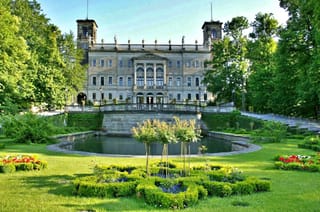
Albrechtsberg Palace (Dresden)
Dresden
13.9km
manor, mansion
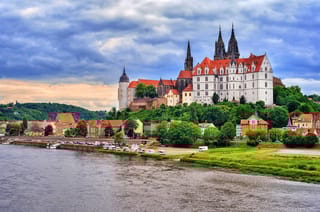
Albrechtsburg
Meißen
14.6km
castle, chateau
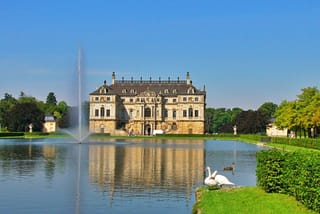
Palais im Grossen Garten
Dresden
15.5km
castle, chateau
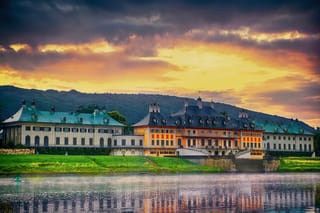
Pillnitz Castle
Dresden
22.1km
castle, chateau