Gifhorn Castle
Gifhorn Niedersachsen Germany
castle, chateau
Schloss Gifhorn
Gifhorn Niedersachsen Germany
castle, chateau
Gifhorn Castle (German: Schloss Gifhorn) is a castle in Gifhorn, Germany, built between 1525 and 1581 in the Weser Renaissance style
Das Schloss Gifhorn ist eine zwischen 1525 und 1581 im Stil der Weserrenaissance erbaute Schlossanlage in Gifhorn
Previous names
Gifhorn Castle, Schloss Gifhorn
Description
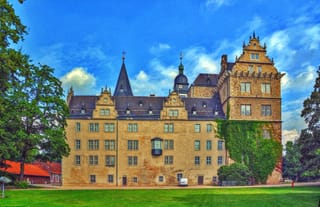
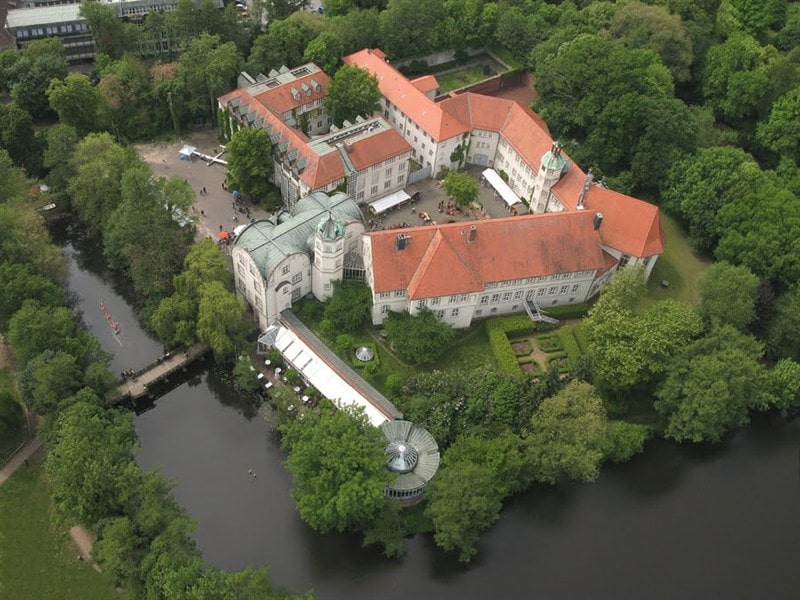
Gifhorn Castle (German: Schloss Gifhorn) is a castle in Gifhorn, Germany, built between 1525 and 1581 in the Weser Renaissance style. The castle was fortified until 1790 with moats, ramparts and bastions and was never captured. In the 16th century it was the Residenz of the Duchy of Gifhorn under Duke Francis of Brunswick-Lüneburg for just 10 years.
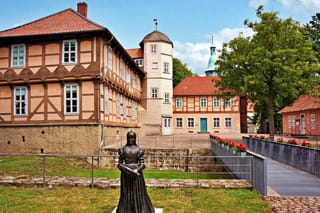
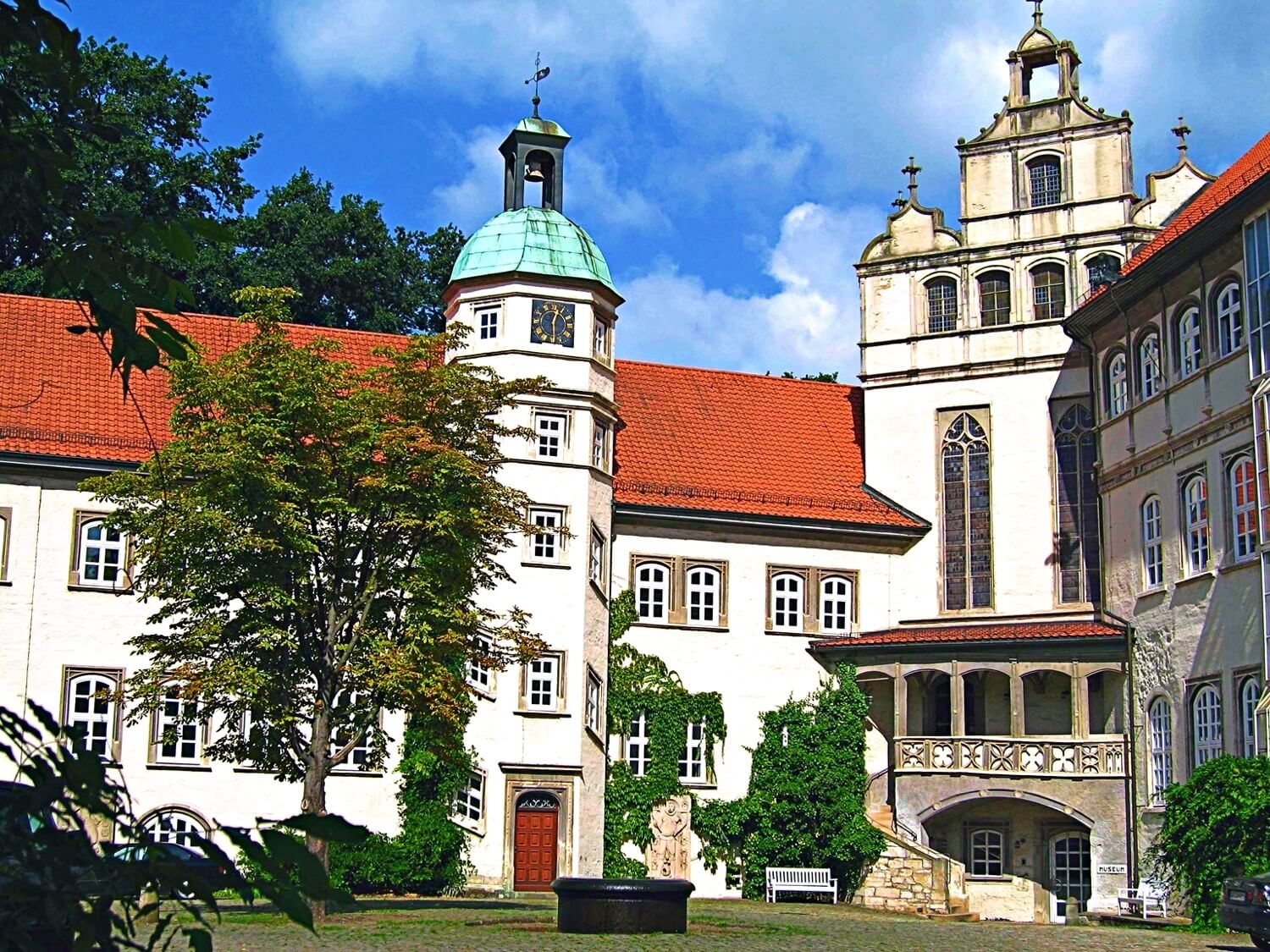
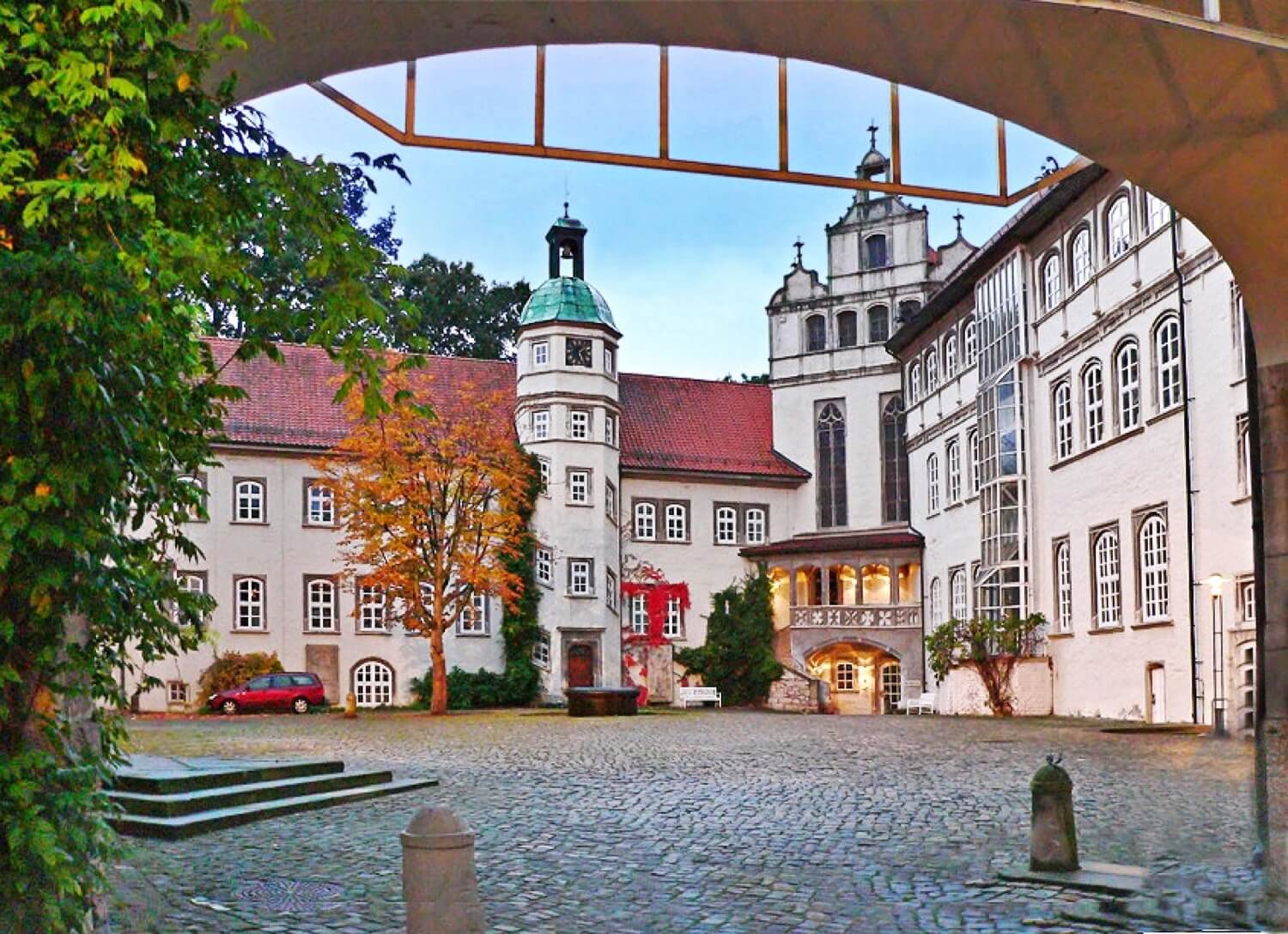
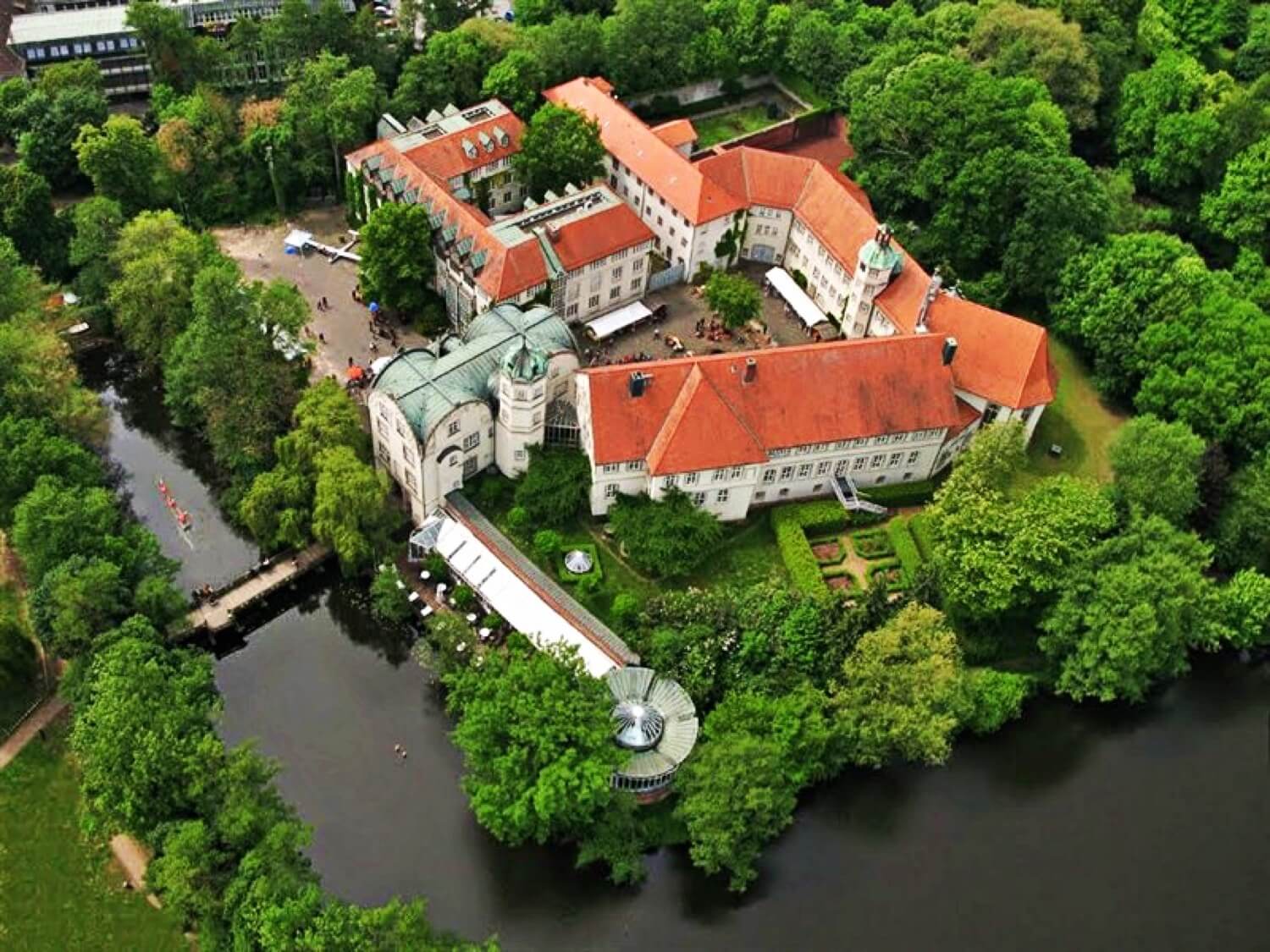
This well-fortified castle was built in the shape of a trapezium. It was surrounded by ramparts and a moat up to 50 metres wide. The immediate vicinity could be flooded to create a swamp. Stone bastion towers were built on the four corners of the site. These were linked to the castle by underground rampart passages (Wallgänge) in the form of casemates. A 45 metre long section is preserved today that led to the north bastion. Today it is used today to house exhibitions for the castle museum. The original entrance to the castle was over a bridge on the narrow side of the castle moat in the southeast, that led to the gatehouse. Today the main entrance is through the old south bastion which has been reconstructed using sections of wall arranged in a circle. The following castle buildings are grouped around the inner courtyard:
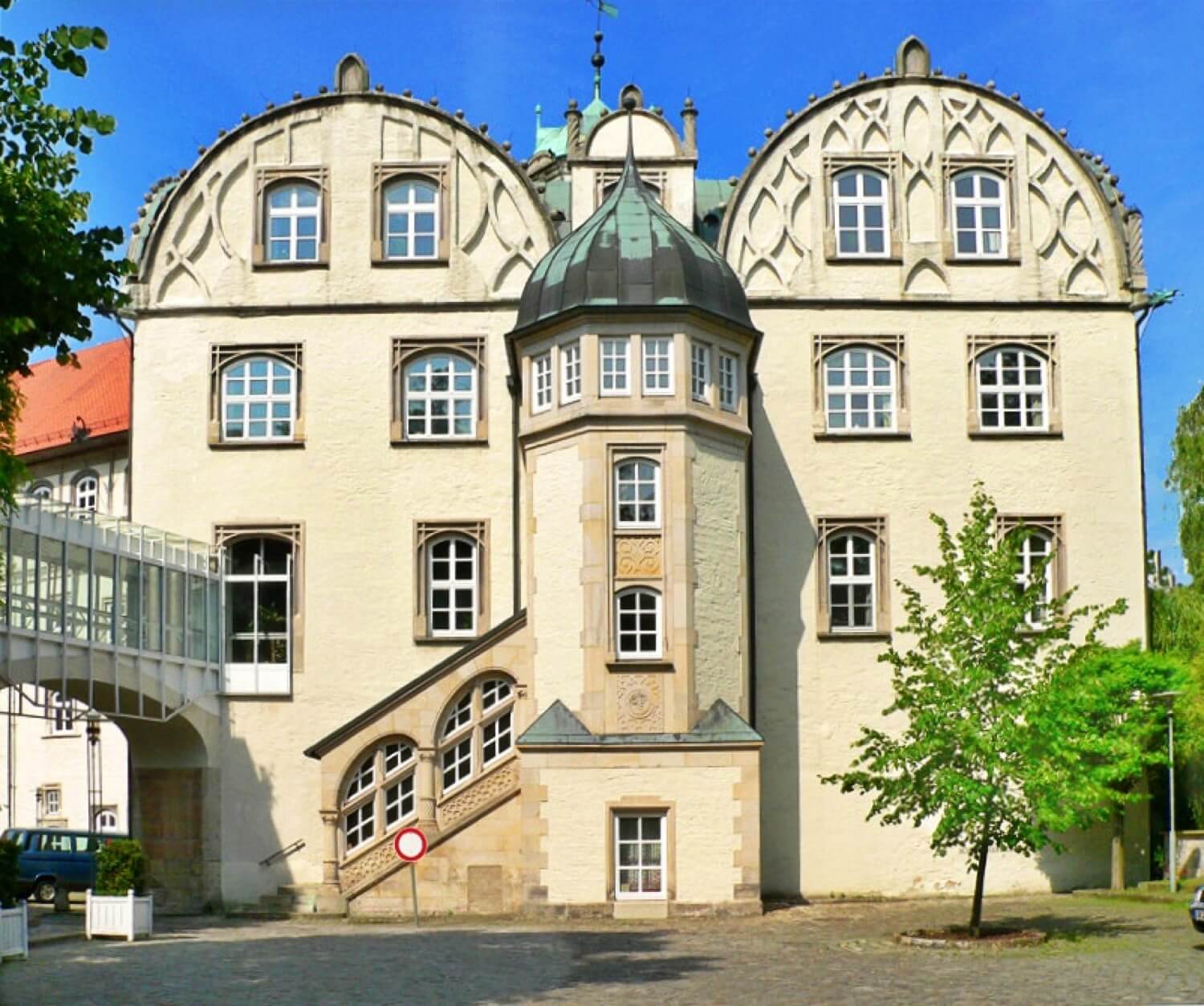
The gatehouse (Torhaus) is the oldest building and was completed in 1526, one year after work began on the castle. Due to its oversized dimensions it was probably originally planned as a single building. The roof, with its semi-circular gables is extraordinary and none like it has been preserved anywhere else. Until the 18th century the entrance to the castle was through the gatehouse; after that it was used as a grain store.
The Ablagerhaus is the largest building in the east wing and acted from the 18th century as a residence for senior Gifhorn officials such as the Amtshauptmann. Its name, which means 'visit house', is derived from the fact that the occupants of its rooms had to vacate them when there was a lordly visit (Ablager) e.g. by royal hunting parties. This building contains the Great Hall (Rittersaal).
The castle chapel (Schlosskapelle) was built in 1547 and was the first religious building built for Protestant services in Germany. It contains the sarcophagus of Duke Francis on a gallery (Empore) below a window and a life-size, kneeling statue of the duke. The sarcophagus of his wife, Clara of Lauenburg, is empty, because she died during a trip to her Pomeranian home in Barth. Nevertheless, there is also a statue of her.
The Kommandantenhaus of 1581 was the residence of the Schlosshauptmann or Amtshauptmann. Later in the 19th and 20th century it became the seat of the county court (Amtsgericht)
The staircase tower of 1568, with its spiral staircase, links the gatehouse tower with the Ablagerhaus
The prison (Gefangenenhaus), armoury (Zeughaus) and grain store (Kornmagazin) in the west wing no longer exist. Instead, the prison complex (Justizvollzugsanstalt) was built here in the 19th and 20th centuries.
The fortified predecessor of the castle was a moated castle on a defended, artificial hill built in the angle between the rivers Aller and Ise. According to an investigation around 1900 by the pre-historian, Carl Schuchhardt, the old castle - of which nothing remains today - was built around 1000. It is mentioned for the first time in a deed of 1296 where it is called Castrum Gifhorne. It was besieged, probably during fighting between Duke Albert the Fat and his brother, Henry the Admirable. At the end of the 13th century renovation work was carried out on the castle under the direction of Otto the Strict. As the village of Gifhorn developed, the importance of the castle grew, both for security reasons and as a customs post on a trade route. In the 14th century it was frequently enfeoffed to, amongst others, the lord of Veltheim and the town of Brunswick. In 1396 Duke Frederick transferred the castle to his wife Anna of Saxony as a life annuity. In the 15th century other tenants followed, like the von Bülows (1467), von Alvenslebens (1470), von Quitzows (1472) and von Bodendiekes (1477). During the Hildesheim Diocesan Feud the castle and town were destroyed in 1519. Both belonged at the time to the Duchy of Brunswick-Wolfenbüttel.
The present structure was built from 1525 as a completely new castle, not on the site of its predecessor, but on a hill on what was then the northern edge of the town of Gifhorn. It was commissioned by the Protestant dukes, Ernest the Confessor of Brunswick-Lüneburg and his brother Otto of Celle. Ernest gave the castle as a wedding present to his wife, Sophie of Mecklenburg-Schwerin, on the occasion of their marriage in 1528. It was given to her as an annuity, under which she could use the building and its revenue. In 1539 Duke Ernest gave the castle and its surrounding Ämter to his youngest brother Duke Francis, who had returned from the court of the Elector of Saxony and was demanding his share of the inheritance.
On taking over the castle in 1539, Duke Francis was able to indulge his noble image of himself and attended to his princely representational duties unfettered. He had Gifhorn Castle expanded as his Residenz and led an ostentatious, courtly life. At the same time he built Fallersleben Castle as a rural aristocratic estate. Life with his more prudent brother, Ernest and the relatively modest standard of living in the small Celle Residenz was not enough for him. Francis engaged the fortress architect, Michael Clare, from Celle. His works dominate the appearance of Gifhorn Castle.
After the death of Duke Francis in 1549 the castle ceased to be a princely Residenz. The Duchy of Gifhorn that had lasted just 10 years from 1539 to 1549 was re-absorbed into the main ducal house in Celle. The widowed duchess, Clara, had to move out of the castle rooms and take up her dowager residence at Fallersleben Castle. Thereafter Gifhorn Castle became the residence of a bailiff (Amtmann). Occasionally it was used as accommodation for the royal hunting parties of the Celle dukes, who came here in order to hunt in the great forests around Gifhorn.
Nevertheless the castle was retained as a fortress, because it had a strategically important function for the Celle dukes on the southeastern flank of their dukedom. The castle was run by a castellan (Schlosshauptmann) and, from 1734, a seneschal (Landdrost). He was the fortress commander (Festungskommandant) and, from the 16th century onwards, commanded a force of armourers (Waffenmeister), Büchsenschützen and Landsknechten. From the time it was built the fortress withstood every attack. Enemy troops, like the Swedes, Danes, league (Ligisten) and imperial troops in the Thirty Years War and French armies in the Seven Years' War quartered themselves in the town of Gifhorn but avoided attacking the castle.
The last Schlosshauptmann, Ulrich von Veltheim allowed the fortifications to be dismantled between 1770 and 1780, because it was no longer equal to technological advances of that time. The moats were reduced to half-width and entrances were constructed at the northern and southern bastions. The fortified gatehouse was converted into a grain store. From the 18th century, district administrators (Landräte) officiated in the castle. A fundamental renovation and redevelopment of the whole castle area took place between 1978 and 1983. Today the castle is home to the following:
Gifhorn district with the district council rooms
Great Hall Event Venue (Veranstaltungsort Rittersaal)
Gifhorn Castle History Museum with 1000 m² of exhibition area showing the development of Gifhorn from ancient times to the present
The castle restaurant
The prison (Justizvollzugsanstalt)
Das Schloss Gifhorn ist eine zwischen 1525 und 1581 im Stil der Weserrenaissance erbaute Schlossanlage in Gifhorn. Das bis 1790 festungsmäßig ausgebaute Schloss mit seinen Wassergräben, Wällen und Bastionen wurde nie eingenommen. Im 16. Jahrhundert war es unter Herzog Franz von Braunschweig-Lüneburg nur zehn Jahre lang Residenz des Herzogtums Gifhorn.
Die wehrhafte Schlossanlage war in Trapezform angelegt worden. Sie war von Festungswällen und einem 50 m breiten Wassergraben umgeben. Die nähere Umgebung konnte durch Überschwemmung in einen Sumpf verwandelt werden. An den vier Ecken der Anlage wurden steinerne Bastionstürme errichtet. Diese waren mit dem Schloss unterirdisch durch Wallgänge in Form von Kasematten verbunden. Davon ist heute noch ein 45 m langes Stück erhalten, das zur Nordbastion führte. Darin werden heute Ausstellungen des Schlossmuseums präsentiert. Erreichbar war das Schloss über eine Brücke an der schmalen Seite des Schlossgrabens im Südosten, die zum Torhaus führte. Heute führt der Hauptzugang über die alte Südbastion, die durch rundförmig angeordnete Mauerstücke rekonstruiert ist. Um den Innenhof gruppieren sich folgende Schlossgebäude:
Torhaus als ältestes Gebäude, das bereits ein Jahr nach Beginn des Schlossbaus 1526 fertiggestellt war. Wegen seiner überdimensionierten Größe war es vermutlich ursprünglich als einziges Schlossgebäude geplant. Die tonnenförmige Dachkonstruktion mit Halbkreisgiebeln ist außergewöhnlich und heute nirgends woanders mehr erhalten. Ihr Holzwerk ließ sich auf das Jahr 1526 datieren, wurde jedoch bei der Renovierung Anfang der 1980er Jahre ausgetauscht. Der Zugang zum Schloss erfolgte bis zum 18. Jahrhundert durch das Torhaus, danach wurde es als Kornmagazin verwendet.
Ablagerhaus als größtes Gebäude im Ostflügel, das ab dem 18. Jahrhundert als Wohngebäude für hohe Gifhorner Beamte, wie den Amtshauptmann, fungierte. Der Name erklärt sich dadurch, dass die Bewohner die Räume frei zu machen hatten bei hochherrschaftlichem Ablager (Besuch), z.B. durch Jagdgesellschaften. Im Gebäude befindet sich der Rittersaal.
Schlosskapelle als erster Sakralbau von 1547, der für evangelischen Gottesdienst erbaut wurde. Mit Sarkophag von Herzog Franz auf einer Empore unterhalb eines Fenster und einer lebensgroßen, knienden Holzplastik des Bestatteten. Der Sarkophag von Ehefrau Klara von Sachsen-Lauenburg ist leer, da sie auf einer Reise in ihre pommersche Heimat in Barth verstarb. Sie ist aber ebenfalls als Plastik betend dargestellt.
Kommandantenhaus von 1581 als Wohnsitz des Schloss- oder Amtshauptmannes, später im 19. und 20. Jahrhundert Sitz des Amtsgerichts
Treppenturm von 1568 mit Wendeltreppe als Gebäudezugang zwischen dem Torturm und dem Ablagerhaus
Gefangenenhaus, Zeughaus und Kornmagazin des Westflügels sind heute nicht mehr vorhanden. Darauf entstand im 19. und 20. Jahrhundert der Komplex der Justizvollzugsanstalt
Befestigter Vorläufer des Schlosses war eine Wasserburg auf einem künstlich errichteten Hügel an einem geschützten Winkel zwischen Aller und Ise. Laut einer um 1900 vorgenommen Untersuchung durch den Prähistoriker Carl Schuchhardt bestand die Burg, von der sich heute keine Reste mehr finden, bereits um das Jahr 1000. In einer Urkunde von 1296 wurde sie erstmals erwähnt als Castrum Gifhorne.
Eine Belagerung erfolgte wahrscheinlich im Kampfe von Herzog Albrecht dem Fetten gegen seinen Bruder Heinrich dem Wunderlichen. Ende des 13. Jahrhunderts wurde auf der Burg Umbauarbeiten unter Otto dem Strengen durchgeführt. Mit der Entwicklung des Ortes Gifhorn stieg die Bedeutung der Burganlage zur Sicherung und als Zollstelle an einer Handelsstraße. Im 14. Jahrhundert war sie häufig verpfändet, unter anderem an die Herren von Veltheim und die Stadt Braunschweig. 1396 überließ Herzog Friedrich die Burg seiner Ehefrau Anna von Sachsen als Leibrente. Im 15. Jahrhundert folgten weitere Pfandbesitzer, wie die von Bülow (1467), von Alvensleben (1470), von Quitzow (1472) und von Bodendieke (1477). In der Hildesheimer Stiftsfehde wurden Burg und Stadt 1519 zerstört. Beides gehörte bis in diese Zeit zum Herzogtum Braunschweig-Wolfenbüttel.
Das heutige Schloss entstand ab 1525 als Neubau, jedoch nicht am Ort der Vorläuferbauten, sondern auf einer Erhebung am Nordrand des damaligen Gifhorns. Bauherren waren die protestantischen Herzöge Ernst der Bekenner von Braunschweig-Lüneburg und sein Bruder Otto aus Celle. Ernst machte das Schloss bei seiner Vermählung 1528 zum Hochzeitsgeschenk für seine Ehefrau Sophie von Mecklenburg-Schwerin. Es diente ihr als Leibrente, bei der sie über das Gebäude und seine Einkünfte verfügen konnte. 1539 vermachte Herzog Ernst das Schloss und die umliegenden Ämter seinem jüngsten Bruder Herzog Franz, der zurückgekehrt vom kursächsischen Hof auf Erbabfindung drängte.
Bei der Übernahme des Schlosses 1539 durch Herzog Franz konnte dieser seinem adligen Selbstverständnis nach mit der Anlage seinen fürstlichen Repräsentationsaufgaben ungehindert nachgehen. Er ließ Schloss Gifhorn als Residenz ausbauen und führte ein prunkvolles höfisches Leben. Gleichzeitig baute er Schloss Fallersleben als ländlichen Adelssitz aus. Das Leben bei seinem sparsamen Bruder Ernst und der vergleichsweise bescheidene Lebensstandard in der kleinen Celler Residenz genügten ihm nicht. Franz band den Festungsbaumeister Michael Clare aus Celle an sich. Sein Wirken prägte das Erscheinungsbild der Gifhorner Anlage.
Nach dem Tode von Herzog Franz 1549 hörte die Schlossanlage auf, fürstlicher Residenzort zu sein. Der nur 10 Jahre zwischen 1539 und 1549 bestandene Herrschaftsbereich des Herzogtums Gifhorn fiel zurück an das Fürstentum Lüneburg. Die Witwe Herzogin Klara von Sachsen-Lauenburg musste das Schloss räumen und sich auf ihren Witwensitz Schloss Fallersleben zurückziehen. Danach wurde das Gifhorner Schloss Wohnung für einen Amtmann. Gelegentlich fungierte es als Unterkunft für fürstliche Jagdgesellschaften der Celler Herzöge, die hier einkehrten, um in den ausgedehnten Wäldern um Gifhorn der Jagd nachzugehen.
Trotzdem blieb die Anlage weiterhin eine Festung, da sie für die Celler Herzöge eine strategisch wichtige Funktion an der Südostflanke ihres Herzogtums hatte. Verwaltet wurde das Schloss von einem Schlosshauptmann (ab 1734 Landdrost). Dieser war Festungskommandant und befehligte seit dem 16. Jahrhundert eine Besatzung von Waffenmeistern, Büchsenschützen und Landsknechten. Die wehrhafte Festungsanlage widerstand seit ihrem Bestehen allen Angreifern. Feindliche Truppen, wie der der Schweden, Dänen, Ligisten sowie Kaiserlichen im Dreißigjährigen Krieg und Heere der Franzosen im Siebenjährigen Krieg quartierten sich in der Stadt Gifhorn ein und verzichteten auf einen Angriff auf das Schloss.
Der letzte Schlosshauptmann Ulrich von Veltheim ließ die Befestigungsanlagen zwischen 1770 und 1780 abtragen, da sie den wehrtechnischen Anforderungen dieser Zeit nicht mehr genügten. Auch wurde der Wassergraben auf halbe Breite reduziert und zur nördlichen und südlichen Bastion entstanden Übergänge. Das wehrhafte Torhaus wurde zu einem Kornspeicher umgebaut. Ab dem 18. Jahrhundert amtierten Landräte im Schloss. Eine grundlegende Renovierung und Neugestaltung des gesamten Schlossbereiches fand zwischen 1978 und 1983 statt. Bis etwa 2010 befand sich in einem Gebäudeflügel eine kleinere Abteilung einer Justizvollzugsanstalt. Heute ist das Schloss Sitz folgender Einrichtungen:
Landkreis Gifhorn mit Sitzungsräumen des Kreistages
Veranstaltungsort Rittersaal
Historisches Museum Schloss Gifhorn auf etwa 1000 m² Ausstellungsfläche zur Entwicklung des Landkreis Gifhorn von der Urzeit bis zur Gegenwart
Gastronomiebetrieb Schloss-Restaurant
Useful information
Gratis
3.50 EUR
Kinder: 2.00 EUR
0 - 11 Jahre: gratis
Personen mit Behindertenausweis: gratis
nach Vereinbarung
Familie: 8.00 EUR
- Schlosspark
- Informationstabellen
schlossgifhorn@museen-gifhorn.de
- Es hat das Geschichtsmuseum der Burg Gifhorn
- Themenführungen
- Für Rollstühle nicht zugänglich
-
External links
Nearby castles