Burg Welschbillig
Trier-Saarburg Rheinland-Pfalz Germany
castle, chateau
Burg Welschbillig
Trier-Saarburg Rheinland-Pfalz Germany
castle, chateau
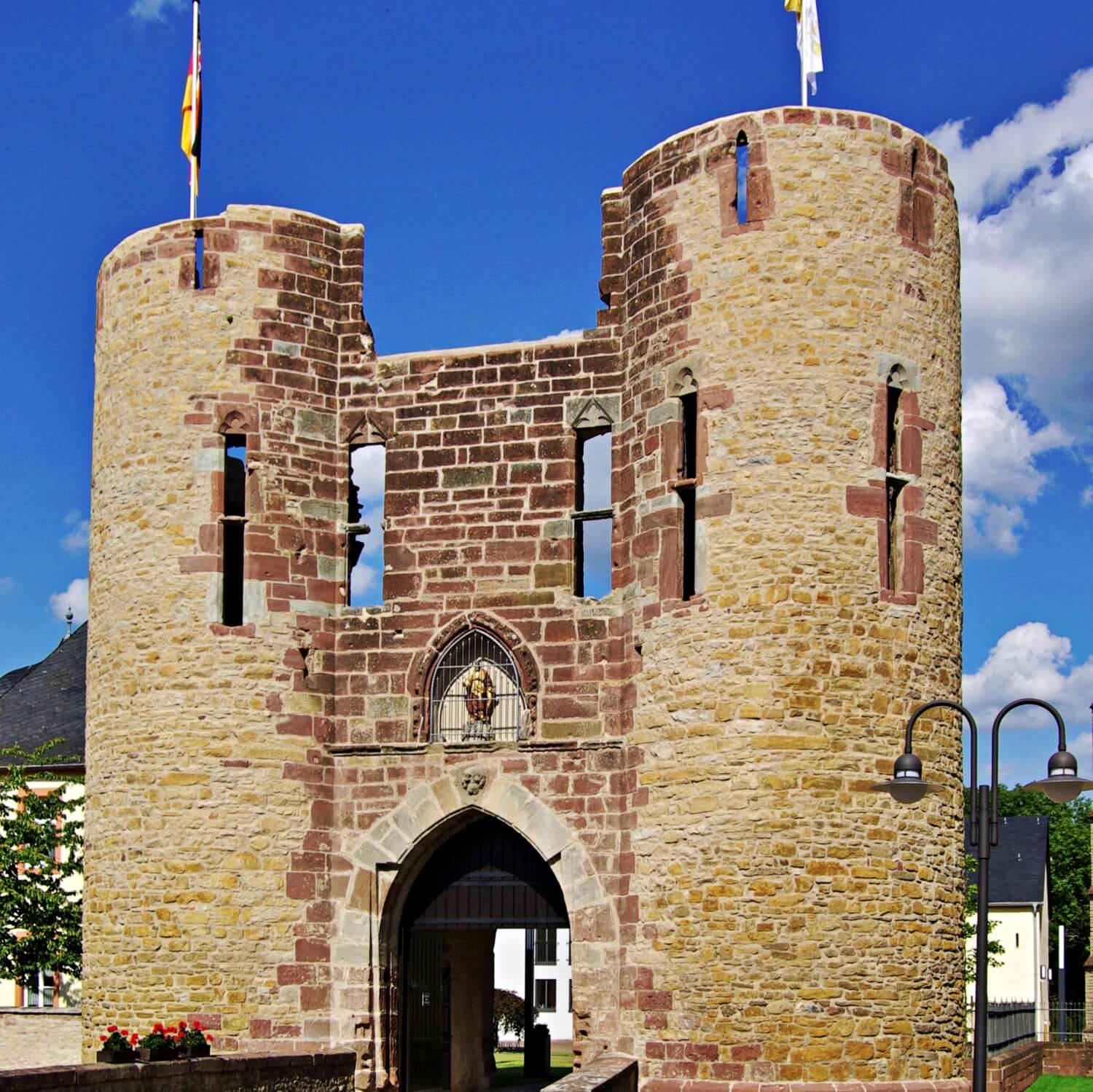
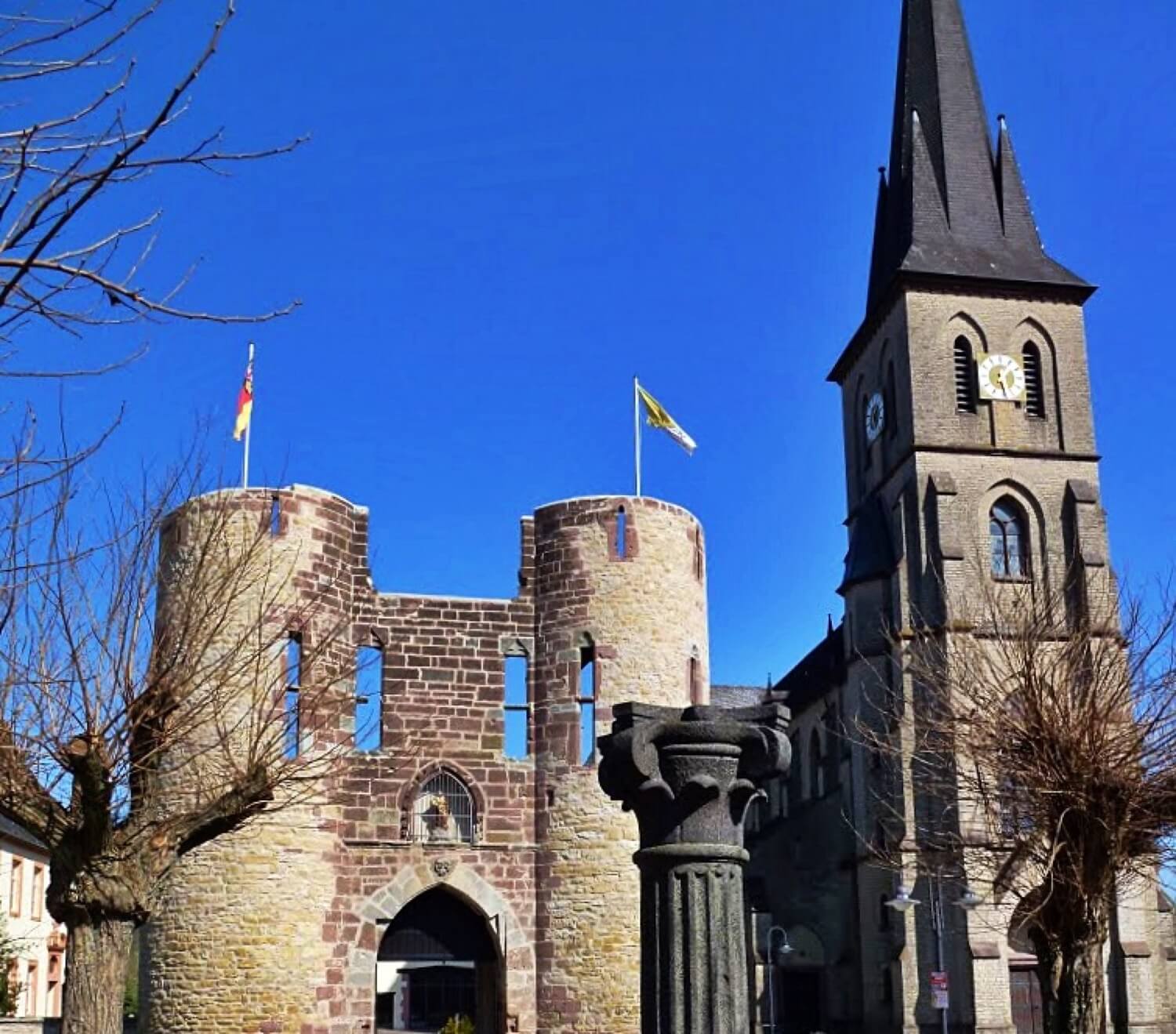
Welschbillig Castle is the ruin of a water castle in the municipality of Welschbillig in the county of Trier-Saarburg in the German state of Rhineland-Palatinate
Die Burg Welschbillig ist die Ruine einer Wasserburg in der Ortsgemeinde Welschbillig im Landkreis Trier-Saarburg in Rheinland-Pfalz
Previous names
Burg Welschbillig, Burg Welschbillig
Description
Welschbillig Castle is the ruin of a water castle in the municipality of Welschbillig in the county of Trier-Saarburg in the German state of Rhineland-Palatinate.
History
As early as the 12th century there was a small predecessor castle on the site of a former Roman villa rustica from the 2nd to 4th century in the present village of Welschbillig.
From 1242 to 1299 the fortifications of the castle were significantly strengthened by the Prince-Elector of Trier, Arnold II of Isenburg and, later, the Landesburg was further expanded by his successors. During the so-called Dutch War the castle was destroyed in 1673/74 by troops of the French "sun king" Louis XIV and from 1889 to 1891 the southern side was demolished to build a church.
Site
The castle built over the remains of the Roman villa survive today as the remains of a large, quadrangular castle with moats. Still visible are the gateway with its two round towers, a stone bridge over the moat and the remains of the northwest tower.
The Roman villa was built in the shape of the letter "U" next to a 58.3 by 17.8 metre water basin, which was originally surrounded 112 hermas. 71 of the hermas may be seen in the Rheinisches Landesmuseum Trier.
Die Burg Welschbillig ist die Ruine einer Wasserburg in der Ortsgemeinde Welschbillig im Landkreis Trier-Saarburg in Rheinland-Pfalz.
Geschichte
Bereits im 12. Jahrhundert entstand schon eine kleine Vorgängerburg auf dem Gelände einer früheren römischen Villa rustica aus dem 2. bis 4. Jahrhundert in dem heutigen Ort Welschbillig.
1242 bis 1299 wird die Burg durch den Trierer Kurfürsten Arnold II. von Isenburg erheblich verstärkt und später die Landesburg von seinen Nachfolgern weiter ausgebaut. Im sogenannten Holländischen Krieg wurde die Burg 1673/74 durch Truppen des französischen Sonnenkönigs Ludwig XIV. zerstört und 1889 bis 1891 die Südseite wegen eines Kirchenbaus abgebrochen.
Useful information
Gratis
Gratis
- Ruinen der Burg
- Es wird als Kirche genutzt
-
Nearby castles

Ramstein Castle (Kordel)
Trier-Saarburg
6.3km
castle, chateau
Schloss Niederweis
Eifelkreis Bitburg-Prüm
7.7km
castle, chateau
Prümerburg
Eifelkreis Bitburg-Prüm
9.2km
castle, chateau
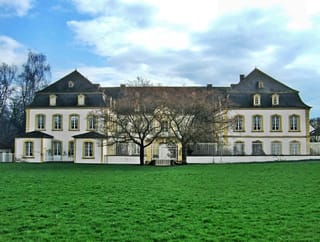
Quinter Schloss
Trier
10.5km
castle, chateau
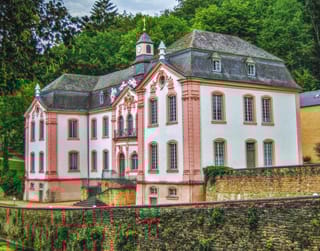
Schloss Weilerbach
Eifelkreis Bitburg-Prüm
13.0km
castle, chateau
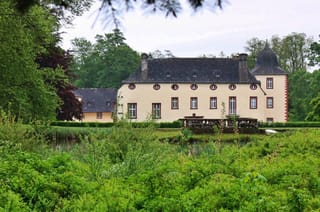
Schloss Föhren
Trier-Saarburg
13.9km
castle, chateau
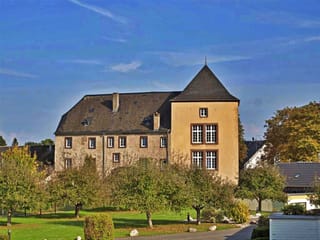
Dudeldorf Castle
Eifelkreis Bitburg-Prüm
14.4km
castle, chateau