Klopp Castle
Landkreis Mainz-Bingen Rheinland-Pfalz Germany
castle, chateau
Burg Klopp
Landkreis Mainz-Bingen Rheinland-Pfalz Germany
castle, chateau
Klopp Castle (German: Burg Klopp) is a castle in the town of Bingen am Rhein in the Upper Middle Rhine Valley in Rhineland-Palatinate, Germany
Die Burg Klopp ist eine Höhenburg auf einer Anhöhe in der Stadt Bingen am Rhein im Landkreis Mainz-Bingen in Rheinland-Pfalz
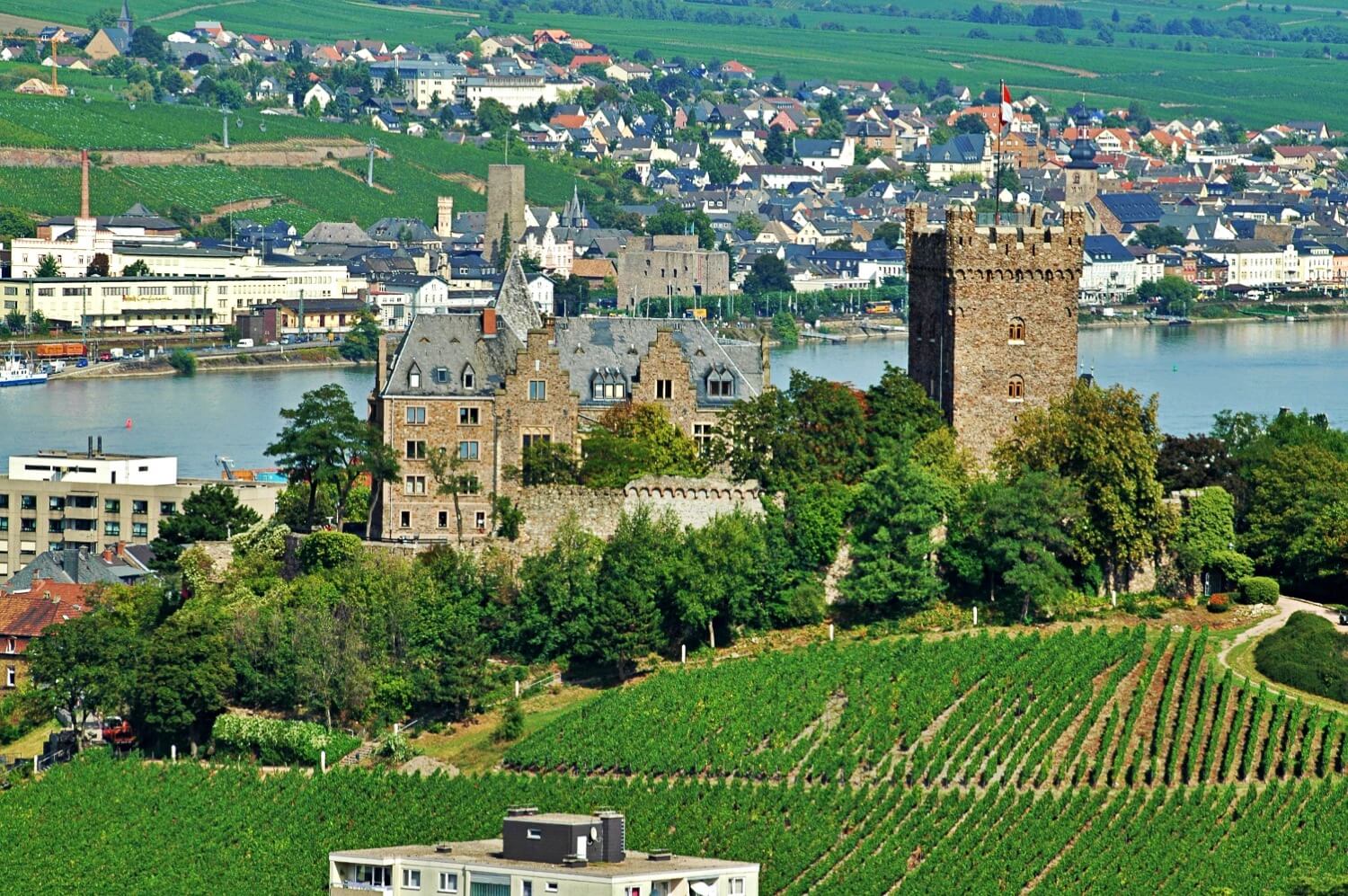
Previous names
Klopp Castle, Burg Klopp
Description
Klopp Castle (German: Burg Klopp) is a castle in the town of Bingen am Rhein in the Upper Middle Rhine Valley in Rhineland-Palatinate, Germany. In the nineteenth century, the bergfried (similar to a keep) from the original medieval fortified castle was restored and a new building added which houses the town's administration.
History
The castle stands on a hill above the town with a wide-ranging view, which may have been the site of a Roman fortification built by Nero Claudius Drusus at Bingium around 10 CE. Drusenburg or Drususburg was an early name for the castle. The hill is one of three locations where local legend says that Emperor Henry IV was imprisoned by his son in 1105 or 1106, this being the first surviving mention of a castle there.
The last medieval castle on the site was built in the 13th century: possibly around 1281, possibly between 1240, when Kloppberg (Klopp Hill) is mentioned as the residence of a churchman, and 1277, the first mention of Burg Clopp. Together with Ehrenfels Castle on the opposite side of the Rhine and later the Mouse Tower, it enabled the Archbishopric of Mainz to exact tolls on river trade. In 1438 the archbishop sold the town and the castle to the cathedral chapter and the townspeople effectively controlled it. The castle was already decaying in the 16th century and was destroyed in the Thirty Years' War, but was rebuilt in 1653. The French destroyed it again in 1689 in the War of the Palatine Succession, and in the final phase of the War of the Spanish Succession in 1713, the Mainz forces themselves blew up what was left to prevent its use by the enemy. Early 19th-century paintings show ruined walls, one connecting the castle to the town, but the castle itself levelled.
The state of Hesse acquired the ruin in 1815 and sold it to Hermann Faber, a lawyer. It was later owned by a Berliner called Rosenthal, who renovated the well. Both charged tourists to climb the gate tower as a viewing platform; Faber built a stairway up the outside of the walls and a viewing room at the top which he furnished with books of poetry, a comfortable sofa and a fully equipped writing desk, and laid out the grounds as a garden with romantic paths through the grapevines, trees and flowers. He also installed an aeolian harp. The castle was one of the major sights of the Romantic Rhine. J.M.W. Turner sketched a view of it from the River Nahe in 1844. By the end of the 19th century, some 75,000 entries had been made in the visitors' book.
In 1853 the gatehouse, the bridge across the moat and the fortifications were rebuilt for Ludwig Maria Cron. The bergfried was rebuilt as a crenellated tower 26 metres high, with four corner turrets. In 1875–79, a new Gothic building was built on the site. The architect for both was the mayor, Eberhard Soherr. The base of the bergfried, the moat and parts of the southern curtain wall and its chemin de ronde are the only remnants of the medieval castle.
Die Burg Klopp ist eine Höhenburg auf einer Anhöhe in der Stadt Bingen am Rhein im Landkreis Mainz-Bingen in Rheinland-Pfalz.
Seit 2002 ist die Burg Klopp Teil des UNESCO-Welterbes Oberes Mittelrheintal.
Geschichte
Die Burganlage ist wohl in der Zeit zwischen 1240 (Kloppberg als Wohnsitz eines Klerikers erwähnt) und 1277 (ab da taucht die Erwähnung als Burg Clopp auf) erbaut worden. Äußerst unwahrscheinlich ist ein römischer Ursprung, da das römische Kastell Bingium nach neueren Untersuchungen den Kloppberg nicht mit einbezog. Zweck des Baus war die Verstärkung der Kurmainzer Zollbarriere, die Burg Klopp mit Burg Ehrenfels am anderen Ufer und dem im 14. Jahrhundert hinzugekommenen Binger Mäuseturm bildete.
Nachdem der Mainzer Erzbischof Dietrich Schenk von Erbach Stadt und Burg 1438 an das Mainzer Domkapitel verkauft hatte, diente sie auch als Zwingburg, welche die nach Unabhängigkeit strebenden Städter kontrollierte. Nach der Zerstörung im Dreißigjährigen Krieg erfolgte 1653 ein Wiederaufbau, doch schon 1689 wurde die Burg im Pfälzischen Erbfolgekrieg durch französische Truppen wieder zerstört. 1711/12 sprengte die Mainzer Besatzung die Reste während des Spanischen Erbfolgekriegs, um die Nutzung durch den Gegner zu verhindern. Die Ruine kaufte der Notar und Regierungskommissar des Kantons Bingen, Hermann Gottfried Joseph Faber um 1800. Klopphügel und Ruine wechselten um 1840 den Besitzer. Dies wurde Gustav Johann von Mengden, der sie wiederaufbauen wollte, seine Pläne aber änderte und sie 1853 an den Kölner Reeder und Kaufmann Ludwig Maria Cron verkaufte.
Anlage
Ihre heutige Gestalt erhielt die Burg im Zuge der Rheinromantik im 19. Jahrhundert. Nach einem Teilwiederaufbau (Brücke, Torhaus, Wehrgang und Bergfried) durch Ludwig Maria Cron im Jahr 1853 ließ der Architekt und vormalige Binger Bürgermeister Eberhard Soherr von 1875 bis 1879 das neugotische Hauptgebäude als bürgerliche Sommerresidenz errichten. Seit 1897 ist in der Burg ein Teil der Binger Stadtverwaltung untergebracht, darunter das Büro des Oberbürgermeisters. Vom heutigen Aussehen kann man nicht auf die ursprüngliche Gestalt schließen. Aus dem Mittelalter erhalten blieben lediglich die unteren Mauern des Bergfriedes, der Halsgraben und Teile der südlichen Ringmauer mit Resten des Wehrgangs. Der 37,5 m hohe Bergfried ist in den Sommermonaten tagsüber geöffnet und kann als Aussichtsturm bestiegen werden.
Useful information
Gratis
Gratis
Das Schloss wird als Rathaus und Restaurant genutzt
-
Nearby castles
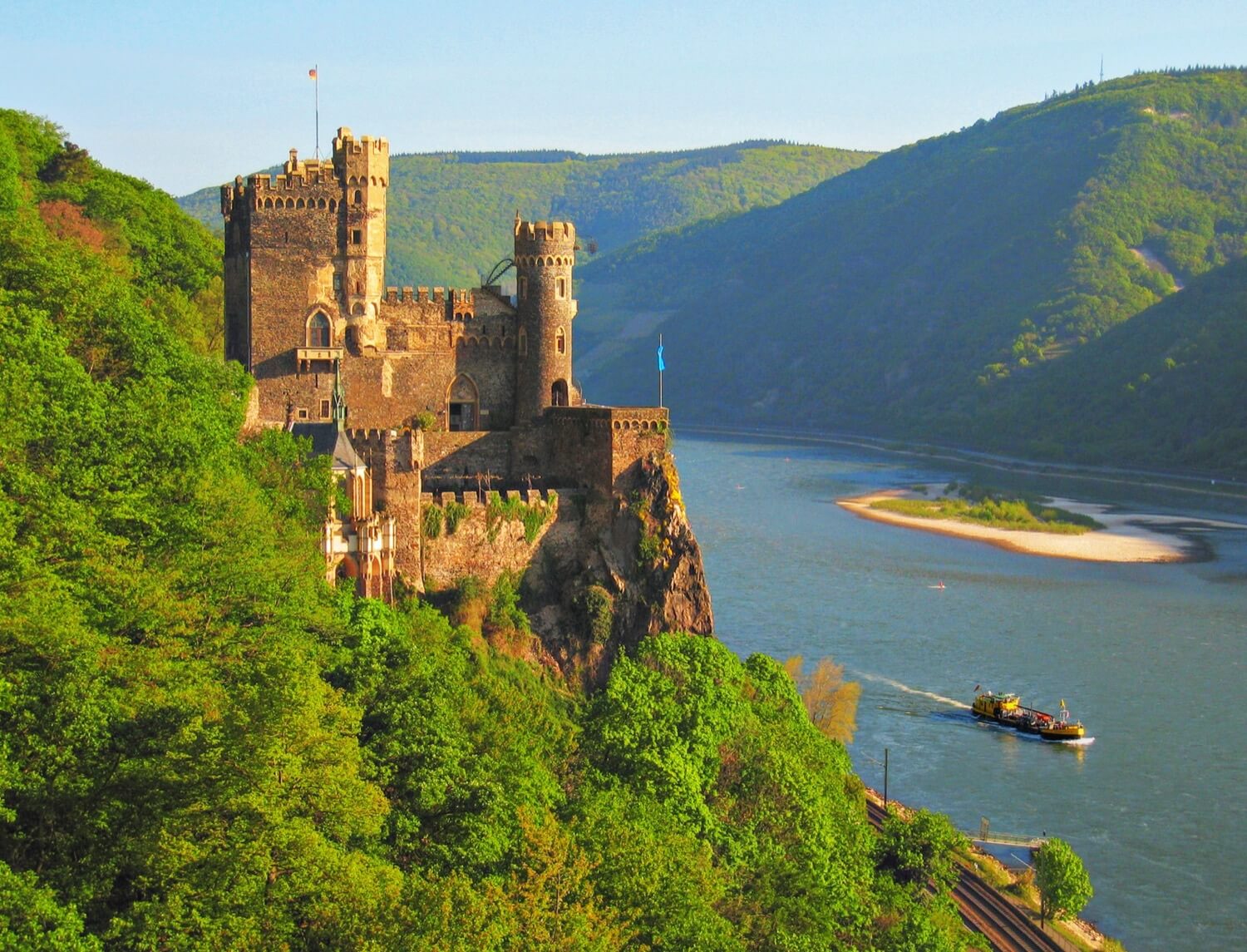
Ehrenfels Castle (Hesse)
Darmstadt
1.5km
castle, chateau
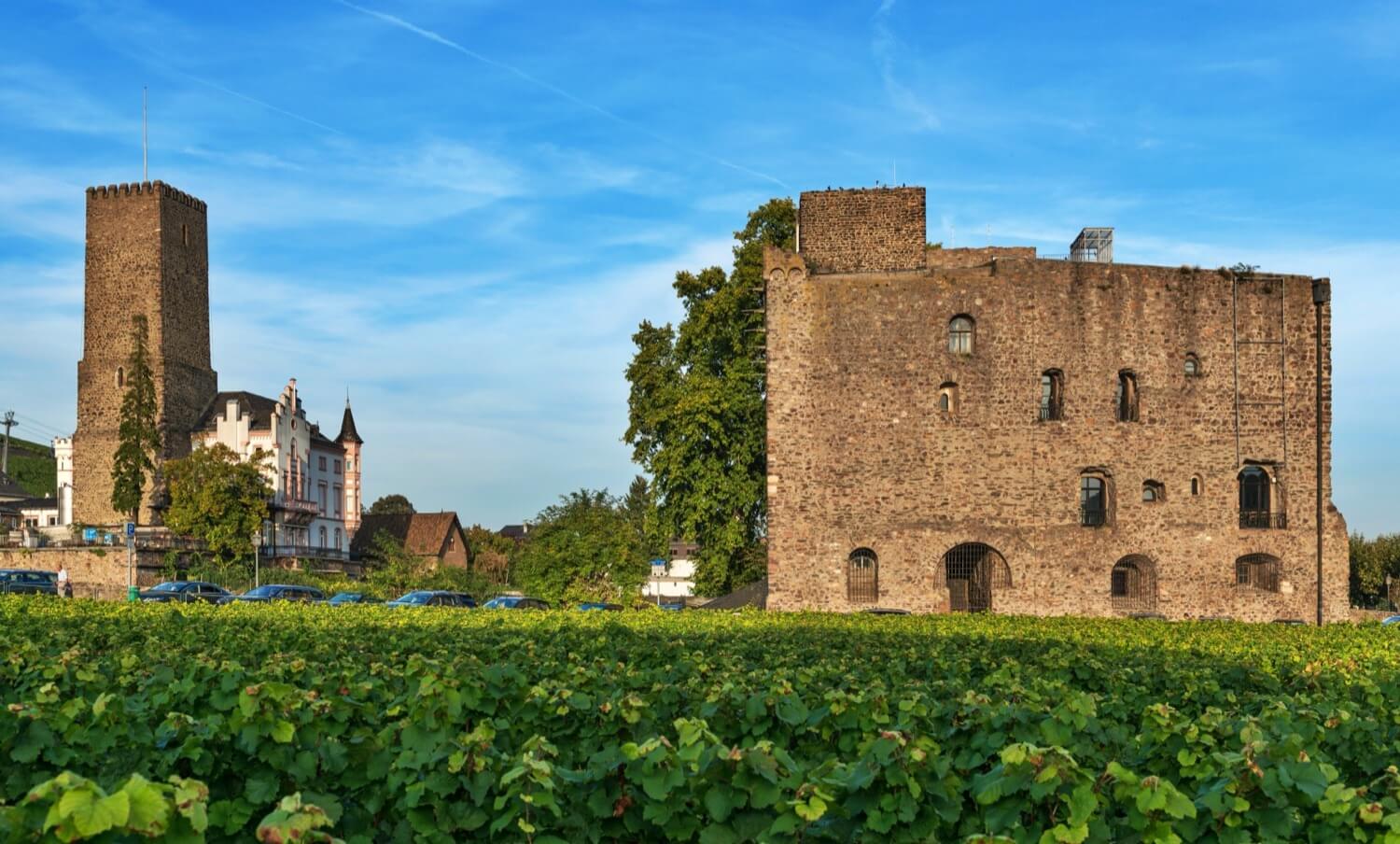
Bromserburg
Darmstadt
2.0km
castle, chateau
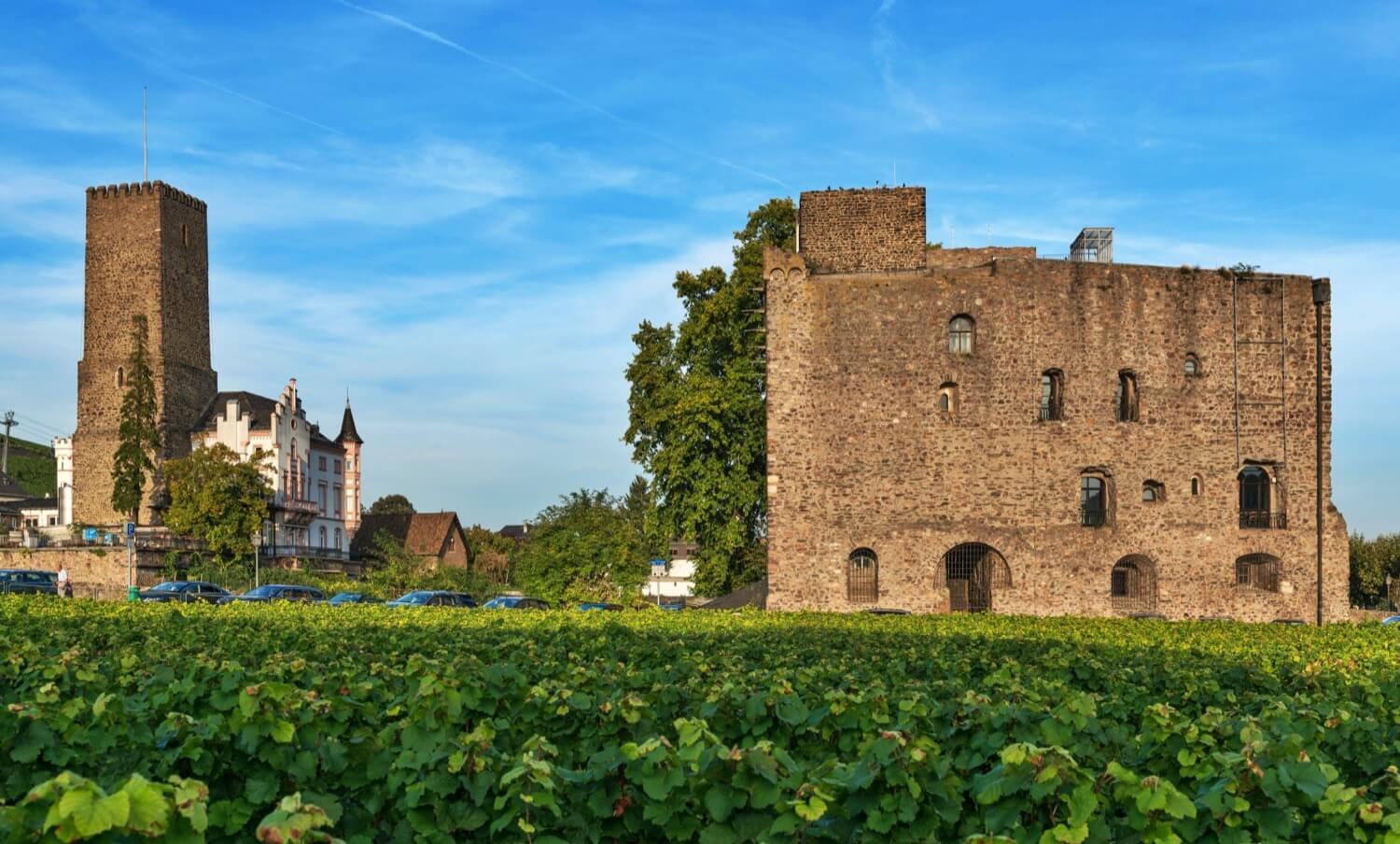
Boosenburg
Darmstadt
2.1km
castle, chateau
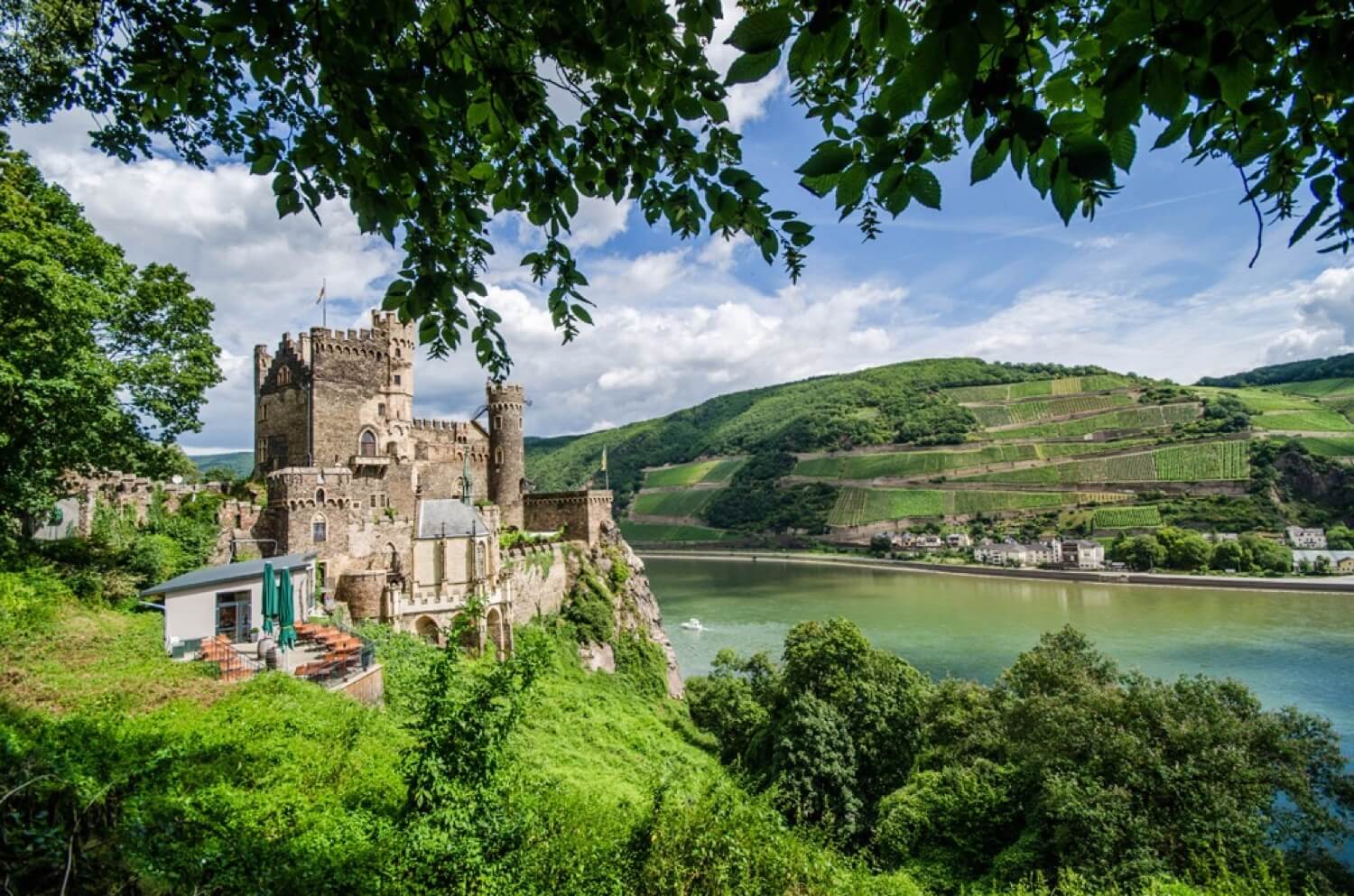
Rheinstein Castle
Landkreis Mainz-Bingen
4.1km
castle, chateau

Reichenstein Castle (Trechtingshausen)
Landkreis Mainz-Bingen
5.3km
castle, chateau
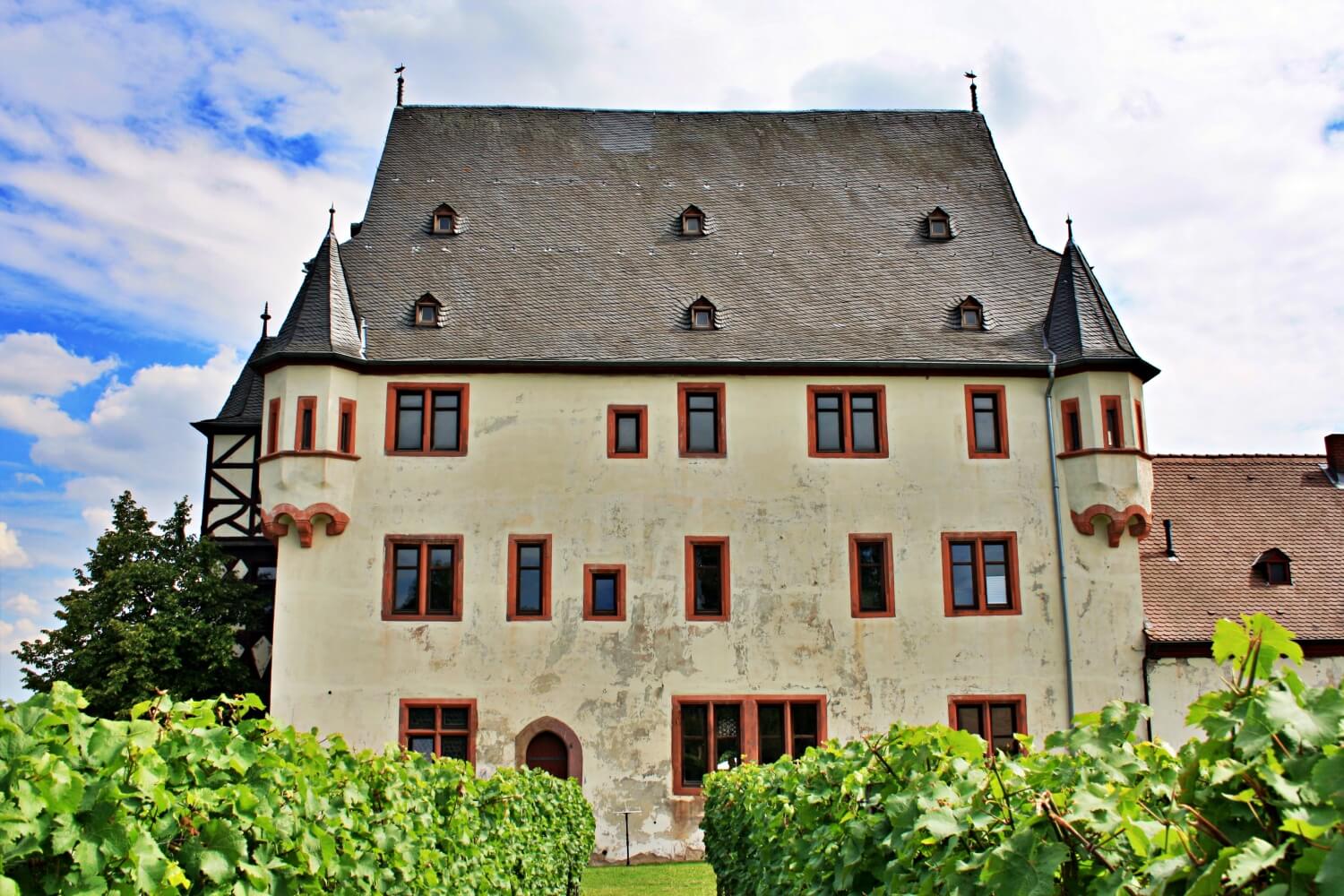
Schloss Schonborn (Geisenheim)
Darmstadt
5.6km
castle, chateau
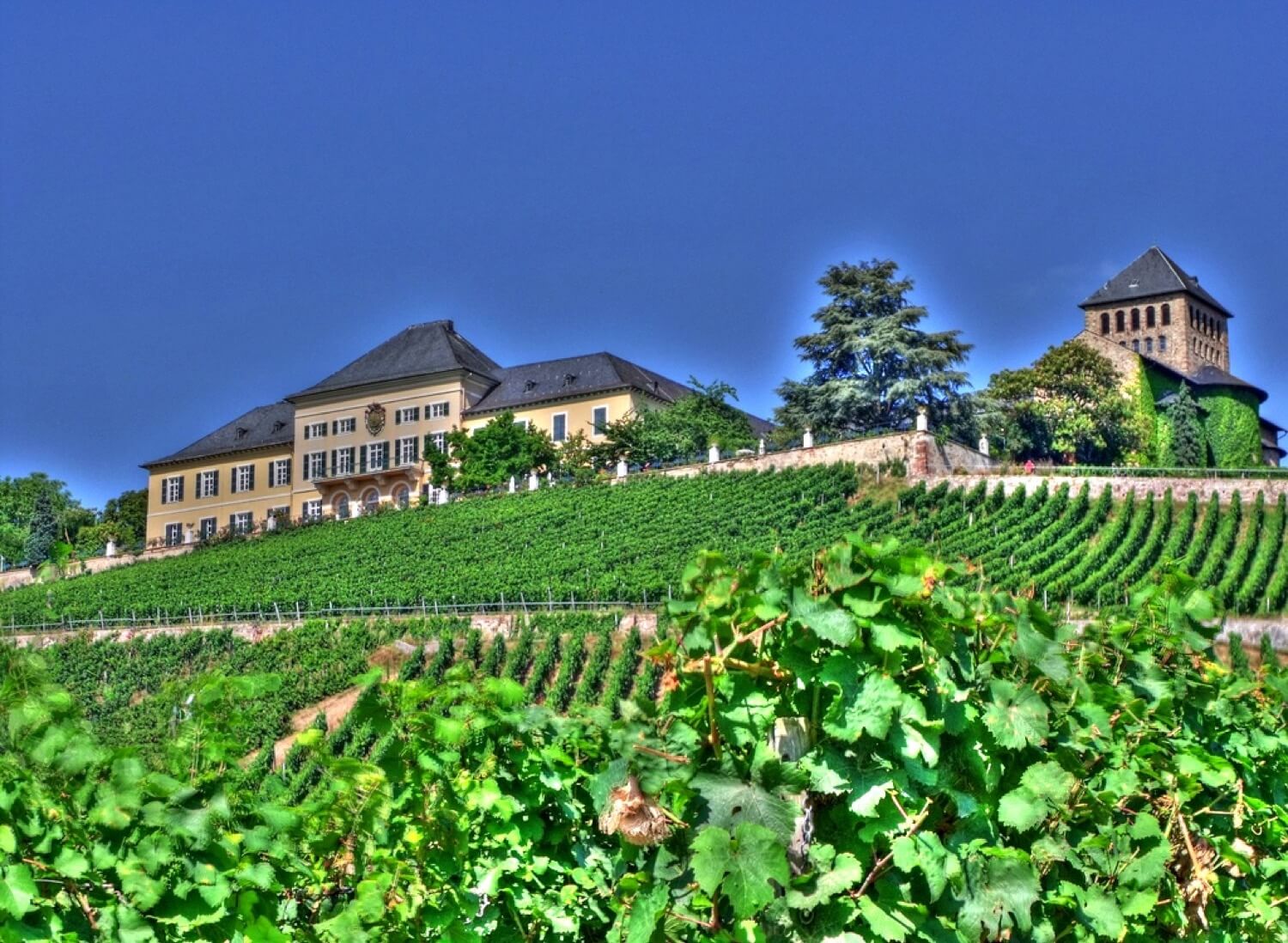
Schloss Johannisberg
Darmstadt
7.3km
castle, chateau