New Palace in Bayreuth
Oberfranken Bayern Germany
manor, mansion
Neues Schloss Bayreuth
Oberfranken Bayern Germany
manor, mansion
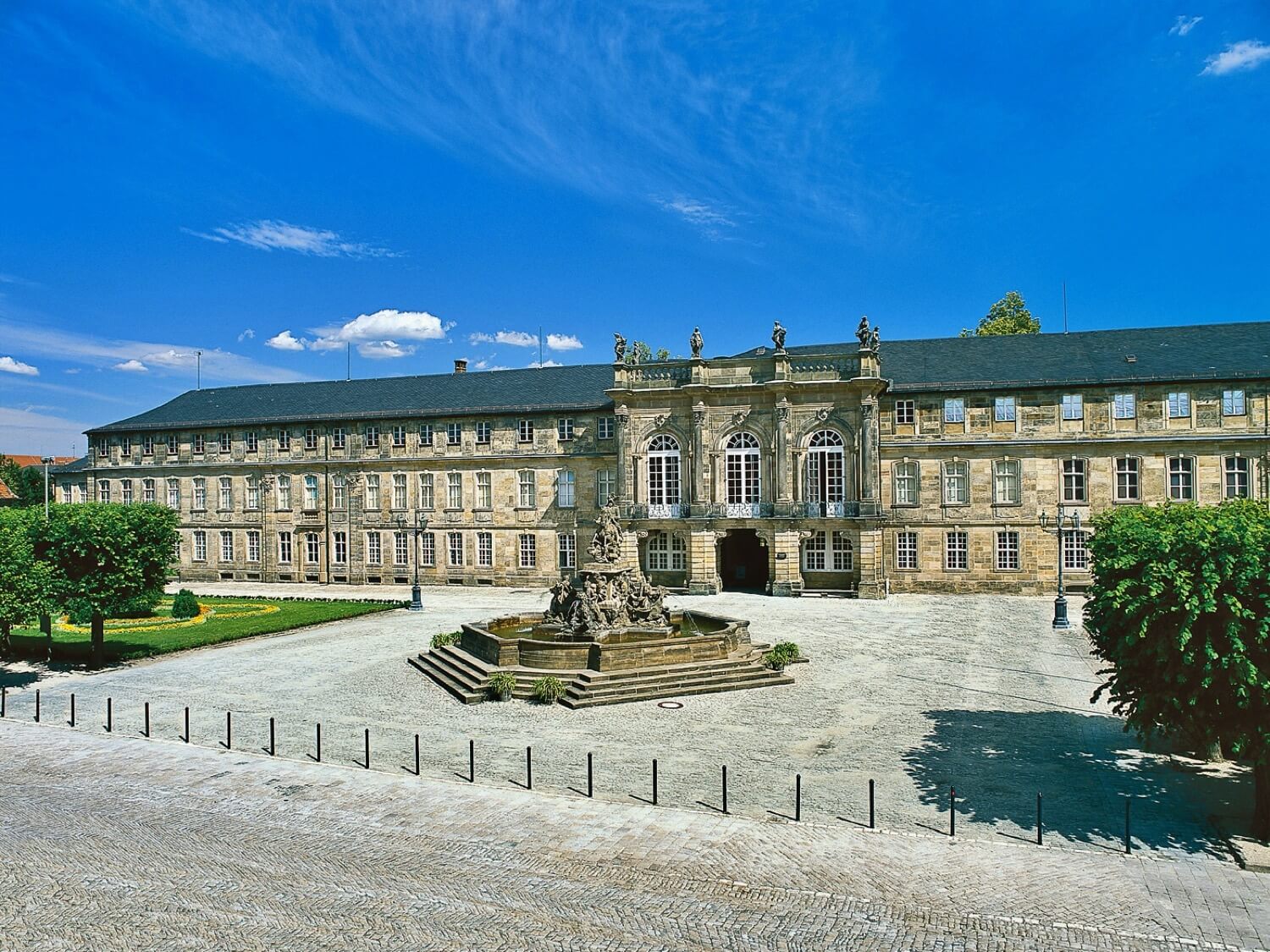
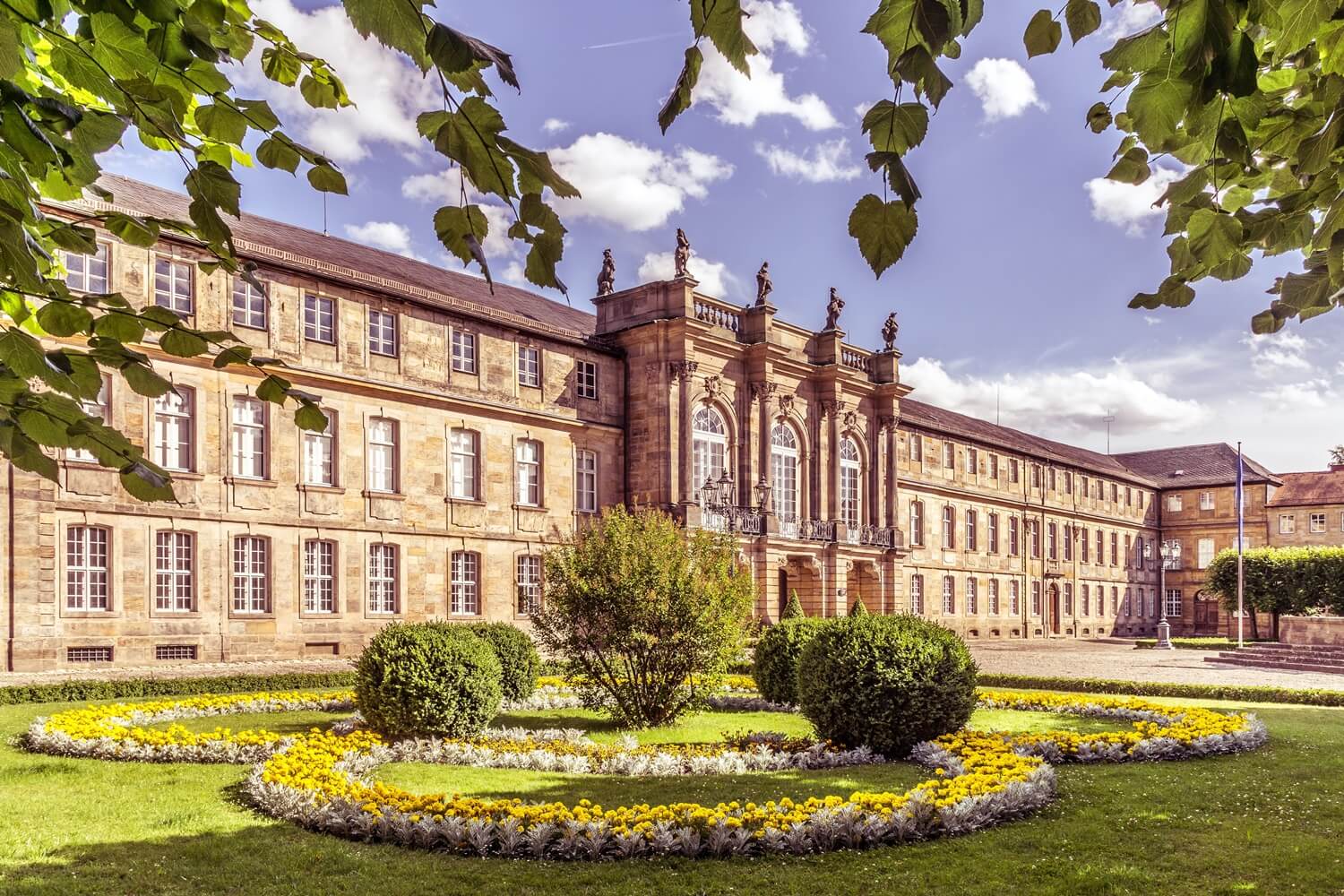
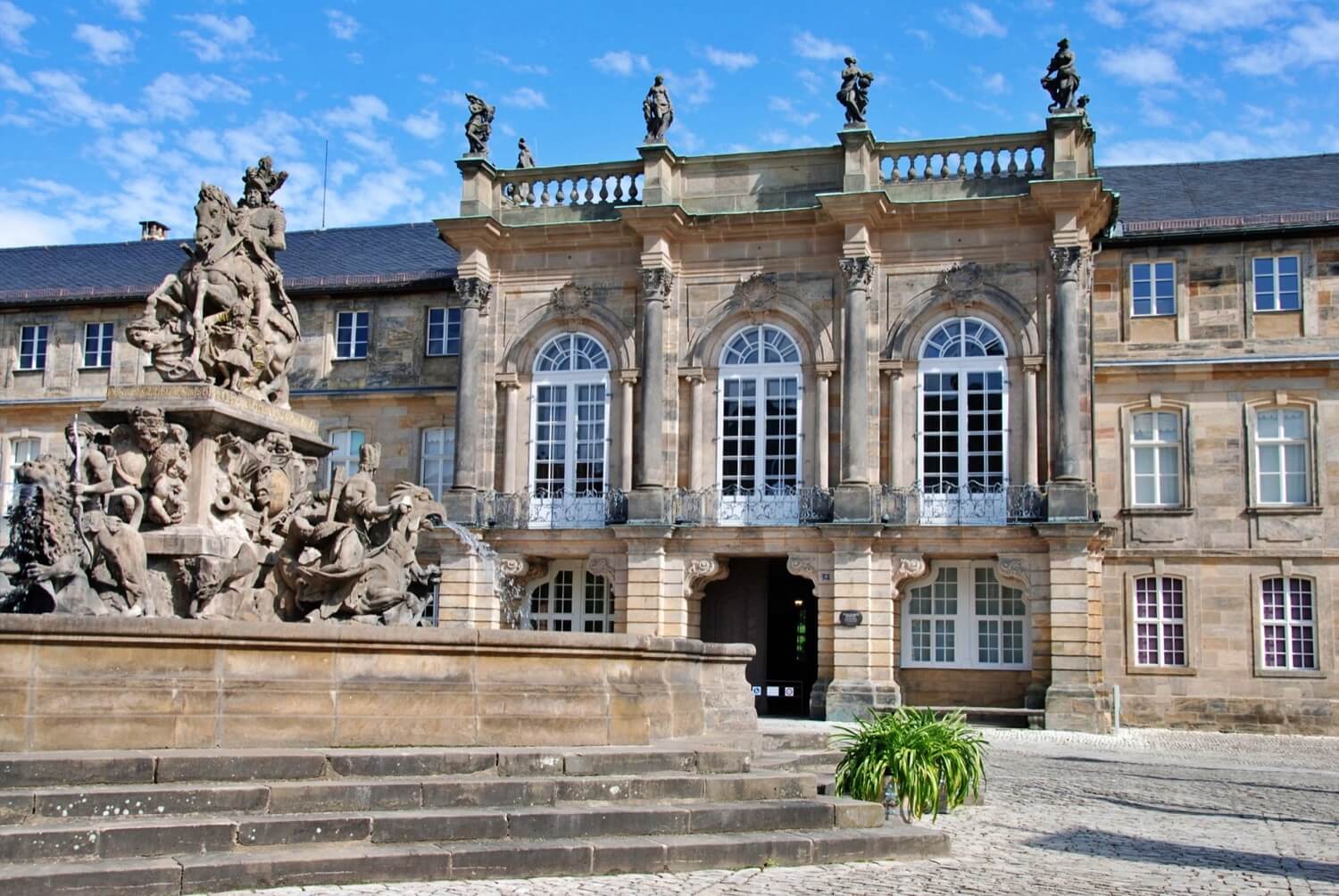
After the Old Palace burned down, the new town residence for Margrave Friedrich von Brandenburg-Bayreuth was begun by Joseph Saint-Pierre in 1753
Nach dem Brand des Alten Schlosses erbaute Joseph Saint-Pierre ab 1753 im Auftrag des Markgrafen Friedrich von Brandenburg-Bayreuth die neue Stadtresidenz
Previous names
New Palace in Bayreuth, Neues Schloss Bayreuth
Description
After the Old Palace burned down, the new town residence for Margrave Friedrich von Brandenburg-Bayreuth was begun by Joseph Saint-Pierre in 1753. Margravine Wilhelmine had considerable influence on its final form, designing some of the rooms herself, including the Cabinet of Fragmented Mirrors and the Old Music Room with its pastel portraits of singers, actors and dancers. The Palm Room with its outstanding walnut panelling is a typical example of the Rococo style in Bayreuth.
On the ground floor of the New Palace today the museums "Margravine Wilhelmine's Bayreuth" and "Bayreuth Faience – Rummel Collection" with outstanding items from the Bayreuth Manufactory can be seen. The faience collection covers the whole period of production from its beginnings until 1788. The Gallery Rooms (Branch of the Bavarian State Galleries) contain Dutch and German paintings from the 18th century. On the first floor is the exhibition "Chivalrous miniatures – Dr. Löer Collection".
The rooms of the small but remarkable Italian Palace are an impressive example of the "Bayreuth rococo" style in its later manifestation with the flower tendrils, trellis rooms and grottos that were its typical features.
Nach dem Brand des Alten Schlosses erbaute Joseph Saint-Pierre ab 1753 im Auftrag des Markgrafen Friedrich von Brandenburg-Bayreuth die neue Stadtresidenz. Großen Einfluss auf die Gestaltung übte Markgräfin Wilhelmine aus, die u.a. das Spiegelscherbenkabinett und das Alte Musikzimmer mit Pastellbildnissen von Sängern, Schauspielern und Tänzern selbst entwarf. Charakteristisch für das Bayreuther Rokoko ist das Palmenzimmer mit kostbarer Nussholzvertäfelung.
Im Erdgeschoss des Neuen Schlosses befinden sich heute das Museum "Das Bayreuth der Markgräfin Wilhelmine" und das Museum "Bayreuther Fayencen – Sammlung Rummel", das die großartigsten Beispiele aus der Produktion der Bayreuther Manufaktur zeigt.
In den Galerieräumen (Zweigmuseum der Bayerischen Staatsgemäldesammlungen) werden niederländische und deutsche Gemälde aus dem 18. Jahrhundert präsentiert.
Seit 2013 ist im Hauptgeschoss die Dauerausstellung "Galante Miniaturen – Sammlung Dr. Löer" zu sehen.
In den eindrucksvollen Räumen des kleinen, aber bemerkenswerten Italienischen Schlösschens kommt das "Bayreuther Rokoko" mit seiner Vorliebe für Blumenranken, Spalierzimmer und Grotten in seiner Spätform zu seinem Recht.
Nearby castles
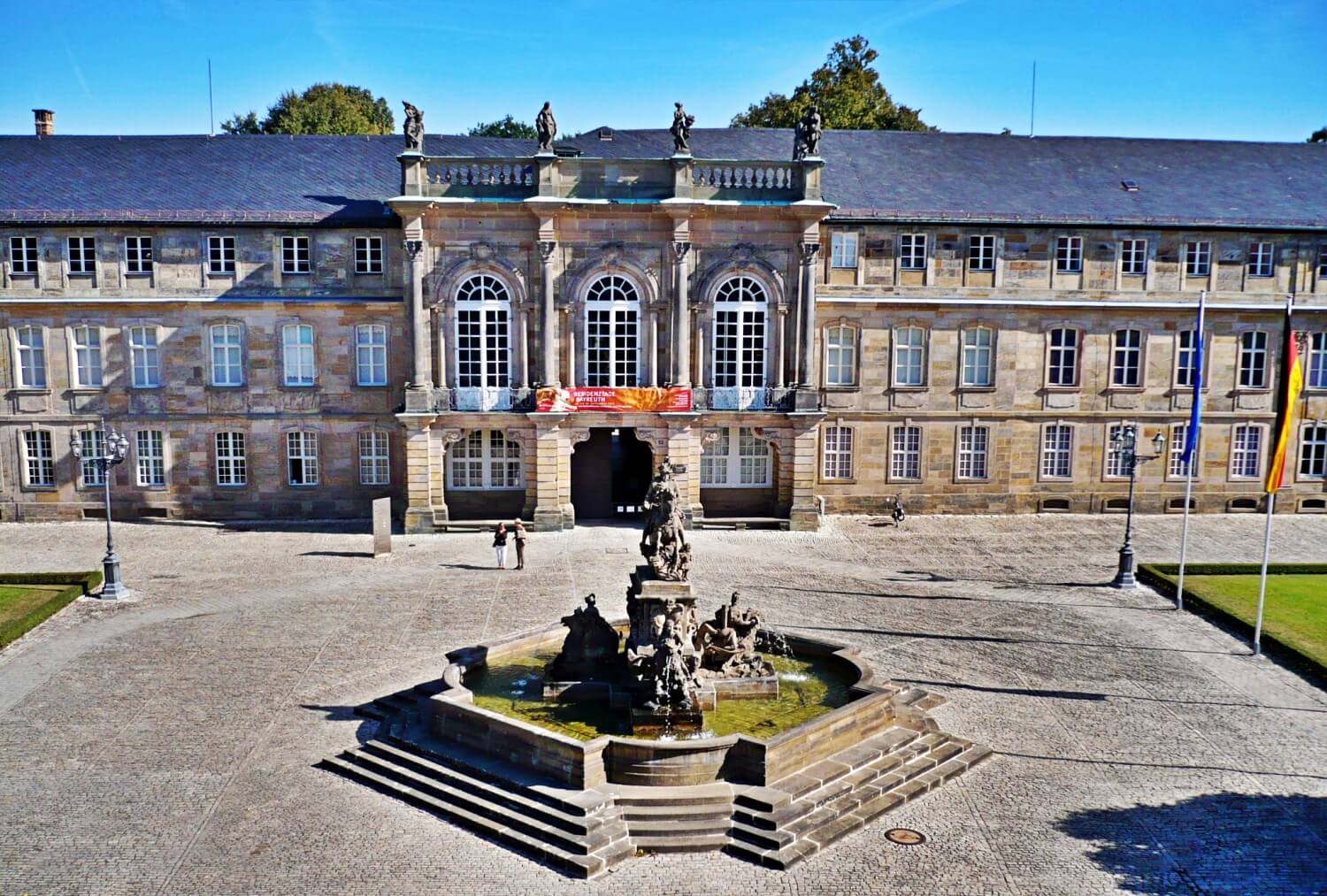
Neues Schloss Bayreuth
Oberfranken
0.0km
castle, chateau
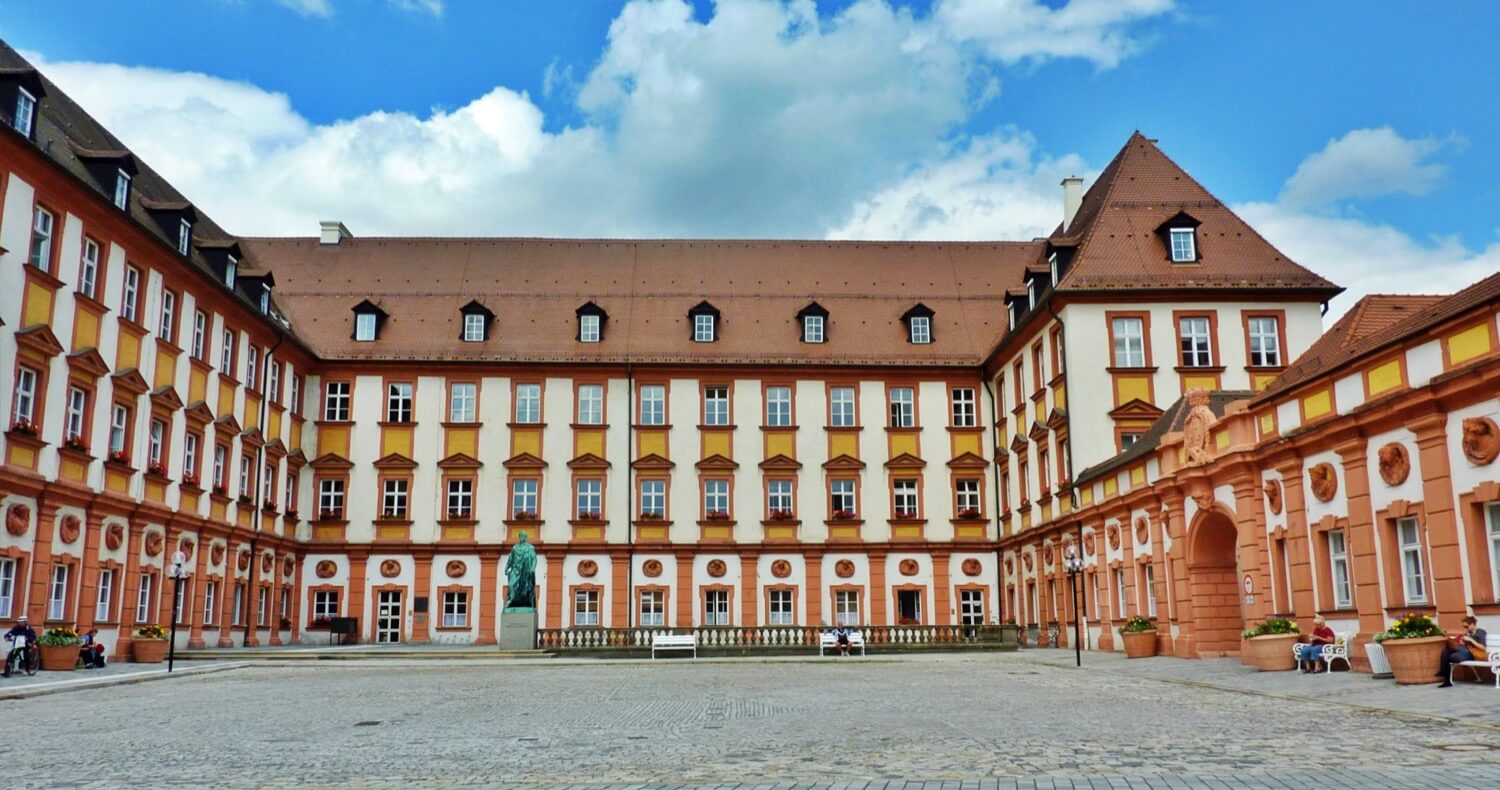
Altes Schloss Bayreuth
Oberfranken
0.2km
castle, chateau
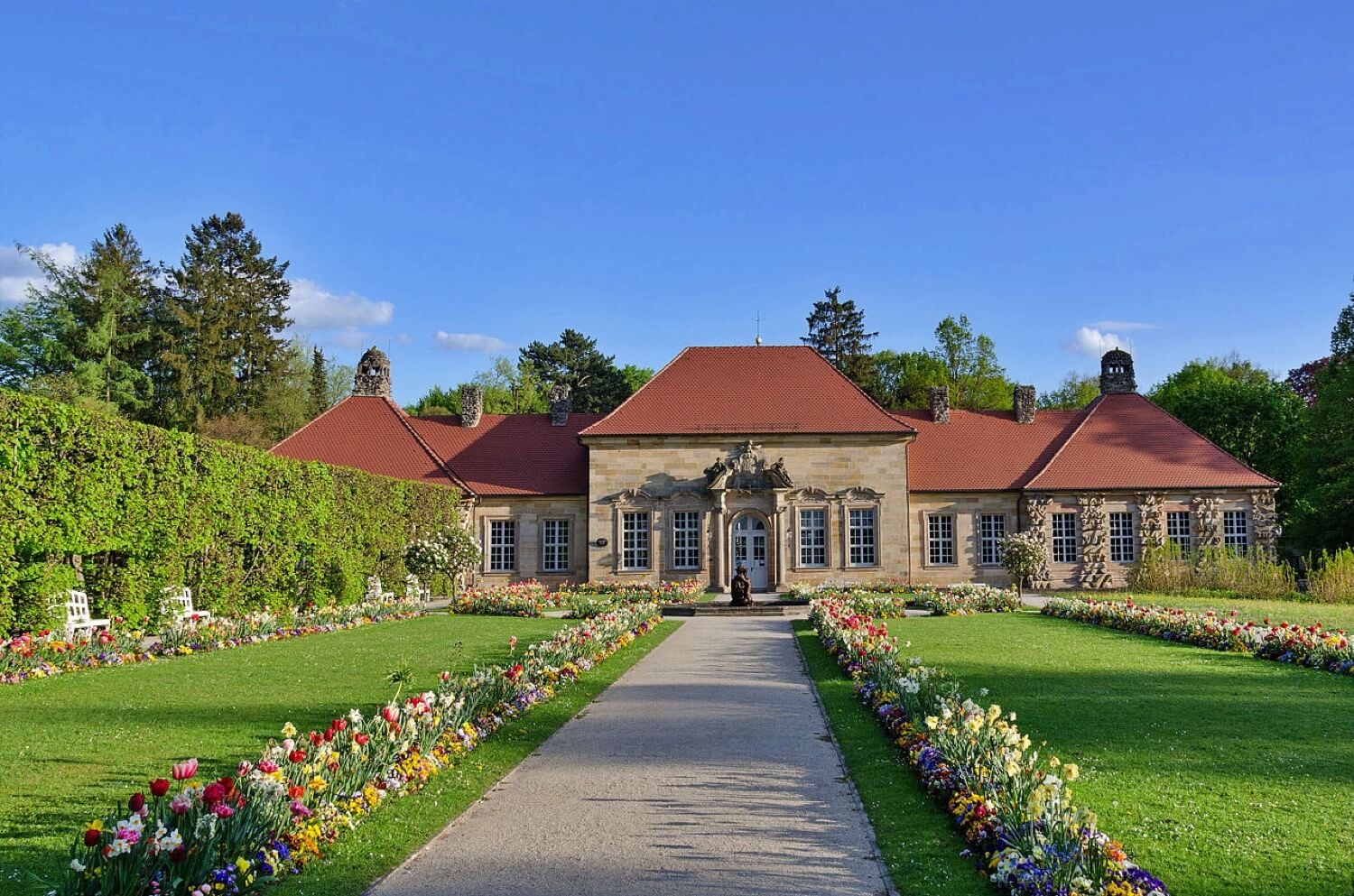
Hermitage Old Palace
Oberfranken
0.3km
manor, mansion
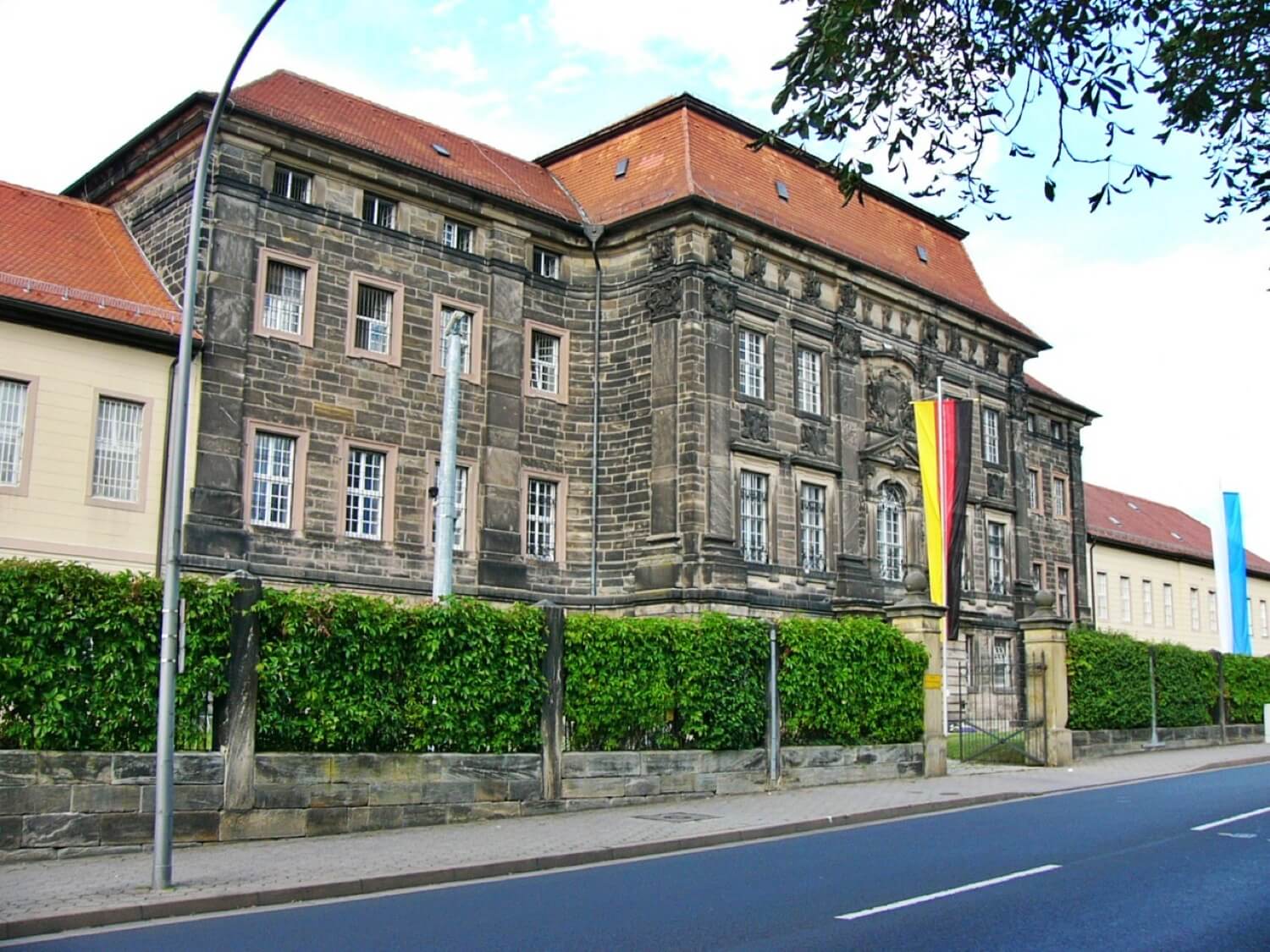
Ordensschloss St. Georgen
Oberfranken
1.8km
castle, chateau
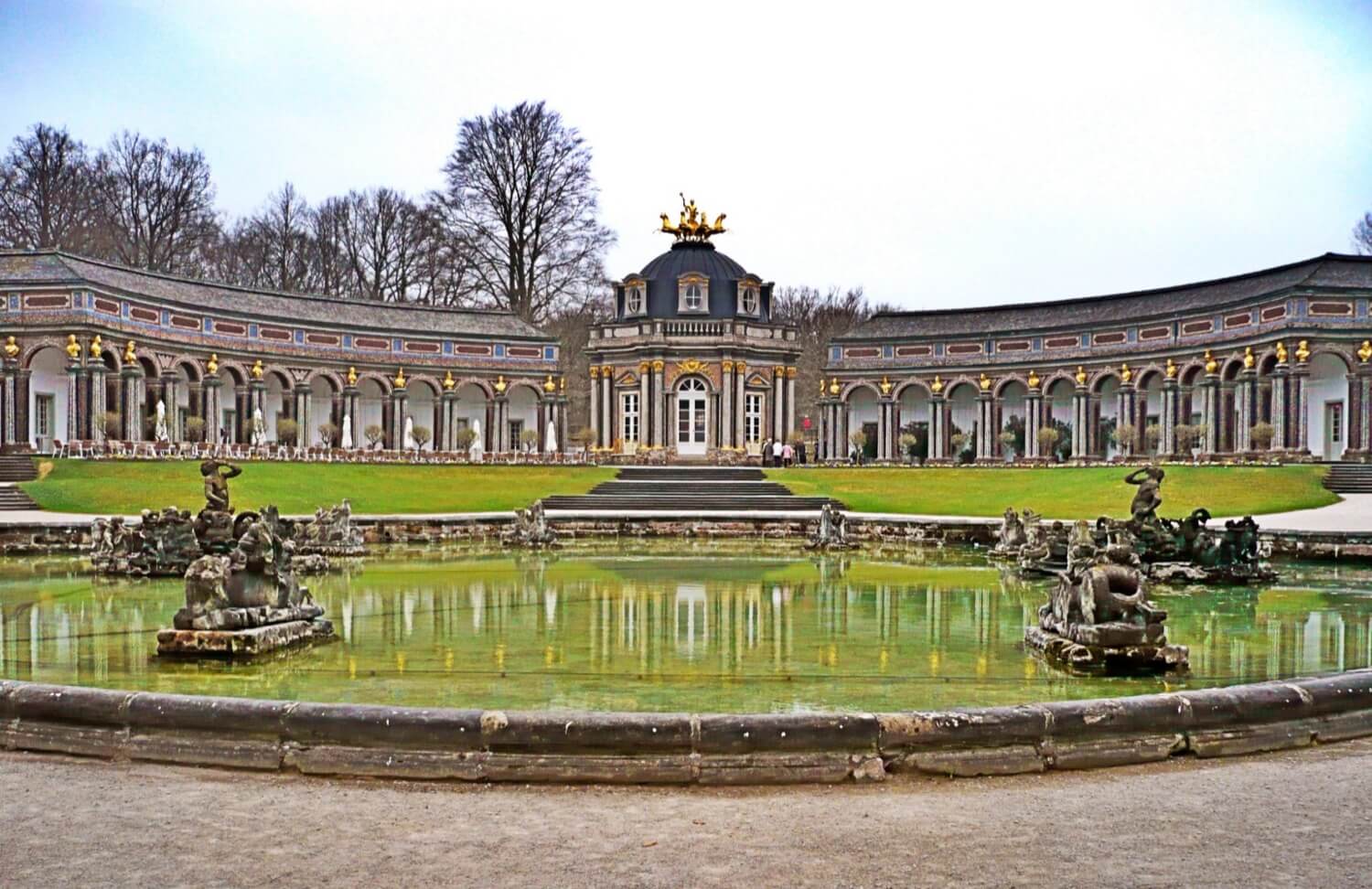
Neues Schloss (Eremitage)
Oberfranken
3.4km
castle, chateau
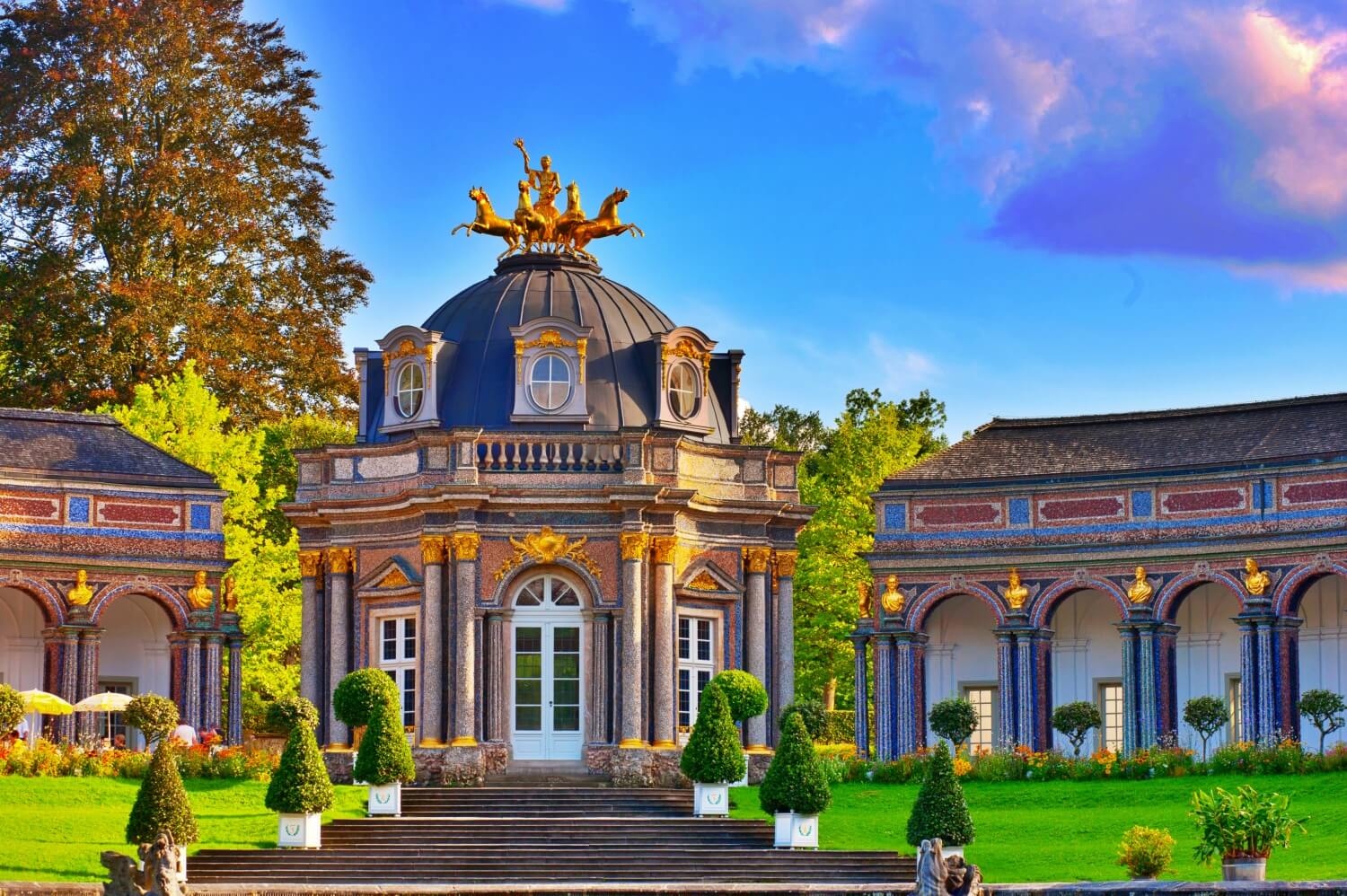
Eremitage (Bayreuth)
Oberfranken
3.4km
castle, chateau
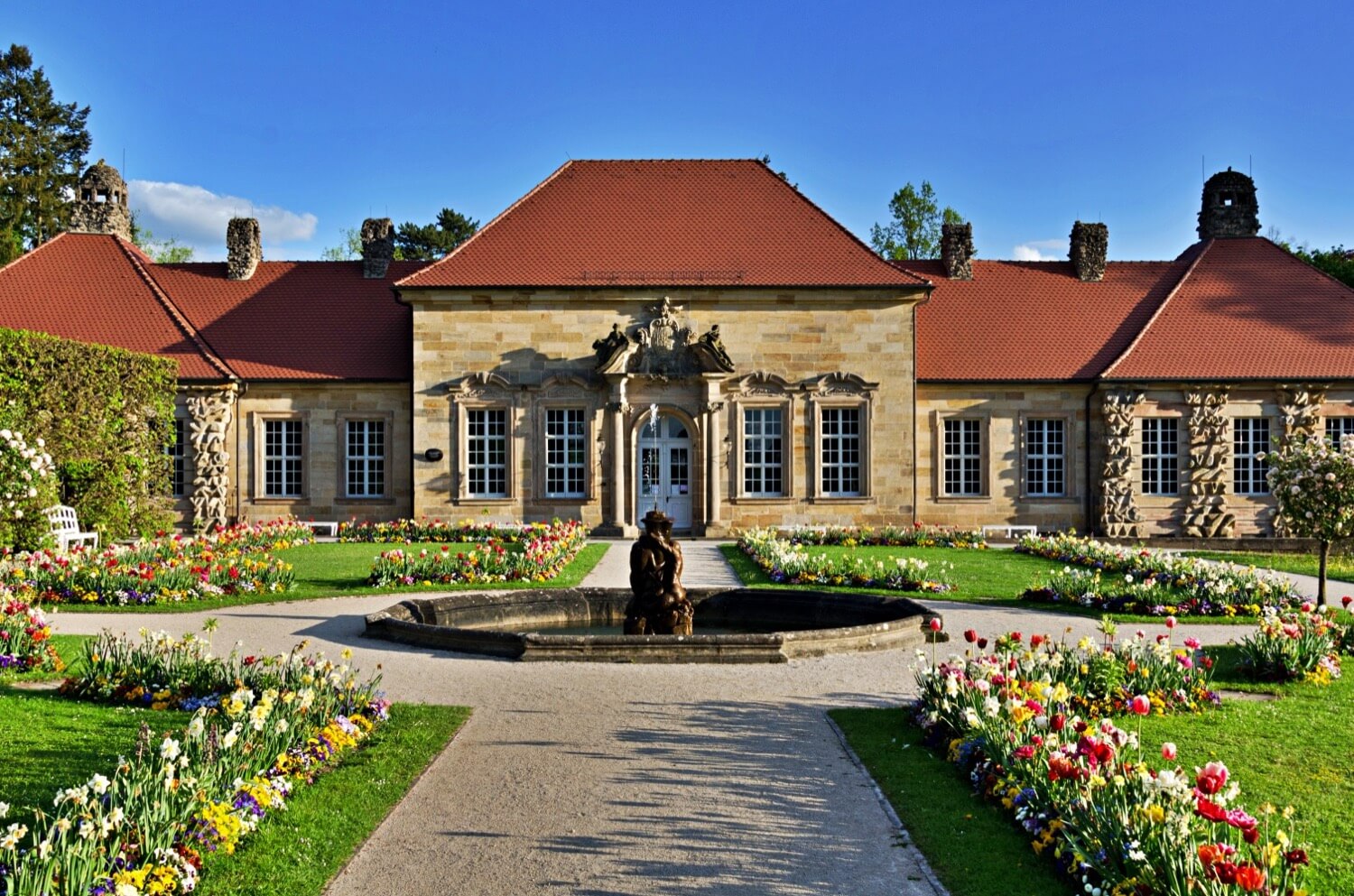
Altes Schloss (Eremitage)
Oberfranken
3.5km
castle, chateau