Kasteel van Bois-Seigneur-Isaac
Brabant Wallon Région Wallonne Belgium
manor, mansion
Château de Bois-Seigneur-Isaac
Brabant Wallon Région Wallonne Belgium
manor, mansion
Kasteel van Bois-Seigneur-Isaac
Brabant Wallon Région Wallonne Belgium
manor, mansion
The village of Bois-Seigneur-Isaac owes its name to Isaac of Valenciennes, member of an illustrious family of the county of Hainault, who towards the end of the 11th century planted nearby a wood
Le village de Bois-Seigneur-Isaac doit son nom à Isaac de Valenciennes, membre d’une illustre famille du Hainaut, qui à la fin du 11ème siècle planta un bois à proximité de la localité
Het dorp Bois-Seigneur-Isaac dankt zijn naam aan Isaac de Valenciennes, lid van een illustere familie uit Henegouwen, die er op het einde van de 11e eeuw in de buurt een bos aanplantte
Previous names
Kasteel van Bois-Seigneur-Isaac, Château de Bois-Seigneur-Isaac, Kasteel van Bois-Seigneur-Isaac
Description
The village of Bois-Seigneur-Isaac owes its name to Isaac of Valenciennes, member of an illustrious family of the county of Hainault, who towards the end of the 11th century planted nearby a wood. This wood named “Bois planté” still exists today at a distance of about 500 meters from the castle on the road to Lillois.
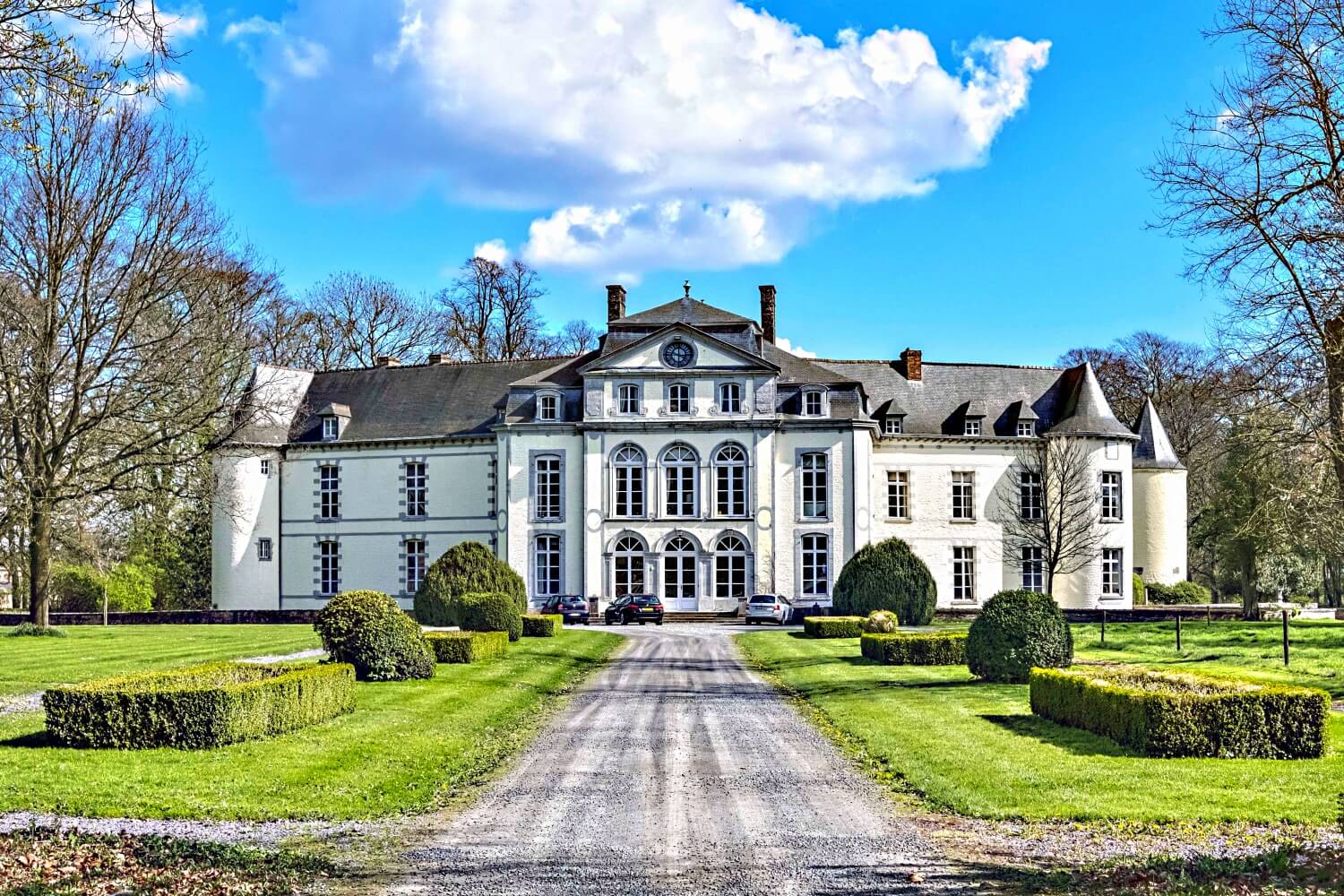
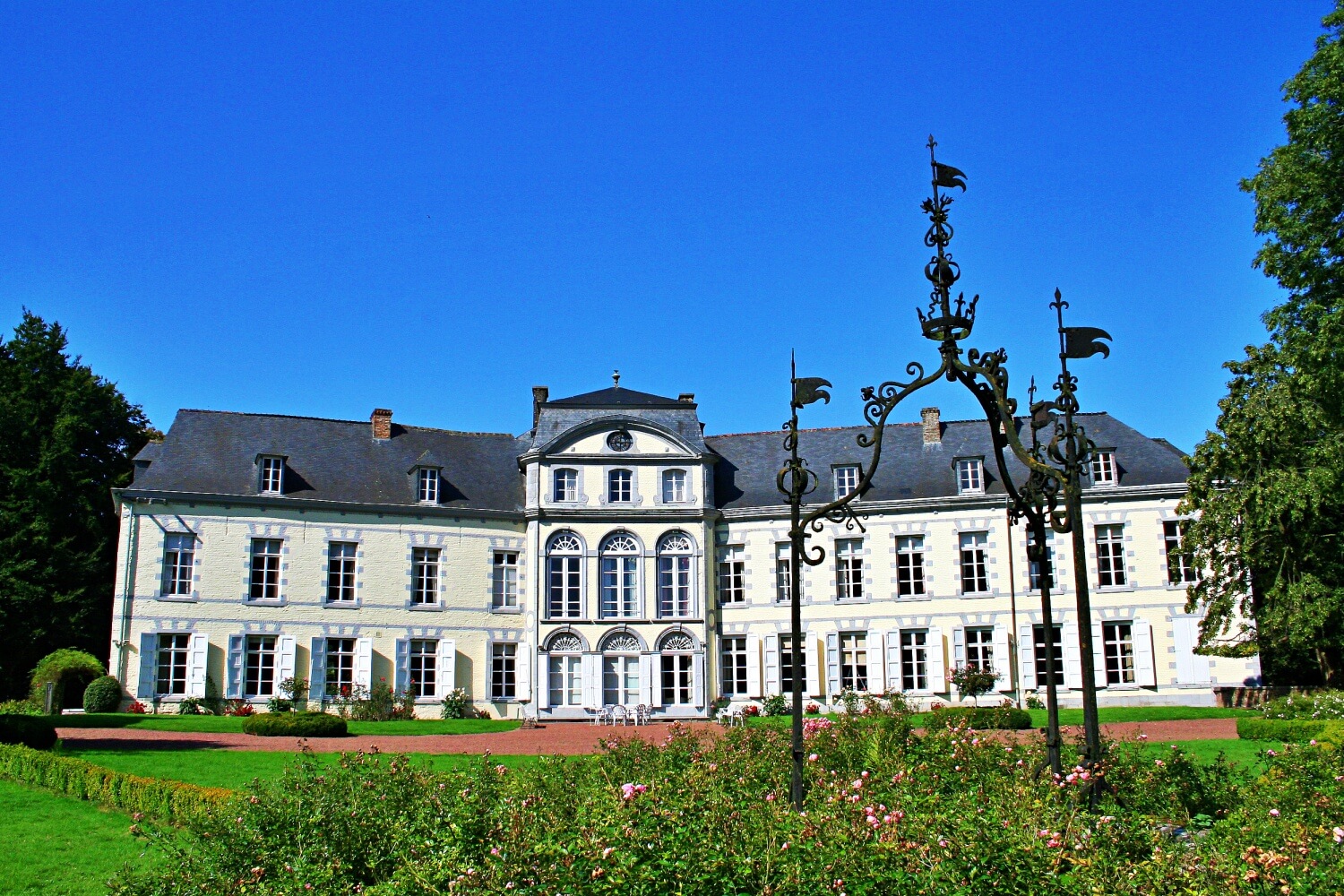
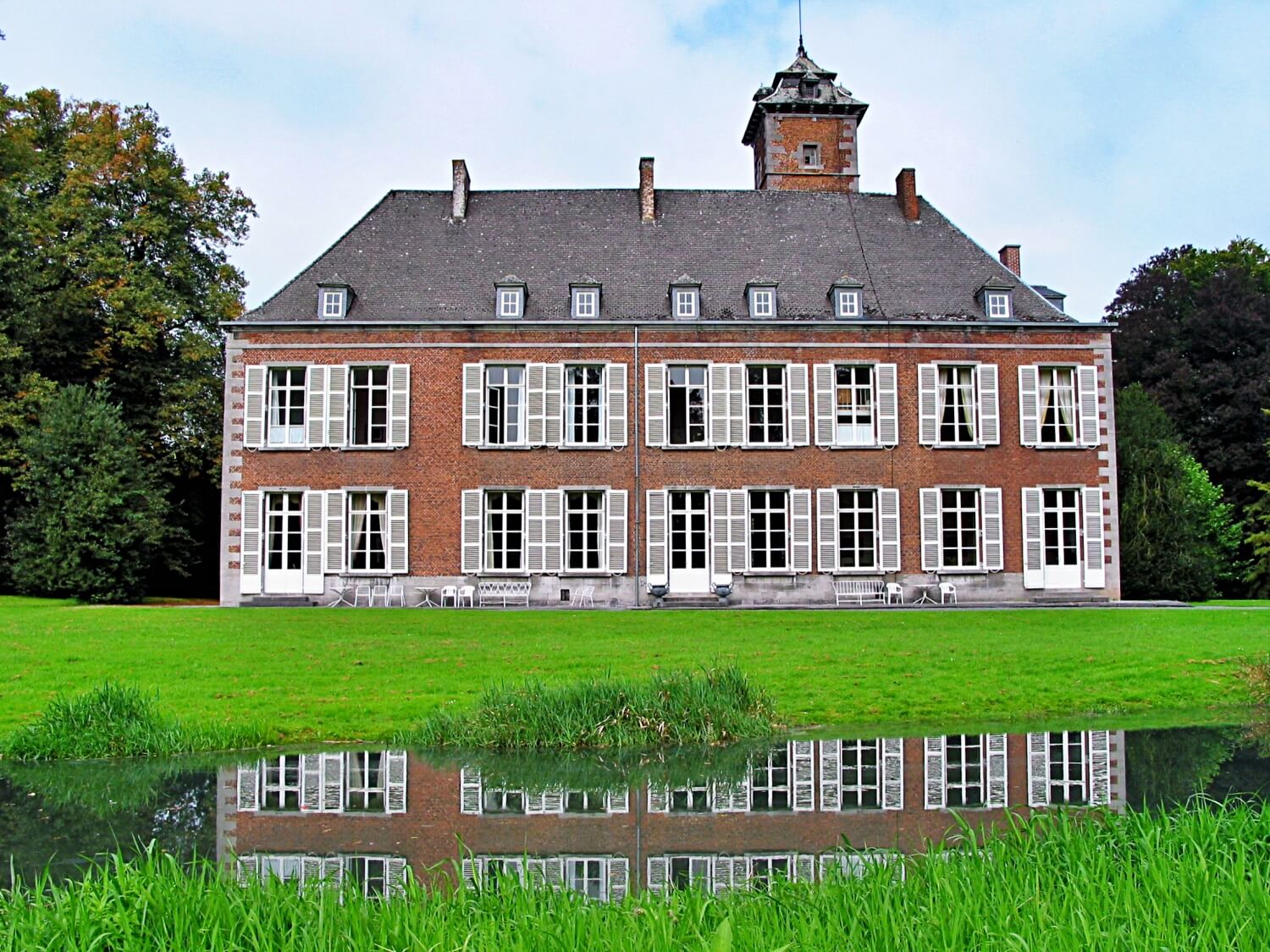
The castle, which goes back probably to the 12th century, was part of a series of fortresses aimed at protecting an enclave of the County of Hainault against the expansionist ambitions of the Dukes of Brabant. The domain and the castle of Bois-Seigneur-Isaac belonged successively to the families of Huldenberg, Dave and Sainte-Aldegonde. At the end of the 17th century, a serious succession conflict opposed the heirs to Agnes de Dave, the last Countess of Sainte-Aldegonde. 40 years of litigation led to the ruin of all the parties and to the sale of the domain, which was purchased in 1712 by Sir Antoine de Belhomme, Receiver General of the Taxes for the County of Hainault, He and his wife, Marie-Thérèse Rouillon de Castaigne, together with their architect, Hannotaux, transformed the medieval fortress into a country house, built upon three sides of the former polygonal castle. Where the drawbridge once stood, a new front was built between 1730 and 1740, with particularly harmonious classical façade, ornamented with large windows with semicircular arches and surmounted by a triangular pediment. The moat was dried up on the Western side of the castle while it was filled in with earth on the Eastern side. The round tower on the Southern side remains, with its loop-holes, the only witness of the medieval fortress.
In 1810, Joséphine Cornet de Grez, great-grand-daughter of Antoine and Marie-Thérèse de Belhomme and heiress of the domain married Baron Idesbalde-François Snoy et d’Oppuers. Further to this marriage, the older branch of the Snoy family, descended from the Counts of Gelderland in the Netherlands and established since 1563 in the region of Mechlin, moved to Bois-Seigneur-Isaac, transporting there its archives and its remarkable collection of family portraits.
Since 1810, five generations of the Snoy family have inhabited the castle. The Baron and later Count (1982) Jean-Charles Snoy et d’Oppuers (1907-1991) was an important Belgian and European statesman : as Secretary General of the Belgian Ministry of Economic Affairs, he negotiated and signed in March 1957 the Treaty of Rome, creating the European Economic Community; between 1968 and 1972, he was Minister of Finance. Baron Bernard Snoy, son of Jean-Charles Snoy, and his wife, Christine de Weck are the present owners of the castle.
https://bois-seigneur-isaac.be/en/the-chateau/history.html
Le village de Bois-Seigneur-Isaac doit son nom à Isaac de Valenciennes, membre d’une illustre famille du Hainaut, qui à la fin du 11ème siècle planta un bois à proximité de la localité. Ce bois, dénommé " Bois planté " , existe toujours à 500 mètres du château, le long de la route de Lillois.
Le château, qui remonte probablement au 12ème siècle, faisait partie d’une série de forteresses destinées à protéger les confins du Comté de Hainaut contre les visées expansionnistes des Ducs de Brabant. La seigneurie et le château de Bois-Seigneur-Isaac appartinrent successivement aux familles de Huldenberg, de Dave et de Sainte-Aldegonde. A la fin du 17ème siècle, un grave conflit successoral opposa les héritiers de la dernière Comtesse de Sainte-Aldegonde, née Agnes de Dave. Ce conflit aboutit à la ruine des parties et à la mise en vente, en 1712, de la seigneurie et du château, qui furent rachetés par Messire Antoine de Belhomme, Receveur Général des Aides et Subsides du Comté de Hainaut. Celui-ci et son épouse, née Marie-Thérèse Rouillon de Castaigne, transformèrent, avec l’aide de l’architecte Hannotaux, la forteresse médiévale en un château de plaisance. Ce dernier fut édifié sur les fondations de trois côtés du polygone primitif. A l’emplacement de l’ancien pont-levis, un avant-corps fut construit, entre 1730 et 1740, avec une façade particulièrement harmonieuse de style classique français, agrémentée de larges baies vitrées en plein cintre et surmontée d’un fronton triangulaire. Asséchées du côté Ouest, les douves furent comblées du côté Est tandis qu’une tour ronde isolée au Sud restait, avec ses meurtrières, le seul témoin de la forteresse féodale.
En 1810, Joséphine Cornet de Grez, arrière-petite-fille d’Antoine et de Marie-Thérèse de Belhomme et héritière du château et du domaine de Bois-Seigneur-Isaac, épousa le Baron Idesbalde-François Snoy et d’Oppuers. A la suite de ce mariage, la branche aînée de la famille Snoy, issue des Comtes de Gueldre et établie depuis 1563 dans la région de Malines, transporta à Bois-Seigneur-Isaac ses archives et un remarquable ensemble de portraits de famille.
Depuis 1810, cinq générations de Snoy ont habité le château de Bois-Seigneur-Isaac. Le Baron puis Comte (1982) Jean-Charles Snoy et d’Oppuers (1907-1991) s’est particulièrement illustré comme Secrétaire Général du Ministère des Affaires Economiques, négociateur et signataire du Traité de Rome (1957) et Ministre des Finances de 1968 à 1972. Les châtelains actuels sont, son fils, le Baron Bernard Snoy et l’épouse de celui-ci, née Christine de Weck.
http://bois-seigneur-isaac.be/fr/le-chateau/historique.html
Het dorp Bois-Seigneur-Isaac dankt zijn naam aan Isaac de Valenciennes, lid van een illustere familie uit Henegouwen, die er op het einde van de 11e eeuw in de buurt een bos aanplantte. Dit bos, "Bois planté" genaamd, bestaat nog altijd en bevindt zich op 500 meter van het kasteel langs de Route de Lillois.
Het kasteel, waarvan de oorsprong waarschijnlijk teruggaat tot de 12e eeuw, maakte deel uit van een reeks burchten die de grenzen van het graafschap Henegouwen moesten beschermen tegen de uitbreidingsplannen van de Hertogen van Brabant. De heerlijkheid en het kasteel van Bois-Seigneur-Isaac behoorden achtereenvolgens toe aan de families de Huldenberg, de Dave en de Sainte-Aldegonde. Op het einde van de 17e eeuw zaaide een ernstig erfrechtelijk conflict verdeeldheid tussen de erfgenamen van de laatste Gravin de Sainte-Aldegonde, geboren als Agnes de Dave. Dit conflict leidde tot hun ondergang en de verkoop in 1712 van de heerlijkheid en het kasteel, die werden overgekocht door Heer Antoine de Belhomme, Algemeen Ontvanger der Beden en Subsidies van het graafschap Henegouwen. Hij en zijn echtgenote, Marie-Thérèse Rouillon de Castaigne, vormden, met de hulp van architect Hannotaux, de middeleeuwse burcht om tot een château de plaisance. Het kasteel werd gebouwd op de funderingen van drie zijden van de oude veelhoek. Op de plaats van de oude ophaalbrug werd tussen 1730 en 1740 een uitbouw gebouwd, met een bijzonder harmonieuze gevel in klassieke Franse stijl, verfraaid met grote ramen in romaanse bogen en met een driehoekig fronton. De grachten, die aan de westelijke zijde opgedroogd waren, werden opgevuld aan de oostelijke zijde, terwijl een afzonderlijke ronde toren in het Zuiden, met zijn kijkgaten, de enige getuige bleef van de feodale burcht.
In 1810 huwde Joséphine Cornet de Grez, achterkleindochter van Antoine en Marie-Thérèse de Belhomme en erfgename van het kasteel en het domein van Bois-Seigneur-Isaac, met Baron Idesbalde-François Snoy et d'Oppuers. Ingevolge dit huwelijk verhuisde de oudste tak van de familie Snoy, afstammend van de Graven van Gelre en sinds 1563 gevestigd in de streek van Mechelen, haar archieven en een opmerkelijk reeks familieportretten naar de archieven van Bois-Seigneur-Isaac.
Sinds 1810 hebben vijf generaties Snoy op het kasteel van Bois-Seigneur-Isaac gewoond. In het bijzonder Baron en vervolgens Graaf (1982) Jean-Charles Snoy et d'Oppuers (1907-1991) heeft zich onderscheiden als secretaris-generaal van het ministerie van Economische Zaken, onderhandelaar en ondertekenaar van het Verdrag van Rome (1957) en minister van Financiën van 1968 tot 1972. De huidige kasteelheren zijn zijn zoon Baron Bernard Snoy en diens echtgenote, Christine de Weck.
https://bois-seigneur-isaac.be/nl/het-kasteel/historique.html
Nearby castles
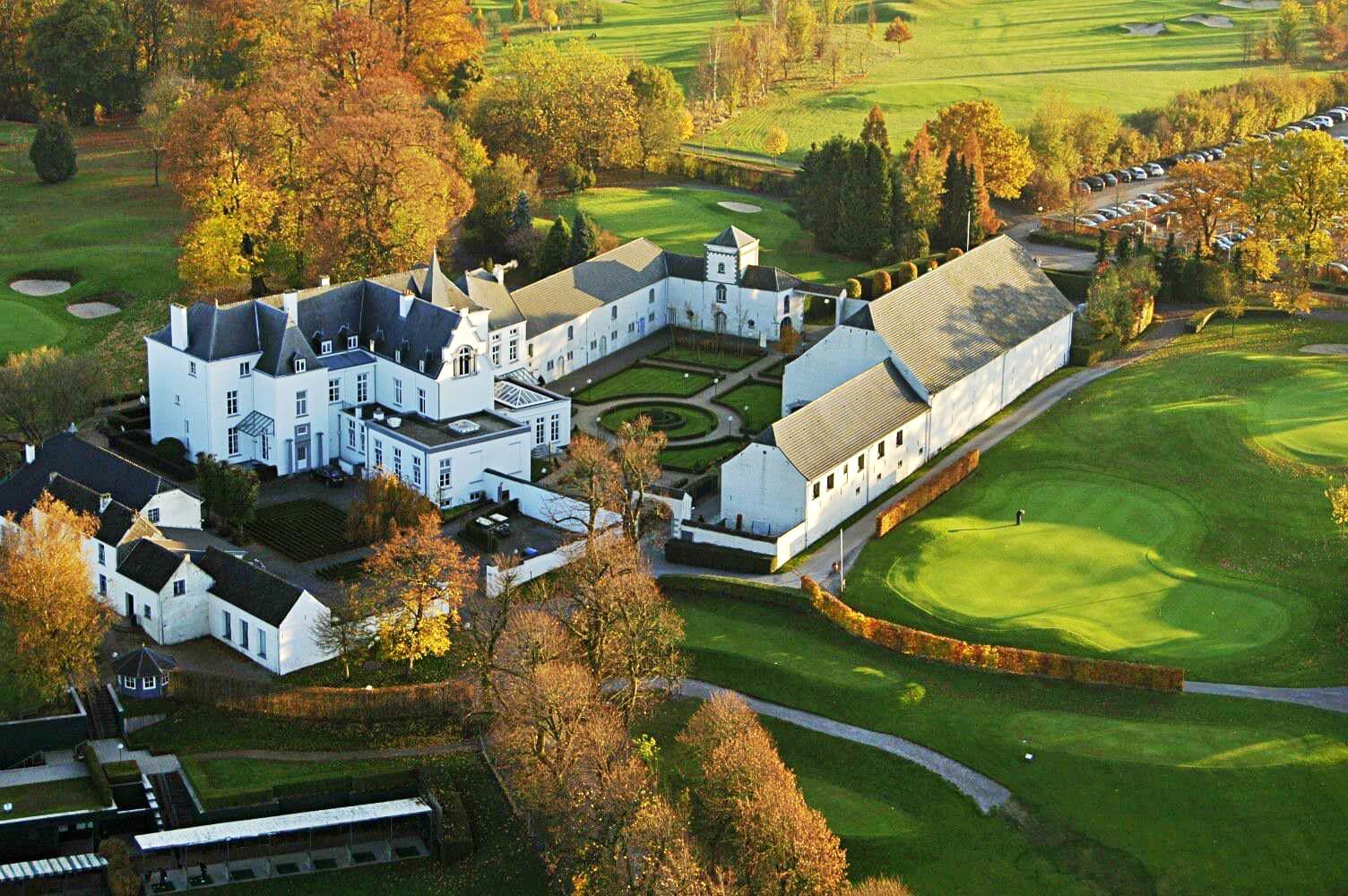
Château de la Tournette
Brabant Wallon
3.0km
castle, chateau
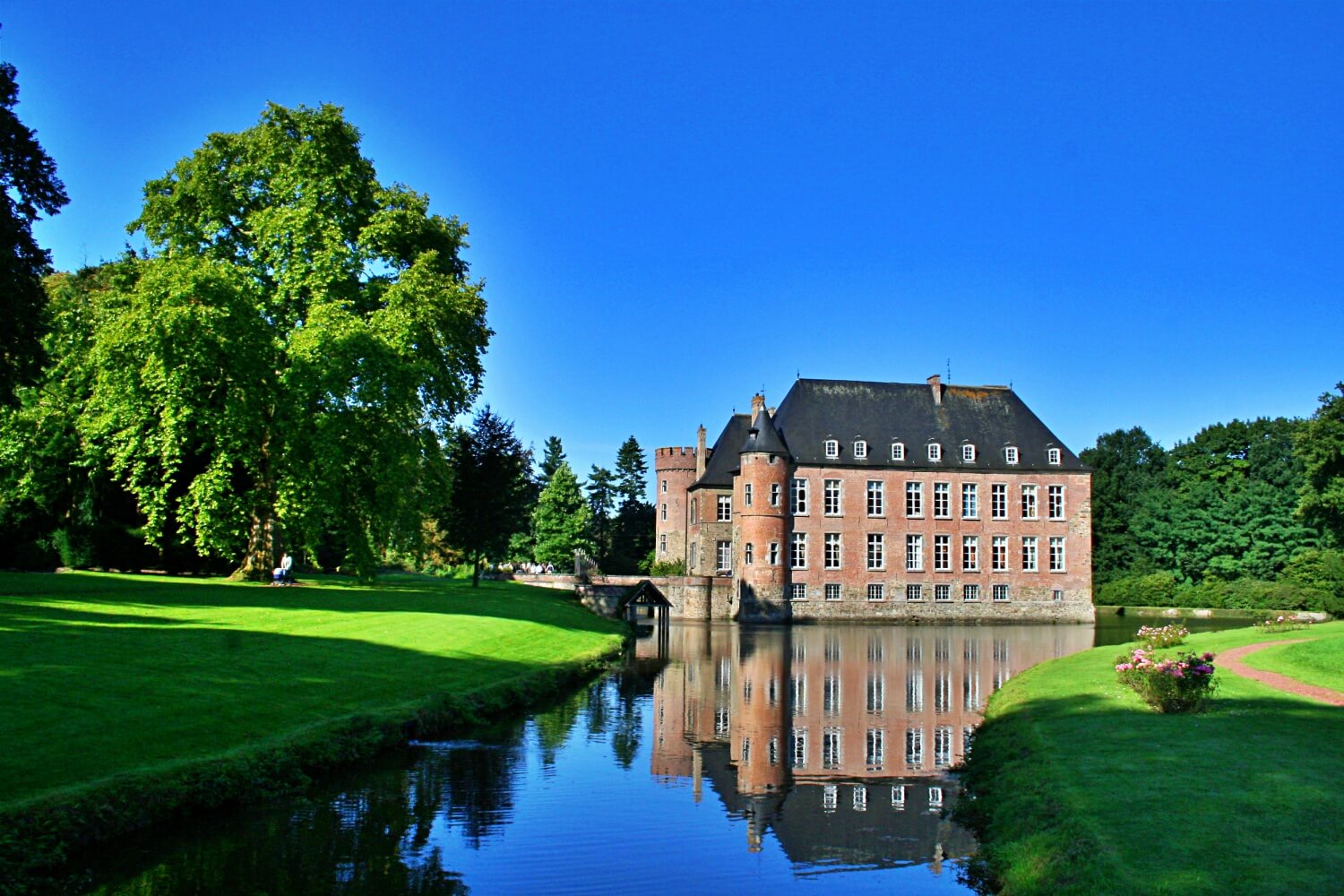
Kasteel van Braine-le-Château
Brabant Wallon
6.0km
manor, mansion
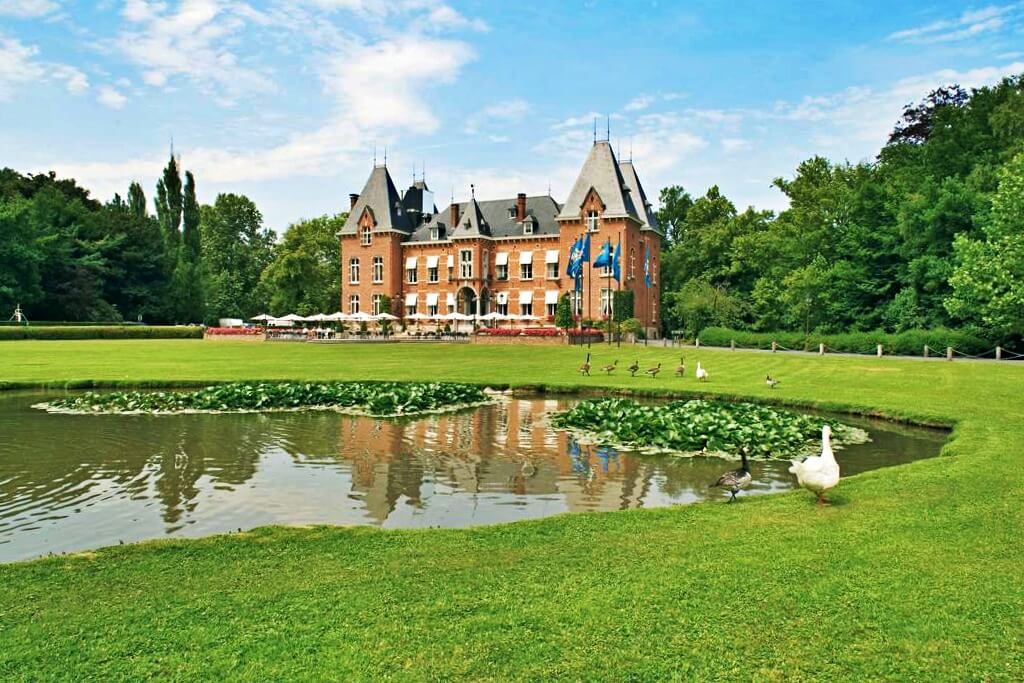
Kasteel Gravenhof
Vlaams-Brabant
10.2km
manor, mansion
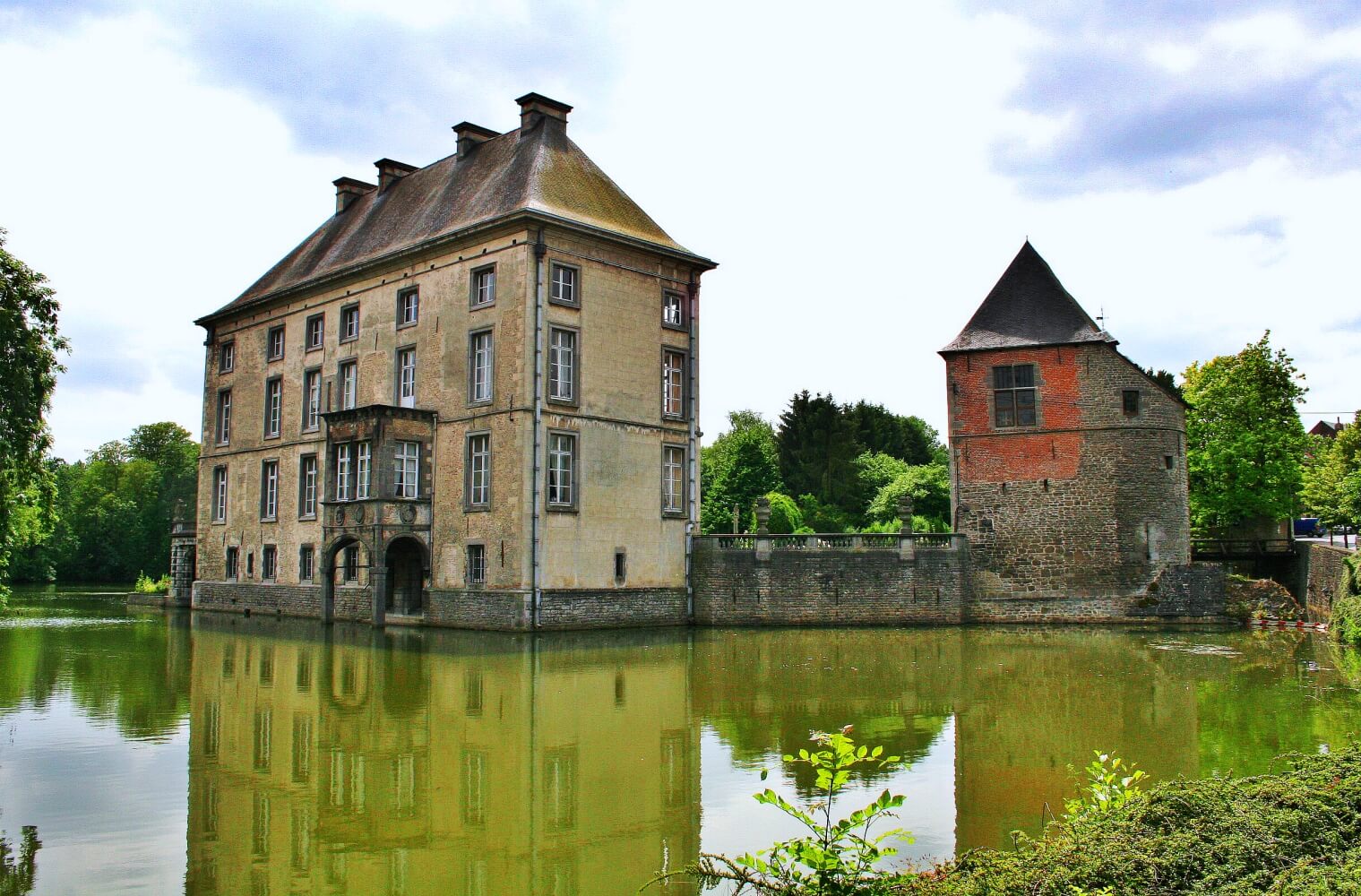
Feluy Castle
Hainaut
10.3km
castle, chateau
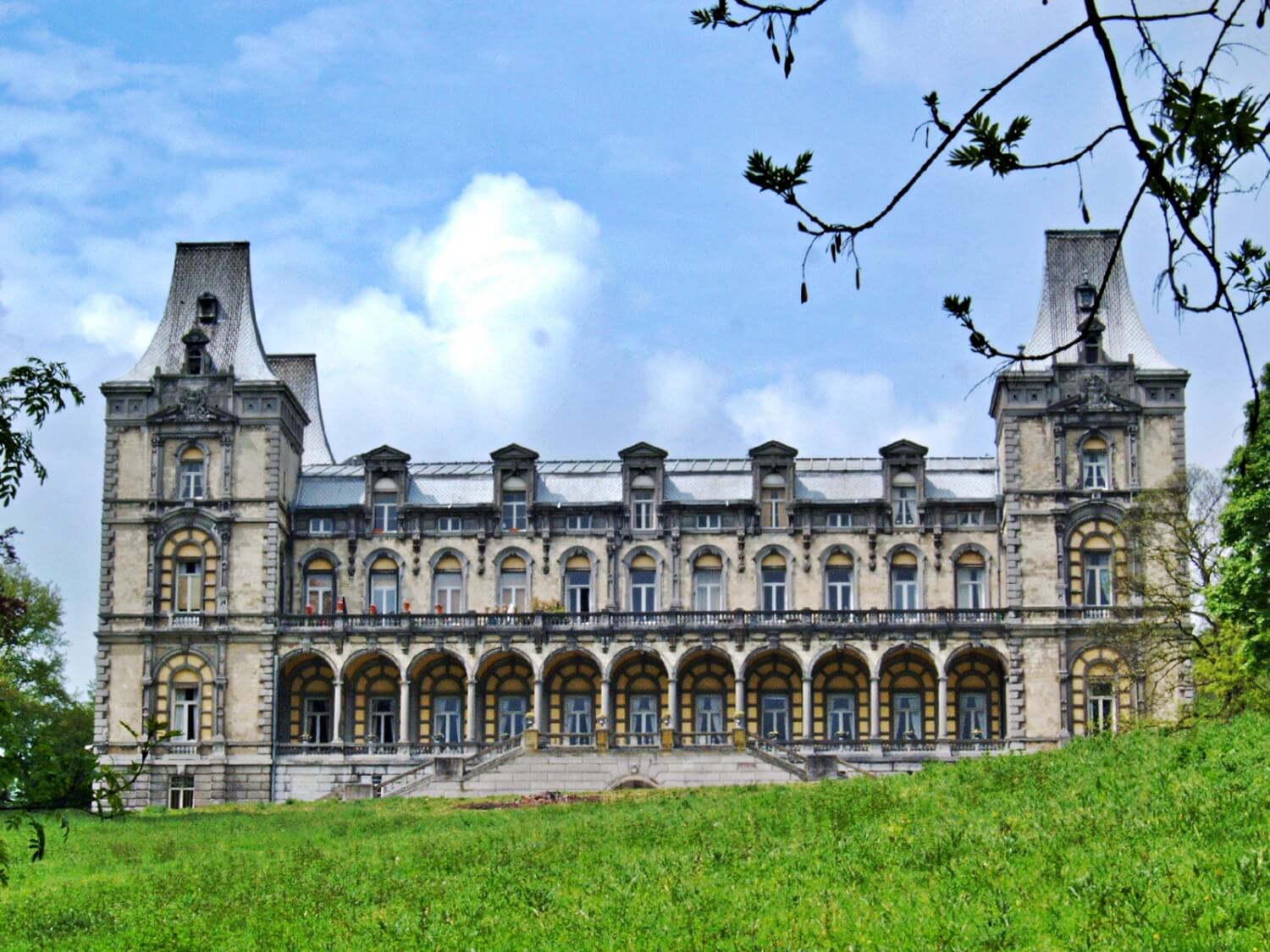
Kasteel van Argenteuil
Brabant Wallon
11.2km
manor, mansion
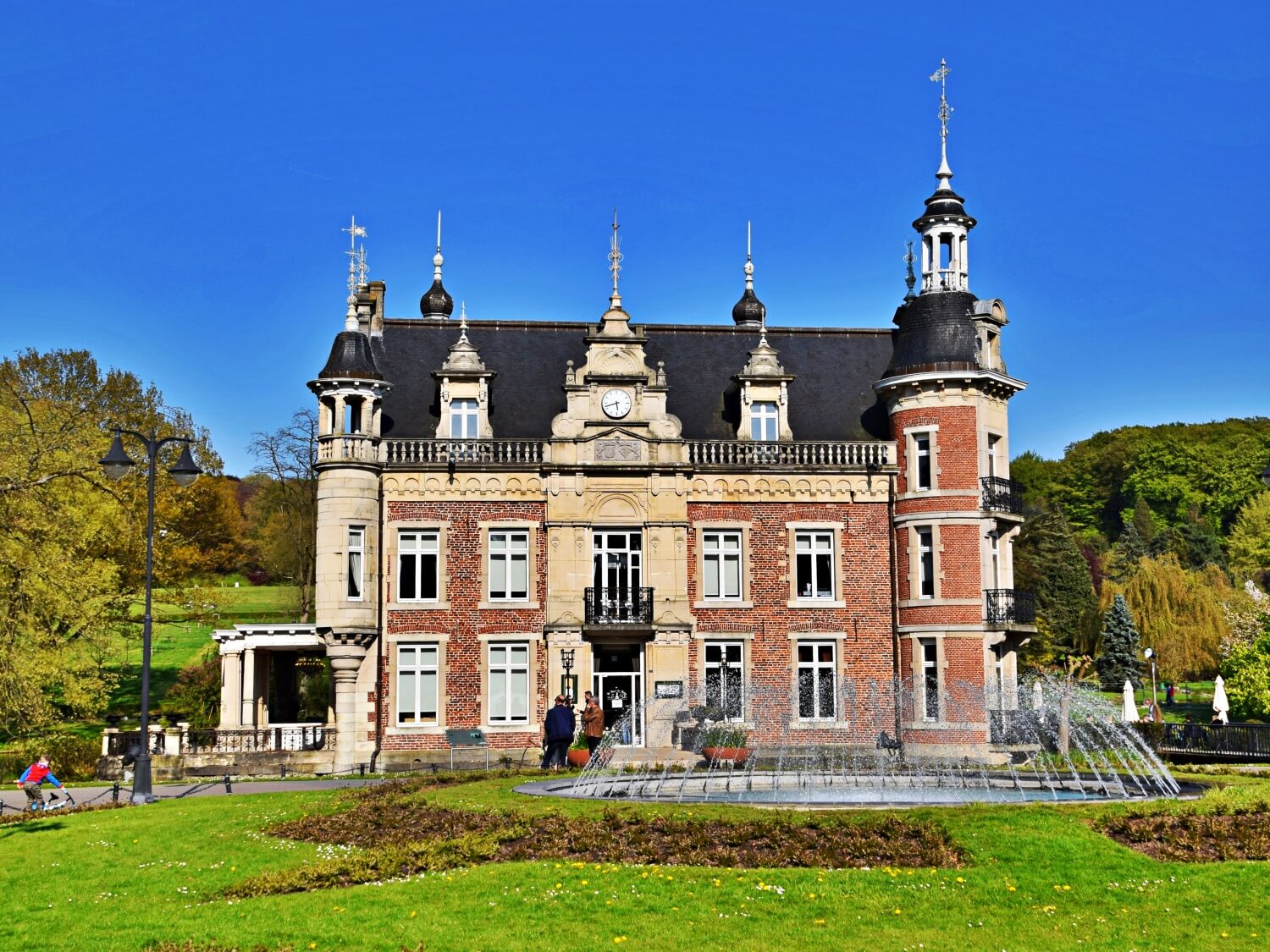
Kasteel van Huizingen
Vlaams-Brabant
11.5km
manor, mansion
Kasteel van La Follie
Hainaut
12.7km
manor, mansion