Liptovský Hrádok
Liptovský Hrádok Žilina county Slovakia
castle ruin
Liptovský Hrádok
Liptovský Hrádok Žilinský kraj Slovakia
zrúcanina hradu
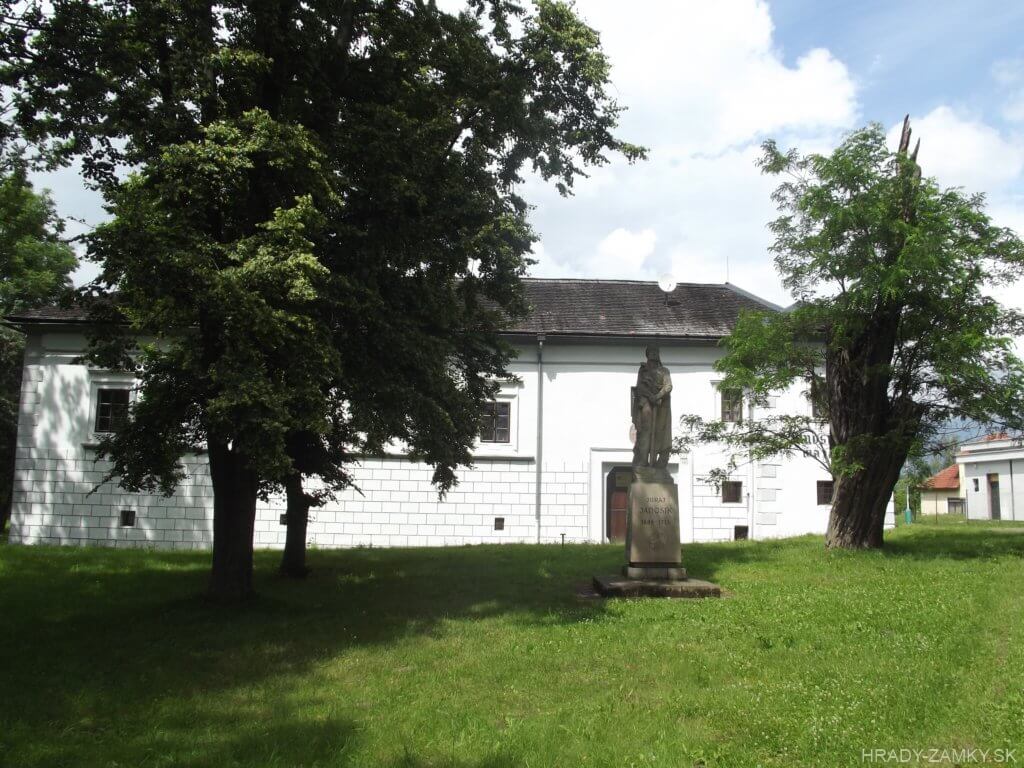
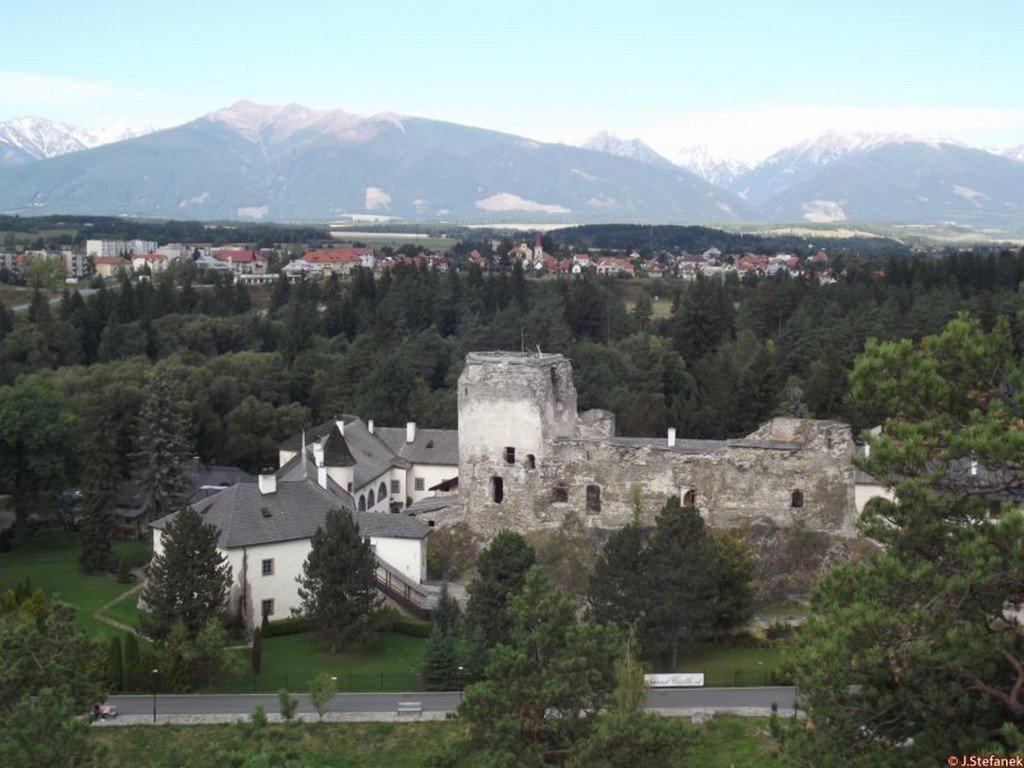
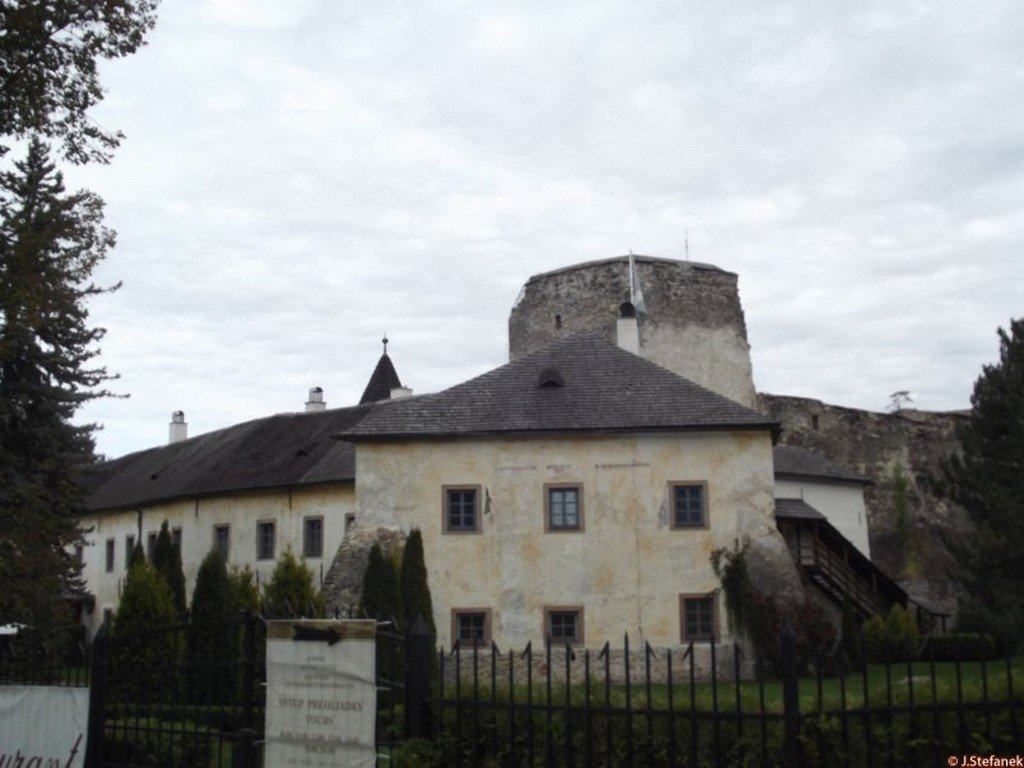
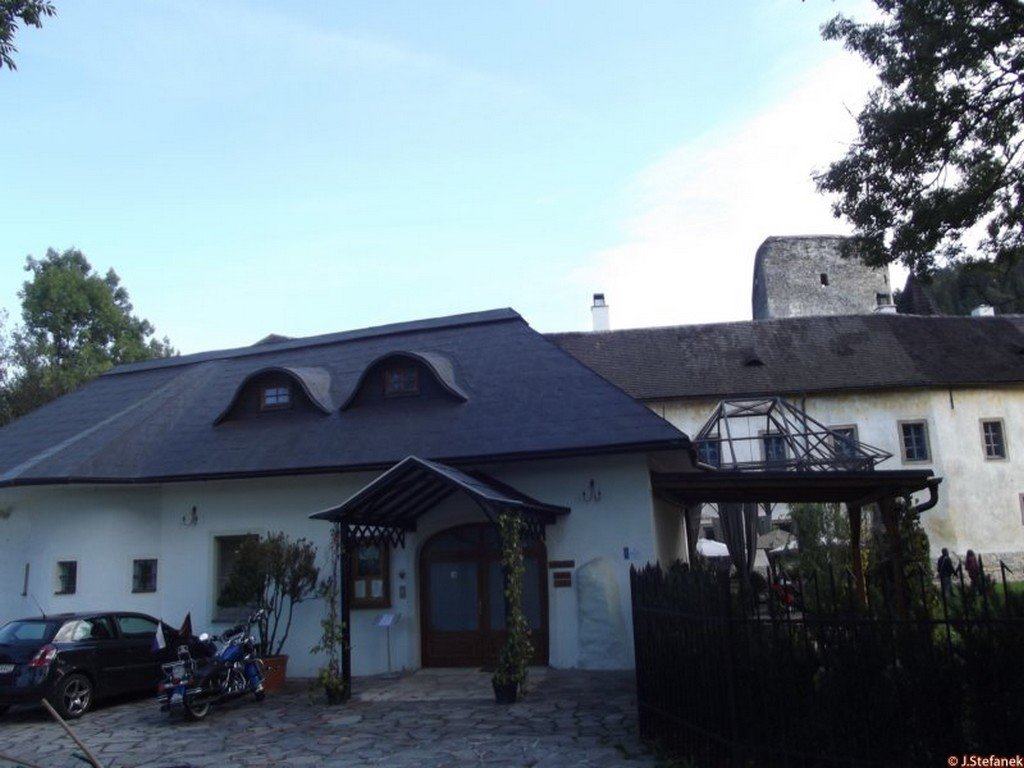
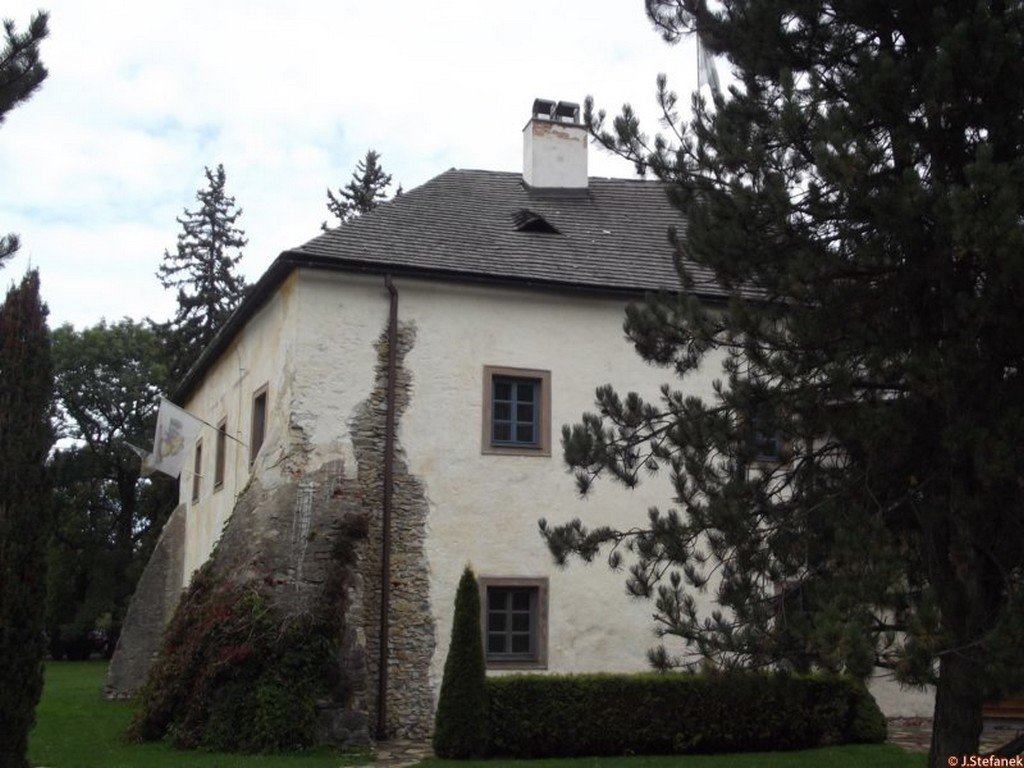
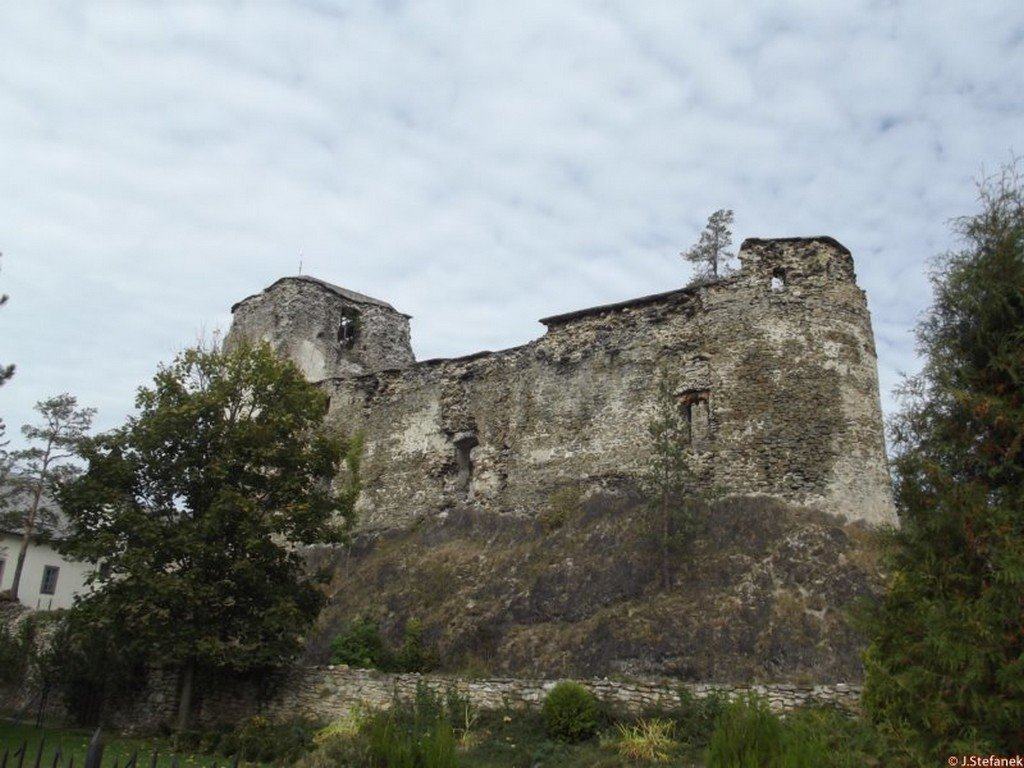
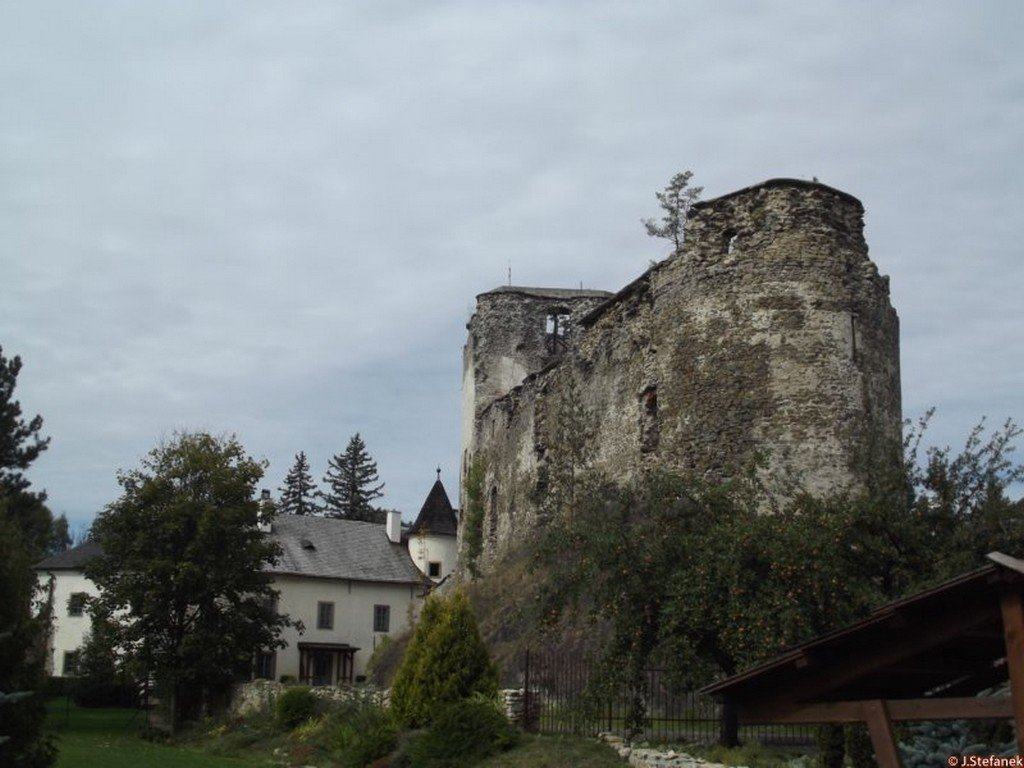
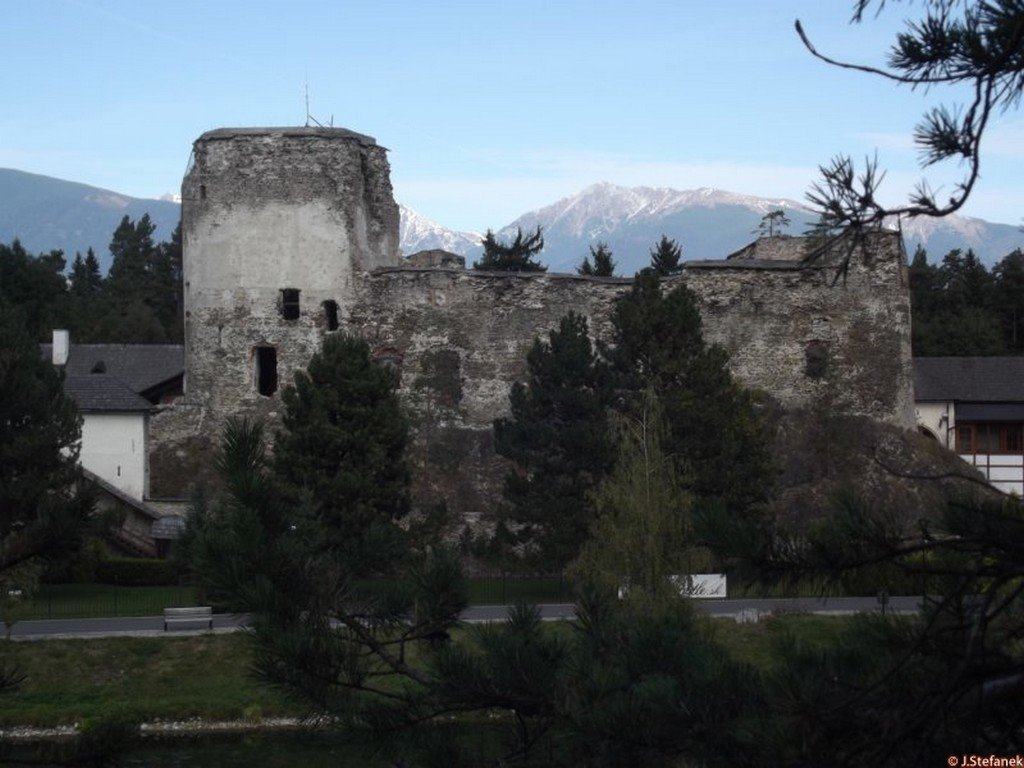
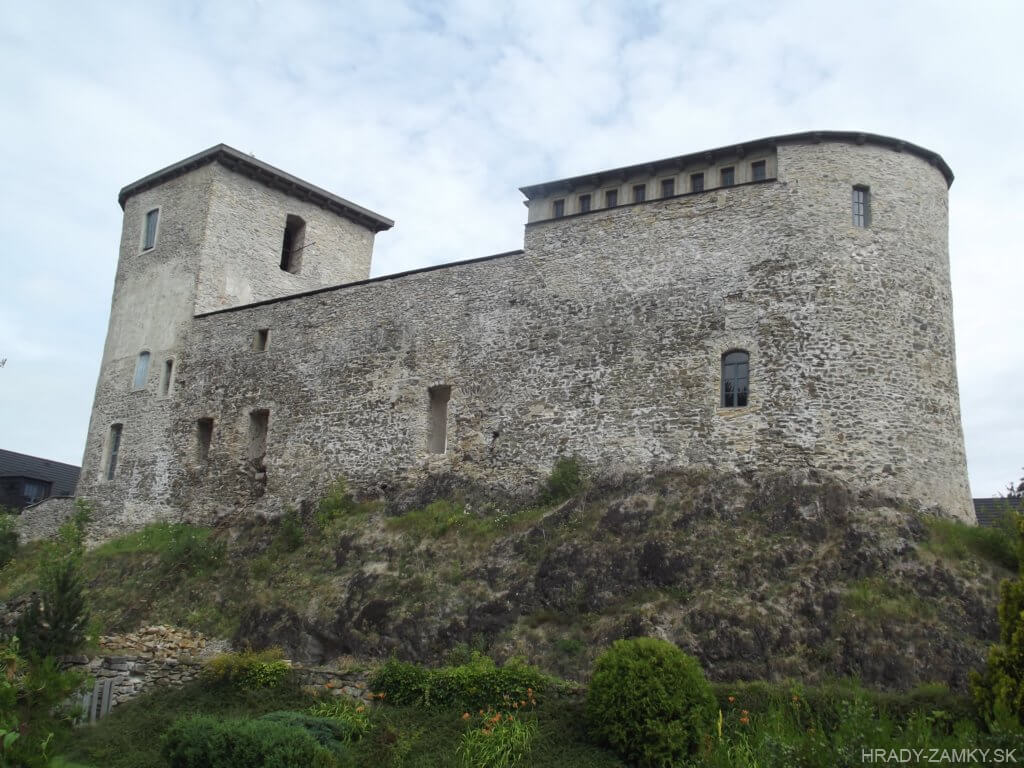
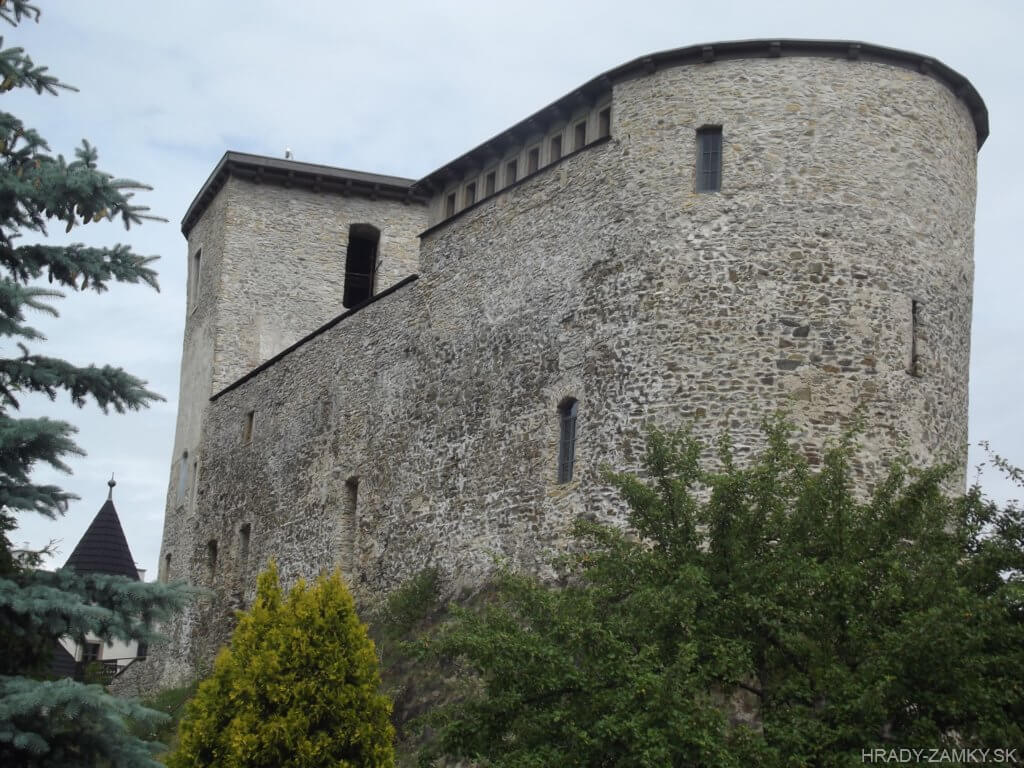
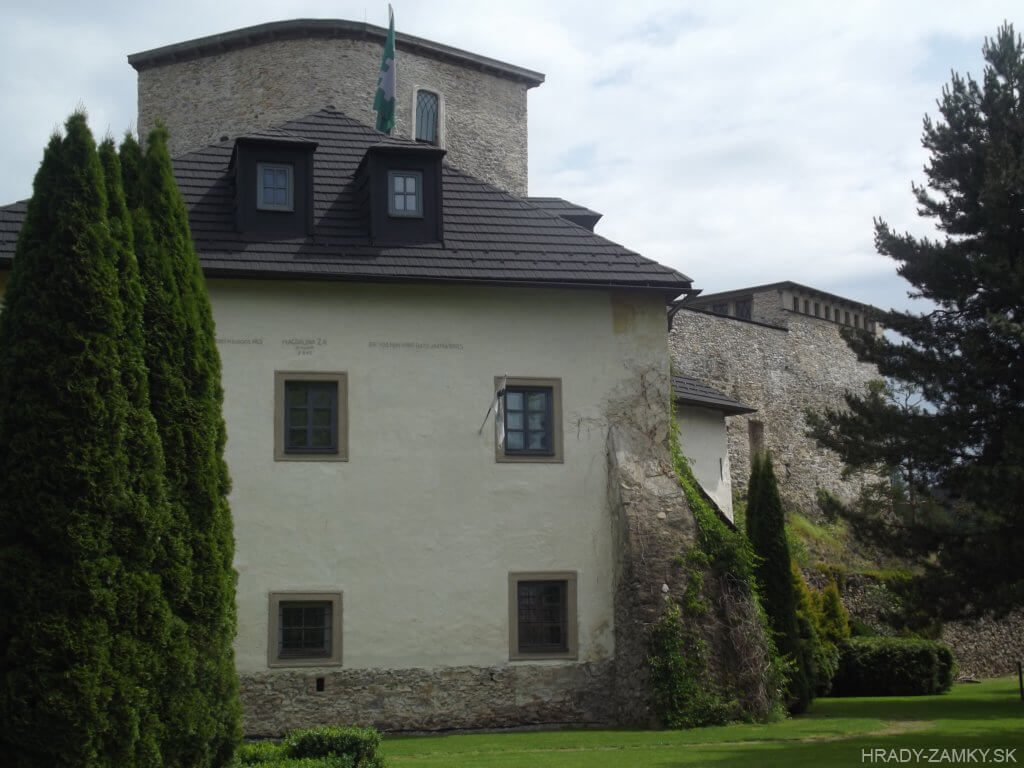
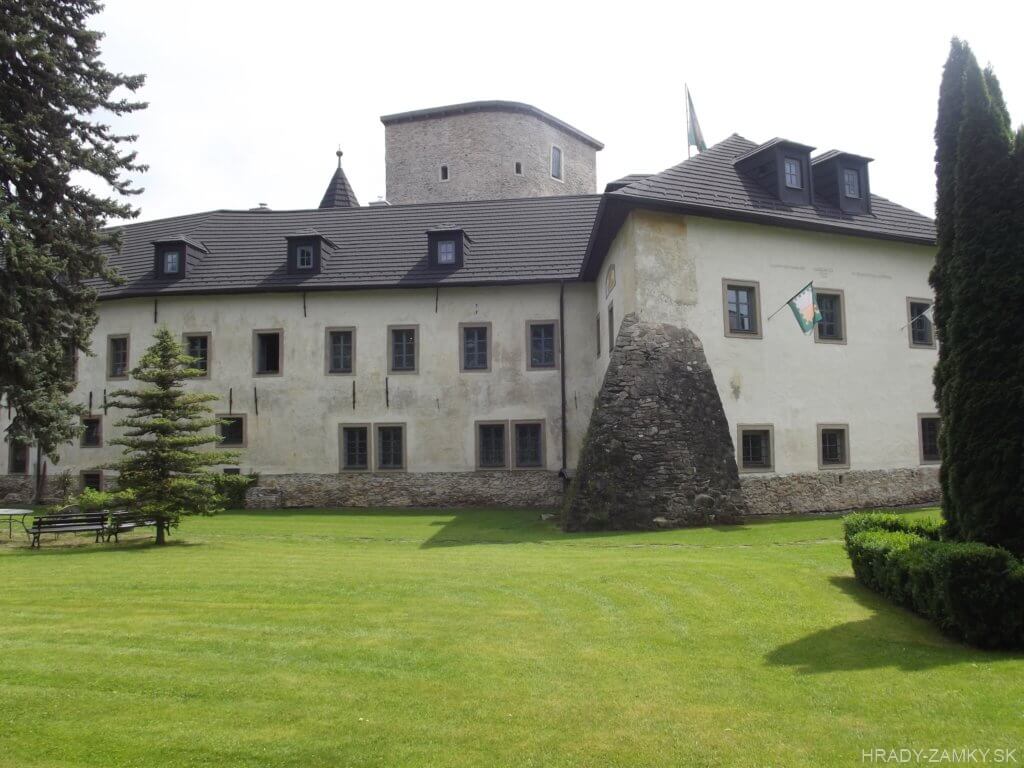
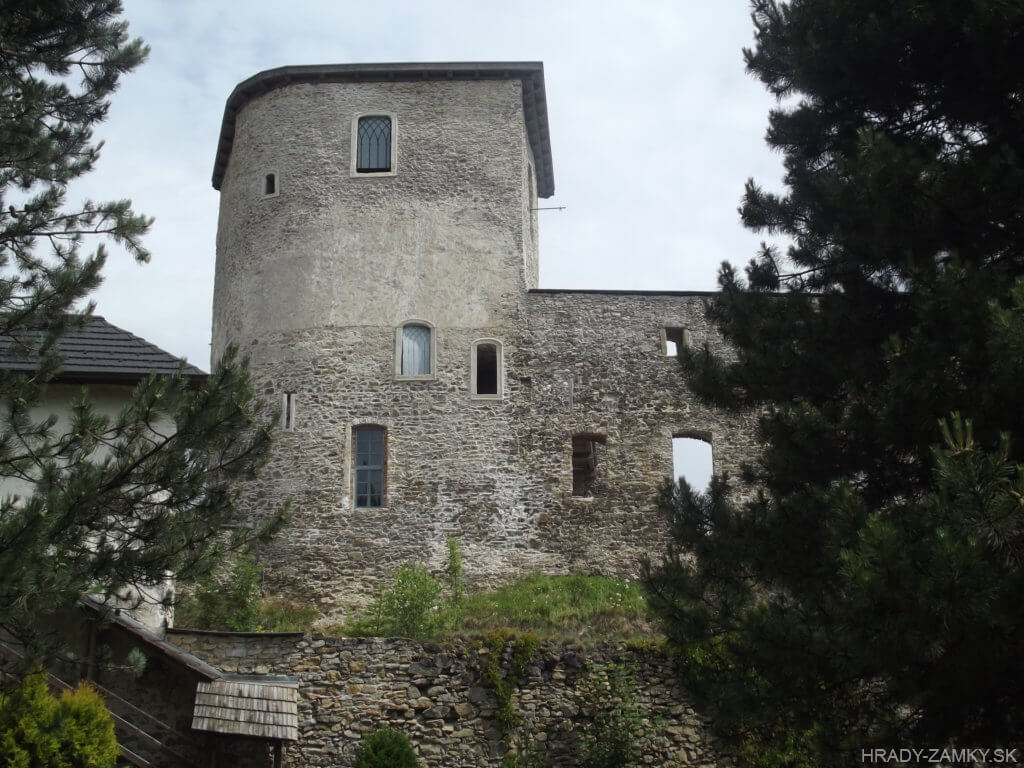
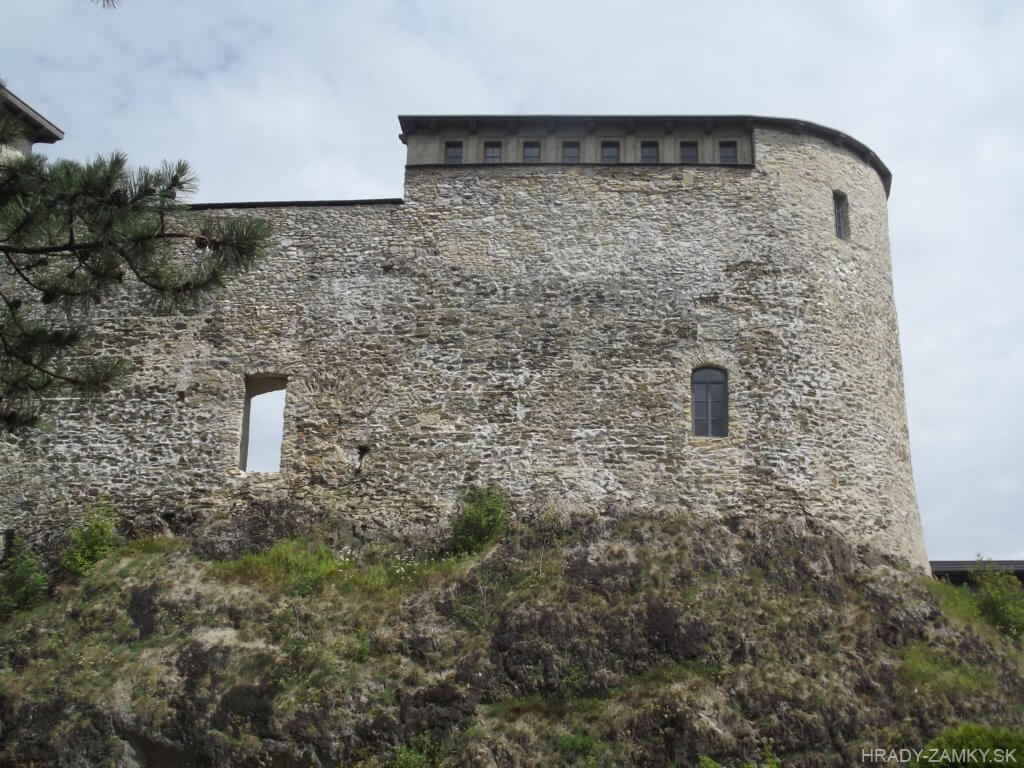
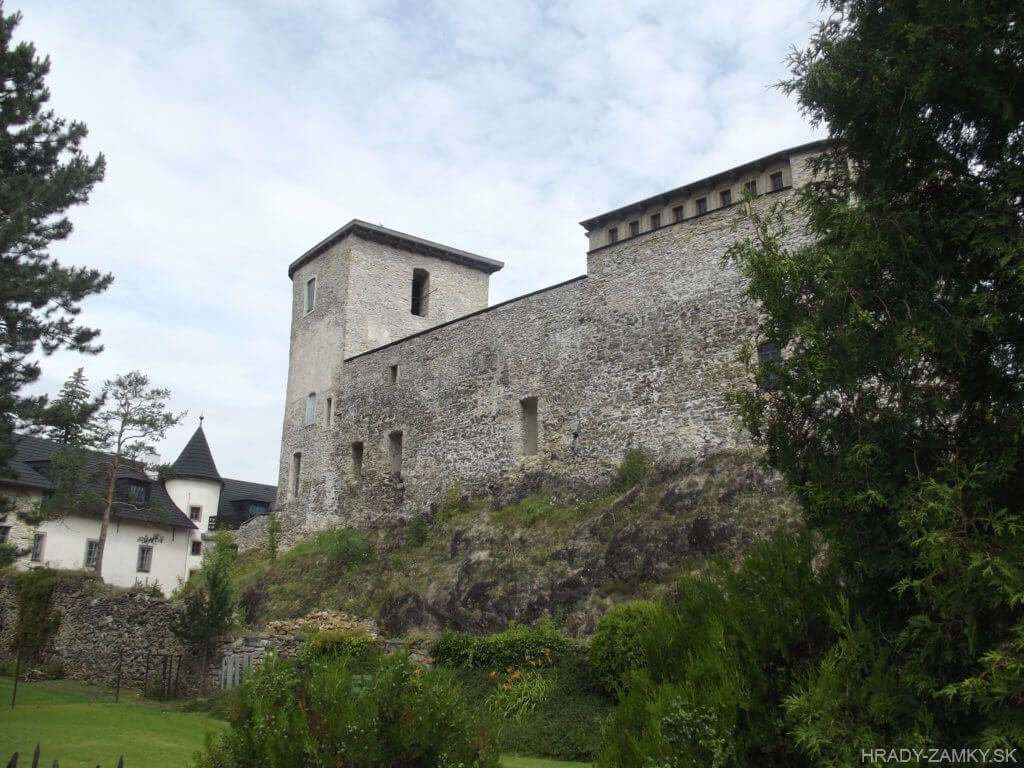
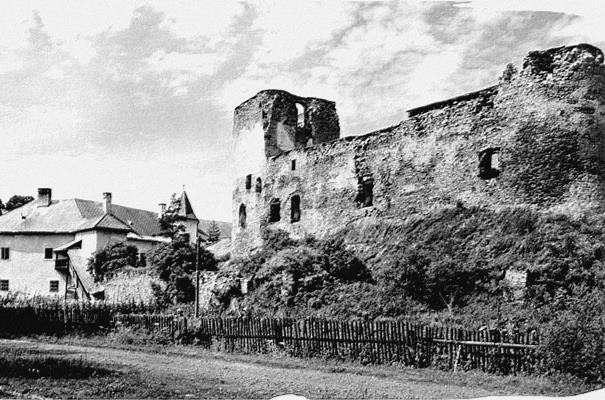
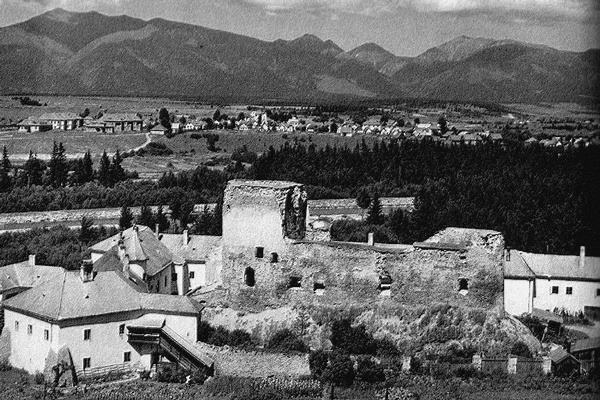
Ruins of a lowland castle with a reconstructed renaissance mansion in the bailey, situated in the Liptov basin on the northern outskirts of Liptovský Hrádok, at the confluence of the rivers Váh and Bela
Zrúcanina nížinného hradu so zrekonštruovaným renesančným kaštieľom v predhradí, situovaná v Liptovskej kotline na severnom okraji mesta Liptovský Hrádok, pri sútoku riek Váh a Belá
Previous names
Wywar, Haraduk, Novum Castrum, Hradek, Ujvár, Nový Hrad
Roads
The ruin of Liptovský Hrádok with a mansion, converted into a hotel and restaurant, is located directly in the town of Liptovský Hrádok. By car we can easily get directly in front of the building, where we can park next to the entrance to the restaurant, or in the nearby city parking lot.
Zrúcanina Liptovského Hrádku s kaštieľom, prerobeným na hotel a reštauráciu, sa nachádza priamo v mestečku Liptovský Hrádok. Je jednoduché sa k nemu dostať z ulice Československej armády. Autom sa ľahko dostaneme priamo pred objekt, kde môžeme zaparkovať pred vstupom do reštaurácie, prípadne na neďalekom mestskom parkovisku.
Description
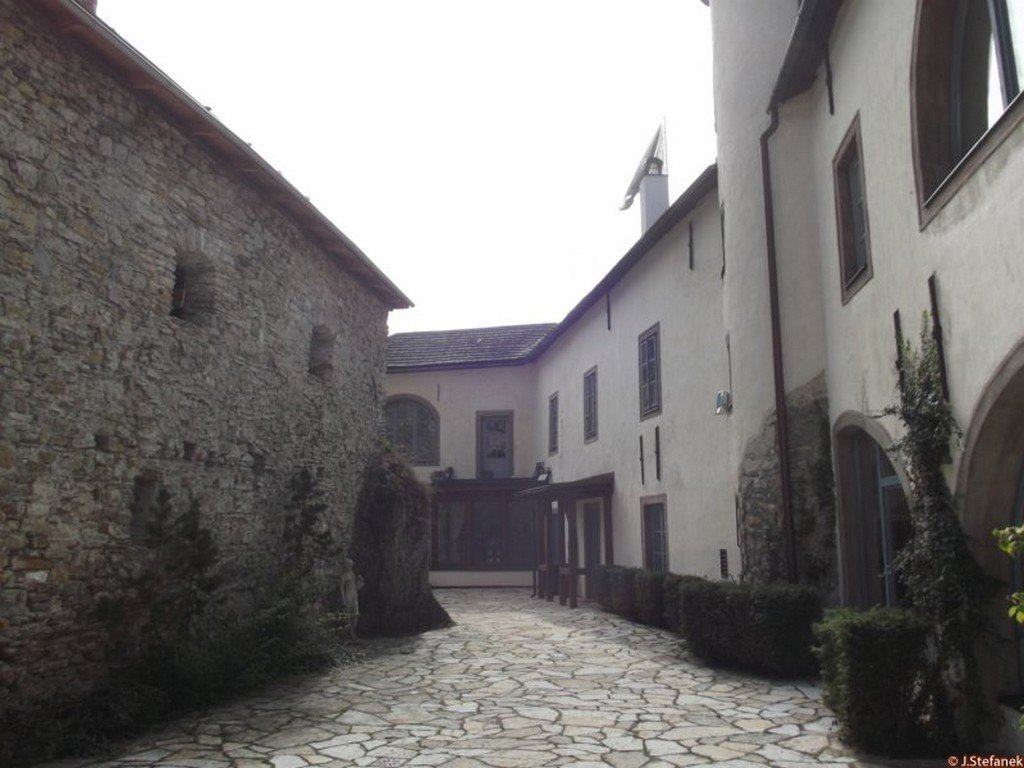
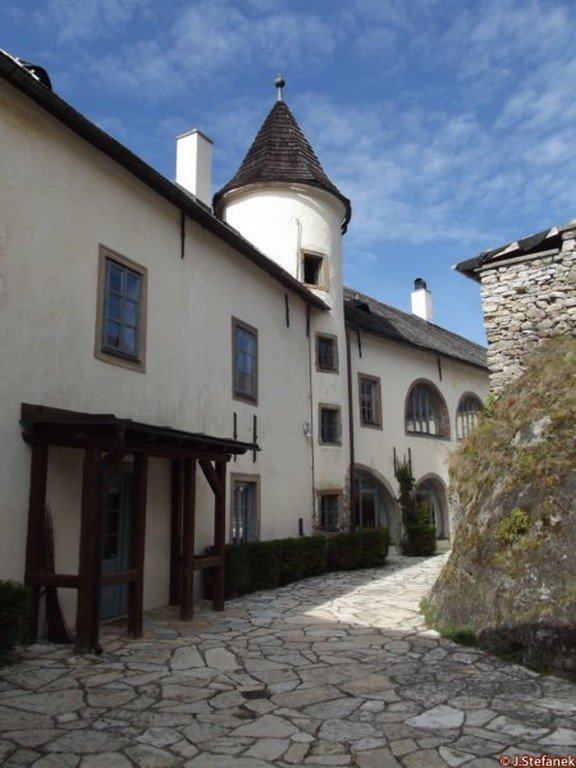
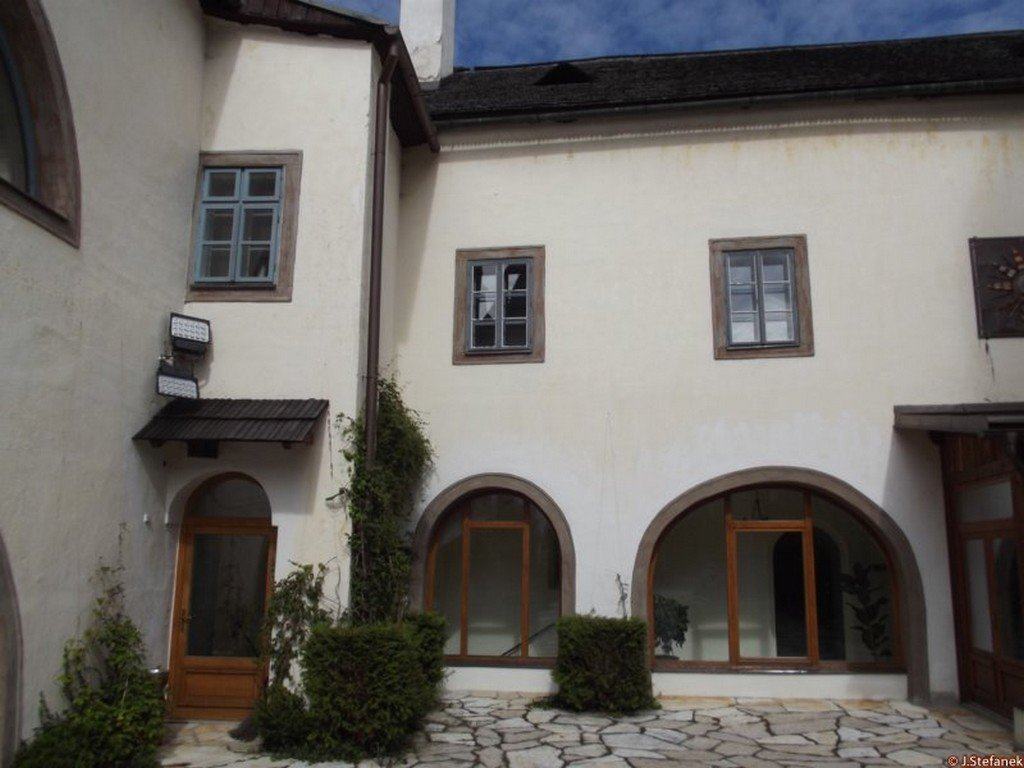
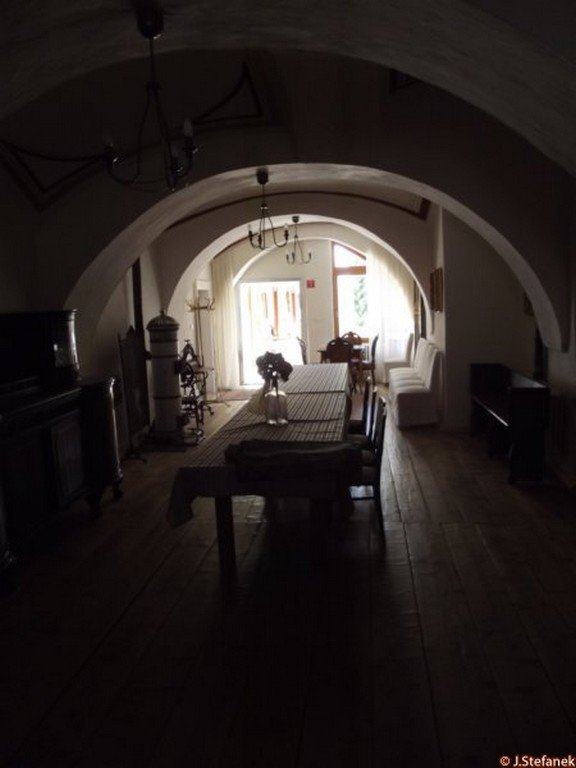
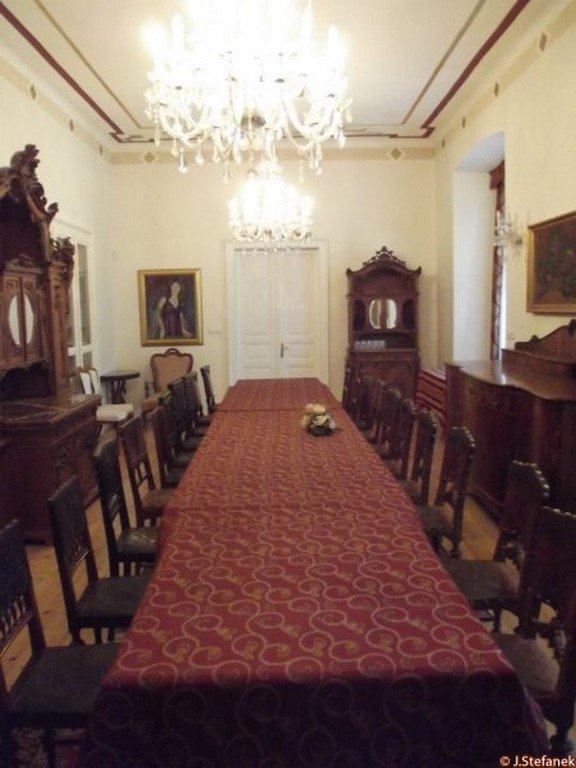
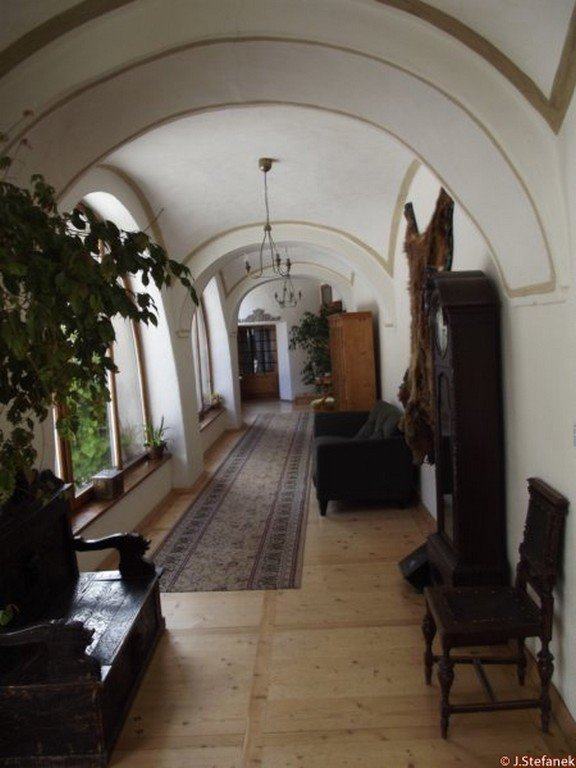
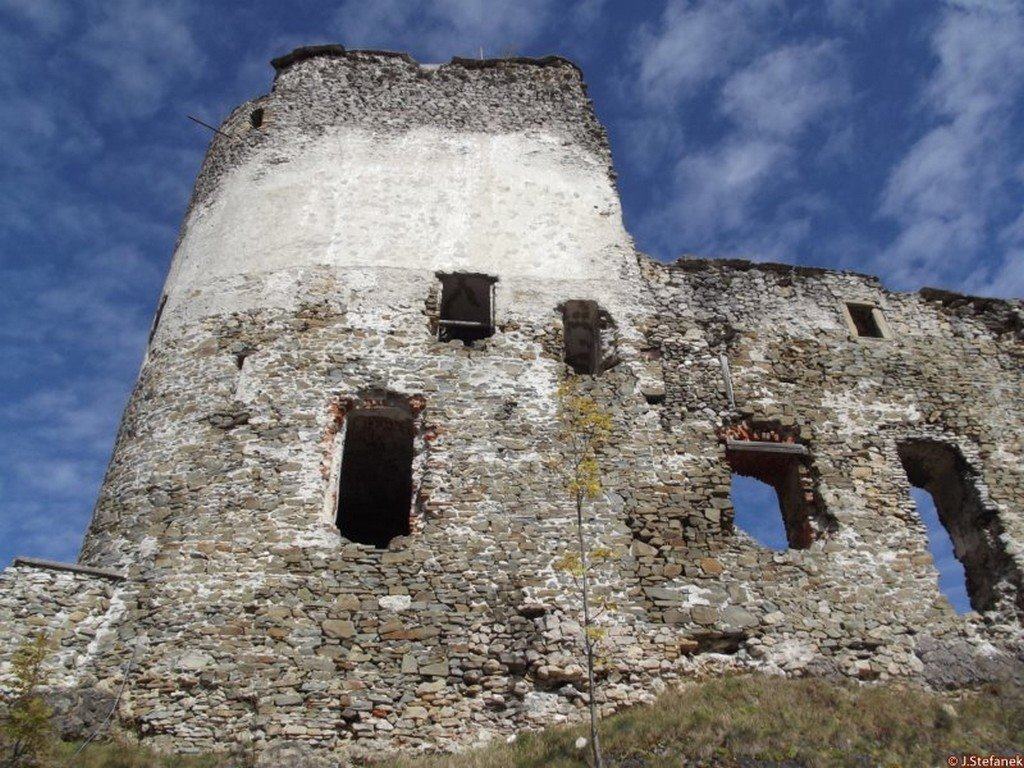
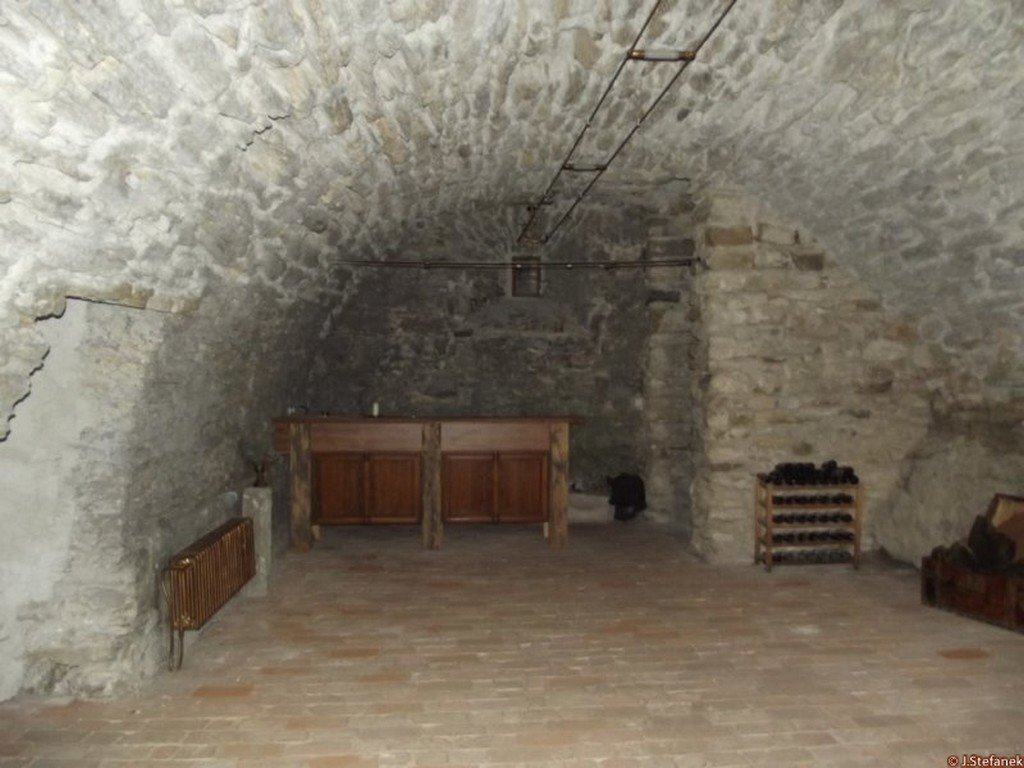
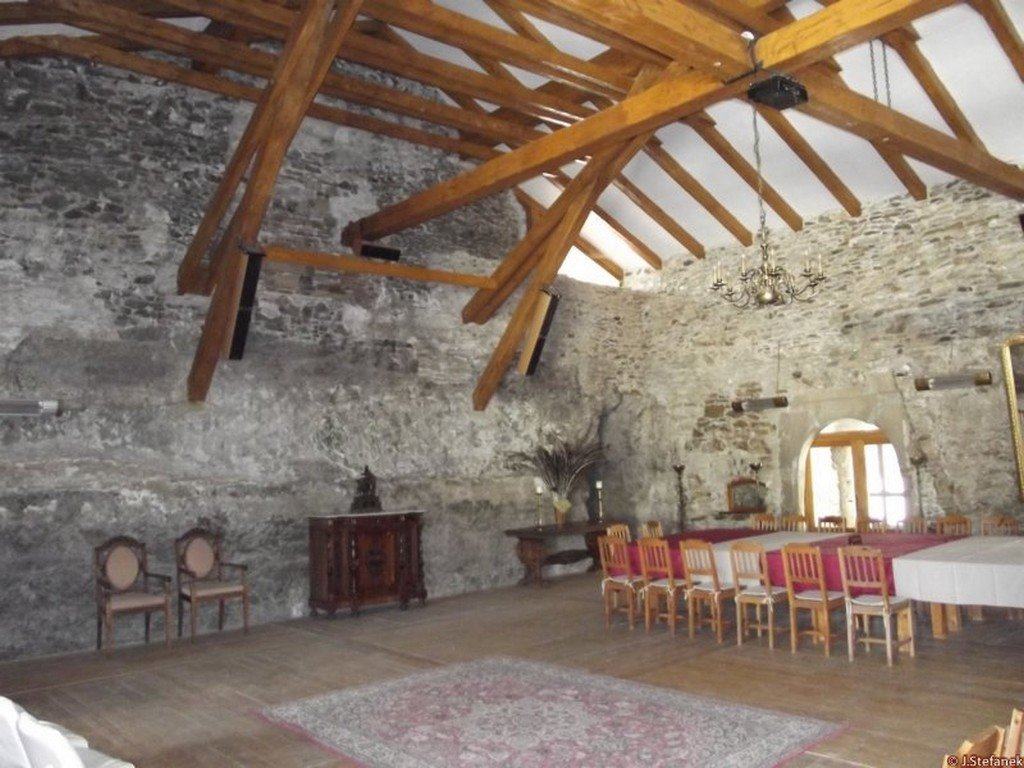
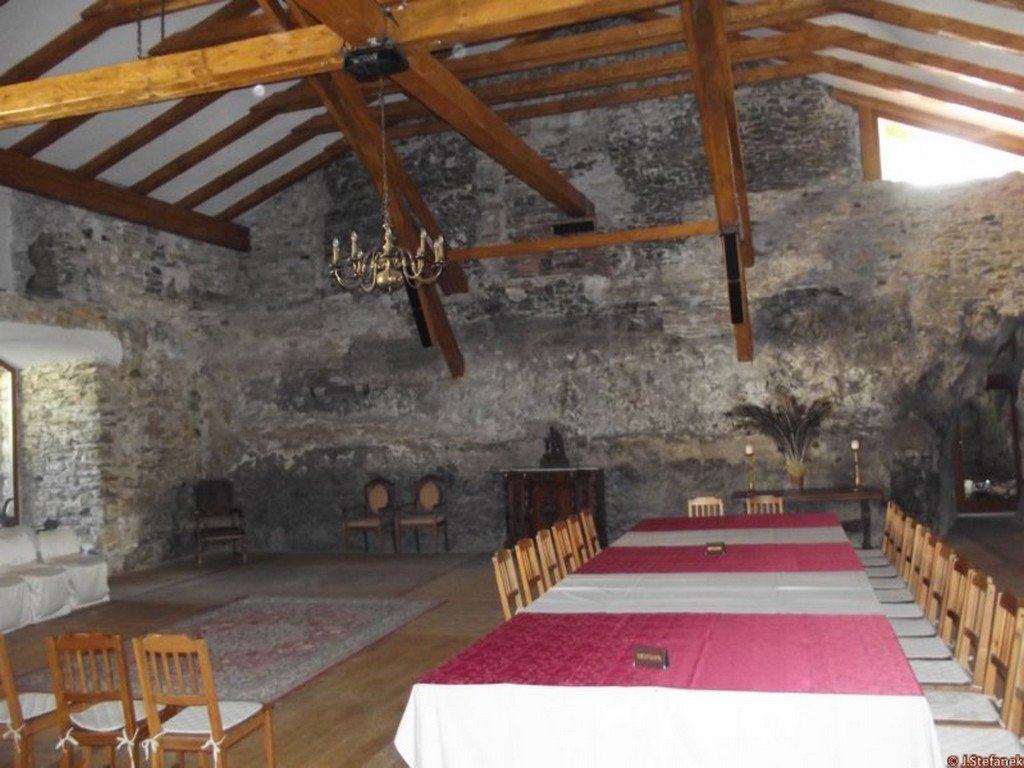
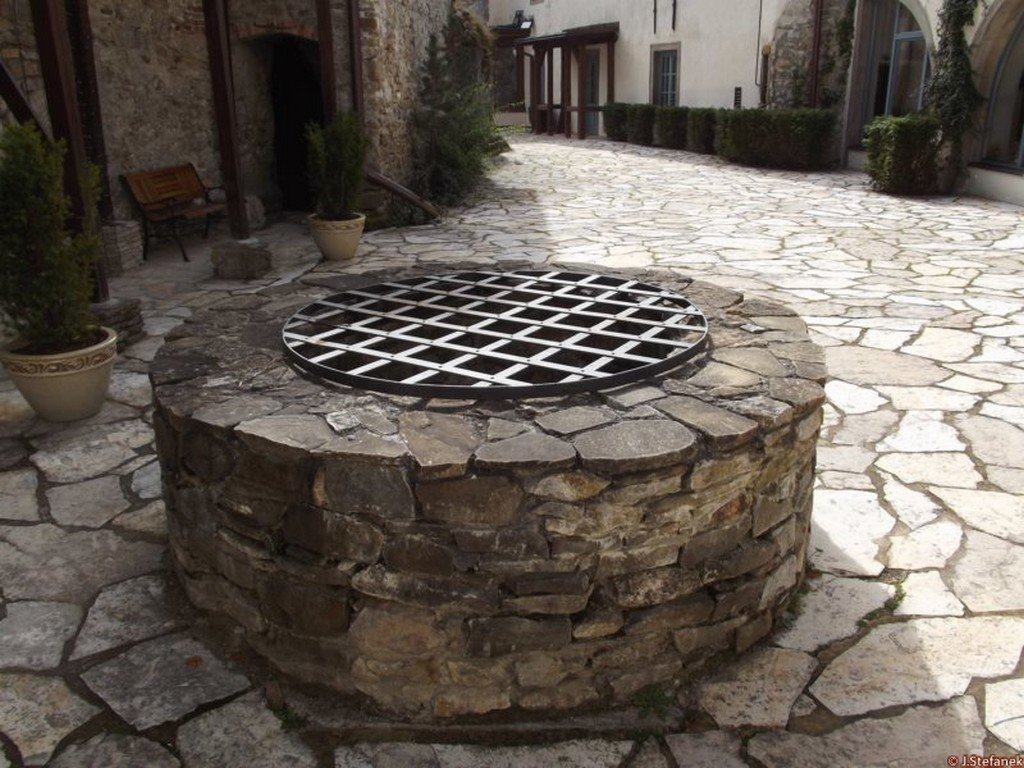
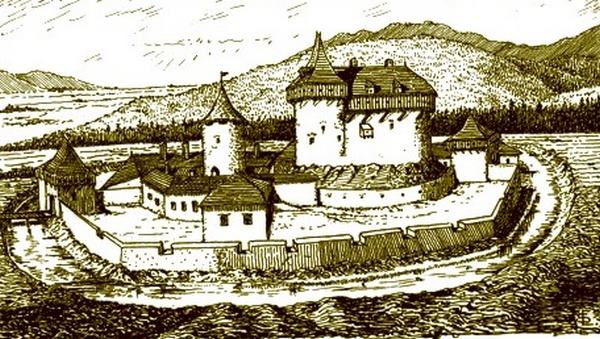
An interesting castle complex that connects the ruins of a Gothic castle with a reconstructed Renaissance mansion.The original construction of the castle fortifications includes an arched passage into the courtyard of the mansion. In front of the gate was once a moat, today it is built by buildings. The gradual growth of the ground plan is optically unified by Baroque Prussian vaults. In the interior of the castle there is a cartwheel and slotted loopholes. The interior of the mansion serves as a hotel and restaurant.The wholly preserved core of the castle occupied a narrow rocky outcrop, on which they built a two-storey palace. The survey shows that round-faced towers have divided slotted ventilation and lighting openings and, together with the palace, have been completed with a gallery and crenellation. Buildings outside the core were preserved from the period of rebuilding in the 15th century, when from the north attached to the core a small bailey. Its western part was filled with a two-tract passage palace and the neighboring small courtyard with a well was bounded by a wall with a corner horseshoe tower. Several remnants of the original painted window mount were identified in the palace.
Zaujímavý hradný komplex, ktorý spája zrúcaninu gotického hradu s rekonštruovaným renesančným kaštieľom.K pôvodnej konštrukcii opevnenia hradu patrí aj klenutý prejazd do nádvoria kaštieľa. Pred bránou sa kedysi nachádzala vodná priekopa, dnes je zastavaná budovami. Postupné narastanie pôdorysu je opticky zjednotené barokovými pruskými klenbami. V interiéri hradu je zachovaný prevet aj s doskou a štrbinové strieľne. Interiér kaštieľa slúži ako hotel a reštaurácia, zrúcanina hradu v centre tohto komplexu bola do tohto systému premyslene začlenená a pôsobí veľmi zaujímavo.Celistvo zachované jadro hradu zabralo úzky skalný výbežok, na ktorom postavili aj dvojpodlažný palác. Z prieskumu vyplýva, že veže s oblými čelami členili štrbinové vetracie a osvetľovacie otvory a spolu s palácom boli zakončené ochodzou s cimburím. Stavby mimo jadra sa zachovali až z obdobia prestavby v 15.storočí, keď od severu pričlenili k jadru malé predhradie. Jeho západnú časť vypĺňal dvojtraktový priechodný palác a susediace malé nádvorie so studňou ohraničoval múr s nárožnou podkovovitou vežičkou. V paláci boli identifikované viaceré zvyšky pôvodných maľovaných okenných paspart.
Plan
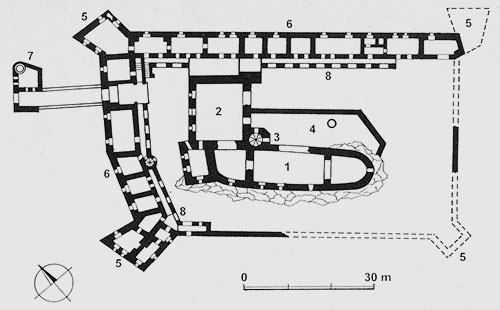
Legend to the ground plan
- 1 - Gothic castle
- 2 - extension of a late Gothic palace
- 3 - stair tower
- 4 - courtyard with a well
- 5 - corner bastions of the outer fortifications
- 6 - two-winged Renaissance manor house
- 7 - entrance barbican
- 8 - baroque arcaded corridor
Legenda k pôdorysu
- 1 - gotický hrad
- 2 - prístavba neskorogotického paláca
- 3 - schodisková veža
- 4 - dvor so studňou
- 5 - nárožné bašty vonkajšieho opevnenia
- 6 - dvojkrídlový renesančný kaštieľ
- 7 - vstupný barbakan
- 8 - baroková arkádová chodba
History
At the beginning of the 14th century, at the confluence of the Belá and Váh rivers, below the foothills of the Low Tatras, the Zvolen county of Donč had a Gothic stone castle built on a low limestone rock. The castle was surrounded by a moat, which has been preserved in the form of a lake to this day. The year 1341 is the first written mention of a castle called Wywar, in later documents it is mentioned as Novum Castrum - Nový Hrad or Hradek. One of his strategic tasks was to control an important trade route called Via Magna. This historical journey of emperors, kings and Transylvanian princes led from Central to Southeastern Europe. In 1399, King Sigismund handed over the castle to M. Gorjanský. In 1433 it was conquered by the Hussites, later occupied by the Jiskrovci. Throughout its history, the castle has often changed owners.
An important figure at the castle was Bálint Balassa. Balassa came from the leading aristocratic Hungarian Balassa family. In the 13th century, his ancestors owned several villages and manors on the territory of today's Slovakia, and the builder of the castle, Master Donč, also came from this family. In the years 1554 - 1600 they also owned the castle in Liptovský Hrádok. In 1600, the castle and the manor were owned by Mikuláš Sándorfi. He married the young castle lady Magdalena Zai, the widow of the previous owner of the Balašov family - Žigmund, whom she married shortly before his death. At the initiative of Sándorfi and his wife, a Renaissance manor house and other buildings were built around the castle between 1601 and 1603, ensuring the operation of the manor. Material from the demolished walls was used to build the manor. On the first floor of the manor they set up representative rooms for the owners and their guests, and on the ground floor there were warehouses and accommodation for servants. Mikuláš Sándorfi did not live to see the completion of the reconstruction, he died in 1603.
After the death of her second husband, Magdalena Zai legally secured her position as the owner of the castle through marriages with other applicants for property. Her fourth husband, Imrich Mérey, would rather marry a widow than pay her a deposit for the castle. Together, Magdalena Zai married five times, buried each husband after no more than 4 years of marriage, and all were said to have died a natural death.
In the turbulent times of the beginning of the 17th century, Hrádok was probably a safe place, as the St. Stephen's crown was stored here for a short time in March 1622. The castle withstood all waves of anti-Habsburg uprisings and played the most important strategic role during the estate uprisings in the 17th century. The commanding imperial general built a strong defense against the rebels of František Rákóczi. Later, at the beginning of the 18th century, Emperor Leopold I donated the castle and manor to Prince Lichtenstein. In 1709 there was a significant battle on Švihrová between the insurgents and the imperial troops, which resisted the onslaught, but the castle was severely damaged by the insurgents in these battles. In 1731, the castle and the manor were bought from Emanuel Lichtenstein by the royal chamber. Since then, the castle and the manor have been in decline.
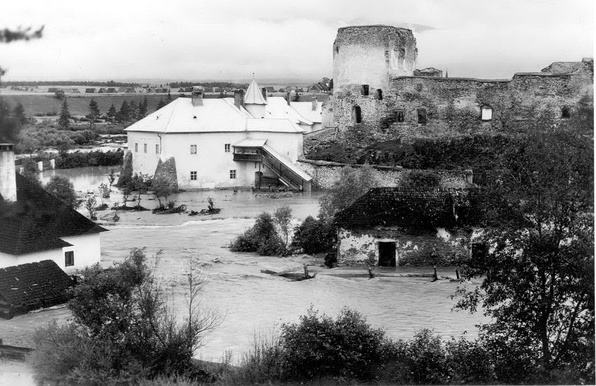
After the devastating fire of the castle and manor house in 1803, only the manor house was restored and the castle has been in ruins ever since. But it was not just this disaster. In the rainy summer of 1813, a catastrophic flood occurred. In the second half of the 19th and the beginning of the 20th century, the District Court as well as the Hungarian Royal Forest Office were located in the manor. In 1932, the risky parts of the old castle were preserved. From 1960 until the gentle revolution, the Ethnographic Museum of Liptov was housed here. The premises have been abandoned since 1989, unheated, exposed to unwanted visitors and everything that could be taken away was stolen. Only bare walls without windows and doors remained.
In 2001, when Ing. Dagmar Machová visited the ruins of the castle and the ruins of the manor house, a vision of renewal and revival of this manor was born in her mind, which was built by Magdalena Zai. She lived here for the longest of all owners - 23 years. This was followed by obtaining a building permit and thorough remediation against moisture, removal of broken statics, introduction of electricity, provision of connection to the public sewer behind the bridge overpass and heating of the South Wing. Thorough conservation of the walls of the castle ruins was carried out from the point of view of safety, so that the falling rocks did not endanger the construction work. Subsequent reconstruction, roof renovation, park planting, courtyard paving, restoration of wells, purchase of antiques and equipment. In the years 2005 - 2010 even the construction of Wellness with swimming pool and Stone Gallery halls, renovation of rooms, reconstruction of Sandorfy's apartment.
Na začiatku 14. storočia dal pri sútoku Belej a Váhu, pod výbežkami Nízkych Tatier, zvolenský župan Donč postaviť gotický kamenný hrad na nevysokej vápencovej skale. Hrad obkolesili vodnou priekopou, ktorá sa zachovala v podobe jazierka dodnes. Rok 1341 je tak prvou písomnou zmienkou o hrade s menom Wywar, v neskorších dokumentoch sa spomína ako Novum Castrum – Nový Hrad, či Hradek. Jednou z jeho strategických úloh bola kontrola dôležitej obchodnej cesty nazývanej Via Magna. Táto historická cesta cisárov, kráľov a sedmohradských kniežat viedla zo strednej do juhovýchodnej Európy. V roku 1399 dal kráľ Žigmund hrad do správy M. Gorjanskému. V roku 1433 ho dobili Husiti, neskôr ho obsadili Jiskrovci. Hrad počas celej svojej histórie často menil majiteľov.
Významnou postavou na hrade bol Bálint Balassa. Balassa pochádzal z poprednej šľachtickej uhorskej rodiny Balassovcov. Jeho predkovia vlastnili v 13. storočí na území dnešného Slovenska viaceré obce a panstvá, z tohto rodu pochádzal aj samotný staviteľ hradu magister Donč. V rokoch 1554 - 1600 vlastnili aj hrad v Liptovskom Hrádku. V roku 1600 dostal hrad a panstvo do vlastníctva Mikuláš Sándorfi. Zosobášil sa s mladou hradnou pani Magdalénou Zai, vdovou po predchádzajúcom majiteľovi z rodu Balašovcov – Žigmundovi, za ktorého sa vydala krátko pred jeho smrťou. Na podnet Sándorfiho a jeho manželky bol v rokoch 1601 až 1603 postavený okolo hradu renesančný kaštieľ a ďalšie budovy zabezpečujúce chod panstva. Na stavbu kaštieľa bol použitý materiál zo zbúraných hradieb. Na poschodí kaštieľa zriadili reprezentačné miestnosti pre majiteľov a ich hostí a na prízemí boli sklady a ubytovacie priestory pre služobníctvo. Mikuláš Sándorfi sa dokončenia prestavby nedožil, zomrel v roku 1603.
Magdaléna Zai si po smrti druhého manžela postavenie držiteľky hradu právne zaistila sobášmi s ďalšími uchádzačmi o majetok. Jej štvrtý manžel Imrich Mérey sa s vdovou radšej oženil, než by jej vyplatil záloh za hrad. Spolu sa Magdaléna Zai vydala päťkrát, každého manžela pochovala po nie viac ako 4 rokoch manželstva a všetci vraj umreli prirodzenou smrťou.
V nepokojných časoch začiatku 17. storočia bol Hrádok zrejme bezpečným miestom, keďže tu bola v marci 1622 krátkodobo uschovaná svätoštefanská koruna. Hrad vydržal všetky vlny protihabsburských povstaní a najvýznamnejšiu strategickú úlohu zohral v období stavovských povstaní v 17. storočí. Veliaci cisársky generál vybudoval proti povstalcom Františka Rákócziho silnú obranu. Neskôr, začiatkom 18. storočia, cisár Leopold I. daroval hrad s panstvom kniežaťu Lichtensteinovi. V roku 1709 došlo k významnej bitke na Švihrovej medzi povstalcami a cisárskymi vojskami, ktoré odolali náporu, ale hrad povstalci v týchto bojoch ťažko poškodili. V roku 1731 hrad aj s panstvom odkúpila od Emanuela Lichtensteina kráľovská komora. Odvtedy hrad aj s panstvom upadali.
Po ničivom požiari hradu a kaštieľa v roku 1803 obnovili už len kaštieľ a hrad je odvtedy v ruinách. No neostalo len pri tejto pohrome. V daždivom lete roku 1813 došlo ku katastrofálnej povodni. V 2. polovici 19. a začiatkom 20. storočia bol v priestoroch kaštieľa Okresný súd ako aj Uhorský kráľovský lesný úrad. V roku 1932 boli rizikové časti starého hradu zakonzervované. Od roku 1960 až do nežnej revolúcie tu sídlilo Národopisné múzeum Liptova. Priestory boli od roku 1989 opustené, nevykurované, vystavené nežiadúcim návštevníkom a všetko, čo sa dalo zobrať, bolo odcudzené. Ostali iba holé múry bez okien a dverí.
V roku 2001, keď Ing. Dagmar Machová navštívila zrúcaninu hradu a ruiny kaštieľa, sa jej v mysli zrodila vízia obnovy a oživenia tohto panstva, ktoré dala postaviť Magdalena Zai. Tá tu žila najdlhšie zo všetkých majiteľov - 23 rokov. Nasledovalo získanie stavebného povolenia a dôkladná sanácia proti vlhkosti, odstránenie porušenej statiky, zavedenie elektriny, zabezpečenie napojenia na verejnú kanalizáciu za nadjazdom na most a vykurovanie Južného krídla. Vykonala sa dôsledná konzervácia múrov ruiny hradu z hľadiska bezpečnosti, aby odpadávajúce skaly neohrozovali stavebné práce. Následná prestavba, sanácia strechy, výsadba parku, dlaždenie nádvoria, obnova studní, nákup starožitností a zariadenia. V rokoch 2005 - 2010 dokonca aj výstavba Wellness s bazénom a sály Stone Gallery, obnova izieb, rekonštrukcia Sandorfyho apartmánu.
Myths and legends
The rumour says
When the lord Mikuláš Sandorfi died in 1603, another candidate for the castle preferred to marry a widow rather than pay her an advance. Mrs. Magdalene gradually buried three men and lived with the fourth in the castle until 1623.
Povráva sa...
Keď v r.1603 pán Mikuláš Sandorfi zomrel, ďalší uchádzač o hrad radšej sa s vdovou oženil, ako by jej mal vyplatiť záloh. Pani Magdaléna tak postupne pochovala troch mužov a so štvrtým žila na hrade až do r.1623.
Useful information
Opening hours and admission
Otváracia doba a vstupné
External links
Nearby castles