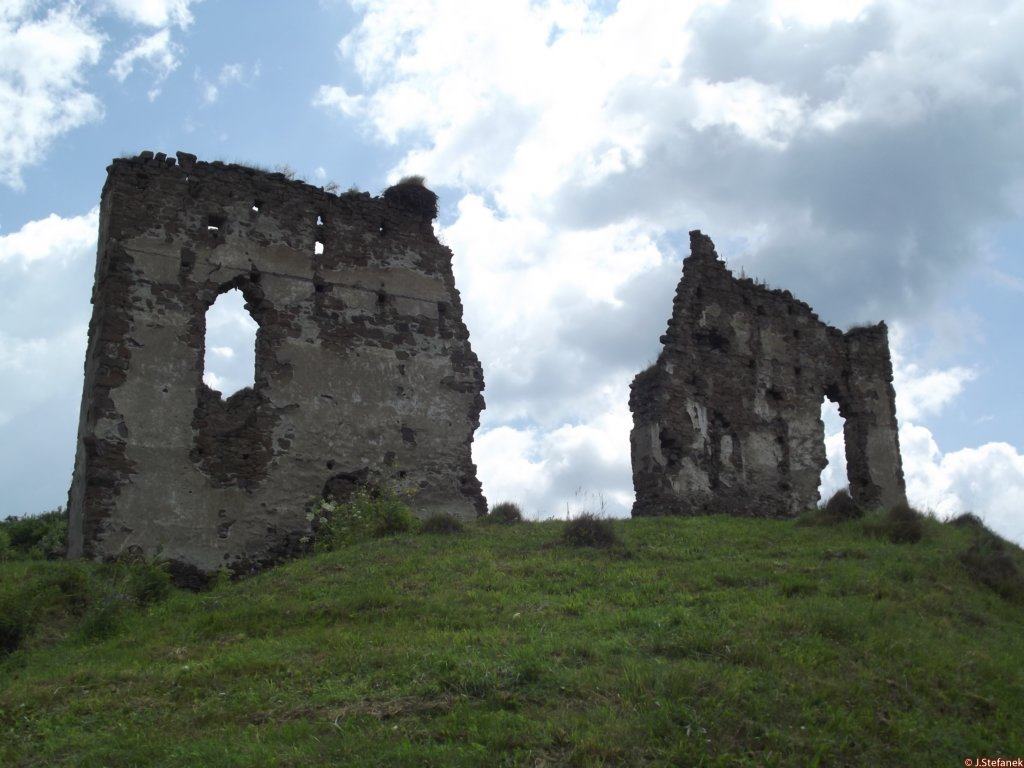
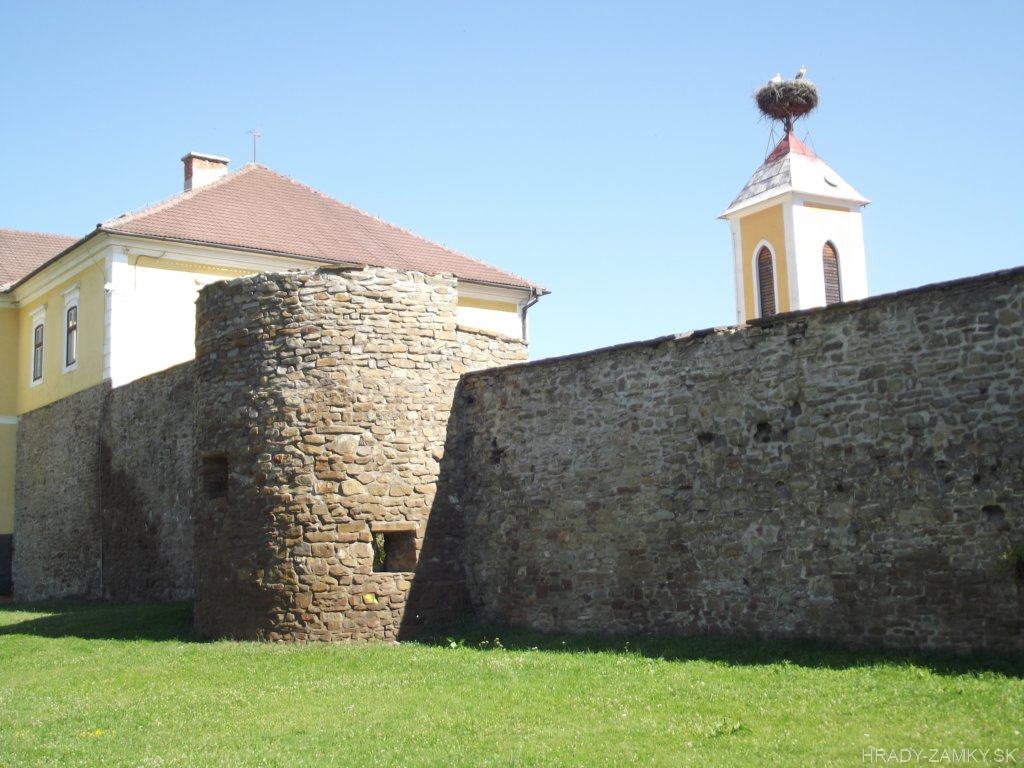
Kežmarok castle
Kežmarok Prešov county Slovakia
castle, chateau
Kežmarský hrad
Kežmarok Prešovský kraj Slovakia
hrad, zámok
Kežmarok Castle is located on the eastern outskirts of Kežmarok, located in the Poprad basin. It was built on the site of a church from the 13th century
Kežmarský hrad sa nachádza na východnom okraji mesta Kežmarok, ležiaci v Popradskej kotline. Bol postavený na mieste kostola z 13. storočia.
Previous names
Caseorum, Kasmark, Kaymarc, Kayssmark, Käszmark, Kesemark, Kesmarck, Kesmarco, Kesmarg, Kezmarc, Kezmark, Keysmarch, Keyssmarkh, Késmark, Kismark, Kissmark, Kiszmark, Kümark
Roads
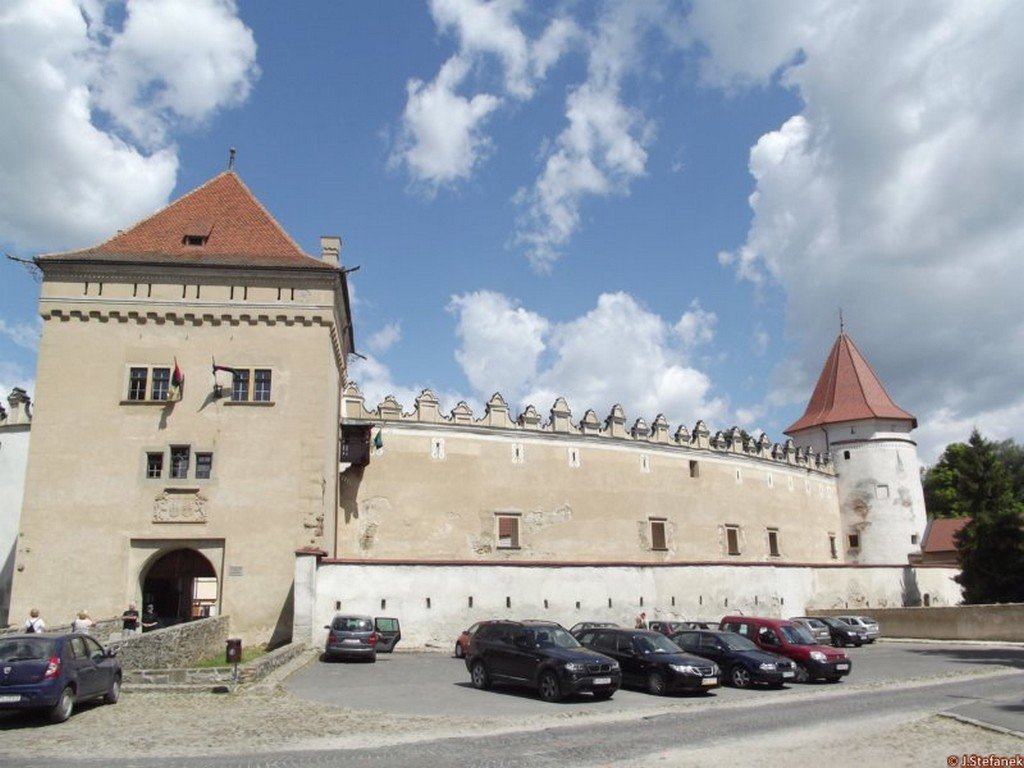
The area of Kežmarok castle belongs to the historical center of Kežmarok and is part of the urban conservation area. From the Hlavné námestie leads there Hradná Street, which is a pedestrian zone and ends in the Hradné námestie. By car, we reach the Hradné námestie via Fraňa Kráľa Street. Parking is available directly in front of the castle.
Areál Kežmarského hradu patrí k historickému centru mesta Kežmarok a je súčasťou mestskej pamiatkovej rezervácie. Z Hlavného námestia k nemu vedie Hradná ulica, ktorá je pešou zónou a končí sa na Hradnom námestí. Autom sa na Hradné námestie dostaneme ulicou Fraňa Kráľa. Parkovanie je možné priamo pred objektom.
Description
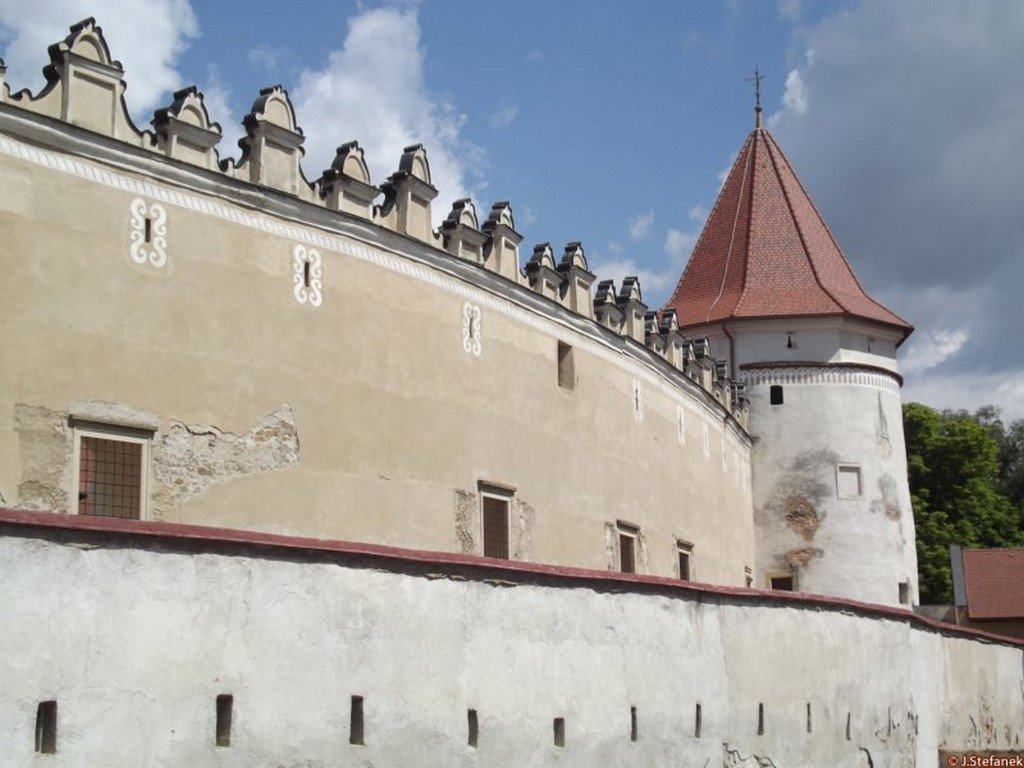
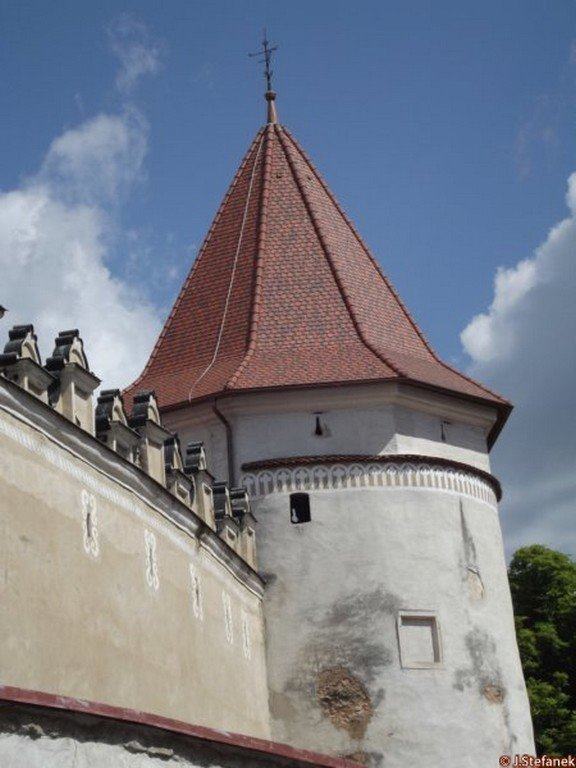
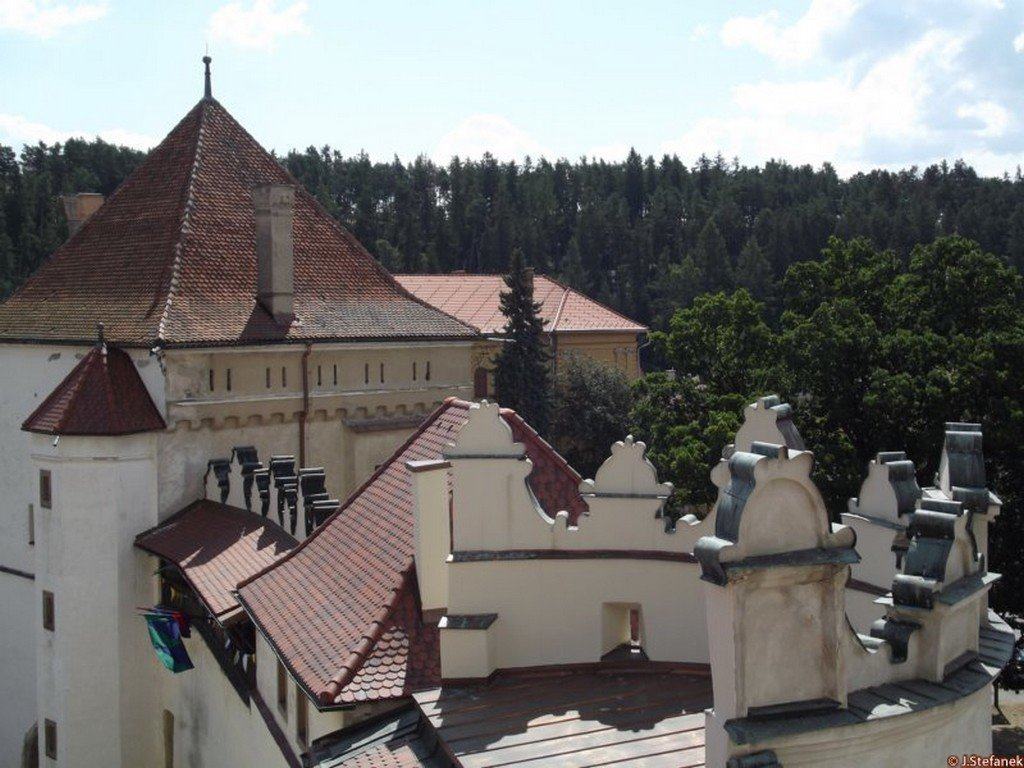
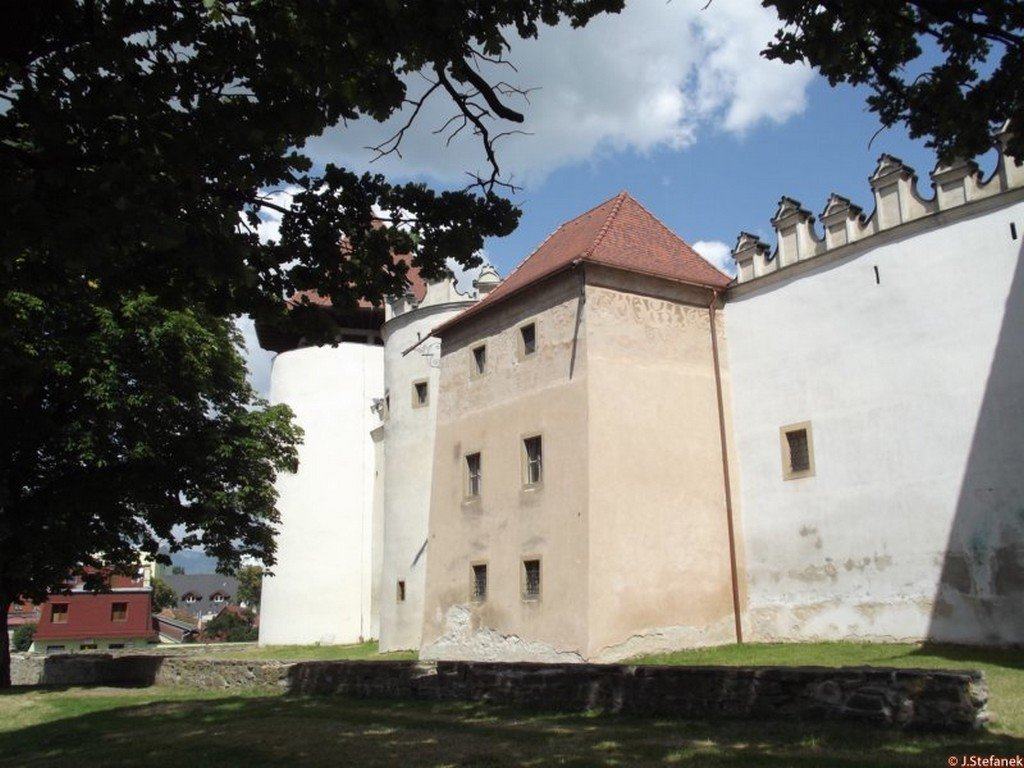
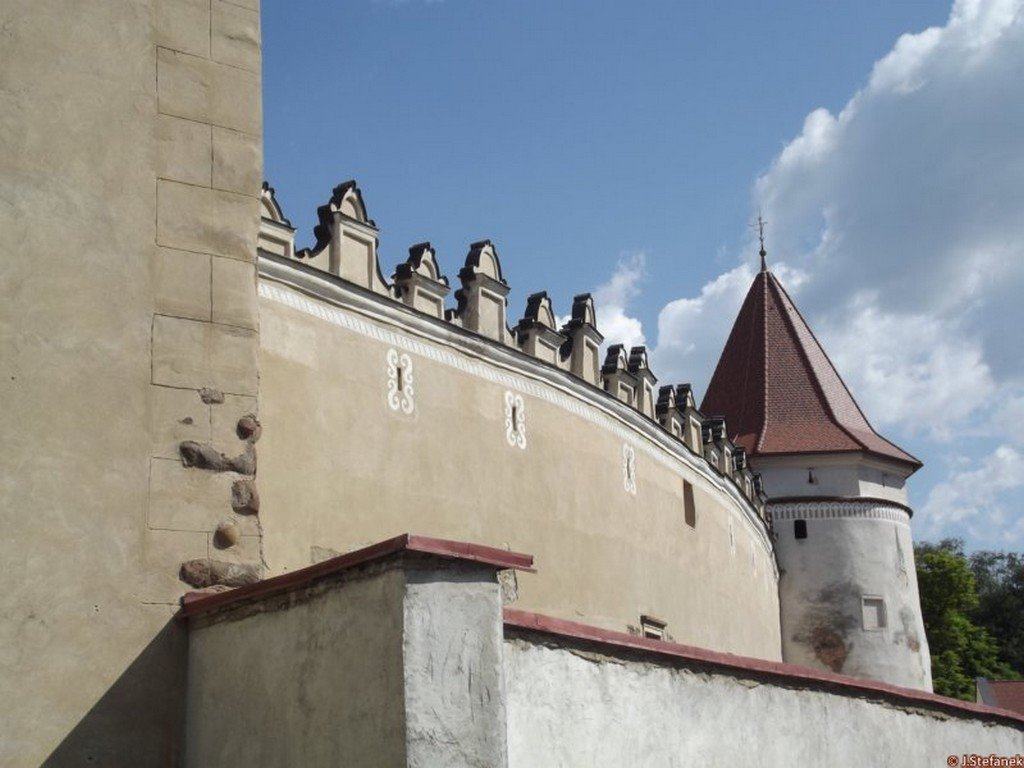
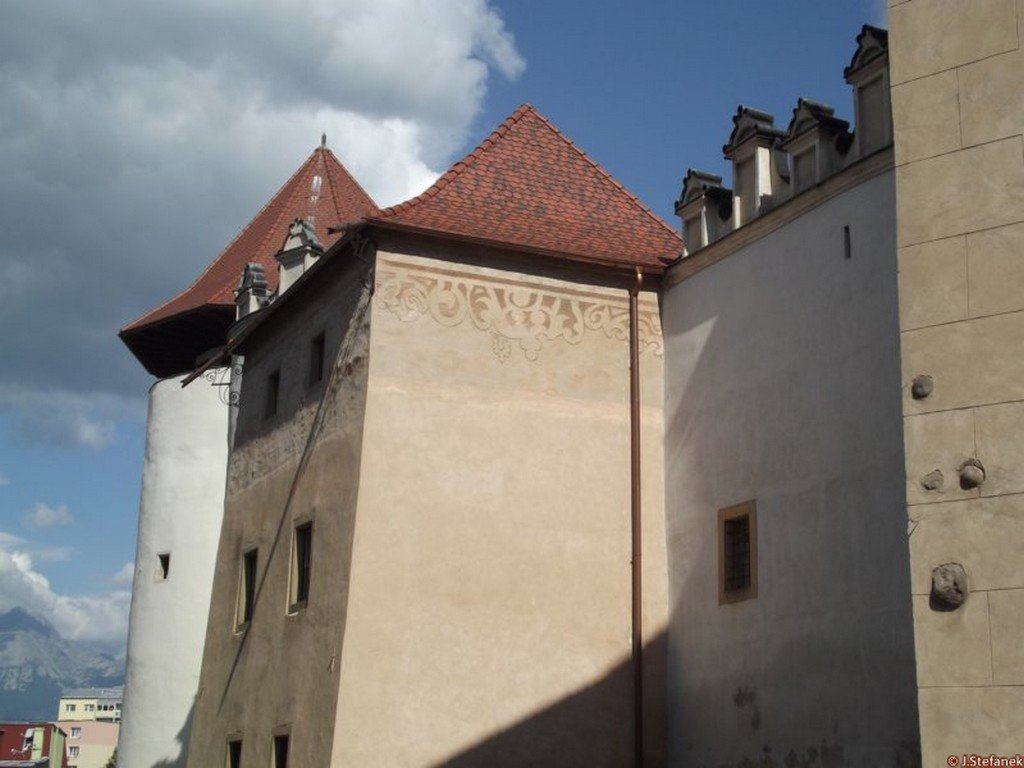
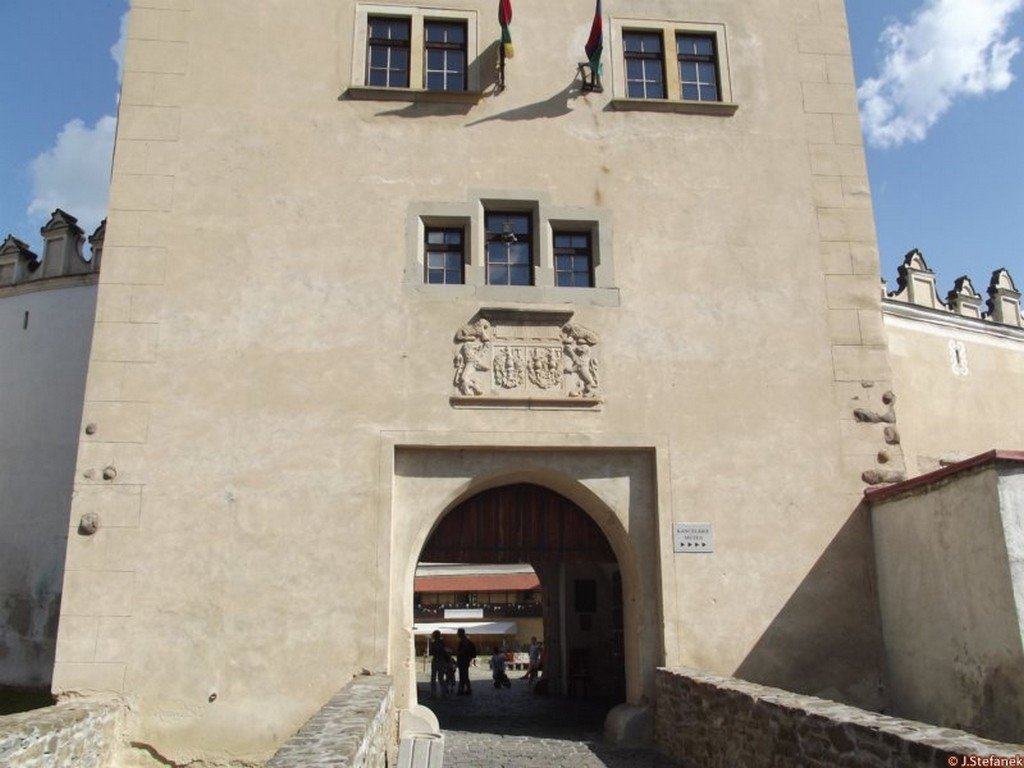
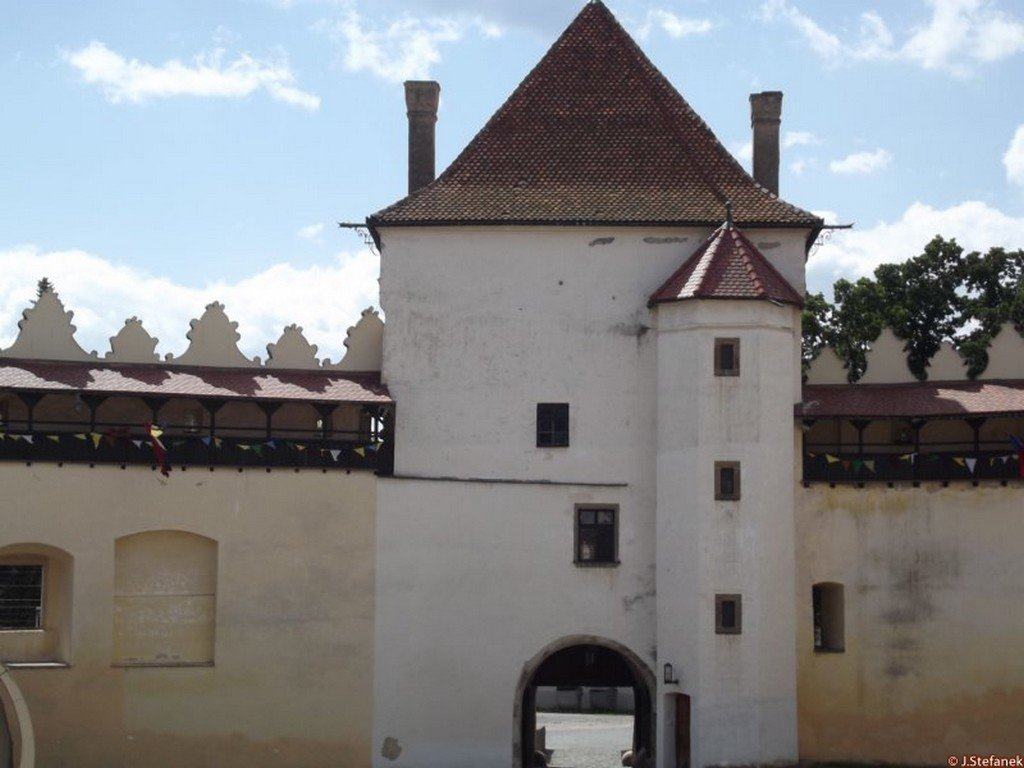
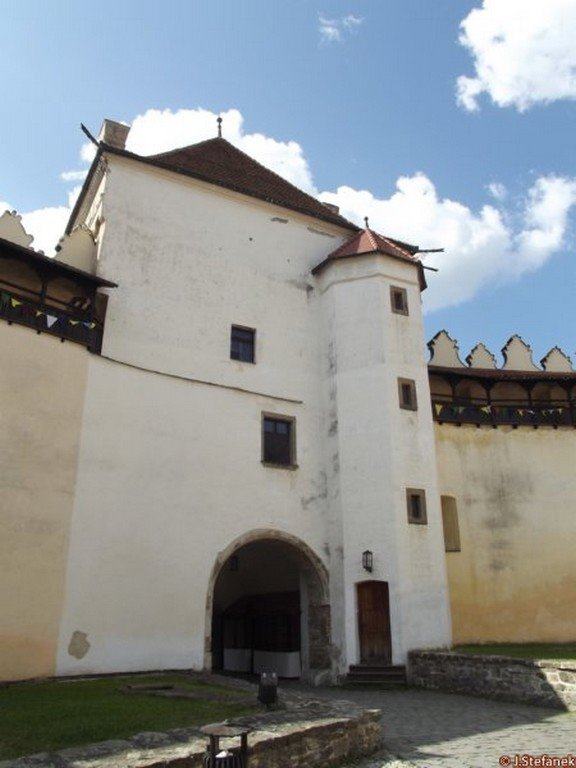
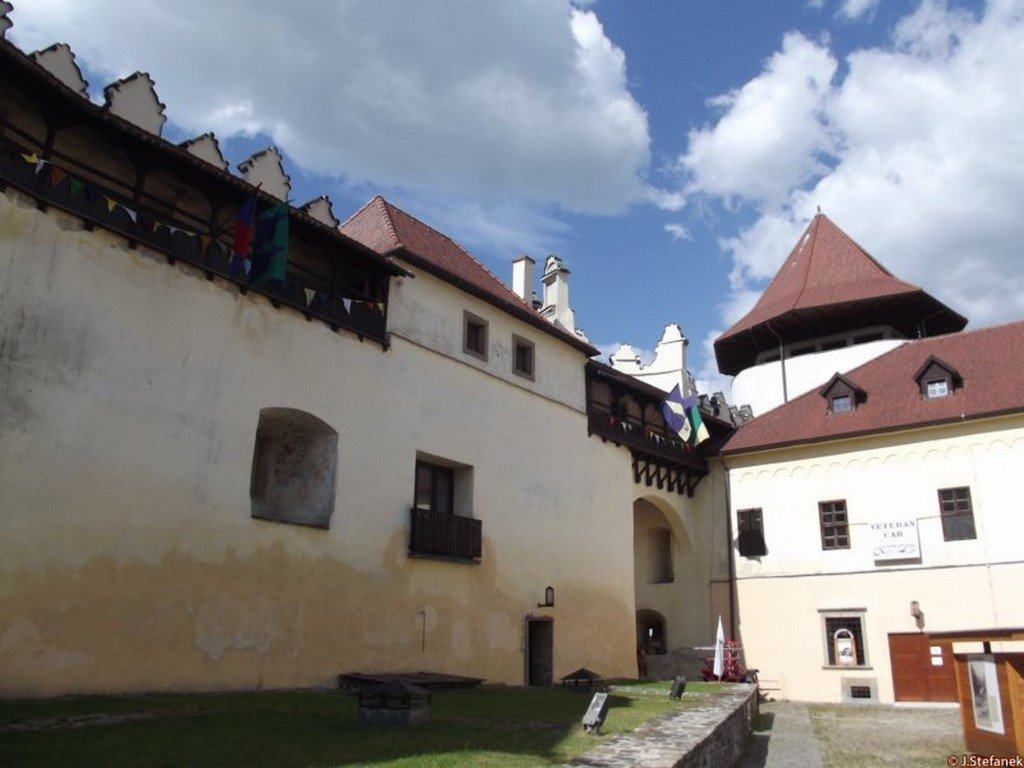
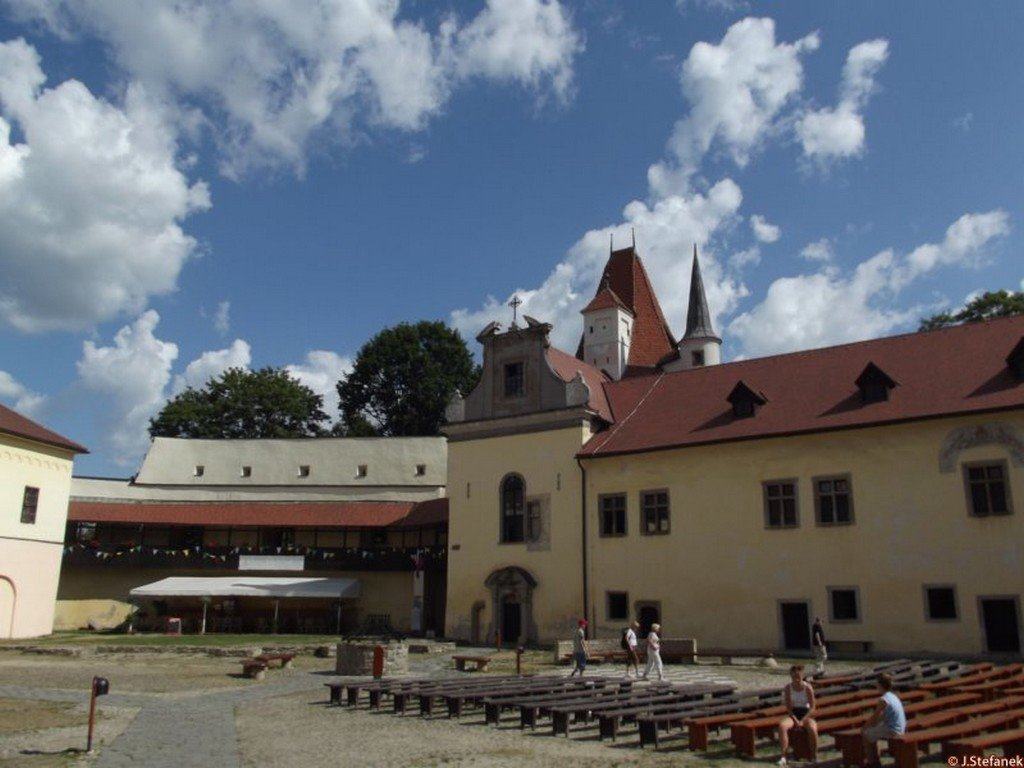
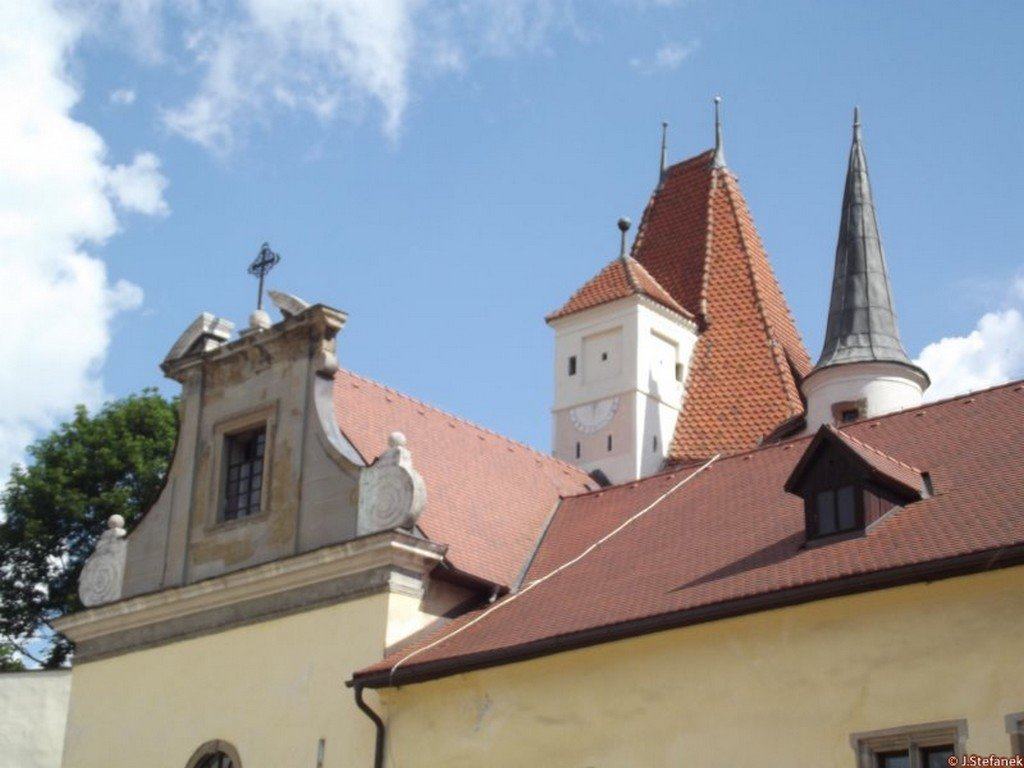
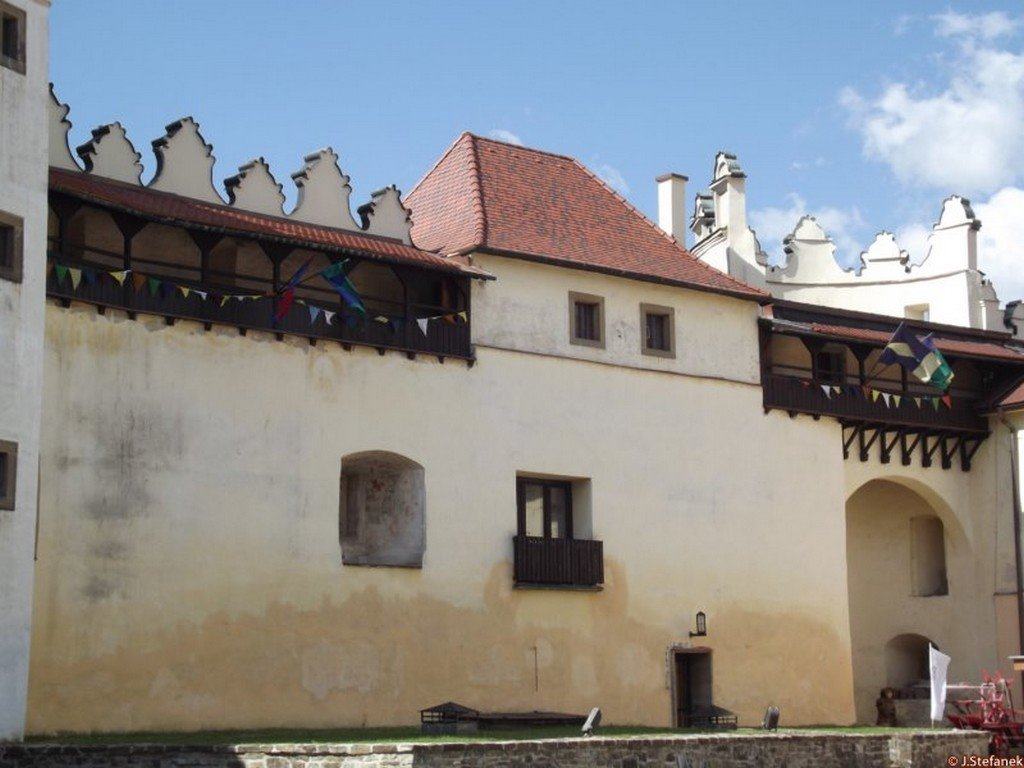
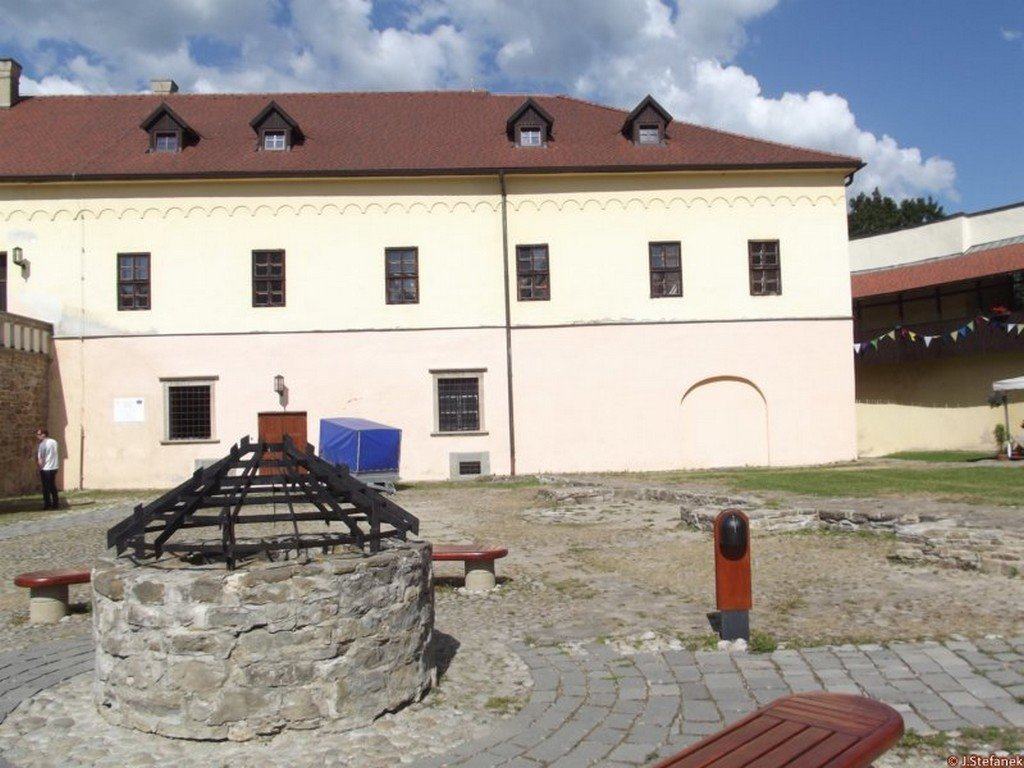
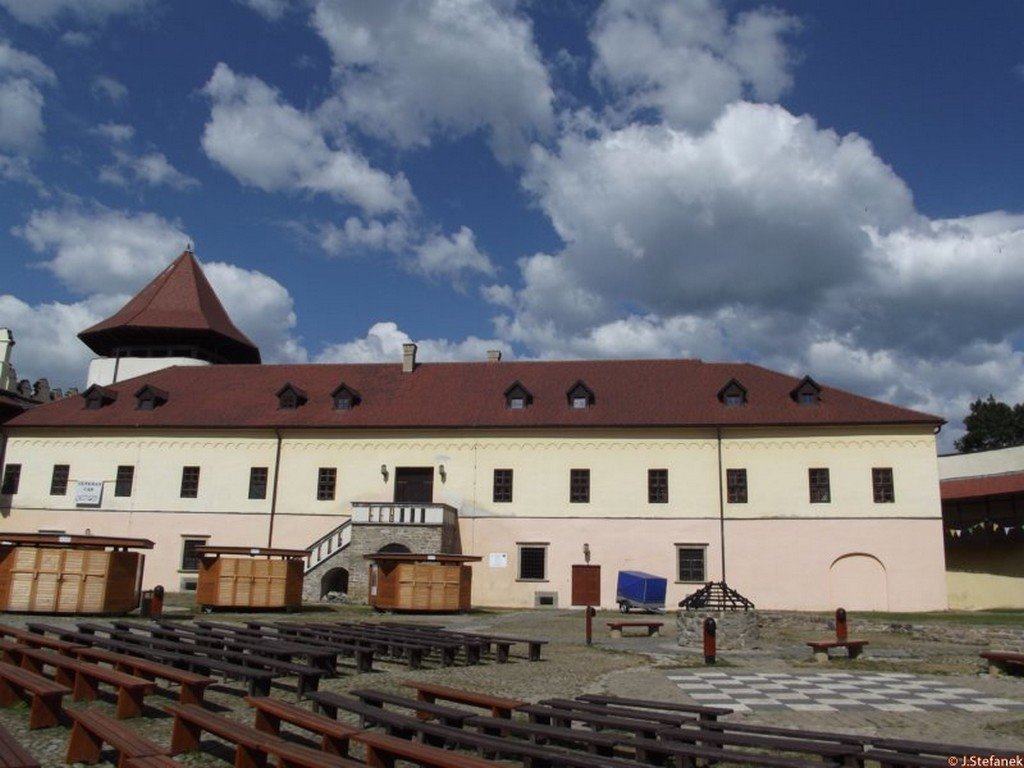
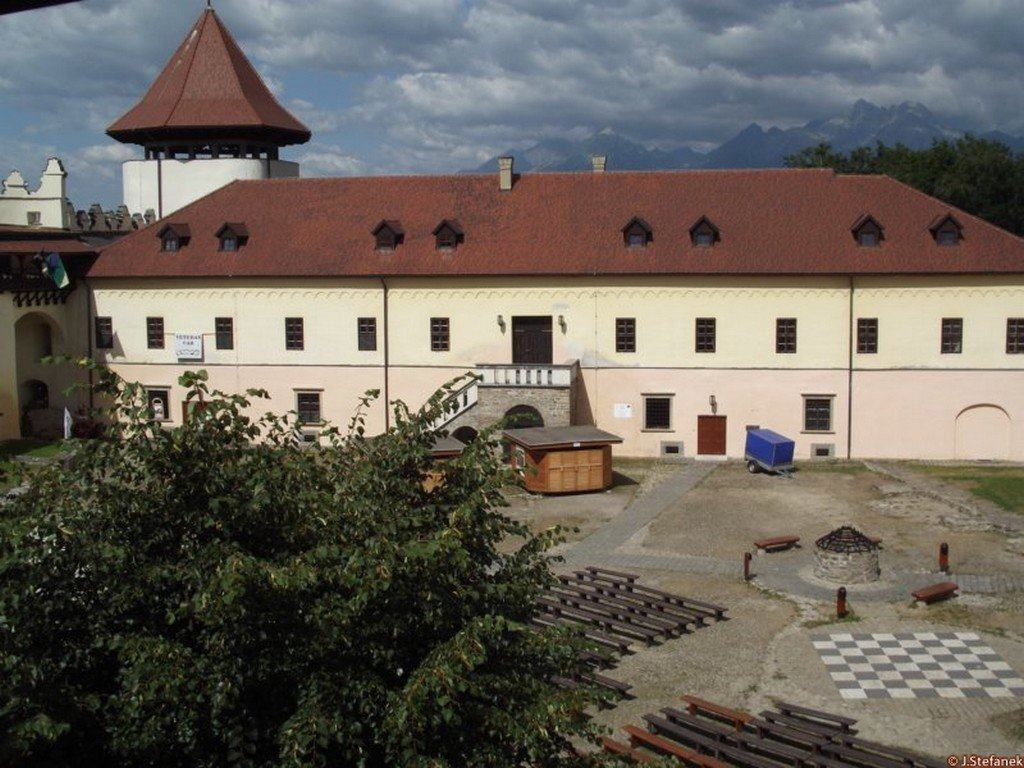
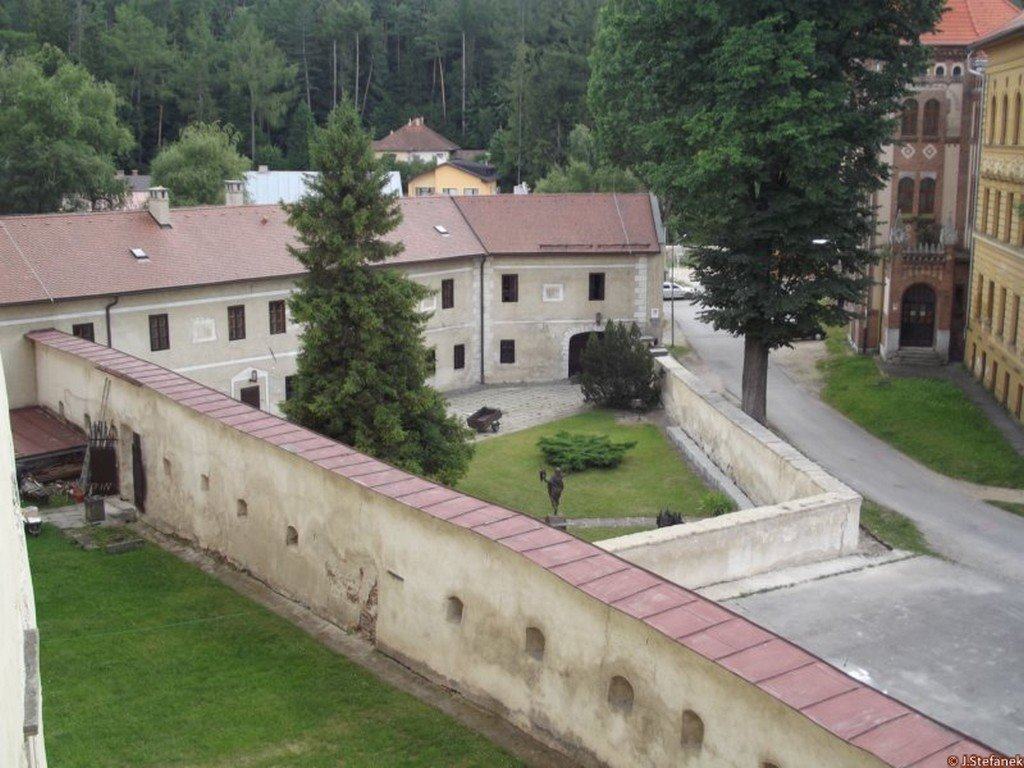
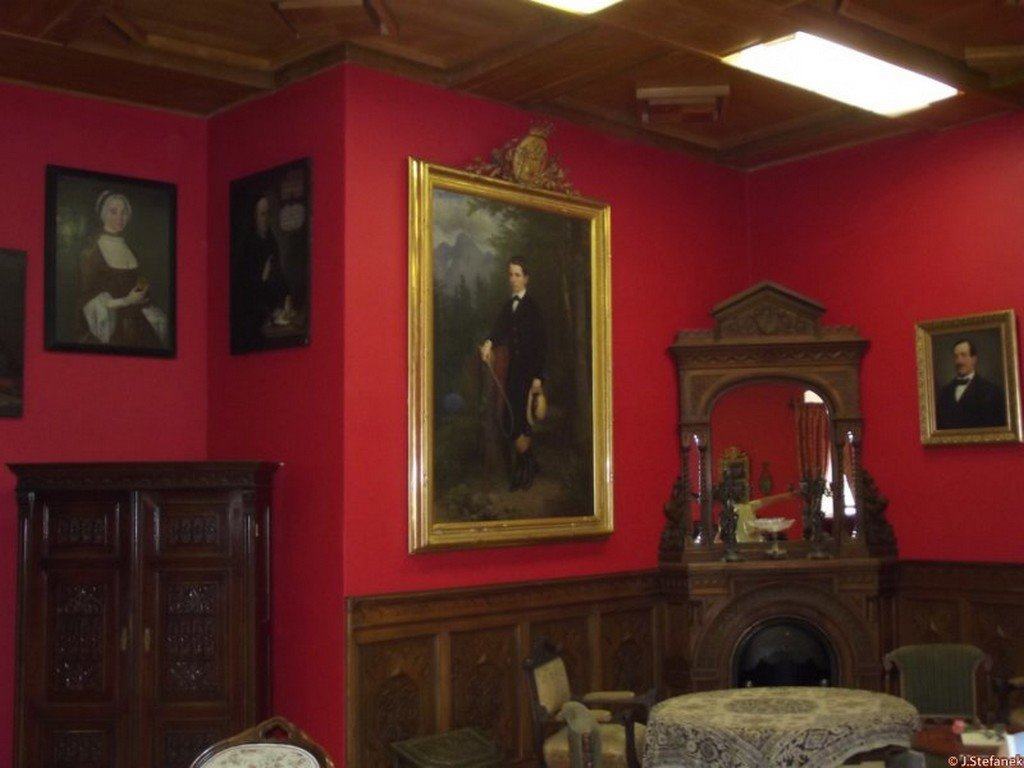
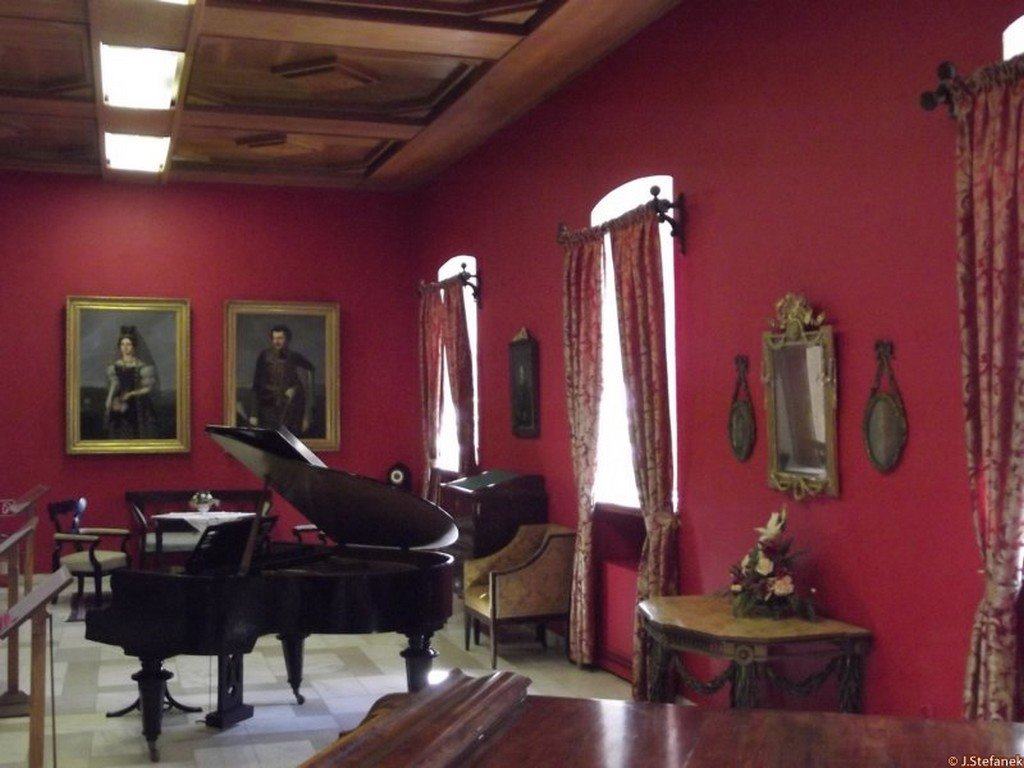
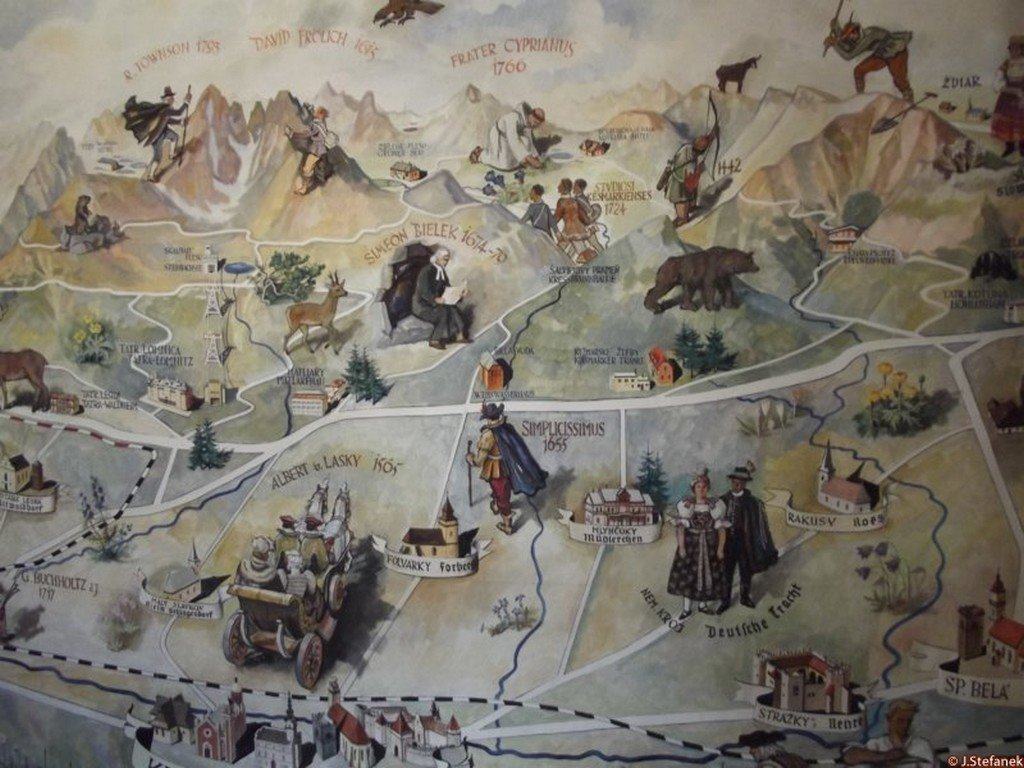
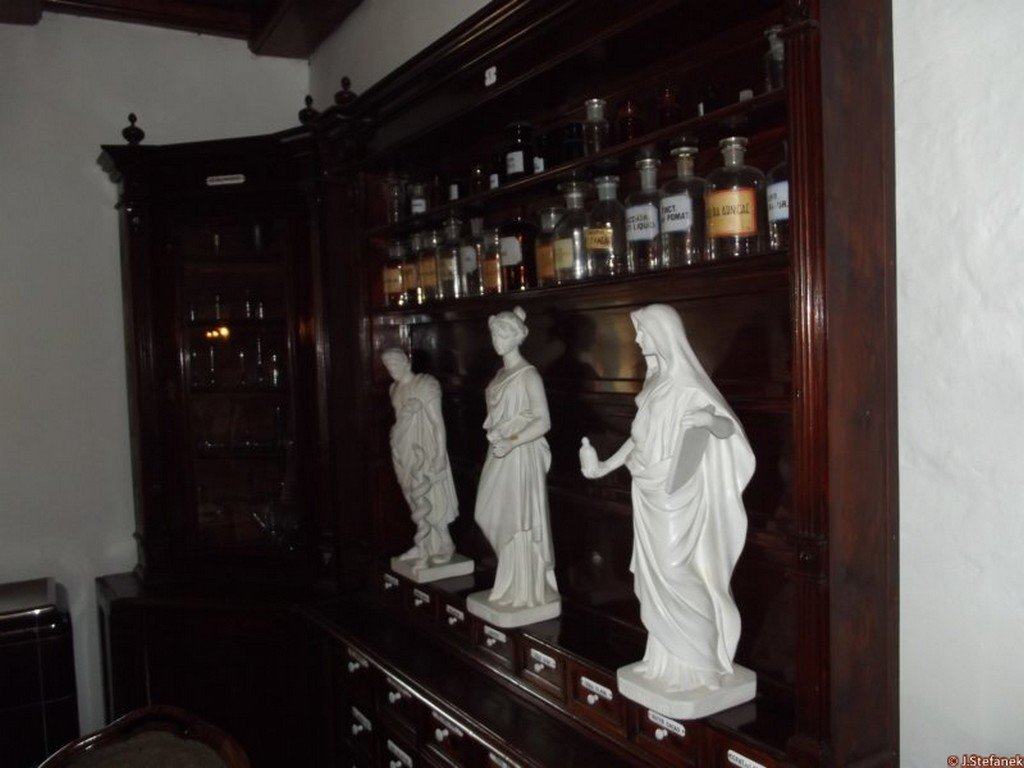
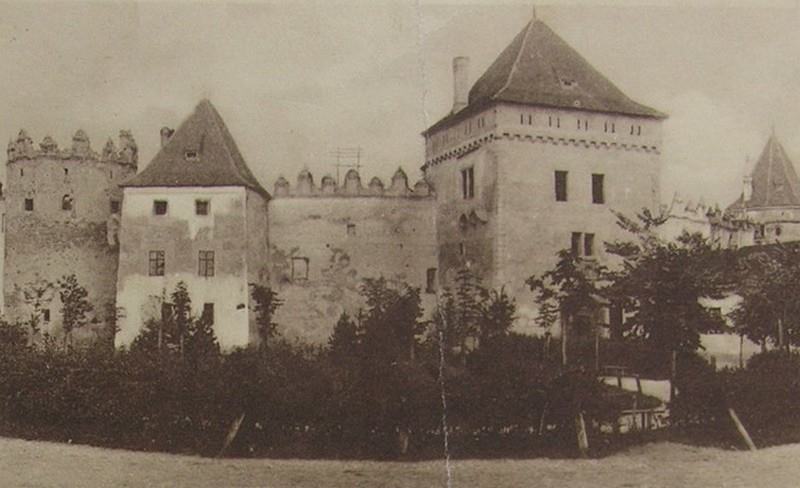
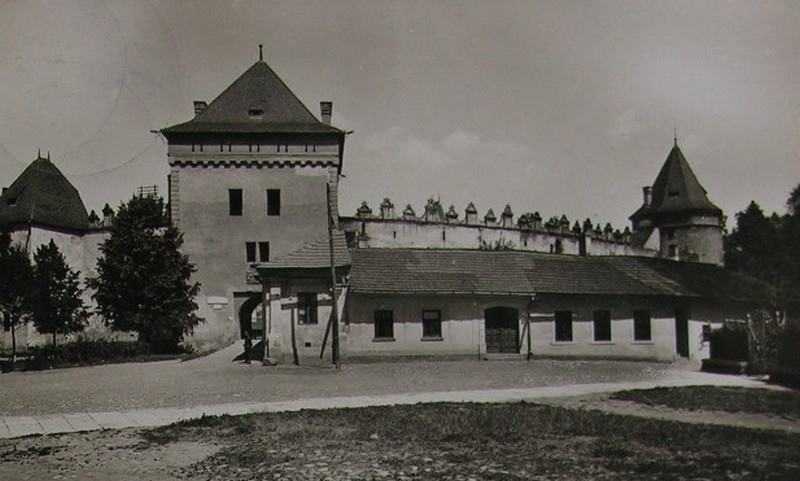
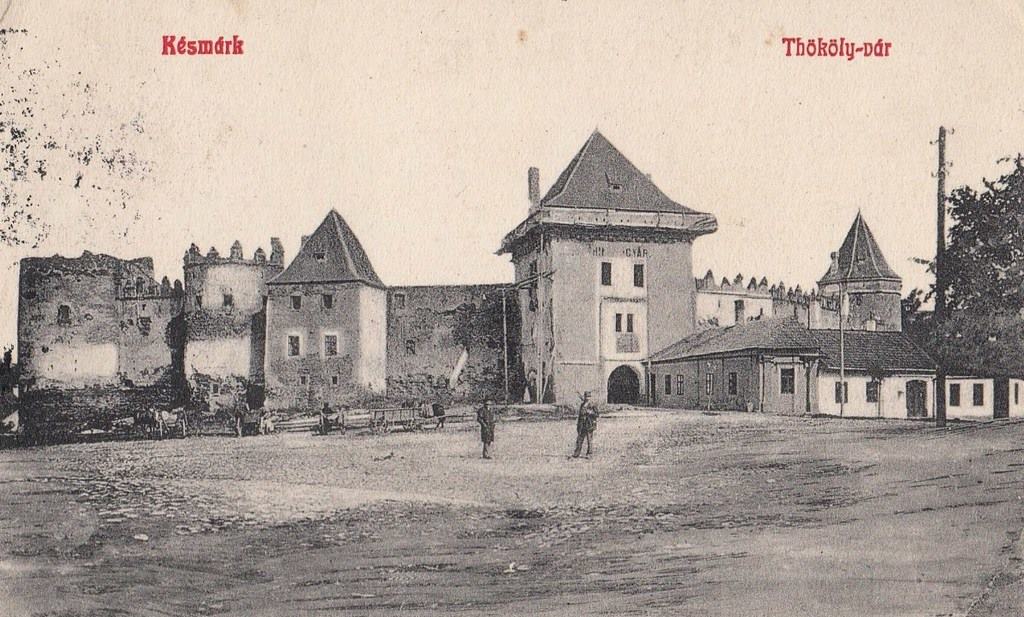
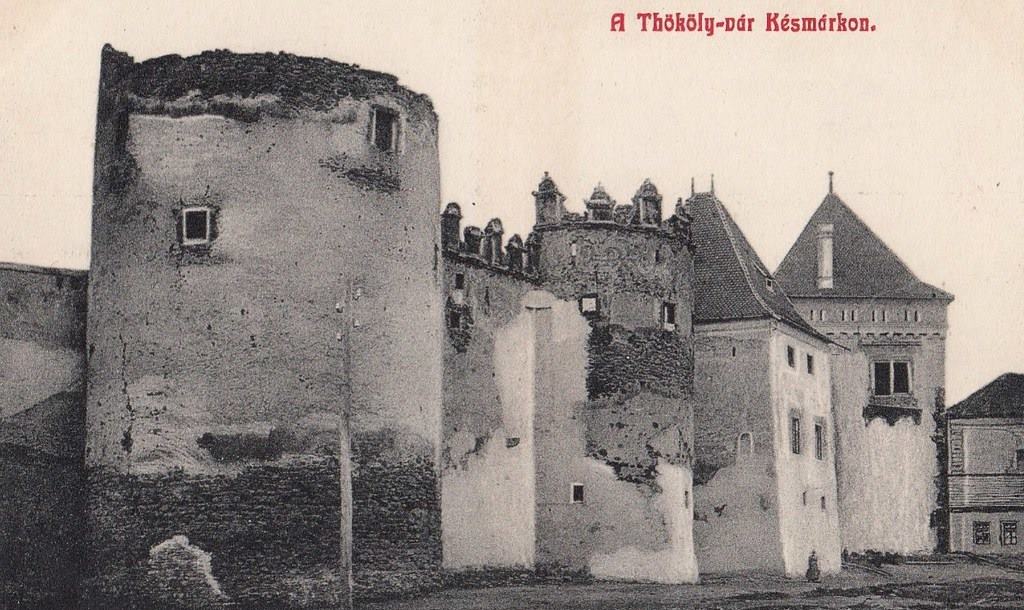
In the courtyard of the castle there is a late Gothic palace with original stone windows. In the area of the courtyard is marked the ground plan of the church of St.Elizabeth and the fortifications disposition of former palaces, of which only the remains of wall paintings in the window openings. A characteristic feature is the prismatic entrance gate, the towers and the bastion of the fortification with sgraffito decoration, finished with a Renaissance label attic. In a small park behind the castle, a part of the barbican of the city fortifications has been preserved, which followed the fortification of the castle.The first expositions of the Kežmarok Museum were opened in a part of the chateau complex in 1931. Currently visitors can view the exhibited collections such as prehistoric and medieval settlement of Kežmarok, Development of Kežmarok, Kežmarok shooting association etc.
Na nádvorí hradu stojí neskorogotický palác s pôvodným členením kamenných okien. V ploche nádvoria je vyznačený pôdorys kostola sv. Alžbety a pri opevnení dispozícia niekdajších palácov, z ktorých sa zachovali iba zvyšky nástenných malieb v okenných otvoroch. Charakteristickým prvkom je hranolová vstupná brána, veže a bašta opevnenia so sgrafitovou výzdobou, ukončené renesančnou štítkovou atikou. V malom parku za hradom sa zachovala časť barbakanu mestského opevnenia, ktoré nadväzovalo na opevnenie hradu.Prvé expozície kežmarského múzea otvorili v časti zámockého komplexu v r. 1931. V súčasnosti si návštevníci môžu prezrieť vystavené zbierky ako napr. Praveké a stredoveké osídlenie Kežmarku, Vývoj Kežmarku, Kežmarský strelecký spolok atď.
Plan
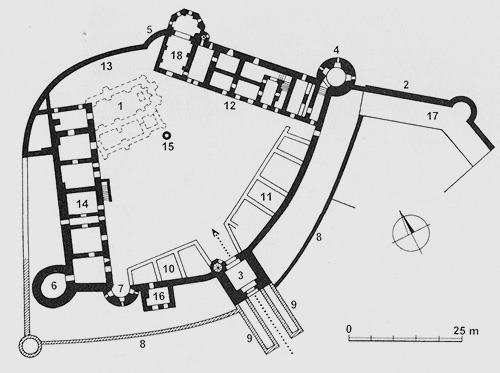
Legend to the ground plan
- 1 - foundations of church buildings
- 2 - city fortifications
- 3 - entrance tower
- 4 - round tower
- 5 - former bastion
- 6 - round tower
- 7 - semicircular bastion
- 8 - park wall
- 9 - hint of the gate
- 10-14 - residential and operating tracts
- 15 - well
- 16 - renaissance building
- 17 - stables and iceberg
- 18 - early baroque chapel
- 15 - entrance gate
Legenda k pôdorysu
- 1 - základy cirkevných stavieb
- 2 - mestské opevnenie
- 3 - vstupná veža
- 4 - kruhová veža
- 5 - bývalá bašta
- 6 - okrúhla veža
- 7 - polkruhová bašta
- 8 - parkanový múr
- 9 - náznak predbránia
- 10-14 - obytné a prevádzkové trakty
- 15 - studňa
- 16 - renesančná budova
- 17 - stajne a čeľadník
- 18 - včasnobaroková kaplnka
- 15 - vstupná brána
History
In 1462, the castle was founded in a slight break in the city walls by Štefan Zápoľský and his brother Imrich, whom Matej Korvín directly commissioned. A year later, the castle and the whole town belonged to the Zápoľsk family. The power of this family culminated mainly in the person of Štefan's son Ján, who fought for the Hungarian throne in 1526 to 1540. Since he did not live directly in Kežmarok, he made it available to František Batyáni in 1527, but after his betrayal, the castle belonged to Hieronym Laski. Later, Hieronymus also betrayed Zápoľský, but his wasteful son Albert Laski had to give the manor to Ján Rueber in 1571.
In 1575 the castle burned down and Ján Rueber, then its owner, had the castle restored in the Renaissance style, but only to the extent necessary. In 1583 the castle belonged to Sebastián Thököly. Štefan I. Thököly is especially credited with the luxurious Renaissance adaptation. The last construction actions were carried out by Stephen II. Thököly in 1657-1658. In 1657, Italian artists decorated the interiors with stucco decoration, which already had an early Baroque character. At the city walls to the east of the castle, they built luxurious stables decorated with stucco and mirrors. There were marble gutters in them. They completed the alterations of the castle in 1658 by building an early Baroque chateau chapel in a polygonal bastion, to which they connected some rooms of the northern wing of the castle. This basically ended its construction development.
After the suppression of the uprising led by Imrich Thököly against King Leopold I in 1720, the castle was acquired by the town of Kežmarok. They used it for various economic purposes and gradually declined. In 1741 and then again in 1787, the castle burned down and the three wings were not restored after the fires. Around 1860, the city demolished part of the walls on the west side of the castle and built a military barracks in their place. The branch was converted into a city hospital. Some parts of the castle around 890 served as a textile manufactory for the production of artificial embroidery. After another fire in 1901, which destroyed the castle roofs, the Hungarian Monuments Office took care of repairing the castle. However, according to the opinion of the monument workers at the time, it was restored so that it was given a substantially inappropriate romantic appearance.
In 1931, they established the Municipal Museum in the tower. During the Second World War, the Gestapo was housed in the castle, which executed several partisans here, as evidenced by a memorial plaque in the castle courtyard. The castle was modified to its current museum form during the monumental restoration in the years 1962 to 1985 and is also known as Kežmarok Castle or Kežmarok Town Castle.
V roku 1462 založil hrad v miernom zlome mestských hradieb Štefan Zápoľský so svojím bratom Imrichom, ktorého tým poveril priamo Matej Korvín. O rok neskôr už hrad i celé mesto patrilo Zápoľskovcom. Moc tohto rodu vyvrcholila hlavne v osobe Štefanovho syna Jána, ktorý v r.1526 až 1540 bojoval o uhorský trón. Keďže on priamo v Kežmarku nesídlil, dal ho v r.1527 k dispozícii Františkovi Batyánimu, no po jeho zrade hrad pripadol Hieronymovi Laskimu. Neskôr Zápoľského zradil aj Hieronymus, no jeho márnotratný syn Albert Laski musel dať v r.1571 panstvo do zálohu Jánovi Rueberovi.
V r.1575 hrad vyhorel a Ján Rueber, vtedajší jeho majiteľ, dal obnoviť hrad v renesančnom slohu, avšak len v najnevyhnutnejšej miere. V r.1583 hrad pripadol Sebastiánovi Thökölymu. Zásluhy na prepychovej renesančnej úprave má predovšetkým Štefan I. Thököly. Posledné stavebné akcie uskutočnil Štefan II. Thököly v r.1657-1658. V roku 1657 talianski umelci vyzdobili interiéry štukovou dekoráciou, ktorá mala už ranobarokový charakter. Pri mestských hradbách východne od hradu postavili prepychové koniarne zdobené štukami a zrkadlami. Boli v nich mramorové žľaby. Úpravy hradu zavŕšili roku 1658 vybudovaním ranobarokovej zámockej kaplnky v polygonálnej bašte, ku ktorej pripojili niektoré miestnosti severného krídla hradu. Tým sa v podstate ukončil jeho stavebný vývoj.
Po potlačení povstania, ktoré viedol Imrich Thököly proti panovníkovi Leopoldovi I. v roku 1720, získalo hrad do vlastníctva mesto Kežmarok. Využívali ho na rôzne hospodárske účely a postupne upadal. V r.1741 a potom znovu v r.1787 hrad vyhorel a tri krídla už po požiaroch neboli obnovené. Okolo roku 1860 mesto dalo zbúrať časť hradieb na západnej strane hradu a postavili na ich mieste vojenskú kasáreň. Koniareň upravili na mestskú nemocnicu. Niektoré časti hradu okolo r. 890 slúžili ako textilná manufaktúra na výrobu umelých výšiviek. Po ďalšom požiari v r.1901, ktorý zničil hradné strechy, prevzal starostlivosť o opravu hradu uhorský pamiatkový úrad. Podľa vtedajších názorov pamiatkárskych pracovníkov ho však obnovili tak, že dostal v podstate neprimeranú romantickú podobu.
V roku 1931 zriadili vo veži Mestské múzeum. Za druhej svetovej vojny sídlilo na hrade gestapo, ktoré tu popravilo viacerých partizánov, o čom svedčí pamätná tabuľa na hradnom nádvorí. Do dnešnej muzeálnej podoby bol hrad upravený pri pamiatkovej obnove v rokoch 1962 až 1985 a je známy aj ako Kežmarský zámok, alebo Kežmarský mestský hrad.
Myths and legends
The rumor says
A white lady appears at the castle on moonlit nights. Whoever meets her brings happiness. A headless rider stood in his way to a certain young man. But Shuyai could not be detained, and the white lady, smiling at him, pointed to the spot where he then dug the treasure.
Black lady
The castle lords of the Thököly family and the emperor were never in love. Imrich Thököly - the last male descendant of his family - even stood at the head of the uprising against the emperor. Although he was successful at first, he eventually lost and had to escape to his protector - the Turkish sultan. But before that he wanted to stop at his native Kežmarok castle and take the valuables that were hidden there. The servants of the castle long ago fled - they heard about the failure of their master and rightly believed that the castle and the city would be occupied by the victorious imperial soldiers. There was only one elderly woman left in the castle: a looper. She wore a long black dress according to the custom of the time. She made sure that all the castle buildings were closed so that no strangers would have access to them. She did not do it out of allegiance to her master, but she hoped to find the treasure she herself knew her master had walled up somewhere. Where? The castle had several towers - the entrance where the lord lived, the famine, where only the bones of poor convicts remained, the eastern tower where the castle lady stayed ... But there are still two towers that stand side by side: the watchtower and the jeweller's. And where could it be a treasure elsewhere than there, in a jewelry store? Just where? Under the floor? Hardly. In the wall?
After a long search and tapping the walls, she found a hollow space behind one of the magnificent paintings that adorned the tower - the jewelry store. And there she found what she was looking for. She will be provided for life! He will leave Far away from Kežmarok and will be rich, very rich ... But suddenly the woman stopped: she would be able to raise the gold and silver only in parts. Where to hide it for now? He can't stay here. She also had the key to the castle chapel. Imrich Thököly's young mother was resting in the crypt underground. And from this crypt led an escape corridor, which led to the dark forests of Kežmarok. Yes, the treasure can be hidden there! As soon as she realized her intention, there was a terrible banging on the castle door. To the amazement of the zigzag, a young castle lord appeared. He untied the woman and rushed to the jewelry tower. But to his amazement, he found only an empty hole. He ran all the towers, all the residential tracts, even his mother's tomb. However, the hallway was protected by a tightly closed lattice door ...
He understood who had taken the treasure. He had no time to search, the imperial soldiers were on his heels. Therefore, he could only curse the treacherous handle so that she would not rest even after death. Even today, on quiet evenings, you can hear footsteps on the wooden walkways of the castle...
Lasky without love
Berco Lasky is returning home from a long journey. His native Kežmarok Castle is in sight. Hear cheerful music, screams and singing from it. The castle lord Hieronym Lasky celebrates the name day and the family is known for his debauchery and wasting money. If he has nothing, the town of Kežmarok will borrow. They do not like to borrow, because the townspeople of the free royal city do not want to serve the castle. The castle is their misfortune - but the king decided that a fortress should be built under the Tatras - the border with Poland is nearby and the Polish king would gladly expand the country to the territory of Spiš. The castle was built in Kežmarok and his estate began to claim the city. The king said nothing and the castle estate used it. The town of Kežmarok was also seized. Hieronym happily welcomes his son, orders him to give the best food and wine. Berco talks about what he experienced in those four years before he was home. There is more than enough. And then he wants to hear the news himself. What about Anna, the daughter of the castle lord of Richnava Castle? She always liked her, she was just young to him. But even so, Berco followed her before leaving for the road, even swearing eternal love all the way to the grave.
She would like her as a bride, too, but ... Love cannot be commanded. Hieronym knows that he will grieve his son and so it will happen. Since then, Berco only wants one thing: to see Anna again. Although far from it. And tell her how she betrayed their love. He goes out with his servants to Richnava, and they eat something else along the way, and drink; Berco only wakes up to a woman's voice and looks in disbelief: his promised is in front of him! At first she is pleased, but then she pushes her apart. She betrayed him! The girl swears that her parents force her to spend. But Berco doesn't believe it. Unhappy Anna plunges into the river, which seems shallow, but her waves are sharp and quickly carry Anna's body. Berco and his servants jump in vain, I will no longer find Anna.
Povráva sa...
Na zámku sa za mesačných nocí zjavuje biela pani. Kto ju stretne, tomu prináša šťastie. Istému mládencovi zastal cestu jazdec bez hlavy. Šuhaj sa ale nedal zadržať a biela pani, usmejúc sa naň, ukázala prstom na miesto, kde potom vykopal poklad.
Čierna pani
Hradní páni rodu Thököly a cisár sa nikdy nemali v láske. Imrich Thököly – posledný mužský potomok svojho rodu – sa dokonca postavil na čelo povstania proti cisárovi. Hoci sa mu sprvoti darilo, napokon prehral a musel ujsť k svojmu ochrancovi – tureckému sultánovi. Ale ešte predtým sa chcel staviť na rodnom kežmarskom hrade a vziať si cennosti, ktoré tam boli ukryté. Služobníctvo hradu sa dávno rozutekalo – počulo o neúspechu svojho pána a právom sa domnievalo, že hrad i mesto obsadia víťazní cisárski vojaci. V hrade ostala len jedna staršia žena: kľučiarka. Chodila podľa vtedajšieho zvyku v dlhých čiernych šatách. Starala sa o to, aby všetky hradné budovy boli pozatvárané, aby do nich nikto cudzí nemal prístup. Nerobila to z vernosti voči svojmu pánovi, ale dúfala, že sama nájde poklad, o ktorom tušila, že jej pán dal kdesi zamurovať. Kde? Hrad mal viacero veží – vstupnú, kde býval pán, hladomorňu, kde ostali len kosti úbohých odsúdených, východnú vežu, kde sa zdržiavala hradná pani... Ale ešte sú tu dve veže, ktoré stoja vedľa seba: strážna veža a klenotnica. A kde by to mohol byť inde poklad ako tam, v klenotnici? Len kde? Pod podlahou? Sotva. V stene?Po dlhom hľadaní a preklepávaní stien našla dutý priestor za jedným z parádnych obrazov, ktoré zdobili vežu - klenotnicu. A tam našla, čo hľadala. Na celý život bude zaopatrená! Odíde z Kežmarku niekam ďaleko a bude bohatá, veľmi bohatá... Odrazu sa však žena zarazila: to zlato a striebro bude môcť povynášať len po častiach. Kde ho zatiaľ schovať? Tu ostať nemôže. Mala kľúč aj od hradnej kaplnky. Tam v krypte pod zemou odpočívala mladá matka Imricha Thökölyho. A z tejto krypty viedla úniková chodba, ktorá ústila do tmavých kežmarských lesov. Áno, tam sa dá poklad skryť! Len čo uskutočnila svoj úmysel, na hradné dvere sa ozvalo strašné búchanie. Na úžas kľučiarky sa objavil mladý hradný pán. Ženu odsotil, hnal sa do klenotnicovej veže. Ale s úžasom našiel už len prázdny otvor. Prebehol všetky veže, všetky obytné trakty, ba aj hrobku svojej matky. Dvere do chodby však chránili pevne zatvorené mrežové dvere...Pochopil, kto poklad vzal. Nemal čas ďalej hľadať, cisárski vojaci mu boli v pätách. Preto sa zmohol len na to, že zradnú kľučiarku preklial, aby ani po smrti nemala pokoja. I dnes za tichých večerov počuť kroky na drevených ochodziach hradu...
Lasky bez lásky
Berco Lasky sa vracia domov z dlhej cesty. Jeho rodný kežmarský hrad je na dohľad. Počuť z neho veselú hudbu, krik a spev. Hradný pán Hieronym Lasky totiž oslavuje meniny a rodina je známa svojou zhýralosťou a rozhadzovaním peňazí. Keď niečo nemá, mesto Kežmarok požičia. Požičia síce nerado, lebo mešťania slobodného kráľovského mesta nemajú chuť slúžiť hradu. Hrad je ich nešťastím – ale pán kráľ rozhodol, že pod Tatrami treba postaviť nejakú pevnosť – v blízkosti sú hranice s Poľskom a poľský kráľ by si s radosťou rozšíril krajinu aj o územie Spiša. Hrad sa postavil v Kežmarku a jeho panstvo si začalo robiť nárok aj na mesto. Kráľ nepovedal nič a hradné panstvo to využilo. Zmocnilo sa aj mesta Kežmarku. Hieronym s radosťou víta svojho syna, prikáže mu dať tie najlepšie jedlá a vína. Berco rozpráva, čo za tie štyri roky zažil, kým nebol doma. Je toho viac než dosť. A potom chce počuť novinky sám. Čo Anna, dcéra hradného pána z Richnavského hradu? Vždy sa mu páčila, len bola pre neho mladá. Ale aj tak Berco pred odchodom na cesty šiel za ňou, ba si aj prisahali večnú lásku až po hrob.Hradný pán sa zachmúri – Anna sa má čo nevidieť vydať za nejakého poľského šľachtica. Aj jemu by sa bola páčila ako nevesta, no ale... Láske nemožno rozkázať. Hieronym vie, že syna zarmúti a tak sa aj stane. Odvtedy Berco túži len po jednom: uvidieť Annu ešte raz. Hoci aj zďaleka. A povedať jej, ako zradila ich lásku. Vytiahne so svojimi služobníkmi na Richnavu, po ceste ešte čosi pojedia, popijú a keďže je teplo, uvelebia sa pri rieke. Berco sa prebudí len na ženský hlas a neveriaco pozerá: veď pred ním stojí jeho zasľúbená! Najprv sa poteší, ale potom ju od seba odsotí. Zradila ho! Dievčina sa zaprisaháva, že k výdaju ju nútia rodičia. Ale Berco neverí. Nešťastná Anna sa vrhá do rieky, ktorá sa zdá síce plytká, ale vlny má bystré a rýchlo unášajú Annino telo. Márne skáče Berco a jeho sluhovia do vody, Annu už nenájdu.Nešťastný Berco sa vracia domov, no dlho v Kežmarku nevydrží, zase odíde do sveta, aby zabudol na svoju mŕtvu lásku.
Useful information
Opening hours and admission
Otváracia doba a vstupné
External links
Nearby castles