Sükösd-Bethlen Castle
Comuna Racoș Județul Brașov Romania
castle, chateau
Castelul Sükősd-Bethlen
Comuna Racoș Județul Brașov Romania
castle, chateau
Sükösd-Bethlen kastély
Comuna Racoș Județul Brașov Romania
castle, chateau
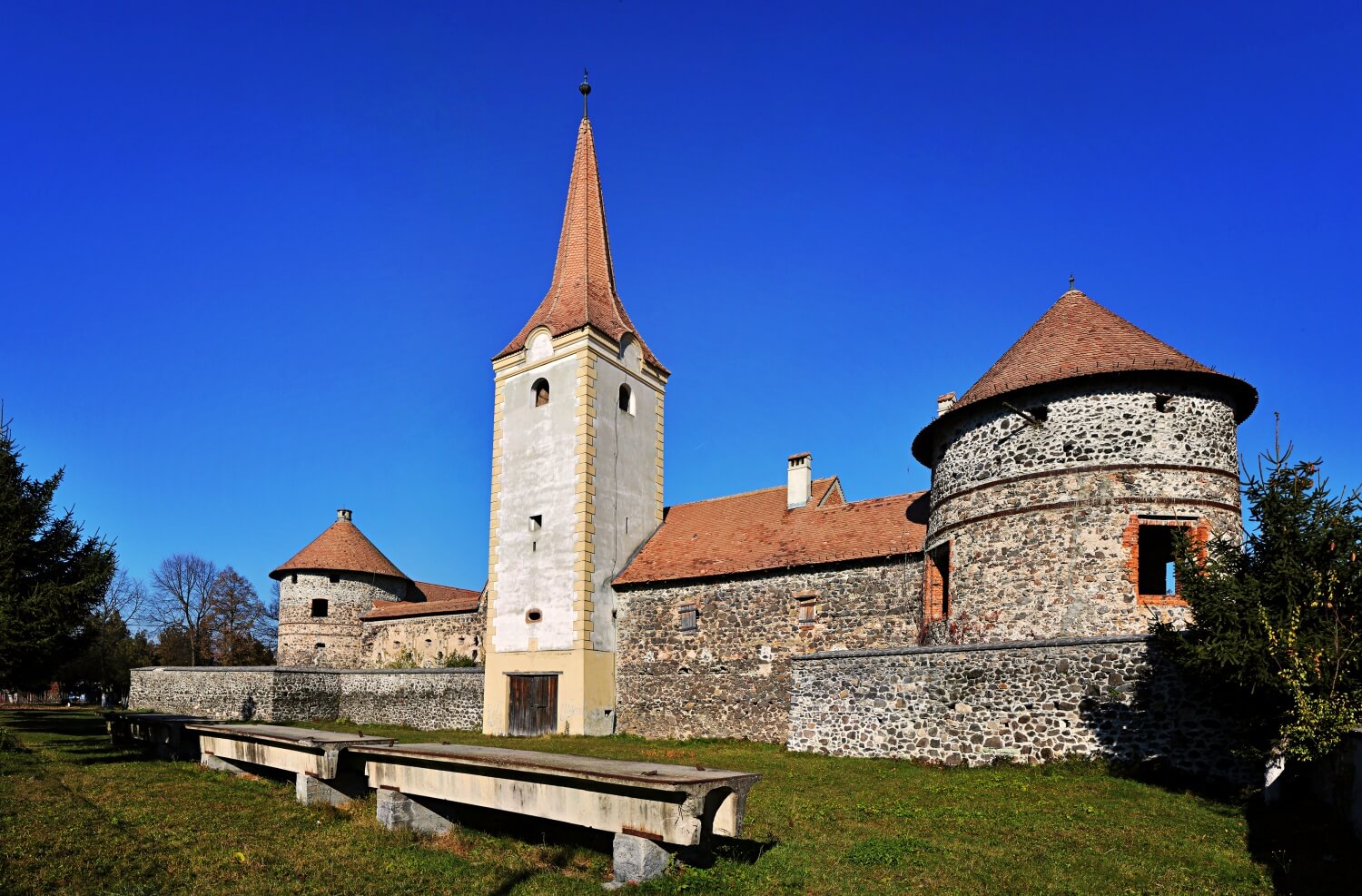
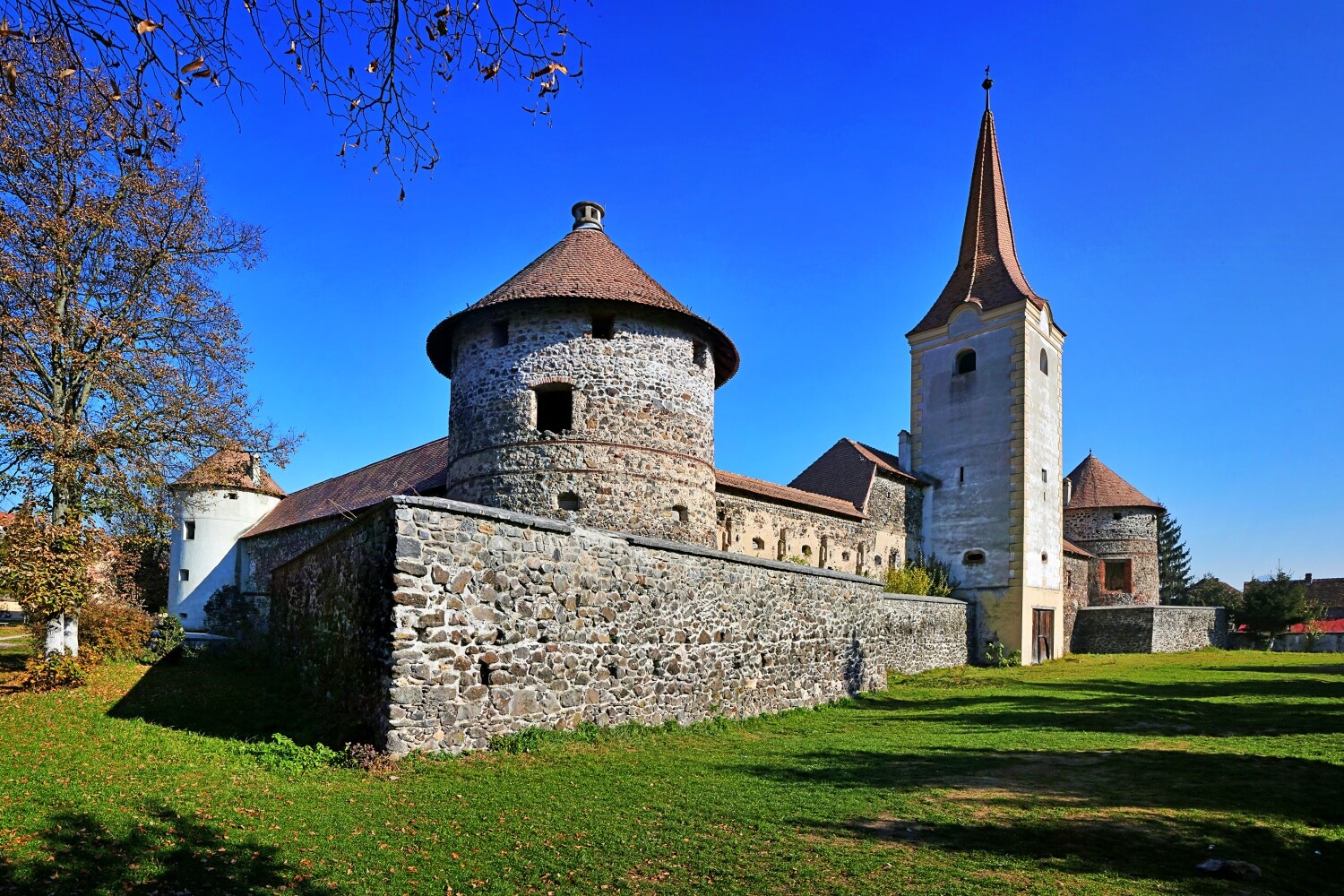
The castle gained its current form after construction works commissioned by Earl Bethlen Samu, signalled by ornate family crest sculpted from stone, located on the gatehouse, and bearing the following inscription: Comes Samuel Bethlen Coma (comitatus) de Küküllő ac pedis siculialis Marus Capitaneus, atrobique supremus
Lucrările de construcție efectuate de groful Bethlen Samuel i-au oferit castelului forma sa actuală, fapt memorat prin inscripția ”Comes Samuel Bethlen Coma (comitatus) de Küküllő ac pedis siculialis Marus Capitaneus, atrobique supremus
A várat a délnyugati saroktorony kopott felirata tanulsága szerint Sükösd György mezei kapitány építette egy kolostor helyén, annak köveiből A
Previous names
Sükösd-Bethlen Castle, Castelul Sükősd-Bethlen, Sükösd-Bethlen kastély
Description
The castle gained its current form after construction works commissioned by Earl Bethlen Samu, signalled by ornate family crest sculpted from stone, located on the gatehouse, and bearing the following inscription: Comes Samuel Bethlen Coma (comitatus) de Küküllő ac pedis siculialis Marus Capitaneus, atrobique supremus. 1700. – as well as the heraldic bearing plaited in a bay laurel, located on the ceiling of the castle’s largest room, called the Knight’s Chamber or the Council Chamber.
This is a perfect case of how the religious conviction of the castle’s lord has a profound influence on the faith of the serfs. During the time of the Unitarian, Sükösd György, the locals from Rákos were all Unitarian, without exception, and constructed their church in the service of Sükösd; when influenced by the Budai Péter, who was Reformed, most of the family became Reformed as well, and the previously Unitarian church became a Reformed church thereon. When the castle and the belonging lands were inherited by Budai’s Catholic godson, Earl Bethlen Sámuel, the local Catholic Parish gained worshippers as well.
To this day, the villagers mention the old lord of the castle as Bethlen Sámu “the snake keeper”, based on the heraldic bearing of the castle. Its last owner – is said to have been – Earl Teleky Samu, and it is likely that Orbán Balász wrote the following bitter words about him: “... yet the owner of the beautiful castle still abandoned it, and lives in the pestering atmosphere of Vienna, which is hazardous to both lungs and soul”. According to the castle’s current guard, Earl Teleky Samu bought the castle and the belonging forests and lands, a territory of 3000 acres, from the Alsórákos Szekler Commonage for the sum of 420,000 crowns. Today only the aforementioned guard and the caretakers of the bulls housed in the stable still live in the castle, the baronial rooms of which are otherwise empty.
The castle walls enclose a quadratic courtyard, with a round tower at all four corners. Roofed-in premises are joined to this surrounding wall from three sides. From the east, the wide, two-storied baronial residence, the residential rooms of which extend to the round tower, with the main staircase leading to the balcony. The gate tower is located at the centre of the southern wall, as well as a narrower row of rooms (secondary rooms, therefore), that housed the servants of the castle. Angled stairs ensure access to the two sides of the wing. The stable and hay rack are on the ground floor, while the granary is on the upper floor of the western side. Only the northern wall, defended with arrow slits, stands on its own. A ten meter deep well, with good, potable water, is located at the north-western corner of the courtyard. This quadrangle forms the actual castle. The towers are defended by low, exterior walls, protruding in acute angles. Some distance away a second wall, as well as a wide ditch between the wall and the main building provide and additional layer of defence, the only access point being at the gate tower. Another ring of walls once surrounded the castle, of which a few corner towers and a few low sections of walls remain. A part of these walls was demolished when the market-place was extended. The tasteful interiors of the baronial wing constitute a rich historical and artistic collection. The entrance of the ground floor is now walled in, its once elegant appearance being signalled by the low columns and crumbling covered porch, as well as the continuation of this section through wooden (formerly brick) pillars, placed parallel with the building. A straight staircase with a single balustrade leads to the upper floor’s main entrance that opens into the Council Room. The richly decorated woodwork of the door is grouped around two octagonal profiles placed one above the other, surrounded by bay laurels. The edges of the door are carved in an egg-and-dart fashion. Intricate rosettes are located in the middle of the octagons. The carved portions of the door are fixed into the strong board of the door. The doorway stands in a crimson stone frame, the ornamentation of which is in strong contrast with the building’s otherwise simple, relaxed exterior (only the windows of the Council Room have simple tympani).
The building belongs to the late renaissance, and was most likely constructed when the estate belonged to Earl Bethlen Samu. On both sides of the door, pillars standing on foot-stalls support a relatively weak girderage. The aspect of the girder is filled in by the conventional entwined foliage carved into it. The decorations of the ceiling have stood the test of time rather well. Wall has leaked through the roof and caused damage to the historical monument only in recent years. Pieces are already falling off; if action is not taken soon, then the building becomes unsalvageable. The castle’s courtyard has also started falling into ruin. Porches surround the courtyard, and of the eleven Doric columns supporting the porch from the northern wall section, ten have been removed due to fear of collapsing caused by the rotting of the wood and the soaking of the brick. The promise to keep the castle in good condition and preserve it from ruination, signed on the contract between the owner and town, therefore remains just that.
https://castleintransylvania.ro/
Lucrările de construcție efectuate de groful Bethlen Samuel i-au oferit castelului forma sa actuală, fapt memorat prin inscripția ”Comes Samuel Bethlen Coma (comitatus) de Küküllő ac pedis siculialis Marus Capitaneus, atrobique supremus. 1700.”, gravată în piatră, amplasată desupra intrării, care poartă emblema familiei și prin blazonul unui șarpe încolăcit în laur, aflat pe tavanul celei mai mari încăperi, denumite și sala cavalerilor sau sala de consiliu.
Acest castel relevă cel mai bine importanța credinței religioase a castelanului, care are o influență puternică asupra credinței iobagilor. Pe când, în vremea lui Sükösd György, de religie unitariană, locuitorii localității Racoș erau toți unitarieni, fără nici o excepție, și și-au construit biserica sub îndemnul lui Sükösd , pe vremea lui Budai Péter, de religie reformată, majoritatea locuitorilor au devenit reformați, iar biserica a ajuns în mâinile lor. După moartea lui Budai, întreaga avere trece în proprietatea finului său, Bethlen Samuel. Acesta fiind de religie catolică, Biserica Catolică obține credincioși.
Se pune că ultima oară castelul s-a aflat în proprietatea lui Teleky Samu, despre care Orbán Balázs a scris aceste rânduri amare: „...până la urmă castelul frumos a fost abandonat de proprietar, retrăgându-se la Viena, unde trăiește în atmosfera puturoasă, care îi pune în pericol atât plămânii, cât și sufletu”. Conform gardianului actual al castelului, castelul și pădurile, terenurile-anexe, în total 3.000 de acri, au fost cumpărate de contele Teleky Samu, la prețul de 420.000 coroane. În castel, astăzi locuiesc doar gardianul menționat și oamenii care au grijă de animalele păstrate în grajdul cetății, altfel camerele aristocrate stau în liniște totală.
Zidurile cetății înconjoară o curte pătrată, cu bastioane circulare la colțuri. Acestui zid i se anexează clădiri acoperite, amplasate în trei laturi. Pe latura estică se află lăcașul nobil, construit pe un singur nivel. Aici și turnurile rotunde adăpostesc camere, iar scara principală duce spre verandă. Turnul de poartă este situat pe mijlocul laturii de sud și tot acolo se observă și un șir de camere mai puțini adânci (camere secundare), probabil camere puse la dispoziția celor care lucrează în serviciul castelarului. Pe ambele părți ale aripii, se amplasează câte o scară. În partea de vest a castelului se aflau spațiile necesare pentru întreținerea curții nobiliare, la parter grajdurile și un loc pentru fâneață, iar la etaj depozitele pentru cereale. În partea de nord, zidul a fost fortificat. Odinioară, pe partea est-vest a curții se afla o fântână veche, de zece metri, care avea o apă bună, potabilă.
Acest pătrat formează castelul în sine. Pe exterior, bastioanele sunt fotificate cu ziduri scunde, construite în unghi ascuțit. Ansamblul era înconjurat de un șanț adânc de apă, traversarea făcându-se printr-un pod rabatabil, care dădea spre turnul porții. Pe lângă aceștia, castelul mai era înconjurat de un zid, din care au rămas doar turnurile colț și pe alocuri ziduri jose. Amplasarea interioară a aripii aristocratice reprezintă o bogăție și din punct de vedere istoric. La momentul actual, intrarea de la parter este înzidită, doar coloanele trei sferturi aflate pe părțile laterale și spațiile ale căror tavane se prăbușesc, coloanele din lemn care înlocuiesc cărămizile care se extindeau odinioară în paralel cu clădirea, indică aspectul de lux pe care l-a avut cândva castelul.Prin intermediul unei scări cu o rampă dreaptă se ajunge la intrarea festivă de la etaj, care dă direct în sala de consiliu. Sculptura ușii din lemn este compusă din două forme octogonale,, amplasate una peste alta, și bordate cu ornamente sub formă de lauri. Canturile ușii sunt decorate cu elemente sculptate. În mijlocul celo două octogoane se pot observa rozete bogate. Elementele sculptate ale ușii sunt schimbate cu uși de scândură, robuste. Canatul este încadrat în piatră roșie, a cărei rază de lemn este în contrast puternic cu partea exterioară, simplă, a clădirii (doar ferestrele sălii de conferințe sunt prevăzute cu arhitectura simplă a unui timpanon). Cel mai probabil, lucrările din perioada Renașterii târzii s-au efectuat atunci când castelul i-a aparținut contelui Bethlen Samu.
Ușa este flancată de doi stâlpi prevăzuți cu bază. Pe acești stâlpi se reazemă o grindă mai subțire decât capitelurile stâlpilor, care este ornat cu elemente de frunză stilizată. Decorul tavanului a trecut destul de bine testul timpului, dar în ultimul timp, datorită apei care curge prin găurile acoperișului, acesta s-a degradat. În unele locuri tavanul a început deja să se prăbușească, așa că dacă nu se vor efectua urgent lucrări de renovare, acest castel va dispărea cu totul. Curtea castelului se află și el în stare degradată, cu trecerea timpului degradându-se din ce în ce mai mult. Pridvorul alipit de zidul nordic al castelului și cele 10 din 11 coloane, construite din cărămidă și tencuite în stil doric care susțineau acest pridvor, au fost demolate în urma putrezirii elementelor din lemn, respectiv a umezelii cărămizilor, deoarece prezentau risc de colaps. Astfel, clauza contractuală, respectiv promisiunea făcută proprietarului,de a întreține castelul, a fost încălcată de Consiliul Local.
https://kastelyerdelyben.ro/
A várat a délnyugati saroktorony kopott felirata tanulsága szerint Sükösd György mezei kapitány építette egy kolostor helyén, annak köveiből A. D. 1624. május 9-én. I. Apaffi Mihály idejében Budai Péter birtoka volt.
Itt látjuk, hogy a várúr vallási meggyőződése milyen erős befolyást gyakorol a jobbágyok hitére. Míg az unitárius Sükösd György korában Rákos lakosai kivétel nélkül unitáriusok voltak, kik templomukat Sükösd szolgálatában megépítették, a református Budai Péter hatására a falu többsége reformátussá lévén, a templom is a reformátusok kezére került. Majd amikor a vár tartozékaival Budaitól örökségképpen keresztfia, a katolikus Bethlen Sámuel gróf birtokává lesz, a faluban a katolikus egyház is híveket szerez. Bethlen Samu gróf átalakítási munkálatai adták meg a vár mai formáját, amit a kaputornyon díszelgő kőből faragott címere és a rajta levő felirat: Comes Samuel Bethlen Coma (comitatus) de Küküllő ac pedis siculialis Marus Capitaneus, atrobique supremus. 1700., -valamint a vár legtágasabb, a lovag- vagy tanácsteremnek nevezett helyisége mennyezetén babérkoszorúba font kígyós címerpajzs jelez. A falusiak e heraldikai jelvénye alapján mai napig is a vár egykori uráról, mint a "kígyós" Bethlen Samuról beszélnek. Utoljára - mint mondják - Teleky Samu gróf birtokában volt, s így róla írhatta Orbán Balázs e keserű sorokat: "...a szép kastélyt mégis elhagyott birtokosa Bécsnek tüdőre és lélekre egyaránt veszélyes bűzhödt légkörében él". Teleky Samu gróf vette meg a várat és a hozzátartozó erdőket, földeket, összesen 3000 holdat a vár jelenlegi őrének szavai szerint - az alsórákosi székely közbirtokosságtól 420,000 koronáért. Ma csak az említett őr és a vár istállóiban elszállásolt falusi bikákra ügyelő emberek laknak a kastélyban, különben ürességtől tátongnak a főúri szobák.
A várfalak négyszögű udvart zárnak körül, a négyszög mindegyik sarkában köralaprajzú bástyákkal. E körítő falhoz három oldalról fedett helyiségek csatlakoznak. Keleten az egyemeletes, széles traktusú főúri lakosztály, és itt a kerek tornyokban is lakószobák vannak, a tornácra vezető főlépcsővel. A déli fal közepén ugrik elő a kaputorony s a falhoz egy kisebb mélységű szobasor (tehát másodrendű lakószobák), bizonyára a várúr szolgálatában állók részére, sorakoznak. Az épületszárny két oldalán egy-egy tört karú lépcső közvetíti a járást. A nyugati oldal földszintjén istálló és szénatartó, az emeleten gabonás. Végül az északi oldalt kerítő fal, lőrésekkel erősítve, magában áll. Előtte az udvar északnyugati sarkában tízméteres régi kút látható, iható jó vízzel. Ez a négyszög alkotja a tulajdonképpeni várat. A tornyokat kívülről még hegyesszögben kiszökellő, alacsony falak védik. Távolabb egy második fal, valamint e fal és az erődítés magja között mély és széles árok övezi, amely bejárást csak a kaputoronyhoz nyit. Ezenkívül volt még egy körítő falgyűrű, melyből sarokbástyák, s közbe-közbe alacsony falak maradtak meg. Egy részét e falnak a piactér nagyobbítása végett bontották le.
Nagyobb gazdagságú, és így műtörténeti szempontból is értéket képvisel a főúri szárny belsejének finom kiképzése. A földszint bejárata most be van falazva, csak az oldalain álló háromnegyed oszlopok és az omladozó fedett előtér, a folytatásában az épülettel párhuzamosan menő egykor tégla, most ezeket helyettesítő faoszlopokkal jelzik egykori előkelő megjelenését. Az emelet díszbejáratához, amely a tanácsterembe nyílik, egyenes, egykarú lépcső vezet. A faajtó gazdag faragása két egymás fölött levő, babérlevél-lécekkel szegélyezett nyolcszög idoma körül csoportosul. Az ajtó széle tojásléc-szegély. A nyolcszögek közepén gazdag rozetták. Az ajtó faragott darabjai végül erős deszkaajtóra vannak erősítve. Az ajtószárny vörös kőkeretben áll, melynek gazdag fasugara az épület egyszerű, nyugodt külsejével (hol csak a tanácsterem ablakai rendelkeznek egyszerű timpanon architektúrával), éles ellentétben áll. Késő reneszánsz munkája, feltehetően akkor készült, mikor a vár Bethlen Samu gróf tulajdonát képezte. Az ajtó mindkét oldalán oszlopszéken álló pillér tart a pillérek sok párkányához viszonyítva gyenge gerendázatot, melynek képszélét stilizált leveles indák fonadéka tölti ki.
A mennyezet díszítése eddig elég jól állta az idő próbáját. Csak az utóbbi időkben ázott át a lyukas födélről becsepegő víztől, mely az értékes műemléket már több helyen ki is kezdte. Már darabok esnek le belőle, vagyis, ha felújítás nem történik, menthetetlenül veszve van. Most indult pusztulásnak a vár udvara is. A falak előtt tornácok kerülik az udvart, és az északi oldalfal vízfolyosóját alátámasztó, téglából rakott és vakolt 11 "dóriai" oszlop közül a rajta nyugvó tornáccal együtt, a fa korhadása, illetőleg a tégla kiázása miatt, tízet lebontottak, mert ezek összeomlásától lehetett tartani. Így csak papíron áll az ígéret, amit a kastély utolsó tulajdonosa a községgel szemben szerződésileg kikötött, hogy a várat minden rongálástól kímélve jó karban kell tartani.
https://kastelyerdelyben.ro/
Useful information
Free
20.00 RON
- Playground
- WC
visitracos@gmail.com
- Accessible for the wheelchairs
- Pets are allowed
-
-
External links
Nearby castles
The Evangelical Fortified Church in Homorod
Comuna Homorod
10.2km
fortress
Fortified church in Ungra
Comuna Ungra
12.0km
fortress
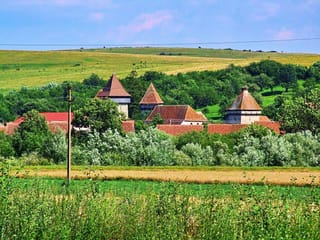
Caţa fortified church
Comuna Cața
12.3km
fortress
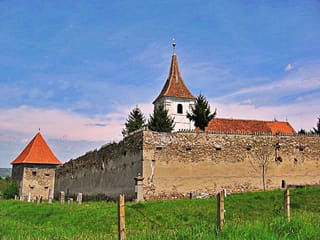
Fortified Church of Aita Mare
Comuna Aita Mare
13.7km
fortress
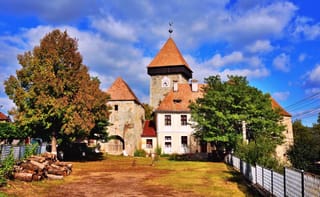
Drăuşeni fortified church
Comuna Cața
15.2km
fortress
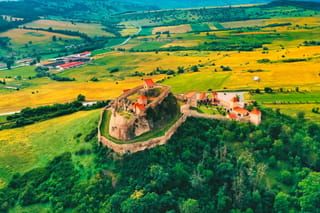
Rupea Fortress
Orașul Rupea
15.2km
fortress
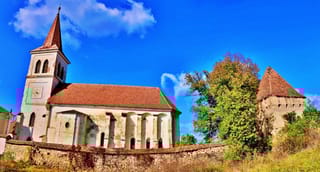
Beia fortified church
Cata
22.0km
fortress