Cloaşterf Fortified Church
Comuna Saschiz Județul Mureș Romania
fortress
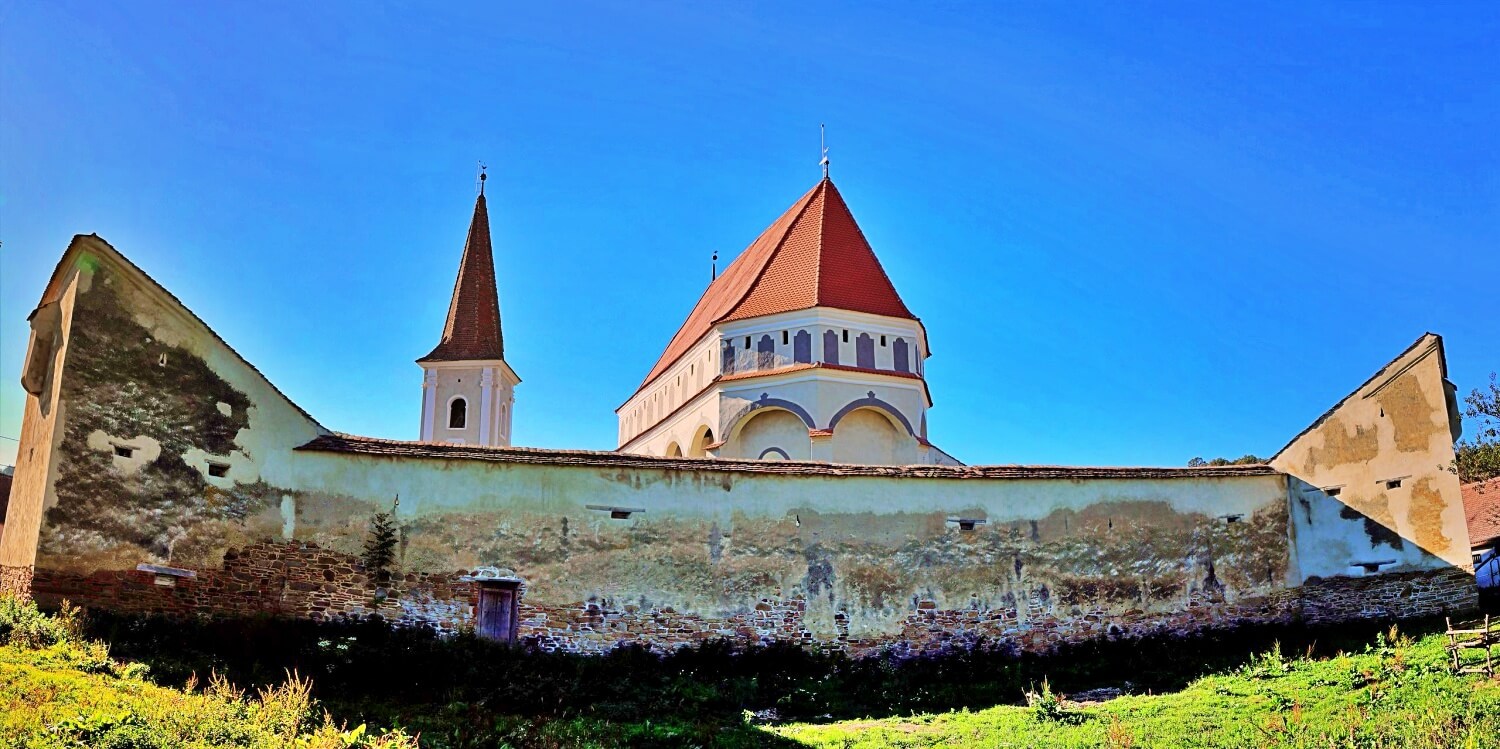
Biserica fortificată din Cloașterf
Comuna Saschiz Județul Mureș Romania
fortress
After the old church was destroyed, a new construction was erected between 1521 and 1524 and finds itself in a well-preserved state today, as well as the polygonal ring wall strengthened by towers in each corner
Biserica evanghelică fortificată din Cloașterf, județul Mureș, a fost construită în secolul XVI, pe locul unei bazilici romanice mult mai vechi
Previous names
Cloaşterf Fortified Church, Biserica fortificată din Cloașterf, Miklóstelki erődtemplom
Description
After the old church was destroyed, a new construction was erected between 1521 and 1524 and finds itself in a well-preserved state today, as well as the polygonal ring wall strengthened by towers in each corner. The southern tower was replaced in 1819 with today’s bell tower. The aisle-less church with polygonal chancel was provided with defence level and machicolation between the buttresses from this construction phase.
The parapets of the 18th century three-side gallery inside the church are decorated with floral motives and paintings illustrating different fortified churches. The organ above the altar was installed in 1832 on the substructure of the original 1716 altar. One of the oldest inscriptions from Transylvania can be found behind this altar: 1524 is the year when the construction works of the church were completed.
Place and surroundings
The small settlement Cloaşterf in eastern Transylvania gave birth to many legends. Near the village are the ruins of a castle known locally as “Monkey Castle”. One says that a valuable treasure was once hidden behind an invisible iron door on the castle hill. From time to time this door appears out of nowhere. But it can only be opened with Mandrake, a magic plant.
In fact, once the remains of an urn and a golden coin with a Greek inscription of Alexander the Great were found here. The real treasure however remains undiscovered to this day.
According to another local myth the girl who finds the first vine with two small leaves on its tip will be lead to the man of her dreams by this branch. The girl should break the branch and put in on her hat. The first young man she meets on the way home from the vineyard she may kiss, as he will be her future spouse.
https://kirchenburgen.org/
Biserica evanghelică fortificată din Cloașterf, județul Mureș, a fost construită în secolul XVI, pe locul unei bazilici romanice mult mai vechi. Biserica figurează pe lista monumentelor istorice 2010, cod LMI MS-II-a-A-15631 și are următoarele obiective:
cod LMI MS-II-m-A-15631.01 - Biserica evanghelică fortificată, secolul al XVI-lea, 1521 - 1524;
cod LMI MS-II-m-A-15631.02 - Incintă fortificată,1500 - 1525;
Ansamblul fortificat al Bisericii evanghelice-luterane se numără printre cele mai omogene din Transilvania, fiind opera coerentă a unei singure perioade de construcție (1521-1524), sub conducerea meșterului Ștefan Ungar din Sighișoara. Biserica are aspectul unui masiv reduit, deasupra navei și corului cu bolți în rețea înălțându-se un etaj fortificat, prevăzut cu ferestre de tragere și guri de aruncare. Incintă patrulateră, cu turnuri de colț în plan pătrat, cu acoperiș în pupitru.
Localitatea
Cloașterf, mai demult Cloaștărf, Cloasterz, Micloșa, Miclești (în dialectul săsesc Klosderf, Kluisderf, Klîsderf, Klîstref, Kliusderf, în germană Klosdorf, Klossdorf, Nickelsdorf, în maghiară Miklóstelke) este un sat în comuna Saschiz din județul Mureș, Transilvania, România. În evul mediu a fost posesiune a Mănăstirii Cârța.
Mica așezare din estul Transilvaniei, Cloașterf, a dat naștere multor legende. Aproape de sat se află ruinele unui castel cunoscut localnicilor sub numele de „Castelul Maimuțelor”. Se spune că o comoară de mare valoare s-ar afla ascunsă în spatele unei uși de fier invizibile, aflată pe dealul castelului. Din când în când ușa apare de nicăieri, însă ea poate fi descuiată doar cu mătrăgună, o plantă magică.
Biserica
După ce vechea biserică gotică a fost distrusă, s-a construit între 1521 și 1524 edificiul actual. Atât biserica, cât și zidul poligonal de incintă, cu turnuri de apărare la fiecare dintre cele patru colțuri, s-a păstrat în stare destul de bună până astăzi. Turnul de sud a fost înlocuit în anul 1819 cu clopotnița actuală. Biserica sală cu cor poligonal a fost încă din momentul construcției prevăzută cu cat de apărare, dotat cu guri de aruncare între contraforturi.
Panourile tribunei din secolul al XVIII-lea, ce mobilează interiorul bisericii pe trei laturi, sunt decorate cu motive florale și picturi reprezentând diferite biserici fortificate. Orga de deasupra altarului a fost montată în 1832 pe structura vechiului altar din 1716. În spatele acestuia s-a păstrat una dintre cele mai vechi inscripții transilvănene: 1524 este anul în care s-au finalizat lucrările de construcție ale bisericii.
Useful information
Free
Free
- Nice view
- Information tables
Visiting on a demand
-
Nearby castles
Evangelical Fortified Church in Criț
Comuna Bunești
3.2km
fortress
Saschiz fortified church
Comuna Saschiz
5.9km
fortress
Meşendorf Fortified Church
Bunesti
6.5km
fortress
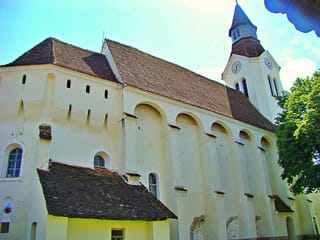
Buneşti fortified church
Comuna Bunești
6.6km
fortress
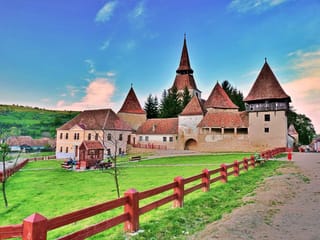
Archita Fortified Church
Comuna Vânători
7.6km
fortress
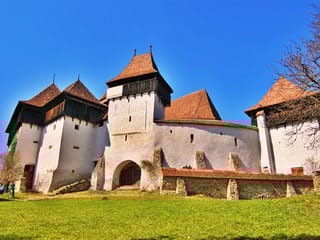
Viscri fortified church
Comuna Bunești
12.5km
fortress
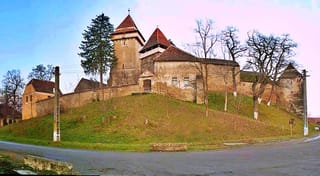
Apold Fortified Church
Comuna Apold
14.0km
fortress