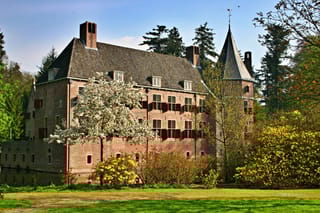
Kasteel De Essenburgh
Harderwijk Gelderland Netherlands
manor, mansion
Kasteel De Essenburgh
Harderwijk Gelderland Netherlands
manor, mansion
This is a story of a historic Dutch castle and the Essenburg family who lived there, working as caretakers and gardeners of the castle grounds for many years in the Netherlands
Gelegen in Hierden ligt een gemoedelijk kasteel
Previous names
Kasteel De Essenburgh, Kasteel De Essenburgh
Description
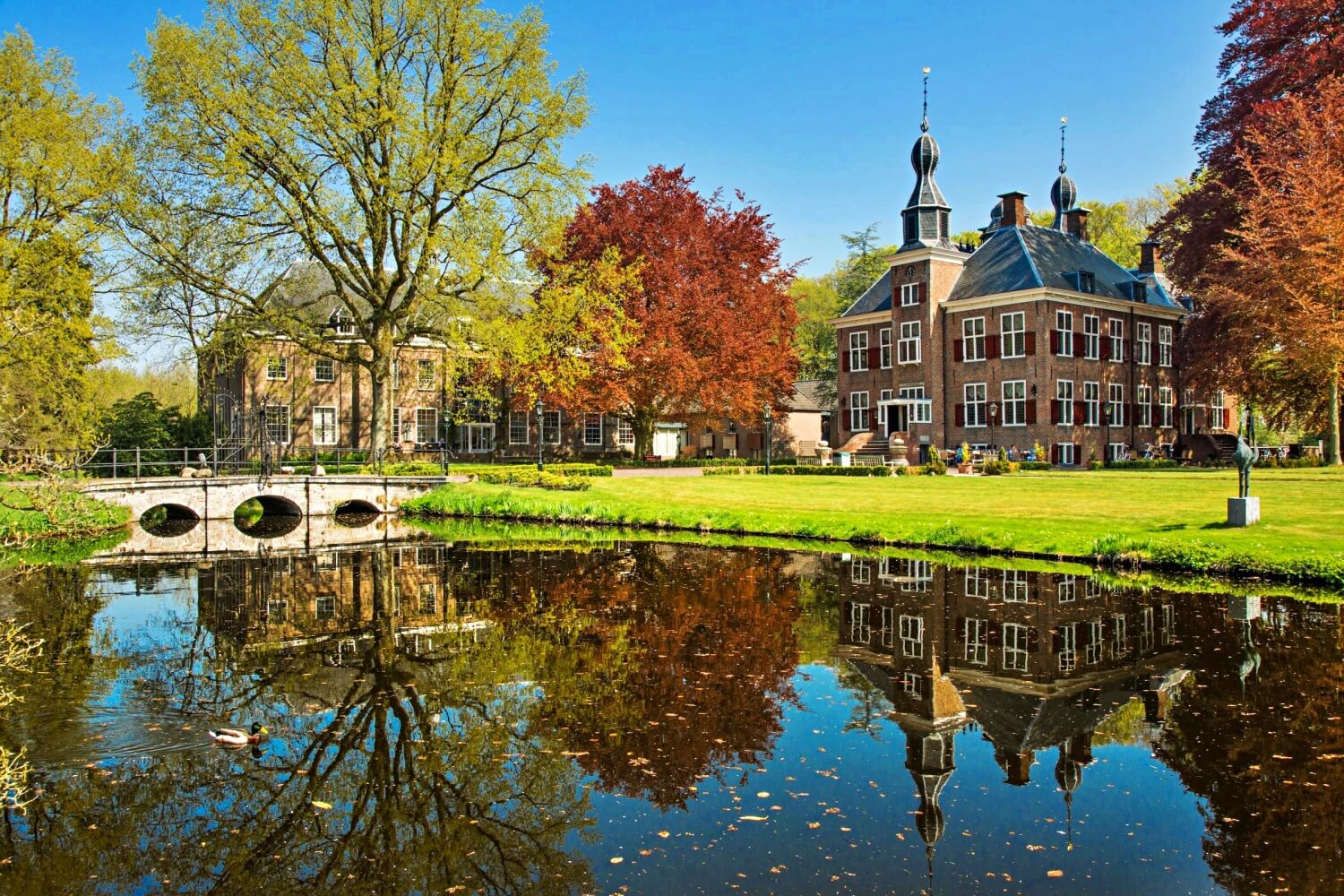
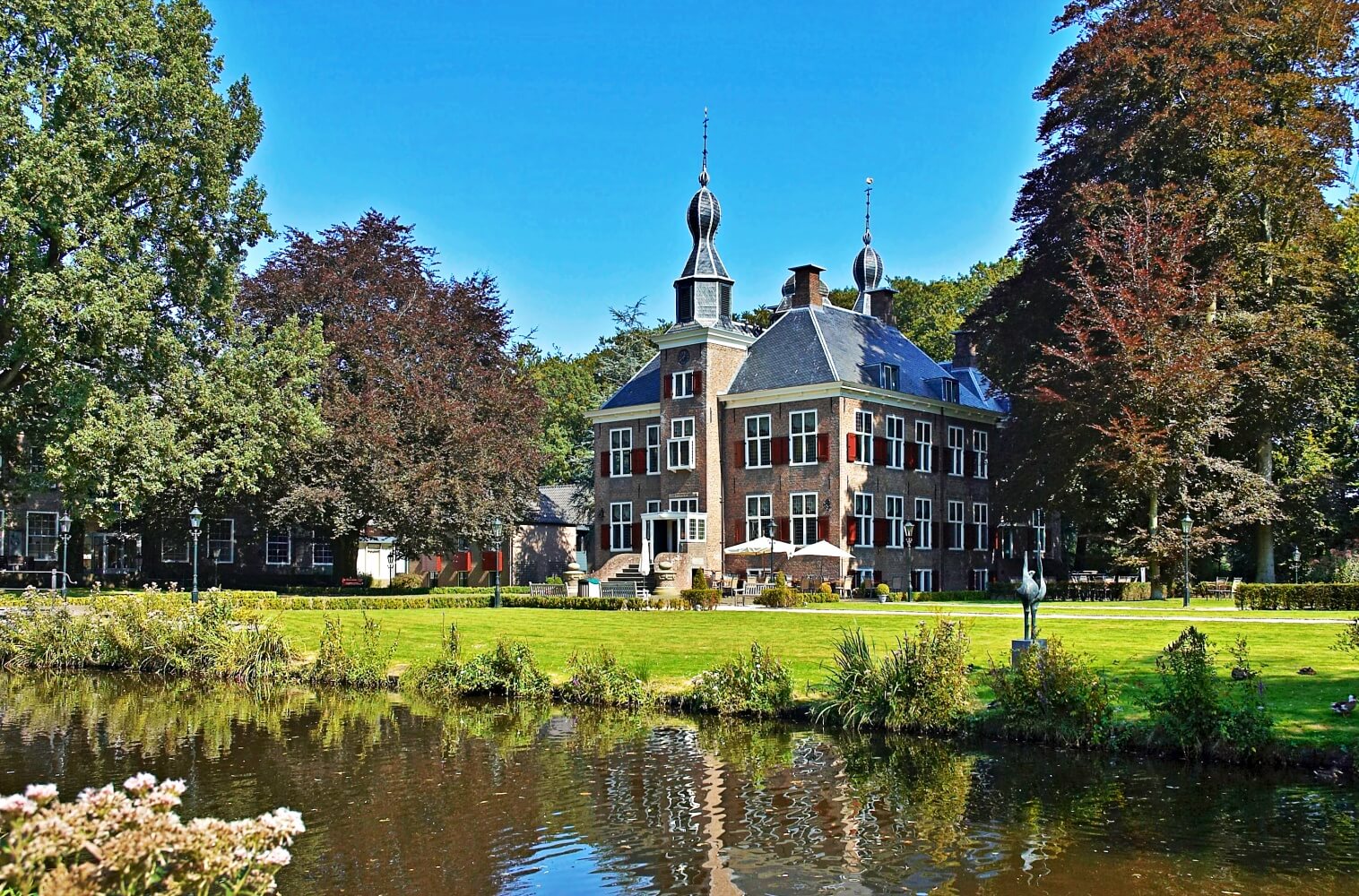
This is a story of a historic Dutch castle and the Essenburg family who lived there, working as caretakers and gardeners of the castle grounds for many years in the Netherlands. Like many other immigrants to America, the Essenburgs left their home county to “improve their circumstances” (as written in their emigration records of 1868). And like other Dutch immigrants, this led them eventually to the small colony town of Borculo, Michigan.
The story begins with the history of Kasteel de Essenburgh. It was built in 1652 during the “Dutch Golden Age” – the century in the Netherlands when the country’s merchants, bankers, and far-flung trading companies were thriving around the world. They were establishing colonies in the East Indies, South Africa, and even in America, as New Amsterdam in New York.
At this time in the Netherlands there was an assembly of wealthy men known as Knights. The country’s wealth at this time allowed squire John Coolwagon to build Kasteel de Essenburgh in an attempt to earn a place within the Knighthood of the Veluwe. Belonging to this group had social and financial benefits. It also required the members to meet stringent requirements to join. However, after the castle was built, his attempted knighthood was met with rejection and he was forced to surrender his property to his creditors who then sold it to a rich nobleman.
For the next 300 years the castle was owned by several wealthy families who used it as a personal residence, desirous for its location in one of the most scenic areas of the Veluwe region, rich in forests, heathlands, and wildlife. After a series of ownership changes, in 1818 it was purchased by the wealthy Sandberg family. They restored the castle and its grounds to its original splendor, also purchasing large tracts of land surrounding the castle, which they then rented tenants and sharecroppers.
In 1834 Jan Jansen Essenburg became the official caretaker of the castle grounds for Baron Samuel Sandberg. He was given a converted/abandoned paper mill on the Ottemolen Inlet as his home to live in near the castle, as one of a number of paper mills located on Hierden Brook, the river that flowed through the property at that time. His 10 children were all born there from 1834 to 1852, and they lived there until they immigrated to America in 1868. There was a schoolhouse nearby where the children attended and were also taught the catechism. The family attended the Netherlands Reformed Church in the village of Hierden, where all of the children were baptized.
Hierden was located 5 miles from the larger city of Harderwijk. This old city was founded in the year 1231. In the early years it was a prosperous city located on the shore of the huge body of water known as the Zuiderzee. It was an important trading, shipping, and fishing city. The early city was fortified with brick walls. The first church built there was called the Grote Kerk and was built around 1335. It was a Roman Catholic Cathedral as the country of the Netherlands was still Roman Catholic, as this was the time before the Protestant Reformation. Sometime after the Reformation the Netherlands chose the Reformed faith as the state religion.
Jan Jansen was born in the year 1806. At this time many of the common folk did not have a family or last name. In 1811 the Netherlands became part of the French Empire, ruled by Napoleon. He ordered all the people who didn’t have a last name to obtain one. The Essenburg family chose the name of the castle for their family’s name, as it was common to choose a geographical place, such as a region, city, castle, or farm as the basis for a surname.
When the Essenburg family left for America in 1868, the Sandbergs continued owning and operating the castle and the huge estate until 1926 when family differences and financial difficulties forced them to sell the castle and surrounding farmlands. One of the later owners added an “h” to the end of the name Essenburg, and this spelling remains to this day.
During World War II the castle was taken over by the Hermann Goring Division of the German army and used as a command post until 1943.
In 1950 Kasteel de Essenburgh was purchased by an order of the Roman Catholic Church called the Norbertine Abbey of Berne. The order extensively restored the castle and its grounds once again. Soon it became a popular event center for weddings and retreats. The castle was then further expanded and renovated into a hotel to host the people who attended these events.
Today the Norbertine order consists of a luxury hotel, as well as a monastery and a seminary on the castle grounds. Folks can now go online to book a night’s stay at the old Kasteel de Essenburgh.
https://borculo.weebly.com/blog/the-essenburg-family-a-journey-from-a-castle-in-the-netherlands-to-a-log-cabin-in-borculo-michigan-part-i-by-robert-essenburg-with-beverly-essenburg-harkema
Gelegen in Hierden ligt een gemoedelijk kasteel. Vroeger diep verscholen tussen zware, woeste en duistere partijen van het Hierderbos waar buiten de muren van het kasteel roofridders hun gang konden gaan. Tegenwoordig een oase van rust vlakbij Harderwijk. Een imposant kasteel met rustieke Engelse landschapstuin met vijver en hertenkamp.
Gewelvenkelder ‘De Oude Mheen’
De huidige, relatief zware keldergewelven, zouden overblijfsels zijn van de burcht uit de 14e eeuw. En in deze keldergewelven zit het restaurant. Hier wordt zoveel mogelijk seizoensgebonden en met biologische producten gewerkt. ’s Ochtends wordt hier ook het uitgebreide ontbijtbuffet geserveerd met eigengemaakte jam en heerlijk versgebakken brood. Dit brood wordt iedere ochtend gebakken door één van de paters van de Priorij.
Geschiedenis
22 kloosterlingen van de Abdij werden aangewezen om, als echte pioniers, gestalte te gaan geven aan het in 1120 door Norbert van Gennep geformuleerde kloosterideaal. De Essenburgh groeide uit tot een belangrijk studiecentrum en basis voor rooms-katholiek & oecumenisch pastoraal werk op de noordwestelijke Veluwe en IJsselmeer polders.
De gevelsteen maakt melding van het jaar 1652. Diverse publicaties maken echter melding van een middeleeuwse voorganger, hoewel er na archeologisch onderzoek geen enkel spoor van een vroegere bebouwing werd gevonden. De bouwer is wel bekend, Johan Coolwagen. Deze liet het bouwen als statussymbool om zich een plaats binnen de Ridderschap van Veluwe te verwerven. Dit mislukte en Johan Coolwagen moest uiteindelijk het huis aan zijn schuldeisers verkopen.
Eigenaren uit verschillende standen
Daarna wordt het kasteel in 1714 voor 3000 rijksdaalders verkocht aan de Hagenaar Leonard van Heteren. Leonard promoveert in Harderwijk aan de Gelderse Universiteit en maakt daar carrière in verschillende bestuurlijke ambten. Zijn weduwe hertrouwt in 1720 met een lid van de in de vishandel rijk geworden familie Van Westerveld. Door huwelijk komt de Essenburgh in bezit van Samuel Sandberg die voorzitter van de Tweede Kamer wordt en in 1816 in de Nederlandse adelstand verheven wordt. In Harderwijk en omgeving hebben de Sandbergs veel bezittingen. Een baron Sandberg van Essenburg staat grond af voor een spoorlijn van Amersfoort naar Zwolle. Samen met de burgemeester van Harderwijk wordt bedongen dat de trein stopt nabij hun grondgebied. Het station Hulshorst wordt echter in 1987 opgeheven.
In 1929 is het kasteel verbouwd, waardoor de raampartijen aan de voorzijde en de entree niet meer oorspronkelijk zijn.
Na een groot aantal eigendomswisselingen kochten uiteindelijk in 1950 de Norbertijnen van de Abdij van Berne uit Heeswijk-Dinther (Noord-Brabant) het kasteel en de naastgelegen gebouwen. Het kloostergebouw werd in gebruik genomen als priorij. Vanaf 1969 begonnen de Norbertijnen met een vormingscentrum in het kasteel. In 1992 is een tweede klooster op het terrein gevestigd genaamd Communiteit Mariengaard, een gemeenschap voor vrouwelijke Norbertijnen.
Tot de gemeentelijke herindeling in 1972 hoorde de Essenburgh bij het dorp Hulshorst in de gemeente Nunspeet. Sindsdien ligt de Essenburgh in Hierden en maakt het onderdeel uit van de gemeente Harderwijk.
De paters wonen nog steeds op Kasteel de Essenburg, al zijn ze verhuisd naar het voormalige koetshuis. Sinds 2010 is het Kasteel en haar bijgebouwen een hotel en verwelkomen we u graag als gast. Ontdek de historie, het imposante kasteel met prachtige kasteelkamers en geniet van huisgemaakte gerechten als de kasteelmuffin.
Het landgoed is toegankelijk; het huis (tegenwoordig in gebruik als hotel) en nabije omgeving zijn niet vrij toegankelijk.
https://mijngelderland.nl/inhoud/verhalen/kasteel-de-essenburgh
http://blog.hampshire-hotels.com/kasteel-de-essenburgh/
https://nl.wikipedia.org/wiki/Kasteel_De_Essenburgh
Useful information
Free
- WiFi
- Breakfast
info@kasteelessenburgh.com
- Private property (hotel)
- Meetings and events arrangement
-
External links
Nearby castles
Huis te Leuvenum
Ermelo
7.0km
castle, chateau
Kasteel Staverden
Ermelo
8.6km
manor, mansion
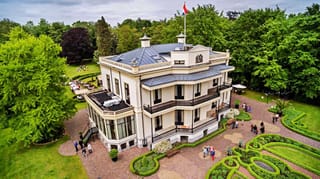
Kasteel De Vanenburg
Putten
13.3km
manor, mansion
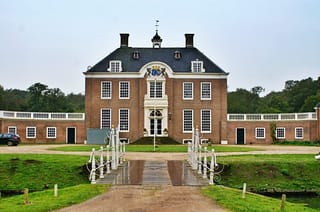
Zwaluwenburg
Elburg
14.6km
castle, chateau
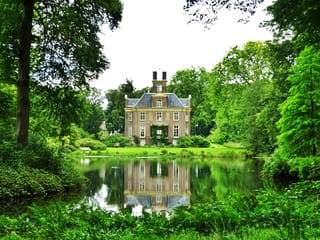
Kasteel Oldenaller
Putten
17.0km
manor, mansion
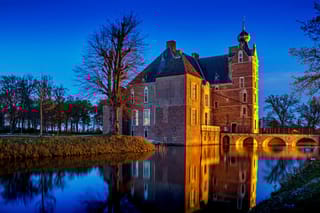
Cannenburgh Castle
Epe
19.6km
castle, chateau
Kasteel Het Oude Loo
Apeldoorn
21.6km
manor, mansion