Cannenburgh Castle
Epe Gelderland Netherlands
castle, chateau
Kasteel De Cannenburch
Epe Gelderland Netherlands
castle, chateau
Cannenburg Castle or Cannenburch Castle (Dutch: Cannenburch) is a watercastle in the Netherlands
Kasteel De Cannenburgh is een 16e-eeuws kasteel in Vaassen in de Nederlandse provincie Gelderland
Previous names
Cannenburgh Castle, Kasteel De Cannenburch
Description
Cannenburg Castle or Cannenburch Castle (Dutch: Cannenburch) is a watercastle in the Netherlands. It is situated in Vaassen, a town in the province of Gelderland.
History
Cannenburgh Castle is generally well known because of one particularly famous historical figure, Maarten van Rossum. He built a country house on the remains of a medieval castle in 1543, and it remained in his family until the 1950s. It also remained true to its original blueprints. However, since then, the country estate has become the property of the Stichting Geldersch Landschap and Geldersche Kasteelen national heritage foundations, which have restored it and opened it to the public.
Medieval stronghold
In the Middle Ages, there was a castle in Vaassen called Kannenberg, but nobody really knows when this stronghold was first built. The first records date from 1365 and at that point in history, it was a leasehold estate belonging to the dukes of Guelders. We also know very little about what the medieval stronghold looked like. Only parts of the walls and part of the underground cellars have survived.
Maarten van Rossum
The fortress had probably fallen into ruins by 1543 when it was bought by Maarten van Rossum. Van Rossum was a notorious ruffian, who plundered his way through Holland and Brabant as field marshal for Charles, Duke of Guelders. These activities made him a very rich man. Apart from his famous fortresses in Zaltbommel and Arnhem, he also possessed a number of country estates and castles. He chose the style of the Dutch Renaissance for Cannenburgh Castle and built it on top of the remains of the old stronghold. However, he never managed to see the castle completed.
Family estate
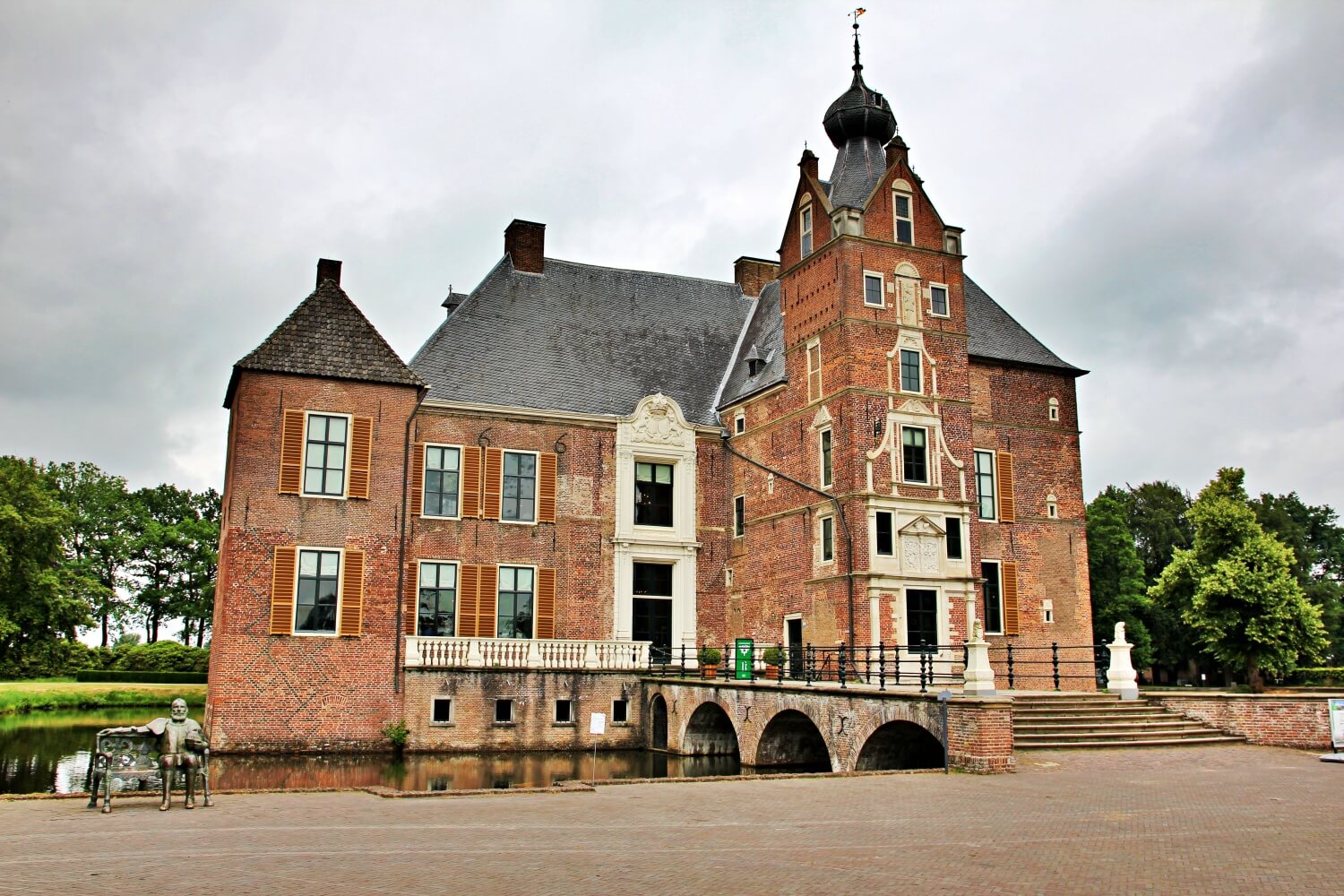
After Van Rossum´s death in 1555, his nephew, Hendrik van Isendoorn, inherited the castle and it remained in the family for over three centuries. Hendrik had an effigy of his uncle engraved on the main tower. From that height, dressed in his suit of armour, Maarten continues to watch over his estate. Over the years, the castle has been altered and extended with the impressive entrance moved from the middle of the main tower, to the side, as well as the addition of two outbuildings and a stone bridge. Cannenburgh Castle has been open to the public since 1951. The onion-shaped dome has been rebuilt and the interior has been returned to how it would have been when it was still inhabited by nobility.
The castle
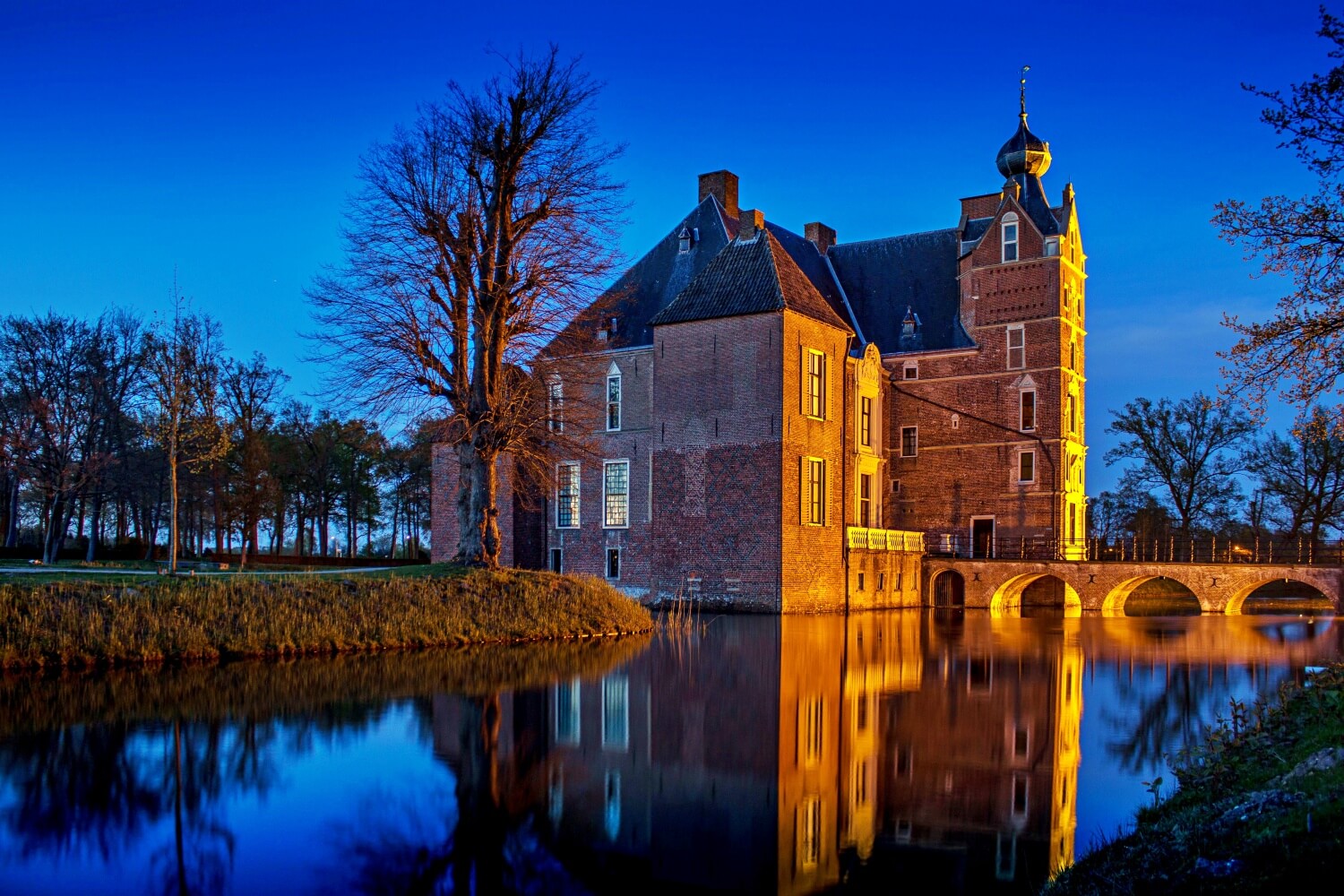
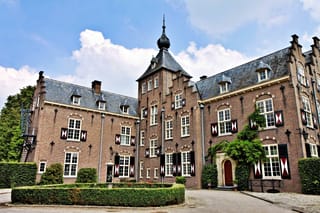
The castle was built in the 16th century. Its shape has been preserved until today mainly unchanged. The building complex which contains many elements of the Renaissance architecture is completely surrounded by water. The floor plan is rectangular. There are almost square and covered towers at all four corners. The northeasterly one is equipped with an onion dome. On the front side facing south, another higher onion dome was built. This one significantly protrudes from the facade was. Directly above the entrance the coat of arms of Hendrik van Isendoorn and his wife Sophia Stommel are embedded in a sandstone sculpture. Above another sandstone sculpture shows Maarten van Rossum. The entrance used to be reached via a drawbridge over the moat. This was replaced by a permanent stone arch bridge. Behind the entrance on the ground floor is an elongated narrow terrace followed by a large hall. Several representative rooms can be reached from there: a hunting room (due to the bright color of the walls also called "the white chamber") and a salon on the righthand side as well as a bedroom and a dining room on the left side. The dining room is connected via a steep spiral staircase to the underlying kitchen. Some rooms are equipped with fireplaces which have framings of Delft tiles. A Boudoir is located in the north-eastern tower. A stone spiral staircase leads to the first floor. The large hall there is equipped with oil paintings of important families from Gelderland. On the eastern side wall a family tree with ancestors from Elbert van Isendoorn à Blois and his first wife Maria Hadewig van Essen is attached. The ceiling is covered with wooden paneling and wooden planks. Another room which is connected to the hall is furnished as a library or study room, which is called the Rode Kamer (Red Room) because of its red wallpaper. On the first floor there is also a small Chapel.
https://excitinghistory.com/de-middeleeuwen/vaassen-kasteel-cannenburgh
https://en.wikipedia.org/wiki/Cannenburgh_Castle
Kasteel De Cannenburgh is een 16e-eeuws kasteel in Vaassen in de Nederlandse provincie Gelderland.
Geschiedenis
Het kasteel is gebouwd op de restanten van een eerder kasteel, waarvan de vroegste vermelding uit 1365 stamt. Sporen van dit vroegere versterkte huis zijn nog te zien in de kelder van het huidige kasteel. In 1543 werd De Cannenburgh het bezit van maarschalk Maarten van Rossum. Hij liet de ruïne tot een statig slot herbouwen, waarbij hij de Renaissancestijl in Gelderland introduceerde. Hij overleed echter in 1555, voor het kasteel klaar was. Zijn opvolger, Hendrik van Isendoorn, voltooide het bouwwerk.
Nadat op 5 juni 1881 Charlotte Theodora Maria Alexandrina barones van Oldeneel tot Oldenzeel was overleden, zij was de weduwe van Fredericus Carolus Theodorus van Isendoorn à Blois (Vaassen, 23 augustus 1784 - de Cannenburgh, 9 december 1865), de laatste telg van het geslacht D'Isendoorn à Blois, werd de gehele inboedel door de erfgenamen naar elders overgebracht. Haar bezittingen werden verdeeld onder de familieleden. Het kasteel dreigde te worden afgebroken, maar kon verkocht worden aan Eduard baron van Lynden. De laatste particuliere eigenaar was Duitse schilder Richard Cleve. Na de oorlog werd het kasteel in beslag genomen door de Nederlandse Staat, waarna het in 1951 voor een symbolisch bedrag werd verkocht aan de Stichting Vrienden der Geldersche Kasteelen. Tussen 1975 en 1981 werd het kasteel gerestaureerd en, met behulp van diverse schenkingen, opnieuw ingericht. In 2006 kon de stichting op een veiling in Brussel een groot deel van de inboedel terugkopen. Het ging hierbij om zilverwerk, paardendekens, meubelstukken en een familievaandel uit 1759.
Cannenburgh of Cannenburch
De naam van het kasteel wordt vaak op twee verschillende manieren geschreven, welteweten Cannenburgh en Cannenburch. Over de juiste schrijfwijze zijn de meningen verdeeld, zo schrijft de Stichting Vrienden der Gelderse Kasteelen het op haar website met "ch". Als men de Cannenburgh-route volgt, ziet men dat dit ook met "gh" geschreven is. Zo wordt de Cannenburgh ook op de oude plattegronden (zoals hieronder aangegeven) met "gh" op het eind aangegeven. Ook in het dorp Vaassen zijn allerlei verwijzingen met "gh", dus dit wordt ook gezien als de enige juiste spelwijze.
Useful information
Free
11.50 EUR
4 - 18 years: 5.00 EUR
0 - 3 years: free
- Interactive multimedia
- Castle Garden
- Events and fairs
cannenburch@glk.nl
- Guided tours in English
- Audioguide: 1.00 EUR
- Gift shop
-
External links
Nearby castles
Kasteel Het Oude Loo
Apeldoorn
6.5km
manor, mansion
Kasteel de Haere
Olst-Wijhe
10.4km
manor, mansion
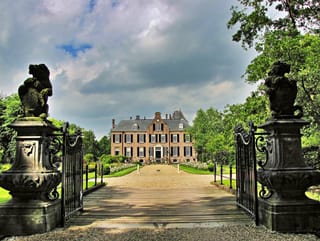
Groot Hoenlo
Olst-Wijhe
11.4km
castle, chateau
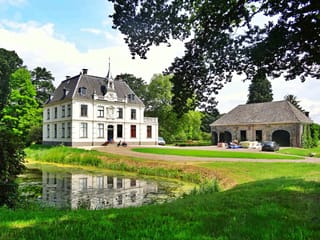
Spijkerbosch
Olst-Wijhe
12.7km
castle, chateau
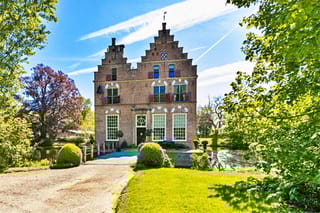
Kasteel Vosbergen
Heerde
12.9km
manor, mansion
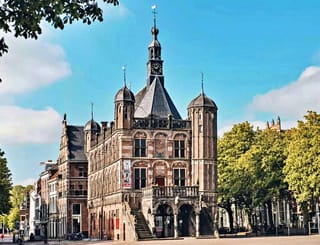
Museum De Waag
Deventer
14.0km
castle, chateau
Kasteel de Lathmer
Voorst
14.6km
manor, mansion