Het Sibberhuuske
Valkenburg aan de Geul Limburg Netherlands
castle, chateau
Het Sibberhuuske
Valkenburg aan de Geul Limburg Netherlands
castle, chateau
The word Sibbe has several meanings: in the old Germanic language it means ‘a relative or a group of relatives’ It is also attributable to the Latin word cippus meaning, 'overgrown with forest’ or ’young plants’
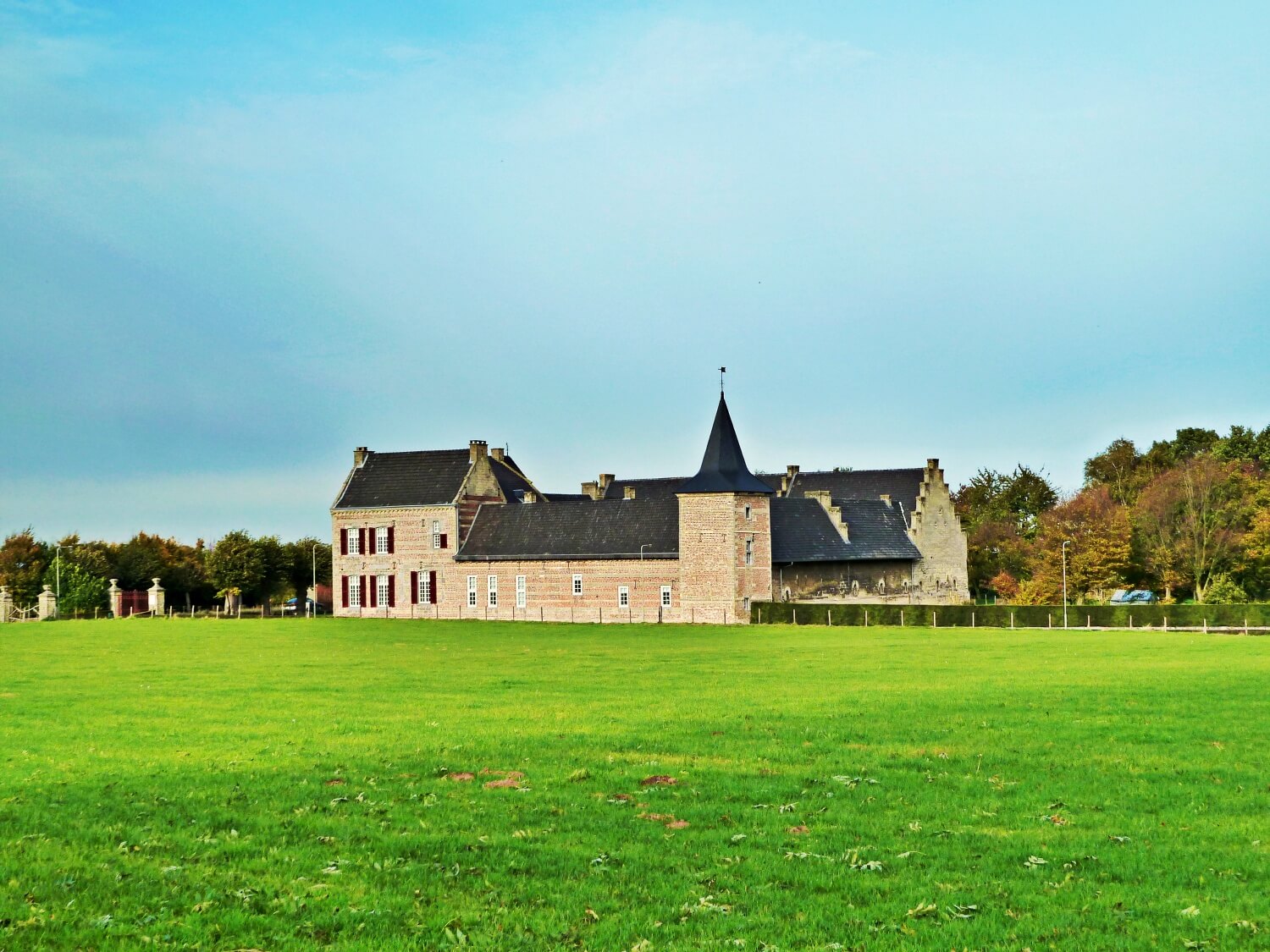
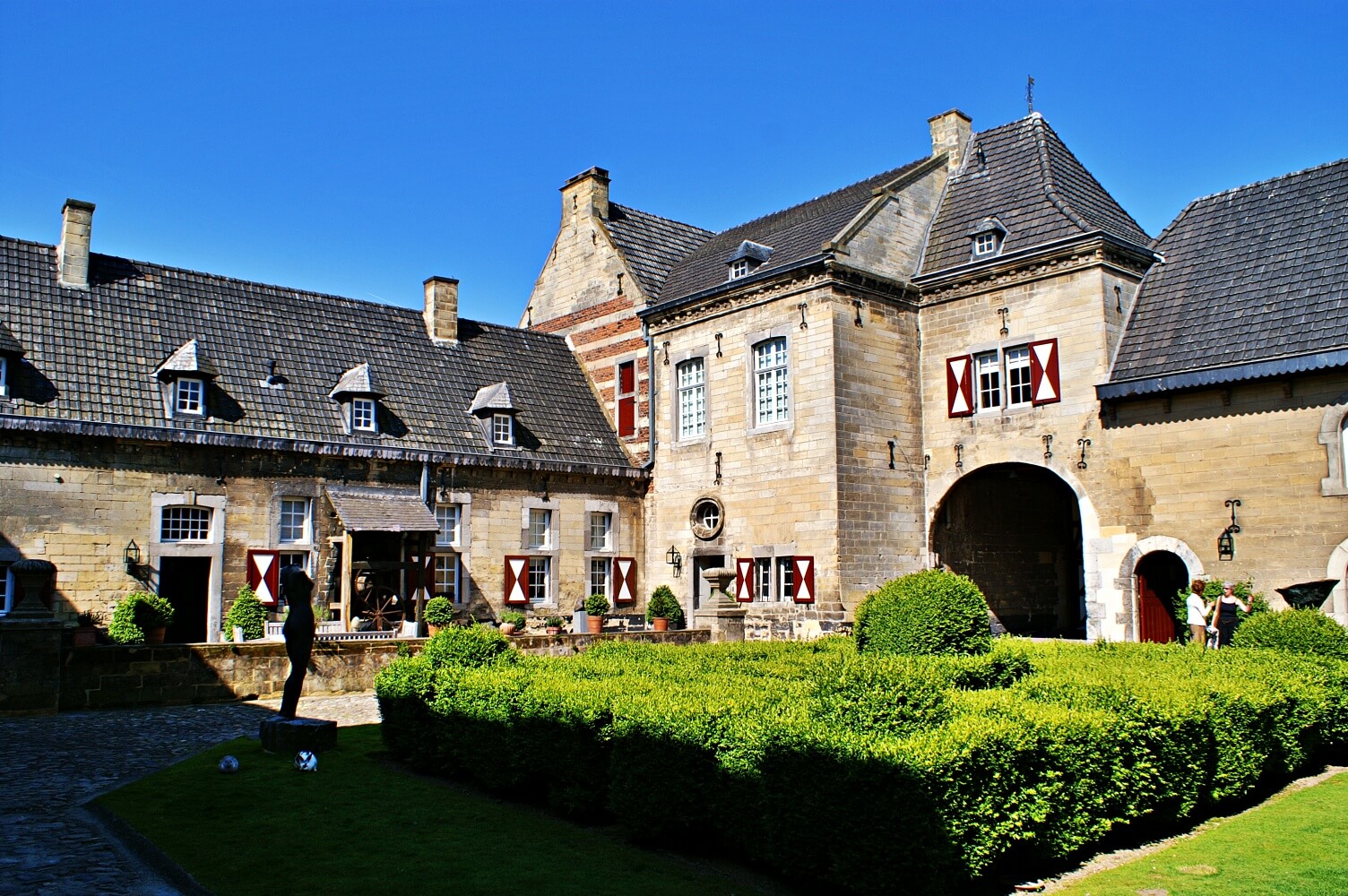
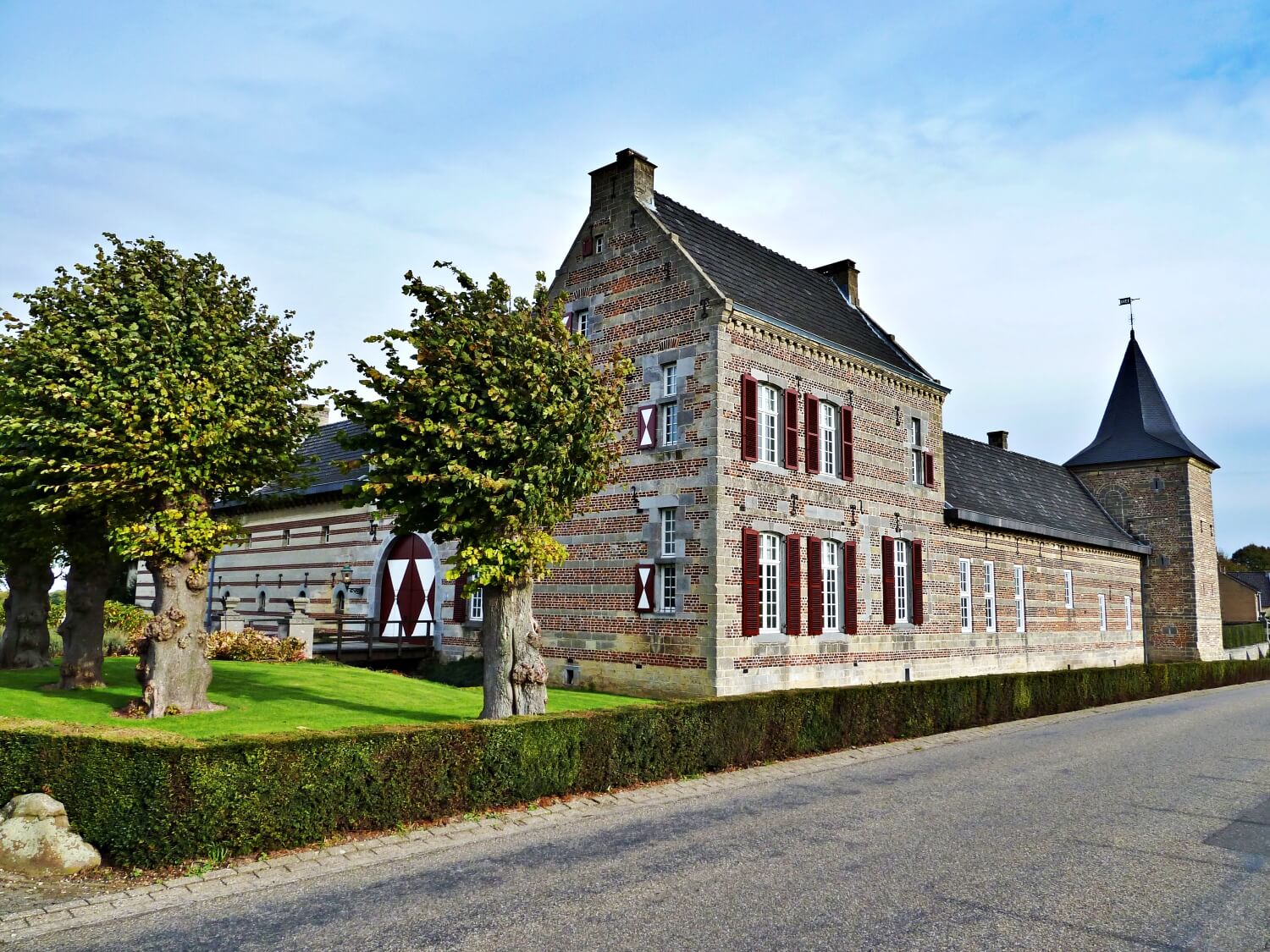
Het Sibberhuuske of Villartshof is een kasteelhoeve gelegen aan de rand van het dorp Sibbe dat deel uitmaakt van de Nederlands Limburgse gemeente Valkenburg aan de Geul
Previous names
Het Sibberhuuske, Het Sibberhuuske
Description
The word Sibbe has several meanings: in the old Germanic language it means ‘a relative or a group of relatives’ It is also attributable to the Latin word cippus meaning, 'overgrown with forest’ or ’young plants’. At the time, the plateau of Margraten was a big forest. The castle is first mentioned in the twelfth century. You can even find traces of the Roman era.
The essence of a castle lies not in its size or in its beauty, but in its resilience. Sibberhuuske was originally a castle fortress, a fortified house with thick walls, loopholes, a moat with a drawbridge, and two towers. In present time - even though itinerant gangs are no longer to be feared by the local lord and the huge difference between peasants, dignitary and nobility in the area has disappeared - Sibberhuuske did not loose its original character.
Over 2000 years of history
The current province of Limburg part of the Roman Empire for at least four centuries. Conquered by Julius Caesar around 50 BC it was the Emperor Augustus who officially declared the region as a new province of Rome. Due to its strategic location on a hill and the presence of water, Sibberhuuske's site was most likely to be of key importance.
First written records
Sibberhuuske was one of the first ‘rises’ on the plateau of Margraten. One thing we do know for sure is that the first written record of what was then a 'rise' was mentioned in 1381. This also means that the swelling - a shelter - is even older. The south - eastern corner of Sibberhuuske is the oldest part. This is where the Tower apartment is situated. In the courtyard, the original well is 75 meters deep and still holds water.
At war with the Spaniards
Dutch War of Independence (1568–1648) was a revolt of the Seventeen Provinces against the political and religious hegemony of Philip II of Spain, the sovereign of the Habsburg Netherlands. The castle played a role in this war, since it was confiscated in 1570 by the Spanish General Alva.
1935
Fire!
Flames demolished the farm between the Great War and World War II but fortunately the main house was saved.
1974
Extensive renovations
Three years of hard labour led to the current layout of Sibberhuuske
http://www.sibberhuuske.nl/about-us/
Het Sibberhuuske of Villartshof is een kasteelhoeve gelegen aan de rand van het dorp Sibbe dat deel uitmaakt van de Nederlands Limburgse gemeente Valkenburg aan de Geul. Het gebouw is sinds 1967 een rijksmonument.
Geschiedenis en bewoners
De geschiedenis van het Sibberhuuske gaat terug tot de 14e eeuw. In 1381 werd het vermeld als grootleen van de heerlijkheid Oud-Valkenburg. De 'Vielaertshoff' met ruim 60 bunder land werd toen verheven door ene Willem van Hercke.[1] In hetzelfde jaar wordt ook het kasteel Hartelstein (bij Itteren) verheven, waarmee de Vilaertshof eeuwenlang een band blijkt te hebben.[2] Halverwege de 15e eeuw was het goed in bezit van het echtpaar Horion-Van Tzevel, waarna het overgaat naar de heren van Ghoor, die het als schoutenhuis benutten. De familie Van Ghoor was ook eigenaar van hoeve Hartelstein en kasteel Veljaeren (bij Homburg). Aan dit laatste ontleent de Villaertshof zijn naam.
Aan het begin van de Tachtigjarige Oorlog steunde de calvinistische Maria van Ghoor en haar echtgenoot Jacques van Oijenbrugge Willem van Oranje bij diens plannen voor een veldtocht naar Brussel tegen landvoogdes Isabella van Spanje, dochter van Filips II. Dit leidde in 1570, op Alva's bevel, tot de verbanning van het echtpaar Van Oijenbrugge-Van Ghoors en confiscatie van de Villaertshof.[3] Het huis werd vervolgens door de landvoogdes geschonken aan Charles, baron van Billehé, raadsheer van Ernst van Beieren, aartsbisschop van Keulen en prins-bisschop van Luik.[4]
Eind 17e eeuw kwam de Villaertshof (en Hartelstein) in handen van Jan Bernard van Volckershoven, generaal-majoor in het Staatse leger. Jan Bernard's zuster Catharina Maria was gehuwd met de Maastrichtse commandant, later gouverneur, Daniel Wolff baron van Dopff, die tevens heer van Veljaeren en Hartelstein was. Een andere zuster Odilia trouwde met een Hugenoot in Staatse dienst, Jacques de Chalmot du Portal, en erfde het Sibberhuis.[5]
Aan het eind van de 18e eeuw kwam het complex door aankoop in bezit van de met elkaar verwante families Sleypen en Schoenmaeckers. Eerstgenoemde familie bezat tevens het huis Withuishof te Amby; laatstgenoemde familie verwierf in de Franse tijd het Château St. Gerlach te Houthem. Leden van de familie Schoenmaeckers woonde tot 1971 in het Sibberhuis. In 1935 werd het boerderijgedeelte grotendeels door brand verwoest, waarbij het woonhuis echter gespaard bleef. In 1948 werd de gracht langs de zuidwestzijde van het huis gehalveerd, doordat de weg verbreed werd. Van 1971-'74 vond een grootscheepse restauratie plaats. Sinds april 2018 is de kasteelhoeve in eigendom van de familie Nijst-Mommers.
Useful information
Free
- WiFi
- WC
- Informative tables
qlm@qlmservices.nl
- National monument
- Private property (hotel)
- Meetings and events arrangement
-
External links
Nearby castles
Valkenburg Castle
Valkenburg aan de Geul
1.8km
castle, chateau
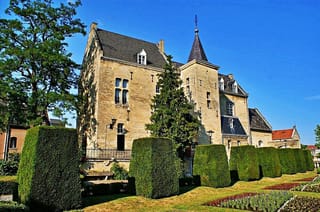
Kasteel Den Halder
Valkenburg aan de Geul
2.1km
manor, mansion
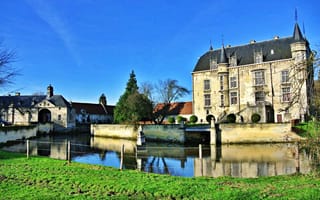
Kasteel Schaloen
Valkenburg aan de Geul
2.4km
manor, mansion
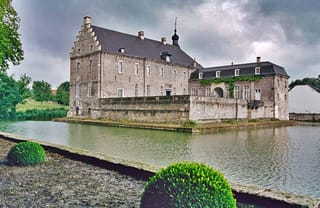
Kasteel Genhoes
Valkenburg aan de Geul
2.7km
manor, mansion
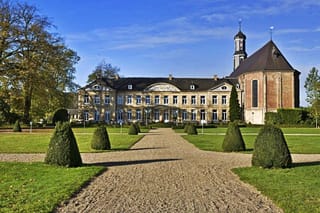
Château St. Gerlach
Valkenburg aan de Geul
2.9km
castle, chateau
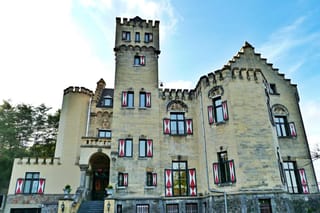
Kasteel Geulzicht
Valkenburg aan de Geul
3.1km
manor, mansion
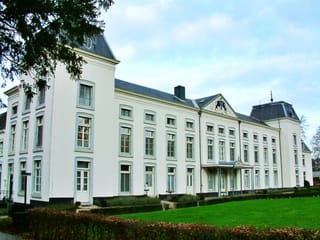
Huis Blankenberg
Eijsden-Margraten
3.8km
castle, chateau