The Aldobrandeschi (Piancastagnaio)
Provincia di Siena Toscana Italy
castle, chateau
Rocca aldobrandesca (Piancastagnaio)
Provincia di Siena Toscana Italy
castle, chateau
Since the 11th century the area of southern Tuscany around the castle of Piancastagnaio was the object of the expansionist politics of the powerful feudal family of the Aldobrandeschi
La Rocca aldobrandesca di Piancastagnaio si trova nel centro storico dell’omonimo comune, sulle pendici meridionali del Monte Amiata, in posizione dominante sulla valle del fiume Paglia, in provincia di Siena
Previous names
The Aldobrandeschi (Piancastagnaio), Rocca aldobrandesca (Piancastagnaio)
Description
Since the 11th century the area of southern Tuscany around the castle of Piancastagnaio was the object of the expansionist politics of the powerful feudal family of the Aldobrandeschi.
The whole territory is rich in historical remains tied to these potentates. Between the possessions of the Aldobrandeschi, Piancastagnaio was almost always the site of allotted to the noble family from the monks of the Abbey of S.Salvatore since the beginning of the year 1000. Subsequently it was claimed from the Viscounts of Campiglia and during the 13th century it became object of ulterior disputes between the cities of Siena and Orvieto.
The Orvietani gained control of the powerful fortress in the 1303 and maintained it for around fifty years. At this point they entered in the quarrel with the heirs of the Aldobrandeschi, the Orsini of Pitigliano, to oppose the new aims of the Senese Republic. Only between the years 1415 and 1430 Siena finally succeeded to taking possession of Piancastagnaio, that was attached to the Capitanato of Radicofani. In 17th century the settlement became a Granducal fief and finally, with the Leopoldine reforms, the chief town of the the same community.
The country town has a circular form, once had surrounding wall enclosure with alternating square towers and four gates. The walls and the gates have been almost entirely demolished, with the exception of few lines, three towers, two with semicircular shape and the other squared, the main city Gate beside the Rocca and other three minor Gates in the southern front of the walls: 'Porta Romana', 'Porticciola' e 'Porta di Voltaia'.
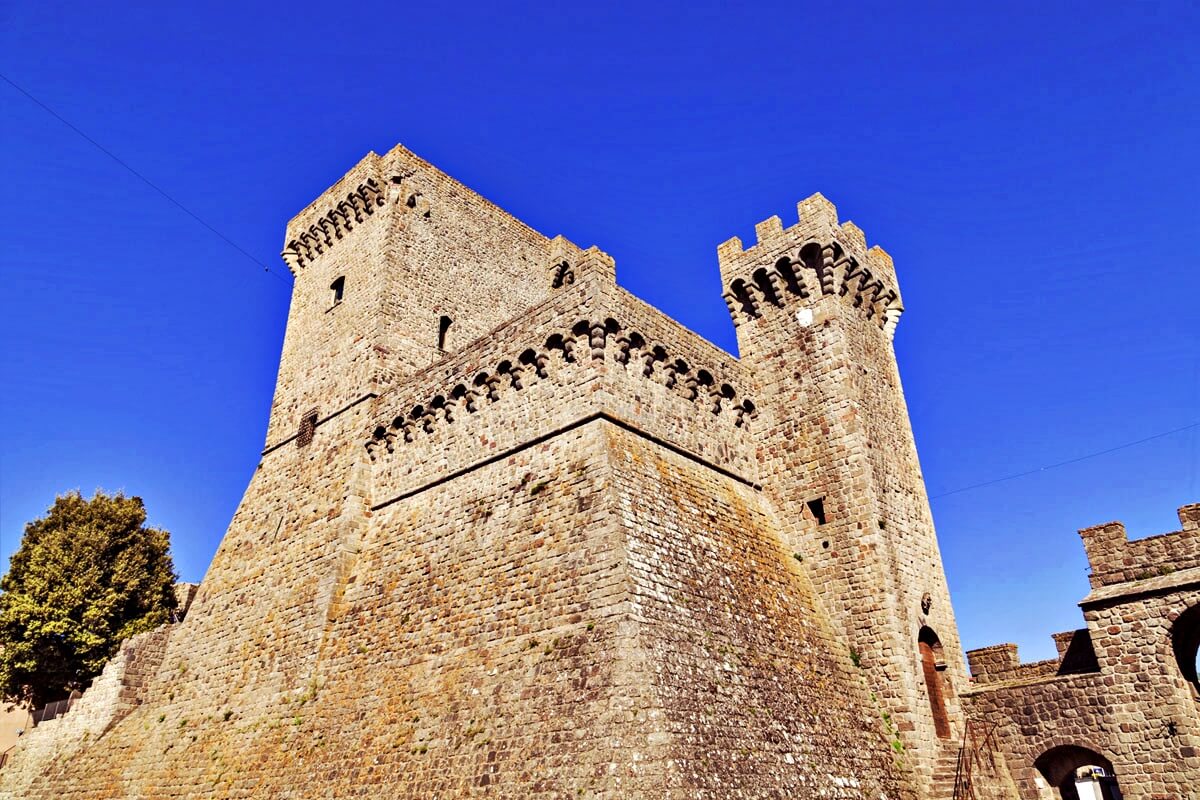
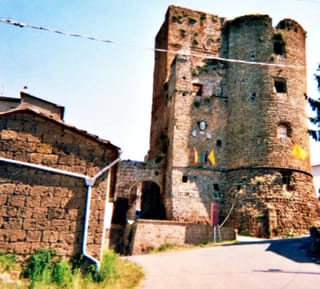
In the highest point of the inhabited area rises still today the mighty Rocca Aldobrandesca.
The construction has a square form and is endowed with tall and strongly inclined walls. From the enclosure rises two towers , the greatest, either as thickest, had functions of keep, the other, in the opposite angle, defended the underlying gate of access to the city.
The whole complex was endowed with machicoulis and battlement, still today almost intact. The Rocca is under good condition thanks to careful work of restoration.
https://www.castellitoscani.com
La Rocca aldobrandesca di Piancastagnaio si trova nel centro storico dell’omonimo comune, sulle pendici meridionali del Monte Amiata, in posizione dominante sulla valle del fiume Paglia, in provincia di Siena.
La rocca sorse in un luogo facilmente difendibile, dal quale si poteva controllare la vallata sottostante, in un'area di confine spesso disputata. La fortificazione fu menzionata per la prima volta in un diploma imperiale dell'imperatore Enrico VI nel 1194 e in uno di Ottone IV di Brunswick del 1210 che ne confermavano la proprietà all'Abbazia di San Salvatore. Questa la concesse in feudo alla potente famiglia degli Aldobrandeschi, che possedeva già numerosi castelli tra Maremma e Amiata e che nel corso del XIII secolo rafforzò il proprio dominio contendendo la Toscana meridionale a Siena, Viterbo e Orvieto. Fu quest'ultimo comune che ne assunse il controllo nel 1333, fino a quando la Repubblica di Siena conquistò Piancastagnaio nel 1345. Nel 1450, la Repubblica di Siena cominciò un'indagine sulle condizioni delle fortezze dei propri territori e si decise di compiere un'opera generale di restauro delle difese, inclusa la rocca di Piancastagnaio.
Tra il 1465 e il 1478 gli interventi di restauro e ammodernamento diedero alla rocca l'aspetto attuale. Dopo che nel 1559 Siena fu annessa ai domini dei Medici, i Granduchi di Toscana concessero Piancastagnaio in feudo ai Bourbon del Monte Santa Maria, che ne divennero marchesi nel 1601 e trasformarono la rocca in una prigione.
Dopo secoli di decadenza e abbandono, l'edificio ha subito due importanti restauri dal 1962 al 1970 e negli anni Novanta, dopo essere divenuto proprietà del comune. Oggi, grazie all'individuazione di spazi espositivi, ospita mostre d'arte.
Useful information
GRATUITO
GRATUITO
GRATUITO
GRATUITO
- Mostre d'arte
- Servizio gratuito di bike-sharing
- Punto di Informazioni
roccadipiancastagnaio@gmail.com
- Visite guidate su prenotazione
- Aperto in determinati giorni
-
External links
Nearby castles
Rocca Silvana (Castell'Azzara)
Province of Grosseto
11.5km
castle, chateau
Rocca Aldobrandesca
Provincia di Grosseto
13.0km
castle, chateau
Castello di Triana
Provincia di Grosseto
13.7km
castle, chateau
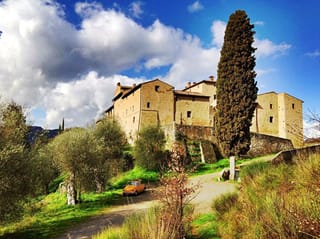
The Rocca degli Ottieri
Provincia di Grosseto
13.9km
castle, chateau
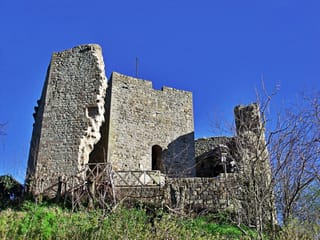
Castello di Potentino
Province of Grosseto
14.7km
castle, chateau
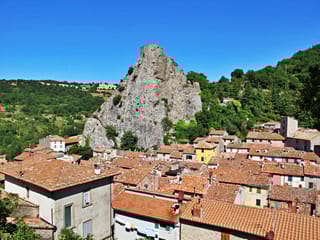
Cassero Senese (Montelaterone)
Provincia di Grosseto
15.4km
castle, chateau
Rocca Aldobrandesca in Roccalbegna
Provincia di Grosseto
16.7km
castle, chateau