Castle of Serralunga d'Alba
Provincia di Cuneo Piemonte Italy
castle, chateau
Castello di Serralunga d'Alba
Provincia di Cuneo Piemonte Italy
castle, chateau
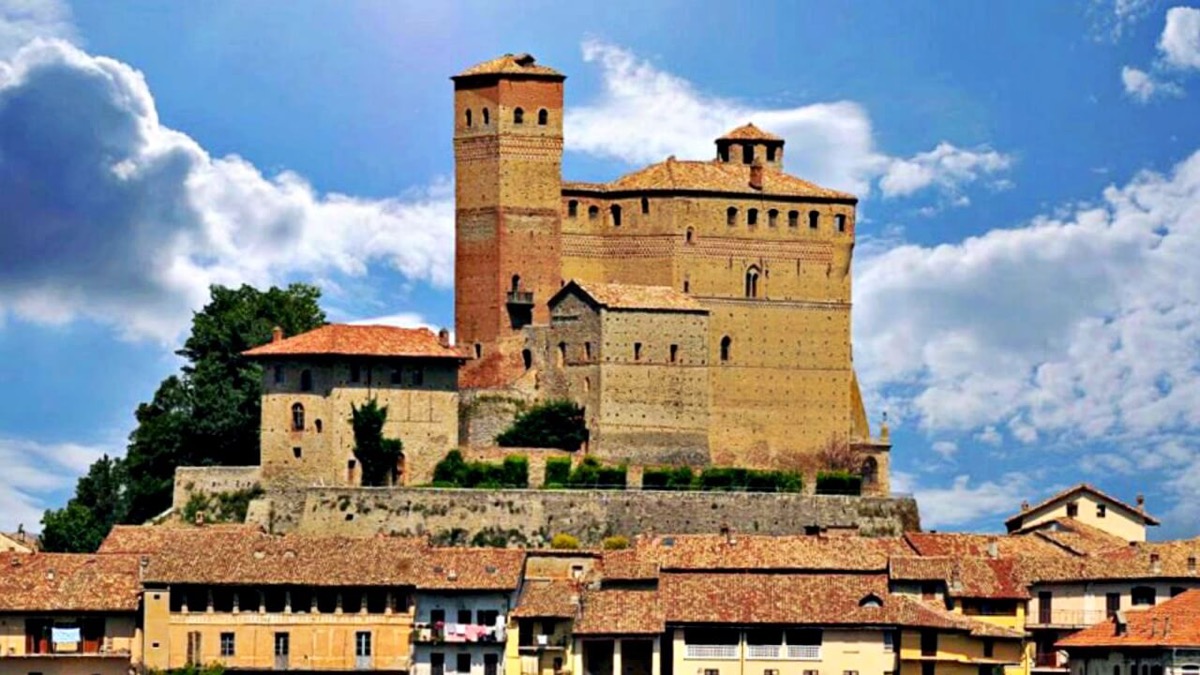
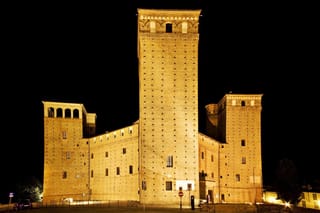
Slender and majestic, the Castle of Serralunga d'Alba overshadows one of the most beautiful and historically intact villages of the Langhe, surrounded by the rolling hills of Barolo vineyards
Slanciato e maestoso, simbolo indelebile di questo paesaggio, domina uno dei borghi più belli e intatti delle Langhe, circondato dalle colline dei grandi vini
Previous names
Castle of Serralunga d'Alba , Castello di Serralunga d'Alba
Description
Slender and majestic, the Castle of Serralunga d'Alba overshadows one of the most beautiful and historically intact villages of the Langhe, surrounded by the rolling hills of Barolo vineyards. Considered to be one of the best-conserved examples of 14th century noble castles in Piedmont, this castle represents a unique piece of history in Italy with an architectural structure of a French donjon.
The castle's construction was carried out between 1340 – the year in which the Falletti family received its estate as recompense for military involvement – and continued until 1357. This information is gleaned from documents that register a sale carried out in one of the castle rooms.
The fact that it was never the object of military importance nor was it structurally transformed over the centuries has kept this castle unaltered. Its Medieval fortress is, in fact, the original structure.
Instead of military use, this castle was used throughout the centuries as a point of control over the production activities in the territory, as evidenced by its imposing, vertical stance that was intended to emphasize the prestige of the Falletti family.
At the end of the 1300s, the castle was complete with its palacium, the long and compact principle building, and large rooms superimposed upon one another for delegation duties and living space. Its large cylindrical tower was also already constructed, as was the rooftop that affords an incredible view today, but was primarily a status symbol at the time. The courtyard at its quadrangular base is characterized by a drawbridge.
The ample area of the palacium at the courtyard level was the seat of public affairs where the lord of the castle administrated justice. The room is characterized with its wooden roof and the small votive chapel with frescoes from the 15th century. The upper room was for living and has three fireplaces and even a latrine carved into a special space in the wall, a relative comfort for that period. On the third floor is a hidden parapet, initially open and protected by merlons, today covered with a roof.
From the windows of the third floor, visitors can admire the spectacular view of the Langhe from its vineyard-covered hills to the snow-topped Alps, a panoramic scene that is especially breathtaking on clear days.
The castle has been the property of the State since 1949 by its purchase by the Opera Pia Barolo, the institution created by Juliette Colbert, the wife of Carlo Tancredi and the last Marchesa of the Falletti family of Barolo (better known as Giulia). Between the end of the 1800s and the beginning of the 1900s, it seems that the care of the castle on the part of Opera Pia was of less concern than the castle's more productive use: for many years, the rooms of the castle were used as storage for agricultural products. Immediately after World War II the castle was purchased by the State, and remains its property today under the Superintendence for Architectural and Landscape Heritage in Piedmont.
In 2015 the castle was given to the Polo Museale of Piemonte. The management is currently entrusted to the Barolo & Castles Foundation awarded the tender issued by the Polo Museale of Piemonte.
http://www.castellodiserralunga.it
Slanciato e maestoso, simbolo indelebile di questo paesaggio, domina uno dei borghi più belli e intatti delle Langhe, circondato dalle colline dei grandi vini. È considerato uno degli esempi meglio conservati di castello nobiliare trecentesco del Piemonte, e rappresenta un caso unico in Italia per la sua struttura architettonica, propria di un donjon francese.
Già nel XII secolo una torre sovrastava e difendeva il borgo. Nel 1340 Pietrino Falletti riceve il feudo quale ricompensa per il proprio impegno militare, fa abbattere la torre ed erigere il castello. La costruzione dell’edificio doveva essere terminata nel 1357, al cui febbraio risale un documento che registra una vendita effettuata in una sua sala.
Le circostanze di non essere stato oggetto di fatti militari importanti e di non essere mai stato trasformato a scopo residenziale ce lo hanno consegnato inalterato nella sua struttura originale di roccaforte medioevale. Più che un ruolo militare, però, il castello ha svolto nei secoli una funzione di controllo sulle attività produttive del territorio, come dimostra la sua ardita verticalità, tesa a sottolineare il prestigio della famiglia Falletti.
Il castello già a fine Trecento presenta il palacium, edificio principale compatto e allungato, costituito da ampie sale sovrapposte; una torre cilindrica ed una pensile con finalità di avvistamento e funzione di status symbol; una torre a base quadrata; la corte con il ponte levatoio. Nel palacium, presso l’ampio ambiente al livello della corte, con funzione di aula pubblica per l’amministrazione della giustizia, si trova anche una piccola cappella con volta a botte e affreschi databili alla metà del XV secolo. Raffigurano il Martirio di santa Caterina d’Alessandria. Alcuni grandi camini e soffitti lignei sono le uniche testimonianze rimaste degli arredi originali. Al piano sommitale si sviluppava il cammino di ronda, inizialmente aperto e protetto dai merli, successivamente coperto dal tetto.
Dalle finestre del terzo piano la vista è spettacolare, a 360 gradi sulle Langhe, fino all’arco alpino.
Dal 1949 il castello è proprietà dello Stato, che lo ha acquistato dall’Opera Pia Barolo, l’ente istituito per volontà testamentaria della marchesa Giulia di Barolo, ultima erede della famiglia Falletti. Fra la fine dell’Ottocento e l’inizio del Novecento la cura del castello da parte dell’Opera Pia è stata subordinata all’attenzione per le prestazioni produttive delle cascine del territorio: il castello ha ospitato in questi anni cantine, tinaggi e depositi di prodotti agricoli.
Con l’acquisizione statale sono stati avviati i primi importanti lavori di restauro. Dal 2015 il castello è in consegna al Polo Museale del Piemonte. La gestione è attualmente affidata alla Barolo & Castles Foundation aggiudicataria del bando emesso dal Polo.
https://www.castellodiserralunga.it/
Useful information
GRATUITO
6.00 EUR
18 - 25 anni: 3.00 EUR
0 - 18 anni: gratuito
Visita guidata
info@castellodiserralunga.it
Puoi passeggiare per le splendide strade del borgo medievale
-
External links
Nearby castles
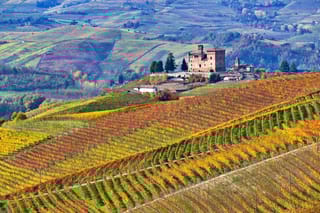
Castello di Grinzane Cavour
Provincia di Cuneo
4.7km
castle, chateau
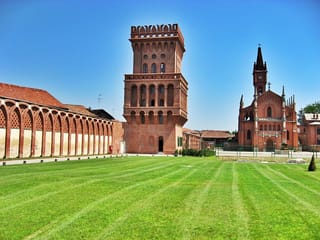
Castello di Pollenzo
Provincia di Cuneo
11.5km
castle, chateau
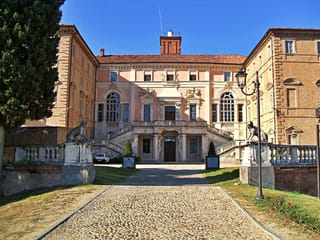
Castello di Govone
Provincia di Cuneo
23.0km
castle, chateau
Castello dei Principi d'Acaja
Provincia di Cuneo
23.1km
castle, chateau
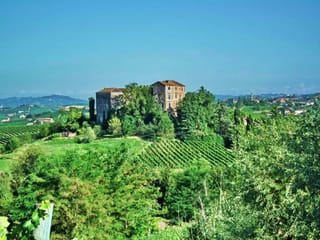
The Burio Castle
Provincia di Asti
23.6km
castle, chateau
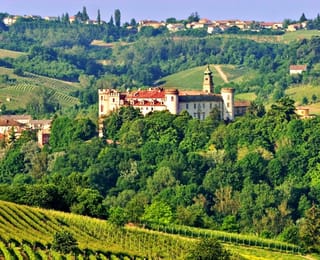
The Costigliole Castle (Castello di Costigliole d’Asti)
Provincia di Asti
24.3km
castle, chateau