Gorizia Castle
Provincia di Gorizia Friuli-Venezia Giulia Italy
castle, chateau
Castello di Gorizia
Provincia di Gorizia Friuli-Venezia Giulia Italy
castle, chateau
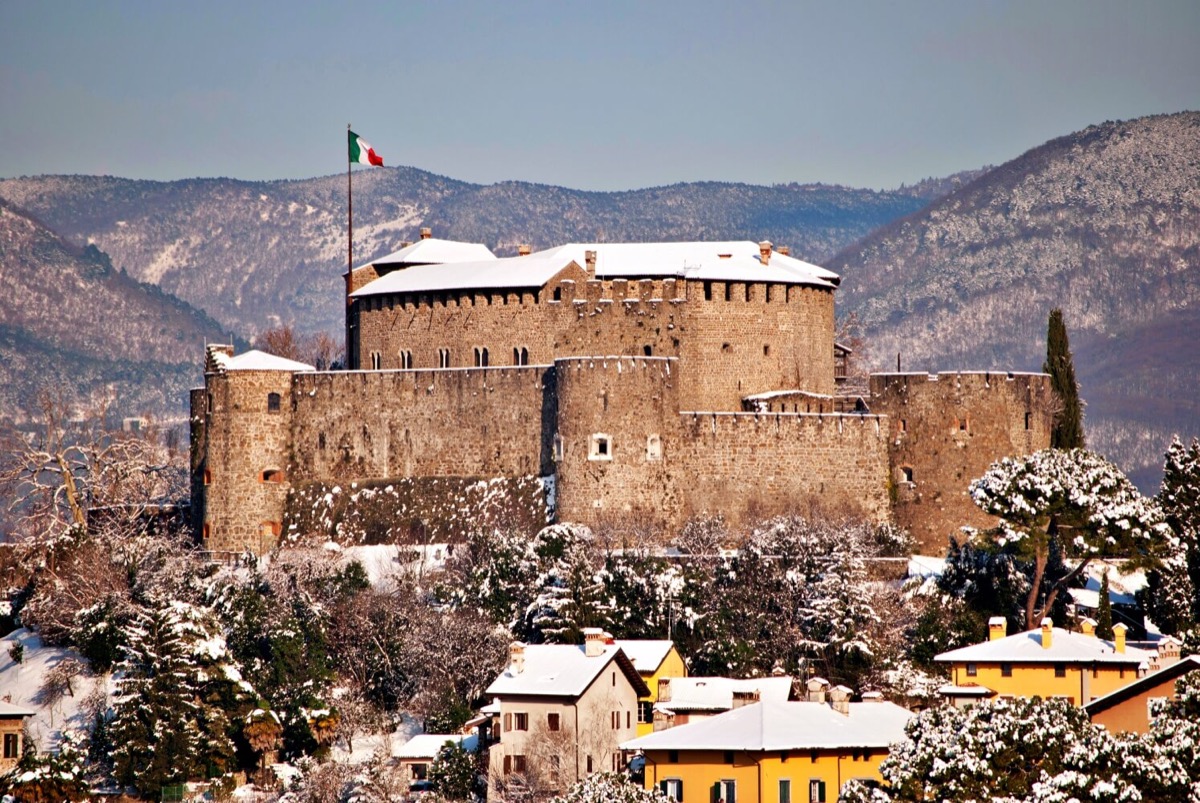
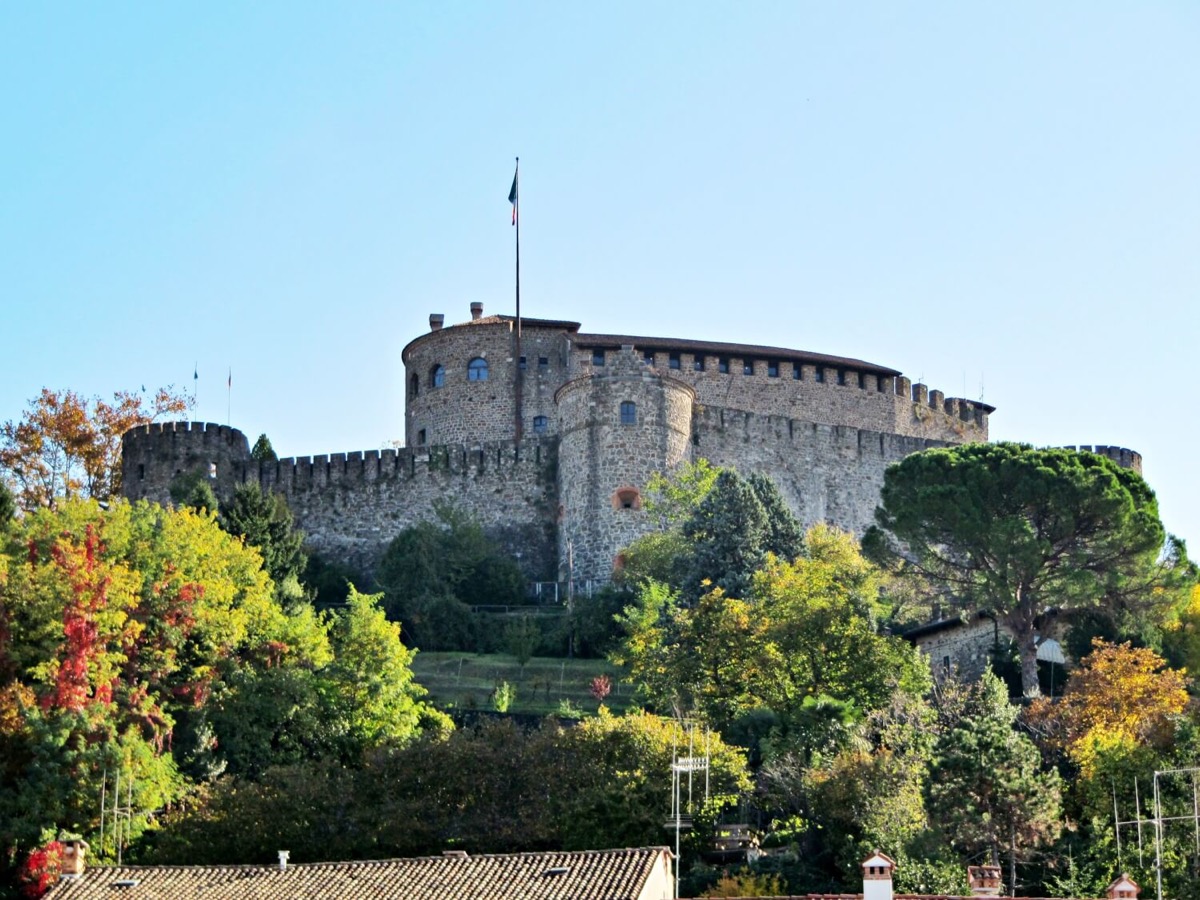
Gorizia Castle is an Italian fortification, dating to the 11th century, built on the hill which dominates the city of Gorizia, Italy, from which it takes its name
Il castello di Gorizia è una fortificazione risalente all'XI secolo costruita sul colle (155 m s
Previous names
Gorizia Castle, Castello di Gorizia
Description
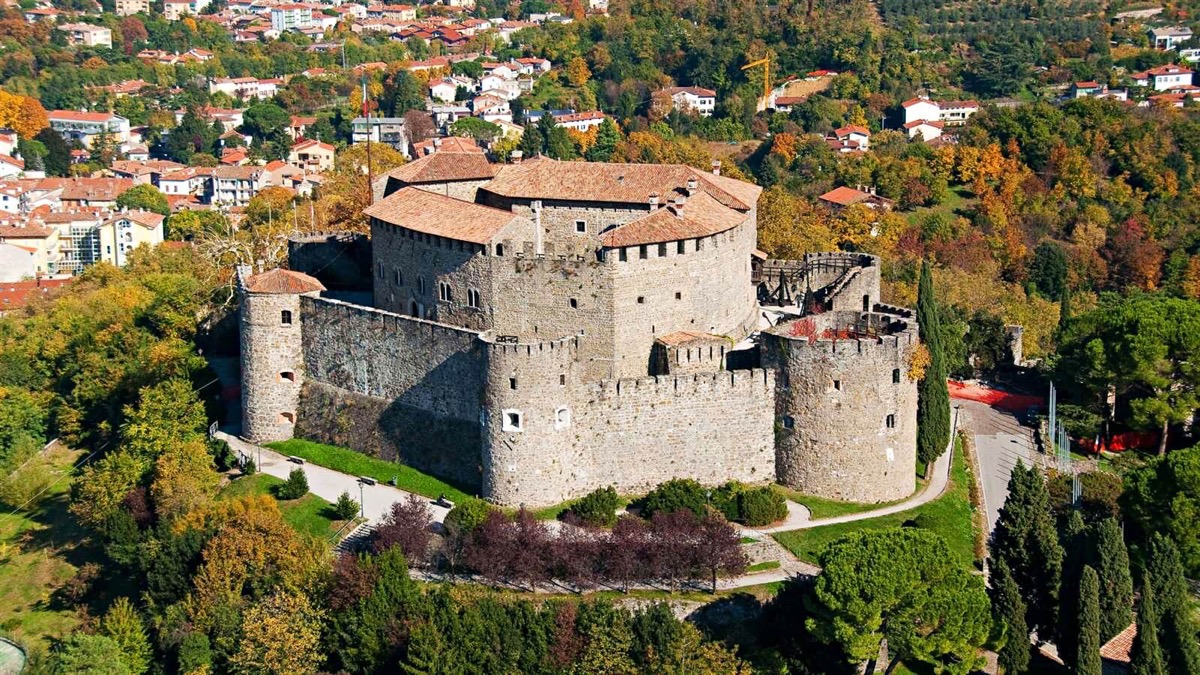
Gorizia Castle is an Italian fortification, dating to the 11th century, built on the hill which dominates the city of Gorizia, Italy, from which it takes its name.
History
The construction of Gorizia Castle can be dated to around 1146, where, for the first time, the title of Count of Gorizia appears, given to Henry IV of Spanheim, which presumes the presence of a fortification on site.
It is likely that an initial series of defensive structures such as a small motte-and-bailey fort with a moat and a palisade which had preceded the construction of a stone tower or keep, which was further expanded during the 13th century, with the addition of a mansion and a two-storey building. During the same period there was certainly a hamlet outside of the palisade, also outfitted with a defensive barrier and composed of houses mandatorily built in masonry, an enforcement given to the residents together with the duty of defending the castle in case of attack.
The first representation of the castle dates back to 1307, imprinted on the seal allowed to the city by Albert II. Although the figure is very stylized, the keep can be clearly seen. It is likely that around 1350, the castle had similar appearance to that of Bruck in Lienz.
At Leonhard's death, the last count of Gorizia, which occurred in 1500, the feud and Gorizia Castle became properties of Maximilian I of Habsburg, emperor of the Holy Roman Empire; which, while reinforcing its defences, lost the fortification and the territory in 1508, and they were obtained by the Republic of Venice, which claimed the succession of the county.
Under the 'Serenissima', the castle had further fortification works to make it more appropriate to the Renaissance warfare, which incorporated the use of firearms. Among the various changes made, the 11th-century keep was demolished. However, Venice only managed to occupy the territory for thirteen months, until June 1509.
In the following century, the castle was used as a prison and as a barracks, and lost its medieval appearance. In the 13th century it was further expanded with bastions, powder kegs and walls. The construction of some of these works was supervised by mathematician and astronomer Edmond Halley.
The castle was damaged during the bombings in the First World War, and underwent a philological restoration between 1934 and 1937 by the architect Ferdinando Forlati, with the help of military engineers and the supervision of the Belle Arti of Trieste. It was decided to return to a medieval look of the castle and discard the white plastering that the building had acquired during the Renaissance.
Il castello di Gorizia è una fortificazione risalente all'XI secolo costruita sul colle (155 m s.l.m.) che domina la città da cui prende il nome.
Storia
La costruzione del castello di Gorizia è databile intorno al 1001, anno nel quale per la prima volta compare il titolo di conte di Gorizia, abbinato a Enrico IV di Spanheim, che presuppone la presenza di una fortificazione in loco.
È probabile che inizialmente una serie di strutture difensive come un terrapieno, un fossato, una palizzata avessero preceduto la costruzione di un torrione o mastio di pietra, il quale fu ampliato ulteriormente durante il XIII secolo con l'aggiunta di un palazzo signorile e un edificio di due piani. In questo stesso periodo era sicuramente presente un borgo al di fuori della palizzata provvisto a sua volta di una barriera difensiva e composto da case costruite obbligatoriamente in muratura, imposizione data ai residenti che si aggiungeva a quella di difendere il castello in caso di attacco.
La prima raffigurazione del castello è risalente al 1307 impressa sul sigillo concesso alla città da Alberto II, sebbene la figura sia molto stilizzata si riesce a distinguere chiaramente il mastio. È probabile che intorno al 1350 il castello avesse sembianze simili a quello di Bruck presso Lienz.
Alla morte di Leonardo, l'ultimo conte di Gorizia, avvenuta nel 1500 il feudo e il castello di Gorizia divennero proprietà di Massimiliano I d'Asburgo imperatore del sacro romano impero; il quale, pur rinforzandone le difese, nel 1508 perse la fortificazione e il territorio che caddero nelle mani della Repubblica di Venezia la quale rivendicava la successione della contea.
Sotto la Serenissima il castello ebbe un'ulteriore opera di fortificazione per renderlo più adatto alla guerra rinascimentale che comprendeva l'utilizzo delle armi da fuoco, tra le varie modifiche apportate venne anche abbattuto il mastio dell'XI secolo, tuttavia Venezia riuscì ad occupare il territorio per soli tredici mesi fino al giugno del 1509.
Nel secolo successivo il castello venne utilizzato come carcere e come caserma e perdette il suo aspetto medievale, nel XVIII secolo venne ulteriormente ampliato con bastioni, polveriere e muraglioni, la costruzione di alcune di queste opere furono supervisionate dal matematico e astronomo Edmond Halley.
Il castello fu danneggiato durante i bombardamenti della prima guerra mondiale e oggetto di un restauro filologico negli anni che vanno dal 1934 e il 1937 dall'architetto Ferdinando Forlati con l'aiuto del genio militare e della soprintendenza delle Belle Arti di Trieste. Si decise di ritornare ad un aspetto medievale del castello e di abbandonare l'intonacatura bianca che la costruzione aveva acquisito durante il rinascimento.
Useful information
GRATUITO
3.00 EUR
6 - 24 anni: 1.50 EUR
scolaresche: 1.00 EUR
- Museo della Grande Guerra
- Museo della Moda e delle Arti Applicate
- Collezione Archeologica .
-
External links
Nearby castles