Fort Saint-André
Gard Occitanie France
fortress
Fort Saint-André
Gard Occitanie France
fortress
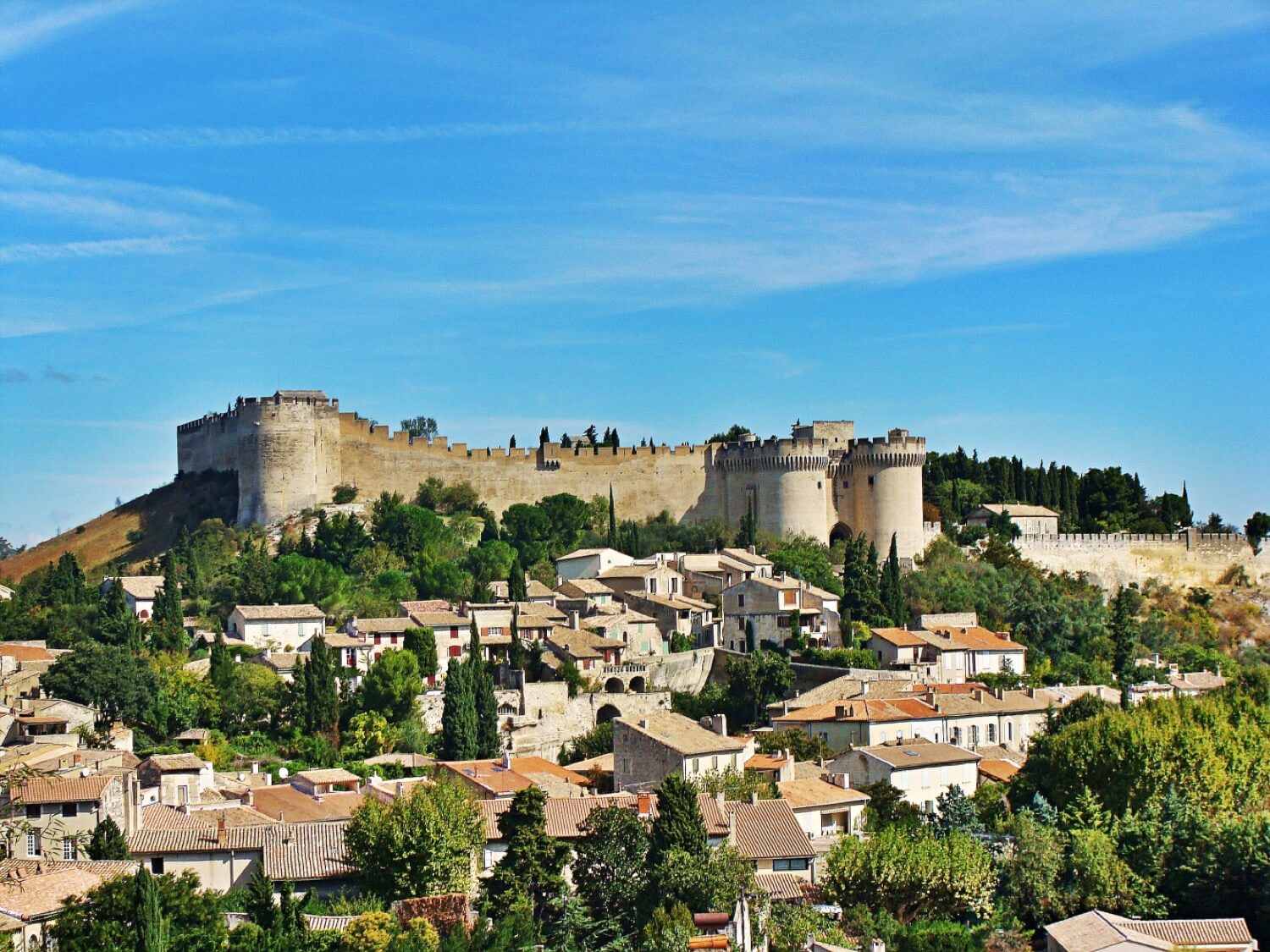
The Fort Saint-André is a medieval fortress in the commune of Villeneuve-lès-Avignon in the Gard département of France, dating from the first half of the 14th century
Il Fort Saint-André è una fortificazione posta sul Mont-Andaon che domina il comune francese di Villeneuve-lès-Avignon
Previous names
Fort Saint-André , Fort Saint-André
Description
The Fort Saint-André is a medieval fortress in the commune of Villeneuve-lès-Avignon in the Gard département of France, dating from the first half of the 14th century.
History
The treaty of Paris, signed in 1229 at the end of the Albigensian Crusade, handed the French crown land to the west of the Rhone from Pont-Saint-Esprit to the Mediterranean and a joint interest in the city of Avignon. In 1290 the French king, Philip IV (Philippe-le-Bel or Philip the Fair), ceded his claim to Avignon to his father's cousin, Charles II of Naples who was the Count of Provence through his marriage to Beatrice of Provence.
The Benedictine Abbey of Saint-André occupied a strategic position on Mount Andaon within sight of the town of Avignon which lay on the other side of the Rhone. Mount Andaon is a rocky outcrop with steep sides to the north and the east that rises 50 m above the floodplain of the Rhone. Prior to the 1770s the river flowed next to the base of the eastern side of the mount. The plateau at the top covers an area of around 3.5 hectare and extends for 220 m in an east-west direction and 160 m north-south. The top is not flat but rises from south to north by 24 m. The abbey was built at the eastern end of the plateau; the western end was occupied by a small village.
The abbey had been founded at the end of the 10th century and possessed extensive property with over 200 churches spread over a wide area of southern France. In 1290 Philip IV instructed Adam de Montcéliard, the sénéchal of Beaucaire, to negotiate an agreement with the abbey to cooperate in the defense of the right bank of the Rhone. The paréage treaty signed in 1292 specified that Philippe le Bel could build a fortress with a permanent garrison next to the abbey and a castle by the river. The abbey surrendered temporal power but obtained protection from the unwanted pressure from the city of Avignon which wished to control both banks of the Rhone. By 1302 fortifications, including an initial Tour Philippe-le-Bel, had been built at the western end of the Pont Saint-Bénézet which lay less than kilometer from the abbey. In 1309, Pope Clement V moved the papacy from Rome to Avignon.
The fortress of Saint-André, with the curtain wall that surrounded the abbey, was built in several stages during the first half of the 14th century. The surviving manuscripts do not allow the construction to be precisely dated. A châtelain is mentioned in documents dating from 1314 and 1344, a guard is mentioned in 1318. The carved crest placed by the abbey above the entrance is dated 20 July 1367. This was probably when modifications were made to the entrance arch. The fortress was continually occupied by officers of the crown up to the time of French revolution.
The fortress was clearly visible from Papal State across the Rhone in the town of Avignon and was intended to demonstrate the power of the Kingdom of France.
Preservation
The Fort Saint-André is included as a monument historique by decrees of the 25 April 1903 and 14 November 1925. The site is regularly open to the public for a fee, though it receives a fraction of the visitors at the nearby Palais des Papes.
Il Fort Saint-André è una fortificazione posta sul Mont-Andaon che domina il comune francese di Villeneuve-lès-Avignon.
Storia
Nel 1290, Filippo il Bello scambiò il Maine e l'Angiò con una parte della signoria di Avignone. Per proteggere un punto strategico alla frontiera segnata dal fiume Rodano, decise la costruzione di Villeneuve-lès-Avignon. L'atto di fondazione, firmato nel 1292 con l'abate di Saint-André, prevedeva di fortificare l'accesso al ponte di Avignone. Tra il Entre 1300 e il 1307 fu anche eretta la Torre di Filippo il Bello sulla riva sinistra del fiume.
La fortificazione del Monte Andaon fu intrapresa sotto il regno di Giovanni II il Buono. Essa doveva affermare la potenza regia di fronte al territorio dell'Impero e dei papi di Avignone. Il forte era anche destinato alla protezione dell'abbazia benedettina di Saint-André de Villeneuve-lès-Avignon del X secolo e del borgo di Saint-André, la cui esistenza sul Monte Andaon è attestata dal X secolo.
Il forte e le mura di cinta che circondano l'abbazia sono stati eretti in più tempi durante il XII secolo. Il Fort Saint-André, come lo conosciamo oggi, ebbe come ultimo architetto Jean de Loubières, detto Jean du Louvre, architetto del Palazzo dei Papi di Avignone. Egli terminò l'attuale costruzione su ordine di Carlo V di Francia.
Da allora il forte è stato permanentemente occupato da una guarnigione fino alla rivoluzione francese.
Architettura
Il Fort Saint-André è costituito da una cinta fortificata, fiancheggiata di torri di guardia e di una porta monumentale inquadrata da due torri gemelle alte sufficientemente da poter offrire una veduta panoramica di Avignone, della valle del Rodano, del Mont Ventoux, delle Alpilles e della città di Villeneuve-lès-Avignon.
Il castelletto d'ingresso, detto "castello reale" o "torri gemelle", porta una corona di piombatoie e funge da congiunzione fra i cammini di ronda. Esso ospitava i locali della funzione di castellano e del vicario. L'ingresso era chiuso da due saracinesche. La sala delle saracinesche, sopra l'ingresso, conteneva i verricelli che ne consintivano la manovra. La sala del vicario, a destra dell'ingresso, porta le arme reali su una chiave di volta.
La cinta fortificata è lunga 750 metri. Essa comprende una torre nel suo punto più elevato, la torre delle "masche" (torre delle streghe, dalla lingua occitana antica, ove "masca" significava strega), che racchiude una sola sala, molto alta, segnata da molti graffiti scritti dai soldati e dai prigionieri. Nella cinta si trova ancora una cappella del XII secolo, la cappella del Belvezet.
Classificazione
Il forte Saint-André è stato classificato come monumento storico di Francia con decreti del 25 aprile 1903 e del 14 novembre del 1925. La cinta del forte, nella sua totalità, integrata nelle opere di difesa, è stata oggetto di classificazione con decreto del 22 gennaio 1906.
Le parti di terreno intorno al forte furono oggetto di una classificazione con decreto del 22 gennaio 1926, del 4 marzo 1926, del 13 luglio 1926, del 20 agosto 1926, dell'8 novembre 1939, e con i decreti del 12 maggio 1927 e del 28 maggio 1927. Les parti di terreno all'interno della cinta, tra le quali l'antica abbazia di Saint-André, furono oggetto di classificazione con decreto del 19 dicembre 1947.
Useful information
Parking GRATUIT (à 100 m de l'entrée en contrebas)/ parking PMR
Adulte: 6 €
Tarif réduit: 5 €
Groupe (à partir de 20 personnes): 5 €
Groupe scolaire: 20 €
WC GRATUIT
http://www.fort-saint-andre.fr/Preparer-sa-visite/Informations-pratiques/Formulaire-de-contact-du-fort-Saint-Andre-a-Villeneuve-lez-Avignon
-
External links
Nearby castles
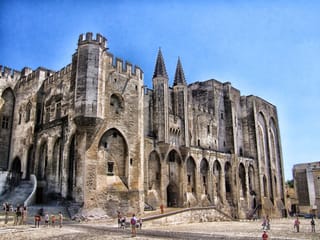
Palais des Papes
Vaucluse
1.8km
castle, chateau
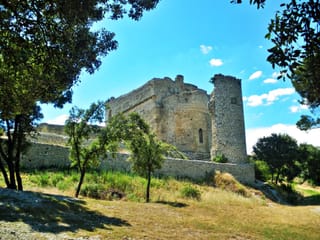
Château de Thouzon
Vaucluse
15.0km
castle, chateau
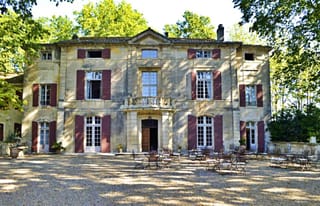
Château de Roussan
Bouches-du-Rhône
19.0km
castle, chateau

Château de Tarascon
Bouches-du-Rhône
21.2km
castle, chateau
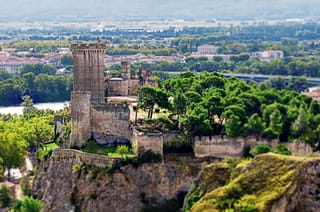
Château de Beaucaire
Gard
21.4km
castle, chateau

Château des Baux
Bouches-du-Rhône
24.6km
castle, chateau
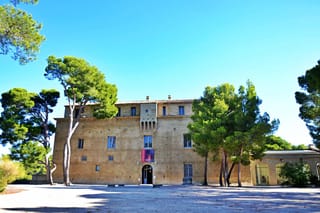
Château de Saumane
Vaucluse
24.7km
castle, chateau