Château Pape Clément
Gironde Nouvelle-Aquitaine France
castle, chateau
Château Pape Clément
Gironde Nouvelle-Aquitaine France
castle, chateau
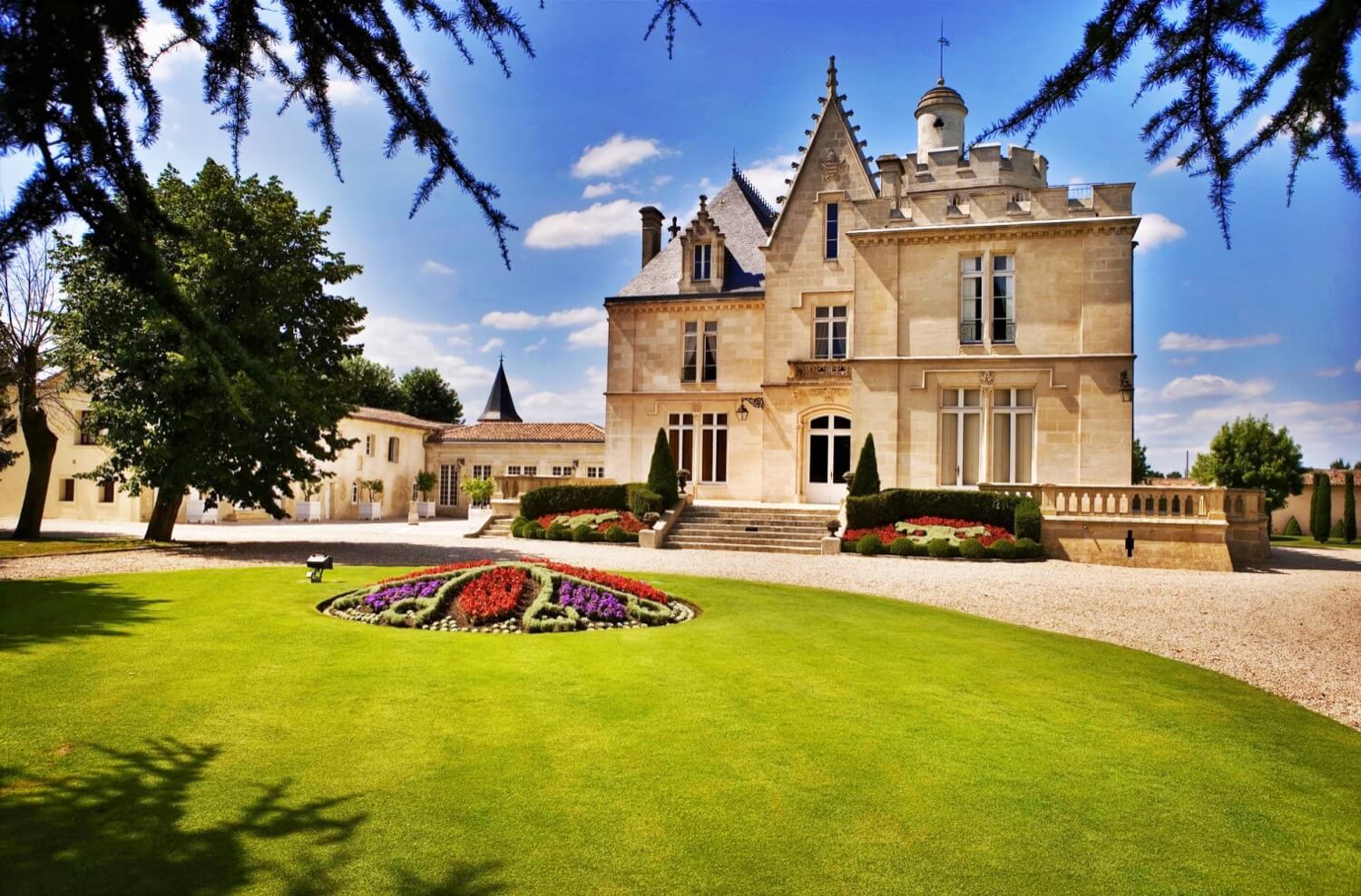
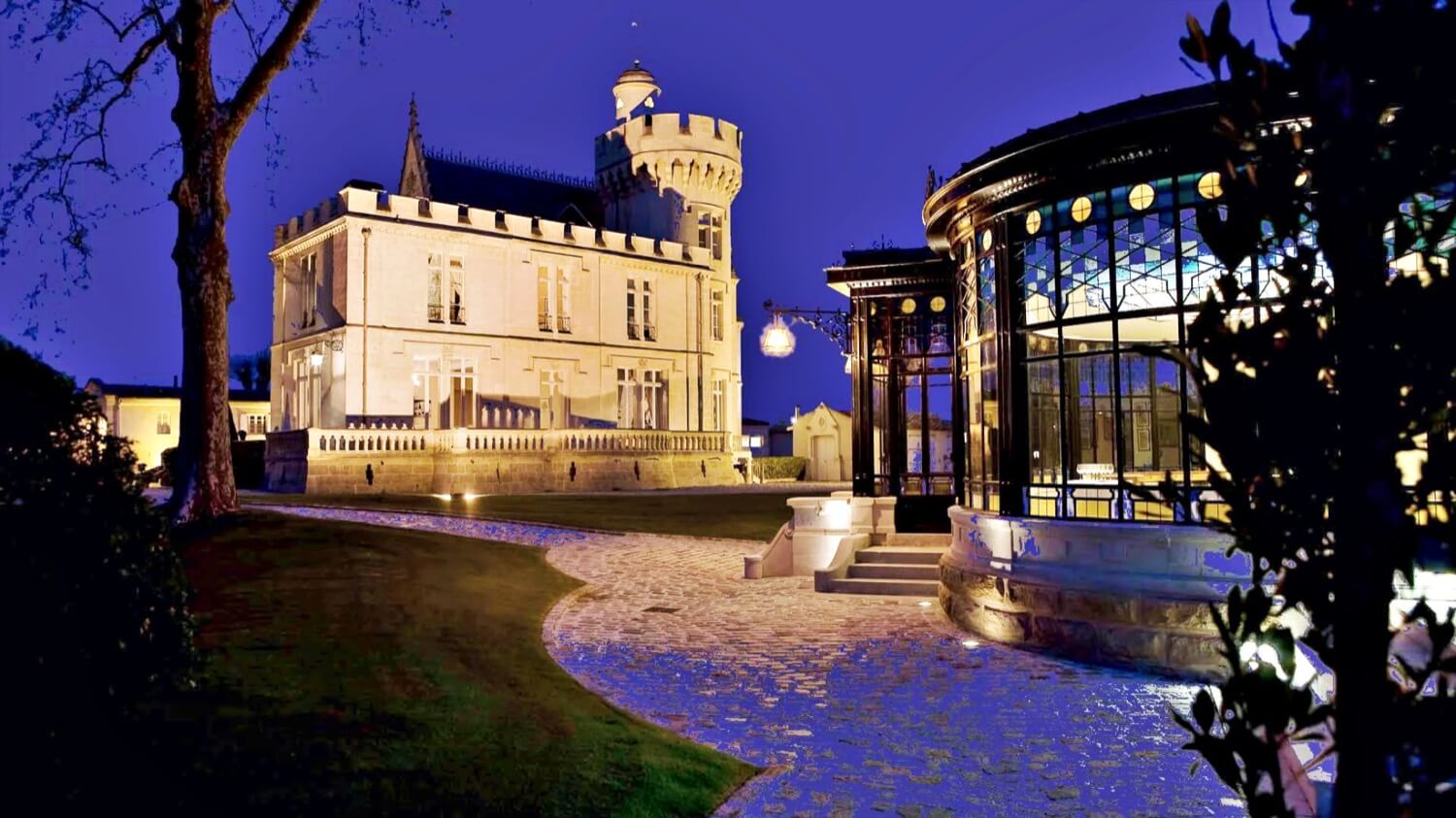
Château Pape Clément is a Bordeaux wine from the Pessac-Léognan appellation, ranked among the Crus Classés for red and white wine in the Classification of Graves wine of 1959
Le château Pape Clément est un domaine viticole du vignoble de Graves situé à Pessac en Gironde
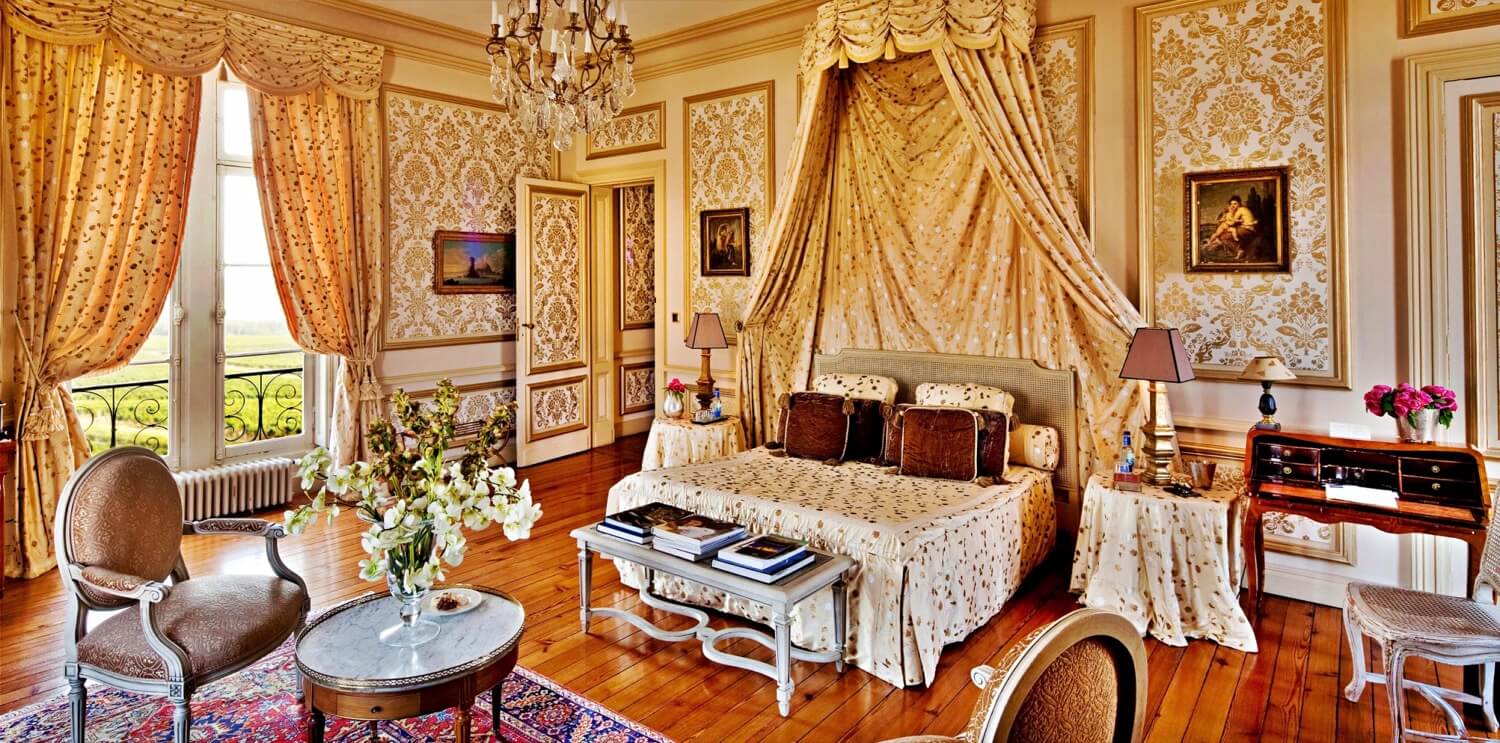
Previous names
Château Pape Clément, Château Pape Clément
Description
Château Pape Clément is a Bordeaux wine from the Pessac-Léognan appellation, ranked among the Crus Classés for red and white wine in the Classification of Graves wine of 1959. It is the oldest wine estate in Bordeaux, harvesting its 700th vintage in 2006. The winery and vineyards are located in the commune of Pessac, south-west of the city of Bordeaux. When the estate was omitted from the initial Graves classification of 1953 it caused some controversy.
History
Planted in 1300, the estate is the oldest planted vineyard in the region, when it was presented to Bertrand de Goth upon his appointment as archbishop of Bordeaux, by his brother, Berald. It received its name from Bertrand's papal name, Clement V; on his election in 1306 he gave the estate to his successor as archbishop, Cardinal Arnaud de Canteloup. Bertrand, who would later move the papacy to Avignon near Châteauneuf-du-Pape, planted this original vineyard with red wine grapes. White wine grapes were planted across the river near the town of Lormont. The vineyard remained in the possession of archbishops of Bordeaux until the Revolution, when it was nationalised and sold as a bien national.
After the Revolution, a succession of owners oversaw the development of the property as a commercial enterprise, and by the middle of the 19th century the estate was widely regarded to be second only to Haut-Brion, though under the ownership and expansions of Jean-Baptiste Clerc from 1858 to his death just before 1880, the wines of Pape-Clément was selling at a price equivalent to a Médoc second growth. Later owners, including an Englishman named Maxwell who neglected the estate, experienced difficult times, with hail devastation in 1937, the onset of World War II and the expansions of the suburbs of Bordeaux coming closer.
The estate was eventually revitalised under the ownership of the vigneron and poet Paul Montagne who arrived in 1939. In need of reconstituting the vineyards from the scratch, the results of improvement were not seen until 1949. Having engaged the services of oenologist Émile Peynaud, the wines of Pape-Clément have been viewed as increasingly successful, and has been described by David Peppercorn as the most important vineyard of Pessac-Talence behind Haut-Brion and La Mission.
Following the death of Paul Montagne at 94, his son Léo Montagne has joint-ownership of the estate, partnered with Bernard Magrez, owner of Château La Tour Carnet. The estate currently employs the flying winemaker Michel Rolland as a consultant.
Production
The vineyard area consists of 32.5 hectares, 30 of which are planted with grape varieties of 60% Cabernet Sauvignon and 40% Merlot. The remaining plots are cultivated with white varieties of 45% Sauvignon blanc, 45% Sémillon and 10% Muscadelle.
The Grand vin, Chateau Pape Clément, is produced annually in 7,000 cases of red wine and 350 cases of dry white wine. Additionally there are produced second wines Le Clémentin du Pape Clément and Le Prélat du Pape Clément. The introduction of a second wine in the 1980s, was widely credited with allowing the estate to increase their focus on the quality of their Grand vin, by being more selective in which grapes were used. Today the Grand vin is typically composed of two-thirds Cabernet Sauvignon with Merlot making up the remaining third. The wine is aged in oak barrels (almost half being new oak) for a minimum of fourteen months. The non-cru classé white wine will typically be composed of equal amounts of Sauvignon blanc and Sémillon, depending on the vintage.
Le château Pape Clément est un domaine viticole du vignoble de Graves situé à Pessac en Gironde. Il est en AOC pessac-léognan, dans l'agglomération de Bordeaux. Il figure au classement des vins de Graves de 1959.
Histoire du domaine
Le vin doit son nom au pape Clément V, né Bertrand de Goth, qui fut propriétaire du domaine au xive siècle. En 1299, Bertrand de Goth, évêque de Comminges dans les Pyrénées, est nommé archevêque de Bordeaux par le pape Boniface VIII. C’est à cette occasion qu’il reçoit en cadeau de son frère Béraud de Goth une propriété plantée en vignes à Pessac, alors appelée vignoble de La Mothe. À l’origine existait une motte castrale, située au milieu d’un vignoble. En 1305, Bertrand de Got fut élu pape et pris le nom de Clément V. Il fit construire sur le domaine une résidence, qui fut édifiée au pied de la motte. De 1305 à 1309, le Pape continua de gérer son vignoble avec tout le soin qui en faisait sa particularité. En 1309, le pape Clément fit donation de son vignoble de Pessac à l’archevêque de Bordeaux, lequel le transmit à ses successeurs jusqu’à la Révolution française de 1789 sous le nom de "Vignes du Pape Clément". En Avignon où il établit pour la première fois le siège de résidence pontificale, le pape Clément V fit connaître les vins pessacais. Les comptes de l’archevêché nous fournissent de nombreux détails sur le souci permanent que manifesta Bertrand de Goth et sur sa forte implication pour avoir, tant dans le vignoble que dans son cuvier, l’équipement le plus rationnel qui soit. Au début du XVIe siècle, Rabelais évoqua le "vin clémentin".
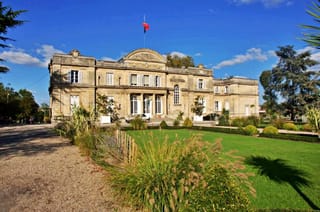
Lors de la Révolution française, le domaine sera confisqué comme bien national. En 1791, le domaine est vendu aux enchères à Samuel Peixotto, banquier bordelais. En 1824, il est racheté par Monsieur Jarrige, ancien maire de Pessac. En 1840, Monsieur De Fortmanoir (ou Dufort-Manoir) se porte acquéreur du domaine. Quelques années plus tard, Monsieur Clouzel rachète le domaine. En 1858, Jean-Baptiste Clerc, armateur bordelais, achète la propriété, la rattache au vignoble contigu de Sainte-Marie-de-Bel-Air. En 1861, il fait construire le château tel qu'on le connaît et remet le vignoble à niveau. À son décès, la propriété est rachetée par J. Cinto, agent de change et négociant à Bordeaux. Celui-ci va rénover et agrandir le château. Ses héritiers auraient revendu la propriété à un britannique du nom de Maxwell après la première guerre mondiale. Maxwell aurait laissé péricliter le domaine et le 8 juillet 1937, un orage de grêle a presque entièrement décimé le vignoble.
En 1939, Paul Montagne, ingénieur agronome bordelais et futur maire de Pessac (1941-1943) rachète le domaine. Celui-ci utilisera les services du grand œnologue Émile Peynaud, à compter de 1949 et ce jusqu'en 1984. C'est seulement à partir de 1950 que le vignoble sera replanté. Bernard Magrez prend une participation minoritaire dans le domaine (3,5%). Léo Montagne prendra la succession de son père. En 1983, Bernard Magrez, gendre de Léo Montagne et propriétaire de nombreux domaines, prend la direction du domaine et le château est rénové. Il mettra une dizaine d'années à reprendre la totalité du capital du domaine.
Useful information
Parking GRATUIT
https://www.chateau-pape-clement.fr/visites
Wi-Fi GRATUIT
visiteschateaux@pape-clement.com
-
External links
Nearby castles