Château d'Amboise
Indre-et-Loire Centre-Val de Loire France
castle, chateau
Château d'Amboise
Indre-et-Loire Centre-Val de Loire France
castle, chateau
The inhabitants are called Armagnois or Allemagniens (not Allemands French: Germans)
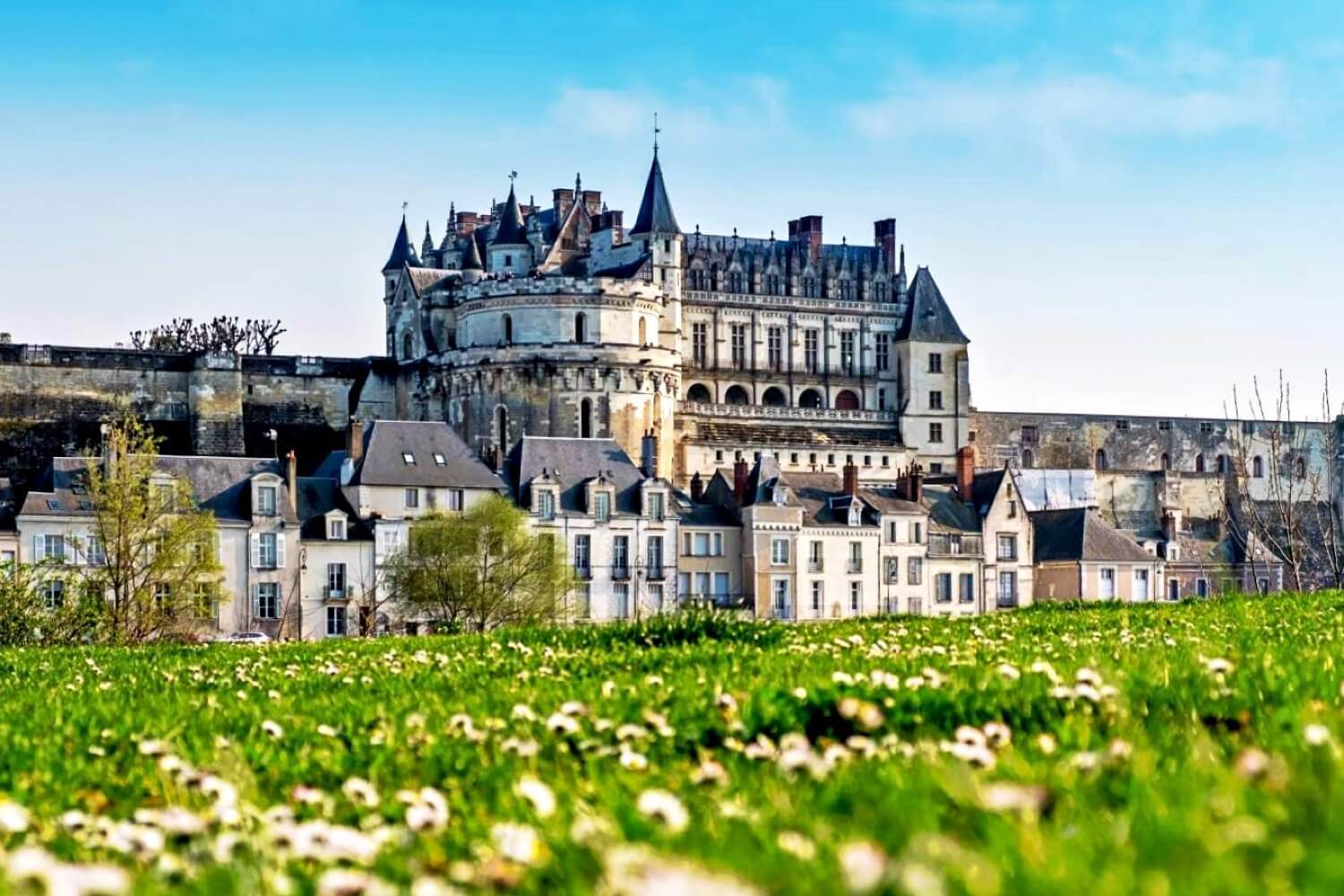
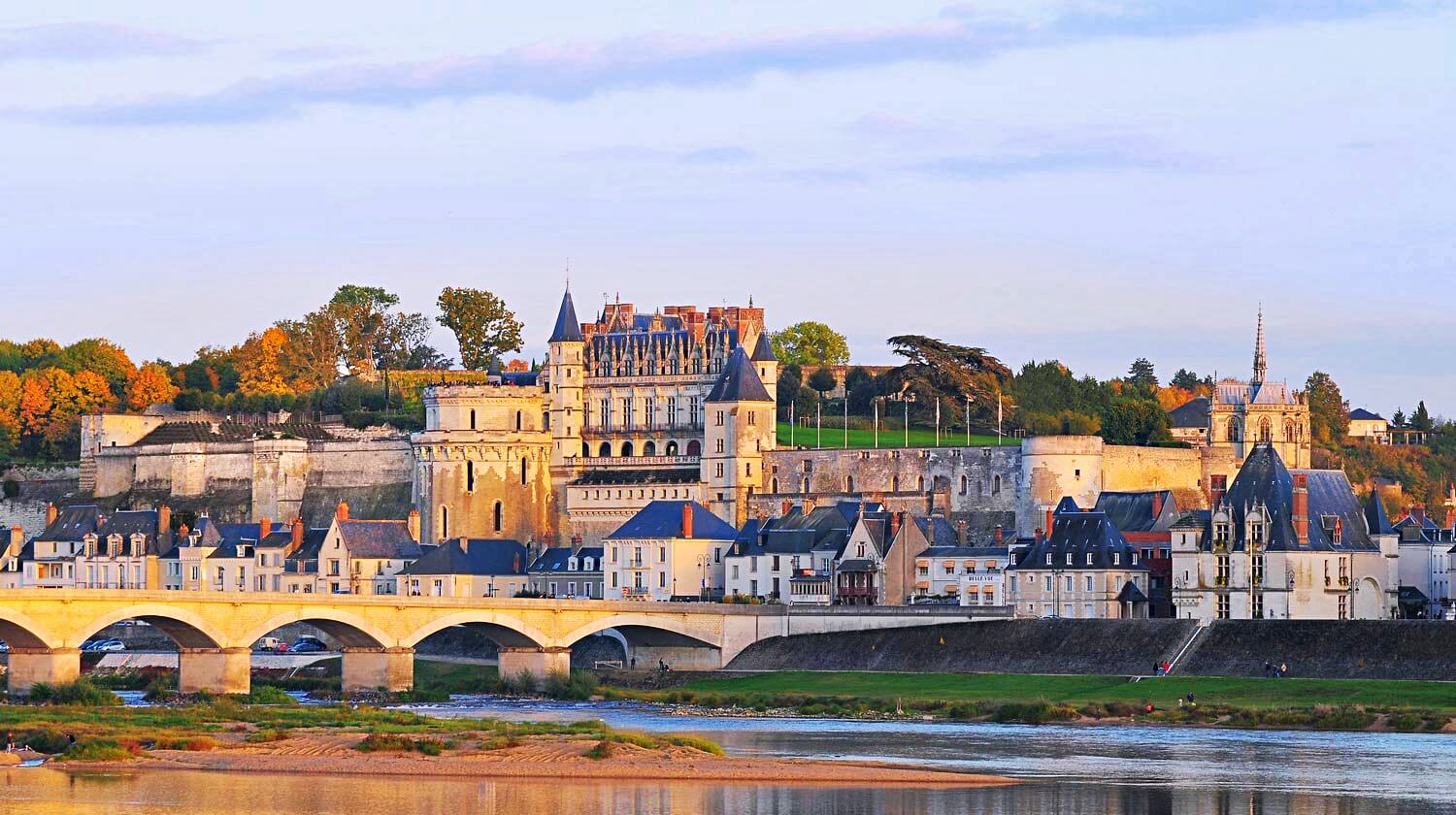
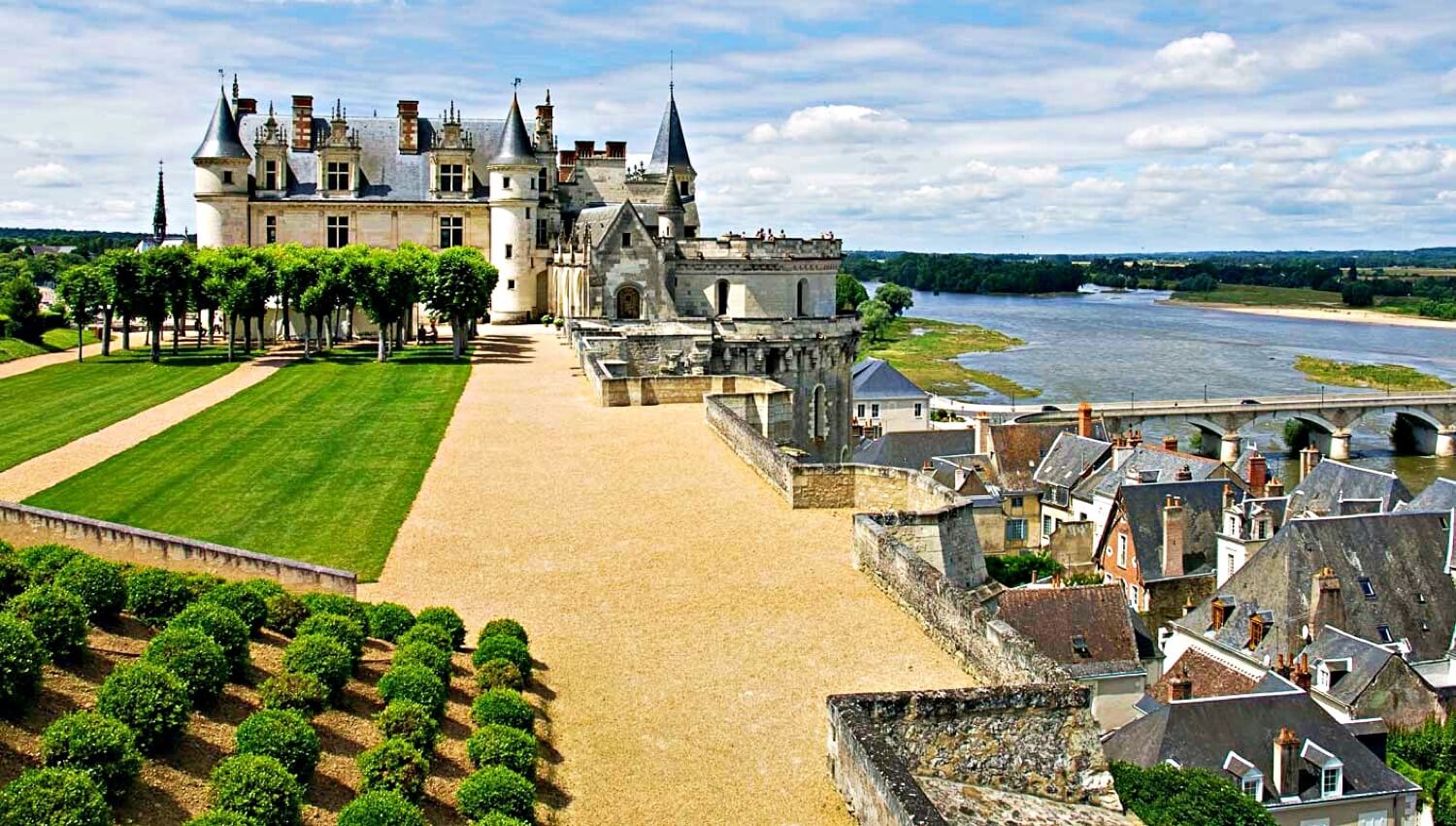
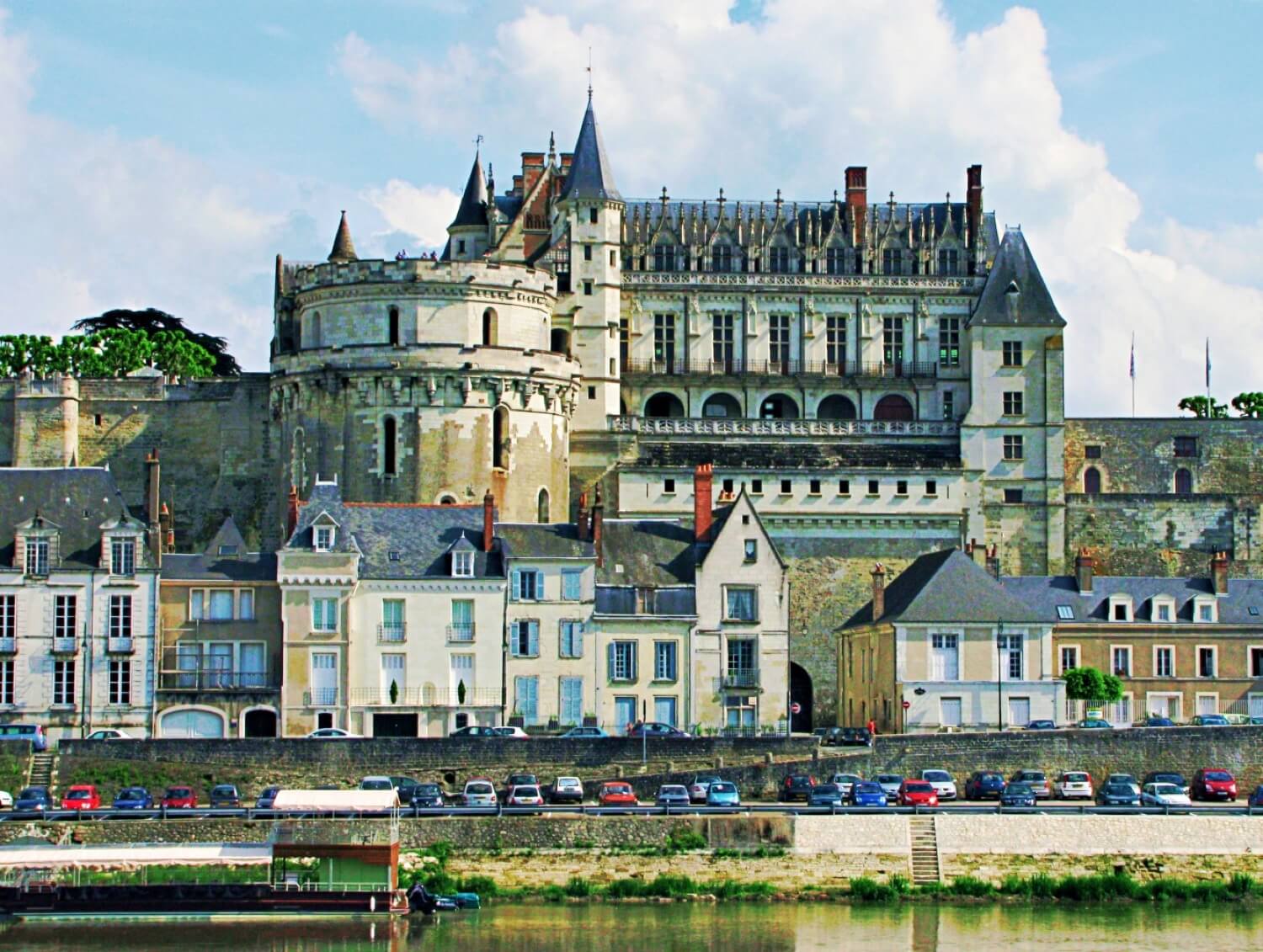
Le château d'Amboise surplombe la Loire à Amboise dans le département d'Indre-et-Loire
Previous names
Château d'Amboise, Château d'Amboise
Description
The inhabitants are called Armagnois or Allemagniens (not Allemands French: Germans).
Geography
Allemagne-en-Provence is located about 50 km northeast of Aix-en-Provence and 25 km west of Castellane. Access to the commune is by road D952 east from Saint-Martin-de-Bromes to the town then continuing northeast to Riez. There is also road D111 starting from the town and going east to Montagnac-Montpezat. Road D15 also follows a convoluted route south from Valensole to the town. There is a network of small country roads covering the commune. About 30% of the land is farmland with the rest mountain slopes and forests.
Hydrography
The commune is located at the confluence of the Montagnac torrent and the Colostre river, 36.3 km long, which flows southwest into the Verdon river. There is a large network of streams feeding into the Colostre throughout the commune.
In the 19th century, the village was frequently inundated by floods caused by storms with floods sweeping down the mountain and swamping the village streets.
Natural and technological hazards
All of the 200 communes of the department are in a seismic risk area. The canton of Riez to which the commune belongs is zone 1b (low risk) according to the deterministic classification of 1991 based on historical earthquakes; and Zone 3 (moderate risk) according to the classification probability EC8 of 2011. The commune also faces exposure to three other natural hazards:
Forest fire
Flooding (in the valley of the Verdon)
Landslide: the commune is almost entirely covered by a medium to high risk
The commune is at risk of technological origin due to the transport of dangerous goods by road. The county road D952 can be used for the road transport of dangerous goods.
The prevention plan for foreseeable natural risks (PPR) for the commune was approved in 1998 for the risks of flood and earthquake.
The town was subjected to a natural disaster in 1987 when there was a mudslide.
Localities and hamlets
In addition to the village, the town has two hamlets:
Saint-Antoine
Puberclaire
Neighbouring communes
Toponymy
The area appears for the first time in texts from 429 in the Chronology of Lérins. The etymology of the place has attracted many assumptions, especially to keep away from the Alemanni, now rejected by scholars for half a century. The old form Alamania, noted in 1182, leaves little doubt and indicates a formation on an ethnic name by the Alemanni (with the suffix -ia) and perpetuates the memory of a colony or a military post of these people present before the great invasions.
Among the former conjectures dating from the Franco-German rivalry in the late 19th and the beginning of the 20th century was the denial of a connection between the name of the village and Germany. There is a possibility of a Gallic goddess of fertility Alemona venerated by the Roman garrison installed on the site of the present castle, or Armagnia (a bad spelling dating from the 13th century) which comes from area magna meaning "great plain of gravel".
The commune is called Alemanha Provença in Provençal according to the classical standard and Alemagno de Prouvènço according to standard Mistralian.
The locality La Moutte close to the D952 and east of the village refers to a Motte-and-bailey castle which has now disappeared. Notre-Dame to the west of the village on the D15 is also from a small hill which had a chapel.
History
Allemagne and its lords
Around the year 1000 there were two castles in the commune: at Castellet and La Moutte. The two other castles (Notre-Dame, Saint-Marc) came later.
The Motte-and-bailey castle of Moutte was fortified for the first time in the second half of the 9th century: built on a platform of 450 to 500 Sq. M, two residential buildings were constructed: one using the ancient technique of murus gallicus. This building of 30 Sq. M is surrounded by a gallery on two sides, the other building is about 50 Sq. M. The two were deliberately burned shortly before the year 1000, to backfill the mound again to raise it by about 2 metres. The second construction consisted of a single building of 54 Sq. M, which caught fire in 1010 during an attack. It is possible that the construction of Castellet castle corresponds to the destruction of the first castle.
The lordship of Allemagne belonged to the Castellane family from the 13th to the 15th centuries, then it was the Oraison.
The Castellanes
The lordship of Allemagne became the property of the Castellanes in 1218 on the occasion of the marriage of Agnes Sarda (or Spata) with Boniface IV de Castellane. The same year Agnes Spata granted franchises to the villagers. The lordship of Allemagne was a barony around 1280.
On 15 January 1331, Boniface de Castellane, son of Boniface, Lord of Allemagne and Constance, married the daughter of Albert Blacacii, Lord of Beaudinard.
A small castle was built on a hill south of the village of Castelletum de Alamania. In the 14th century it fell into the hands of bandits - the Chamisard - who made it their base of operations for robbing the neighborhood. To put an end to it, the inhabitants of Riez united and drove the Chamisard to the gatehouse which they quickly demolished thereafter. An Agreement to desist was signed on 17 June 1417 by Boniface de Castellane, Lord of Allemagne which said that the Lord would abandon his pursuits against the community of Riez for the demolition of Castellet.
In the 15th century, the former community of Castellet, separated from Allemagne before the crises of the 14th centuries (the Black Death, the Hundred Years War) was joined to that of Allemagne, because it had become too depopulated.
It was in 1440 that, through a testament of Boniface IX de Castellane, the barony of Allemagne was separated from land belonging to Castellane and assigned to the eldest son of the testator, Antoine. The latter's son, Boniface X, succeeded him in 1472 and married Marguerite de Forbin.
His son, François de Castellane-Allemagne, Baron of Allemagne, Baron of Allemagne, enlarged the castle at Allemagne and died on 28 January 1523.
Their son Melchior de Castellane-Allemagne, Baron of Allemagne, never married and bequeathed his property to Nicolas Mas, his nephew, on condition that he bear his name and arms. A leader of the Protestant party, he was killed in 1560 during the Wars of Religion during a fight on his land. He enlarged and embellished the castle of Allemagne.
The Battle of 1586
In August 1586 Leaguer Captain Hubert de Vins besieged the castle in Allemagne where the baroness was alone with her garrison commanded by the Lord of Espinouse. She resisted for 16 days and gave her husband Nicolas Mas-Castellane time to come up with the Protestant army.
He arrived in early September with the support of Lesdiguières surrounded by men from the lords of Oraison, Jerante Senas, Vintimilles Tourves, Forbin-Janson, and others - all enemies of De Vins. On arriving around Allemagne, Lesdiguières seized the heights and all the pathways in the area but just missed the encirclement of the ligueuses troops. De Vins then abandoned the defences that had held out for 16 days, and prepared for battle on the hill of San Marco. The battle began on 5 September 1586. The Baron of Allemagne committed to action at the head of his volunteers. The Leaguers managed to open a passage to Riez where they were home, pursued by the Huguenots. One of the last arquebus shots struck the Baron of Allemagne in the head and killed him on the bridge of his castle (5 September 1586). His widow, Jeanne de Grasse, presided at his funeral and executed eleven Catholic prisoners over his grave. It was nevertheless an important Protestant victory: the Leaguers lost 900 to 1200 men (killed, wounded and prisoners) and 18 flags of the 22 they had. The majority of prisoners had their throats cut at the news of the death of Baron of Allemagne. Twelve others were executed the next day on his grave.
The Oraisons
Alexandre du Mas de Castellane-Allemagne, Baron of Allemagne (1583-1612), son of Nicolas, married Martha d'Oraison in 1610. In 1612 Alexandre du Mas had a quarrel with Annibal de Forbin, Lord of La Roque and a duel ensued. The two duelists were put back to back, with their arms tied and fired to be both fatally struck. Their property was seized by the Queen Regent, who gave that of Alexandre to his brother Jean Louis who then gave them to his niece Gabrielle du Mas which ruined the confiscation. After a childless marriage to Antoine de Villeneuve, Marquis des Arcs, she testated it in favour of his cousin André d'Oraison.
Marthe d'Oraison was the founder of a convent of Capuchins at Marseille. She took the habit without taking the vows on the death of her husband. She then devoted herself to the poor at the Hotel Dieu de Paris where she died in 1637 and was buried in the Cloister of the Capuchins Saint-Honoré.
André d'Oraison (a German cousin of Gabrielle du Mas), Marquis d'Oraison, Baron of Allemagne on the death of Gabrielle du Mas de Castellane-Allemagne, married Gabrielle Gianni La Roche. They had three children, one of which, Madeleine married Jacques Louis Ancezune in 1699.
The Varages
On 24 November 1718, Madeleine sold the Barony of Allemagne for 216,000 livres to Jean-Baptiste Varages, the king's secretary at the Court of Auditors Marseille since 16 February 1712.
During the Revolution, Joseph Francis Varages, Baron of Allemagne, officer in the Angoumois regiment, adjutant to the General of Villeneuve, was wounded in Toulon defending the city on the royalist side in 1793 (see Siege of Toulon). He then emigrated and his property was declared national property. He did not return to France, ruined, until the Restoration.
With his son Alexandre de Varages, Baron of Allemagne (1815-1891), who died at Aix-en-Provence a branch of Varages-Allemagne. He made a will in favour of Paul d'Allemagne, grandson of Major-General Claude d'Allemagne, already Baron of the Empire, who, therefore, took up Arms of Varages-Allemagne (Azure, two lions combatant of gold bearing a star of the same)
French Revolution
The patriotic society of the commune was created during the summer of 1792. In 1793, the castle was designated to be destroyed but escaped demolition.
19th century
In the second half of the 18th century the Faience industry (tin-glazed pottery) was thriving in Allemagne and this continued into the 1820s. The style imitated that of Moustiers-Sainte-Marie.
20th century
In 1930 a cooperative built a distillery for manufacturing perfume.
Until the middle of the 20th century vines were cultivated in Allemagne and covered several dozen hectares. The wine was produced for home consumption and was sold in regional markets. This culture is now abandoned.
Le château d'Amboise surplombe la Loire à Amboise dans le département d'Indre-et-Loire. Il fait partie des châteaux de la Loire.
Avant d'être rattaché à la couronne en 1434, le château appartenait, depuis plus de quatre siècles, à la puissante famille d'Amboise. Pendant la Renaissance, il sert de résidence à plusieurs rois de France.
Il a été partiellement détruit après la Révolution: du projet de Charles VIII subsistent toutefois le logis royal, la chapelle Saint-Hubert où reposent les restes présumés de Léonard de Vinci, les terrasses et les tours cavalières qui donnent au monument cette silhouette si singulière.
Le château d'Amboise fait l’objet d’un classement au titre des monuments historiques par la liste de 1840.
Antiquité et Haut Moyen Âge
Le site d'Amboise, habité dès l'Antiquité par les Turons, est une étape stratégique le long de la Loire. Un oppidum y est construit aux Châteliers, sur un plateau entre la Loire et une petite rivière, l'Amasse dont la pointe occidentale est occupée par un "petit camp" (800 ans av. J.-C.) puis par un castellum. En 504, Clovis, roi des Francs, et Alaric II, roi des Wisigoths, se rencontrent sur l’Île d'Or (Saint Jean). Peu après, Clovis bat les Wisigoths à Vouillé en 507. Ces derniers abandonnent la Loire et se replient vers le sud.
Quatre-cents ans plus tard, à l'époque des invasions normandes, la ville d'Amboise est pillée une première fois en 853, une seconde fois plus gravement en 877-878. Le castellum est incendié. Une nouvelle fois, comme les habitants n'ont pu assurer eux-mêmes leur défense, la décision s'impose au pouvoir central de désigner un responsable. En accord avec les rois de France Charles le Chauve et Louis le Bègue, l'archevêque de Tours Adalard (874-891), dont la famille contrôle Amboise, confie la garde de la place à deux de ses parents: le comte Ingelger, le mari d'Adelais qui est une nièce d'Adalard, et Sulpice Ier de Buzançais. Ingelger relève les fortifications de la ville.
Aux abords de l'An Mil, Amboise est la place la mieux protégée de tout l'ouest de la France. Au début du xiie siècle, les seigneurs d'Amboise prennent le contrôle complet de la ville et de toutes ses forteresses.
Forteresse royale
Louis d'Amboise, l'un des membres de la famille seigneuriale, participa en 1431 à un complot contre Louis de la Trémoille, favori de Charles VII. Démasqué, il est d'abord condamné à mort avant d'être gracié. Son château en revanche, lui sera confisqué en 1434. Dès lors, Amboise entre dans le domaine royal. Rapidement, Amboise devient une demeure royale, et Charles VIII en fait un véritable palais.
Le château d'Amboise se caractérisait par une très bonne sécurité. Le 7 octobre 1461, le roi Louis XI vint saluer la reine Marie d'Anjou, sa mère, après son sacre à Reims. Elle demeurait désormais en Poitou, afin que la reine Charlotte de Savoie et leur fille Anne de France puissent s'y installer. En effet, en 1433, le dauphin Louis qui était au château de Loches pour son éducation aurait pu trouver refuge à Amboise, menacé par les alliés des Bourguignons. Désormais, le château devint en raison de sa sécurité la résidence ainsi que l'école des princes et des princesses, notamment Charles VIII, Louise de Savoie, enfin François Ier de France. Il faut ajouter dans la liste Marguerite d'Autriche qui devint une grande politicienne au xvie siècle. La paix de Cambrai est un des bénéfices de cette éducation à Amboise[réf. nécessaire]. De plus, ce château possédait une bibliothèque remarquable avec un libraire comptant un grand nombre de livres de Charlotte de Savoie et Louis XI. Le fils de Charles VII, Louis XI, fait élever son propre fils (le futur Charles VIII) à Amboise pour des raisons de sécurité. Étant né en 1470 au château, le dauphin Charles apprécie Amboise et en fait sa demeure de prédilection. Il y est élevé sous la garde d'un seigneur de Touraine, Jean Bourré.
Résidence royale
Charles VIII y fit les premières constructions marquantes dès le début de son règne, et entreprend de profondes modifications de 1492 à sa mort en 1498:
La chapelle Saint-Hubert;
L'aile, dite «Charles VIII», également de style gothique flamboyant, comprenant les logis du Roi et de la Reine;
Les deux tours cavalières (Tour des Minimes et Tour Heurtault);
Un parc est aménagé sur la terrasse ; on comptera plus tard un buste de Léonard de Vinci et un mémorial musulman pour les accompagnants d'Abd El Kader décédés à Amboise durant sa captivité.
La construction fut supervisée par Raymond de Dezest, bailli d'Amboise, avec l'aide de trois maîtres des œuvres : Colin Biart, Guillaume Senault et Louis Armangeart assistés des maîtres Jacques Sourdeau et Pierre Trinqueau. Plus de 250 maçons travaillaient en permanence sur ce chantier.
Charles VIII mourut à Amboise d'une hémorragie cérébrale en 1498 à l'âge de 27 ans, après avoir violemment heurté de la tête un linteau de pierre de la galerie Hacquelebac le 7 avril, alors qu'il se rendait au jeu de paume.
Louis XII, son successeur, y fait construire une seconde aile, perpendiculaire à l'aile Charles VIII, dans le style renaissance. Il cède le domaine à Louise de Savoie, qui y élève ses deux enfants, Marguerite d'Angoulême et François, lequel était pressenti pour succéder à Louis XII. Lorsque Louis XII décède en 1515 et que François Ier monte sur le trône, la cour réside encore souvent au château royal (notamment les 8 premiers mois de 1518) mais ses séjours vont peu à peu s'espacer. Bien que la construction continue, avec l'achèvement de la tour Heurtault et le réaménagement de l'aile Louis XII, François Ier va préférer d'autres demeures comme les châteaux de Chambord, de Blois ou de Fontainebleau.
Il invita néanmoins Léonard de Vinci à séjourner à Amboise dans le Clos Lucé, situé près du château. On a souvent entendu dire qu'un souterrain, permettant la communication entre les deux sites fut percé : ceci est une légende et les dernières fouilles archéologiques ont bien démontré que ce souterrain n'a jamais existé. Le grand peintre mourut en 1519 à Amboise et fut inhumé premièrement dans la collégiale Saint-Florentin, conformément à ses dernières volontés, édifice qui fut détruit en 1807 puis fouillé en 1863 par l'homme de lettres Arsène Houssaye. Les ossements attribués à Léonard de Vinci furent retrouvés et placés en 1874 dans la chapelle Saint-Hubert.
Henri II, son fils, continuera l'agrandissement de l'édifice en ordonnant la construction de nouveaux bâtiments sur la partie est. En 1560, sous le règne éphémère de François II, le château fut le théâtre de la conjuration d'Amboise, prélude aux guerres de Religion.
Déclin puis restauration
À partir d'Henri III, les séjours royaux se firent plus rares, pour devenir quasi inexistants. Peu à peu, le château se transforme en prison de luxe pour les grands personnages de l'État. En 1626, César, duc de Vendôme et son frère Alexandre, grand-prieur de France, y sont internés pour avoir conspiré contre Richelieu. Le château passe ensuite entre les mains du frère du roi, Gaston d'Orléans. Celui-ci y effectue quelques démolitions dans les années 1660. Confisqué de nouveau par le roi, Amboise redevient une prison. Louis XIV y enfermera Nicolas Fouquet et le duc de Lauzun, Antonin Nompar de Caumont.
Propriété du duc de Choiseul au xviiie siècle, celui-ci l'abandonne vers 1760 au profit de Chanteloup à quelques kilomètres au sud d'Amboise. Après le décès de ce Louis-Jean-Marie de Bourbon (1725-1793), duc de Penthièvre, rachète les domaines du Château royal et de Chanteloup en 1786. Ceux-ci seront confisqués par la nation en 1793, en pleine révolution française.
Une grande partie du château fut démolie lors du premier Empire, lorsque Napoléon offrit le château déjà en mauvais état à l'ex-consul Roger Ducos; lequel n'ayant pas les moyens de restaurer l'ensemble, préféra détruire les deux tiers du bâtiment (la collégiale Saint-Florentin et le logis des reines notamment) entre 1806 et 1810.
Louis-Philippe Ier hérita du château par le biais de sa mère. Il dégagea les anciens remparts en faisant détruire les maisons attenantes et redécora l'aile Louis XII. Il est de nouveau confisqué lors de la Révolution de 1848.
En 1848, à la suite d'un traité de reddition non respecté par les autorités françaises, l'émir Abd El-Kader et une centaine de compagnons y furent placés en captivité, avant d'être libérés par Napoléon III le 16 octobre 1852.
Useful information
Le parking GRATUIT
http://www.chateau-amboise.com/n/fr/page-tarifs
contact@chateau-amboise.com
-
External links
Nearby castles
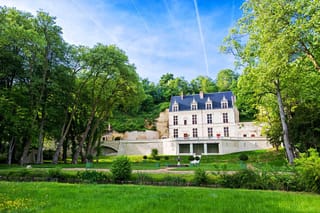
Château-Gaillard (Amboise)
Indre-et-Loire
0.0km
castle, chateau
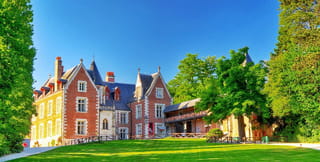
Manoir du Clos-Lucé
Indre-et-Loire
0.6km
castle, chateau
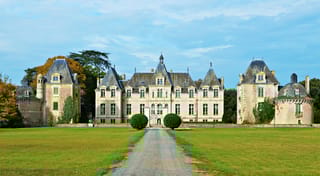
Château du Plessis-de-Vair
Indre-et-Loire
7.6km
castle, chateau
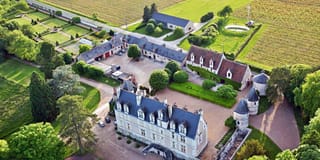
Château de Nitray
Indre-et-Loire
10.6km
castle, chateau
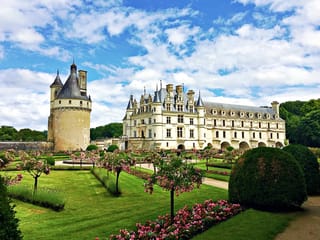
Château de Chenonceau
Indre-et-Loire
11.7km
castle, chateau
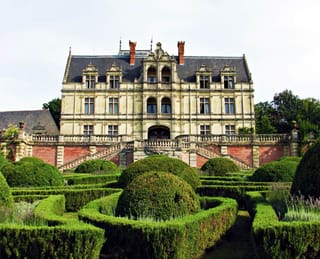
Château de la Bourdaisière
Indre-et-Loire
12.1km
castle, chateau
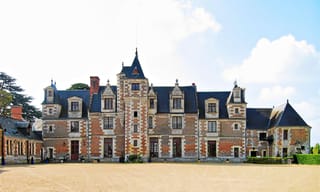
Château de Jallanges
Indre-et-Loire
12.3km
castle, chateau