Château de Chambert
Lot Occitanie France
castle, chateau
Château de Chambert
Lot Occitanie France
castle, chateau
The history of Chambert is associated with over 2000 years of Cahors malbec
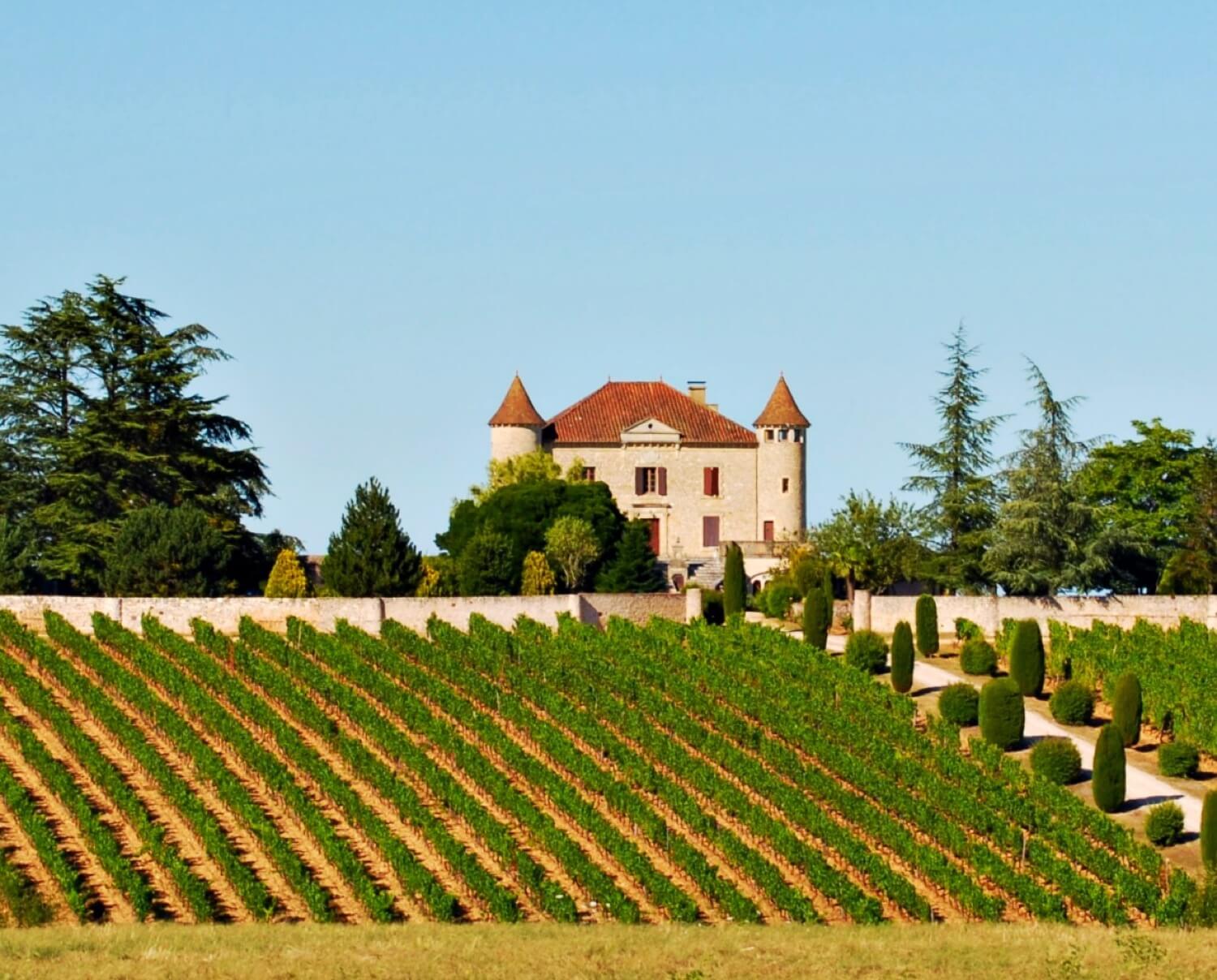
Le château de Chambert ou Château Chambert, est un château situé dans la commune de Floressas (dans le Lot), sur le causse du Quercy
Previous names
Château de Chambert, Château de Chambert
Description
The history of Chambert is associated with over 2000 years of Cahors malbec. Sifting through the archives, one can retrace a part of her history back to the 10th century! Chambert fame culminated during the 19th century (in 1854 the vineyard was covering 392 Ha) and declined after General Bataille death in 1914 as her sister (a nun) inherited from the estate and let the vineyard turn wild. Hopefully the full vineyard was replanted in 1974 and organically grown.
10th Century: The oldest texts describe the grandeur of the vineyards that occupy the expansive hills of Floressas.
13th to 16th Century: The vineyards of Chambert cover 300ha and are administered in a fortified farm, called “den” with round towers and moats which is situated at the current-day location of the château. The domain is the property of the lords of Floressas; DE BEYNAC in 1318, Viscount LAGORSE-LIMOGES in 1550 and finally the Marquis BRACHET PEYRUSSE in 1630.
17th Century: Chambert becomes a nobled bourgeois property and is farmed by royals: Madamoiselle LALVALETTE in 1690, a descendant of John BAYLET, Lord of VALETTE, and then later by the family LATHEZE in 1780. Cahors is well known for its red wine and due to the improvements in the navigation of the river Lot, the grapes from Chambert produce wine that is sent all around France, England Russia and America. In 1852, 75% of Cahors wine is exported.
19th Century: In 1850, an epidemic of odium, a fungus causing mildew on grapes, was raging all throughout the vineyards of France, but due to the arid conditions of the high hills of the Lot Valley, Chambert was initially spared. Unfortunately by 1854, the powdery mildew did finally arrive and destroyed 75% of the Chambert harvest ( reduced to 160L/ha instead of the usual 1000L/ha). In 1855, the Chambert vineyards are replanted as it was thought at the time that this was the only solution to the powdery mildew infestation.
In 1857, Mélanie LATHEZE married Louis BATAILLE, notaire à Frayssinet le Gélat. Their son, Marie Désiré Pierre Amédée BATAILLE, was born in the château in 1862 and went on to become the youngest French General. Around this time the domaine was producing 400 barrels of Malbec that were exported all throughout Europe and the USA. Before shipping, each Chambert barrel was branded with the Château de Chambert coat of arms.
In 1873, the “small” Chambert château - a fortification of the 16th century, was renovated and gave way to an imposing and grand castle (see image below) that was protected by a defensive garden of moats and high walls. In 1886, a fire destroyed three quarters of this château and the central portion of the original château was rebuilt and 100 years later two round towers in the style of a 16th century castle were added.
The proliferation of Phylloxera in the late 1800’s gradually killed the vines and the death of General BATAILLE on the Vosges front in 1914 led to the abandonment of the 300 Ha of Chambert vineyards.
From 1914 to 1973, the vineyard area became fallow land for sheep grazing and, paradoxically, this unfortunate abandonment was a blessing in disguise since the land escaped the intensive chemical agriculture phase of the inter-war and post-war periods. The Chambert site was untouched by chemical treatments, the land was saved, untreated, and ready to start over at the first opportunity.
In 1973, Marc DELGOULET, a vigneron from the Correze is captivated by the charm and historical grandeur of Château de Chambert and purchases the château and the surrounding hillside. His goal is to return Château de Chambert to it’s former glory and produce the wines that were once again appreciated around the world . In 1974, he selects the best parcels of land with the best exposition, slope and soil type and replants the hillside around the château with Malbec. The vineyards are managed organically: worked by hand, treated with minimal sulfur and fertilized only with a natural compost. Marc’s first vintage in 1978 produces a wine that goes on the win gold at the national competitions of Mâcon, Blaye and Bourg and he is well on his way to reviving the legend of Château de Chambert. Respectful of the vines and a lover of the land, in 1989 Marc contacts Jacques Mell of “Terres en Devenir”, a consulting business for biodynamic farming. It is too expensive for Marc to venture into biodynamics so he continues along an organic path; however, little did Marc know that 25 years later biodynamics would become the destiny of Chambert. With the help of his son Joel, the two continue to improve the reputation of the domaine and the wines of Chambert are still appreciated for their elegance, finesse and reflection of exceptional terroir.
Today the vineyard property, owned by Philippe Lejeune, covers about 65ha. It is the largest certified organic estate in Cahors (ECOCERT certification) and largest South-West biodynamic estate (DEMETER certification)
http://www.chambert.com
Le château de Chambert ou Château Chambert, est un château situé dans la commune de Floressas (dans le Lot), sur le causse du Quercy.
Histoire
Les plus vieux textes retrouvés aux archives départementales du Lot à Cahors relatent de vignes sur le domaine de Chambert en 1100.
Au xiiie siècle, le domaine de Chambert et son vignoble sont administrés depuis une ferme fortifiée, appelée « repaire », située à l'emplacement actuel du château.
Lors du recensement des chefs de famille de la commune de Floressas en 1670 avec leur profession, on trouve à Chambert les habitants suivants :
Baureilhes Mathurin ;
Delfourd Armande, femme de Guillaume Fabre ;
Durand Raymond, travailleur.
En 1690, demoiselle Fabre de La Valette, puis en 1810 les Lathese, bourgeois anoblis, vivent à Chambert et exploitent ce domaine très important. Le vin est réputé et vendu en France mais aussi exporté en Angleterre et en Russie (sous le nom de Kagor).
Grâce à d’importantes améliorations de la navigation sur le Lot (biefs, écluses, chemins de halages, « cales »...), le château de Chambert accroît encore sa réputation. En 1870, la famille Bataille succède aux Lathèze (Louis Bataille est notaire né à Marminiac et marié à Mélanie Lathèse née à Floressas). En 1873, Louis Bataille fait construire le château de style Viollet-le-Duc sur les bases d’un petit château fortifié du xvie siècle. Il fait construire un mur d’enceinte et fait aménager le parc et le jardin dans le glacis défensif du château ; il replante aussi le vignoble en intégralité et va vendre lui-même son vin à Bordeaux. Le bâtiment est aux trois-quarts détruit par un incendie en 1886. Il est reconstruit en gardant la partie centrale restante.
Leur fils Marie Désiré Pierre Bataille hérite ensuite du domaine à la fin du xixe siècle mais ne va pas longtemps s'en occuper : il est le premier général français à mourir sur le front lors de la Première Guerre mondiale : il est tué au col du Bonhomme le 8 septembre 1914 alors qu'il dirige la 41e division d'infanterie) durant un repérage pour ajuster les tirs d'artillerie contre les forces allemandes. C'est à la suite de son décès que l'armée impose aux généraux de rester 50 kilomètres en retrait du front.
Le phylloxéra à partir de 1877, et la mort du général Bataille sur le front des Vosges en 1914, détruisent petit à petit ce vignoble de plus de 300 hectares.
Il faut attendre 1973, pour que Marc Delgoulet, négociant en vins corrézien, fasse revivre ce domaine. Il entreprend la restauration du château : deux tours rondes dans le style du château du XVIe sont construites en 1985. Le vignoble est replanté. Il sélectionne les meilleures parcelles et les meilleures expositions. En 1978, le premier millésime du domaine est médaillé d'or aux concours nationaux de Mâcon et Bourg en Blayais. En 1994, Joël Delgoulet, fils de Marc Delgoulet reprend les rênes de l'exploitation familiale et entreprend l'agrandissement des locaux de l'exploitation en respectant l'environnement : murs recouverts de pierre taillée, isolation naturelle de fabrication suisse, etc. En 2007, le château de Chambert est racheté par Philippe Lejeune.
Le xxie siècle représente le lancement des grands travaux viticoles. Avec l'aide précieuse du consultant Stéphane Derenoncourt, Philippe Lejeune entreprend la refonte du vignoble :
arrachage de toutes les parcelles de vignes de tannat pour être remplacées par du malbec (sélection massale) ;
renouvellement de parcelles de malbec (sélection massale) ;
plantation de chardonnay sur d'excellentes parcelles du Kimmeridgien orientées nord ;
refonte de l'unité de vinification ;
travaux à la vigne renforcés suivant les méthodes de la biodynamie ;
en 2009 : la certification bio ECOCERT est lancée (programme de trois ans avant validation de la certification).
Useful information
Le parking GRATUIT
Adulte: 8 € (visite guidée « Vigne & Vin »: (uniquement en Juillet et Aout)
Enfant: gratuit (visite guidée « Vigne & Vin »: (uniquement en Juillet et Aout)
WC GRATUIT
info@chambert.com
-
External links
Nearby castles
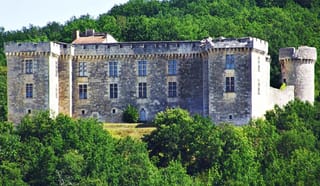
Château de La Coste
Lot
3.8km
castle, chateau
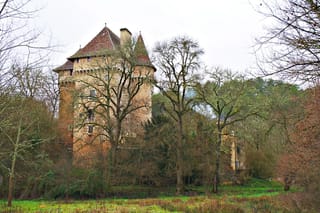
Château de Cousserans
Lot
6.2km
castle, chateau
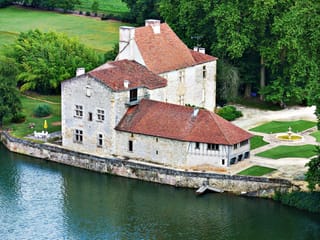
Château de Ladhuie
Lot-et-Garonne
13.6km
castle, chateau
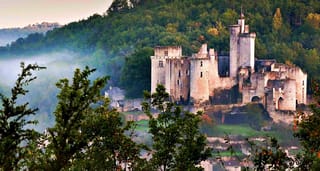
Château de Bonaguil
Lot-et-Garonne
13.6km
castle, chateau
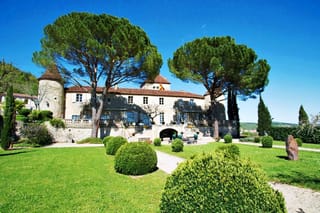
Château de Caïx
Lot
14.5km
castle, chateau
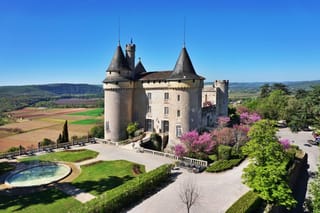
Château de Mercuès
Lot
21.5km
castle, chateau
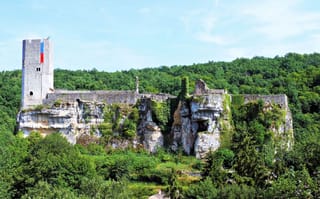
Château de Gavaudun
Lot-et-Garonne
23.0km
castle, chateau