Lympne Castle
Kent England England
castle, chateau
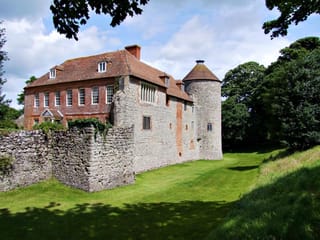
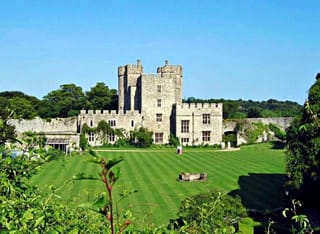
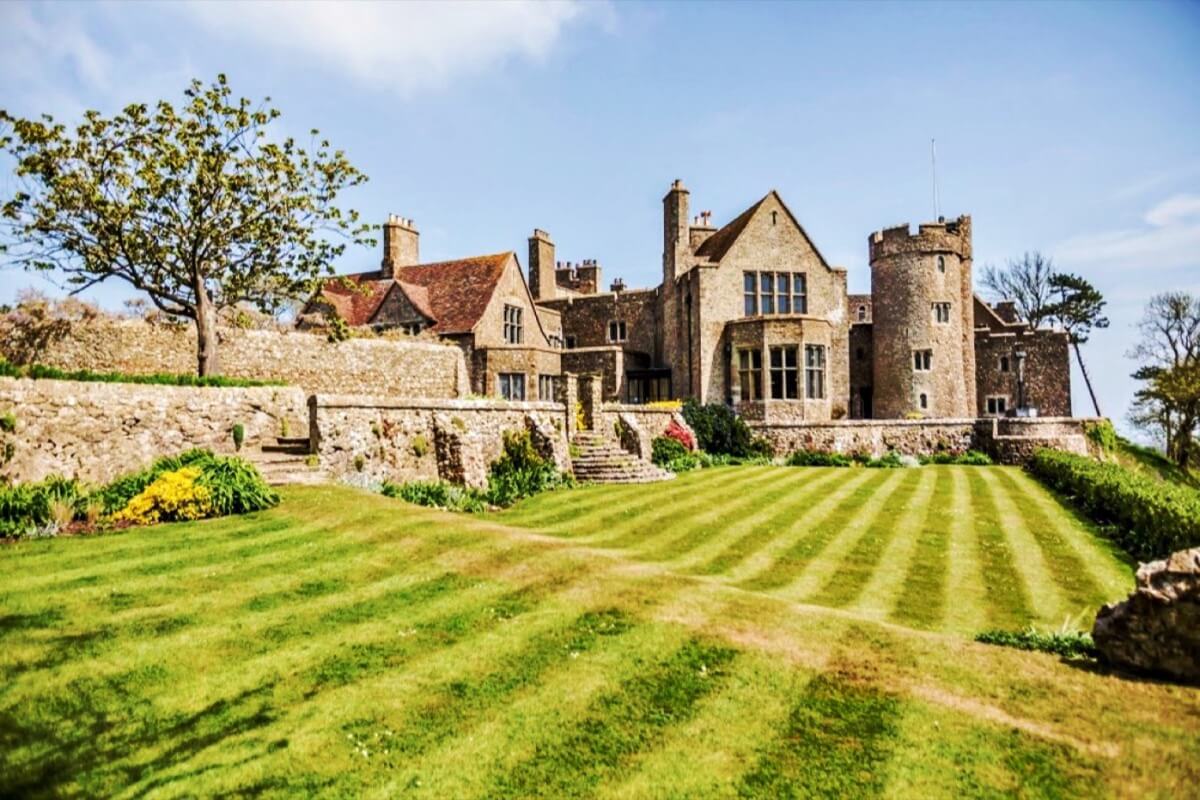
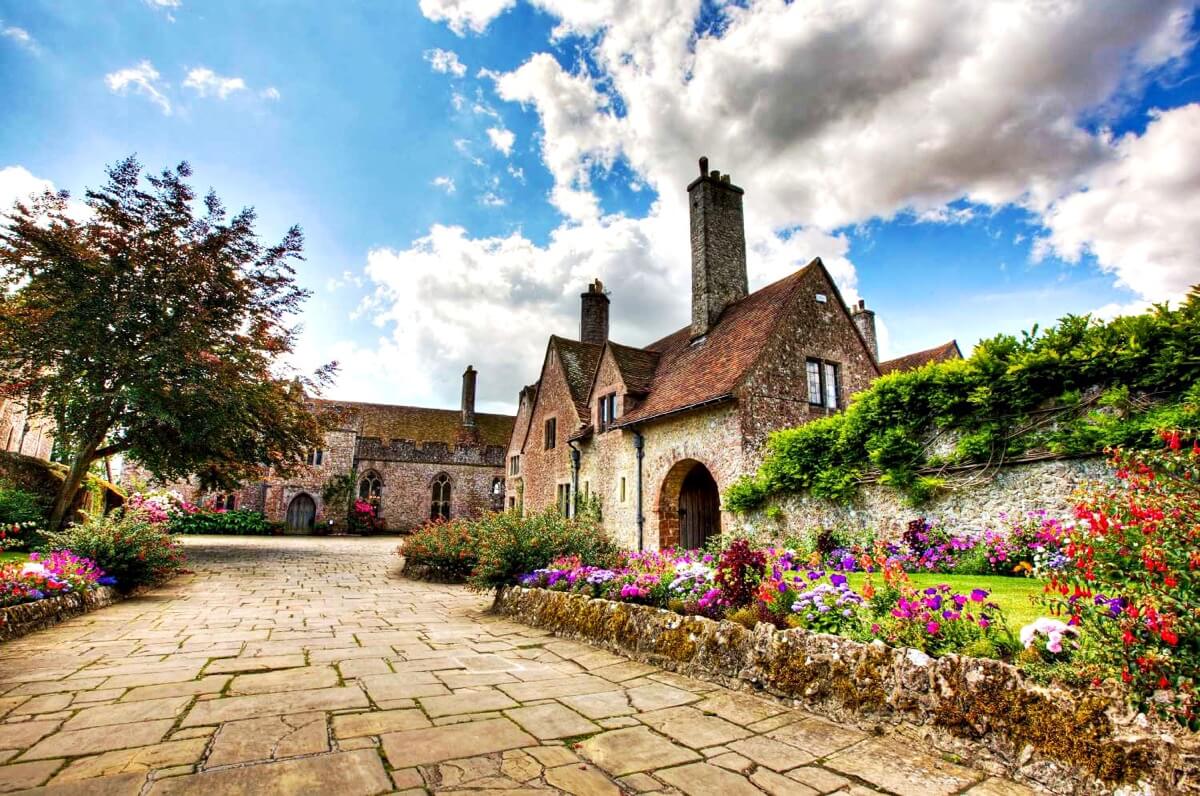
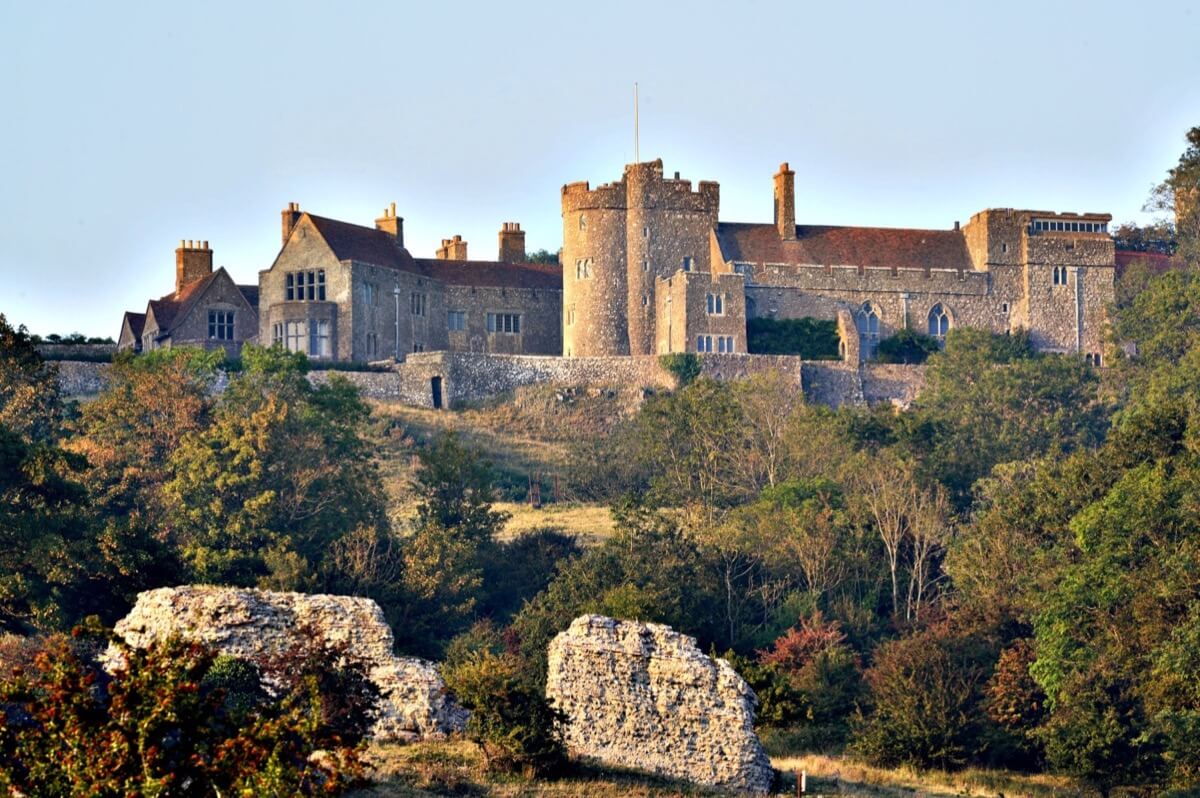
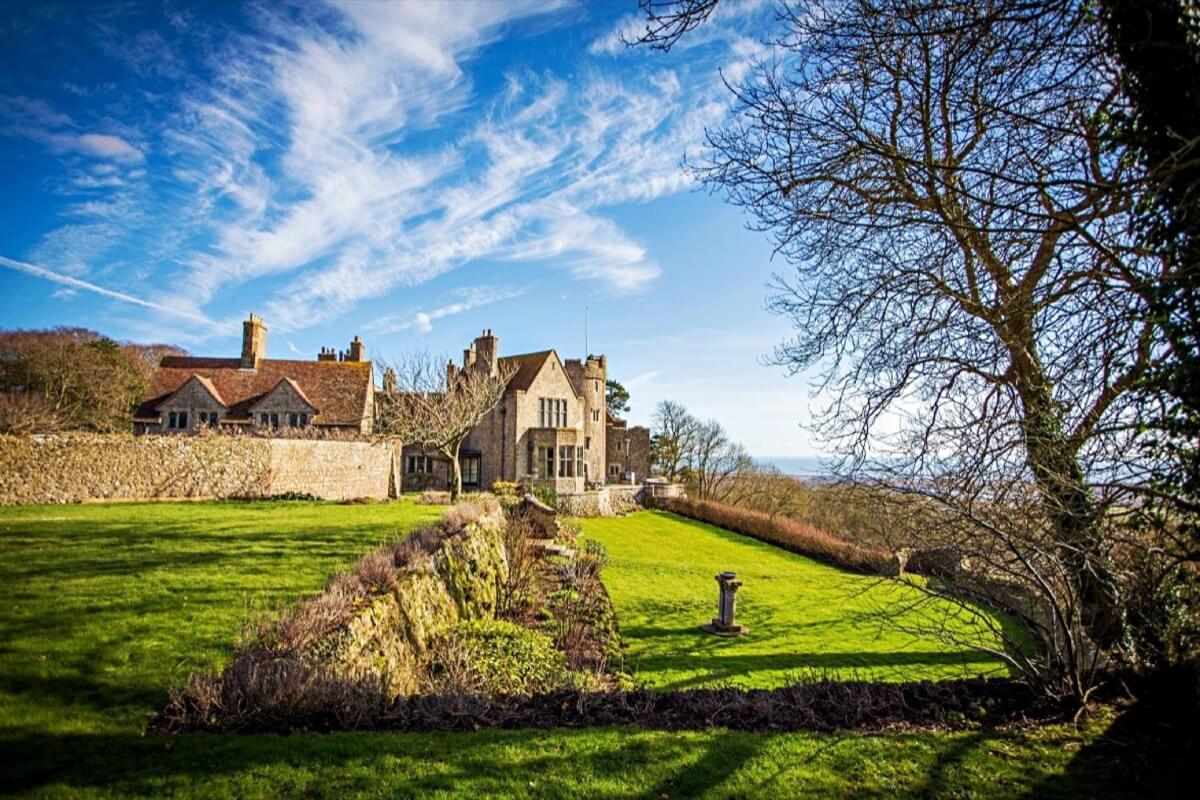
Lympne Castle is a medieval castle located in the village of Lympne, Kent, above Romney Marsh
Previous names
Lympne Castle
Description
Lympne Castle is a medieval castle located in the village of Lympne, Kent, above Romney Marsh.
History
The first castle was built in the 1080s for the Archdeacons of Canterbury on the edge of a cliff looking over the Romney Marshes. It was rebuilt in the 14th century by a building with a tower at each end, and it is thought that the square tower may be on the site of a Roman watch tower. After being used as a farm it was restored in 1908 by the Scottish architect Robert Lorimer - works focussing upon the Great Hall with its linen for paneling (which came from other buildings).
During the First World War the castle was used for accommodation of the forces based on the newly constructed airport at Lympne, which is no longer in use.
Between the wars it appears the area had quite a high social life with the Sassoon family building the famous house at Port Lympne which is now centred in the wildlife park, attracting visitors such as Lord Boothby, Dorothy Macmillan, Noel Coward and Charlie Chaplin to name just a few.
The Second World War saw the last major construction at the castle, a look out post on the top of the Eastern Tower. This played an important part in the early sightings of the V1 Rockets - as on a clear day it was possible to see the explosions at the time of launching in Calais. This allowed about six minutes to alert the guns around the coastline causing many of the rockets to be shot down over the Hythe Bay.
The castle suffered a decline immediately after the war with it eventually being used as a farm store until the Margery family brought it in 1962 and restored it.
In the spring of 2000 the castle estates were offered for sale. The new owner has the same affection and caring nature for the castle. This has been clearly shown in the extent of work that has been undertaken.
Below the castle, at the foot of the cliff, lies the remains of a Roman Shore fort, known as Stutfall Castle.
Modern usage
Today, it is used primarily as a venue for corporate events and weddings. It is generally not open to the public.
The castle has been awarded No. 1 Best Wedding Venue in Kent in 2010, 2011, 2012, 2013, 2014 and 2015 by Kent County Council.
In September 1978, Paul McCartney's Wings recorded sessions at the Lympne Castle for their 1979 album Back to the Egg.
In 2012-13 the band British Sea Power composed the soundtrack to the BFI/BBC documentary film From the Sea to the Land Beyond at the castle.
Lympne in Kent is a small village lying on top of the cliffs which overlook Hythe and the English Channel. The entrance to the River Rother emerged to the sea here before Roman times, however it has changed its course twice since then, the first time it emerged at New Romney and now reaches the sea at Rye about 20 miles to the south east. It dates back to Roman times when Portus Lemanus was built to protect the Roman ships in the harbour below the current village.
They built a castle to protect the old river entrance from raiders from the Scandinavians. The castle now known as Stutfall Castle is lower than the Romans built it, as the cliff has slipped since it was built.
The church was built by the Normans and the tower constructed in the 1100's outside the lychgate is a mounting block used by ladies in large dresses to mount their horses.
Lympne Castle a fortified manor house was built in the 1420's on the spot where the Romans had a lookout tower. The Castle was extensively rebuilt during the early 1900's, and restored to its current condition.
The village was used by smugglers as a lookout and signalling post to warn of Excise men to those at sea.
In 1804 Napoleon was getting ready to invade England, the government decided to try to stop a French invasion via the Romney Marshes and they built the Royal Military Canal as part of the nations defenses.
It was re-fortified in the 1940's by installing gun emplacements and pill boxes to try to delay a German invasion via the Marshes, the canal runs to the south of Lympne at the base of the hill .
If you look to the east, you can see an odd concrete structure from the war which was used as a sound location device to attempt to detect the bombers used by the Luftwaffe in 1940. This was built by the War Department (Ministry of Defence) before the last war and is, in fact, an aeroplane detecting parabolic sound mirror.
It was superceeded by the advent of Radar which proved superior, another example lies at Greatstone . Port Lympne is the home of John Aspinall and Howletts Zoo Park.
The house was built in the early 1900's on a wonderful site overlooking the Romney Marsh, many famous visitors came here, including Winston Churchill, Charlie Chaplin, the Prince of Wales and Mrs Simpson and many others. During the war, the house was requisitioned by the Ministry of Defence, and fell into decay.
John Aspinall purchased the house in the early 1970's and has restored the property, and created Howletts Zoo Park.
http://orig.villagenet.co.uk
Useful information
info@lympnecastle.com
External links
Nearby castles