Trosky Castle
Semily District Liberec Region Czech Republic
castle, chateau
Hrad Trosky
Semily District Liberec Region Czech Republic
castle, chateau
The castle was established by Čeněk of Vartenberk in the second half of the 14th century
Se stavbou hradu bylo započato koncem 14
Previous names
Trosky Castle, Hrad Trosky
Description
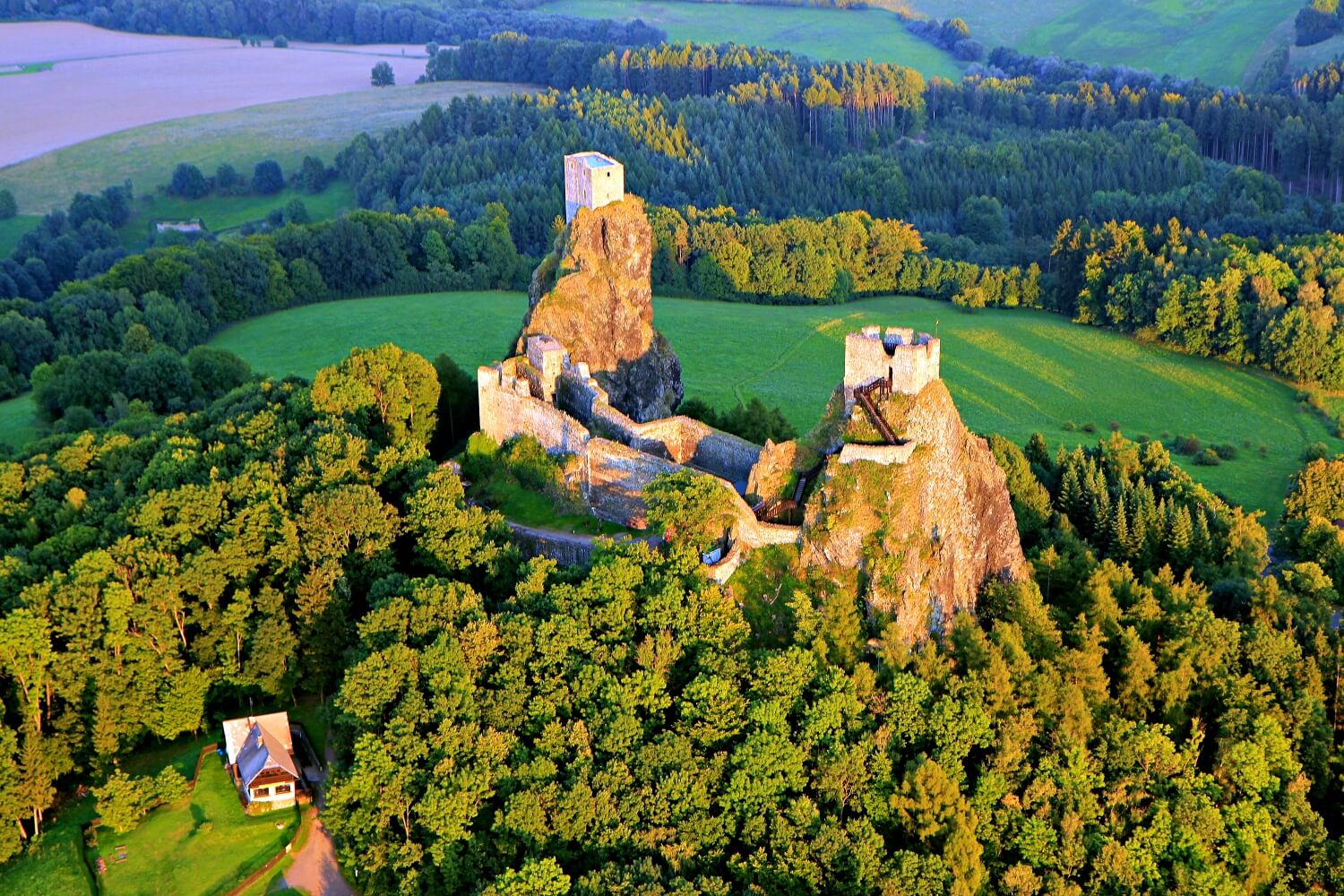
The castle was established by Čeněk of Vartenberk in the second half of the 14th century. Two towers were constructed, one on top of each rock, and various residential buildings and outhouses erected between them. Three rings of fortified walls protected the complex. After Čeněk's death the castle came into the possession of King Wenceslas IV, from whom it was acquired by Ota of Bergov, of the Bergov dynasty. Though Ota the Younger of Trosk was a zealous Catholic, it did not stop him raiding the monastery in Opatovice and stealing its famous treasure, which he is said to have hidden in Trosky Castle, supposedly in an underground cellar blocked by a huge boulder. No one could move the boulder, which was eventually covered by scree, permanently cutting off the way to the precious objects.
During the Hussite wars Trosky was a center of the pro-Catholic sides. It is therefore not surprising that in all probability the castle was never completely conquered by the Hussites or any other enemies. As late as 1428, shortly after the castle burned down, it was under siege by Jan Kralovec, captain of the Táborite Army. From 1438 onwards the robber knight Kryštov Šov of Helfenburg and his companion Švejkar settled in it to tyrannize the villagers in the surrounding countryside, before the people of Zhořelec and Žitavy (English Görlitz and Zittau, members of the Lusatian League) banded together to capture them. Margareth of Bergov, the widow of the original owner Ota of Bergov, made Trosky into her residence by 1444. In 1468 the castle was property of William of Hasenburg who kept it until 1497. After that several noble families owned the castle, although its significance declined. In 1648, during the Thirty Years' War, it was burned down completely by the Imperial Army and left in ruins. In 1681 the enlightened Jesuit Bohuslav Balbín visited it; possibly the first documented example of a trip, the sole purpose of which was to research a historical sight or area.
In the 19th century a greater degree of interest was shown and romantic modifications were made to the ruins of the castle. It was decided to create a staircase leading to the Panna tower. Work was begun in 1841–43, but was not completed.
Se stavbou hradu bylo započato koncem 14. století (asi kolem roku 1380). Vlastnosti terénu rozhodly i o způsobu stavby. Mezi dvěma čedičovými sopouchy byl založen vnitřní hrad. Od jihu byl chráněný prudkým svahem, na severu předhradím. Boky zajišťovaly více než dostatečně oba sopouchy, které však nezůstaly nevyužity. Na obou nepřístupných vrcholech byly postaveny věže. Na nižším, zavalitějším (relativní výška 47 metrů), nazývané Baba, se zvedala nižší, pětiboká věž. Na východním, štíhlejším sopouchu (relativní výška 57 metrů), který se snad pro svou nepřístupnost nazývá Panna, se tyčila vysoká, obdélná věž.
Po smrti Čeňka z Vartenberka, zakladatele hradu, připadl hrad králi Václavu IV. Roku 1398 získal hrad a celé panství od krále Ota z Bergova a po něm zdědil Trosky jeho stejnojmenný syn – Ota mladší. Ten, jako zarytý katolík na sebe upoutal hněv husitských vojsk, která v roce 1424 Trosky oblehla. Hrad se jim však zdolat nepodařilo. V roce 1455 syn Oty z Bergova, Jan, prodal Trosky s celým panstvím pánovi sousedního panství a hradu Kosti, kterým byl Jan Zajíc z Hazmburka. Pro Trosky to však v podstatě znamenalo konec živé existence.
Roku 1469 byly Trosky dobyty královským vojskem. Hrad se stal už jen střediskem hospodářské správy a několikrát ještě změnil majitele. Ještě za třicetileté války hrad stál, i když už opuštěný a zpustlý. O tom, jak hrad skutečně vypadal v době svého vzniku, prameny mlčí. Nedochoval se žádný obraz či rytina, veškeré archivní materiály shořely. Z pramenů je známo, že jediný historicky věrný obraz Trosek ukořistili Švédové za třicetileté války na zámku Hrubá Skála a odvezli jej do Švédska. V roce 1821 prodávají Valdštejnové Trosky Janu Lexovi z Aehrentalu. Jeho syn Alois začal v roce 1841 stavět točité schodiště, jímž chtěl zpřístupnit vrchol Panny a tak využít vyhlídky do dalekého okolí. V roce 1843 však stavitel zemřel a stavba tak zůstala nedokončena.
Useful information
- 250 m from the castle
- bycicle parking available
Full entrance fee: 80,00 CZK
* Cash only
Children: 60,00 CZK children up to the age of 15 years
Students: 60,00 CZK
Senior citizens: 60,00 CZK senior citizens over the age of 65 years
Family entrance fee: 220,00 CZK
* Max. 2 adults and 3 children
-
External links
Nearby castles
Hrubá Skála Castle
Semily
4.1km
castle, chateau
Humprecht Chateau
Jičín
6.7km
castle, chateau
Valdštejn Castle
Semily
6.8km
castle, chateau
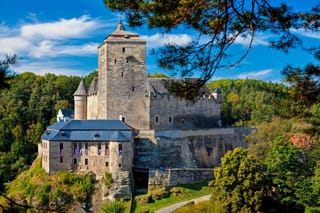
Kost Castle
Jičín
7.4km
castle, chateau
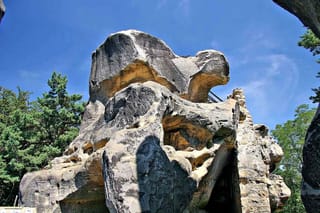
Rotštejn Castle
Semily
8.7km
castle, chateau
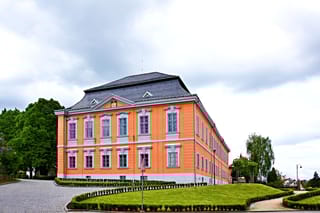
Lomnice nad Popelkou Chateau
Semily
10.1km
castle, chateau
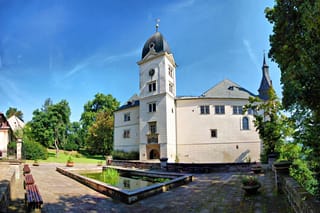
Hrubý Rohozec Chateau
Semily
10.5km
castle, chateau