Svojanov Castle
Svitavy Pardubický kraj Czech Republic
castle, chateau
Hrad Svojanov
Svitavy Pardubický kraj Czech Republic
castle, chateau
The beginning of the history of Svojanov Castle dates to the period of colonization of the remote corners of the lands of the Czech crown
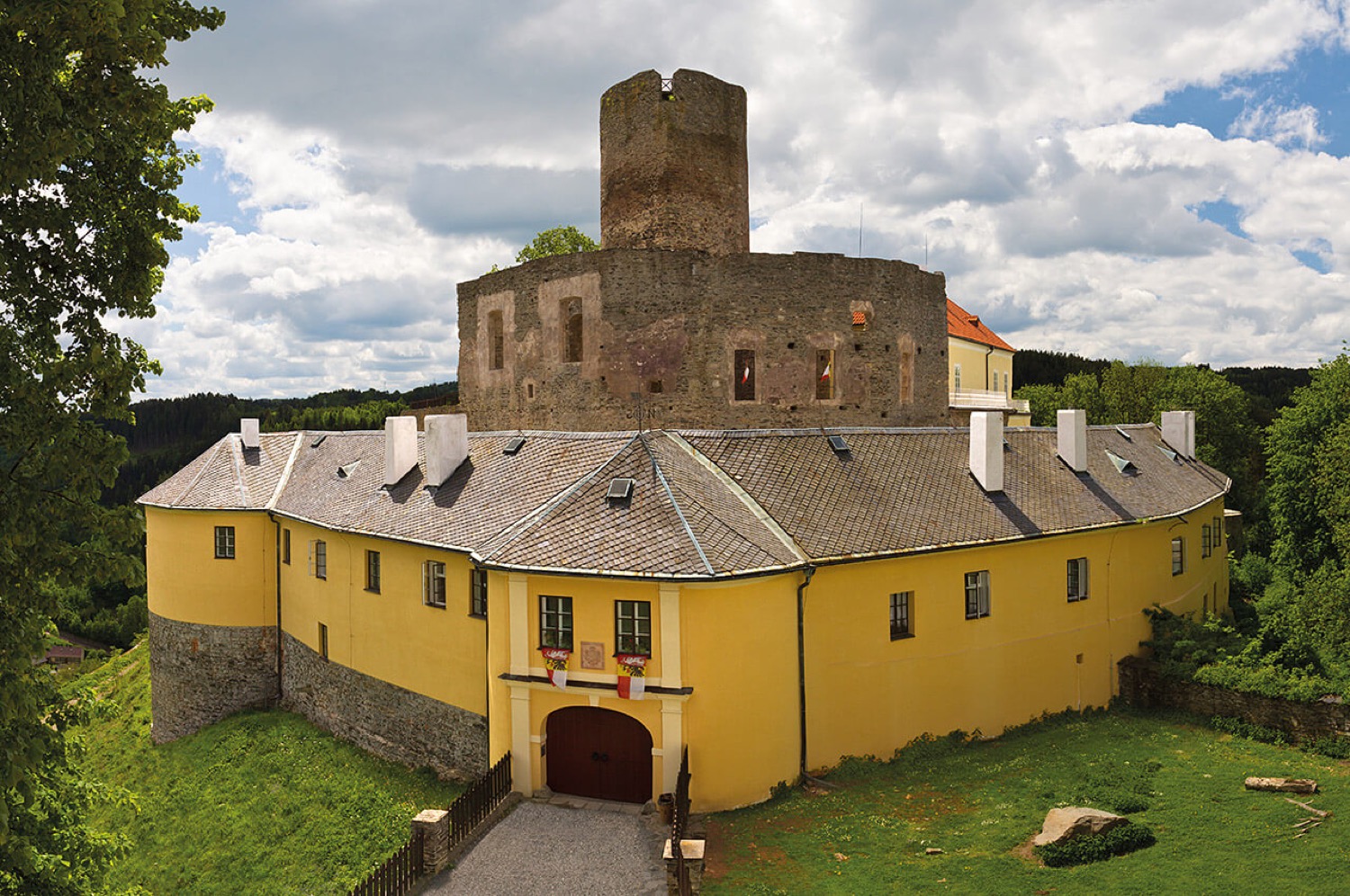
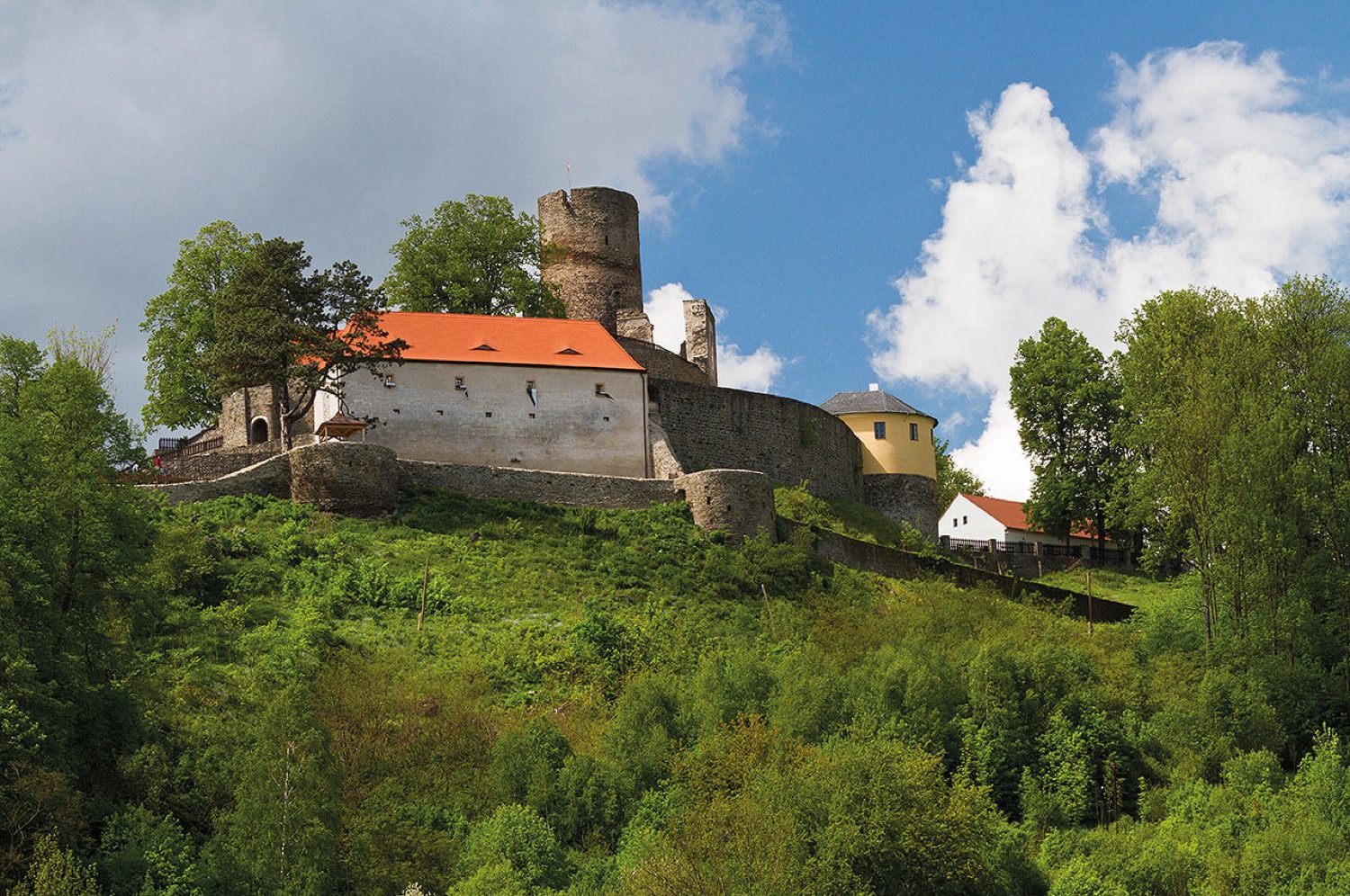
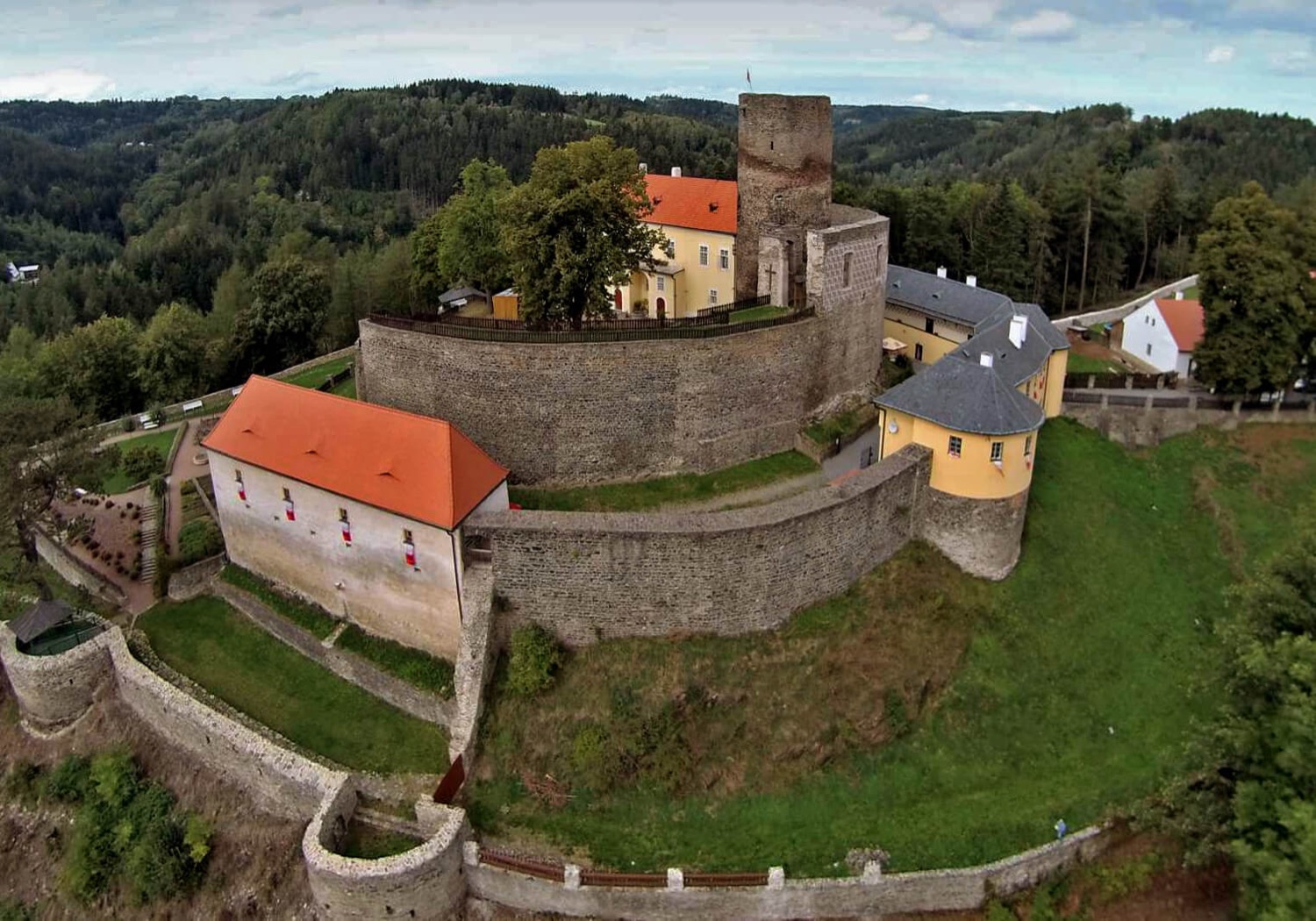
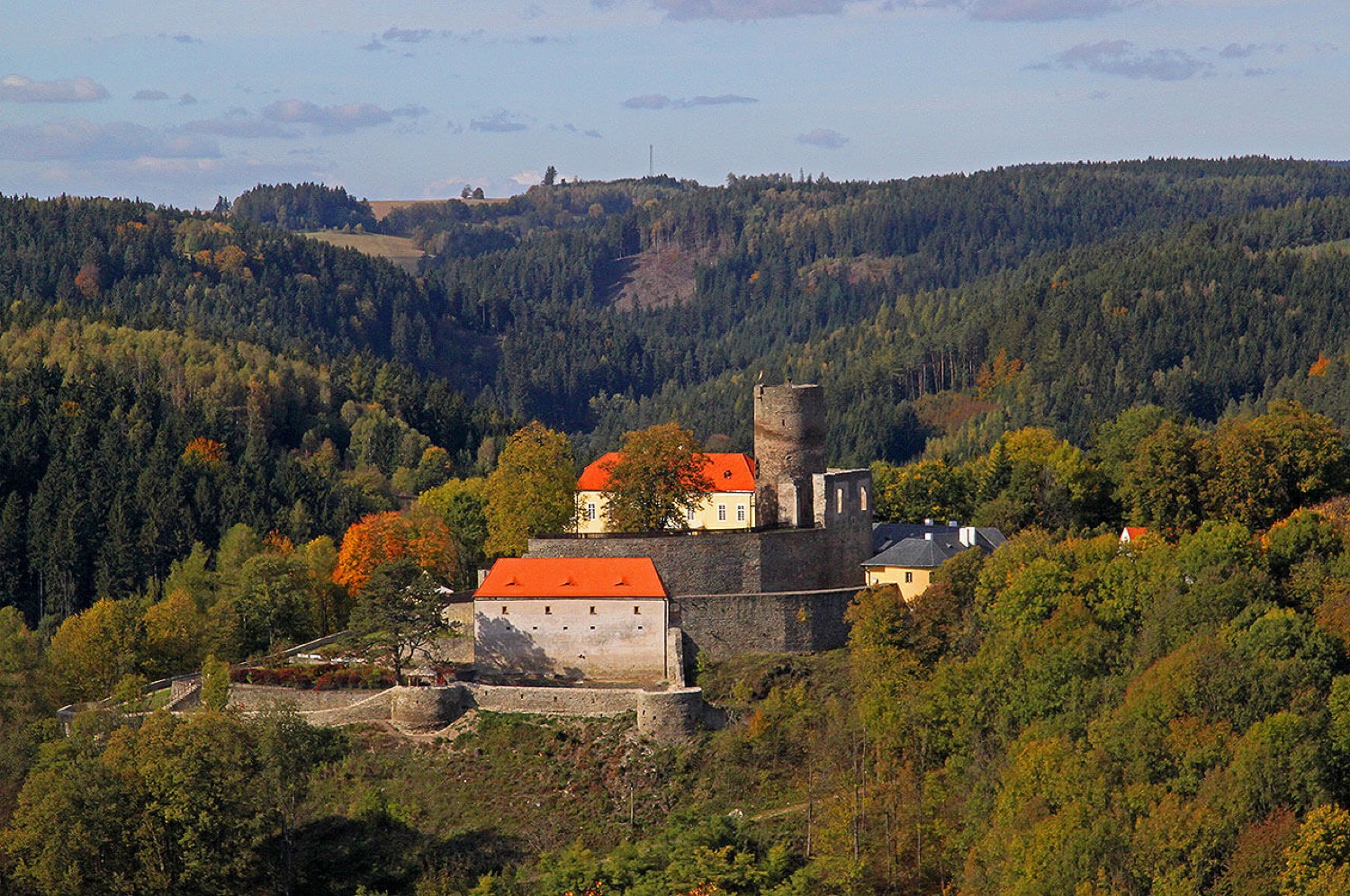
Zachovalý hrad, dříve módně zvaný Fürstenberg („Knížecí hora“, „Knížecí hrad“) byl postaven kolem roku 1265 železným a zlatým králem Přemyslem Otakarem II
Previous names
Svojanov Castle, Hrad Svojanov
Description
The beginning of the history of Svojanov Castle dates to the period of colonization of the remote corners of the lands of the Czech crown. In the 1280’s Přemysl Otakar II had Svojanov Castle built (Fürstenberg at the time) with the aim of guarding the Trstěnice trade route. The castle was a typical fortress for its time, before the widespread use of gunpowder in Europe. The castle included an internal courtyard protected by five-metre thick walls, and an exterior wall of the old palace with the same thickness. The twenty-six metre high watchtower with sharp edges to deflect enemy fire also served as the final safehold of defenders. In the first half of the 16th century renovations were performed to increase the comfort of the castle, and mainly consisted of the expansion of the residential building to include a new wing. In 1569 the castle was destroyed by fire, after which extensive Renaissance reconstructions were pursued. During the Thirty Years War Svojanov was twice conquered by the Swedish and damaged. Also contributing to the gradual decline of the castle was the consequences of the Prussian-Austrian War in the 18th century; afterwards the castle became an ordinary farmstead. Following a fire in 1842 the Old Palace was rebuilt in the Empire style; the Renaissance wing remained as a ruin.
http://en.czech-unesco.org/
Zachovalý hrad, dříve módně zvaný Fürstenberg („Knížecí hora“, „Knížecí hrad“) byl postaven kolem roku 1265 železným a zlatým králem Přemyslem Otakarem II. jako jedna z nových strategických pevností k ochraně nové cesty z Litomyšle do Brna. Tato tepna obchodu byla později nazývána Trstenická cesta.
Po smrti Přemysla Otakara II. († 1278) hrad připadl královně vdově Kunhutě. Kunhuta majetek odkázala svému druhému manželovi Záviši z Falkenštejna a synovi Ješkovi. Falkenštejn na hradě jednu dobu pobýval se svou novou ženou Alžbětou a narodil se mu zde další syn. Po Falkenštejnově popravě (1290) hrad připadl koruně.
Karel IV. v návrhu zákoníku Majestas Carolina zahrnul Svojanov mezi jedenáct hradů, které nesmí být vyjmuty z majetku koruny, ale už jeho syn Zikmund za husitských válek zastavil hrad pánům z Boskovic.
Hrad prošel renesanční přestavbou, poničil ho požár a Švédi v rámci bojů třicetileté války. Po rozmachu železniční dopravy v 19. století upadl význam obchodní cesty a tím i strategická výhoda hradu a celého kraje. Od roku 1910 patří městu Polička (opět po restituci 1992).
Nearby castles
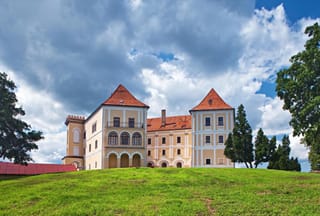
Letovice Chateau
Blansko
15.3km
castle, chateau
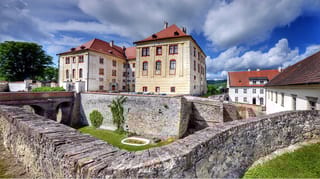
Kunštát Chateau
Blansko
15.7km
castle, chateau
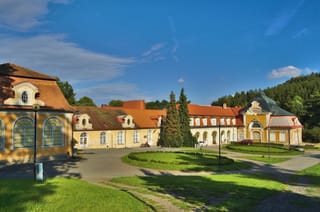
Velké Opatovice Castle
Blansko
18.9km
castle, chateau
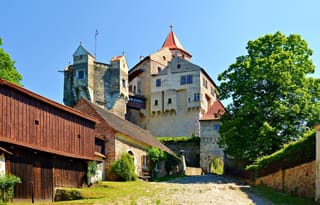
Pernštejn Castle
Brno-venkov
20.7km
castle, chateau
Lysice Chateau
Blansko
21.3km
castle, chateau
Moravská Třebová Chateau
Svitavy
23.5km
castle, chateau
Šebetov Chateau
Blansko
23.9km
castle, chateau