Blatná Chateau
Strakonice Jihočeský kraj Czech Republic
castle, chateau
Zámek Blatná
Strakonice Jihočeský kraj Czech Republic
castle, chateau
The castle is undoubtedly the town's greatest attraction
Své jméno získal hrad a po něm i osada, jež při něm vyrůstala, od bažin, uprostřed kterých byl postaven
Previous names
Blatná Chateau, Zámek Blatná
Description
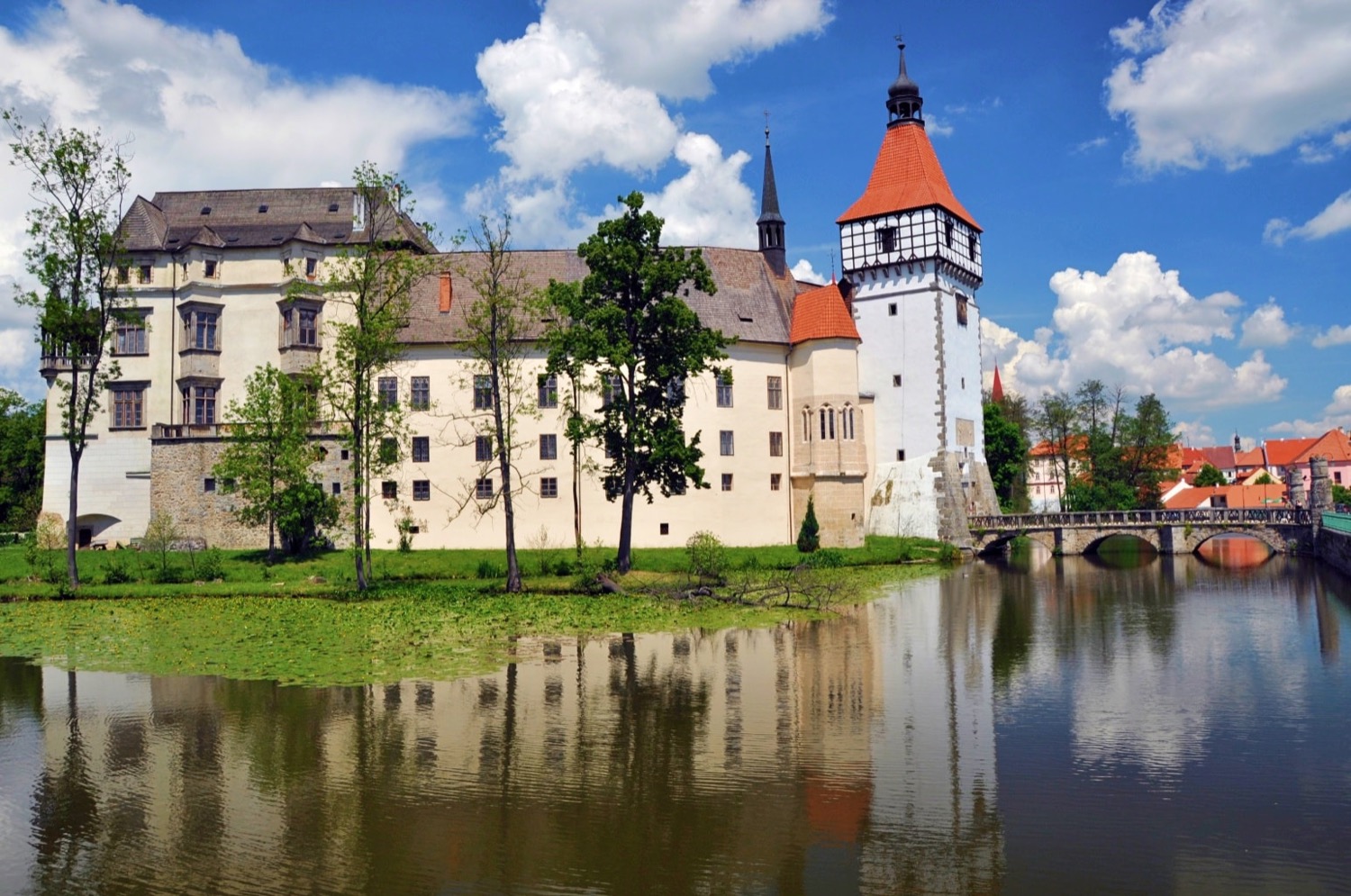
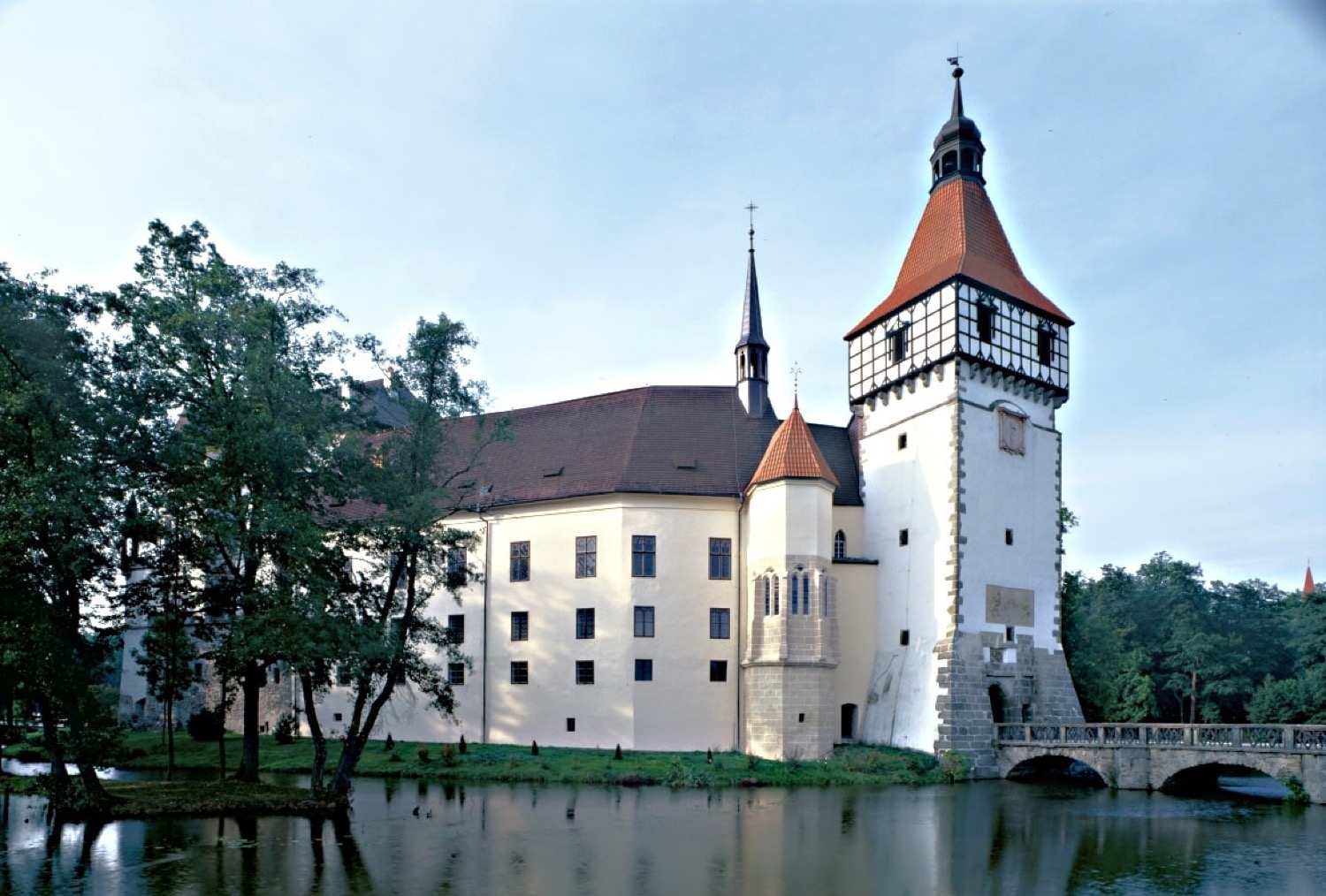
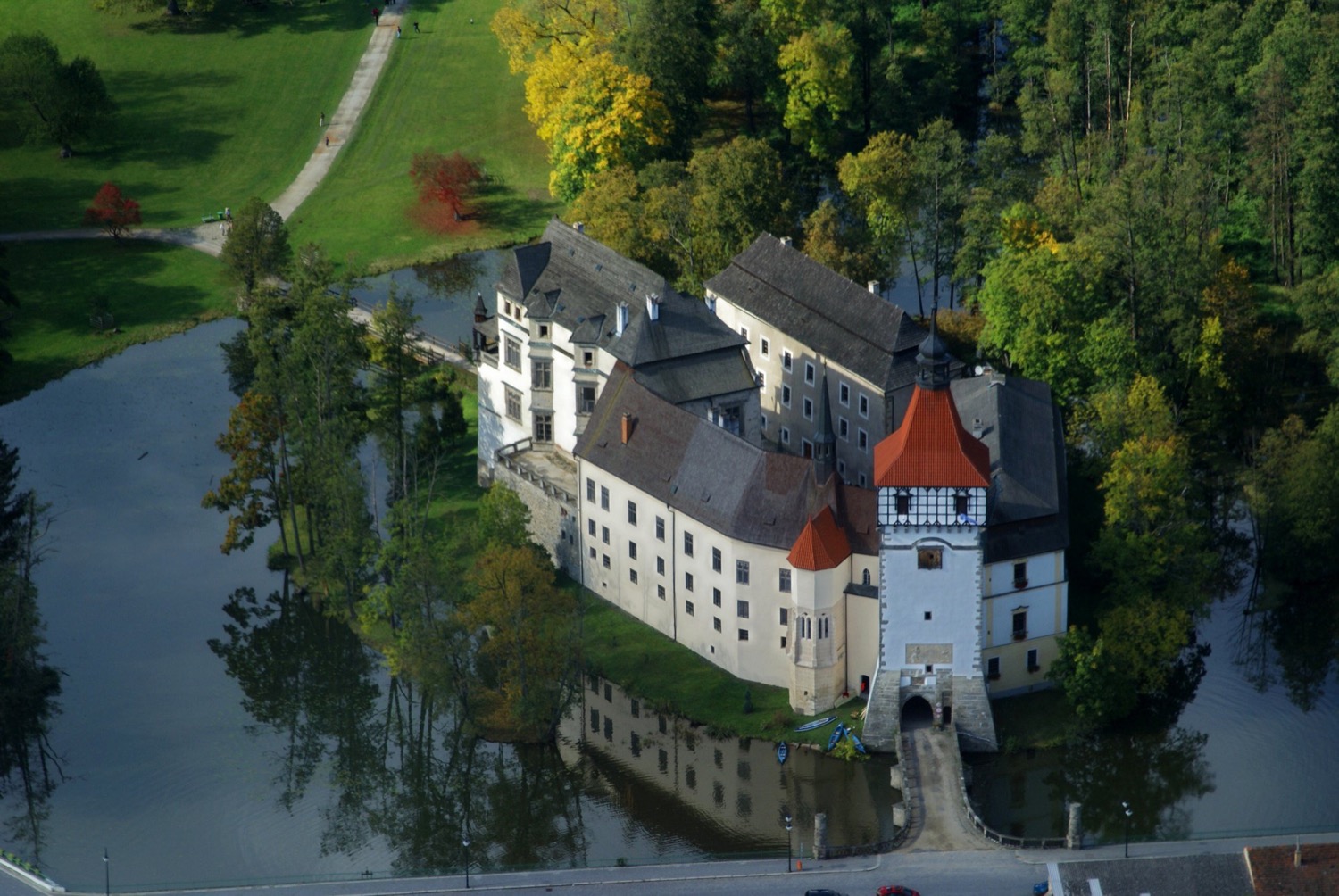
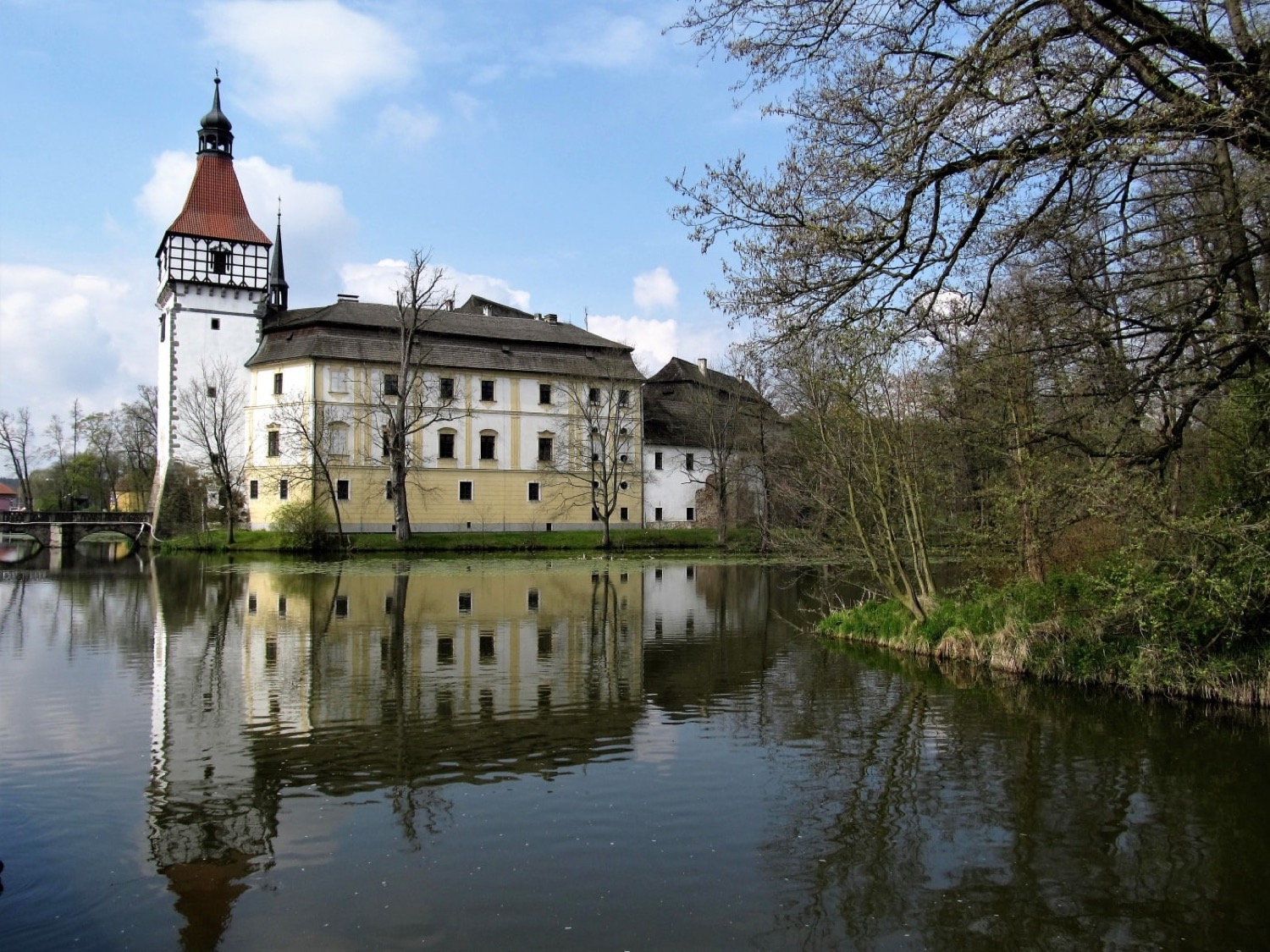
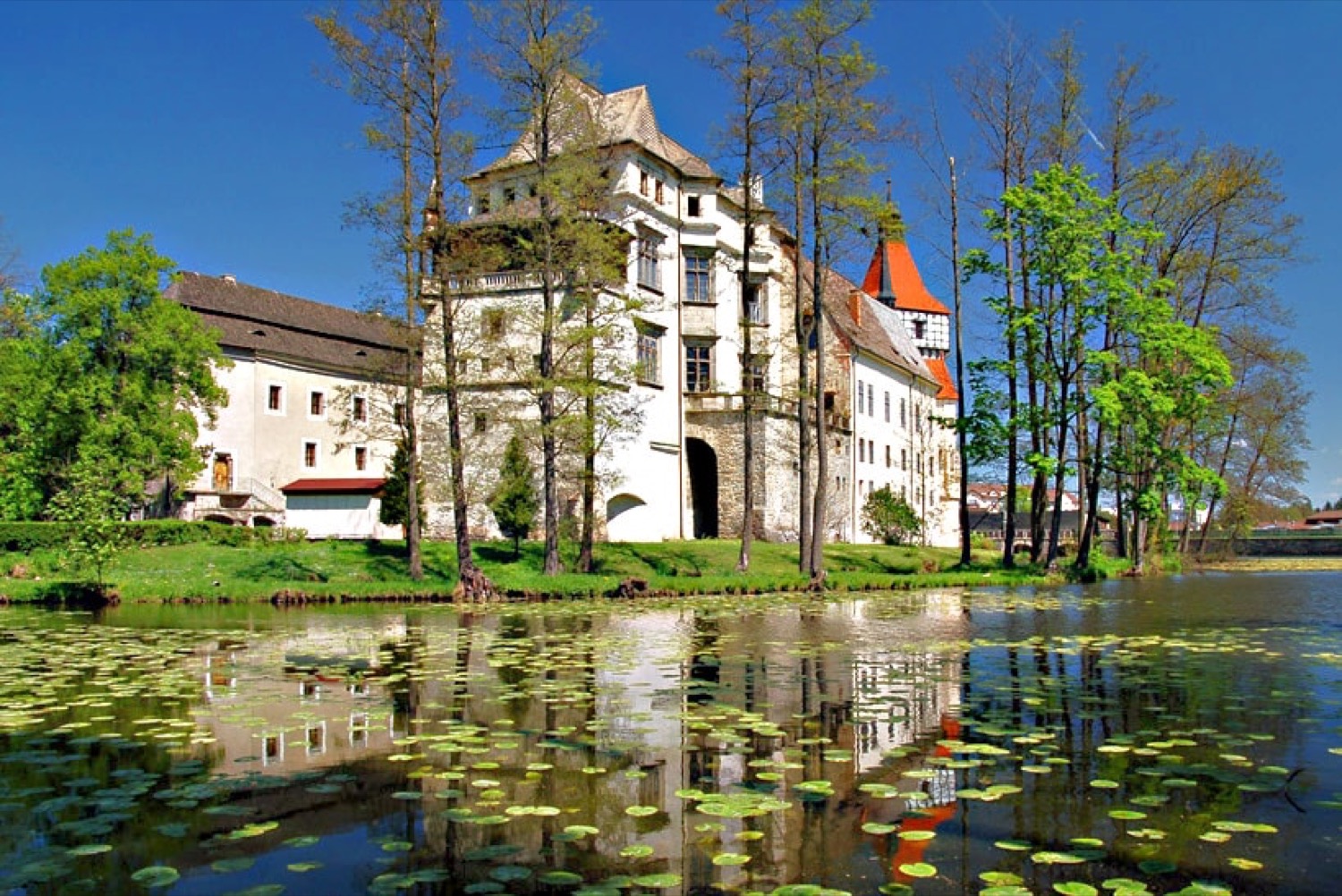
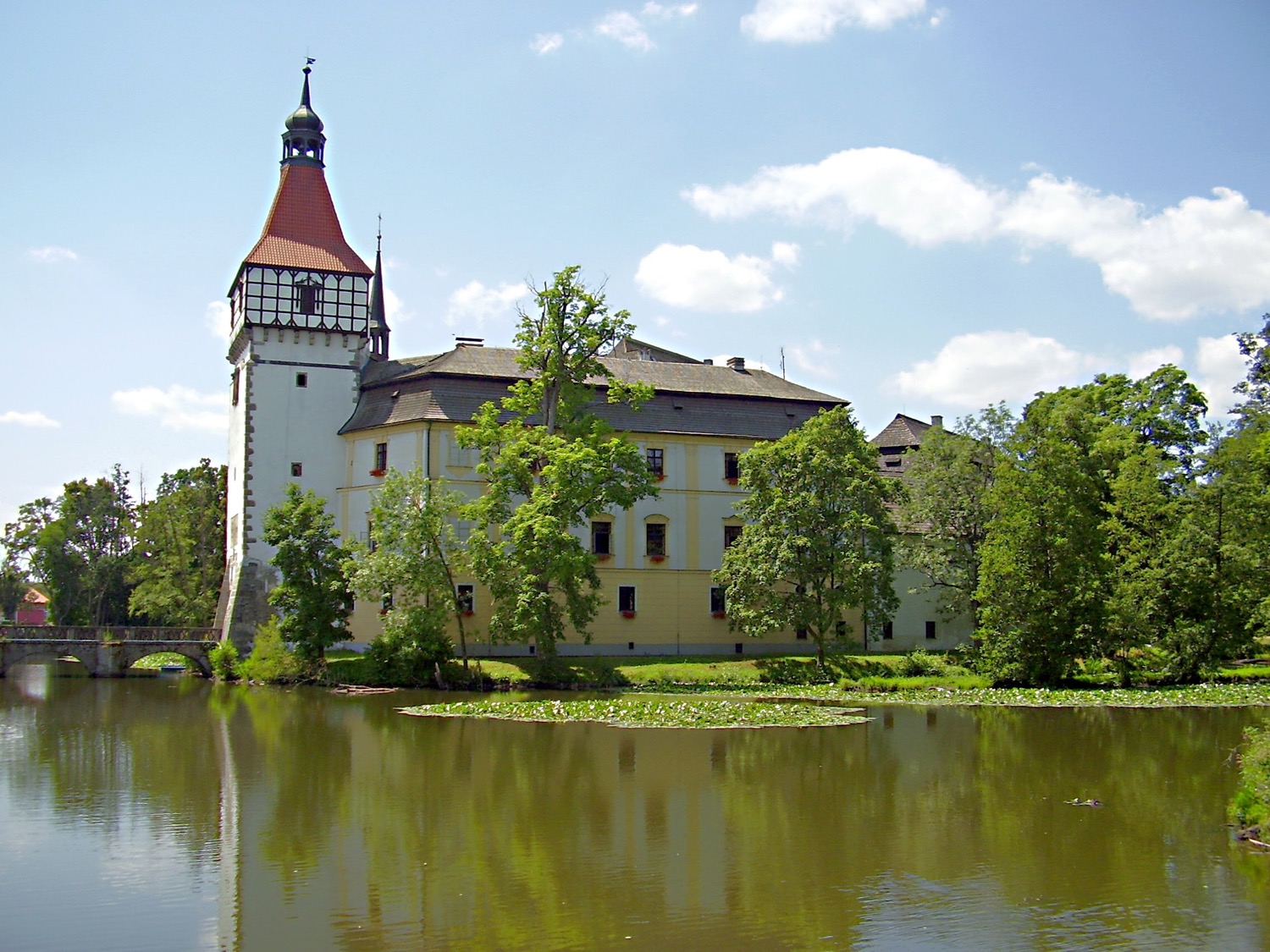
The castle is undoubtedly the town's greatest attraction. It is built on a rock surrounded by a moat (i. e. artificial water trench), which looks rather like a lake. The castle is narrow, U-shaped, with a tower in front to which the palaces from various periods attach. It opens to a large landscaped garden. Most of the castle has been recently reconstructed and it is open to the public in the tourist season (April–October).
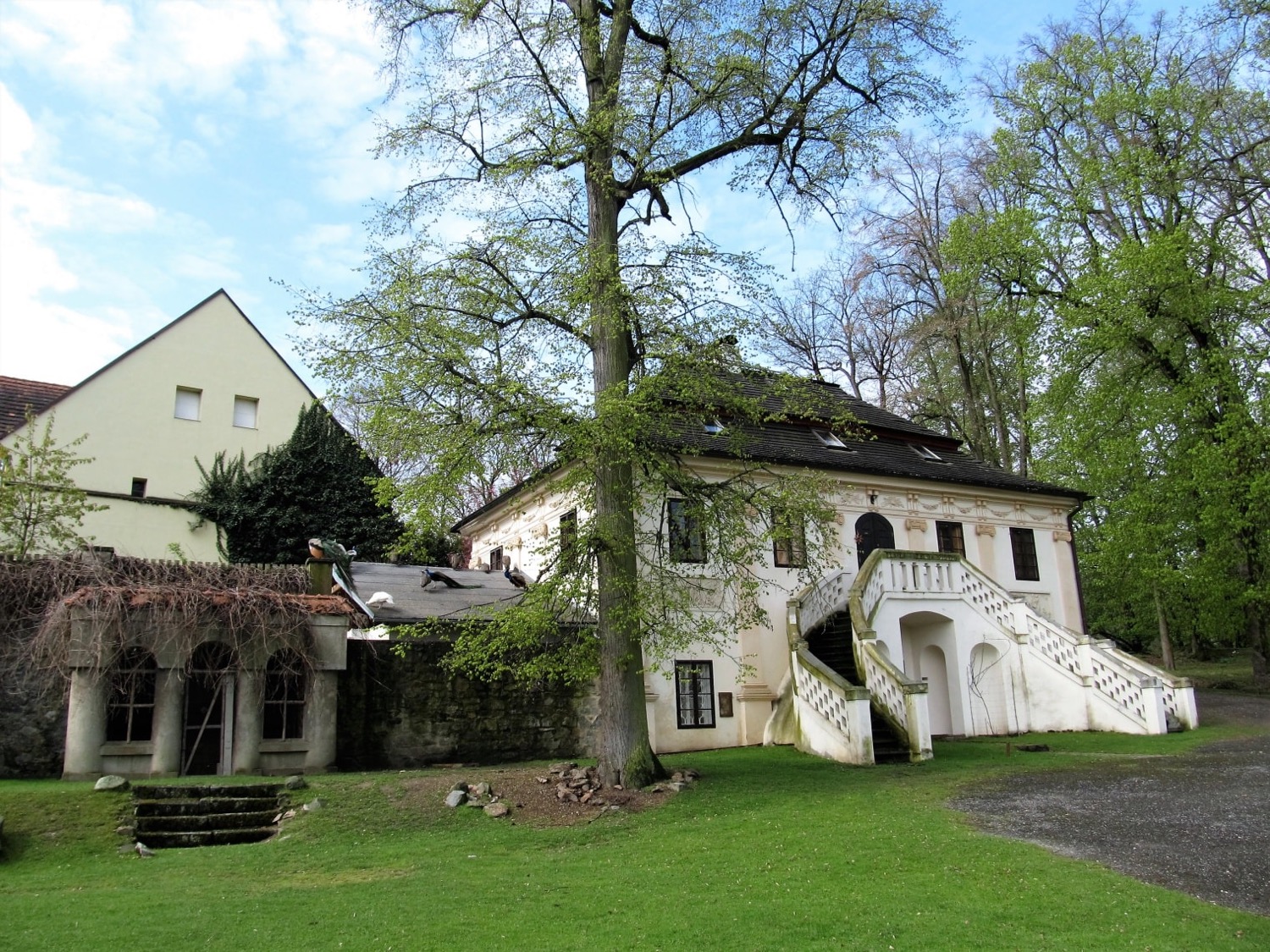
Romanesque Chapel - the oldest part of the castle dating back to the 13th century, it is preserved only as a part of the wall with two arches in the western part of the courtyard.
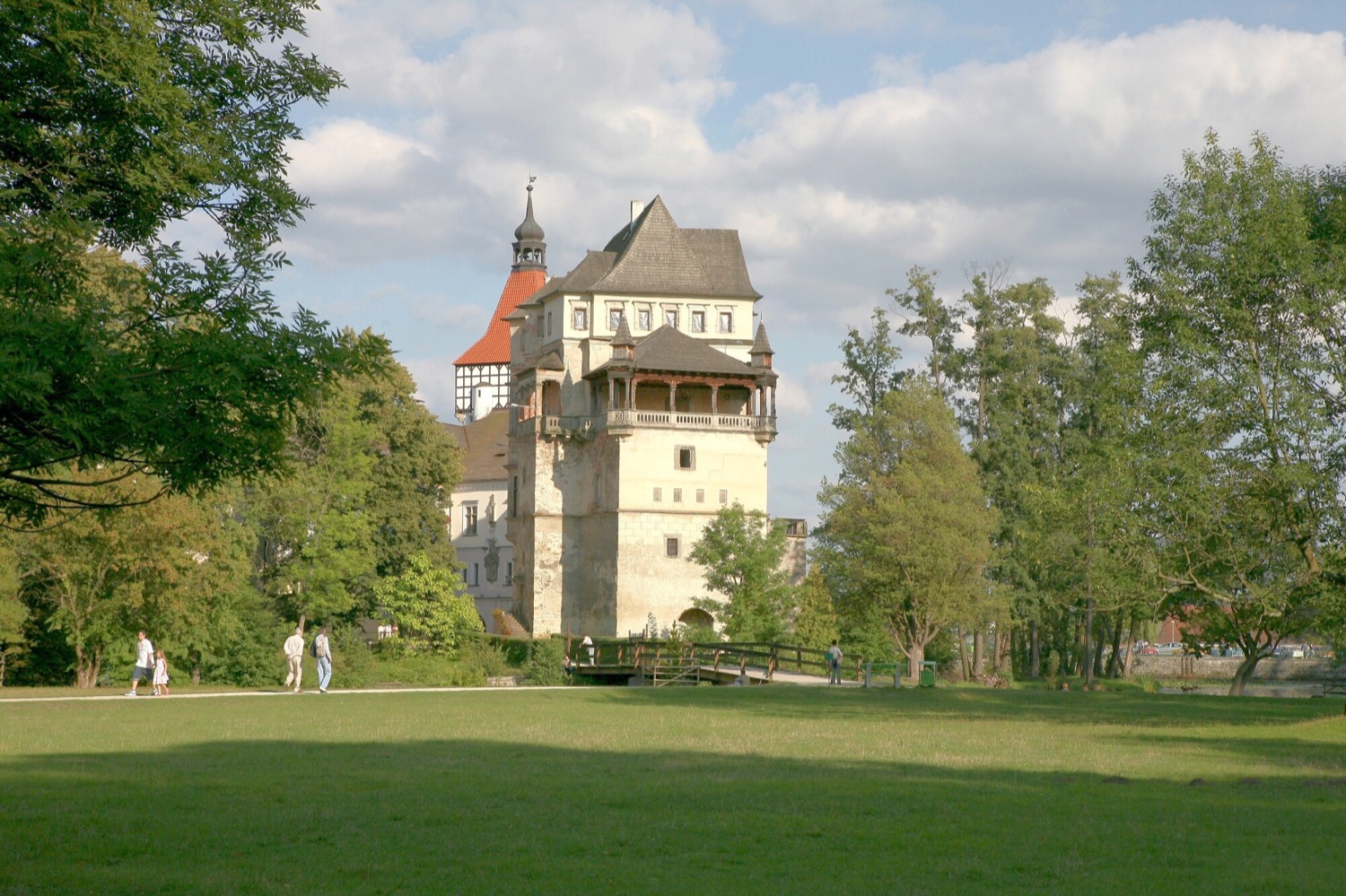
Tower - the tower dominates the castle and it is the main entrance to it from the East. Its square shape with an overlapping half-timbered top became the symbol of the town. At the beginning of the 16th century the famous Green Chamber (Zelená světnice) was created on the first floor. The walls of this room are covered in murals depicting various religious and secular themes. The prevailing color of the paintings gave the room its name. All around the room are coats of arms of major Czech houses dominated by a large one of the house of the masters on the castle of that time, the Lords of Lvové of Rožmitál.
Rožmitálský Palace − built at the same time as the tower, it connects to it from the southwest. On the first floor is the castle Chapel of Blessed Virgin Mary, whose Gothic presbytery protrudes from the body of the palace on the south side.
Old Palace - from around the half of the 15th century is erected over the former Romanesque chapel. It's built in a late Gothic style, but its large windows already mark the coming of the Renaissance style. Originally, it stood separately to the north from the previous two parts.
Rejt's Palace - is a unique combination of a late Gothic and the upcoming Renaissance style. It was built during the rule of Zdeněk Lev of Rožmitál, an important diplomat at the court of the Czech king Vladislav Jagellonský. It has large windows, richly decorated façade and a structured roof with wooden-tile ceilings.
Rozdražovský (or Serényi) Palace - built first in the Renaissance style and rebuilt later in the Baroque style, it closed the body of the castle by connecting the Old Palace (through a lower utility building) with the rest of the castle buildings.
Své jméno získal hrad a po něm i osada, jež při něm vyrůstala, od bažin, uprostřed kterých byl postaven. První písemná zmínka o „blatném hradě“ pochází z roku 1235. Z původního hradu se dodnes dochovaly pouze zbytky románské kaple z 13. století, jež byly vykopány v roce 1926.
Od 13. století patřil hrad do majetku pánů Bavorů ze Strakonic. Podle zprávy z roku 1253 zde sídlili Johanité a od roku 1391 páni z Rožmitálu. Tehdy také prošel hrad první významnou přestavbou. Za Zdeňka z Rožmitálu († 1398) byl starý dvorec vyjma románské kaple zbourán a na jeho místě postaven kamenný palác s monumentální hranolovou věží v čele. Hrad byl obehnán kamennou zdí, vodním příkopem a hliněným valem. Přestavbu dokončil Zdeňkův syn Jan.
Nejvýznamnější doba hradu nastala v 15. století. Tehdy jej vlastnil královský purkrabí Zdeněk Lev z Rožmitálu, jenž si zde vybudoval reprezentativní sídlo. Přestavbu paláce, hradní zdi a vodního příkopu vedl Benedikt Ried z Piestingu zvaný též Benedikt Rejt z Pístova.
Po smrti Zdeňka Lva z Rožmitálu (1535) přešel hrad roku 1541 do majetku rodu Šternberků. Ti jej roku 1579 prodali Janu z Rozdražova, který pocházel z Polska. Jeho syn Václav vystavěl na severní straně nový renesanční palác.
V roce 1695 hrad získal rod uherských hrabat Serényiů, za jejichž vlády zámek vyhořel. To si vyžádalo značné opravy, k nimž došlo v letech 1763–1767.
Serényiové podpořili také vznik dalších staveb v Blatné i okolí. V roce 1798 koupil Blatnou baron Karel Hildprandt. Hildprandtové zámek vlastnili až do konfiskace v letech 1948–1952. Za nich došlo k přetvoření obory na anglický park, byla zbourána románská kaple a některé další budovy a přestavěny některé paláce. K poslední větší úpravě došlo za Roberta Hildprandta v letech 1850–1856, kdy byl zámek pod vedením architekta Bernarda Grubera regotizován.
Po roce 1989 se Kornelie Hildprandtová a její dcery Josefina a Jana, každá se svým synem, vrátily zpět z emigrace do vlasti a po restituci v roce 1992 pokračují dále v rozsáhlé v rekonstrukci zámku.
Useful information
parking in front on the castle
http://castle-blatna.com/content/guided-tours
http://castle-blatna.com/content/guided-tours
http://castle-blatna.com/content/guided-tours
-
External links
Nearby castles
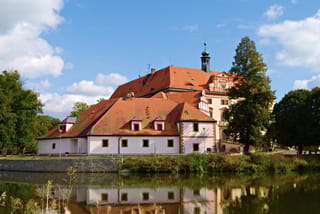
Lnáře Chateau
Strakonice
7.7km
castle, chateau
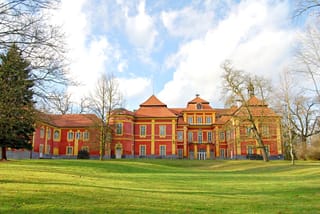
Čimelice Chateau
Písek
14.3km
castle, chateau
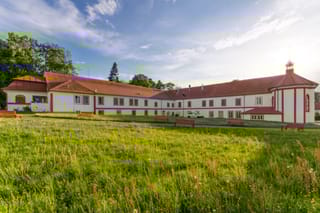
Drhovle Chateau
Písek
15.5km
castle, chateau
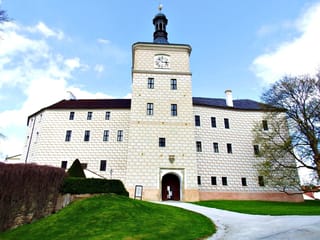
Březnice Chateau
Příbram
15.9km
castle, chateau
Horažďovice Chateau
Klatovy
17.3km
castle, chateau
Strakonice Castle
Strakonice
18.4km
castle, chateau
Vráž Chateau
Písek
18.6km
castle, chateau