Spontin Castle
Namur Région Wallonne Belgium
castle, chateau
Château de Spontin
Namur Région Wallonne Belgium
castle, chateau
Kasteel van Spontin
Namur Région Wallonne Belgium
castle, chateau
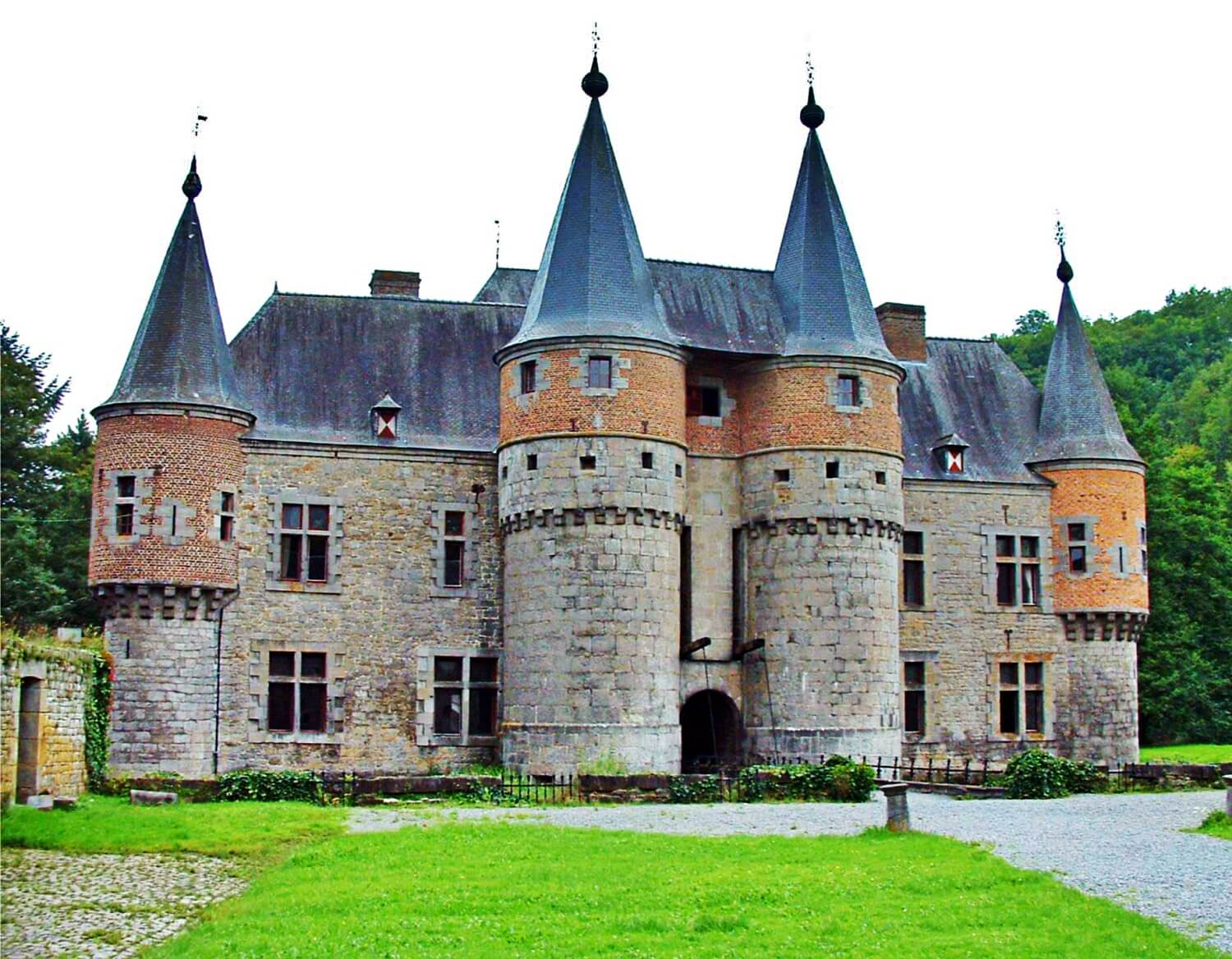
Spontin Castle is a medieval castle in the village of Spontin in the municipality of Yvoir, province of Namur, Belgium
Le château de Spontin est un château situé à Spontin dans la commune d'Yvoir et dans la province de Namur
Het kasteel van Spontin bevindt zich in het centrum van Spontin, een deel van de Belgische gemeente Yvoir
Previous names
Spontin Castle, Château de Spontin, Kasteel van Spontin
Description
Spontin Castle is a medieval castle in the village of Spontin in the municipality of Yvoir, province of Namur, Belgium. It has massive walls, its towers topped with slate and a moat with drawbridge.
History
Spontin was built in a bend of the Bocq, whose water flows around the castle along some cascading waterfalls
The castle belonged to the noble family of Beaufort (named after a castle near Huy). Between 1266 and 1284, Pierre de Beaufort built the main tower which is the core of the castle. In 1288, his son William (Guillaume), nicknamed the "Ardennes", participated in the Battle of Woeringen. For his bravery in battle, in which Henry VII of Luxembourg was defeated, he was rewarded with the fiefdom of Spontin. From that time, the lords of the castle Spontin constantly added various outbuildings up to the 16th century when it gained its present form.
Spontin Castle was on a 'dangerous' place in the border region between the County of Namur and the Principality of Liège, and although it was assaulted by armies from Liege, Dinant, Burgundy, and France, it was never taken.
From the late sixteenth century, the fortifications became redundant and unnecessary, the castle is transformed into a residence by the drilling of windows and is accented with red bricks and roofs pepper. The last two transformations are the construction of a fortified farm beyond the moat (1622) and demolition of the rear part of the fortifications. In the parade, decorated with an elegant frame of wrought iron sink Van Boeckel (nineteenth century), featuring former dungeon. The rooms of the old house, with huge walls, chimneys, and Gothic woodwork Louis XIII, the sandstone paving, constrastent by their austerity with the apartments, and there is a well carved into a wall. The southern part has been decorated in the nineteenth century in the Gothic Revival. Currently, the castle is closed to the public, this is private property.
After the fall of the Ancien Régime, the castle was owned by a number of people, until eventually it was purchased by SA Société du Château de Spontin, which entrusted the management of the association Les Cimaises the Spontin. Due to mismanagement of previous owners, the castle is now in a precarious state of neglect.
Le château de Spontin est un château situé à Spontin dans la commune d'Yvoir et dans la province de Namur.
Histoire
Classé le 14 janvier 1950 à la fois comme monument historique et site, le château illustre l’évolution d’une habitation seigneuriale du Moyen Âge à nos jours. À l’origine, vers le xiie siècle, le château de Spontin est une simple tour défensive carrée, dans la vallée du Bocq, destinée à protéger les usagers de l’antique voie romaine Dinant-Huy. Depuis environ 1200 il était possédé par la Maison de Beaufort-Spontin, une branche de la Maison de Huy.
Après de hauts faits d’armes, Guillaume dit « l’Ardennais » transforme à la fin du xiie siècle le bâtiment primitif en une demeure fortifiée de trois étages, aux murs plus épais, et il y ajoute deux tourelles de défense avec pont-levis. C’est seulement au xive siècle que la demeure prend son aspect de château-fort classique.
Dès la fin du xvie siècle, les fortifications étant devenues inutiles, le château se transforme en résidence par le percement de fenêtres et il est rehaussé de briques roses et de toits en poivrière. Les deux dernières transformations sont la construction d’une ferme fortifiée en dehors des douves (1622) et la démolition d’une partie des fortifications arrière. Dans la cour d'armes, ornée d'une élégante armature de puits en fer forgé par Van Boeckel (xixe siècle), apparaît l'ancien donjon. Les salles du vieux logis, aux murs énormes, aux cheminées gothiques et boiseries Louis XIII, au pavement de grès, contrastent par leur austérité avec les appartements. La partie sud a été décorée au xixe siècle dans le style néogothique (architectes Jean-Baptiste Bethune et Auguste Van Assche).
Het kasteel van Spontin bevindt zich in het centrum van Spontin, een deel van de Belgische gemeente Yvoir. Met zijn massieve muren, zijn torens bekroond met leistenen spitsen en zijn slotgracht met ophaalbrug beantwoordt het vrij goed aan het beeld dat men zich doorgaans vormt van een middeleeuws kasteel.
Geschiedenis
Spontin werd gebouwd in een bocht van de Bocq, waarvan het water rond het kasteel vloeit langs enkele klaterende watervalletjes. De kasteelheren behoorden tot het adellijke geslacht van de Beauforts (genoemd naar een kasteel nabij Hoei). Tussen 1266 en 1284 zou Pierre de Beaufort de hoofdtoren gebouwd hebben, de kern van de toekomstige burcht. In 1288 nam zijn zoon Willem (Guillaume), bijgenaamd "de Ardenner", deel aan de Slag bij Woeringen. Zijn dapperheid in deze slag werd door de weliswaar verslagen Hendrik VII van Luxemburg beloond: hij kreeg het leengoed van Spontin. Vanaf dat moment breidden de heren van Spontin hun kasteel voortdurend uit met allerlei bijgebouwen, tot het in de 16e eeuw zijn huidige vorm verkreeg.
Het kasteel van Spontin lag op een 'gevaarlijke' plek, in het grensgebied tussen het graafschap Namen en het prinsbisdom Luik, en hoewel het aanvallen te verduren kreeg van legers uit Luik, Dinant, Bourgondië en Frankrijk, heeft het steeds standgehouden.
Sinds de val van het ancien régime kwam het waardevolle kasteel voortdurend in andere handen terecht, tot het uiteindelijk aangekocht werd door de NV Société du Château de Spontin, die het beheer toevertrouwde aan de vzw Les cimaises de Spontin. Door wanbeheer van vroegere eigenaars verkeert het kasteel momenteel in een toestand van verwaarlozing.
In 2004 werd de toenmalige kasteelheer, Robert Vermeersch, bewusteloos aangetroffen en overleed deze later in het ziekenhuis. Het bleek om een roofmoord te gaan door een Duitse man, die een deel van het kasteel afhuurde.
In 2013 werd de heropening van het kasteel in stilte aangekondigd.
Het is hier goed te zien welke wijzigingen een ridderslot tussen de 12e en de 18e eeuw heeft ondergaan. In het interieur zijn onder meer twee gotische haarden te zien en een interessante waterput die in een muur werd uitgehakt.
Nearby castles
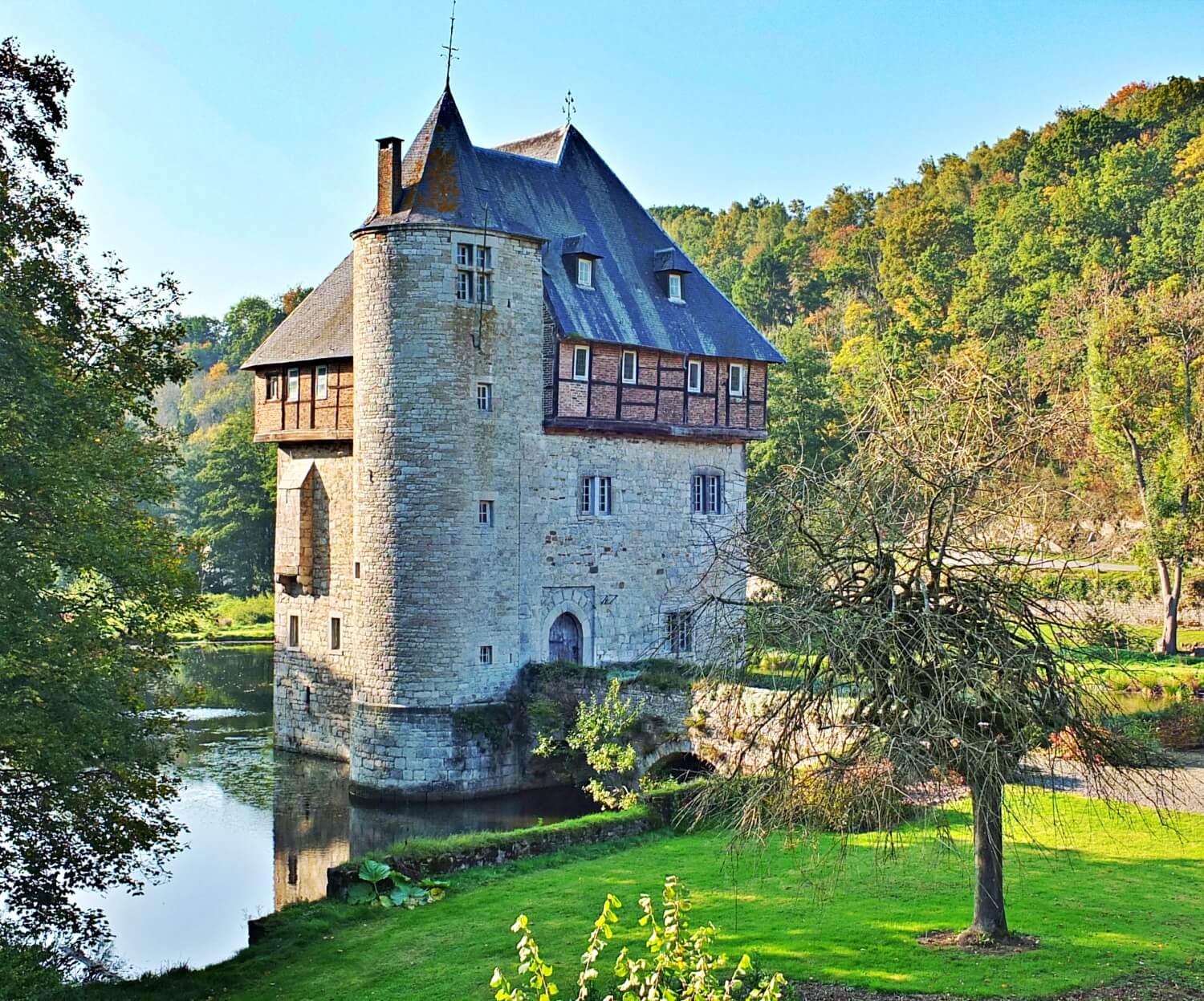
Kasteel van Crupet
Namur
4.5km
manor, mansion
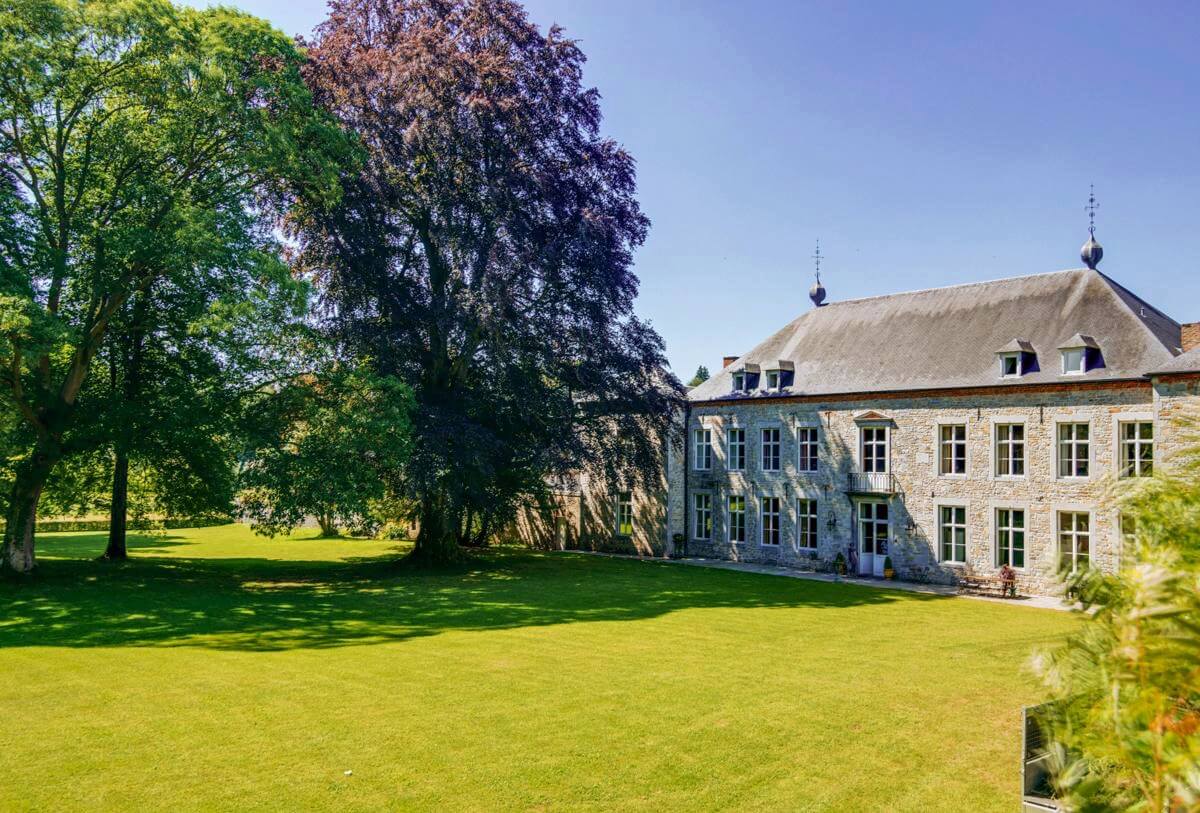
Kasteel van Halloy
Province of Namur
4.9km
manor, mansion
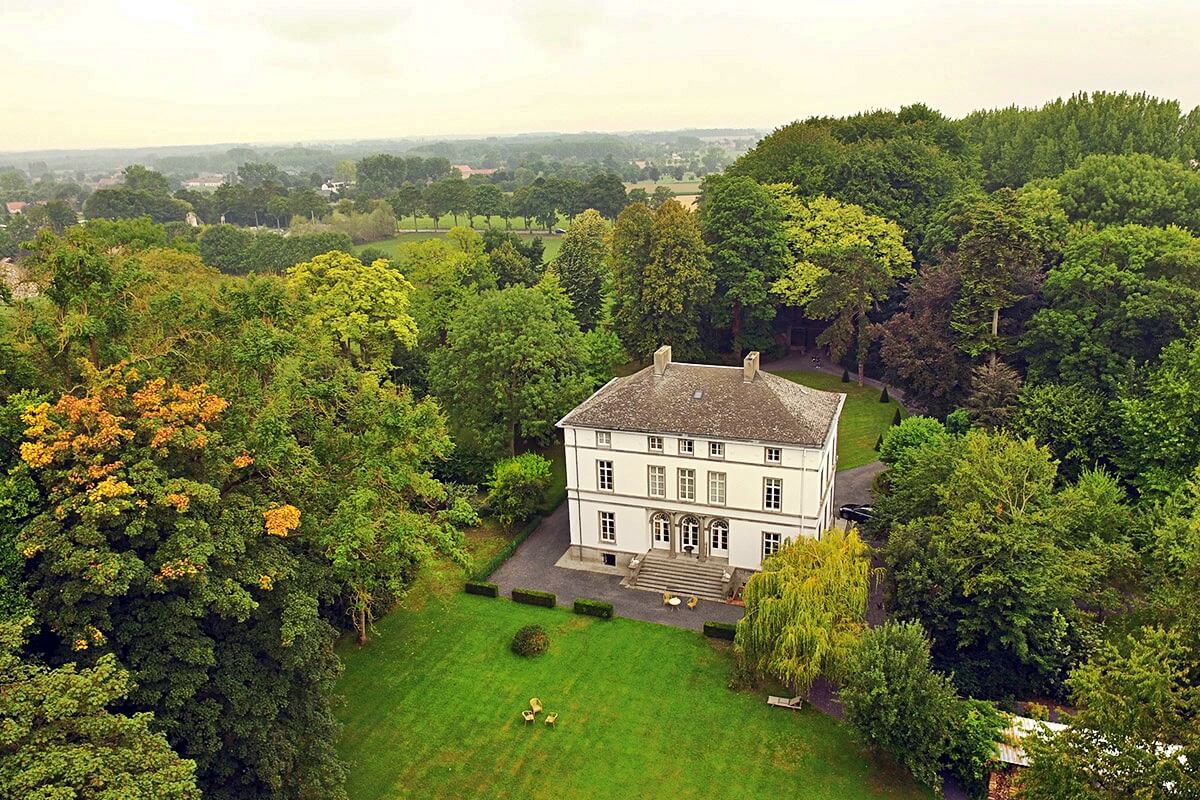
Kasteel van Courrière
Namur
6.4km
manor, mansion
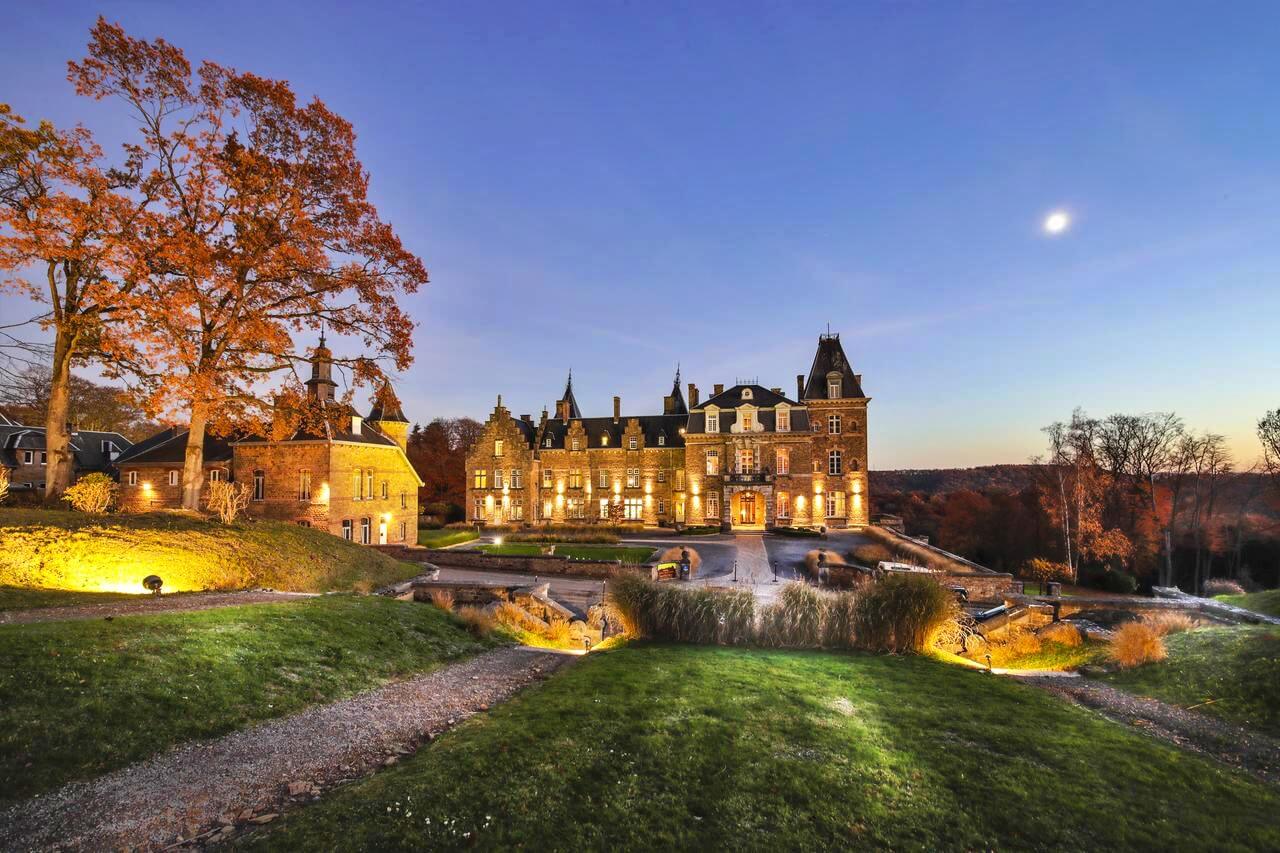
Kasteel van Ronchinne
Namur
6.7km
manor, mansion
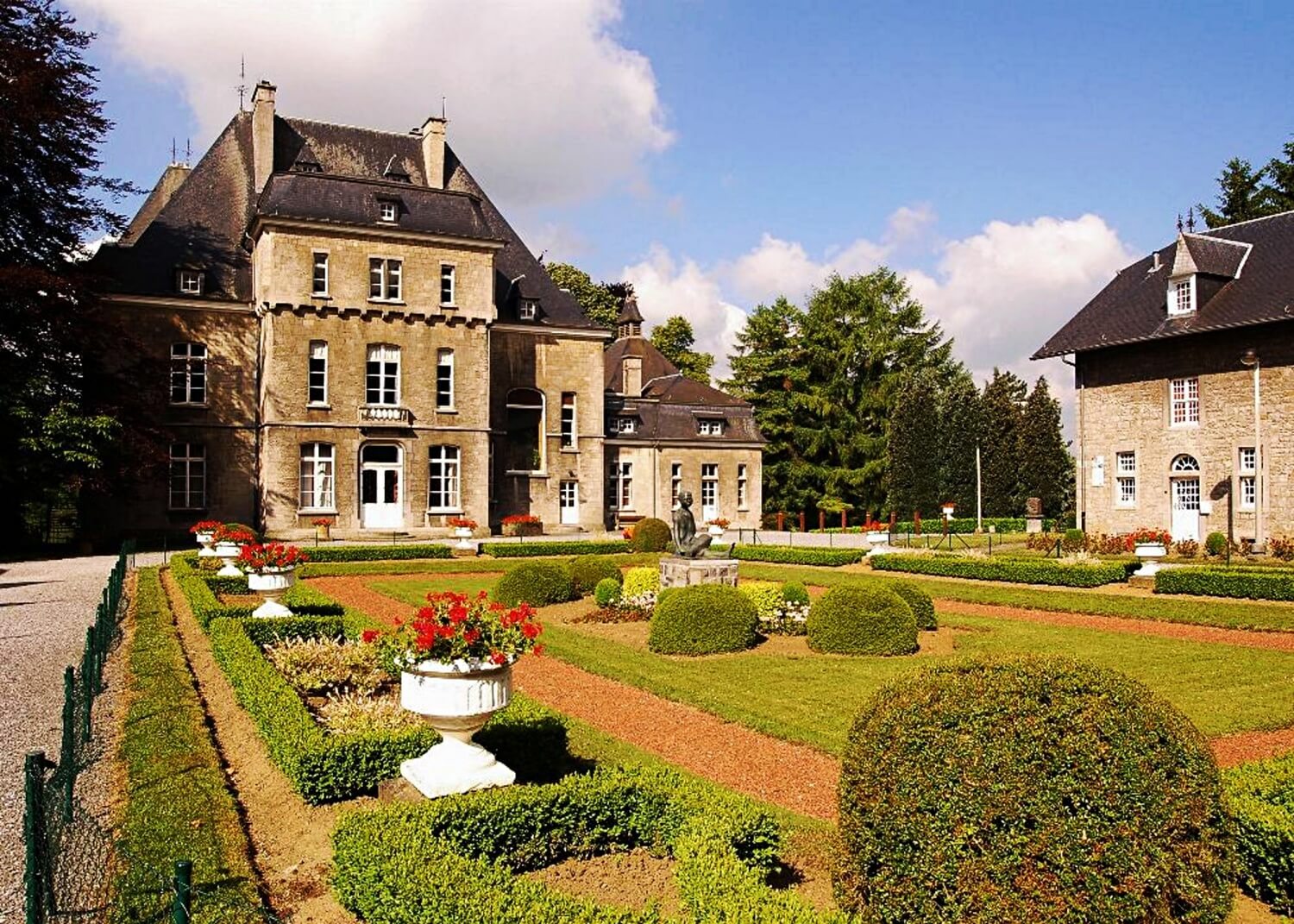
Kasteel van Saint-Roch in Ciney
Namur
7.5km
manor, mansion
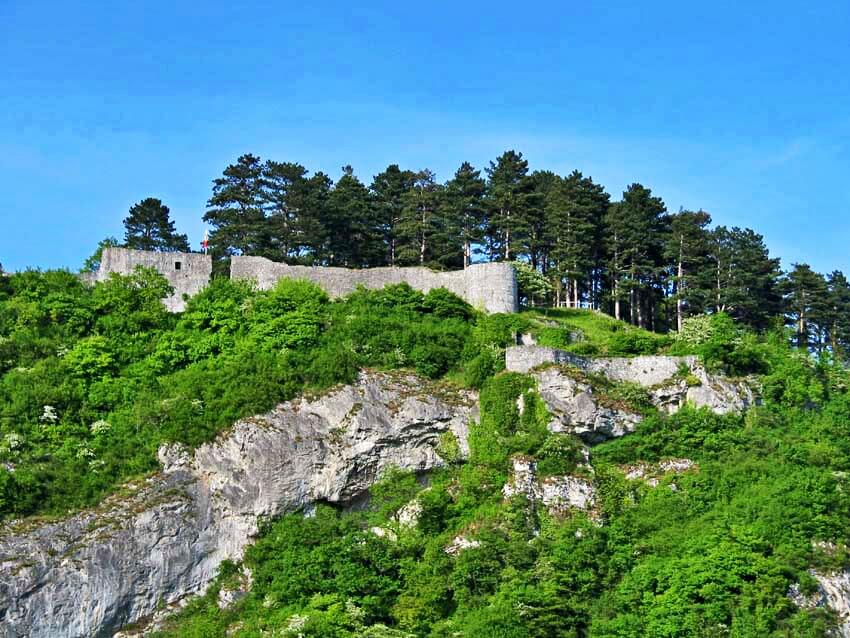
Poilvache Castle
Namur
8.0km
castle, chateau
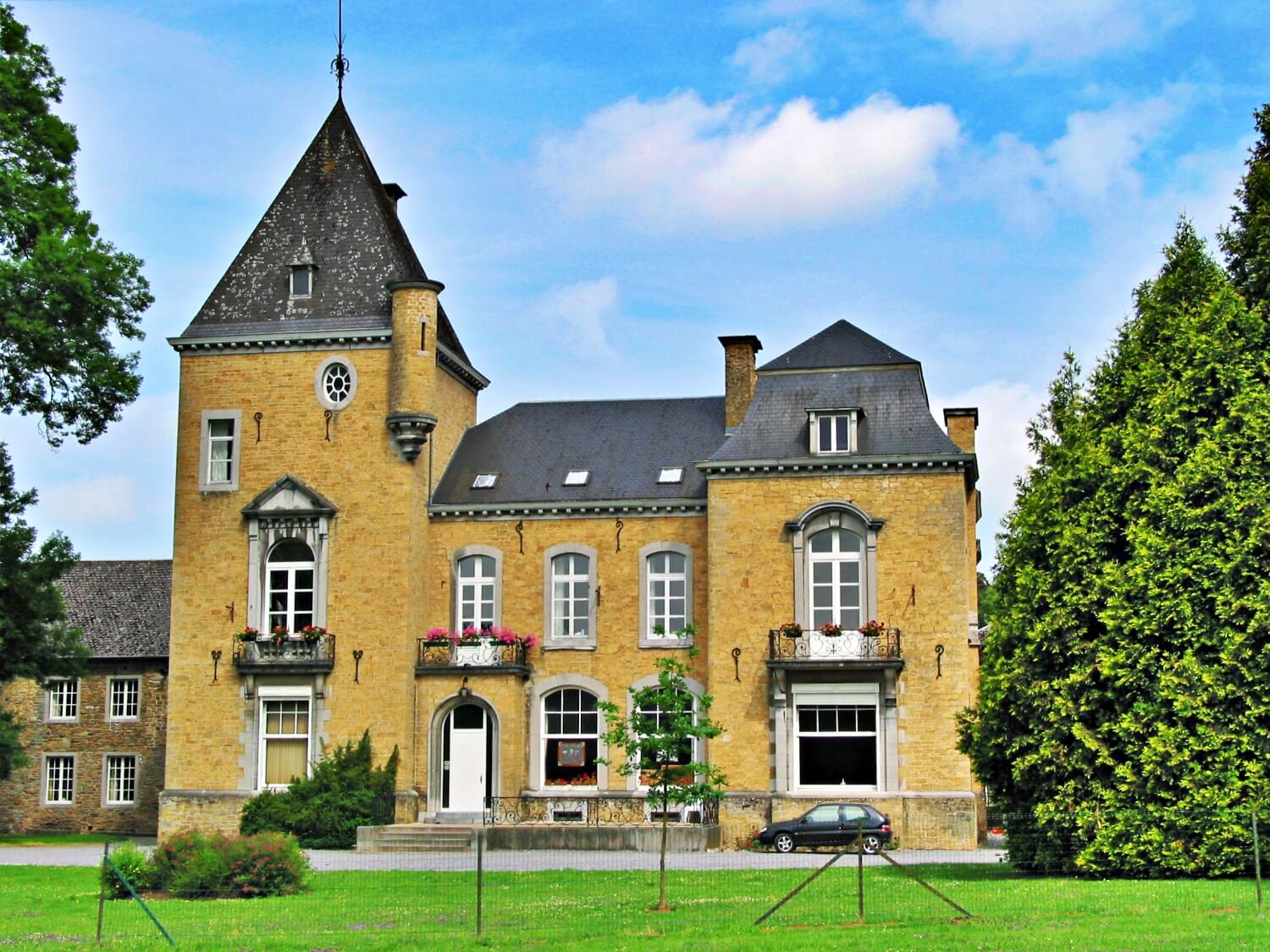
Kasteel van Burmesse in Schaltin
Namur
9.3km
manor, mansion