Holíč
Holíč Trnava county Slovakia
castle, chateau
Holíčsky zámok
Holíč Trnavský kraj Slovakia
hrad, zámok
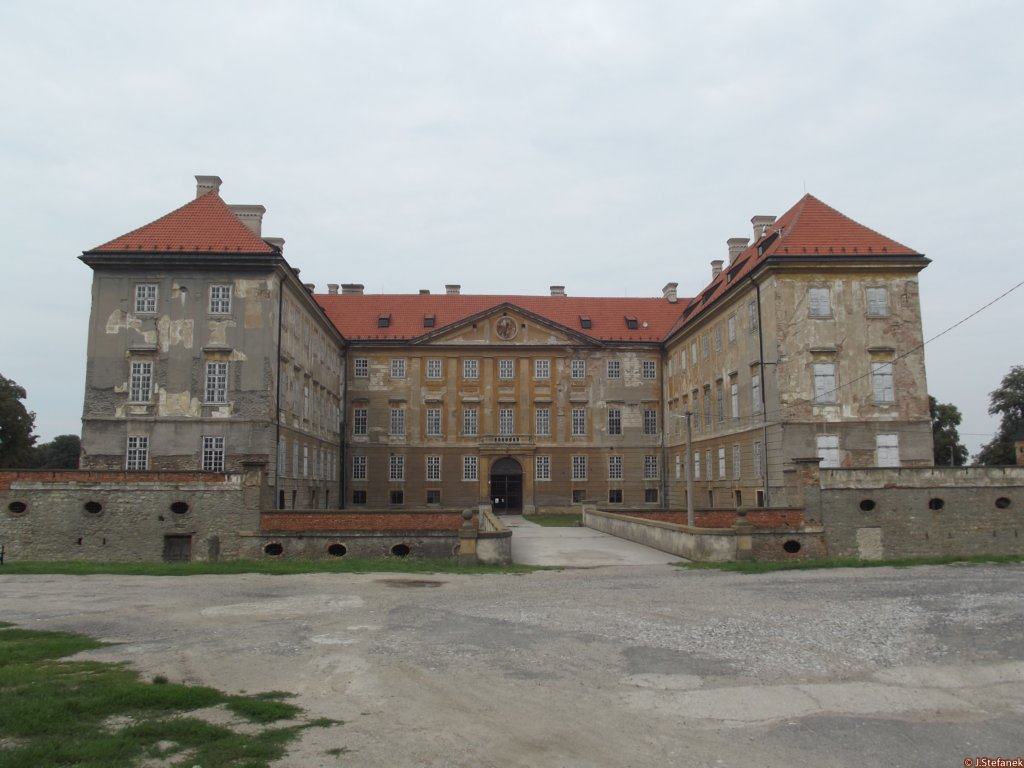
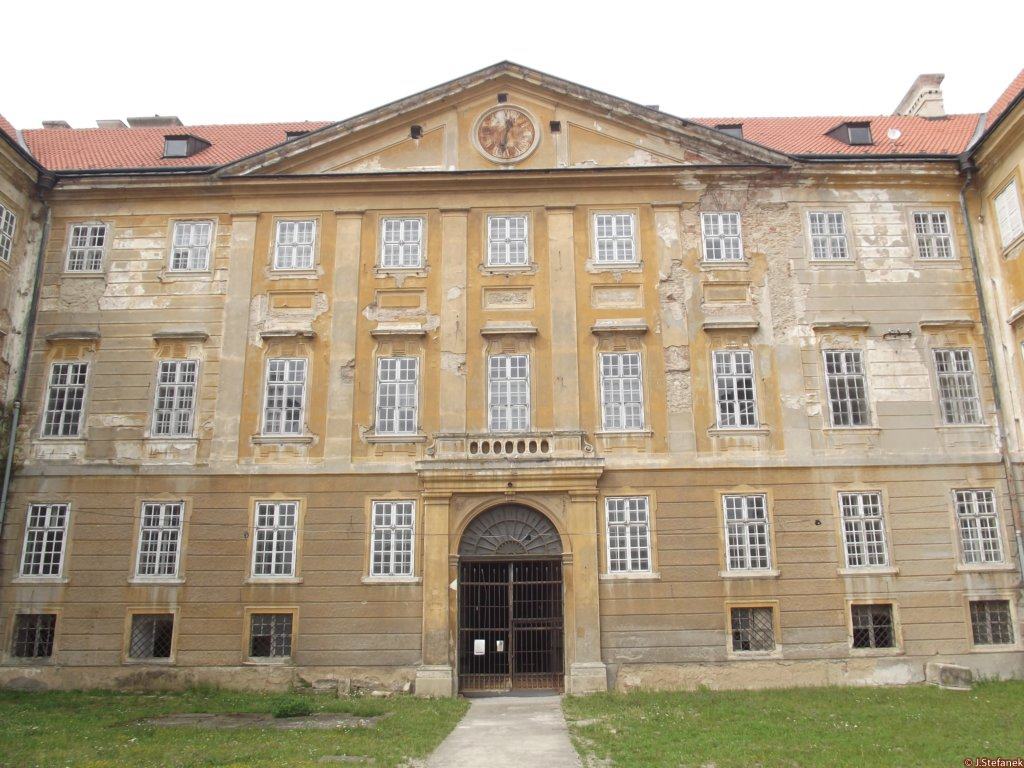
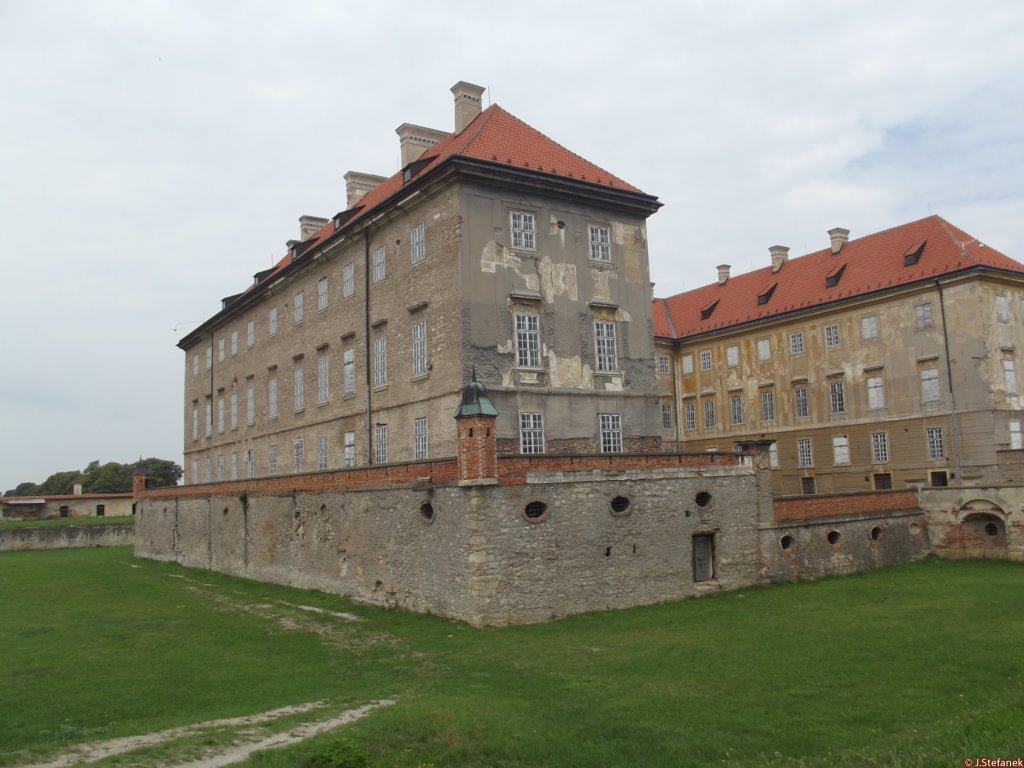
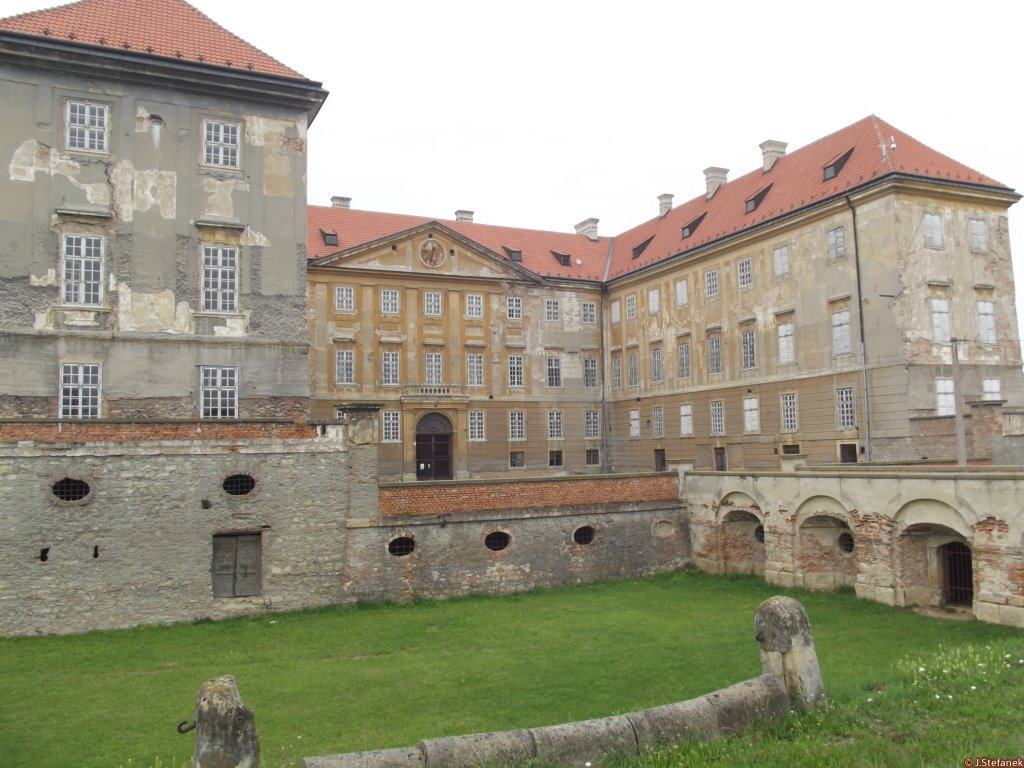
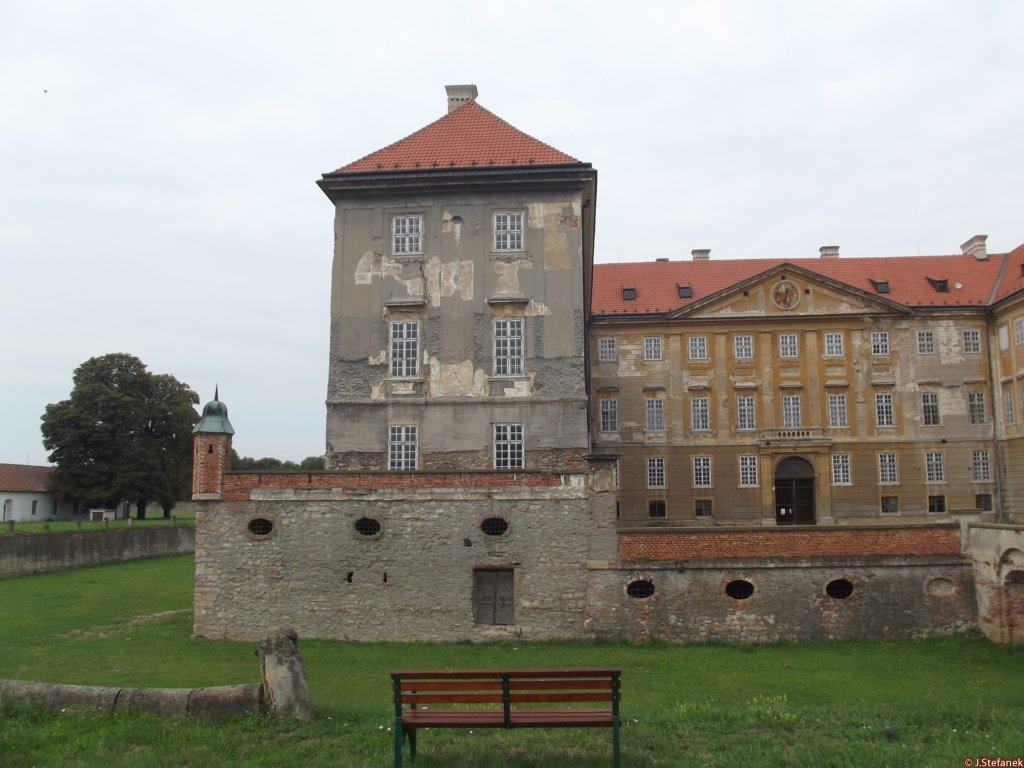
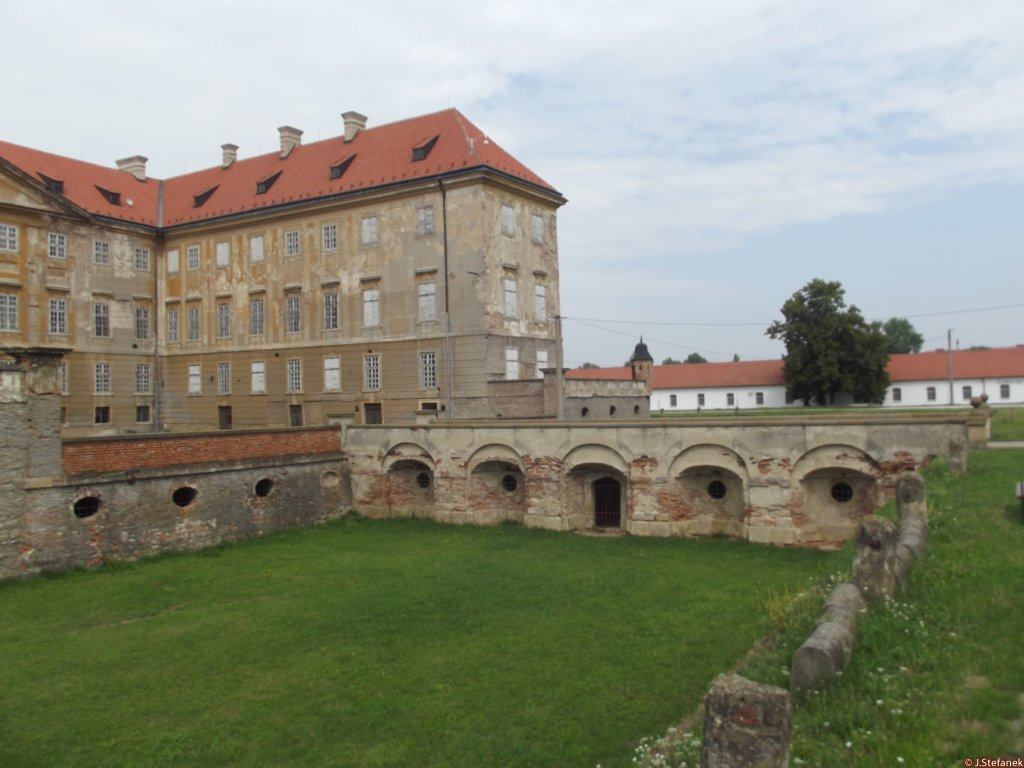
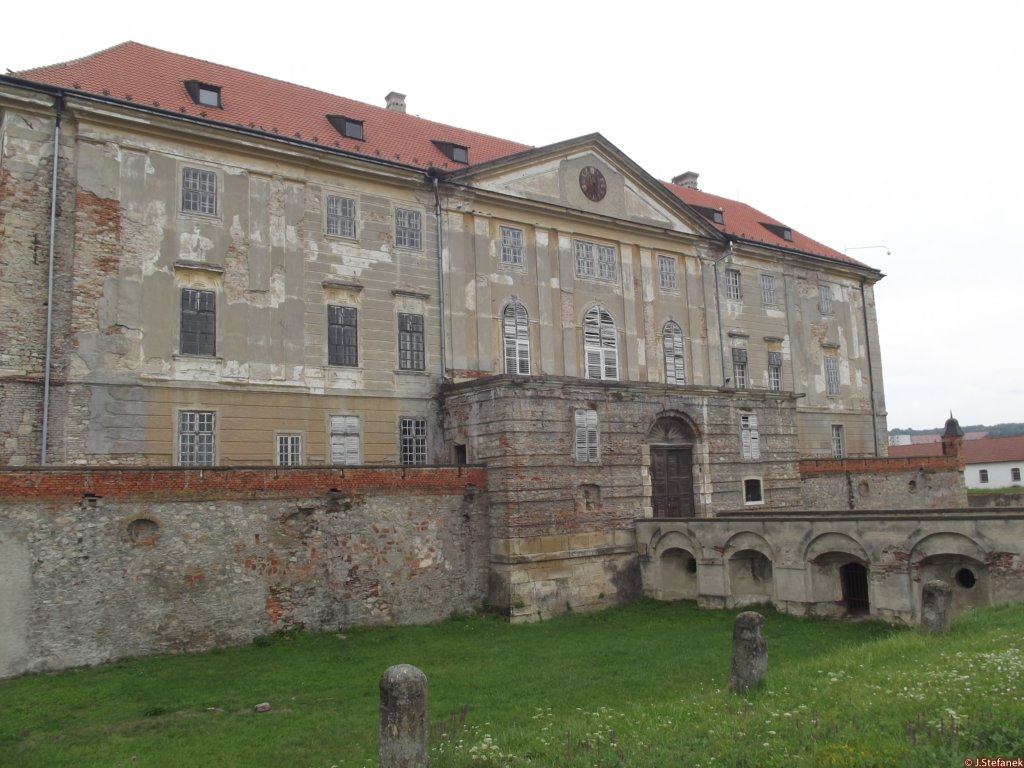
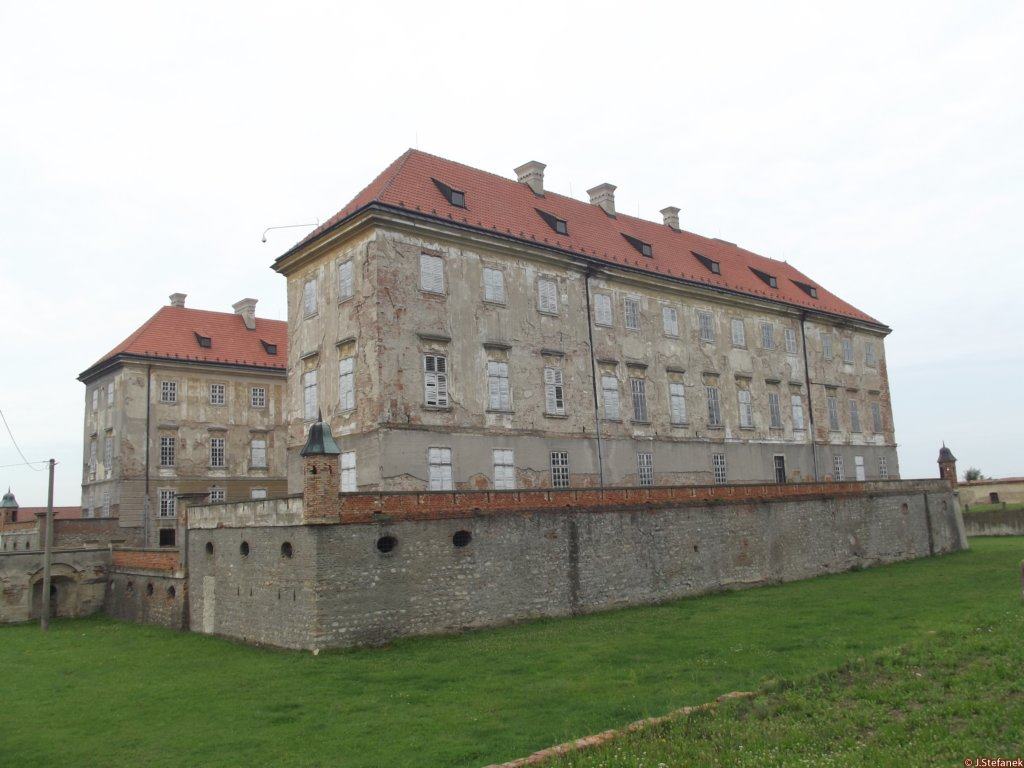
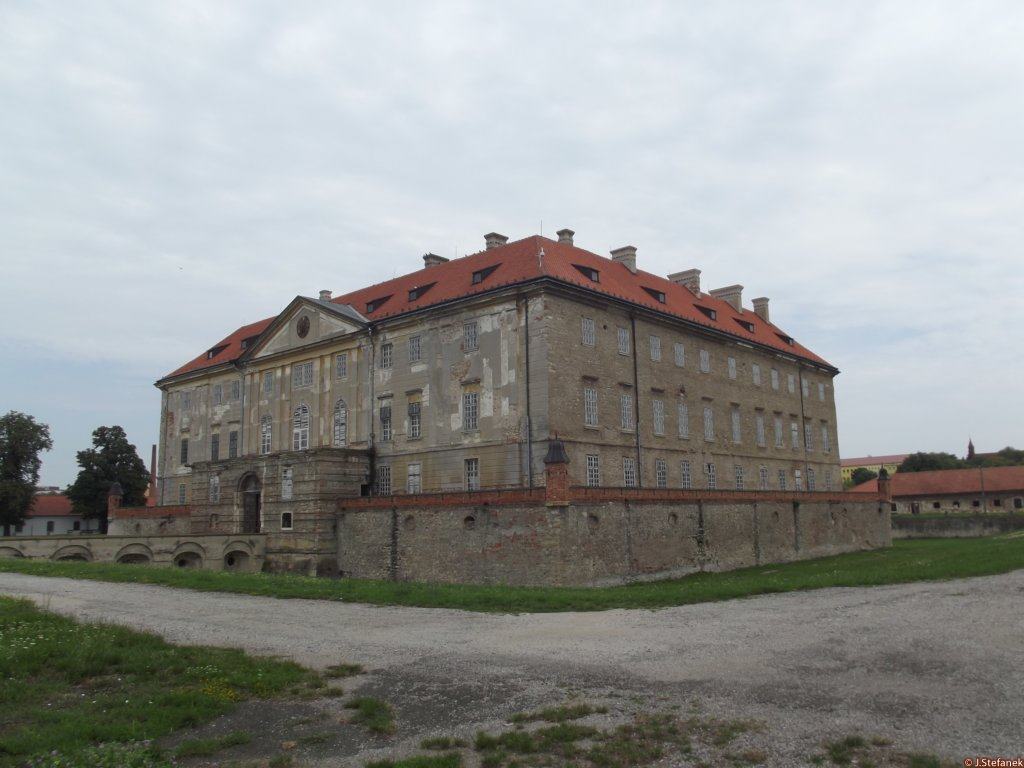
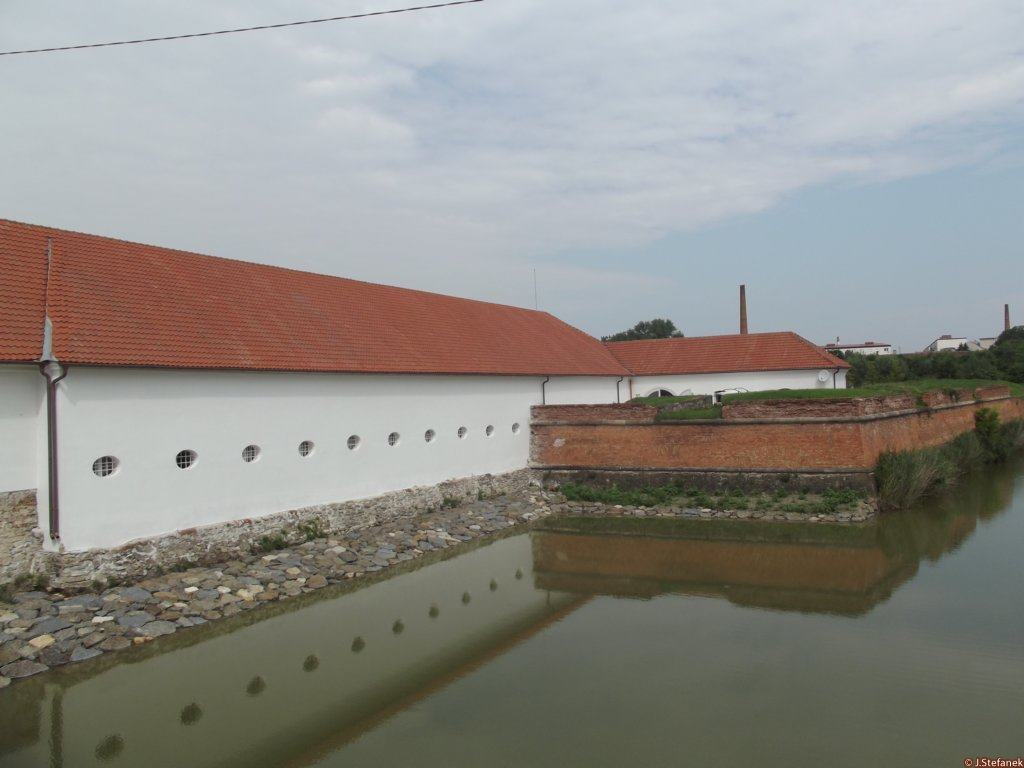
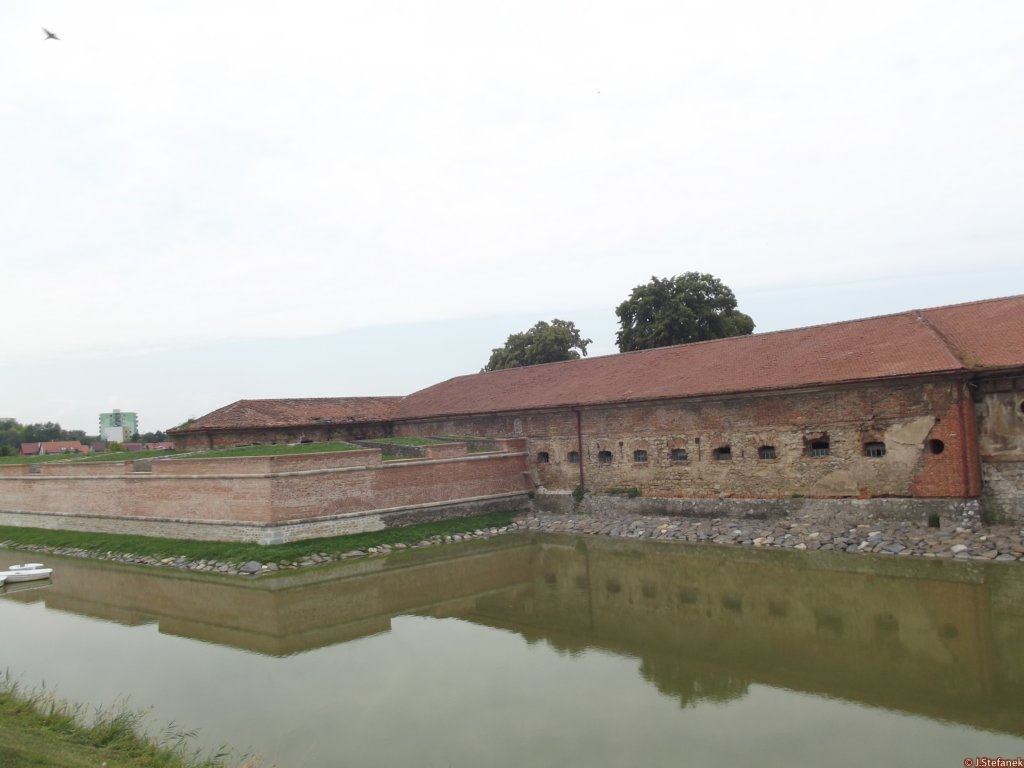
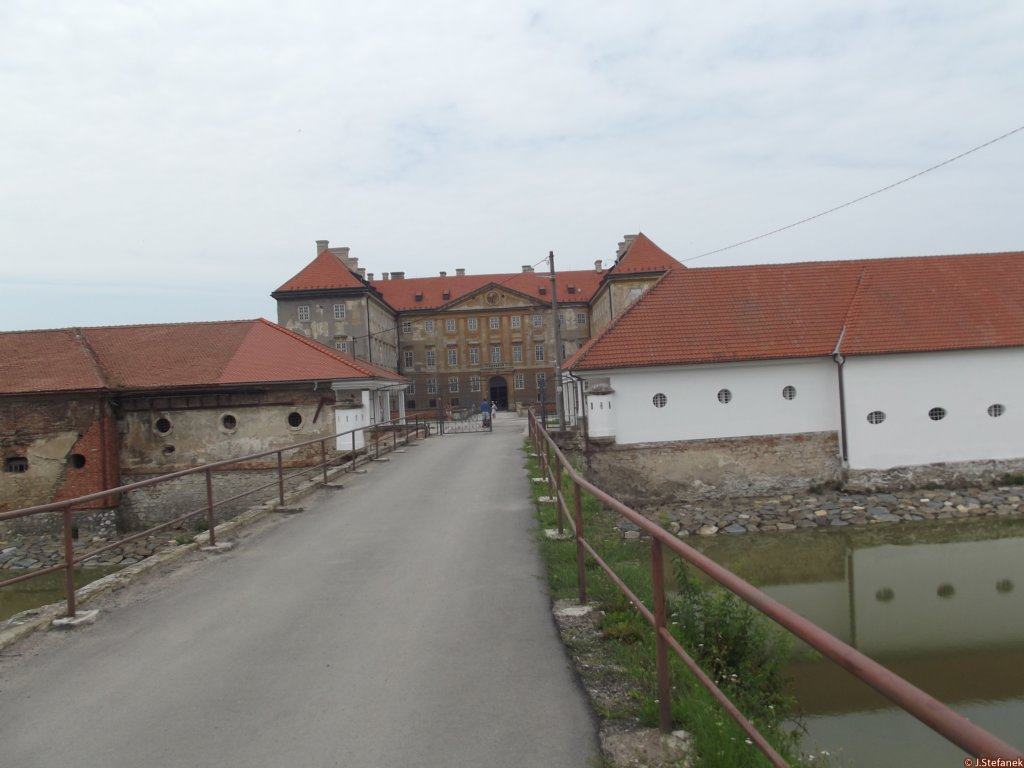
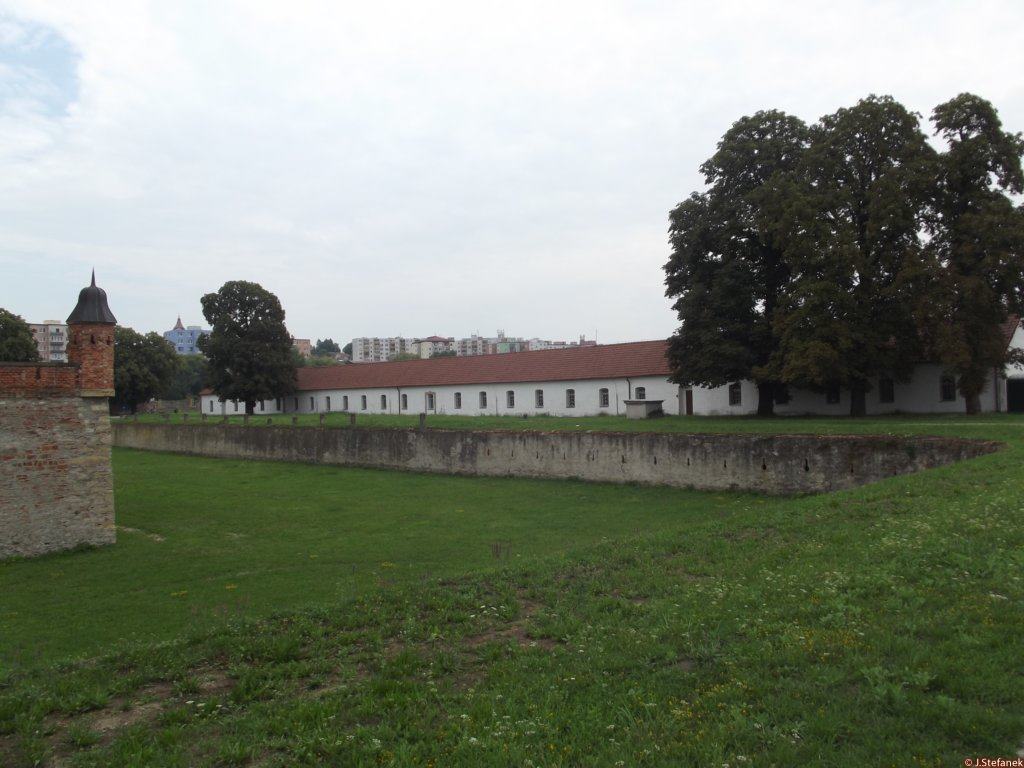
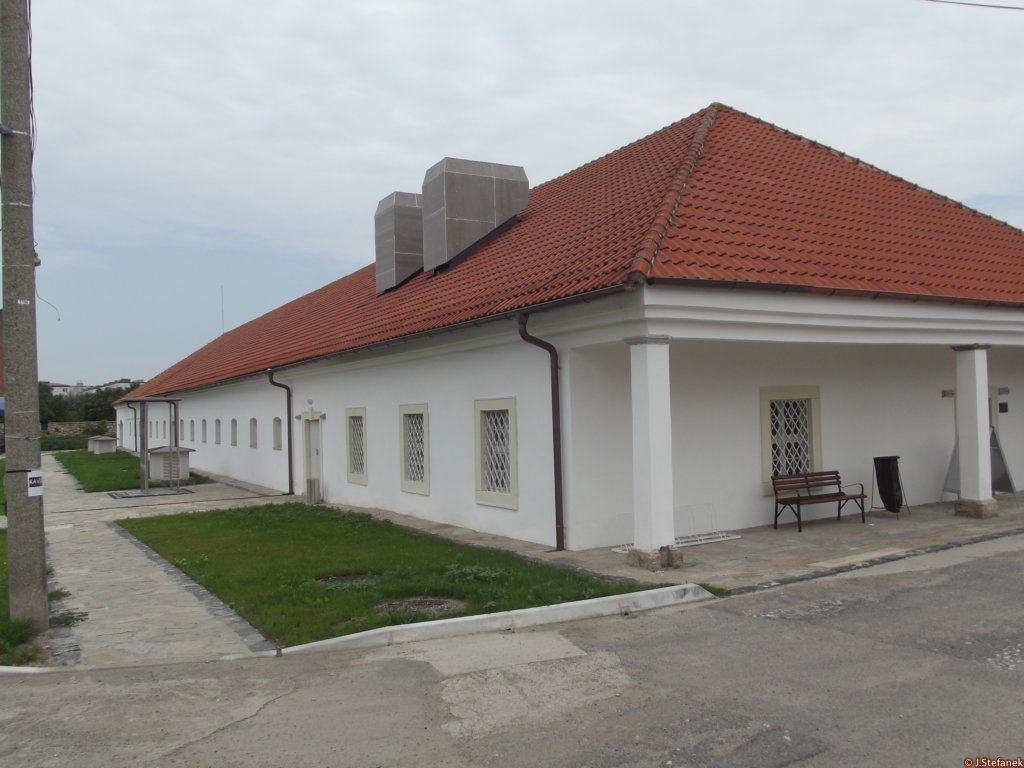
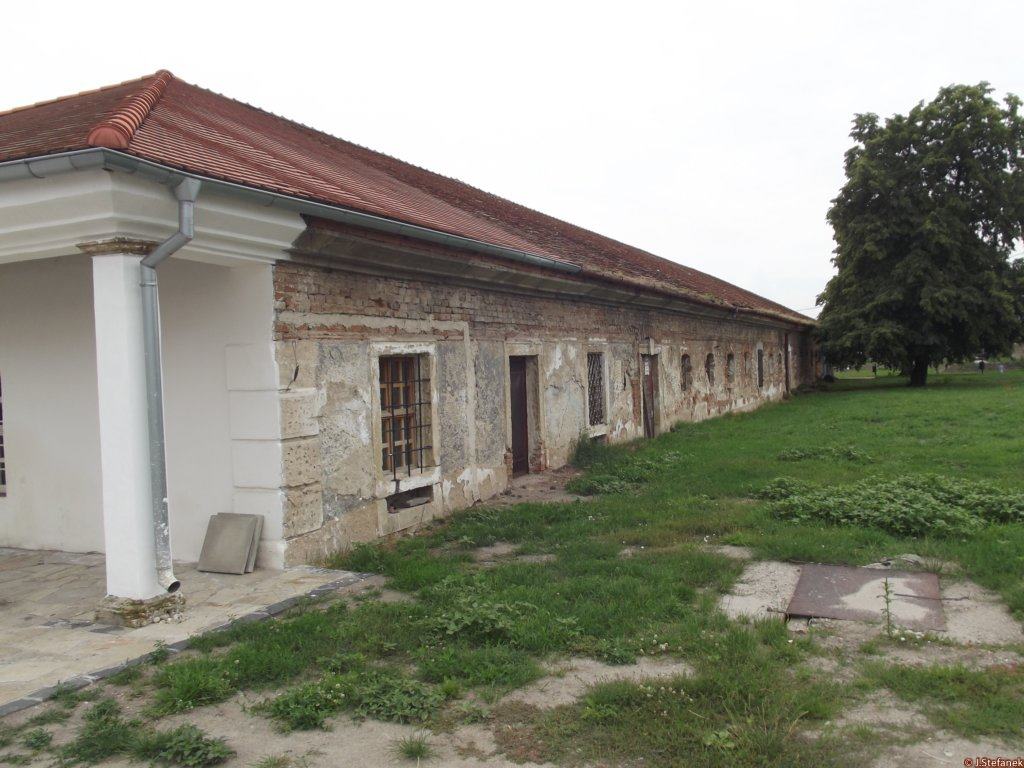
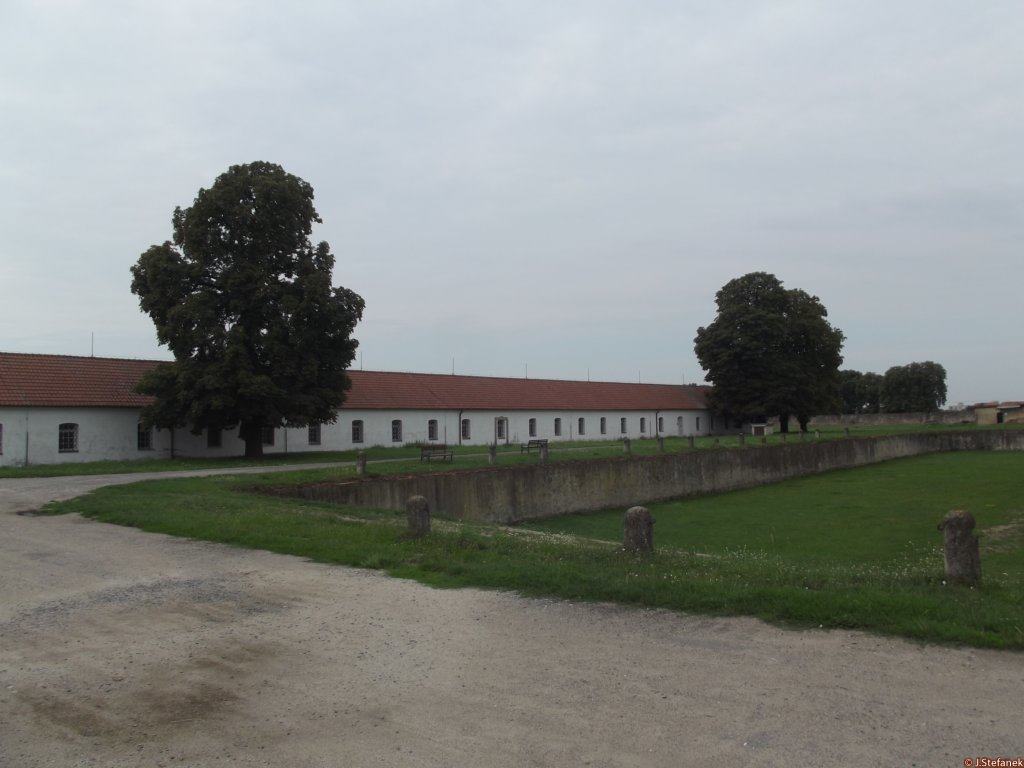
Holíč Castle, originally a gothic water castle, rebuilt into a baroque-classicist mansion. It is extended into the inundation of the Morava River, located on the western outskirts of Holíč, in the Skalica district
Holíčsky zámok, pôvodne vodný hrad, vysunutý do inundácie rieky Morava, nachádzajúci sa na západnom okraji mesta Holíč, v okrese Skalica.
Previous names
Wywar (Nový Hrad), Wywar sive Alba Eccelsia, Holicz, Holych, Holics
Roads
Access to Holíč Castle is quite simple. It is located on Zámocká Street on the western outskirts of Holíč. From Bernolákova street we turn to the mentioned Zámocká street, where there is a parking lot. From there it is only a few meters to the castle.
>Prístup k Holíčskemu zámku je úplne jednoduchý. Nachádza sa na Zámockej ulici na západnom okraji mesta Holíč. Z Bernolákovej ulice odbočíme na spomínanú Zámockú ulicu, kde sa nachádza parkovisko. Odtiaľ je to len pár metrov k zámku.
Description
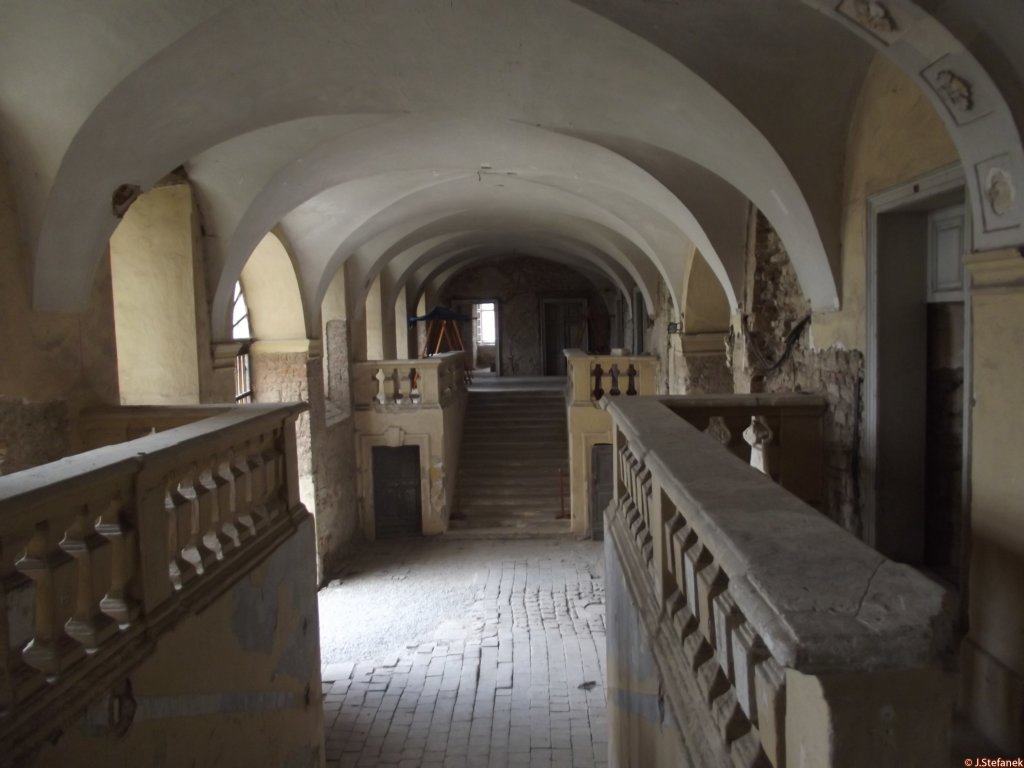
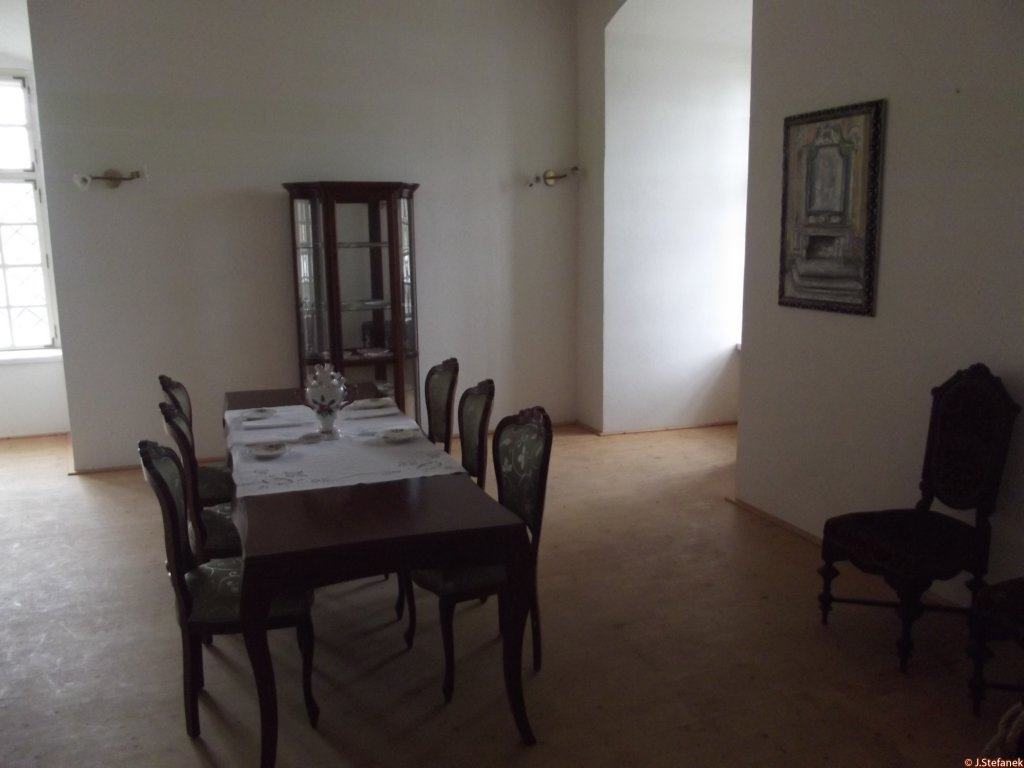
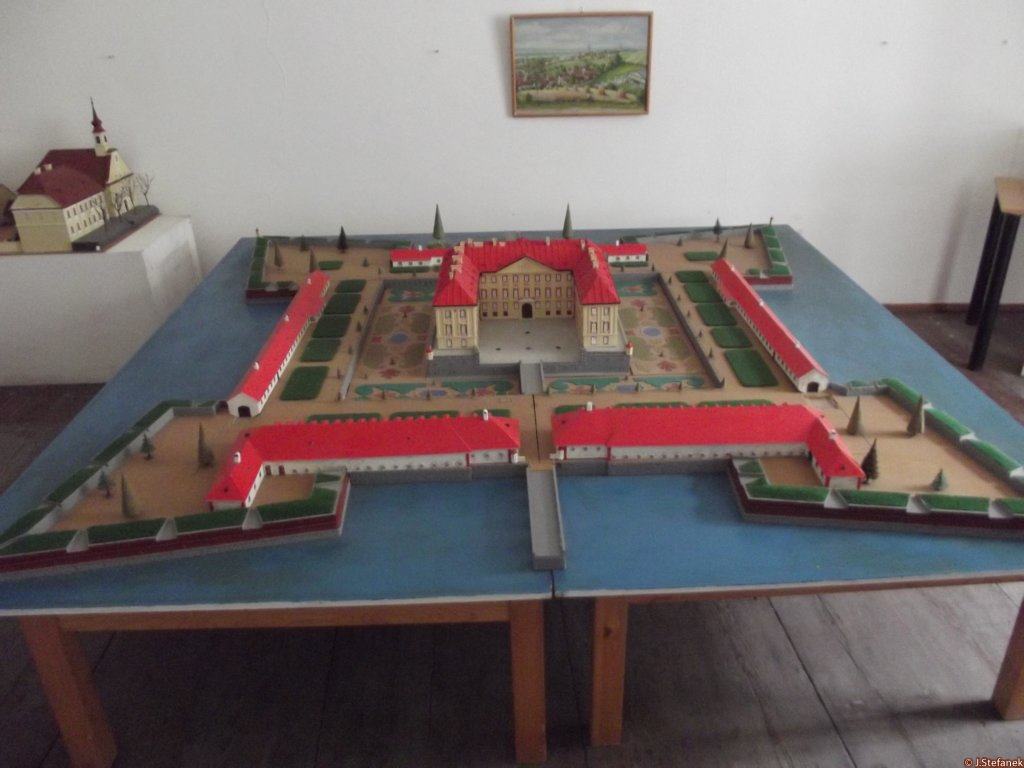
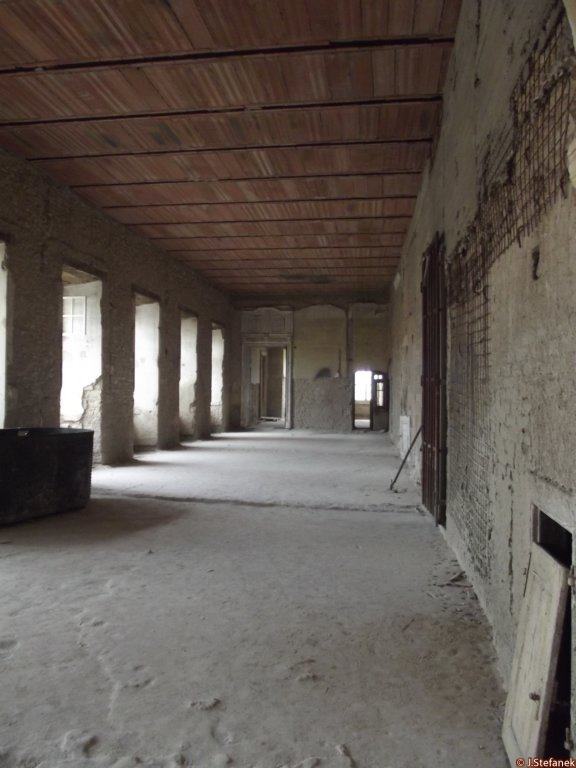
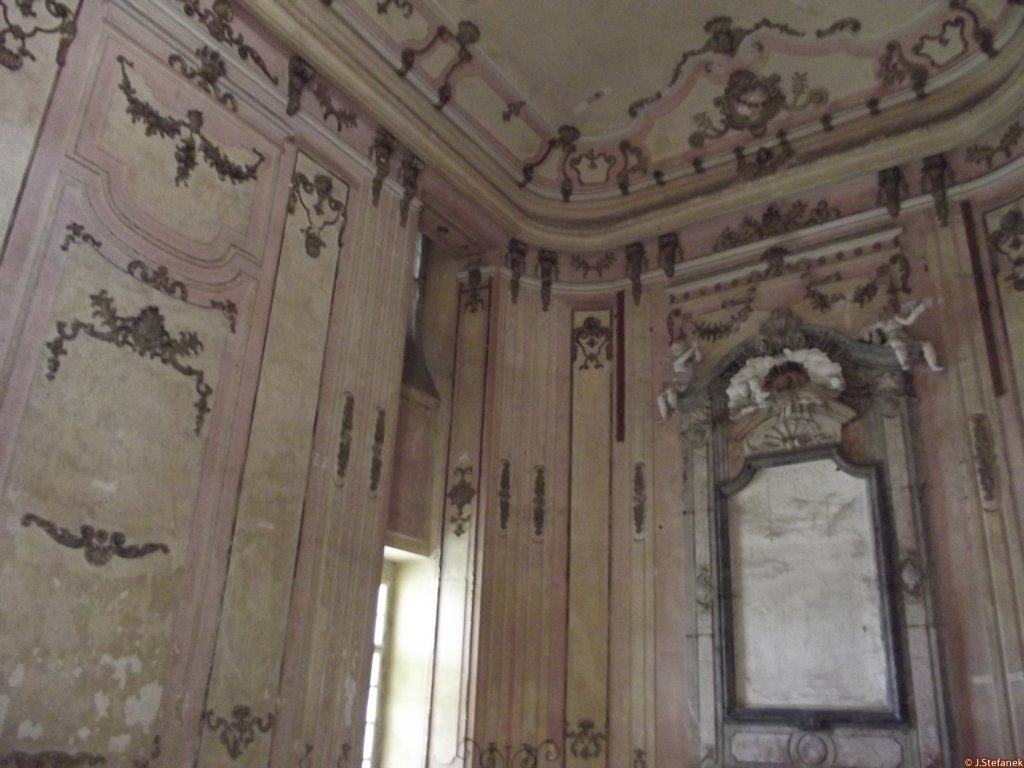
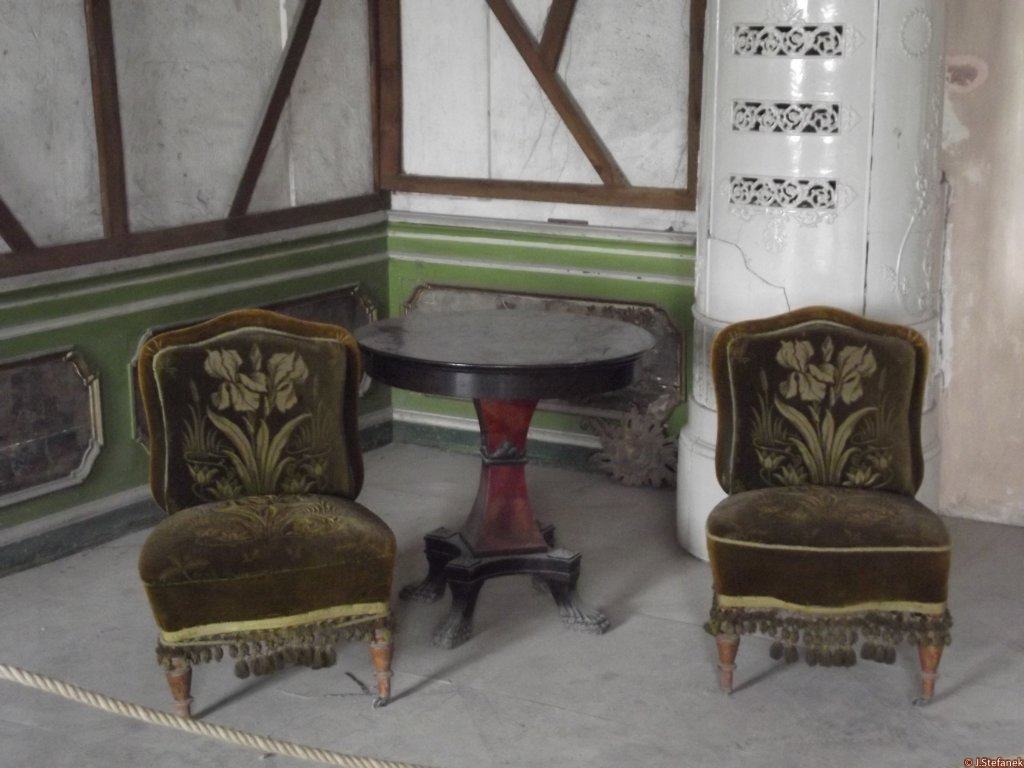
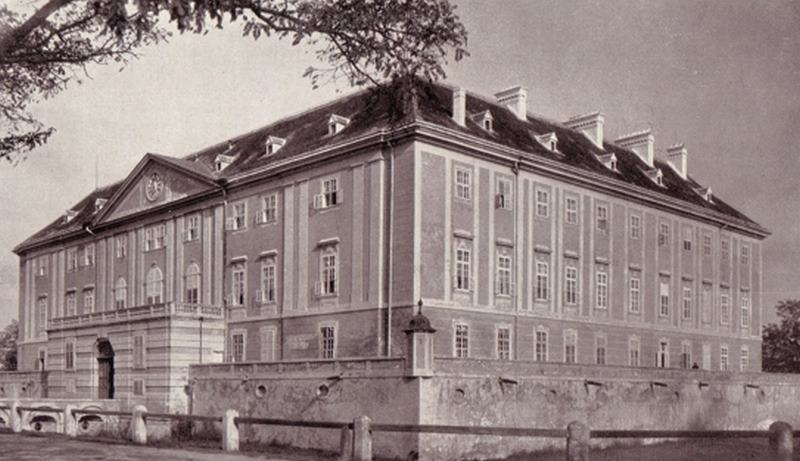
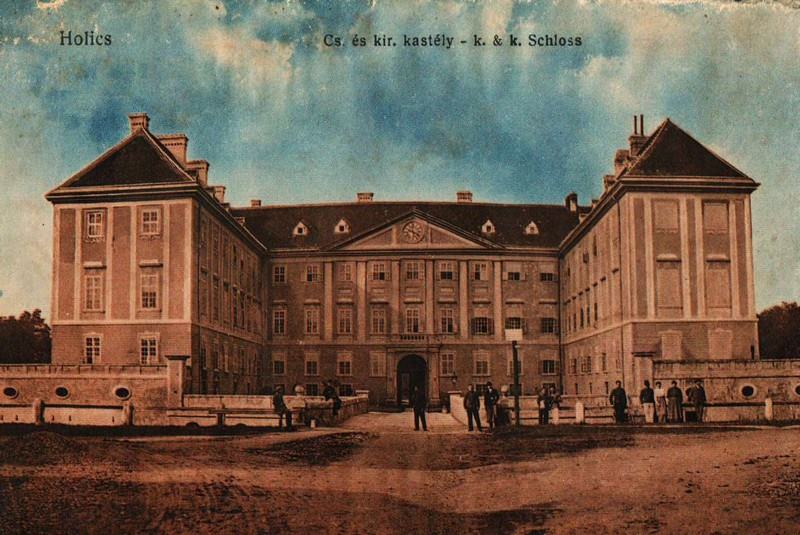
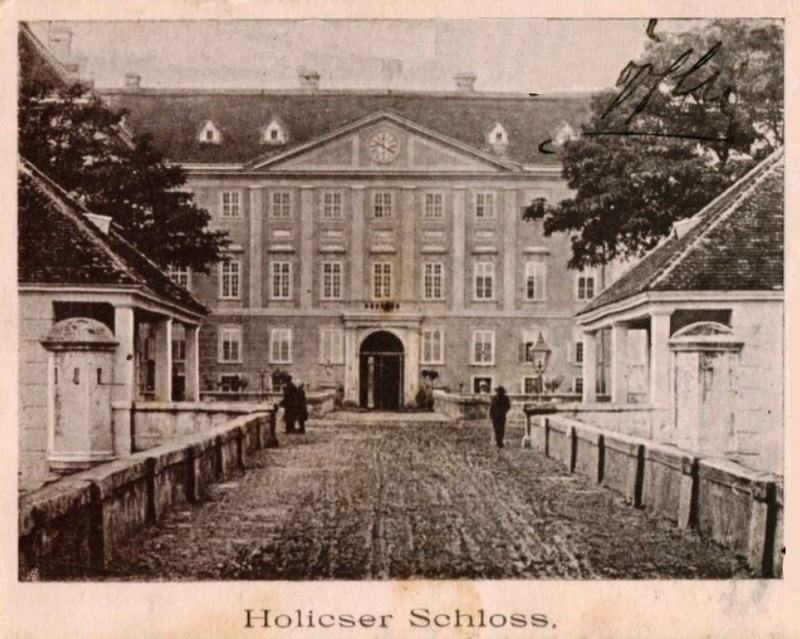
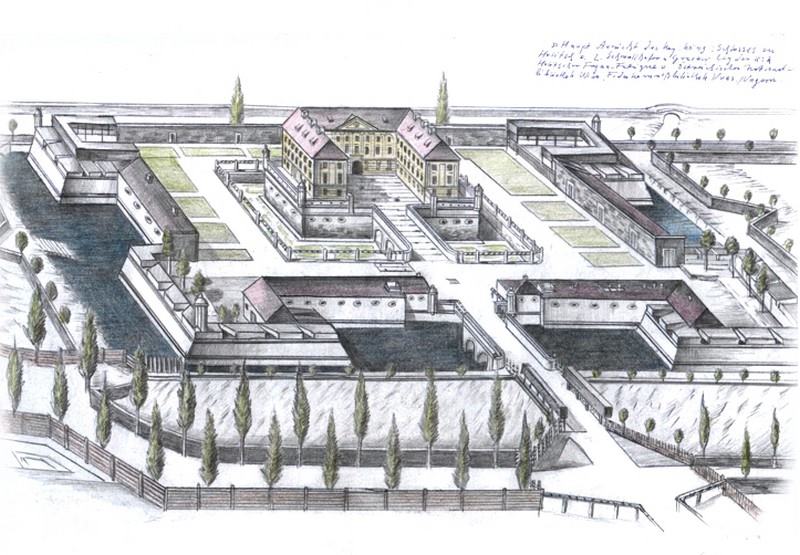
The natural protection of the original stone tower with rectangular fortifications was formed by marshy terrain. A two-tower residential palace was added to this area in the 14th century, and in the 15th century another wing was added. After the Renaissance reconstruction, a regular four-wing layout of the building with an arcade courtyard arose. From this period, the inner fortification belt with casemates on the corners has been preserved. In the 17th century was built star fortifications with corner bastions, which connected with the original fortifications underground passage.At present, the castle, surrounded by fortifications, is a monumental three-wing building with a courtyard. Of the representative premises of the summer imperial seat, thanks to the post-nationalization of the Habsburg property after 1918 during I. Czechoslovakia, not much remained. They set up a school and farm buildings in the chateau and the adjacent park was used for agricultural purposes. Worth mentioning is the well-preserved Chinese Hall, the walls of which are covered with leather painted wallpaper with motifs of the Chinese landscape. The chapel has a Baroque look. Ceremonial non-vaulted staircase is interesting for its technical solution of self-supporting structure on slender high columns. Another interesting feature is the moat filled with water that surrounds the whole castle.
Prirodzenú ochranu pôvodnej kamennej veže s obdĺžnikovým opevnenením tvoril močaristý terén. Do tohto areálu bol v 14.storočí pristavaný dvojvežový obytný palác, v 15.storočí rozšírený o ďalšie krídlo. Po renesančnej prestavbe vznikla pravidelná štvorkrídlová dispozícia objektu s arkádovým nádvorím. Z tohto obdobia sa zachoval pás vnútorného opevnenia s kazematmi na nárožiach. V 17.storočí bolo vybudované hviezdicové opevnenie s nárožnými bastiónmi, ktoré s pôvodným opevnením prepojili podzemnou chodbou.V súčasnosti je zámok, obklopený opevnením, monumentálnou trojkrídlovou budovou s nádvorím. Z reprezentačných priestorov letného cisárskeho sídla sa aj vďaka poštátneniu habsburgského majetku po roku 1918 počas I. ČSR veľa nezachovalo. V zámku zriadili školu a hospodárske budovy a priľahlý park boli využívané na poľnohospodárske účely. Za zmienku stoji zachovaná Čínska sála, ktorej steny pokrývajú kožené maľované tapety s motívmi čínskej krajiny. Kaplnka má barokový vzhľad. Slávnostné neklenuté schodište je zaujímavé svojím technickým riešením samonosnej konštrukcie na štíhlych vysokých stĺpoch. Zaujímavosťou je aj vodná priekopa, ktorá obkolesuje celý zámok.
Plan
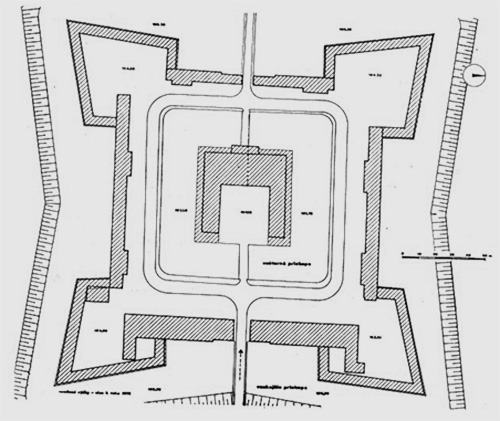
-
History
The castle has been mentioned in written sources since 1256 under the name Wywar, ie the New Castle. Probably at the beginning of the 13th century King Andrew II. for a time he endowed the lands of the nobleman Kemyn. When the surrounding area was occupied by Matúš Čák Trenčiansky, the castle became the base of his military raids in Moravia. At that time, the castle was surrounded by moats. Nevertheless, after Matúš's death, the castle was occupied by the Czech garrison in 1332. When the castle became Hungarian property again, it remained under the administration of the royal castellans until the end of the 14th century. At this time, the castle was significantly rebuilt.
At the end of the 14th century, the castle was acquired from Sigismund of Luxembourg by Stibor of Stiborice and then until 1489 it was the property of the Šlik family. From 1489, the castle was in the hands of the Czoborovs, who rebuilt the castle into a four-winged Renaissance castle. In 1627, Holíč was conquered by Gabriel Bethlen's troops and the Turks also fought for it. In 1736, Jozef Czobor sold the estates in Holíč and Šaštín to František Lotrinský, making the building the property of the Habsburgs, who built a summer imperial residence here in 1749-1754. The Renaissance chateau was then rebuilt into a three-winged late Baroque complex.
In 1918, the barber's castle passed into the hands of the Czechoslovak state. A school was set up in the main building, the adjacent buildings and the park were used for agricultural purposes. In 1970, the manor house was declared a cultural monument. From 1974, its restoration took place for a new social use, later there were more plans to restore the castle, but none reached the end. Today, the adjacent building of the tobacco factory has been reconstructed, but the chateau building itself is not in an ideal condition. The situation is partly saved by the interior, especially the Chinese Hall, one of the most representative rooms of the castle.
Hrad sa v písomných prameňoch spomína od r.1256 pod názvom Wywar, teda Nový hrad. Pravdepodobne už začiatkom 13.storočia kráľ Ondrej II. načas obdaril pozemkami šľachtica Kemyna. Keď okolité územie zabral Matúš Čák Trenčiansky, hrad sa stal základňou jeho vojenských výbojov na Moravu. V tej dobe bol hrad obohnaný vodnými priekopami. Napriek tomu sa po Matúšovej smrti podarilo hrad obsadiť českej posádke v r.1332. Keď sa potom hrad stal opätovne uhorským majetkom, zostal až do konca 14.storočia v správe kráľovských kastelánov. V tejto dobe došlo k výraznej prestavbe hradu.
Na sklonku 14.storočia získal hrad od Žigmunda Luxemburského Stibor zo Stiboríc a potom až do r.1489 bol majetkom Šlikovcov. Od r.1489 už bol hrad v rukách Czoborovcov, ktorí hrad prestavali na štvorkrídlový renesančný zámok. V r.1627 dobyli Holíč vojská Gabriela Bethlena a bojovali oň aj Turci. V roku 1736 predal Jozef Czobor panstvá v Holíči a v Šaštíne Františkovi Lotrinskému, čím sa objekt stal majetkom Habsburgovcov, ktorí si tu v rokoch 1749-1754 vybudovali letné cisárske sídlo. Renesančný zámok sa potom prestaval na trojkrídlový neskorobarokový komplex.
V roku 1918 prešiel holíčsky zámok do rúk československého štátu. V hlavnom objekte bola zriadená škola, priľahlé budovy a park boli využívané na poľnohospodárske účely. V roku 1970 vyhlásili kaštieľ za kultúrnu pamiatku. Od r.1974 sa uskutočňovala jeho obnova pre nové spoločenské využitie, neskôr bolo viac zámerov na obnovu zámku, no žiaden sa nedotiahol do konca. Dnes je zrekonštruovaná priľahlá budova tabačiarne, ale samotný objekt zámku nie je v ideálnom stave. Situáciu zachraňuje sčasti interiér, najmä Čínska sála, jedna z najreprezentatívnejších miestností zámku.
Myths and legends
The legend of the white virgin
Once upon a time, a rich nobleman was the owner of the Holíč chateau. He liked the castle very much, rebuilt it, furnished so beautifully that he could live there happily with his wife and a daughter. But he did not enjoy all the gems for a long time, a war broke out, so he went to foreign lands and never returned. The widowed owner spent most of the day in the castle chapel praying. The servants had to walk quietly in the corridors, the shutters remained closed, the lock was silent. Only the beautiful daughter of the poor lord of the castle did not grieve. Every day she went to feasts in the the surrounding estates of the town. Her mother often told her not to waste her youth in vain and superficial worldly pastimes, but also to think about her soul. But the spoiled and lush girl ignored her mother's grief and pleas. Once - in Turice - the castle lady expected her daughter to return from the ball. The sun was already high in the sky, the servants were all gathered in the dark castle chapel, the bell was calling for piety for the third time, and the old priest was just waiting for his daughter's arrival to begin a mass. He waited in vain. A panting servant came to the castle lady, who was kneeling by the altar, and told her that the virgin was now having the best fun and would not come to piety. The lady of the castle, in despair over her daughter's ungodliness, rose sharply and cursed her daughter with the words:
May the wicked fall into the depths of the earth, and even after death let her not find the peace with which she so despised alive! As soon as she answered this curse, she fell into a swoon, which she no longer awoke from. The cruel mother's curse was fulfilled. Since then, on a rainy and stormy night, a white ghost of a cursed virgin appears in the castle. It starts from an underground cellar and ascends a wide staircase to the first and second floors. In one hand she carries a burning candle, in the other a silver bowl. She mourns and moans in the castle rooms and corridors, and tears fall into her silver bowl. When the bowl is said to be filled with tears of remorse and repentance, the unfortunate will attain peace and receive forgiveness. But it will never happen. Always in the morning, a large black dog emerges from the underground corridors, knocks out an almost tear-filled bowl out of her hand and drinks them.
Povesť o bielej panne
Kedysi dávno bol majiteľom holíčskeho zámku bohatý šľachtic. Zámok si veľmi obľúbil, prestaval, nádherne zariadil, aby v ňom mohol žiť spokojne a šťastne so svojou manželkou a dcérou. No zo všetkých skvostov sa netešil dlho, vypukla vojna, odišiel do cudzích krajín a viacej sa nevrátil. Ovdovelá majiteľka trávila väčšinu dňa v zámockej kaplnke pri modlitbách. Služobníctvo muselo chodiť potichu po chodbách, okenice zostali pozatvárané, zámok onemel. Len krásna dcéra nebohého hradného pána si matkin smútok k srdcu nebrala. Každý deň chodila na zábavy do mesta a na okolité panstvá. Matka jej často dohovárala, aby svoju mladosť nepremárnila v márnivých a povrchných svetských zábavách, ale aby myslela i na svoju dušu. No rozmaznané a bujné dievča si matkinho žiaľu a prosieb nevšímalo. Raz – na Turíce – márne očakávala hradná pani dcérin návrat z plesu. Slnko bolo už vysoko na oblohe, služobníctvo bolo už všetko zhromaždené v tmavej zámockej kaplnke, zvon už tretí raz zval k pobožnosti a staručký kňaz čakal už len na dcérin príchod, aby mohol začať svätú omšu. Čakal márne. K hradnej pani kľačiacej pri oltári pribehol zadychčaný sluha a oznámil jej, že panna sa teraz najlepšie zabáva a na pobožnosť nepríde. Hradná pani, v zúfalstve nad dcérinou bezbožnosťou, prudko vstala a prekliala svoju dcéru slovami:
Nech sa bezbožnica prepadne do hlbín zeme a ani po smrti nech nenájde pokoja, ktorým za živa tak pohŕdala! Sotva túto kliatbu dopovedala, padla do mdlôb, z ktorých sa už viacej neprebrala. Krutá matkina kliatba sa vyplnila. Od toho času sa v zámku za daždivých a búrlivých nocí zjavuje biely mátožný prízrak zakliatej panny. Vychádza z podzemného sklepenia a širokým schodiskom vystupuje do prvého a druhého poschodia. V jednej ruke nesie horiacu sviecu, v druhej striebornú misu. Kvíli a narieka po zámockých izbách a chodbách a slzy jej padajú do striebornej misy. Až sa vraj misa naplní slzami ľútosti a pokánia, nešťastnica dosiahne pokoja a dostane sa jej odpustenia. No nestane sa tak nikdy. Vždy nad ránom sa z podzemných chodieb vyrúti veľké čierne psisko, vyrazí jej z ruky už takmer slzami naplnenú misu a vypije ich.
Useful information
Opening hours and admission
Otváracia doba a vstupné
External links
Nearby castles