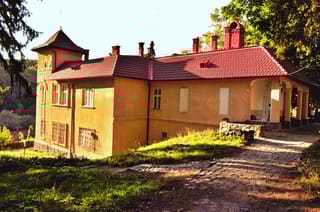
Bologa Fortress
Comuna Poieni Județul Cluj Romania
fortress
Cetatea Bologa
Comuna Poieni Județul Cluj Romania
fortress
Sebesvár vára
Comuna Poieni Județul Cluj Romania
fortress
Bologa Fortress still preserves the greatness of a strategic fortress built over 700 years ago, which had the role of supervising the road that leads to Oradea along the Crisului Repede Valley
Cetatea de la Bologa se află în cadrul localității Bologa din județul Cluj
Sebesvár az azonos nevű faluban, a mai Romániában, Kolozs megyében található
Previous names
Bologa Fortress, Cetatea Bologa, Sebesvár vára
Description
Bologa Fortress still preserves the greatness of a strategic fortress built over 700 years ago, which had the role of supervising the road that leads to Oradea along the Crisului Repede Valley. It was most likely built at the end of the 13th century, across the river from the ancient ruins of a Roman camp (Resculum Camp).
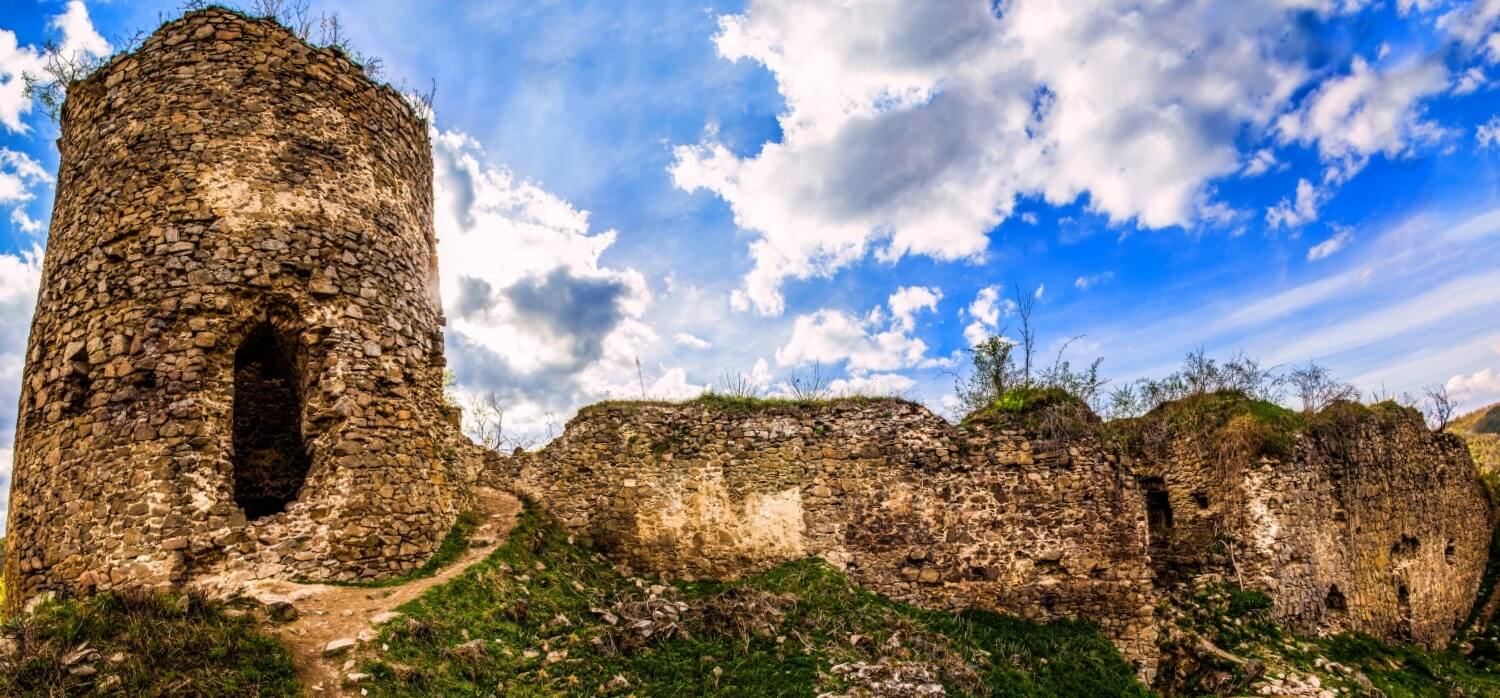
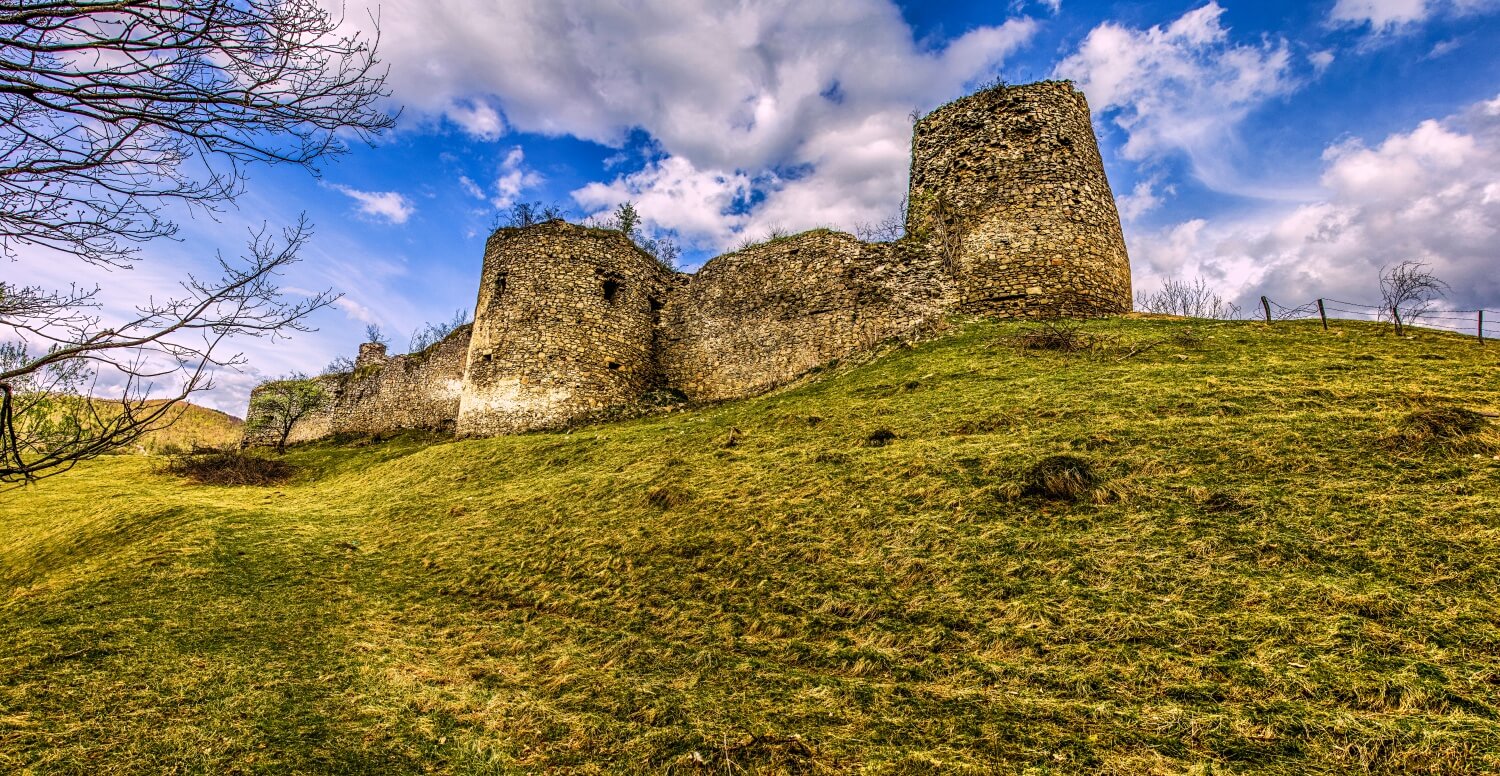
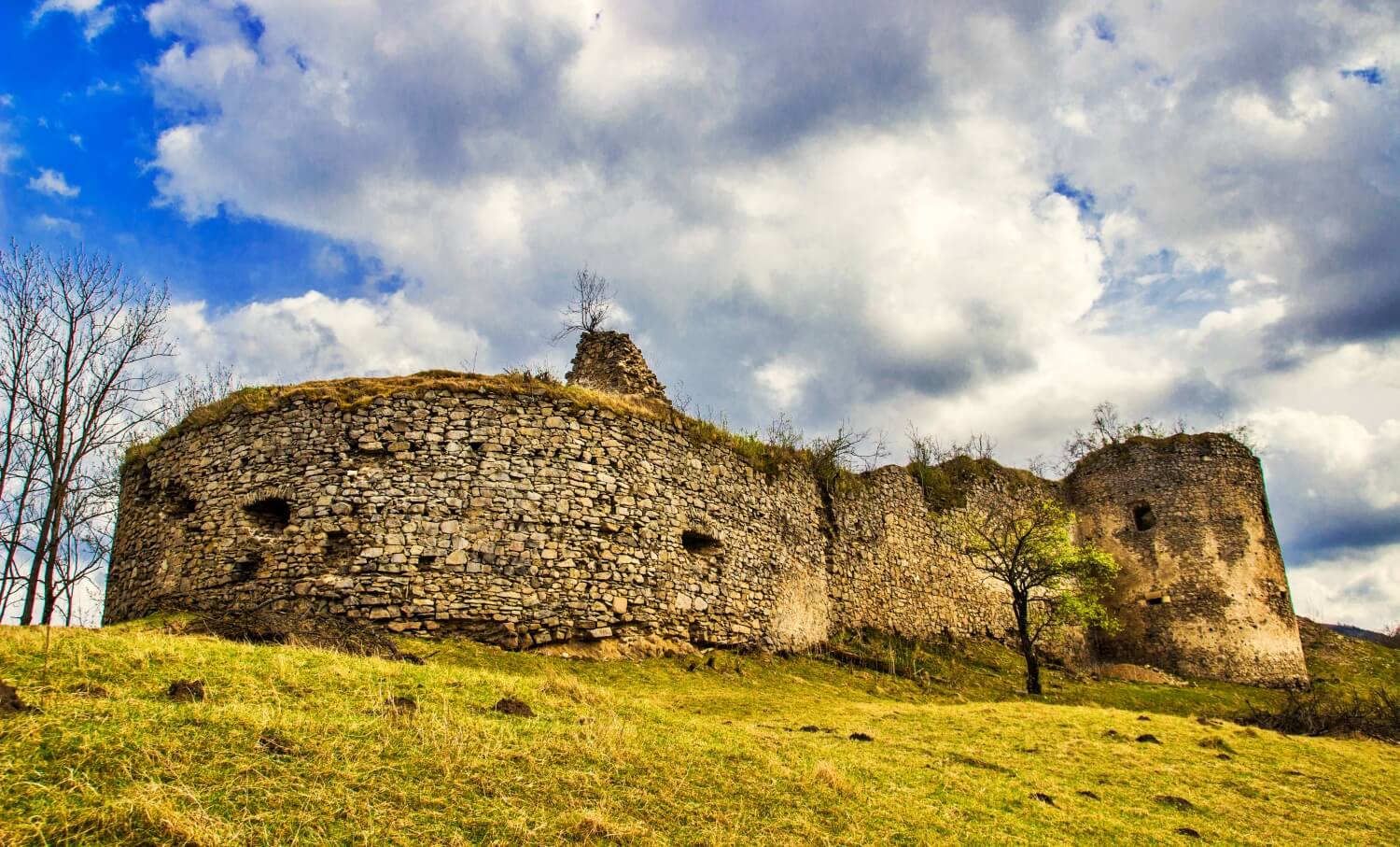
With a height of over 13 meters, the tower was arranged on four levels, separated by floors of thick wooden beams. Access to the tower was by an escalator from the outside. The second tower, located on the opposite side of the circular keep, has a quadrilateral base and appears to have been intended for a gate. In the 16th and 17th centuries, two more semicircular towers appeared, used for firearms of all calibers.
Strategic importance
In 1399 the fortress was donated by King Sigismund of Luxembourg to Mircea the Elder to the ruler of Wallachia together with the Bran Fortress, after the signing of the treaty of alliance against the Ottoman Empire.
The importance of the fortress increased in the 17th century, after the conquest of Oradea by the Turks, when the garrison of the Bologa fortress stopped the penetration of the Turkish army through the Crişul Repede gorge. At the beginning of the 18th century, during the war of liberation led by the prince of Transylvania, Francisc Rakoczi II against the Habsburg domination of Hungary, the fortress was blown up by the Lobonts, so as not to fall into the hands of the curuts, supporters of the movement. release. The tower and much of the walls still stand. In the middle of the 20th century, the tower lost its roof, probably the last wooden element of the ruins. All that is left is the stone and they were sources of inspiration for several legends, the one you know of them says that, among the ruins of the medieval fortification.
Roman camp Resculum
Near the fortress on the opposite bank of the river Henț is the Roman camp, called Resculum, which is the oldest settlement in the area. Built around 106 AD to defend the border of the Roman Empire. As the Romans tried to consolidate their borders, Greek settlers (believed to be from the Patras area) and British infantry and cavalry troops, "Cohors I Ulpia Britonum", were brought here in the 2nd century. All this is attested by the tiles and bricks discovered in the area, which bear the stamp with the abbreviations of these troops. The ruins of the camp are still visible today, in the place called "Gradiste", although a large part of the area was used as agricultural land. Near the camp there are also the ruins of some Roman baths.
https://visitcluj.ro/
Cetatea de la Bologa se află în cadrul localității Bologa din județul Cluj.
Istoric
Un castrum antic roman, numit Resculum este cea mai veche așezare din zonă specificată în documente. A fost ridicat în jurul anului 106 D.C., drept garnizoană a Cohortei II “Hispanorum”, a cărei misiune era, probabil, apărarea graniței Imperiului Roman. Pe măsură ce romanii au încercat să consolideze granițele, în secolul II D.C. au fost aduși coloniști din Grecia, se crede din zona Patras.
Ruinele castrului sunt vizibile și astăzi în locul numit "Grădiște", deși majoritatea zonei a fost folosită ca suprafață agricolă. În apropierea castrului există și ruinele unei băi romane.
Evul mediu
Pe lângă castru, pe malul opus al râului Henț se află o fortăreață, menționată pentru timp de mai multe secole ca Sebesvár și apărând pe majoritatea hărților Evului Mediu ale zonei. Bologa a fost atestată pentru prima oară documentar în 1304 ca Sebuswar, apoi apărând nominalizată cu diverse nume, cum ar fi Sepuswar din 1324, Sebeswar - 1329, Sebeswar alio nomine Hunyadwar - 1398, Castrum regis Sebes - 1393, Castrum regis Hunyad - 1397, Sebes Varallya - 1760.
Regele Sigismund de Luxemburg a donat Bologa împreună cu Cetatea Bran lui Mircea cel Bătrân, după semnarea la Brașov a tratatului de alianță împotriva Imperiului Otoman în 1399.
Punct strategic pe drumul care ducea la Oradea, fortăreața a servit și drept refugiu pentru populația locală în momentele de restriște. A câștigat importanță în secolul XVII, când otomanii au cucerit Oradea și împiedica acțiunea de colectare a taxelor. Sultanul a ordonat demolarea ei, dar ordinul nu a fost dus la îndeplinire. A fost distrusă însă mai târziu de lobonți prin explozie. Turnul și o mare parte din ziduri au mai rămas încă în picioare. La mijlocul secolului XX turnul și-a pierdut acoperișul, probabil ultimul element din lemn al ruinelor. Tot ceea ce a mai rămas este piatră.
Sebesvár az azonos nevű faluban, a mai Romániában, Kolozs megyében található.
Története
Régen Hunyadvárnak és Kalotaszeg várának is nevezték, Bánffyhunyad, illetve Kalotaszeg neve után.
Római település helyén álló egykori földvára a népvándorlás korában elpusztult. A kőből épült királyi várat az 1241-42-es tatárjárás után, nagy valószínűséggel IV. Béla király parancsára emelték a Nagyvárad és Kolozsvár közti fontos kereskedelmi és hadi út védelmére.
A 80 méter hosszú és 20 méter széles erősség bejárata felvonóhíddal védelmezett kapu volt, mely egy hatalmas rondella udvarára nyílt. A kapun belül gazdasági épületek álltak. Az egykori hosszúkás várudvar két oldalán lehettek a lakóépületeket, ám ezeknek már a maradványai sem láthatók.
Az első okleveles említése szerint 1319-ben már az Anjou-házból származó Károly Róbert egyik híve, a Nyitra vármegyéből származó Elefánti Dezső volt a várnagya.
1362-től a királyi hivatali idő alatt a váruradalom jövedelmét az erdélyi vajda kapta, így Luxemburgi Zsigmond király 1399-ben Mircea cel Bătrân havasalföldi vajdának adományozta. 1433-ban losonci Bánffy István és László bárók tulajdonába került.
A középkor további évszázadaiban a Bánffy család birtokolta a katonai szempontból egyre kevéssé fontos erősséget.
A kitűnő fekvésű várhoz, amely egyben vámhely is volt, birtokok, falvak, legelők, valamint Bánffyhunyad városa tartozott. Még aranybányák és aranymosó helyek is voltak a várbirtokokon. 1483-ban Báthory István országbíró 500 aranyforintot fizetett csupán azért, hogy ezek hasznának fele egy évre az övé lehessen.
A 16. század közepétől, amikor Erdély állami önállósághoz jutott, a vár az erdélyi végvárrendszer tagja lett, ezért jelentősebb mértékben kibővítették, de továbbra is csak másodrendű szerepet jutott Sebesvárnak. 1598-ban a nemesi rendek országgyűlést tartottak a falai között. 1660-ban a törökkel vívott vesztes szászfenesi csata után ide menekítették a halálos sebet kapott II. Rákóczi György erdélyi fejedelmet a testőrségét alkotó ónodi lovasok.
A török hódoltság idején a vár őrsége akadályozta meg a Kolozsvár irányába induló oszmán rablóportyákat, ezért a szultán 1669-ben követelte, hogy rombolják le a végvárat, ezt az utasítást azonban Apafi Mihály fejedelem pénzzel megváltotta a török Portánál.
1687-ben a Bánffy család emberein kívül még 11 fejedelmi zsoldos és egy tüzér is szolgált a fala között. Miután Erdély is a Habsburg császári és királyi ház uralma alá került, Sebesvárba is császári zsoldosok vonultak be.
1701-ben – sok végvárral ellentétben – nem robbantották fel. A Rákóczi-szabadságharc idején kis létszámú őrsége ágyúlövés nélkül kaput nyitott Bóné András kuruc fegyvereseinek. 1709-ig volt a kurucok kezén. A szatmári béke után sem rombolták le, ám lakói hamarosan sorsára hagyták a megrongálódott végvárat.
1910-ben Kós Károly felmérte a várat és elkészítette helyreállítási terveit, de csak a kerek öregtornyot fedték le.
A második világháború végéig a Bánffy család tulajdona maradt.
Napjainkban a romos, autóval és vonattal ugyan könnyen megközelíthető egykori erősség alig szolgál turisztikai célokat.
Useful information
Free
Free
- Recreation areas
- Nice view
Ruins of the fortress
-
-
External links
Nearby castles