Rijksmuseum
Amsterdam Noord-Holland Netherlands
castle, chateau
Rijksmuseum Amsterdam
Amsterdam Noord-Holland Netherlands
castle, chateau
The Rijksmuseum is a Dutch national museum dedicated to arts and history in Amsterdam
Het Rijksmuseum in Amsterdam is een van de zestien rijksmusea in Nederland
Previous names
Rijksmuseum, Rijksmuseum Amsterdam
Description
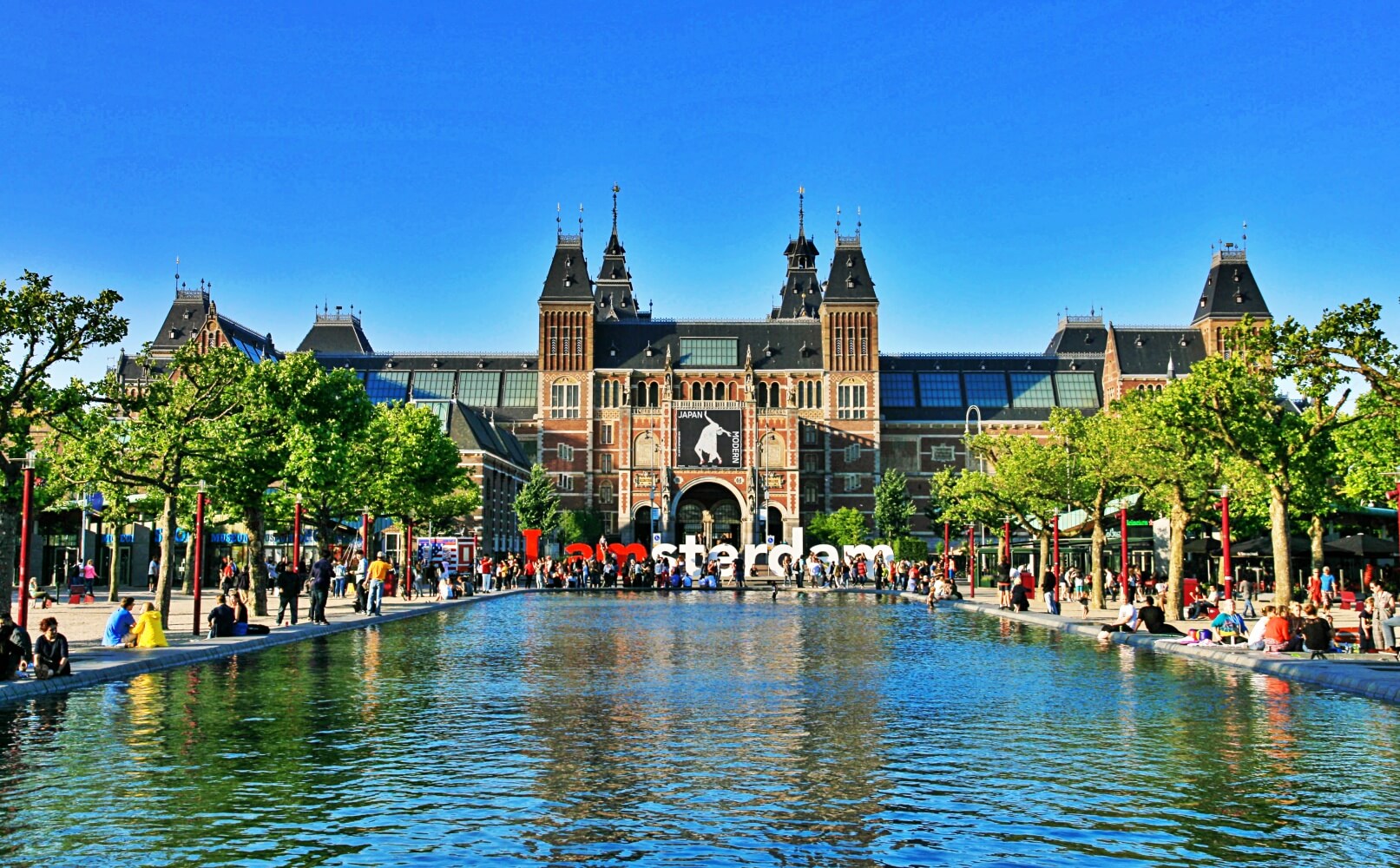
The Rijksmuseum is a Dutch national museum dedicated to arts and history in Amsterdam. The museum is located at the Museum Square in the borough Amsterdam South, close to the Van Gogh Museum, the Stedelijk Museum Amsterdam, and the Concertgebouw.
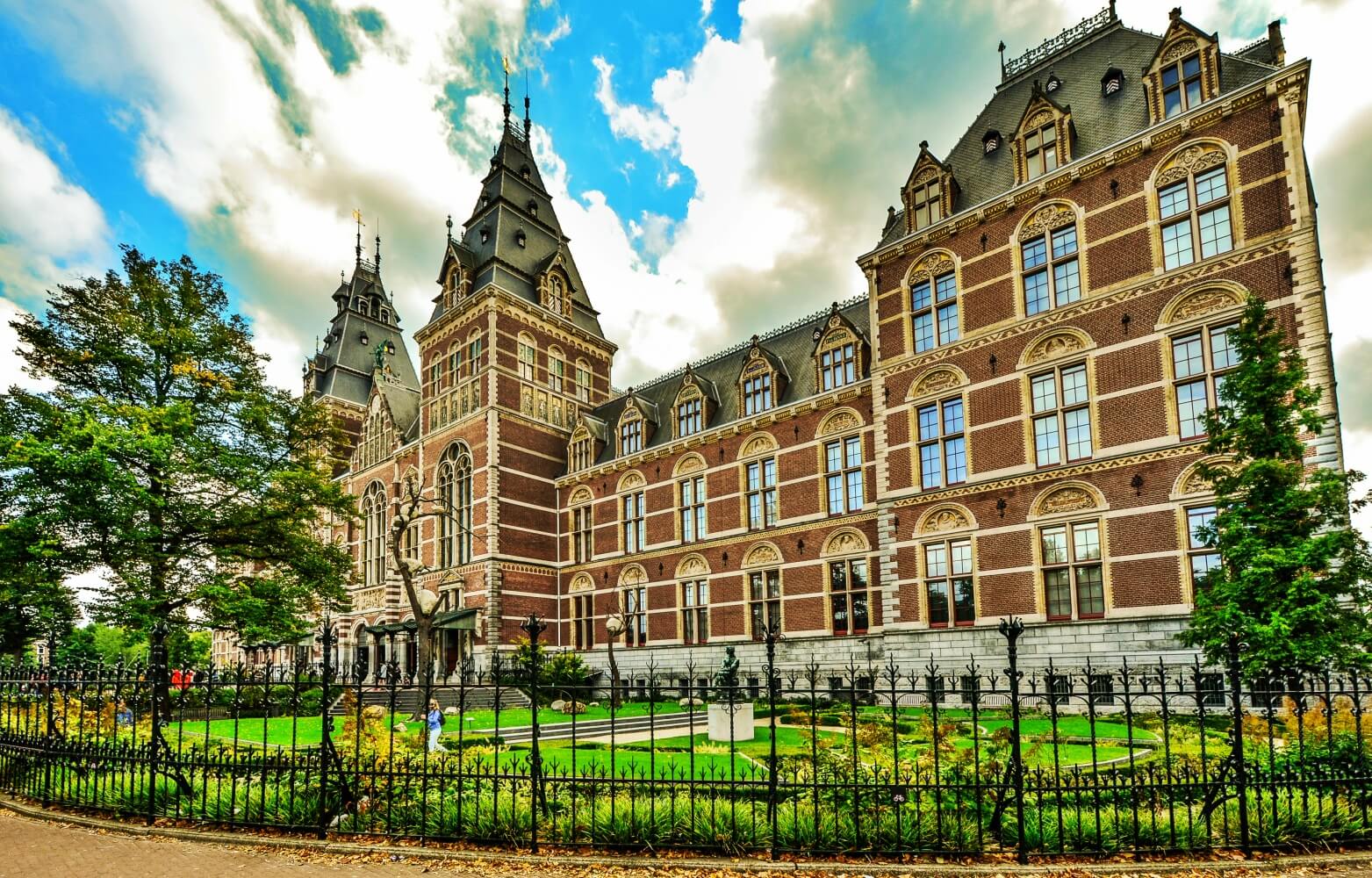
The Rijksmuseum was founded in The Hague on 19 November 1798 and moved to Amsterdam in 1808, where it was first located in the Royal Palace and later in the Trippenhuis. The current main building was designed by Pierre Cuypers and first opened in 1885. On 13 April 2013, after a ten-year renovation which cost € 375 million, the main building was reopened by Queen Beatrix. In 2013 and 2014, it was the most visited museum in the Netherlands with record numbers of 2.2 million and 2.47 million visitors. It is also the largest art museum in the country.
The museum has on display 8,000 objects of art and history, from their total collection of 1 million objects from the years 1200–2000, among which are some masterpieces by Rembrandt, Frans Hals, and Johannes Vermeer. The museum also has a small Asian collection, which is on display in the Asian pavilion.
History
18th century
In 1795, the Batavian Republic was proclaimed. The Minister of Finance Isaac Gogel argued that a national museum, following the French example of The Louvre, would serve the national interest. On 19 November 1798, the government decided to found the museum.
On 31 May 1800, the National Art Gallery, precursor of the Rijksmuseum, opened in Huis ten Bosch in The Hague. The museum exhibited around 200 paintings and historic objects from the collections of the Dutch stadtholders.
19th century
In 1805, the National Art Gallery moved within The Hague to the Prince William V Gallery, on the Buitenhof.
In 1806, the Kingdom of Holland was established by Napoleon Bonaparte. On the orders of king Louis Bonaparte, brother of Napoleon, the museum moved to Amsterdam in 1808. The paintings owned by that city, such as The Night Watch by Rembrandt, became part of the collection. In 1809, the museum opened in the Royal Palace in Amsterdam.
In 1817, the museum moved to the Trippenhuis. The Trippenhuis turned out to be unsuitable as a museum. In 1820, the historical objects were moved to the Mauritshuis in The Hague and in 1838, the 19th-century paintings "of living masters" were moved to King Louis Bonaparte's former summer palace Paviljoen Welgelegen in Haarlem.
In 1863, there was a design contest for a new building for the Rijksmuseum, but none of the submissions was considered to be of sufficient quality. Pierre Cuypers also participated in the contest and his submission reached the second place.
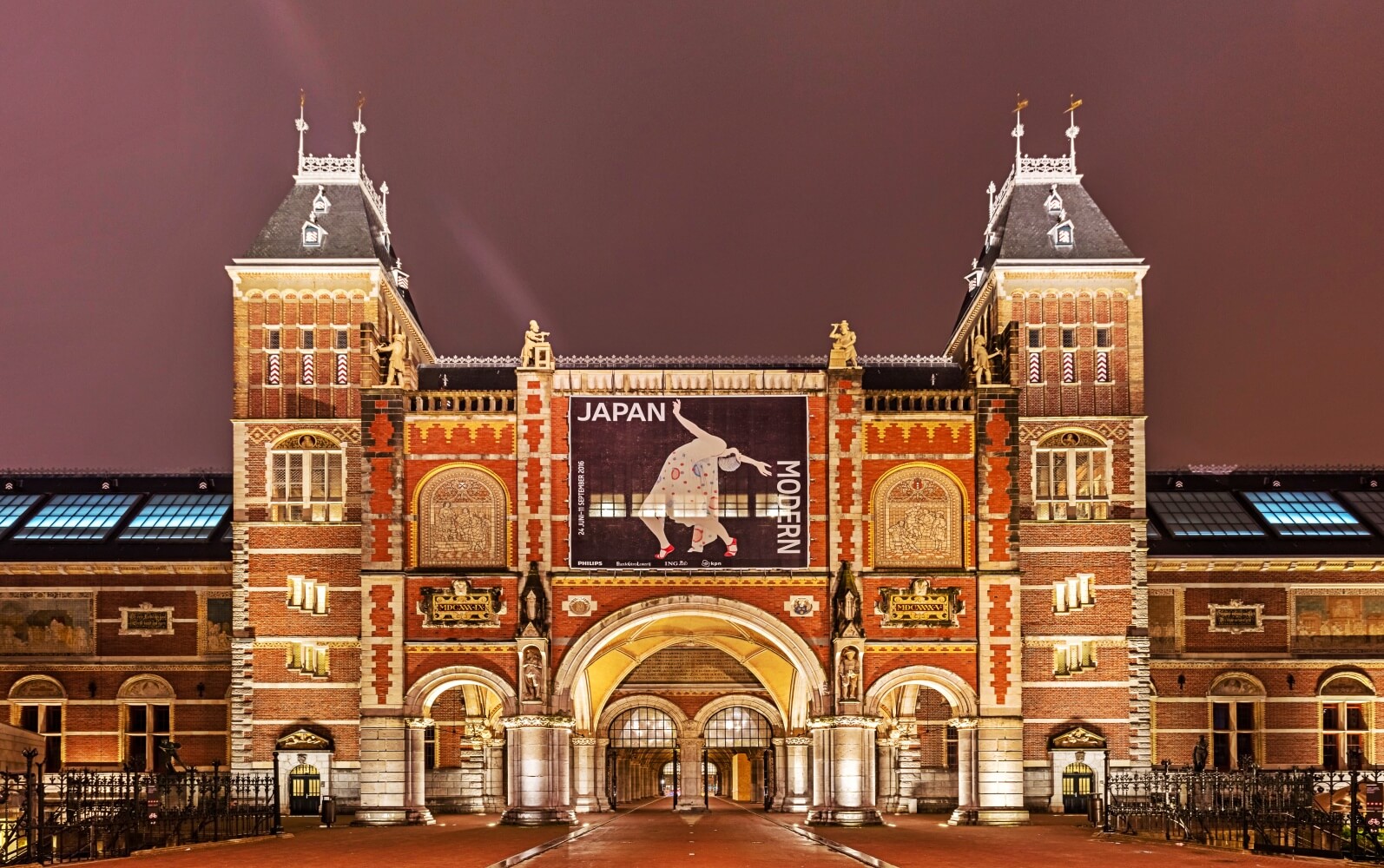
In 1876, a new contest was held and this time Pierre Cuypers won. The design was a combination of gothic and renaissance elements. The construction began on 1 October 1876. On both the inside and the outside, the building was richly decorated with references to Dutch art history. Another contest was held for these decorations. The winners were B. van Hove and J.F. Vermeylen for the sculptures, G. Sturm for the tile tableaus and painting and W.F. Dixon for the stained glass. The museum was opened at its new location on 13 July 1885.
In 1890, a new building was added a short distance to the south-west of the Rijksmuseum. As the building was made out of fragments of demolished buildings, the building offers an overview of the history of Dutch architecture and has come to be known informally as the 'fragment building'. It is also known as the 'south wing' and is currently (in 2013) branded the Philips Wing.
20th century
In 1906, the hall for the Night Watch was rebuilt. In the interior more changes were made between the 1920s and 1950s - most multi-coloured wall decorations were painted over. In the 1960s exposition rooms and several floors were built into the two courtyards. The building had some minor renovations and restorations in 1984, 1995–1996 and 2000.
A renovation of the south wing of the museum, also known as the 'fragment building' or 'Philips Wing', was completed in 1996, the same year that the museum held its first major photography exhibition featuring its extensive collection of 19th-century photos.
21st century
In December 2003, the main building of the museum closed for a major renovation. During this renovation, about 400 objects from the collection were on display in the 'fragment building', including Rembrandt's The Night Watch and other 17th-century masterpieces.
The restoration and renovation of the Rijksmuseum are based on a design by Spanish architects Antonio Cruz and Antonio Ortiz. Many of the old interior decorations were restored and the floors in the courtyards were removed. The renovation would have initially taken five years, but was delayed and eventually took almost ten years to complete. The renovation cost € 375 million.
The reconstruction of the building was completed on 16 July 2012. In March 2013, the museum's main pieces of art were moved back from the 'fragment building' (Philips Wing) to the main building. The Night Watch returned to the Night Watch Room, at the end of the Hall of Fame. On 13 April 2013, the main building was reopened by Queen Beatrix. On 1 November 2014, the Philips Wing reopened with the exhibition Modern Times: Photography in the 20th Century.
Het Rijksmuseum in Amsterdam is een van de zestien rijksmusea in Nederland. De collectie biedt een overzicht van de Nederlandse kunst en geschiedenis met onder andere werken van 17e-eeuwse Nederlandse meesters als Rembrandt, Vermeer en Hals. Het museum is sinds 1885 gevestigd in het Rijksmuseumgebouw, ontworpen door de Nederlandse architect Pierre Cuypers.
Geschiedenis
Den Haag (1800)
De kunstverzameling die de stadhouderlijke familie door de eeuwen had opgebouwd vormt de basis van de collectie van het Rijksmuseum. Nadat de laatste stadhouder het land in 1795 ontvlucht was nam de Bataafse Republiek de overgebleven kunstverzameling in beslag. Het grootste deel hiervan werd door de Fransen naar Parijs verscheept. Op 19 november 1798 werd op initiatief van de agent van financiën, Alexander Gogel, besloten de resterende verzameling, bestaande uit Italiaanse kunst, portretten van de Oranjes en vaderlandse rariteiten, onder te brengen in een nationaal museum naar Frans voorbeeld. Onder de naam Nationale Konst-Gallerij opende dit museum op 31 mei 1800 zijn deuren in het eveneens in beslag genomen Huis ten Bosch nabij Den Haag. De Amsterdamse kunsthandelaar Cornelis Sebille Roos (1754-1820) was de eerste directeur van het museum en was als zodanig, in samenwerking met Gogel, verantwoordelijk voor de eerste aankopen, waaronder De bedreigde zwaan van Jan Asselijn. Toen in 1806 Lodewijk Napoleon de troon besteeg van het 'Koningrijk Holland', kreeg het de naam Koninklijk Museum.
Amsterdam (1808)
In 1808 verhuisde het museum in opdracht van Lodewijk Napoleon naar Amsterdam, waar het vanaf 1809 samen met de kunstverzameling van Amsterdam – waaronder De Nachtwacht – werd ondergebracht op de bovenverdieping van het Paleis op de Dam. De nieuwe directeur, Cornelis Apostool, werd belast met het samenstellen van een catalogus van objecten. In 1817 verhuisde de collectie van het Rijks Museum, zoals het inmiddels na de troonsbestijging van Willem I heette, naar het 17e-eeuwse Trippenhuis. Na de val van Napoleon in 1815 kwam hier ook een belangrijk deel terecht van de kunstwerken, die door de Fransen vanaf 1795 naar Parijs waren overgebracht, en door Nederland waren teruggeëist. Ook werd hier de prentenverzameling uit Den Haag in ondergebracht, terwijl de historische voorwerpen verplaatst werden naar het Koninklijk Kabinet van Zeldzaamheden, opgericht in 1820 in Den Haag. Anders dan onder zijn voorganger Roos, werden onder het directeurschap van Apostool (van 1808 tot 1844) nauwelijks grote aankopen gedaan.
De verwerving van de verzameling, die de Amsterdamse bankier Adriaan van der Hoop in 1854 aan de gemeente Amsterdam naliet, was dan ook allerminst vanzelfsprekend. Men geloofde niet in het belang van de 224 schilderijen voor het aantrekken van vreemdelingen naar de stad. Het bestuur stelde als voorwaarde dat door vrijwillige particuliere bijdragen ƒ 40.000 van de ƒ 50.000 voor de successierechten moest worden opgebracht. Hadden enkele welvarende burgers de 224 schilderijen niet voor het land willen behouden, dan waren de meesterwerken naar het buitenland verdwenen.
Rijksmuseumgebouw (1885)
In 1885 werd het huidige Rijksmuseumgebouw naar ontwerp van P.J.H. Cuypers voltooid. Dit gebouw bood niet alleen plaats aan de collectie van het Rijksmuseum, ook de verzameling werken van levende meesters, die zich vanaf 1838 in het Museum van Levende Nederlandsche Meesters in Haarlem bevond, en het Nederlandsch Museum voor Geschiedenis en Kunst in Den Haag werden in het nieuwe gebouw ondergebracht. De Nederlandsche Oudheidkundige Bond bracht in 1918 de brochure Over hervorming en beheer onzer musea uit. Hierin werd gepleit voor een splitsing van het Nederlandsch Museum voor Geschiedenis en Kunst in een kunst- en een historisch museum. Deze splitsing kwam in 1927 daadwerkelijk tot stand.
Tweede Wereldoorlog
Aan de vooravond van de Tweede Wereldoorlog werd een deel van de collectie elders in veiligheid gebracht. In de leeggekomen ruimte werden tentoonstellingen gehouden met hedendaagse kunst, zoals de expositie Onze kunst van heden in 1939-1940. In april 1942 werd een groot deel van de collectie van het Rijksmuseum opgeslagen in een speciaal daartoe gebouwde kluis in de onderaardse gangen van de Sint-Pietersberg bij Maastricht. Hierna kwam ruimte vrij om de collectie van het Nederlands Spoorwegmuseum in de oostelijke vleugel tentoon te stellen. In de oorlogsperiode hield het Rijksmuseum diverse Duits-vriendelijke tentoonstellingen als Westfaalsche-Nederrijnsche Kunst van Heden (augustus 1941), Frauenschaffen in Deutschland, Deutsche Frauen arbeiten für ihr Volk (oktober 1941), Das Deutsche Buch der Gegenwart (februari 1942) en Kunst der Front (januari 1943).
Verzelfstandiging
In 1995 werd het museum verzelfstandigd. Voorheen was het een rijksmuseum met ambtenaren in dienst, vanaf 1995 wordt het museum geleid door de stichting Het Rijksmuseum, waarbij het gebouw en een deel van de collectie in handen van het Rijk zijn.
Useful information
10.00 EUR/hour
20.00 EUR
0 - 18 years: free
- App and multimedia tours
- Benches
- Information desk
- Lifts
- WC/WC for the disabled
info@rijksmuseum.nl
- National museum
- Giftshop inside
- Assistance dogs are welcomed
-
External links
Nearby castles
Muiden Castle
Gooise Meren
13.0km
castle, chateau
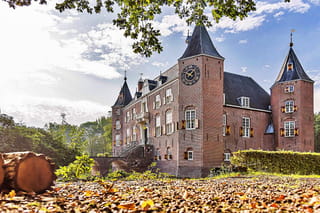
Kasteel Nederhorst
Wijdemeren
15.3km
manor, mansion
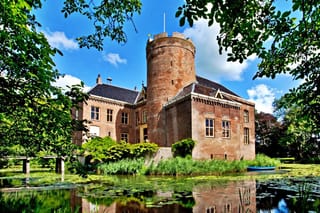
Kasteel Loenersloot
Stichtse Vecht
16.4km
manor, mansion
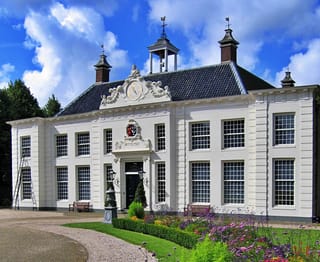
Beeckestijn
Velsen
18.9km
castle, chateau
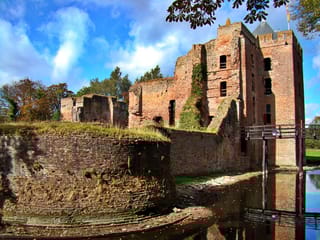
The Castle and the Lords of Brederode
Velsen
19.3km
castle, chateau
Duin & Kruidberg Country Estate
Velsen
19.4km
castle, chateau
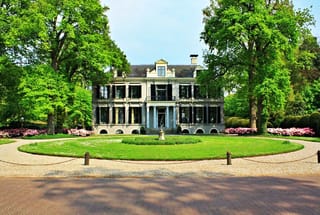
Schaep en Burgh
Wijdemeren
19.9km
castle, chateau