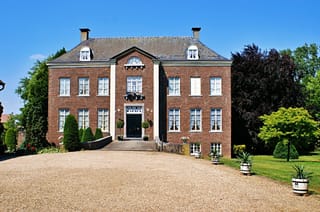
Kasteel Groot Buggenum
Leudal Limburg Netherlands
manor, mansion
Kasteel Groot Buggenum
Leudal Limburg Netherlands
manor, mansion
Centrally located, halfway between Maastricht and Eindhoven, next to the A2, between Roermond and Weert, is a special estate: Castle Groot Buggenum just outside the village of Grathem
Kasteel Groot Buggenum, ook wel Kasteel Oud Buggenum genoemd, is gelegen aan de Loorderstraat even buiten het Nederlandse dorp Grathem (Midden-Limburg), dat sinds 2007 deel uitmaakt van de fusiegemeente Leudal
Previous names
Kasteel Groot Buggenum, Kasteel Groot Buggenum
Description
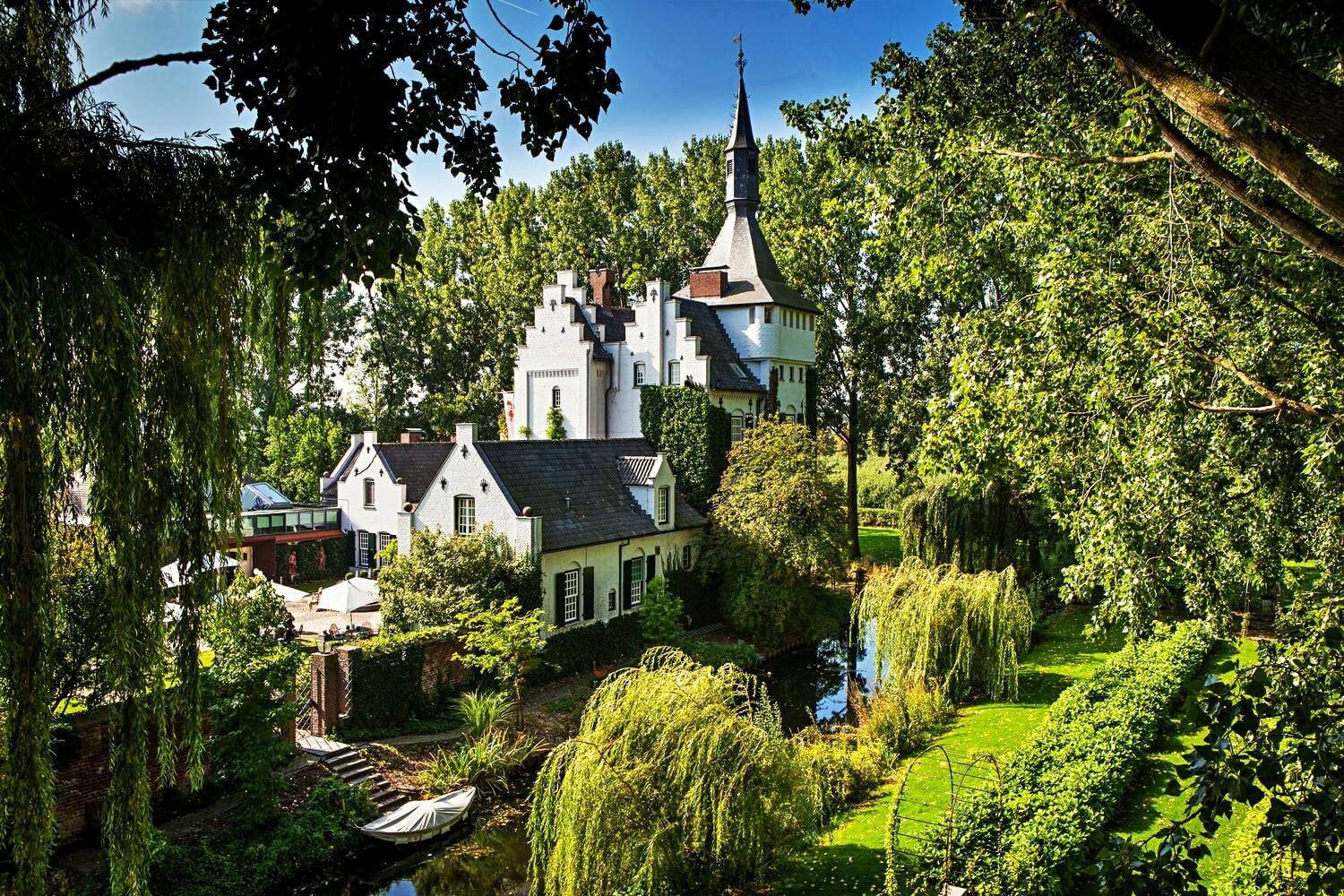
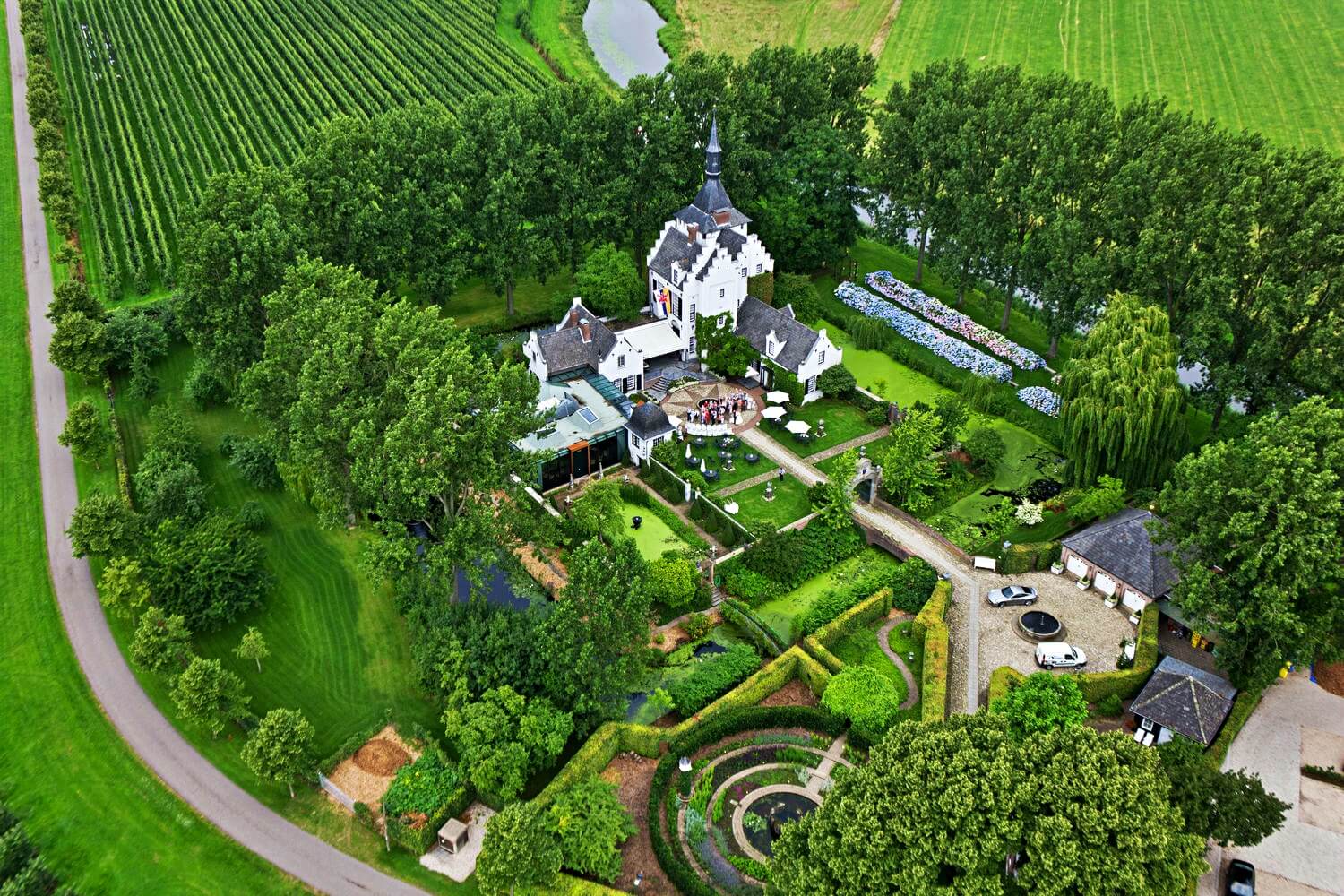
Centrally located, halfway between Maastricht and Eindhoven, next to the A2, between Roermond and Weert, is a special estate: Castle Groot Buggenum just outside the village of Grathem. The fifteen rooms of the castle, each with their own historic ambiance, the glass pavilion "De Kruidentuin" and the atmospheric courtyard are exclusively available for private events, meetings, meetings, parties or a fully-fledged wedding day including wedding ceremony and party evening. The castle's history dates back to the 12th century, and the house has known various forms over the centuries. At the end of World War II, the castle suffered great damage and continued to wait for his savior: Prof. Dr. Helmut Hentrich, a renowned architect and art collector from Düsseldorf. He acquired the ruin in 1971 to make an outside residence for the period after his retirement. It became a restoration of special allure (for more details see website www.kasteelgrootbuggenum.nl). In 1997 Hentich was busy composing his "Gesamtkunstwerk". The creator of this landlord was very much in favor of "Das Haus" for a long future. That's why Prof.Hentrich has donated the castle to the province of Limburg, with its extensive collection of art, provided that it cares for untouched survival and is fulfilled by his motto "Das Haus soll leben!" Stichting Kasteel Groot Buggenum The Stichting Groot Buggenum Foundation manages the castle on behalf of the Province of Limburg. In order to preserve this precious gift for the future, right to the wish of Prof. Dr. Helmut Hentrich "Es soll Leben", the foundation has been operating the castle since 1999 for making tours, weddings, business meetings, private parties and coffee tables. Guests of Groot Buggenum Castle provide through their visit and make an important contribution to preserving this particular cultural heritage.
Kasteel Groot Buggenum is an integrated artwork on historic ground, located between Roermond and Weert. Within the moat and on the foundations of a castle from the 14th century, the hunting lodge was built in 1889 by a resident of Grathem who had made fortune elsewhere. At the end of the Second World War, the castle suffered great damage and remained battered waiting for his rescuer: Prof.Dr.Helmut Hentrich, a renowned architect and art collector from Düsseldorf. He acquired the ruin in 1971 to make it an out-of-residence for the period after his retirement.
Restoration
It became a restoration of special allure; not a return to the former situation, but the creation of a new whole. With building elements from former times and from their own or surrounding countries, Professor Hentrich created a European ensemble that is richer and more surprising than Groot Buggenum ever was. No sober, twisted staircase with individual bars but a stately entrance from landing to landing with a handrail of powerful carvings from a southern German castle. Instead of bare walls, walls with tiles from Delft, Makkum or Portugal and fireplace surrounds of typical Limburg yellow copper. A French paneling and floors of Flemish tiles or Italian marble that for centuries has decorated Schloss Harff near Cologne until it was blown up for the purpose of brown coal mining.
https://www.itinari.com/location/kasteel-groot-buggenum
https://www.kasteelgrootbuggenum.nl/en/about-the-castle/history/
Kasteel Groot Buggenum, ook wel Kasteel Oud Buggenum genoemd, is gelegen aan de Loorderstraat even buiten het Nederlandse dorp Grathem (Midden-Limburg), dat sinds 2007 deel uitmaakt van de fusiegemeente Leudal.
Beschrijving van het kasteel
Het huidige kasteel is gebouwd op een omgracht terrein op de plaats waar een middeleeuwse voorganger de "Meersen" stond. Bij de herbouw in de 16e eeuw zijn de fundamenten van de vierkante toren van deze voorganger in de huidige toren opgenomen. Rond deze toren is een aantal bijgebouwen opgetrokken, waarvan enkele met trapgevels. De torenspits is met leien gedekt. Opvallend zijn de vensters met roedenverdeling, de vele hardstenen decoraties en de ovale vormen boven de vensters. Het gehele kasteel is voorzien van witgekalkte muren en heeft het uiterlijk van een neogotisch jachtslot. Inwendig heeft het kasteel een aantal ruimten met betegeling waarop oogst- en jachtscènes zijn weergegeven. Rondom het kasteel bevindt zich binnen een stenen ommuring een sprookjesachtige tuin met tuinkamers, fonteinen en waterpartijen. De tuinen zijn ontworpen door de fameuze tuinarchitect Roland Weber uit Duitsland.
Geschiedenis en bewoners
Het kasteel werd voor het eerst vermeld in 1419 en is eeuwenlang in het bezit geweest van adellijke families. De oudst bekende eigenaar was omstreeks 1400 Johan de Wilde van Mersen. In die tijd werd het kasteel dan ook naar deze familie van Mersen genoemd. In 1632 werd het kasteel met alle aanhorigheden, waaronder een pachthoeve, een watermolen en alle landerijen behorende bij het kasteel, door het huwelijk van Josina de Wilde van Meersen met jonkheer Philip Wynand van Kerckum, heer van Merdeaux en Meerwyck, overgedragen aan de familie van Kerckem. In 1769, kwam het kasteel door overerving, in het bezit van graaf Jean Guillaume de Borchgrave d’Altena. In de Franse Tijd werd het kasteel door soldaten van Napoleon gebruikt als hun onderkomen, waardoor het kasteel verwaarloosd werd en een aftakeling begon. In 1793 staken deze soldaten het kasteel in brand waardoor het grotendeels in de vlammenzee verloren ging. Inmiddels kwam het restant van het kasteel, wederom door overerving in het bezit van graaf Theodore de Geloes van Elsloo. Hij verkocht het vervallen slot in 1880 aan Willem Verbruggen, een koopman uit Luik, geboren in Grathem. Deze liet de restanten van het kasteel afbreken en bouwde op de fundamenten ervan in 1889 het huidige jachtslot, geheel in de Maaslandse renaissancestijl.
Moderne Tijd
Nadat het in de Tweede Wereldoorlog ernstig werd beschadigd, verviel het kasteel meer en meer. In 1971 werd de ruïne gekocht door professor H. Hentrich, architect uit Düsseldorf. Hij restaureerde het kasteel naar eigen inzichten met oude bouwmaterialen en richtte het in met kunstvoorwerpen uit alle kunstrichtingen. Hentrich heeft het kasteel later geschonken aan de Provincie Limburg. Het kasteel is momenteel in gebruik als trouw, vergader en uitvaartlocatie.
Useful information
Free
7.50 EUR
Castle Garden
- Meetings and events arrangement
- Visiting only in guided tours
- Guided tours in French and German
-
External links
Nearby castles
Kasteel ten Hove
Leudal
0.5km
manor, mansion
Heel Castle
Maasgouw
3.3km
castle, chateau
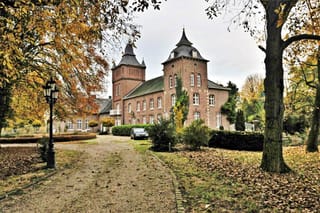
Kasteel Heysterum
Maasgouw
5.8km
manor, mansion
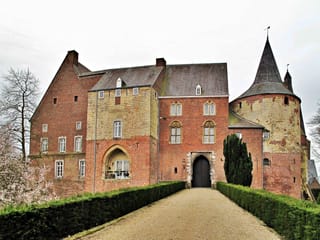
Kasteel Horn
Leudal
7.3km
manor, mansion
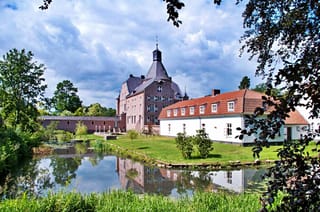
Kasteel Aldenghoor
Leudal
8.6km
manor, mansion
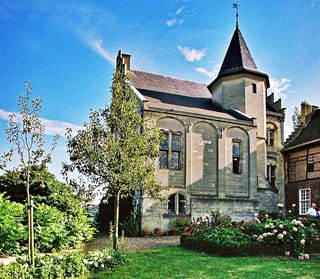
Kasteel Het Geudje
Maasgouw
8.8km
manor, mansion
Huis Verduynen
Echt-Susteren
8.9km
castle, chateau