Batenburg Castle
Wijchen Gelderland Netherlands
castle, chateau
Kasteel Batenburg
Wijchen Gelderland Netherlands
castle, chateau
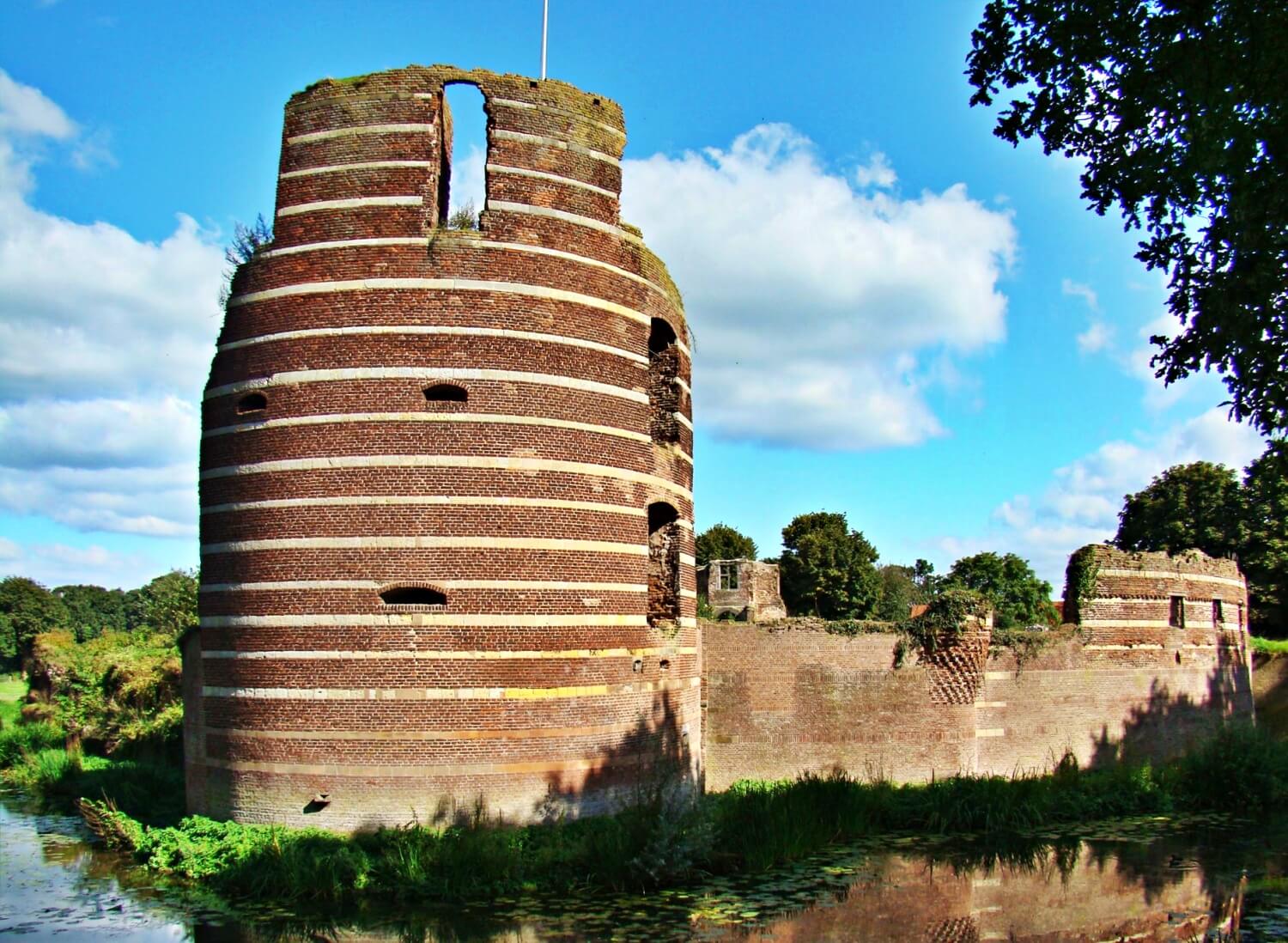
Batenburg Castle, locally known as Kasteel Batenburg, lies in the village with the same name, in the Gelderland province in the Netherlands
Kasteel Batenburg is een kasteelruïne in het stadje Batenburg in de gemeente Wijchen, in de Nederlandse provincie Gelderland
Previous names
Batenburg Castle, Kasteel Batenburg
Description
Batenburg Castle, locally known as Kasteel Batenburg, lies in the village with the same name, in the Gelderland province in the Netherlands.
Concerning the origin of Batenburg Castle there are two traditions. The first one is that the castle was founded by a Batavian warrior prince named Bato who left his homelands together with a lot of his warriors to settle in the Betuwe region and who built his headquarters at this site.The second one is that at this site a fortification was founded together with a Roman temple dedicated to the Roman god Mars/Victor. No evidence has been found for either one.
More likely a stone keep on a motte will have existed here in the 12th century. Around 1300 a member of the Van Bronckhorst-Batenburg family is suspected to have started the construction of the castle, possibly a stone shell keep. This castle was partially destroyed in 1497 by the troops of Albert van Saksen. It was restored, strengthening the circular rampart with an entrance gate, flanked by two watchtowers, and 3 residential towers to the four winds. Opposite the entrance gate lay 3 residential wings around a courtyard.
In 1503 Batenburg Castle was besieged by Charles II, Duke of Guelders, and a part of the castle's defenses were again destroyed. After rebuilding it was again destroyed in 1540 by an expedition of the city of Nijmegen. And during a bombardment in 1568 by the troops of Philips van Hohenlohe, the oldest part of the castle collapsed.
Around 1600 the castle was rebuilt by Maximilaan van Bronckhorst. Under Count Johan van Hoorne the castle was restored and furnished with splendor. But when, in 1700, the castle came into the possession of the Counts of Bentheim-Steinfurt, the castle already wasn't permanently inhabited anymore.
In 1795 the castle's fate was sealed; after its rooms were filled with hay and the water pump was destroyed, the castle was set alight by the French invaders. Batenburg Castle completely burned down. It was never rebuilt again and its ruins started a life as a stone quarry for cheap building materials.
In 1820 the standing remains of the castle were considerable larger than today. But from then on the owner, Count Van Bentheim-Steinfurt, started to demolish the ruin. And even in 1922 the castle suffered gunshots.
After WW II the castle ruins were confiscated by the State and in 1953 sold to the "Friends of the Castles of Gelderland"-foundation. From then on the ruins underwent several consolidation processes.
There is a bar / restaurant in the village and in September a van Batenburg reunion is held. There is no one still living there with the Royal name "van Batenburg" but many visitors come to pay respect.
The site is recognized as a Rijksmonument under number 8725.
http://www.castles.nl/batenburg-castle
https://en.wikipedia.org/wiki/Batenburg_Castle
Kasteel Batenburg is een kasteelruïne in het stadje Batenburg in de gemeente Wijchen, in de Nederlandse provincie Gelderland. De ruïne staat op een motte ten noorden van Batenburg. Het kasteel werd in 1794 door de Fransen verwoest.
Geschiedenis
Boven de toegangspoort van het kasteel was volgens overlevering een gevelsteen aanwezig waarop in oudgothische letters te lezen stond dat in het jaar 527, op de fundamenten van de tempel van Mars Victor, het slot Batenburg gebouwd werd. Tegenover deze poort bevond zich, achter een fraaie dubbele deur, een put met heilig bronwater dat genezende kracht tegen koorts zou bezitten. Het geputte water werd per emmer door de poortwachters verkocht.
De hoge ouderdom van het kasteel komt ook overeen met het verschijnen van de eerste leden van het geslacht van Batenburg, want rond 1080 maken schriftelijke bronnen voor het eerst melding van de Heren van Batenburg. Ondanks hun macht -- die grotendeels te danken was aan de ligging van hun landgoederen en het slot, op de grens van Brabant en Gelre -- stierf het geslacht van Batenburg in de dertiende eeuw uit.
Door het huwelijk van Johanna Batenburg en Willem I van Bronckhorst-Batenburg kwamen het slot en de heerlijkheid in handen van het geslacht Bronkhorst, dat in een langdurig conflict met de Heeckerens verwikkeld was. Vooral in deze periode heeft het kasteel veel te lijden gehad van (lokale) oorlogshandelingen. In 1408 werd Batenburg door Gijsbert van Bronckhorst verpand aan zijn zwager Jan van Berlair, die het weer verpandde aan Anton van Brabant die het gebruikte in zijn strijd tegen Gelre. Gijsbert veroverde daarop Batenburg terug in 1413. Batenburg werd verschillende malen belegerd en liep daarbij soms zware verwoestingen op zoals tijdens het Beleg van Grave (1586). Nadat Johanna van Bronckhorst in 1630 met Johan van Horne trouwde ging in 1641 het domein over naar de Graaf van Horne. In 1701 trouwde Isabella Justine van Horne met graaf Ernst Willem van Bentheim-Steinfurt, waarmee het bezit overging naar de graven van Bentheim en Steinfurt, waar het tot 1945 bleef. Kasteel Batenburg behoorde tot de oudste en (lokaal) belangrijkste kastelen van Gelderland.
Useful information
Free
Free
Free
Free
- Castle ruins
- Private property
-
External links
Nearby castles
Kasteel Hernen
Wijchen
3.3km
manor, mansion
Castle Wijchen
Wijchen
6.8km
castle, chateau
Kasteel Oijen
Oss
7.4km
manor, mansion
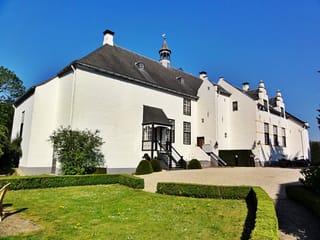
Kasteel Doddendaal
Beuningen
9.7km
manor, mansion
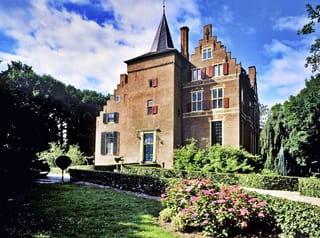
Kasteel Wijenburg
Neder-Betuwe
13.1km
manor, mansion
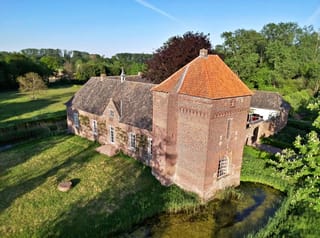
Kasteel Tongelaar
Mill en Sint Hubert
16.0km
manor, mansion
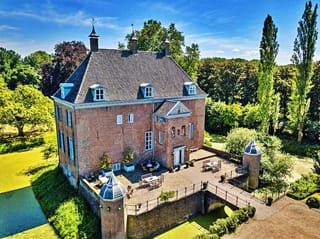
Kasteel Ophemert
West Betuwe
16.8km
manor, mansion