Villa Dosi Delfini
Province of Massa and Carrara Tuscany Italy
castle, chateau
Villa Dosi Delfini
Province of Massa and Carrara Tuscany Italy
castle, chateau
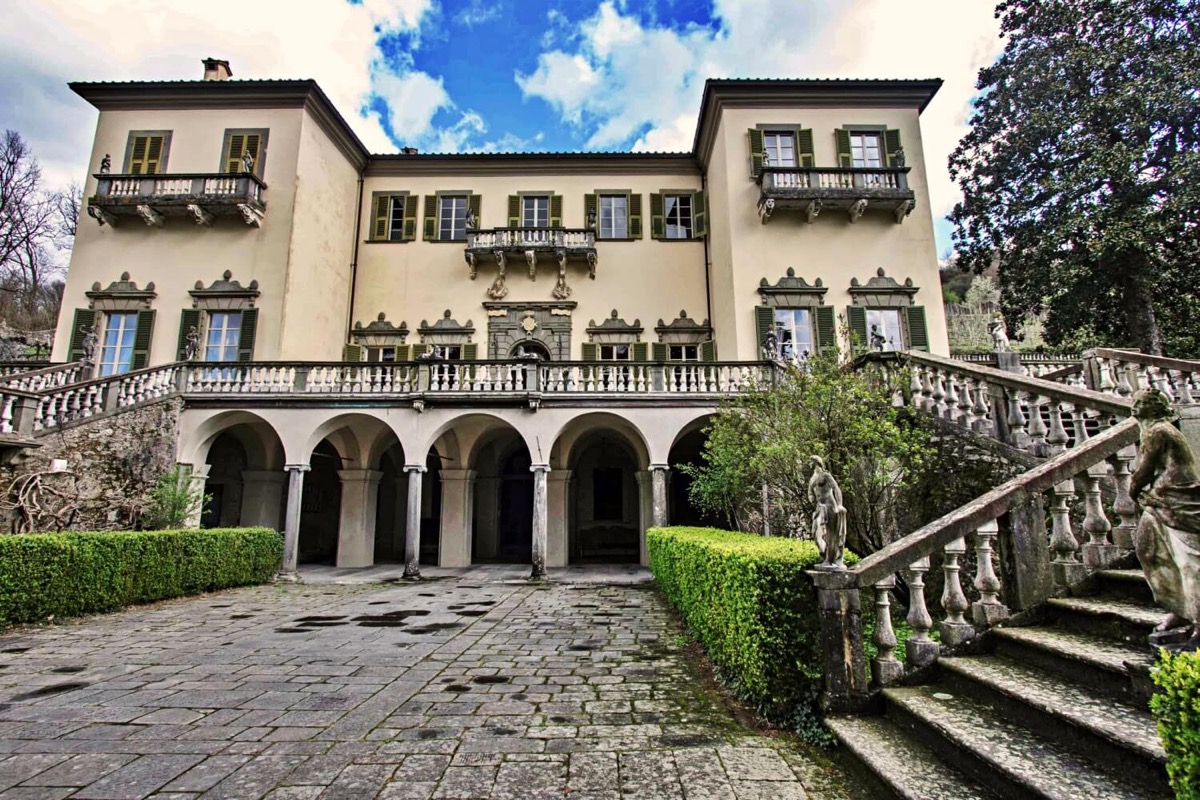
The “Villa of Chiosi” was constructed during the last years of the seventeenth century by the brothers Carlo and Francesco Dosi, two rich business men who had found in Pontremoli an ideal place where the trade among the Leghorn harbor and the Po Valley (italian: Pianura Padana) where flourishing
Villa Dosi Delfini è una villa barocca situata nei pressi del centro storico di Pontremoli, in località "I Chiosi"

Previous names
Villa Dosi Delfini, Villa Dosi Delfini
Description
The “Villa of Chiosi” was constructed during the last years of the seventeenth century by the brothers Carlo and Francesco Dosi, two rich business men who had found in Pontremoli an ideal place where the trade among the Leghorn harbor and the Po Valley (italian: Pianura Padana) where flourishing.
The history of the mansion is tied to the history of the Dosi family, who from its construction to the present day has always been connected to this place, going through periods of splendor and through periods of abandon, until coming to the challenging restoration thanks to which today we can admire the Villa in all of its glory.
The first historic information about the Dosi family are related to the pledge of allegiance that was made in Modena in 1168 by some family members and to their participation to conflicts for territorial supremacy, which took place in that city during the XII and the XIV centuries. Then the family moved to Bologna and later to Belgioso in the province of Pavia; in 1496 a Guglielmo, moved to Pontremoli as a commander of the Sforzesco Castle of Piagnaro.
In the next decades the Dosi family began a lucrative trading activity between Pontremoli, Leghorn and Piacenza and in a short time they reached a remarkable welfare.
In the meantime, thanks to cautious wedding politics, the family tied itself to the most important local houses. The full recognition of the family in Pontremoli happened at the end of the first half of the XVII century, when Carlo’s son, Nicolò Dosi (1619-1669) was admitted to the General Council of Pontremoli.
During the last decade of the seventeenth century, the heirs -Carlo and Francesco- of the rich merchant Nicolò Dosi, built and decorated the so called “house of Chiosi”. At the entrance of the Villa, the visitors can witness the two brothers accompanied by the family coat of arms (a stork, a tower and two dolphins) and by cartouches -ornate frame- that reports the data 1700, when the house was constructed. The idea and the project of the Villa are related to the figure of Carlo Dosi, he was a man of vast culture, lover of art, architecture and gardening, who -for the decoration of his house- chose among some of the most famous artists of that period, as the architect and decorator Francesco Natali and the painter Alessandro Gherardini.
In 1724 Carlo Dosi died and the interests of the family were conducted by his son, Giuseppe Antonio Dosi (1679-1769) with great initiative, although he moved his interests and his financial resources into the construction of city palace. In these years Giuseppe Antonio focused on policy and affairs, in order to occupy a more influential social position, becoming marquise in 1733.
The descending parable of the family started with the next generation: while the economic conditions in Pontremoli were adverse, the heirs faced hereditary issues. These dynamics lead not only to the division of the property and of the villa, but also to a patrimonial crisis of the family. The abandon of the house the day after French Revolution represents the acme of this sequence of events. During the XIX century and the XX century, the fortunes of the family started to rise again, thanks to figures like the one of Gian Simone (1790-1854), Gian Carlo (1824-1915), who is remembered because he presented to the king Vittorio Emanuele II with other important people, such as the composer Giuseppe Verdi, the results of the plebiscite for the annexation of the Duchy of Parma and Piacenza to the Kingdom of Piedmont who rapidly became the Kingdom of Italy and his son Andrea (1863-1924).
With a lot of efforts the house and the property have been gathered, creating the conditions for that Gian Carlo (1896-1979) and Pier Andrea (1928…) could end the work, with the completion of the restoration in 1990.
Villa Dosi Delfini è una villa barocca situata nei pressi del centro storico di Pontremoli, in località "I Chiosi". La Villa è stata realizzata tra la fine del XVII secolo e l'inizio del XVIII.
L'edificio è stato commissionato e appartiene tuttora alla famiglia Dosi Delfini, all'interno è riccamente decorato con affreschi e opere d'arte provenienti da tutta Italia.
La villa fa parte dell'Associazione dei Castelli del Ducato di Parma, Piacenza e Pontremoli.
Storia
La storia è strettamente connessa alla storia della famiglia. I Dosi Delfini arrivano a Pontremoli dal pavese, sono originari di Belgioioso, e ben presto cominciano ad operare in ambito commerciale, vista la posizione strategica della cittadina, ai piedi dell'Appennino Tosco-Emiliano, e l'apertura del porto di Livorno. La famiglia acquista la tenuta dei Chiosi e avvia la costruzione di un imponente edificio, addossato al Monte Molinatico, poco distante dal Castello del Piagnaro che domina il centro storico cittadino, per volontà dei fratelli Carlo e Francesco, figli di Nicolò Dosi. I due fratelli accolgono il visitatore con due busti ritratto, posizionati sopra la porta d'ingresso del Salone principale. L'idea e il progetto della Villa sono legati soprattutto a Carlo Dosi, grande mecenate, uomo di cultura e appassionato di arte, architettura e giardini. Sceglie di chiamare il quadraturista cremonese Francesco Natali, e l'artista fiorentino Alessandro Gherardini, che decorano il salone principale e lasciano opere in tutta la città. La Villa attira l'attenzione dei contemporanei, tanto da ospitare il Duca di Parma Francesco Farnese nel 1714, di ritorno dal viaggio dcompiuto per accompagnare Elisabetta Farnese in sposa all'imperatore Filippo V di Spagna. Saranno proprio gli eredi dei Farnese, e in particolare Carlo Borbone, figlio di Elisabetta, a concedere ai Dosi Delfini il titolo di Marchesi. Alla morte di Carlo Dosi, l'attività di famiglia viene portata avanti dal figlio Giuseppe Antonio, che sposta gli interessi in città dedicandosi alla costruzione e alla decorazione dell'attuale Palazzo Dosi Magnavacca, edificio di famiglia nel centro storico pontremolese. Abbandonata e completamente saccheggiata in epoca napoleonica, la Villa fu progressivamente recuperata a partire dal 1814. Lentamente, la famiglia riarreda la Villa cercando e ricomprando sul mercato antiquario i pezzi che erano andati perduti e in parte recuperandoli dalle altre proprietà. Durante la Seconda Guerra Mondiale, la Villa fu teatro di ripetuti attacchi da parte delle forze alleate, con lo scopo di stanare un comando tedesco a controllo delle vicine gallerie ferroviarie. Di questi anni, restano ancora le tracce nel giardino e all'interno del salone principale.[
Useful information
GRATUITO
15.00 EUR
0 - 12 anni: 8.00 EUR
20+ persone: 15.00 EUR
- I giardini
- La cappella
- La biblioteca
www.sigeric.it
- Visite solo per gruppi
- Organizzazione di eventi
- Attività didattiche
-
External links
Nearby castles
Piagnaro Castle
Provincia di Massa e Carrara
0.6km
castle, chateau
Malgrate Castle
Provincia di Massa e Carrara
10.8km
castle, chateau
Castello di Suvero
Provincia della Spezia
15.3km
castle, chateau
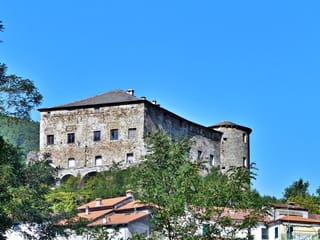
Castello Doria Malaspina
Provincia della Spezia
16.1km
castle, chateau
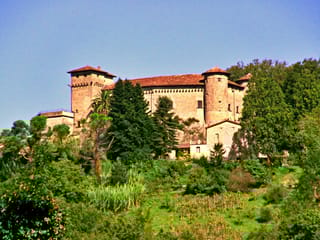
Castello di Monti
Provincia di Massa e Carrara
17.9km
castle, chateau
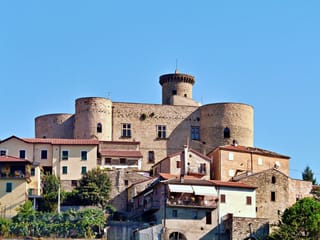
Castello di Bastia
Provincia di Massa e Carrara
19.0km
castle, chateau
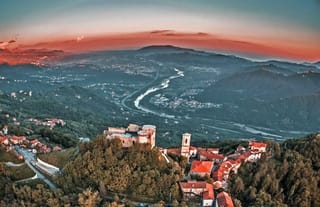
Madrignano castle
Provincia della Spezia
19.2km
castle, chateau