Leaning Tower of Pisa
Provincia di Pisa Toscana Italy
castle, chateau
Torre di Pisa
Provincia di Pisa Toscana Italy
castle, chateau
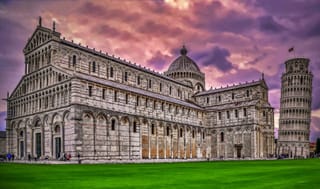
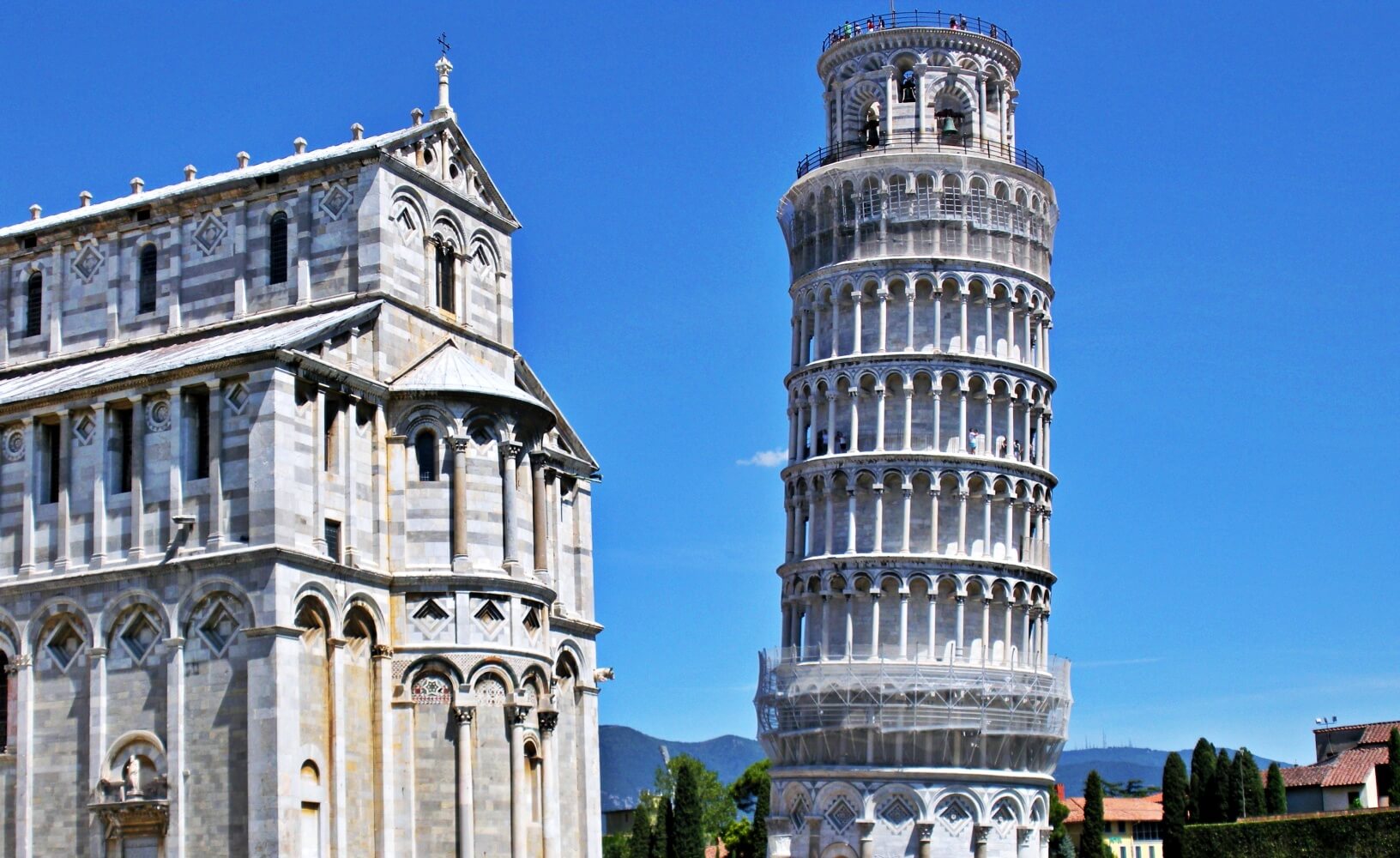
The Leaning Tower of Pisa is part of the ensemble of the Cathedral of Santa Maria Assunta in Pisa
La torre di Pisa (popolarmente torre pendente e, a Pisa, la Torre) è il campanile della cattedrale di Santa Maria Assunta, nella celeberrima piazza del Duomo di cui è il monumento più famoso per via della caratteristica pendenza, simbolo di Pisa e fra i simboli iconici d'Italia

Previous names
Leaning Tower of Pisa, Torre di Pisa
Description
The Leaning Tower of Pisa is part of the ensemble of the Cathedral of Santa Maria Assunta in Pisa . The tower is the bell tower of the cathedral and adjoins its northeast corner. The famous cathedral ensemble in Pisa is a masterpiece of medieval Italian architecture. The tower is known for being strongly inclined.
The height of the tower is 56 meters, diameter - 15 meters, diameter of the foundation 19.6 meters. To the top of the tower are stairs with 294 steps, climbing which to the mountain, you can see the whole area. The world-famous scientist Galileo used the Leaning Tower of Pisa for his experiments . From its top floor, he threw various objects to prove that the rate of fall does not depend on the weight of the falling body.
The creation of the complex began in 1063 , when on the outskirts of the city, on a green lawn, was laid the building of the ensemble of the city cathedral, which included a white marble five-nave cathedral, a bell tower and a baptistery-baptistery. The first builder of the temple was the architect Busketto, probably a native of Greece. This is indicated by both the name of the master and his proposed composition of the cathedral, dating back to the ideas of Byzantine architecture of the V century. After 1118, the construction of the Cathedral of Pisa was continued by Master Rainaldo. He extended the main nave of the building and erected the facades. It is he who designed the main facade of the cathedral in the form of several rows of light, elegant semicircular arcades.. In Tuscany, it was not customary to decorate the facades of churches with sculpture, and Master Rainaldo simply lined the facade with white and black, with a gray-blue tint, stone with marble inlays. Basically, the construction of the Cathedral of Pisa was completed in the 1150s. This relatively fast construction is explained by the fact that the masters did not spend time on the construction of complex stone structures: the ceiling of the central nave is made of wood. Above the portals are colorful mosaic panels. The interior of the cathedral is decorated with a gilded ceiling and numerous marble sculptures.
The construction of the bell tower ("Leaning Tower") was started on August 9, 1173 by masters Wilhelm (Guglielmo) from Innsbruck and Bonanno Pisano. Having built the first floor 11 meters high and two colonnade rings, Bonanno found that the bell tower deviated from the vertical by four centimeters. The master stopped working and disappeared from the city.
From time to time construction work was resumed, and by 1233 only four floors had been built. Only a hundred years after construction began, in 1275, the city authorities found a daredevil who risked continuing the construction of the bell tower.
When the architect Giovanni di Simone resumed work, the deviation of the upper cornice of the tower from the vertical was 50 centimeters. The risk was very high. Therefore, after finishing the fifth colonnade, he stopped working. In 1350, when the deviation from the vertical was already 92 centimeters, the architect Tomaso di Andrea undertook the work. He raised the next floor from the sloping side by 11 centimeters, and the bell tower was "overwhelmed" to the side, opposite the slope. Only then did he place a bell tower with a bronze bell above the eight tiers of the tower. Yes, 164 years later the construction of the tower was finally completed. However, it was shortened by four floors and without a roof. And according to the plan of the first architects, the first floor was to be high, then 10 floors with balconies, the 12th floor - a bell tower, and the campanile was to be crowned by a roof.
Over the next four centuries, seven bells were installed on the tower , the largest weighing more than 3,600 kg. However, by the early twentieth century, the heaviest bells ceased to be used, as it was believed that their movement could potentially impair the stability of the tower.
Reasons for tilt
There are various assumptions that explain the reasons for the tilt of the unfortunate tower. Researchers have suggested that Bonanno may have used pumps to pump water, which was not the case at all. Since he was building a round structure, the pumps were probably in the center of the tower - away from the walls. The pumped water flowed in one direction - in the direction of the Arno River . There are also versions that Bonanno simply saved on the foundation to increase his earnings, or laid part of the foundation on hard ground and part on soft ground.
In 1911, it was recorded that the peak tilts by 1.2 mm per year. In 2006, the top of the tower was deflected 5.3 m from the center.
Since 1990, due to fears that the 14,500-ton tower could collapse at any moment, tourists have been barred from it.
In recent years, many architects have been very concerned that the angle of the tower has become very large and there was a huge risk that one day the tower will simply collapse. That is why a number of measures have been taken recently to keep the tower from falling further. Since 1994, special lead counterweights have kept it from falling. And in 2001, work was completed to prevent the possible fall of the Leaning Tower of Pisa. The collapse of a lesser-known falling tower in Pavia in 1989 prompted work , killing four people.
In June 2007, work was completed to reduce the deflection of the tower. An international team of rescuers from the Leaning Tower of Pisa removed 70 tons of soil from the north side of the tower, which led to the turn of the building in this direction. The movement was controlled by 600 tons of lead ballast-counterweight in the tower and a system of metal ropes, which fixed the attraction. The project cost $ 20 million. As a result, the deviation of the top of the tower was reduced by 45 centimeters. Thus the falling tower returned to the position of 1838. Engineers expect the tower to remain stable for the next 200 years.
La torre di Pisa (popolarmente torre pendente e, a Pisa, la Torre) è il campanile della cattedrale di Santa Maria Assunta, nella celeberrima piazza del Duomo di cui è il monumento più famoso per via della caratteristica pendenza, simbolo di Pisa e fra i simboli iconici d'Italia. Si tratta di un campanile a sé stante alto 57 metri (58,36 metri considerando il piano di fondazione) costruito nell'arco di due secoli, tra il dodicesimo e il quattordicesimo secolo. Con una massa di 14.453 tonnellate, vi predomina la linea curva, con giri di arcate cieche e sei piani di loggette. La pendenza è dovuta a un cedimento del terreno sottostante verificatosi già nelle prime fasi della costruzione.
L'inclinazione dell'edificio misura 3,9° rispetto all'asse verticale. La torre è gestita dall'Opera della Primaziale Pisana, ente che gestisce tutti i monumenti della piazza del Duomo di Pisa. È stata proposta come una delle sette meraviglie del mondo moderno.
I lavori iniziarono il 9 agosto 1173. Come era solito fare con i fari e con le costruzioni adiacenti al mare in genere, le fondamenta vennero lasciate a riposare per un anno intero. Alcuni studi attribuiscono la paternità del progetto all'architetto pisano Diotisalvi, che nello stesso periodo stava costruendo il battistero.
Le analogie tra i due edifici sono infatti molte, a partire dal tipo di fondazioni. Altri suggeriscono invece Gherardi, mentre secondo il Vasari i lavori furono iniziati da Bonanno Pisano. La tesi del Vasari, ritenuta priva di fondamento, fu invece ritenuta valida soprattutto dopo il ritrovamento nelle vicinanze del campanile di una pietra tombale col nome del Bonanno, murata nell'atrio dell'edificio; inoltre nell'Ottocento fu rinvenuto sempre nei dintorni un frammento epigrafico di materiale rosa, probabilmente un calco su cui venne fusa una lastra metallica, che trova collocazione sullo stipite della porta di ingresso dell'edificio. Su tale frammento si legge, rovesciato: "cittadino pisano di nome Bonanno". Tale calco con tutta probabilità era relativo alla porta regia del Duomo, distrutta durante l'incendio del 1595.
La prima fase dei lavori fu interrotta a metà del terzo piano, a causa del cedimento del terreno su cui sorge la base del campanile. La cedevolezza del terreno, costituito da argilla molle normalconsolidata, è la causa della pendenza della torre e, sebbene in misura minore, di tutti gli edifici nella piazza.
I lavori ripresero nel 1275 sotto la guida di Giovanni di Simone e Giovanni Pisano, aggiungendo alla costruzione precedente altri tre piani. Nel tentativo di raddrizzare la torre, i tre piani aggiunti tendono a incurvarsi in senso opposto alla pendenza. Il campanile fu completato alla metà del secolo successivo, aggiungendo la cella campanaria.
I restauri
Dalla sua costruzione lo strapiombo è sostanzialmente aumentato, ma nel corso dei secoli ci sono stati anche lunghi periodi di stabilità o addirittura di riduzione della pendenza. Nel corso dell'Ottocento il campanile fu interessato da importanti restauri, che portarono, ad esempio, all'isolamento del basamento della torre. I lavori, effettuati sotto la direzione di Alessandro Gherardesca, contribuirono a sfatare definitivamente la teoria, sostenuta da alcuni studiosi dell'epoca, secondo la quale il campanile sarebbe stato pensato pendente sin dalla sua origine.
Difatti, i saggi del terreno effettuati durante i restauri portarono alla luce la presenza di una notevole quantità di acqua sotterranea che rendeva cedevole il terreno. Per far fronte a questo problema, ne vennero aspirate grandi quantità dal sottosuolo con l'ausilio di pompe, ma ciò favorì il fenomeno della subsidenza e il conseguente aumento della pendenza della torre. Negli ultimi decenni del XX secolo l'inclinazione aveva subito un deciso incremento, tanto che il pericolo del crollo si era fatto concreto. Nel 1993 lo spostamento dalla sommità dell'asse alla base era stato valutato in circa 4,47 metri, ovvero circa 4,5 gradi.
Durante i lavori di consolidamento, iniziati nel 1990 e terminati alla fine del 2001, la pendenza del campanile è stata ridotta tramite cerchiatura di alcuni piani, applicazione temporanea di tiranti di acciaio e contrappesi di piombo (fino a 900 tonnellate) e sottoescavazione, riportandola a quella che, presumibilmente, doveva avere 200 anni prima. Inoltre, si è consolidata la base in modo che consentirà, secondo gli esperti, di mantenere in sicurezza la torre per almeno altri tre secoli, permettendo così l'accesso ai visitatori. A partire dal 2004, è iniziato il restauro di tutte le superfici lapidee esterne e il restauro e l’allestimento degli ambienti interni. Alcuni di questi interventi sono stati realizzati grazie ai fondi del Gioco del Lotto, in base a quanto regolato dalla legge 662/96.
Dal marzo 2008 la torre ha raggiunto il livello definitivo di consolidamento sotto il profilo dell'inclinazione, attestatosi di nuovo su 3,97°, con uno spostamento alla cima del campanile di quasi mezzo metro, un valore che dovrebbe rimanere inalterato per almeno altri 300 anni. Il successo dell'operazione è legato al nome di Michele Jamiolkowski, docente del Politecnico di Torino e presidente del Comitato internazionale per la Salvaguardia della Torre di Pisa dal 1990 al 2003, a quello di Carlo Viggiani, docente del Dipartimento di ingegneria geotecnica dell'Università degli Studi di Napoli Federico II e presidente del Comitato internazionale per la conservazione dei monumenti e dei siti storici e a quello dell'ingegnere John Boscawen Burland, professore del Dipartimento di ingegneria civile dell'Imperial College di Londra.
Dopo vent'anni, il 22 aprile 2011 sono terminati i lavori di restauro delle superfici lapidee, sia negli esterni che negli interni.
La struttura del campanile incorpora due stanze: una alla base della torre, nota come sala del Pesce, per via di un bassorilievo raffigurante un pesce; tale sala non ha soffitto,essendo di fatto il cavo della torre. L'altra invece è la cella campanaria, al settimo anello. Delimitata dalle mura del camminamento superiore, è anch'essa a cielo aperto e al centro, tramite un'apertura, è possibile vedere il pian terreno della torre. Sono inoltre presenti tre rampe di scale: una ininterrotta dalla base fino al sesto anello, dove si esce all'esterno; una, a chiocciola più piccola che porta dal sesto anello al settimo; infine una ancor più piccola, sempre a chiocciola, che porta dal settimo anello alla sommità.
Useful information
- Stadium area - north of Piazza Duomo
- Parking exchanger of the market of
Via del Brennero (free)
- Parking exchanger of Via di Pratale
(free)
- Parking exchangers Goletta - Aurelia
(airport)
18.00 EUR
- Se acquisti un biglietto per la Torre di Pisa, ricevi un pass gratuito per visitare la Cattedrale.
-
External links
Nearby castles