Sant’Erasmo Castle
Autonomous Province of Bolzano – South Tyrol Trentino-South Tyrol Italy
castle, chateau
Castel Sant'Erasmo
Autonomous Province of Bolzano – South Tyrol Trentino-South Tyrol Italy
castle, chateau
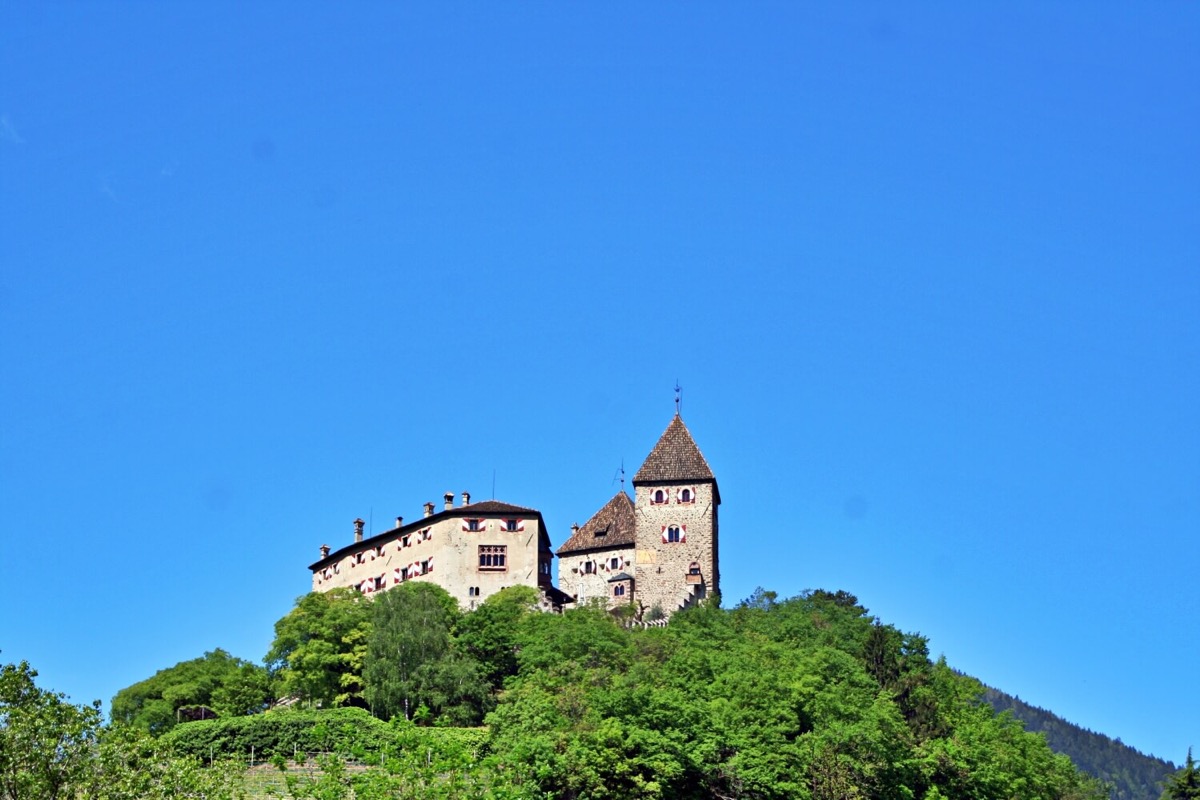
Sant’Erasmo Castle above Prissiano glances down on Val d’Adige from its enthroned position
Castel Sant'Erasmo o Castel Wehrburg (ted
Previous names
Sant’Erasmo Castle, Castel Sant'Erasmo
Description
Sant’Erasmo Castle above Prissiano glances down on Val d’Adige from its enthroned position.
Castel Sant’Erasmo is an imposing construction, located at the top of a hill. Two quadrangular residential towers characterise the building, one of them served for defending the castle. Round-arched windows, wide staircases, frescos and other decorative elements make this castle a real treasure. The chapel has been established in detached position right behind the entrance of Sant’Erasmo Castle. It dates back to the 15th century. In the 17th century it has been changed and a great wonderful fresco was added.
Already in 1229 Sant’Erasmo Castle (Wehrburg in German) has been mentioned for the first time. Back then the castle was in possession of the Counts von Wehrburg-Andrian. In 1411 the Morandin family succeeded in getting the castle back. This family became extinct in 1798 and the castle increasingly deteriorated. Around 1900 finally a count from Hungary purchased the estate and restored Sant’Erasmo Castle.
After WWI the Englishman Artur Rudston Brown acquired the castle and sold it to an inhabitant of Prissiano at the end of the 20th century, the owner of the “Zum Mohren” inn. He changed the castle into a hotel. For this reason only the courtyard of Castel Sant’Erasmo is open to public.
https://www.meranerland.org
Castel Sant'Erasmo o Castel Wehrburg (ted.: Wehrburg) è un castello duecentesco che si trova a Prissiano (Prissian), una frazione del comune di Tesimo in provincia autonoma di Bolzano.
Costruito nella prima metà del XIII secolo (prima citazione nel 1229) dai Wehrburg, nel 1300 il castello passò, per matrimonio, ai Murentheiner, nobile famiglia della vicina Andriano. Nel 1353 ritornò ai Wehrburg, ma poco più di 50 anni dopo, nel 1411 fu nuovamente e definitivamente conquistato dai Murentheiner. Questi la mantennero fino al 1798, quando la famiglia si estinse.
Da allora e per circa un secolo rimase in uno stato di sostanziale abbandono, finché fu acquistato e ristrutturato da Albert von Eperjessey, ambasciatore austrungarico in Iran. Passò poi ai Rudston Brown.
Nel 1957 il castello è stato acquistato da un albergatore e trasformato in hotel.
Il nome italiano, imposto durante il fascismo, è dovuto alla cappella dedicata a Sant'Erasmo, eretta nel XV secolo e rinnovata due secoli più tardi.
Useful information
GRATUITO
- I vigneti
- WiFi
- La cappella
info@wehrburg.com
- Proprietà privata (un hotel)
- La piscina sul territorio
-
External links
Nearby castles
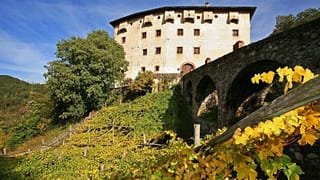
Castelletto di Corbetta
Provincia autonoma di Bolzano - Alto Adige
0.5km
castle, chateau
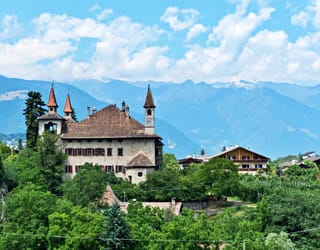
Fahlburg Castle
Provincia autonoma di Bolzano - Alto Adige
0.6km
castle, chateau
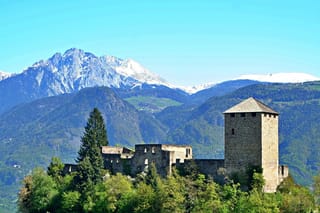
Castel Maggio
Autonome Provinz Bozen - Südtirol
5.5km
castle, chateau
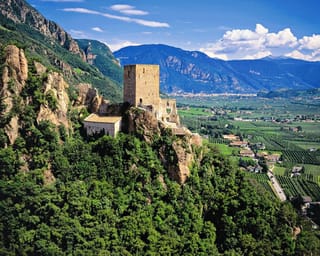
Castello Neuhaus
Autonomous Province of Bolzano – South Tyrol
5.9km
castle, chateau
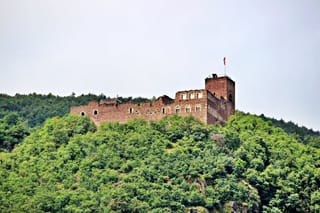
the Boymont castle
Autonome Provinz Bozen - Südtirol
8.6km
castle, chateau
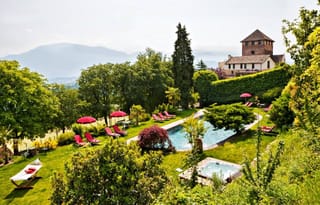
Castel Corba
Autonome Provinz Bozen - Südtirol
8.9km
castle, chateau
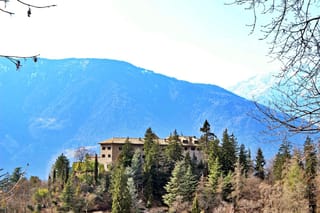
Castel Verruca
Autonome Provinz Bozen - Südtirol
9.9km
castle, chateau