Monteleone Castle
Provincia autonoma di Bolzano - Alto Adige Trentino-Alto Adige Italy
castle, chateau
Castel Monteleone
Provincia autonoma di Bolzano - Alto Adige Trentino-Alto Adige Italy
castle, chateau
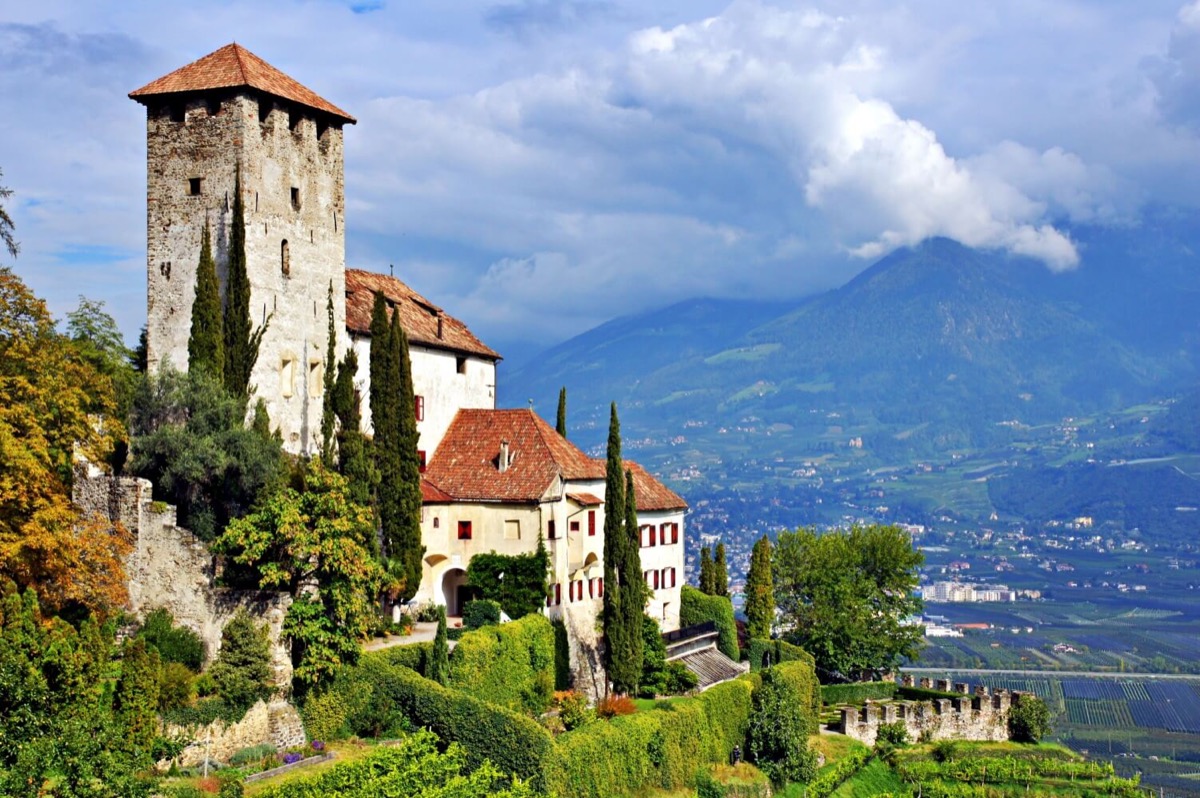
Monteleone Castle (Lebenberg in German) is a splendid castle amidst colourful vineyards high above the municipality of Cermes
Castel Monteleone (ted
Previous names
Monteleone Castle, Castel Monteleone
Description
Monteleone Castle (Lebenberg in German) is a splendid castle amidst colourful vineyards high above the municipality of Cermes. It is deemed to be the landmark of the village. Doing a hike along the Marlengo Waalweg path you have a fantastic view on the castle.
Built in the 13th century by the Lords of Marlengo (Marling), Monteleone Castle is one of the most beautiful and biggest fully furnished castles in private hands in South Tyrol. 1426 the castle passed from the Lords of Marlengo to the Lords von Fuchs. They owned it up to the 19th century. Nowadays the castle belongs to the van Rossem family and is open to the public.
Lovers of culture and architecture can look forward for instance to the three-floors high St. Stephan chapel of the 14th century, picturesque inner courtyards, a French flower garden and a Venetian hall of mirrors, dating back to the rococo era. Worth seeing are also the hall of knights and the hall of arms. Moreover some valuable Gothic frescoes have been rediscovered. Monteleone Castle can be discovered on foot from the village centre of Cermes and is accessible by car along the Monte Leone Road.
https://www.meranerland.org
Castel Monteleone (ted.: Schloss Lebenberg) è un castello che si trova a Cermes (BZ).
Storia
Fu costruito verso la metà del '200 dai signori di Marlengo.
Il nome originario tedesco è Lebenberg (letteralmente "monte del leone"), attestato nel 1271 come Lewenberch, nel 1308 come Lewenberg e nel 1340 come Lebenberch e composto dal alto tedesco medio lewe ("Löwe" = leone) e berg (monte). Durante il fascismo il nome è stato italianizzato in "Monteleone", ma solo nel 1940.
Scomparsa questa famiglia, il maniero passò ai Fuchs von Fuchsberg (1426). Nella sala dei cavalieri si trova l'albero genealogico della famiglia, con 264 ritratti che coprono 12 generazioni. Sotto i Fuchs ha preso l'aspetto di maniero ampio e imponente che ha ancora. Caratteristici sono i cortili cinquecenteschi e il giardino all'italiana. Le stanze sono completamente arredate. Notevoli sono gli affreschi, recentemente ritrovati, dei Santi ausiliatori (Nothelfer).
Nel XVI secolo fu rifatta la cappella (originaria del XIV secolo). Più tardi di circa un secolo sono i soffitti (a stucco e in legno) delle diverse sale.
Nel 1828 anche i Fuchs si estinsero, e il castello passò di mano in mano. Oggi è proprietà di una famiglia olandese, i van Rossem.
Vengono organizzate visite guidate da Pasqua ad ottobre, tranne la domenica.
Useful information
GRATUITO
8.00 EUR
0 - 14 anni: 3.00 EUR
15+ persone: 6.00 EUR
- Una cappella a tre piani del XIV secolo
- Il giardino in stile francese
- Vigneti e meleti
avanrossem@gmx.net
- Visitabile parzialmente
- Visite guidate
- Ospita il museo
-
External links
Nearby castles
Castel del Gatto (Merano)
Autonome Provinz Bozen - Südtirol
4.1km
castle, chateau
Castel Verruca
Autonome Provinz Bozen - Südtirol
4.5km
castle, chateau
Castel Winkel
Autonome Provinz Bozen - Südtirol
4.7km
castle, chateau
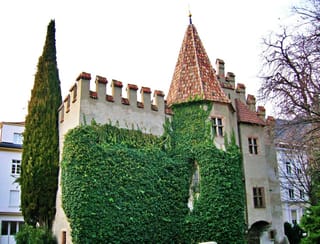
Castello Principesco
Provincia autonoma di Bolzano - Alto Adige
4.7km
castle, chateau
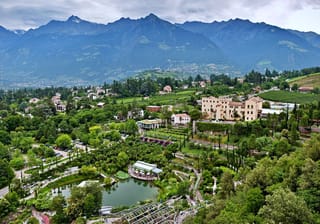
Trauttmansdorff Castle
Autonome Provinz Bozen - Südtirol
4.8km
castle, chateau
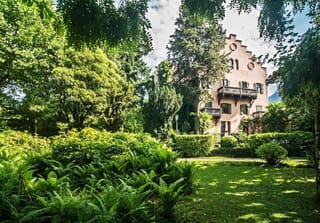
Castel Pienzenau
Autonome Provinz Bozen - Südtirol
4.8km
castle, chateau
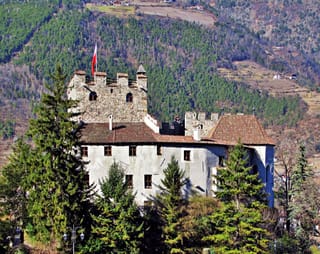
Castel Foresta
Autonome Provinz Bozen - Südtirol
4.9km
castle, chateau