Scaligero Castle (Sirmione)
Provincia di Brescia Lombardia Italy
castle, chateau
Castello Scaligero (Sirmione)
Provincia di Brescia Lombardia Italy
castle, chateau
The Scaliger Castle is a rare medieval port fortification from the 13th century
Il castello scaligero di Sirmione è una rocca di epoca scaligera, punto d'accesso al centro storico di Sirmione
Previous names
Scaligero Castle (Sirmione), Castello Scaligero (Sirmione)
Description
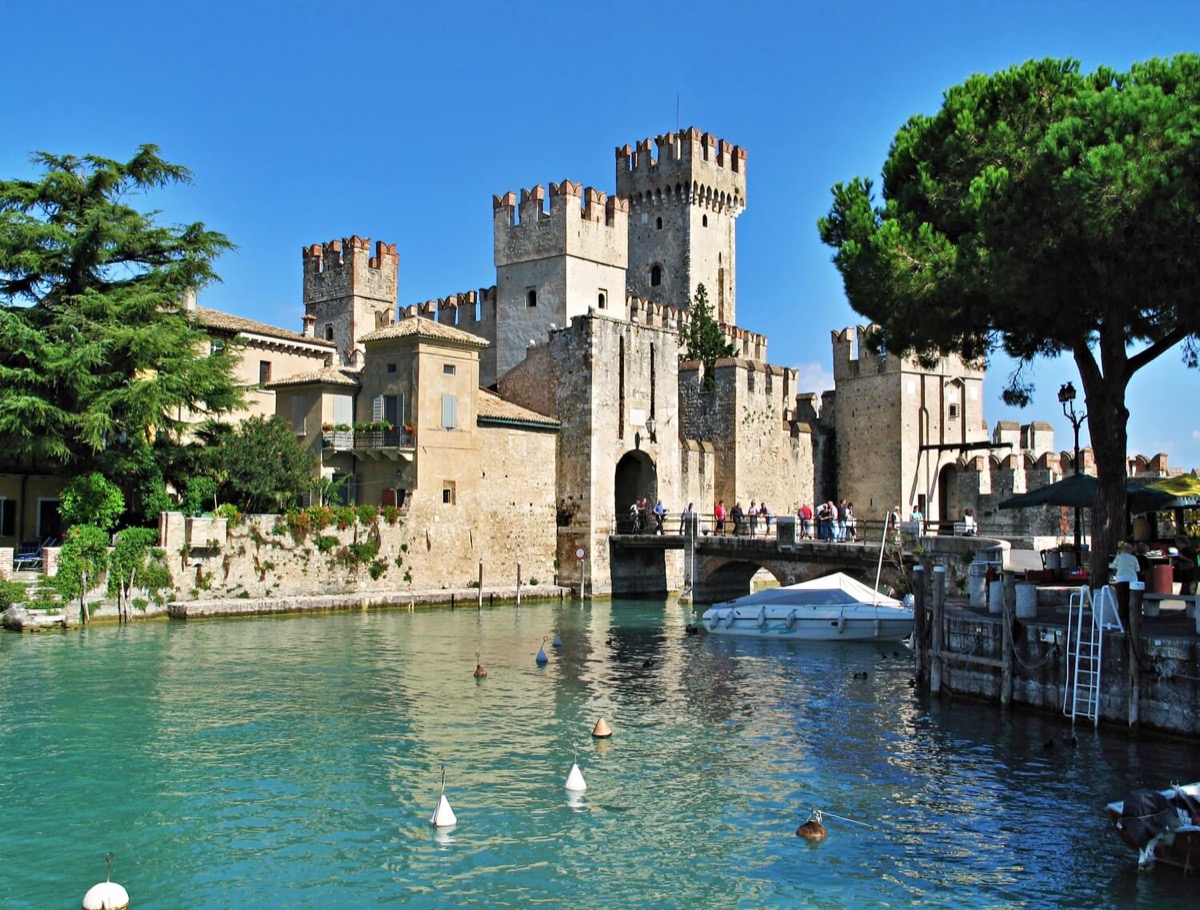
The Scaliger Castle is a rare medieval port fortification from the 13th century. The castle is located in Lake Garda, Italy and has become quite the tourist attraction! The castle is surrounded by a moat and the only way in is threw the two drawbridges. It was built to protect enemies and locals from entering. It claimed the nick-name "sinking castle" because at first place it appears that the castle is sinking into the water beneath it.
In 2014 it was the twenty-seventh most visited Italian state site, with 224,498 visitors and a total gross income of 555,768 Euros.
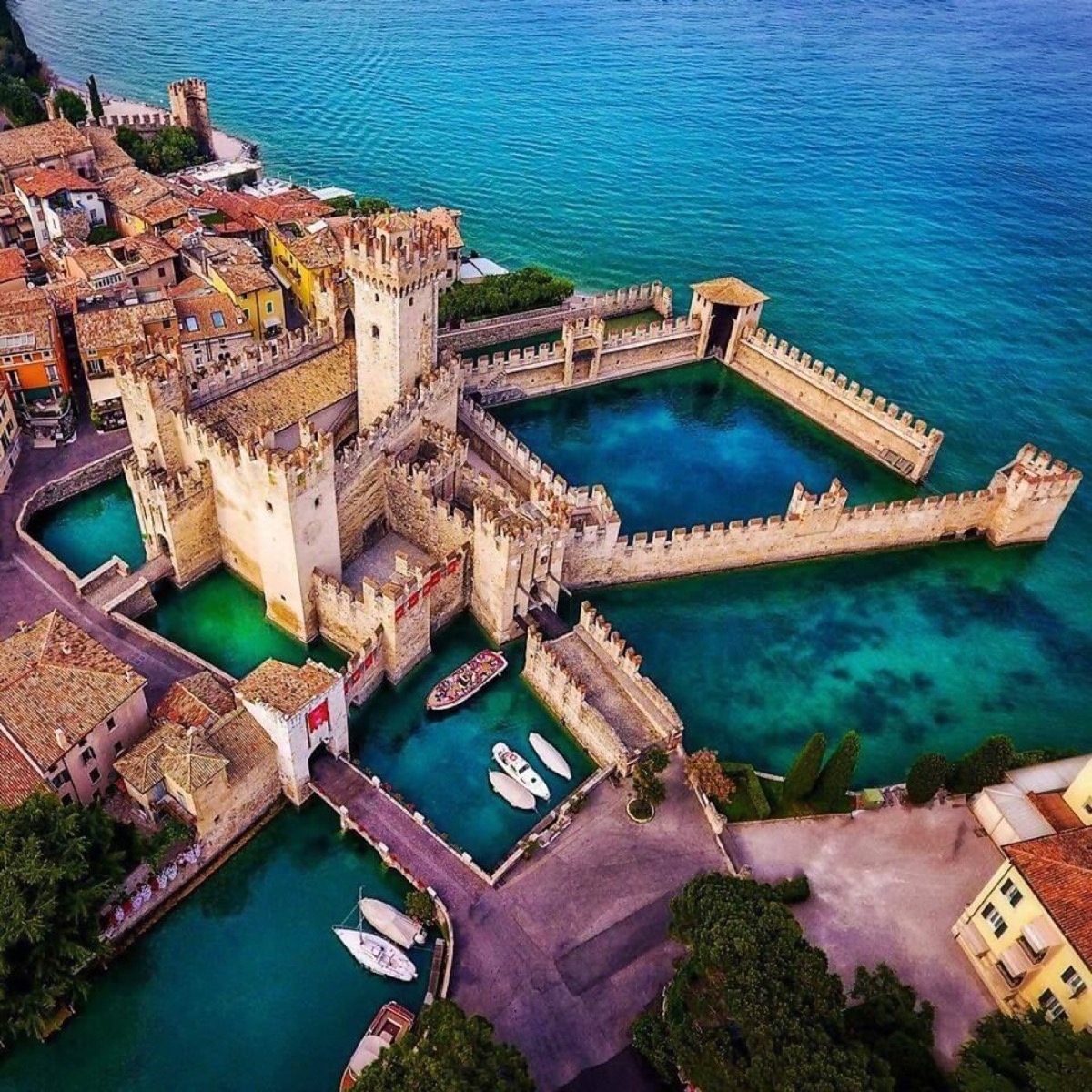
The castle is bathed on all sides by the waters of Lake Garda, and on one of these sides, the dock, which was once the refuge of the Scaliger fleet, was built shortly after the construction of the castle.
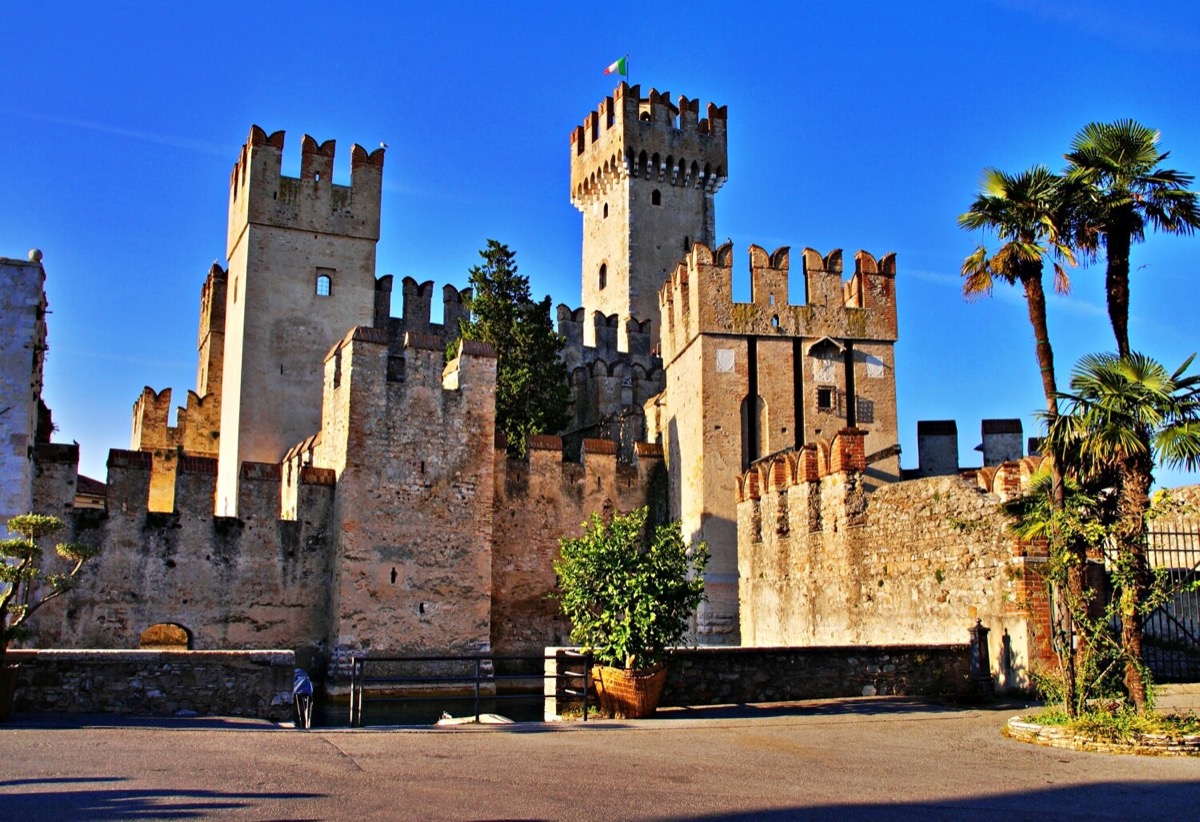
The walls and the three massive main towers are characterized by the dovetail battlements that distinguish each Scala construction: behind these three towers stands the imposing keep, 47 meters high, under which the cells intended for prisoners were located.
At one time the fortress could be accessed both from the outside of the inhabited center and from the village itself via drawbridges, while today it is possible to enter only from the village. Through doors equipped with effective closing systems you enter the large porch, inside which stands a staircase leading to a drawbridge. From here, through a ramp of 146 steps, you can reach the walkways of the walls, from which you can appreciate the dock. The dock is also defended by towers which, unlike those inside the castle, are not characterized by dovetail battlements but by a basic structure called spearhead. This feature, together with the use of bricks and stones from nearby areas, denote a different period of construction. On one side of the dock there is an external moat that flows directly onto the lake.
The construction of the fortress began around the mid-thirteenth century, probably on the remains of a Roman fortification. Its construction was ordered by the mayor of Verona Leonardino della Scala, better known as Mastino della Scala. The function of the castle was defensive and port control, since the city of Sirmione, being in a border position, was more exposed to aggression.
About a century later, two courtyards and an independent fortification were added, joined by barbican to the main one, to increase the defenses of the fortress. In 1405 Sirmione came under the control of the Republic of Venice during whose domination began work to strengthen the defensive structures. It was in this period that the dock visible today was built, even if it is assumed that there was already a Scaliger dock, probably wooden. Sirmione maintained the position of defensive post until the 16th century, when, for political reasons, the fortress of Peschiera del Garda was modernized.
Il castello scaligero di Sirmione è una rocca di epoca scaligera, punto d'accesso al centro storico di Sirmione. Si tratta di uno fra i più completi e meglio conservati castelli d'Italia, oltre che raro esempio di fortificazione lacustre.
Nel 2014 è stato il ventisettesimo sito statale italiano più visitato, con 224.498 visitatori e un introito lordo totale di 555.768 Euro.
Il castello è bagnato su tutti i lati dalle acque del lago di Garda, e su uno di questi lati è stata realizzata, poco dopo la costruzione del castello, la darsena, che un tempo rappresentava il luogo di rifugio della flotta scaligera.
Le mura e le tre massicce torri maggiori sono caratterizzate dalle merlature a coda di rondine che contraddistinguono ogni costruzione scaligera: dietro questi tre torrioni emerge l'imponente mastio, alto 47 metri, sotto al quale si trovavano le celle destinate ai prigionieri.
Un tempo si poteva accedere alla rocca sia dall'esterno del centro abitato sia dal borgo stesso tramite ponti levatoi, mentre oggi è possibile entrare soltanto dal borgo. Attraverso porte munite di efficaci sistemi di chiusura si accede al grande portico, all'interno del quale si erge una scala che conduce ad un ponte levatoio. Da qui, tramite una rampa di 146 gradini, si possono raggiungere i camminamenti di ronda delle mura, dai quali si può apprezzare la darsena. Pure la darsena è difesa da torri che però, a differenza di quelle interne al castello, non sono caratterizzate dalla merlatura a coda di rondine ma da una struttura di base detta a punta di lancia. Questa caratteristica, insieme all'utilizzo di mattoni e pietre provenienti da zone vicine, denotano un periodo differente di costruzione. Su un lato della darsena si protrae un fossato esterno che sfocia direttamente sul lago.
La costruzione della rocca ebbe inizio intorno alla metà del XIII secolo, probabilmente sui resti di una fortificazione romana. La sua realizzazione venne ordinata dal podestà di Verona Leonardino della Scala, meglio conosciuto come Mastino della Scala. La funzione del castello era quella difensiva e di controllo portuale, poiché la città di Sirmione, trovandosi in una posizione di confine, era maggiormente esposta ad aggressioni.
Circa un secolo dopo sono stati aggiunti due cortili e una fortificazione indipendente, unita tramite barbacane a quella principale, per aumentare le difese della fortezza. Nel 1405 Sirmione passò sotto il controllo della Repubblica di Venezia durante la cui dominazione iniziò un'opera di rafforzamento delle strutture difensive. Fu in questo periodo che venne realizzata la darsena oggi visibile, anche se si suppone che fosse già presente una darsena scaligera, probabilmente lignea. Sirmione mantenne il primato di postazione difensiva fino al XVI secolo, quando, per motivi politici, la fortezza di Peschiera del Garda venne modernizzata.
Useful information
A pagamento
6.00 EUR
18 - 25 anni: 2.00 EUR
GRATUITO
2.00 EUR
- Ingresso gratuito ogni prima domenica del mese
- Il lago del castello
drm-lom@beniculturali.it
- Sede del museo
- Bookshop sul territorio
- Disponibilità audioguide a pagamento
-
External links
Nearby castles
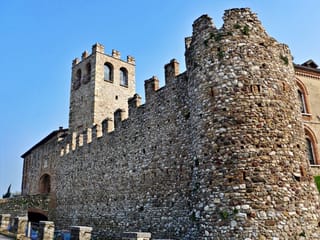
Castello di Desenzano
Provincia di Brescia
6.0km
castle, chateau
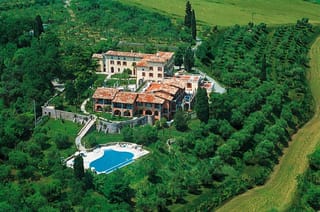
Castle Belvedere
Provincia di Brescia
6.1km
castle, chateau
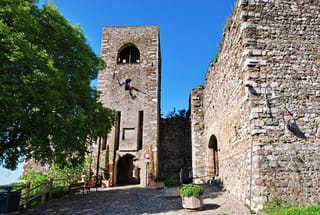
Castello di Padenghe
Provincia di Brescia
8.5km
castle, chateau
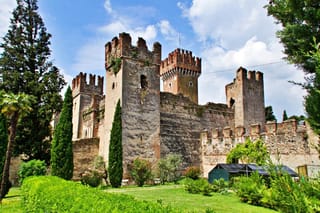
Castello Scaligero (Lazise)
Provincia di Verona
9.8km
castle, chateau
Castello di Pozzolengo
Provincia di Brescia
9.8km
castle, chateau
Castello di Polpenazze del Garda
Provincia di Brescia
10.3km
castle, chateau
Castello di Drugolo
Provincia di Brescia
10.4km
castle, chateau