Monterone Castle
Provincia di Perugia Umbria Italy
castle, chateau
Castello di Monterone
Provincia di Perugia Umbria Italy
castle, chateau
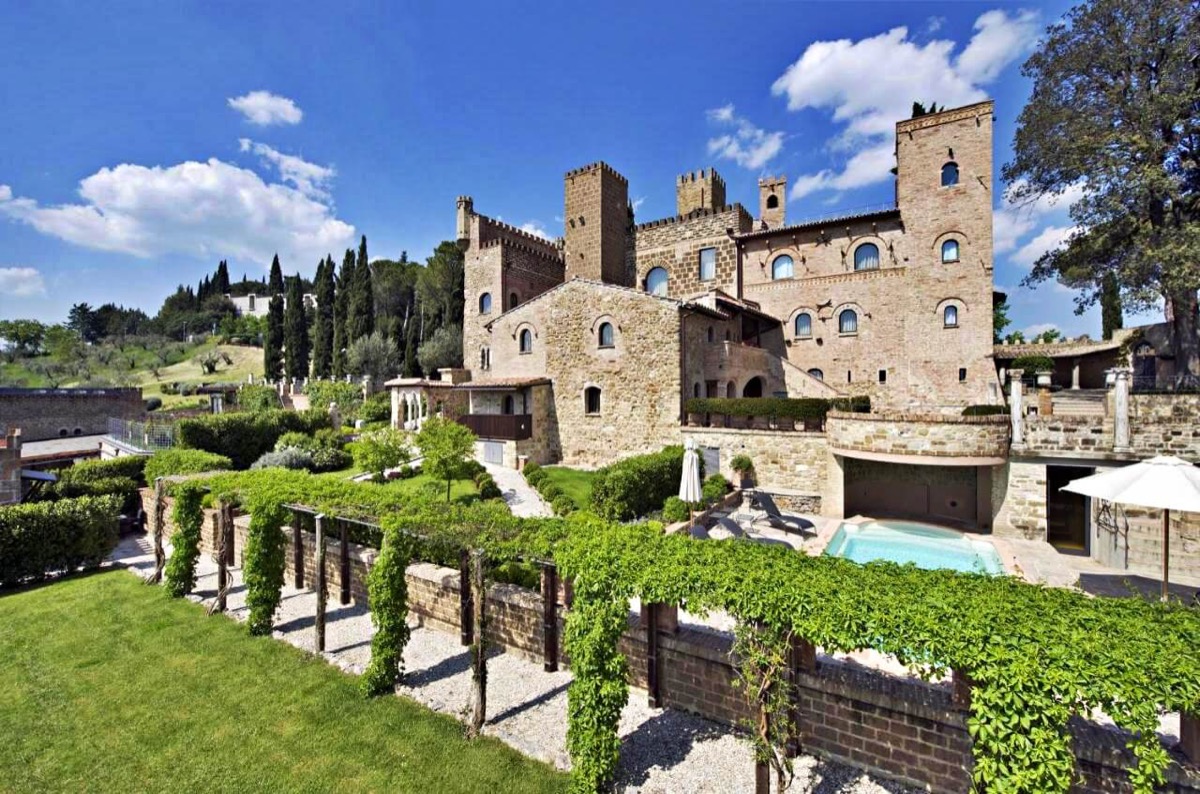
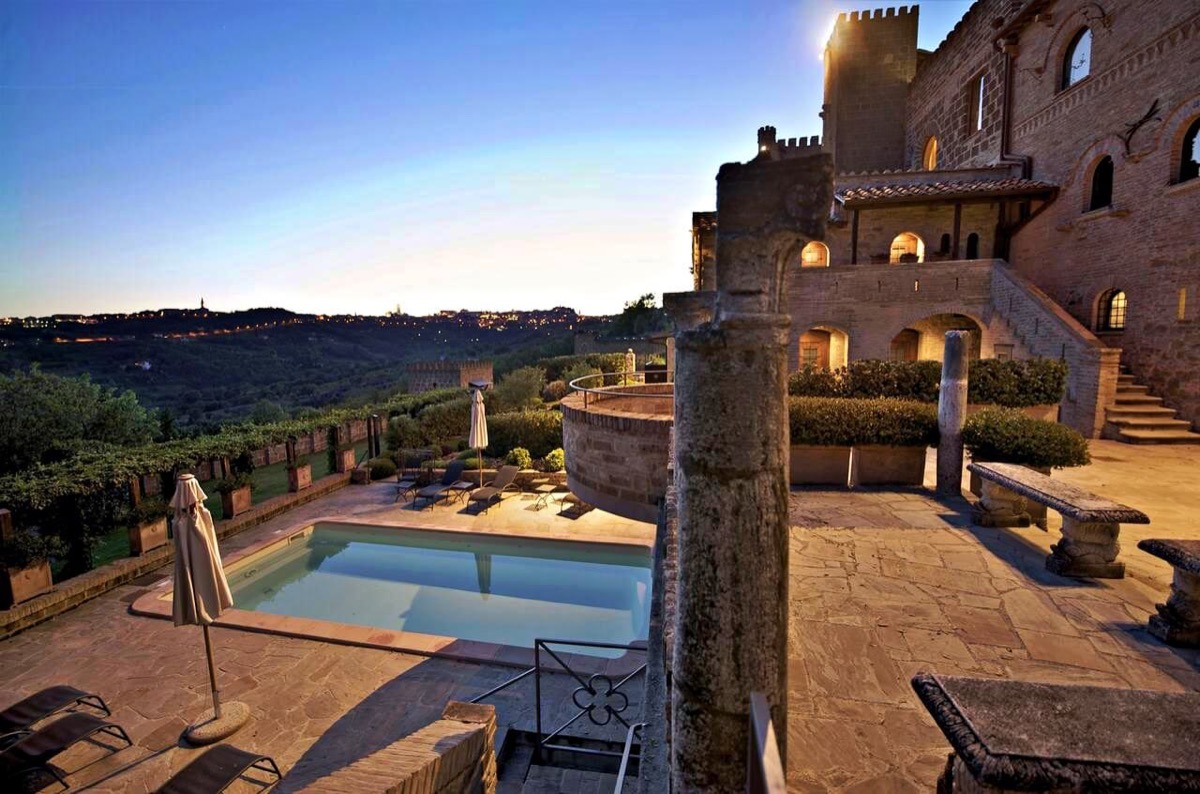
Castello di Monterone, known also as Castello Piceller, is a small restored 13th-century castle in Perugia, Italy
Il castello di Monterone, conosciuto anche come castello Piceller, è un castello che si erge sul crinale di una collina dominante una piccola vallata, lungo la strada che conduce da Perugia ad Assisi attraverso Ponte San Giovanni (la via regale San Pietro, così nominata nel 1070 d
Previous names
Monterone Castle, Castello di Monterone
Description
Castello di Monterone, known also as Castello Piceller, is a small restored 13th-century castle in Perugia, Italy. It is located in the road that connects Perugia to Assisi, through Ponte San Giovanni. Very close to the Monastery of San Pietro and to the Church of San Bevignate, this street is one of the "royal roads", that led out of the town through the main gates of Perugia, along a road network already used by the Etruscans and Romans.
Origins of the name and first settlements
The area's name is thought to derive from Monturreno or Mons Turrenius, that derives from Turrena, the medieval name given to Perugia, due to the presence of numerous defensive towers.
The area was first settle around the 3rd century BC; a travertine ossuary was found in the garden of the castle together with three bronze mirror discovered by Mauro Faina: one of those represent the mythological figures of Peleus and Thetys.
The main block of the castle dates to the 13th century. In the Perugia’s archives there is a document dated 18 January 1200 certifies that Gerardo di Ugolino di Alberico, making himself an official citizen of Perugia, submitted his properties in the hill of "Montarone" to the consul Bernarduccio. Father Felice Ciatti in "Memorie Annali et Historiche delle cose di Perugia" (1638), writes: Gerardo di Ghislerio di Alberico, on 14 January, wanting to be a Perugia citizen, submitted the land he had near the hill Montirreno - called Montarone, and every thing he had in the area of Perugia, swearing he would like to stay under the Perugia jurisdiction and whole its rules…
Templars knights and Monterone castle
Until their abolition in 1312, the Templar Knights were linked to the castle. The Templars owned the Monastery of San Bevignate. The rumors and the proximity of the church to the castle make us think that catholic pilgrims received hospitality in that building, being itself submitted to the Order.
Lupattelli wrote in 1899: "Being Templars Knights in San Bevignate from 1200 until 1312, we can assume that the land submitted by Gerardo di Ghislerio to Perugia would include his main house, the castle, where he hosted the lay pilgrims, as they had found in it a monastic institution. So, the ancient building depended by the temple of S.Bevignate and by the Monastery where it was settled the fourth Order of Priests". According to the tradition, there should be underground passages that connect Castello di Monterone to the Church of San Bevignate. After 1312, the Castello di Monterone was probably abandoned for a long time.
Castello di Monterone in modern history
Piceller family, who has origins in S. Ulrico, Val Gardena (now it is Ortisei), moved to Perugia at the end of 1600; here, they acquired lands and properties and established Castello di Monterone as the family residence. Many were the members of the family who had artistic or social merit, like Giuseppe, friend of Francesco Morlacchi, an important flautist and founder of the first music band in Perugia, Bernardino Piceller, painter and drawer of many historic and religious subjects. At the beginnings of 1800, Piceller family was enriched by the trade of ironware with Epiteto di Cristoforo. The son of Epiteto, Alessandro, is a very important character in the history of Castello di Monterone. Archaeologist for pleasure and antiquarian, Alessandro restored and extended the castle in the same way he did with the "Casetta Piceller", a 14th-century chapel situated in Collestrada, restored and re-adapted into a little country-house.
Restoration works were directed by Filippo Lardoni and Alessandro Arienti. On 23 November 1849, the bishop Vincenzo Gioacchino Pecci (he will become Pope Leone XIII) inaugurated the castle. Alessandro Piceller did not only restored the ancient medieval building but he enriched it with many artistic and architectural elements (bas-reliefs, statues, a little rose, balconies, mullioned windows and so many other objects from different historic periods. The cloister, delimited by columns and marble capitals (these were collected by the same Alessandro Piceller) was decorated by urns, etruscan bas-reliefs of great historic importance. Castello di Monterone is something unique just because of this mix of styles, romantic elements and materials (sandstone, brick, stone) and it is different form the other XIX examples of Umbria. Among the main pieces of art inside the castle, we must mention the frescoes representing the signs of the main characters of the late middle age fights for the power, painted by Matteo Tassi, who realised also the Sala dei Notari inside the Palazzo dei Priori; the fresco representing The Madonna of Loreto with Saints Peter and Paul, is attributed to Jacopo da Foligno. On 20 October 1929, Alessandro Piceller died and after his death and the castle was abandoned again. During World War II it hosted displaced people and the bombs heavily ruined the building. The Castle was restored after the war.
Il castello di Monterone, conosciuto anche come castello Piceller, è un castello che si erge sul crinale di una collina dominante una piccola vallata, lungo la strada che conduce da Perugia ad Assisi attraverso Ponte San Giovanni (la via regale San Pietro, così nominata nel 1070 d.C.), a breve distanza dal monastero di San Pietro e dalla chiesa di San Bevignate; questa strada è una delle cosiddette vie regali, strade che in epoca medievale conducevano fuori dalla città attraverso le porte principali (porta di San Pietro o Porta Romana nel nostro caso), lungo un asse viario già utilizzato dagli Etruschi e dai Romani, e che servivano anche a delimitare gli antichi contadi di Perugia.
Etimologia del toponimo e origini
Il nome della località, secondo alcuni storici, potrebbe derivare dall'etimo Monturreno o Mons Turrenius, derivato a sua volta dal nome di Turrena dato alla città di Perugia per via delle numerose torri che, in epoca medievale, sorgevano all'interno della città con scopi difensivi. La storia del Castello è antichissima e sono numerose le testimonianze che descrivono le complesse vicende che lo riguardano; queste fonti, alle volte lacunose o frammentarie, sono integrate da una lunga tradizione orale che attesta anche un importante ruolo del Castello e delle personalità ad esso legate nella cultura popolare della città (si pensi all'espressione “antichità di Piceller”).
I primi insediamenti documentati nella località risalgono al secolo III a.c., come testimoniano un'urna cineraria di tipo chiusino in travertino chiaro rinvenuta nel giardino del castello e tre specchi in bronzo rinvenuti da Mauro Faina, due dei quali rappresentanti il tema di Peleo e Teti.
La struttura originaria è databile intorno al XIII secolo. Presso l'archivio della città di Perugia esiste un documento datato 18 gennaio 1200 che prova l'esistenza di un edificio in località Monterone. Il documento presente nell'archivio della città attesta che, nel 1200 Gerardo di Ugolino di Alberico, facendosi cittadino perugino, sottomise al console Bernarduccio le sue proprietà che aveva nel colle “appresso Montarone.
E interessante a tal proposito leggere le parole di padre Felice Ciatti (storico del XVII secolo) che, nelle “Memorie Annali et Historiche delle cose di Perugia”, edito presso Angelo Bartoli in Perugia nel 1638, scrive: “ essendo Potestà di Perugia Zeo di Peroscio, un Gerardo di Ghisliero di Alberico, lì 14 di Gennaro giurando voler essere cittadino perugino, sommise sé e la terra che aveva nel colle vicino a Monturreno detto Montarone, e tutte l'altre cose, che aveva nel contado di Perugia; promettendo voler soggiacere a tutti i pesi e uffitii della Città, giurando voler ciò in perpetuo osservare” (libro VIII pag.260).
Girardo di Ghislerio era signore di Sasso Rosso, un feudatario fuoriuscito da Assisi. La sua sottomissione al comune di Perugia (cui seguirono 5 giorni dopo quella del fratello Fortebraccio e di suo nipote Oddo) è da inserirsi nel contesto della rivalità tra Assisi e Perugia che spesso sfociava in veri e propri conflitti. Quella utilizzata dal signore di Sasso rosso, e dalla sua famiglia, era una vecchia tattica che i feudatari italiani avevano appreso dall'imperatore: approfittare delle città in lotta tra loro, mettersi sotto la protezione del comune nemico per vendicarsi e salvare ciò che era possibile salvare. Una leggenda popolare narra che il futuro san Francesco, che assieme a tanti giovani assisani fu fatto prigioniero nella battaglia di Collestrada del 1202, fu imprigionato proprio all'interno del castello di Monterone.
I cavalieri templari e il castello di Monterone
Nel corso del XIII secolo e fino al 1312, la storia del castello si incrocia con le misteriose e affascinanti vicende dei cavalieri templari. A partire dalla metà del XIII secolo e fino al 1312, i cavalieri templari hanno avuto la loro sede nel vicino cenobio di San Bevignate. La tradizione orale e la vicinanza geografica accrediterebbero l'ipotesi che vuole il castello di Monterone ospizio per i pellegrini, sottomesso al vicino cenobio e all'ordine dei templari. A suffragare questa ipotesi ci vengono in aiuto le parole del Lupattelli che nel nº5 del 15 maggio 1899 de l'Umbria Rivista d'arte e di letteratura scriveva: “ …. Avendo avuto i Templari la loro sede nel vicino Cenobio di S.Bevignate dal 1200 fino al 1312, è lecito supporre che il fondo sottomesso da Gerardo di Ghisliero al comune di Perugia, di cui la principale abitazione poteva essere il castello suddetto, diventasse proprietà di quell'ordine, che ivi adibisse i “Fratelli Laici” a servizio dei pellegrini, essendovisi trovate vestigia di monastica e ospitaliera istituzione. Così l'antico edificio dipendeva dal Tempio di S.Bevignate e dal Cenobio dove risiedeva il quarto Ordine dei Sacerdoti". Secondo la tradizione popolare esisterebbero ancora oggi dei passaggi sotterranei che collegano il castello di Monterone con la chiesa di San Bevignate. Nel 1312 papa Clemente V con la bolla Vox in Excelso, emessa durante il concilio di Vienne, soppresse l'ordine dei templari e proibì qualsiasi forma di ricostituzione dello stesso. Il castello di Monterone, molto probabilmente, fu abbandonato per lungo tempo, seguendo la triste sorte dell'ordine templare e del cenobio che proteggeva.
Useful information
GRATUITO
- Lo splendido roseto
- Area relax
- WiFi
info@castellomonterone.it
- Proprietà privata (un hotel)
- Spa sul territorio
-
External links
Nearby castles
Castello di Procoio o Procopio
Provincia di Perugia
10.5km
castle, chateau
Castello di Murlo
Province of Perugia
13.1km
castle, chateau
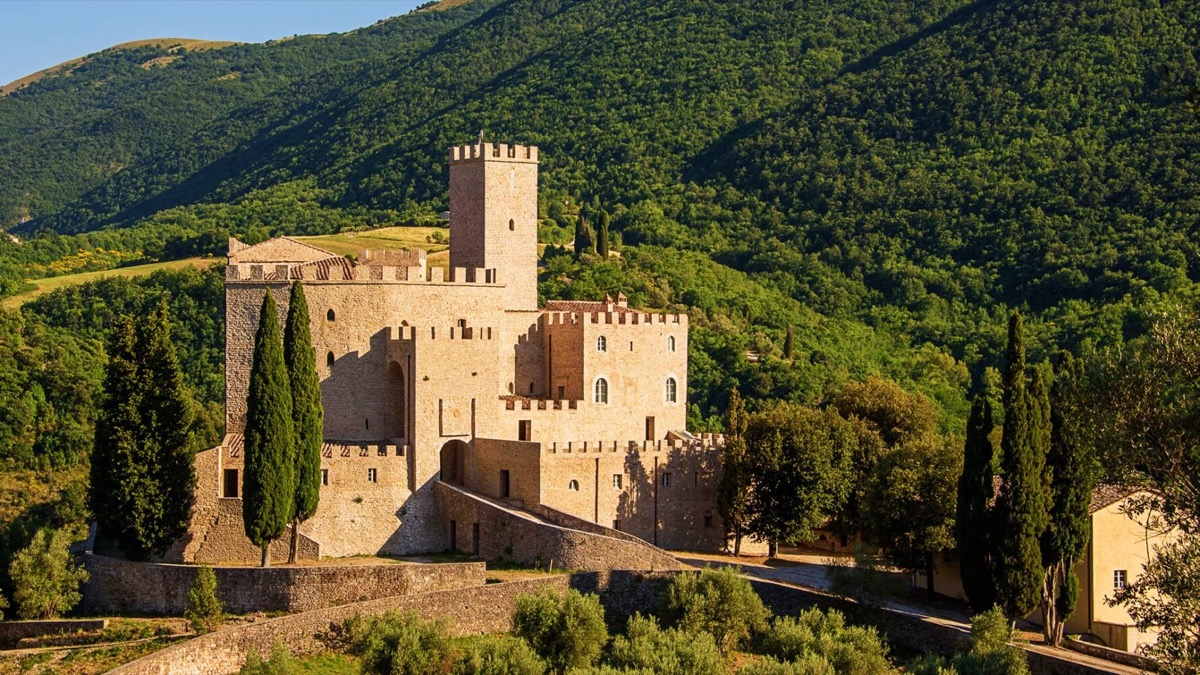
Castello di Antognolla
Province of Perugia
14.8km
castle, chateau
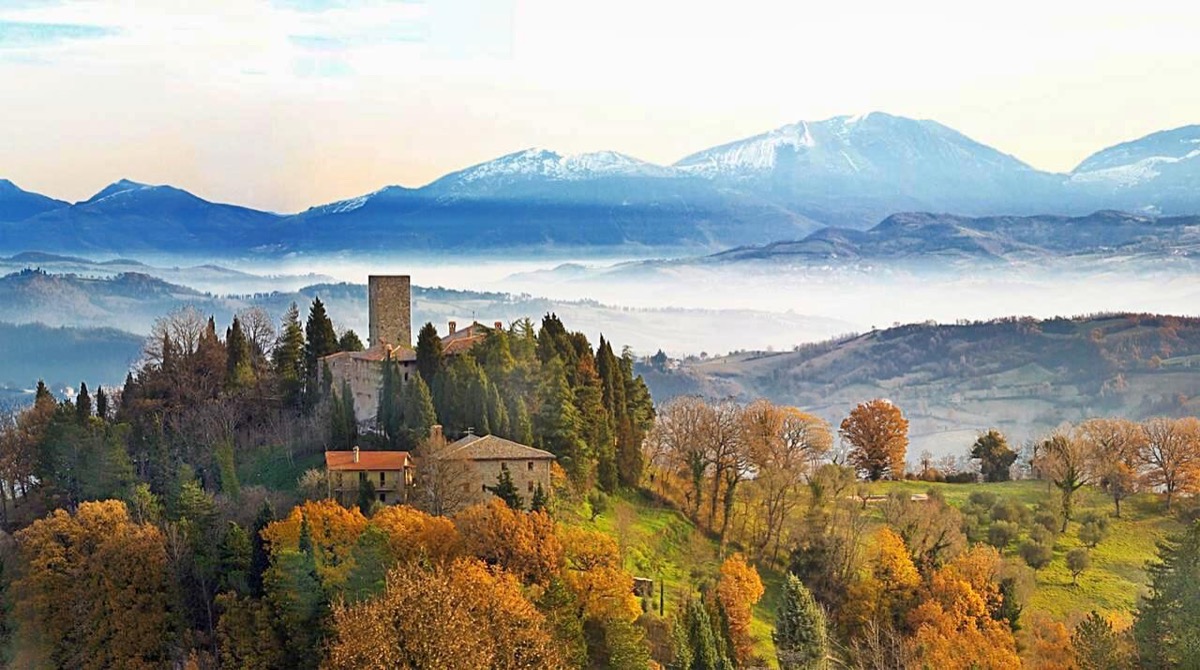
Castello di Petroia
Provincia di Perugia
18.3km
castle, chateau
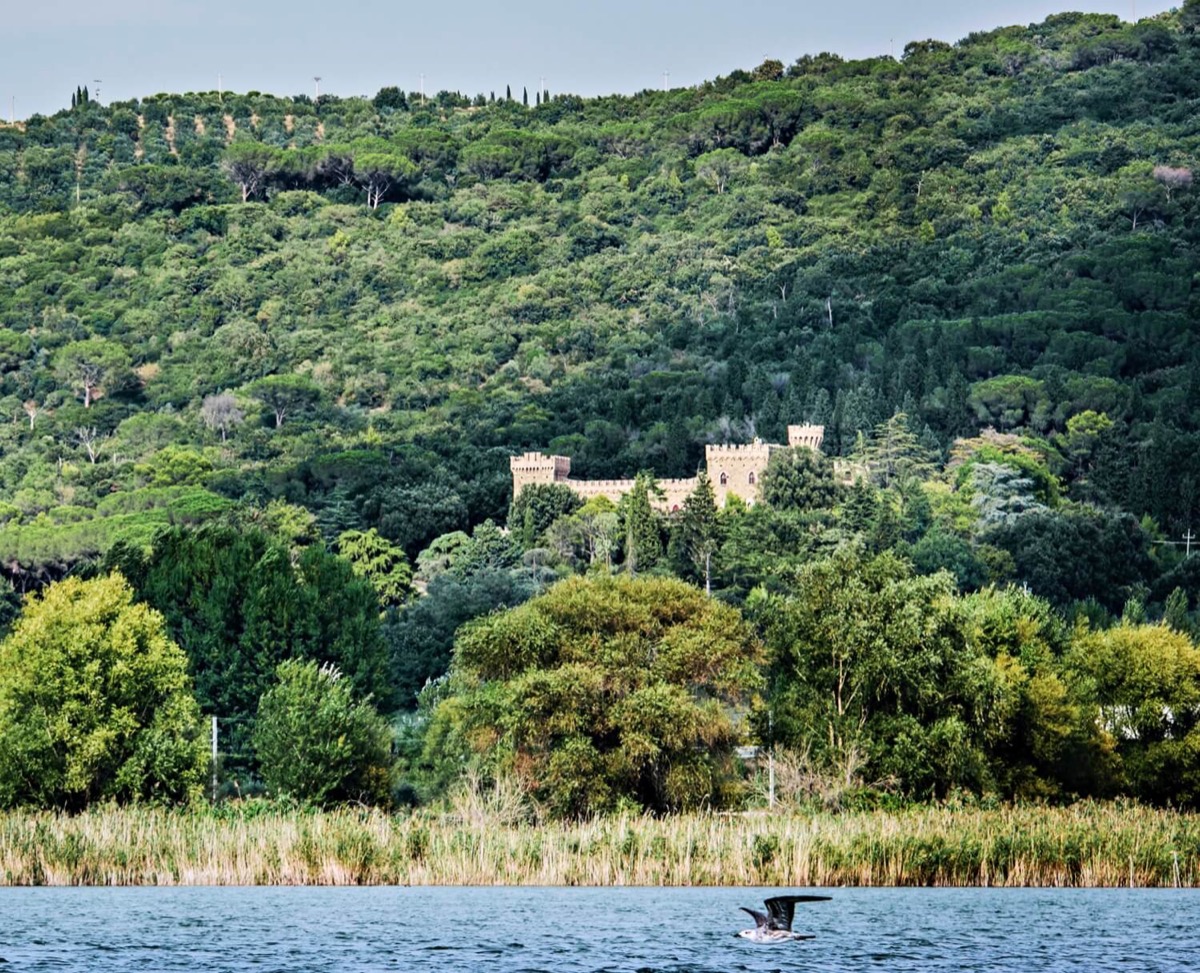
Castello il Borgia
Provincia di Perugia
19.7km
castle, chateau