Fortress of Castelfranco
Provincia di Savona Liguria Italy
fortress
Castelfranco (Finale Ligure)
Provincia di Savona Liguria Italy
fortress
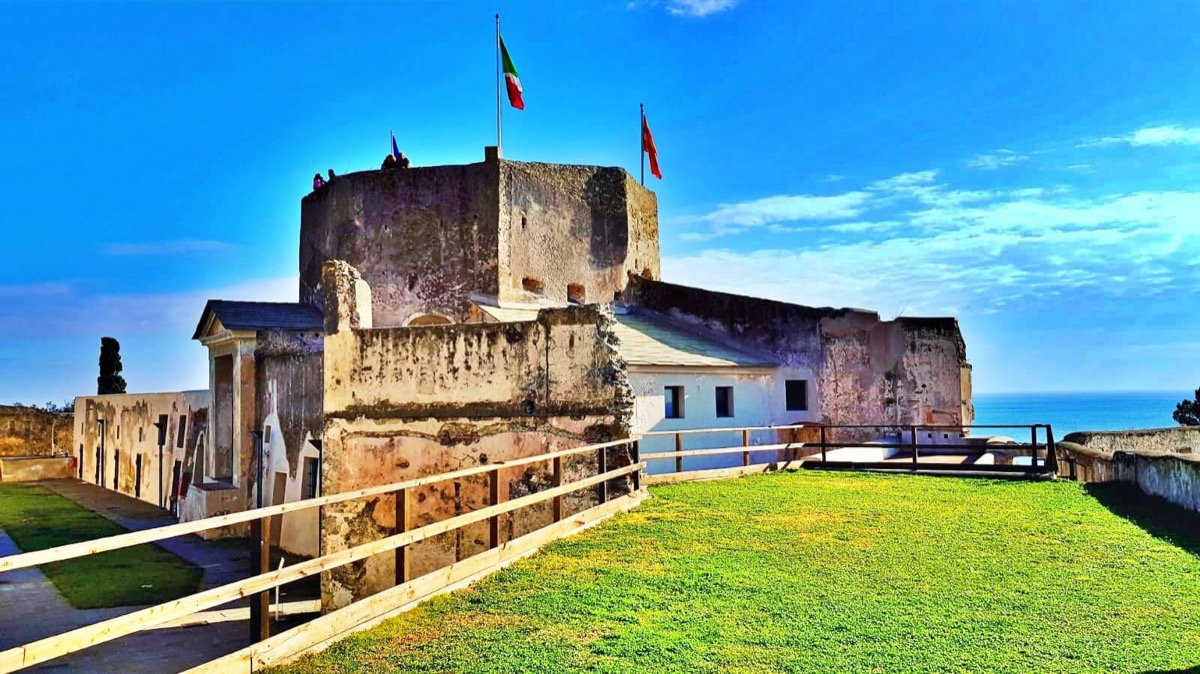
The origins of the Fortress of Castelfranco date back to around 1365, when the Republic of Genoa built a fort destined to constitute an instrument of control over the Finale area as an affirmation of its power against the Marquises of Savona (Deel Carretto), who had exercised their lordship over a strip of land between the coast and lower Piedmont
Il Castelfranco è stata una fortezza genovese nel comune ligure di Finale Ligure, in provincia di Savona, situata su un promontorio alla confluenza dei torrenti Pora e Sciusa, sull'altura del Gottaro, dominante strategicamente i due capi di Caprazoppa e Capo San Donato
Previous names
Fortress of Castelfranco , Castelfranco (Finale Ligure)
Description
The origins of the Fortress of Castelfranco date back to around 1365, when the Republic of Genoa built a fort destined to constitute an instrument of control over the Finale area as an affirmation of its power against the Marquises of Savona (Deel Carretto), who had exercised their lordship over a strip of land between the coast and lower Piedmont.
The name "Castelfranco" derives from the fact that the structure was not subject to the control of the local lords and did not owe them taxes.
After various and troubled events that characterized the Marquisate, Castelfranco suffered demolitions, reconstructions and repeated occupations by Genoa, the Spanish and the imperial army.
Between 1642 and 1645 on the hill above Castelfranco, the Fort of Sant'Antonio was built to the north and that of Annunziata to the east and later, around 1680, in the highest part of the ridge, the Fort of Legnino was built.
At the end of the Spanish succession war (1701-1713) Genoa bought Finale crowning the dream of unifying its rule in the Riviera di Ponente. Castelfranco was spared from destruction and in 1745 its cannons still rejected the attack of a small English fleet. The fortress was later transformed into a prison and the nineteenth-century structures were demolished only in 1950; starting from the nineties of the last century a progressive restoration and reuse of the structure began.
Today it is a fortress rediscovered thanks to its imposing structure rich in history and suggestive and romantic foreshortenings, perfect setting for refined lunches and dinners, aperitifs, events, weddings, ceremonies and unique stays to live surrounded by a breathtaking view of the Gulf of Finale Ligure.
https://www.allafortezzafinaleligure.it/
Il Castelfranco è stata una fortezza genovese nel comune ligure di Finale Ligure, in provincia di Savona, situata su un promontorio alla confluenza dei torrenti Pora e Sciusa, sull'altura del Gottaro, dominante strategicamente i due capi di Caprazoppa e Capo San Donato. È posizionato a 26 metri sul livello del mare.
Cenni storici
La nascita di una nuova fortezza nel territorio del Finale, già difeso dalle due fortezze di Castel San Giovanni e Castel Gavone, fu voluta dalla Repubblica di Genova nel 1365 quando già dal 1341 assunse il pieno controllo del Marchesato di Finale dopo lo scontro vittorioso contro i feudatari Del Carretto. Nonostante i possedimenti finalesi ritornarono nel XV secolo nelle mani della famiglia carrettesca, dopo i nuovi scontri tra Genova e i Del Carretto nel 1448, la fortezza di Castelfranco risultò salda ai Genovesi (nonostante la demolizione della torre centrale) che ne fecero quasi un caposaldo extra territoriale della repubblica genovese.
La fortezza subì successive demolizioni nel corso del 1558, a causa di un nuovo assalto genovese approfittando della delicata situazione politica di malgoverno di Alfonso II Del Carretto, e ancora nel 1564 nelle guerre contro il Regno di Spagna che, dal 1602, dichiarò il marchesato parte integrante del regno ispanico. Così come i genovesi anni prima anche gli spagnoli, con le successive ricostruzioni dal 1642 e il 1645, fecero di Castelfranco un potente punto difensivo del Finalese con l'edificazione di una nuova cinta di bastioni e forti, oggi non più presenti. Nuove costruzioni ampliamenti si effettuarono ancora tra il 1674 e il 1677.
Con la guerra di successione spagnola e il Trattato di Utrecht del 1713 i possedimenti finalesi ritornarono nelle mani della repubblica genovese: alla distruzione di Castel Gavone del 1714 fu invece risparmiato dai genovesi Castelfranco con il mantenimento del bastione della Mezzaluna e del torrione centrale di San Bartolomeo, quest'ultimo risalente al medioevo. Gli ultimi scopi difensivi sono datati al 1745 quando la fortezza si rese protagonista nel respingimento di quattordici navi inglesi.
Con la dominazione del Regno di Sardegna, dal XIX secolo, Castelfranco fu convertita in carcere e quindi ad infermeria della prigione stessa, con nuove demolizioni e trasformazioni della struttura così come si presenta attualmente. Dal 9 marzo del 1938 la trecentesca fortezza genovese è passata di proprietà al Comune di Finale Ligure.
Useful information
Parcheggio privato del ristorante
- Gli apparati illustrativi
- Grande monitor da tavolo touch-screen
- Proiezione interattiva multimediale
info@fortezzadicastelfranco.com
- Eventi diversi
- Romantiche terrazze con vista sul mare
-
External links
Nearby castles
Castel San Giovanni (Finale Ligure)
Provincia di Savona
2.1km
castle, chateau
Castel Gavone
Provincia di Savona
2.6km
castle, chateau
Castello di Pietra Ligure
Provincia di Savona
5.7km
castle, chateau
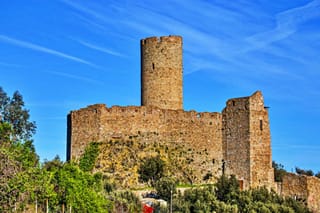
Castello di Monte Ursino
Provincia di Savona
6.7km
castle, chateau
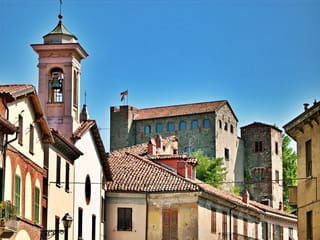
Castello di Millesimo
Provincia di Savona
24.1km
castle, chateau