Castle of Füzér
Füzér Füzér Hungary
castle, chateau
Füzéri vár
Füzér Füzér Hungary
castle, chateau
The Füzér castle was first mentioned in 1264, when it belonged to a local clan leader, Andronicus the Blind
A füzéri vár középkori vár, amely Füzér település közvetlen közelében emelkedő vulkanikus eredetű hegyen áll
Previous names
Castle of Füzér, Замок Фюзир, Zamek Füzér, Füzéri vár
Description
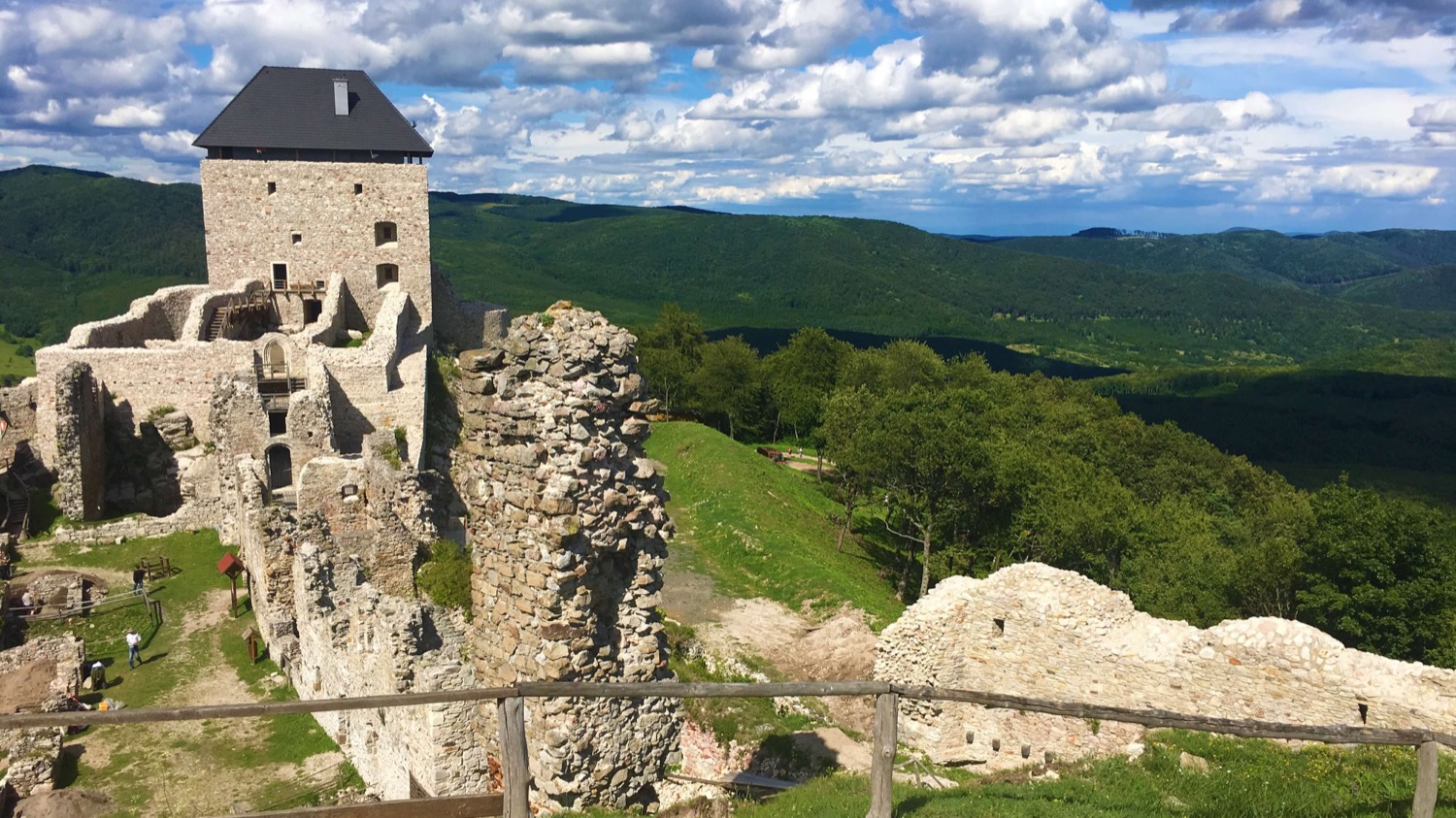
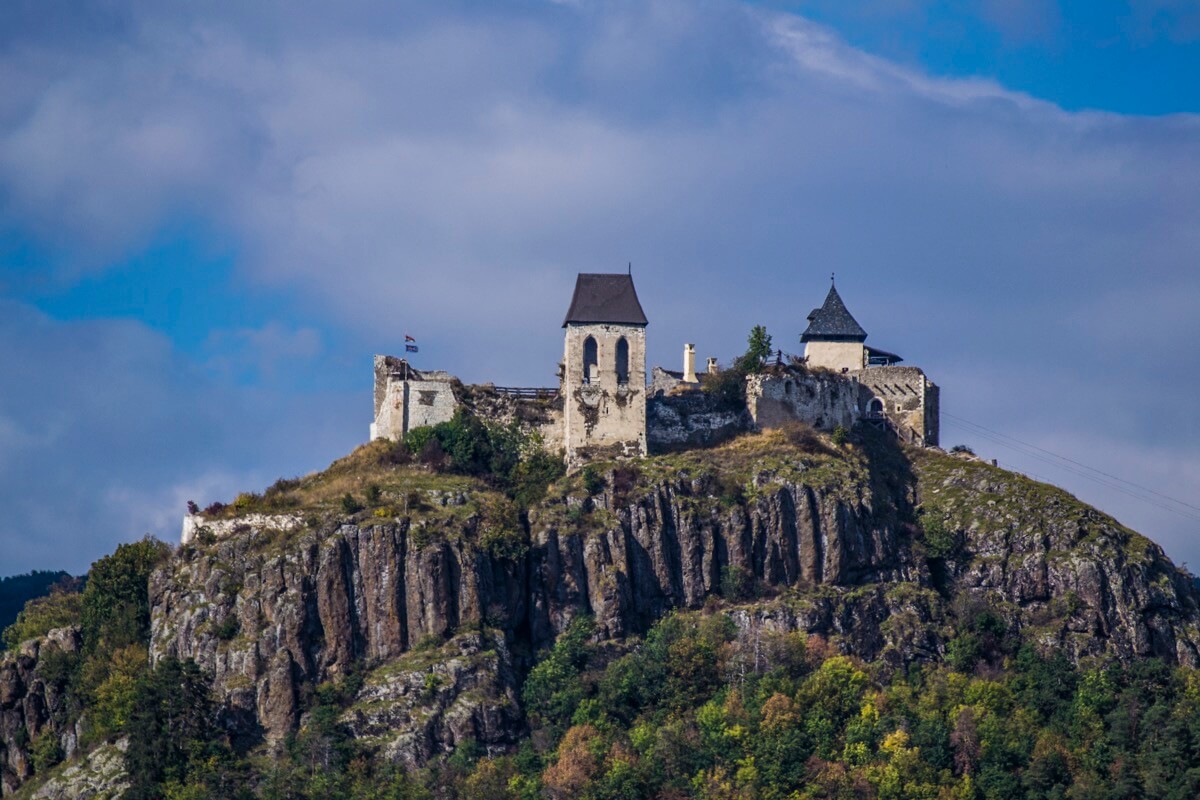
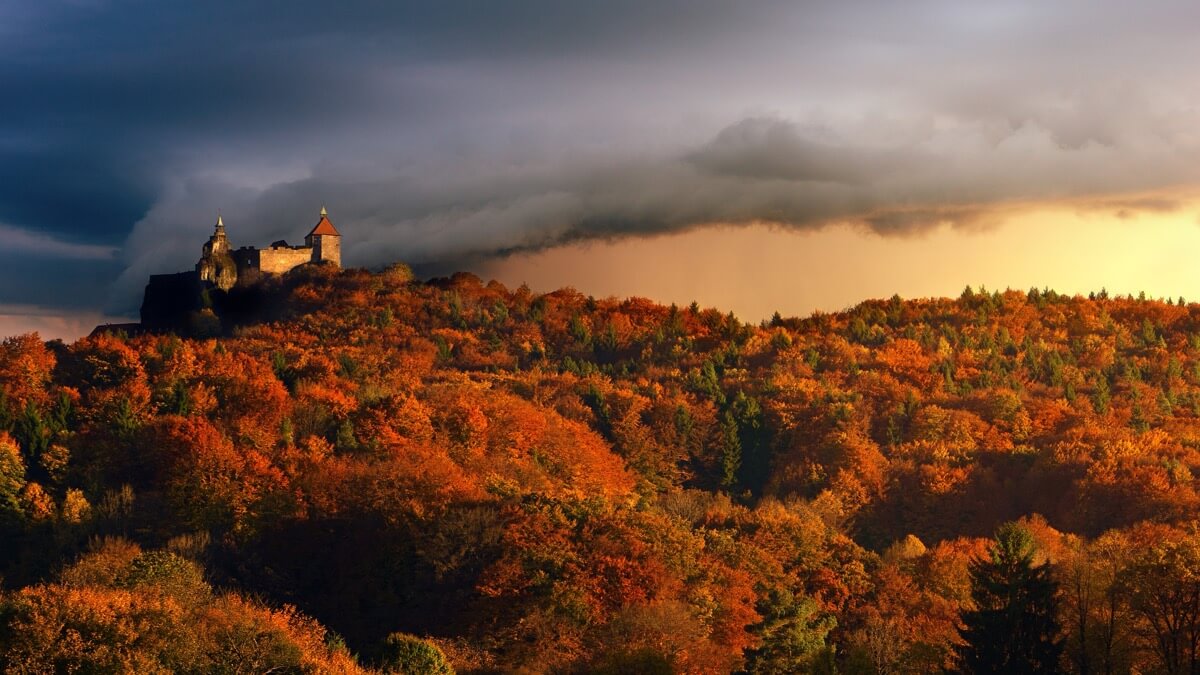
The Füzér castle was first mentioned in 1264, when it belonged to a local clan leader, Andronicus the Blind. It had been built before the Mongol invasion on a step hill reaching more than 550 metres high. After the end of the war, the castle was soon taken over by the king who used it as one of his more important eastern strongholds. Thus, in 1529, the royal insignia were kept there and not at the usual castle, Visegrád.
Around the same time, the castle was heavily and fitted with a tower at the entrance gate, inspired by Italian architecture. In the end of the 17th century it was burned down in order to prevent the castle to be used by rebels and bands of robbers, who had harassed locals in the vicinity. After its destruction, the walls crumbled and the site was pillaged for its building material.
In 1910, the first plan to rebuilt the castle was hatched, but nothing came out of it. In 1977 archaeological excavations were undertaken, which were resumed in 1992. In 2012 planning permission was granted for the full reconstruction.
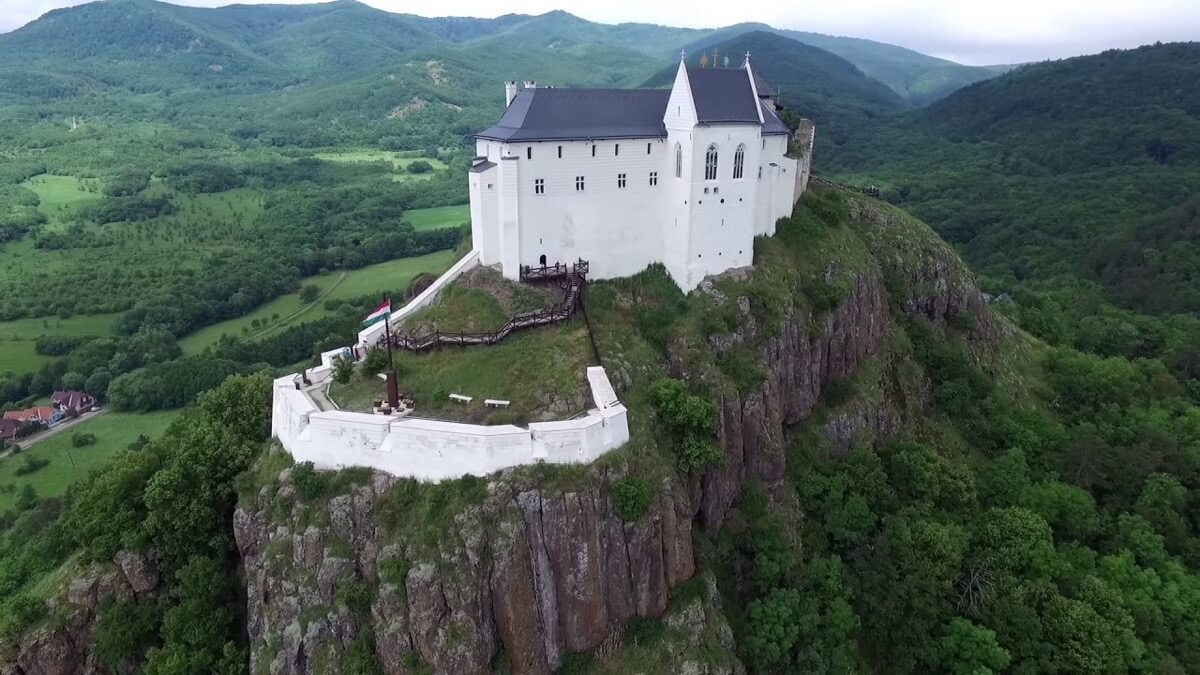
In 2016 the castle reopened for business with an exhibitions on castles in Hungary, a lapidary, as well as exhibitions on minting, winegrowing and beer production. The aim of the tourism development has been to turn Füzér Castle into a fitting showcase for Hungarian history of the 16th and 17th centuries, illustrating the day-to-day lives of the people who lived there as well as the customs of those times To achieve this, the architectural solutions chosen have been defined by the period, while interior furnishings reflect local crafts. However, the castle is not above trafficking on its “medieval splendour” – with a great hall, and an completely rebuilt chapel fitted with replicas of medieval art – a whole “new” altarpiece – the period chosen for the reconstruction seems to be a mixture. In the village, a craft centre and a local open-air museum tell the story of life in the 19th and 20th centuries.
A füzéri vár középkori vár, amely Füzér település közvetlen közelében emelkedő vulkanikus eredetű hegyen áll.
Első írásos említése 1264-ből származik, bár valószínűleg már a tatárjárás előtt állt. A feltételezések szerint az Aba nemzetség építtette az Árpád-korban, különlegessége, hogy egyike lehet az első magyarországi magánbirtokú kőváraknak. A 13. században II. András megvette a várat, amely a tatárjárásig a királyi birtoktest részét képezte, majd adományozás útján visszakerült az Abákhoz. A rozgonyi csata után Károly Róbert elkobozta, és Drugeth-, majd Perényi-tulajdonba került. Amikor Perényi Gábor 1567-ben fiúutód nélkül meghalt, a vár előbb a Báthori, majd a Nádasdy családhoz került. A Wesselényi-összeesküvés után a várat elkobozták, majd a császári katonaság felégette és hátrahagyta.
Az évszázadokon át omladozó épületegyüttes értékét a romantika idején ismerték fel ismét, és ekkortól kezdve az örökségvédelem látókörébe került. 1977-től régészeti feltárásokat végeztek, 1992-től renoválási munkák kezdődtek, 2014–15 között pedig a felsővár felújítása, elpusztult részeinek részleges rekonstrukciója is megtörtént, így ma Magyarország egyik legjobb állapotú középkori vára.[1]
A várhegy történelmi emlékeinek és természeti szépségének köszönhetően kedvelt kirándulóhely, amelyen áthalad az Országos Kéktúra útvonala.
Nearby castles