Wells Bishop's Palace
Somerset England England
manor, mansion
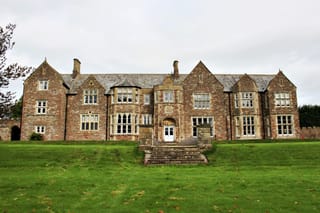
The Bishop's Palace and accompanying Bishops House at Wells in the English county of Somerset, is adjacent to Wells Cathedral and has been the home of the Bishops of the Diocese of Bath and Wells for 800 years
Previous names
Wells Bishop's Palace
Description
The Bishop's Palace and accompanying Bishops House at Wells in the English county of Somerset, is adjacent to Wells Cathedral and has been the home of the Bishops of the Diocese of Bath and Wells for 800 years. It has been designated by English Heritage as a Grade I listed building.
Building of the palace started around 1210 by Bishops Jocelin of Wells and Reginald Fitz Jocelin. The chapel and great hall were added by Bishop Robert Burnell between 1275 and 1292. The walls, gatehouse and moat were added in the 14th century by Bishop Ralph of Shrewsbury. The Bishops House was added in the 15th century by Bishop Thomas Beckington. The great hall later fell into disrepair and was partially demolished around 1830.
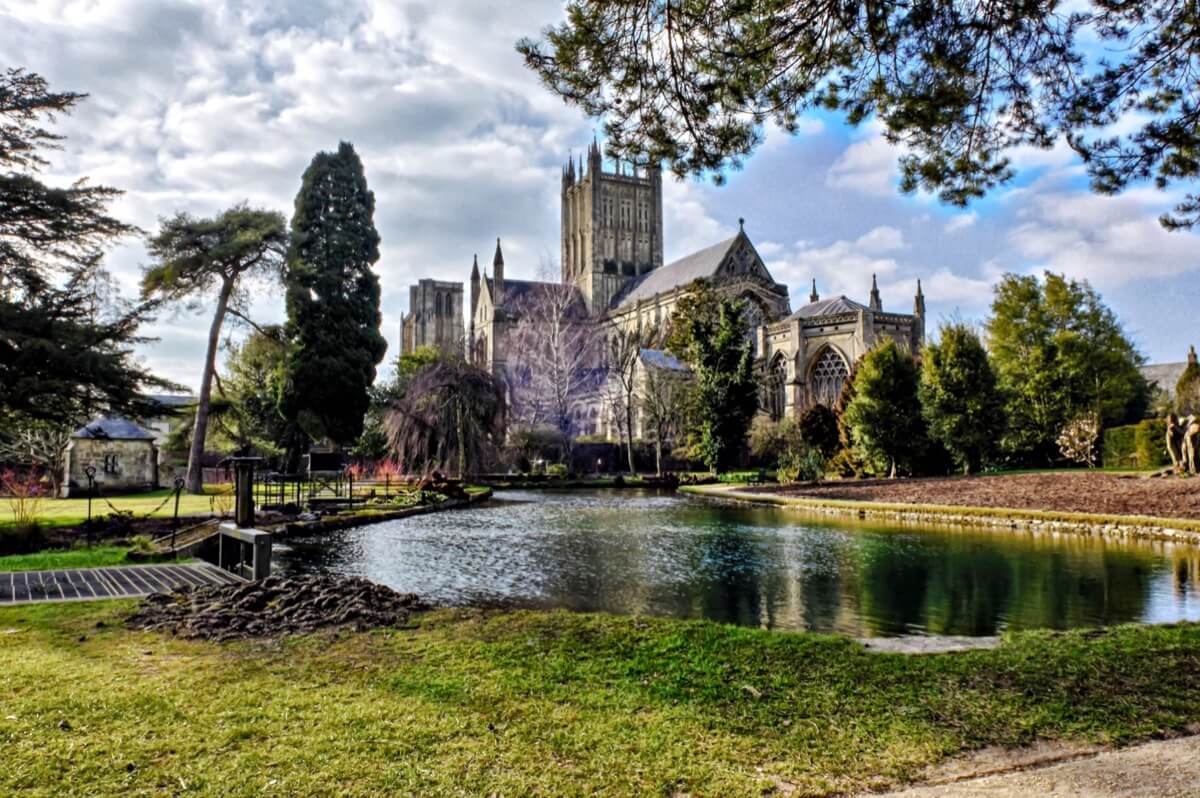
The palace was originally surrounded by a medieval deer park. When the walls were built, streams were diverted to form the moat as a reservoir. In the 1820s, the grounds within the walls were planted and laid out as pleasure grounds by Bishop George Henry Law, who created a reflecting pond near the springs. Parts of the buildings are still used as a residence by the current bishop, however much of the palace is now used for public functions and as a tourist attraction.
History
Construction began around 1210 by Bishop Jocelin of Wells but principally dates from 1230. Bishop Jocelin continued the cathedral building campaign begun by Bishop Reginald Fitz Jocelin, and was responsible for building the Bishop's Palace, as well as the choristers' school, a grammar school, a hospital for travellers and a chapel within the liberty of the cathedral. He also built a manor house at Wookey, near Wells. The chapel and great hall were built between 1275 and 1292 for Bishop Robert Burnell.The windows had stone tracery. Stone bosses where the supporting ribs meet on the ceiling are covered with representations of oak leaves and the Green Man. The building is seen as a fine example of the Early English architectural style.
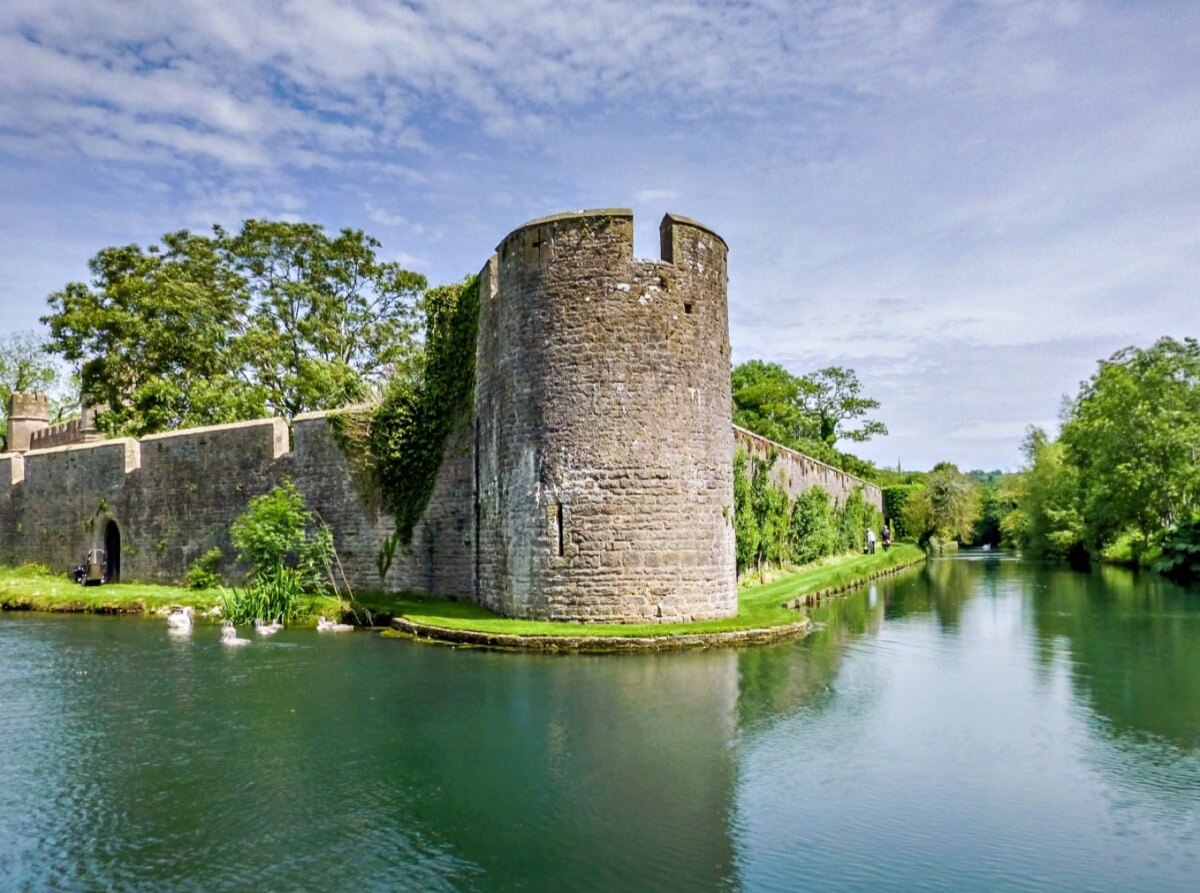
In the 14th century, Bishop Ralph of Shrewsbury continued the building. He had an uneasy relationship with the citizens of Wells, partly because of his imposition of taxes, and surrounded his palace with crenellated walls, a moat and a drawbridge. The 5 metres (16 ft) high three-storey gatehouse, which dates from 1341, has a bridge over the moat. The entrance was protected by a heavy gate, portcullis and drawbridge, operated by machinery above the entrance, and spouts through which defenders could pour scalding liquids onto any attacker. The drawbridge was still operational in 1831 when it was closed after word was received that the Palace of the Bishop of Bristol was subject to an arson attack during the Bristol riots. These took place after the House of Lords rejected the second Reform Bill. The proposal had aimed to get rid of some of the rotten boroughs and give Britain's fast growing industrial towns such as Bristol, Manchester, Birmingham, Bradford and Leeds greater representation in the House of Commons; however there was no rioting in Wells. The water which filled the moat flowed from the springs in the grounds which had previously chosen its own course as a small stream separating the cathedral and the palace and causing marshy ground around the site. The moat acted as a reservoir, controlled by sluice gates, which powered watermills in the town.
The north wing (now the Bishop's House) was added in the 15th century by Bishop Beckington, with further modifications in the 18th century, and in 1810 by Bishop Beadon. It was restored, divided, and the upper storey added by Benjamin Ferrey between 1846 and 1854. Following the Dissolution of the Monasteries in 1548, Bishop Barlow sold Edward Seymour, 1st Duke of Somerset the palace and grounds. These were recovered after the Duke's execution in 1552.
In the 1550s, Bishop Barlow sold the lead from the roofs of the great hall. This resulted in it falling into a ruined state. It can be seen in an engraving of 1733 but was largely demolished around 1830 by Bishop Law. He created a "more picturesque ruin" by removing the south and east walls and laying out and planting the area previously occupied by the great hall. The palace was used as a garrison for troops in both the English Civil War and Monmouth Rebellion after which it was used as a prison for rebels after the Battle of Sedgemoor.
Bishop Kidder was killed during the Great Storm of 1703, when two chimney stacks in the palace fell on him and his wife, while they were asleep in bed. A central porch was added around 1824 and, in the 1840s and 1850s, Benjamin Ferrey restored the palace and added an upper storey. He also restored the chapel using stained glass from ruined French churches.
In 1953, it was designated as a Grade I listed building. In February 2008, the poet laureate of the United Kingdom, Andrew Motion, was commissioned by the BBC West television programme Inside Out West to write a poem in Harry Patch's honour. Entitled "The Five Acts of Harry Patch" it was first read at a special event at the Bishop's Palace, where it was introduced by the Prince of Wales and received by Harry Patch
The Glastonbury Chair
One of the two surviving Glastonbury chairs is on display in the palace. It was made in Britain from a description brought back from Rome in 1504 by Abbot Richard Beere to Glastonbury Abbey, and was produced for or by John Arthur Thorne, a monk who was the treasurer at the abbey. Arthur perished on Glastonbury Tor in 1539, hanged, drawn and quartered alongside his master, Richard Whiting, the last Abbot of Glastonbury, during the dissolution of the monasteries. The Abbot sat on a Glastonbury chair of this type during his trial at the Bishop's Palace. Other chairs of this age and later reproductions can also be seen.
Useful information
No parking
https://bishopspalace.org.uk/info/prices/
https://bishopspalace.org.uk/info/prices/
https://bishopspalace.org.uk/info/prices/
- Essential helpers assisting disabled visitors FREE
- Guided Tours FREE
Email addresses
Membership & advice
For people interested in joining The Bishop’s Palace or who have enquiries regarding membership, including special membership packages: membership@bishopspalace.org.uk
For gardening clubs, horticultural societies and community groups wishing to find out about The Bishop’s Palace community campaigns: info@bishopspalace.org.uk
Please include your membership number with any enquiry.
Shows & events
For enquiries regarding shows and events at The Bishop’s Palace:
info@bishopspalace.org.uk
Recruitment
Job opportunities within The Bishop’s Palace: info@bishopspalace.org.uk
Press Office
Members of the press wishing to contact The Bishop’s Palace Press Office: merryn.kidd@bishopspalace.org.uk
Bishop’s Palace website
For enquiries regarding The Bishop’s Palace website: merryn.kidd@bishopspalace.org.uk
Dogs are very welcome in the gardens. Dogs may not enter the Palace buildings unless they are assistance dogs
External links
Nearby castles