Shirburn Castle
Oxfordshire England England
castle, chateau
Shirburn Castle is at the village of Shirburn, 6 miles (9
Previous names
Shirburn Castle
Description
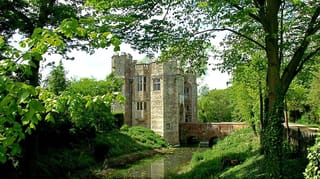
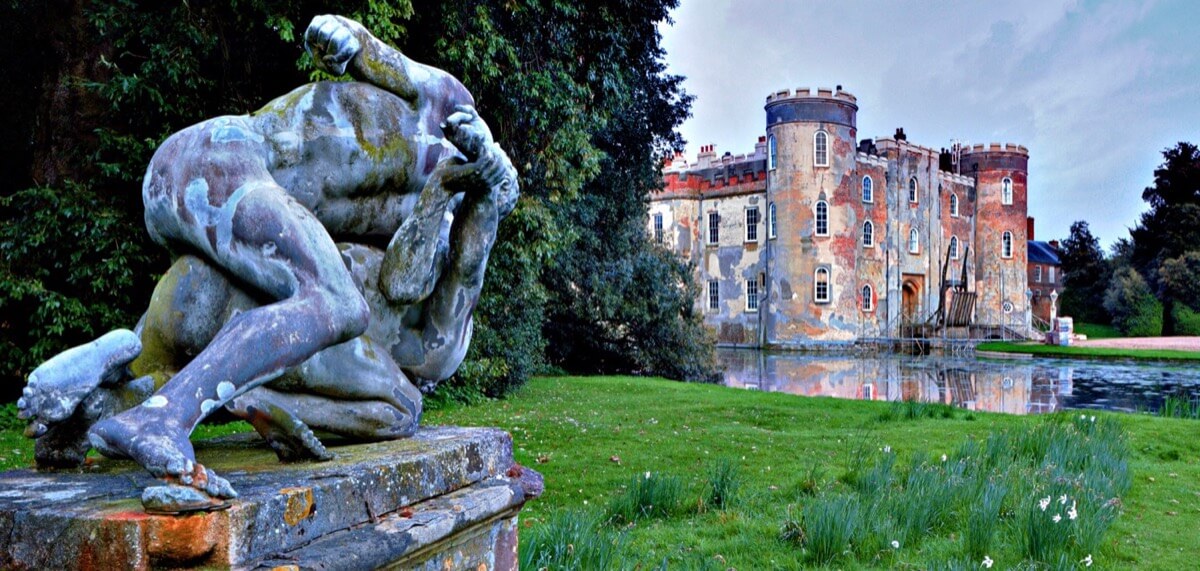
Shirburn Castle is at the village of Shirburn, 6 miles (9.7 km) south of Thame, Oxfordshire. Shirburn Castle was the seat of the Earls of Macclesfield.
George Parker, 2nd Earl of Macclesfield (c.1695–1764), celebrated as an astronomer, spent much time conducting astronomical observations at Shirburn Castle, which his father had bought in 1716. Here he built an observatory and a chemical laboratory. The observatory was "equipped with the finest existing instruments" and the 2nd Earl of Macclesfield used it from 1740. In 1761 the astronomer Thomas Hornsby observed the transit of Venus from the castle grounds.
The Macclesfield Psalter was discovered in Shirburn Castle in 2004 when the contents of the Library were catalogued for auction. It is now in the Fitzwilliam Museum in Cambridge.
The present owner of the castle is the Beechwood Estates Company, the Macclesfield family estate management company. Following a long-running and acrimonious court battle, Richard Timothy George Mansfield Parker, the 9th Earl of Macclesfield, was evicted from the family seat at the end of 2004.
The castle was used for external shots of the Balcombe family home in the "Happy families" episode of the Inspector Morse TV series, the Midsomer Priory for the Midsomer Murders TV series as well as an exterior shot of Mycroft Holmes's country estate for the 2011 film Sherlock Holmes: A Game of Shadows.
HISTORIC DEVELOPMENT
A park at Shirburn is first mentioned in 1336 when Alice de Lisle received permission to enclose 50ha of wood and 20ha of waste to make a park (VCH). In 1716 Thomas Parker, then Baron Macclesfield, created Lord Chancellor in 1718 and first Earl of Macclesfield in 1721, bought the castle, and made considerable alterations to the buildings and park. A map of c 1718 depicts a bowling green and garden covering c 2.5ha lying south-west of the castle, with to the north a kitchen garden. In 1720 the first Earl made the large ornamental water called the Upper Duckery, and soon after Homefield and Mill Furlong had been laid to grass with avenues of Dutch elm planted in Mill Furlong (VCH). By 1736 (Burgess map, 1736 [in VCH]) a formal garden had been made north of the castle, with, to the east, a path running from the castle to a circular lake and temple (now gone). Throughout the C18 further landscape improvements were made, particularly between 1780 and 1807. By 1797 (Davis) various walks to the north-west of the castle had been laid out, there was a new flower garden and the Lower Duckery had been made. Enclosure in 1806 meant that the old houses flanking the direct approach road off the Watlington road could be demolished and estate buildings erected in their place. In 1808 Queen Charlotte visited the castle accompanied by her daughters. The park was enlarged to the south as far as the Pyrton lane during the C19 (Bryant, 1823; OS 1883). The estate remains (1998) in private ownership.
https://historicengland.org.uk
Nearby castles