Carlisle Castle
Cumbria England England
castle, chateau
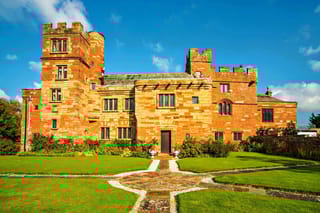
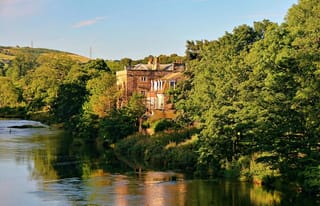
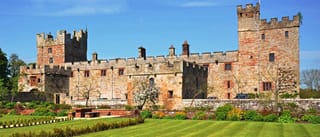
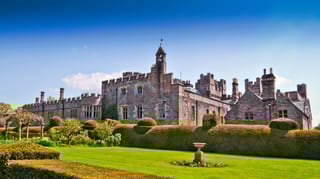
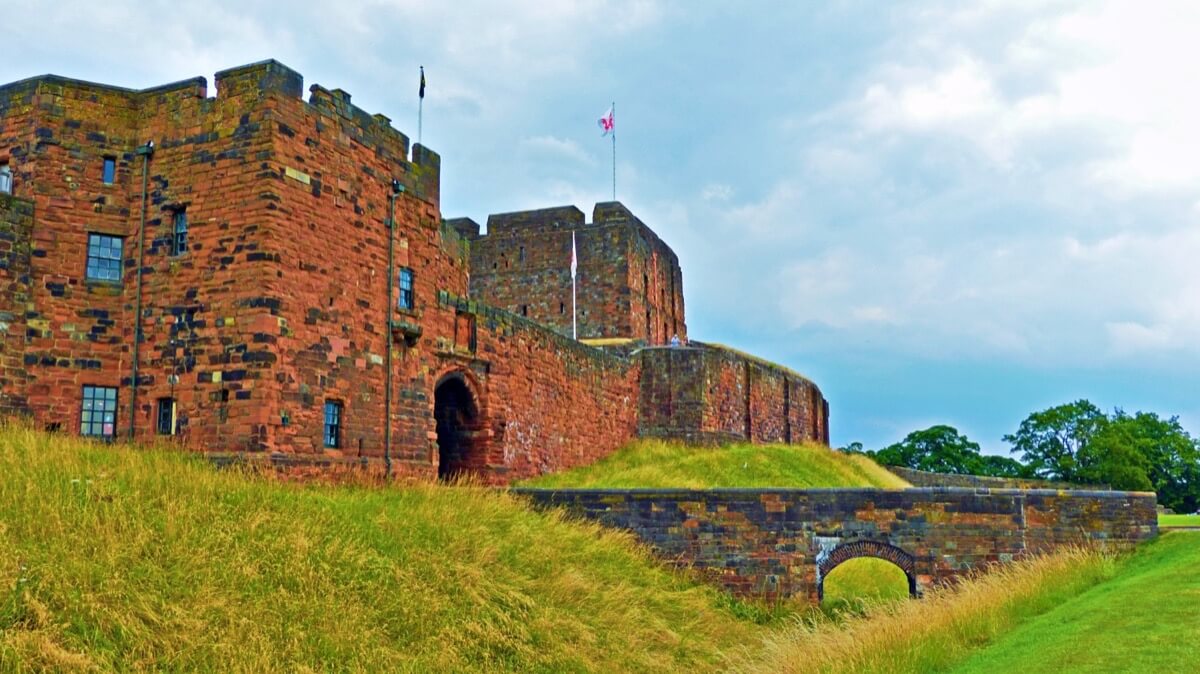
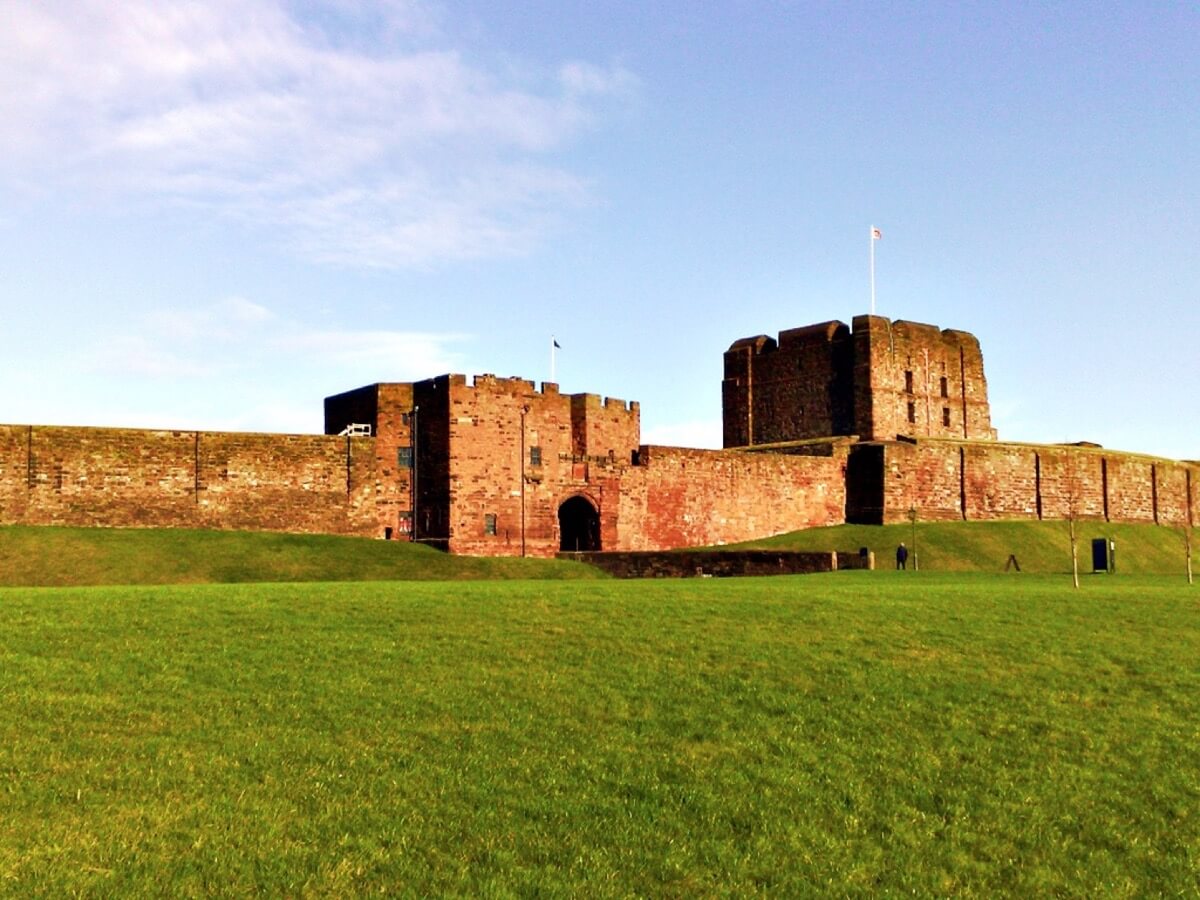
Carlisle Castle is situated in Carlisle, in the English county of Cumbria, near the ruins of Hadrian's Wall
Previous names
Carlisle Castle
Description
Carlisle Castle is situated in Carlisle, in the English county of Cumbria, near the ruins of Hadrian's Wall. The castle is over 900 years old and has been the scene of many historical episodes in British history. Given the proximity of Carlisle to the border between England and Scotland, it has been the centre of many wars and invasions. Today the castle is managed by English Heritage and is open to the public. The castle until recently was the administrative headquarters of the former King's Own Royal Border Regiment now county headquarters to the Duke of Lancaster's Regiment and a museum to the regiment is within the castle walls.
History
Carlisle Castle was first built during the reign of William II of England, the son of William the Conqueror who invaded England in 1066. At that time, Cumberland (the original name for north and west Cumbria) was still considered a part of Scotland. William II ordered the construction of a Norman style motte and bailey castle in Carlisle on the site of an old Roman fort, with construction beginning in 1093. The need for a castle in Carlisle was to keep the northern border of England secured against the threat of invasion from Scotland. In 1122, Henry I of England ordered a stone castle to be constructed on the site. Thus a keep and city walls were constructed. The existing Keep dates from somewhere between 1122 and 1135.
The act of driving out the Scots from Cumberland led to many attempts to retake the lands. The result of this was that Carlisle and its castle would change hands many times for the next 700 years. The first attempt began during the troubled reign of Stephen of England.
On 26 March 1296, John 'The Red' Comyn, since the fourth quarter of 1295 Lord of Annandale, led a Scottish host across the Solway to attack Carlisle. The then governor of the castle, one Robert de Brus, deposed Lord of Annandale, successfully withstood the attack, before forcing the raiders to retreat back through Annandale to Sweetheart Abbey.
From the mid-13th century until the unification of England and Scotland in 1603, Carlisle castle was the vital headquarters of the Western March, a buffer zone to protect the western portion of the Anglo-Scottish border.
Henry VIII converted the castle for artillery, employing the engineer Stefan von Haschenperg. For a few months in 1567, Mary, Queen of Scots was imprisoned within the castle, in the Warden's Tower, which was demolished in 1835. Later, the castle was besieged by the Parliamentary forces for eight months in 1644, during the English Civil War.
The most important battles for the city of Carlisle and its castle were during the Jacobite rising of 1745 against George II of Great Britain. The forces of Prince Charles Edward Stuart travelled south from Scotland into England reaching as far south as Derby. Carlisle and the castle were seized and fortified by the Jacobites. However they were driven north by the forces of William Augustus, Duke of Cumberland, the son of George II. Carlisle was recaptured, and the Jacobites were jailed and executed. That battle marked the end of the castle's fighting life, as defending the border between England and Scotland was not necessary with both countries again one in Great Britain.
After 1746, the castle became somewhat neglected, although some minor repairs were undertaken such as that of the drawbridge in 1783.
Some parts of the castle were then demolished for use as raw materials in the 19th century to create more or less what is visible to the visitor today. The Army moved in to take hold of the castle and in 1873 a system of recruiting areas based on counties was instituted under the Cardwell Reforms and the castle became the depot for the 34th (Cumberland) Regiment of Foot and the 55th (Westmorland) Regiment of Foot.Under the Childers Reforms, the 34th and 55th regiments amalgamated to form the Border Regiment with its depot in the castle in 1881. The castle remained the depot of the Border Regiment until 1959, when the regiment amalgamated with the King's Own Royal Regiment (Lancaster) to form the King's Own Royal Border Regiment. The Army Reserve still use parts of the castle: 8 Platoon C Company 4th Battalion the Duke of Lancaster's Regiment are based within the Burma Block alongside a Multi Cap-Badge detachment of the Army Reserve, including Medics, Engineers, Logisticicians, Intelligence and Infanteers from other Cap Badges. The Castle also houses The King's Own Border Regiment Museum.
FROM GARRISON TO MONUMENT
After 1746 the castle sank into a state of somnolence and neglect. In the later 18th century French prisoners of war were held there. Minor repairs were carried out to the defences, including the drawbridge in 1783.
From the 1820s the government’s fears of revolution led to the maintenance of garrisons in several provincial towns, and Carlisle Castle became an important army barracks.
The first building to go up in the outer ward was Arroyo block, followed by Gallipoli block in 1829, initially built as a single-storey canteen and enlarged in 1876. A hospital was constructed in 1832, described as the ‘worst army hospital’ in Britain. This is now Arnhem block.
The army continued to extend and develop the castle buildings well into the 20th century. The magazine and militia store were built in the inner ward, and Alma and Burma blocks and the headquarters of the Border Regiment in the outer ward.
These years of active military use saw many important historic features destroyed or altered beyond recognition. The original chamber block was turned into the building housing (until 2014) the military museum, and Queen Mary’s Tower was demolished in 1835. In 1959 the regimental depot moved out of the castle, though most of the outer ward buildings remained in military occupation.[17]
Since 2000 most of the remaining military functions have left the castle, but English Heritage still shares the site with a number of organisations, notably Cumbria’s Museum of Military Life. http://www.english-heritage.org.uk
Useful information
There will be no parking at the castle while we host Poppies: Weeping Window. Follow AA signs to find parking at the Devonshire Walk car park (CA3 8UL). Blue badge parking is also available at the Devonshire Walk car park, which is a four minute walk away from the castle (0.2 miles).
Admission FREE
Admission FREE
Admission FREE
Admission FREE
Dogs on leads are welcome but are not allowed in the exhibition or Military Museum. Assistance dogs welcome across the site.
External links
Nearby castles