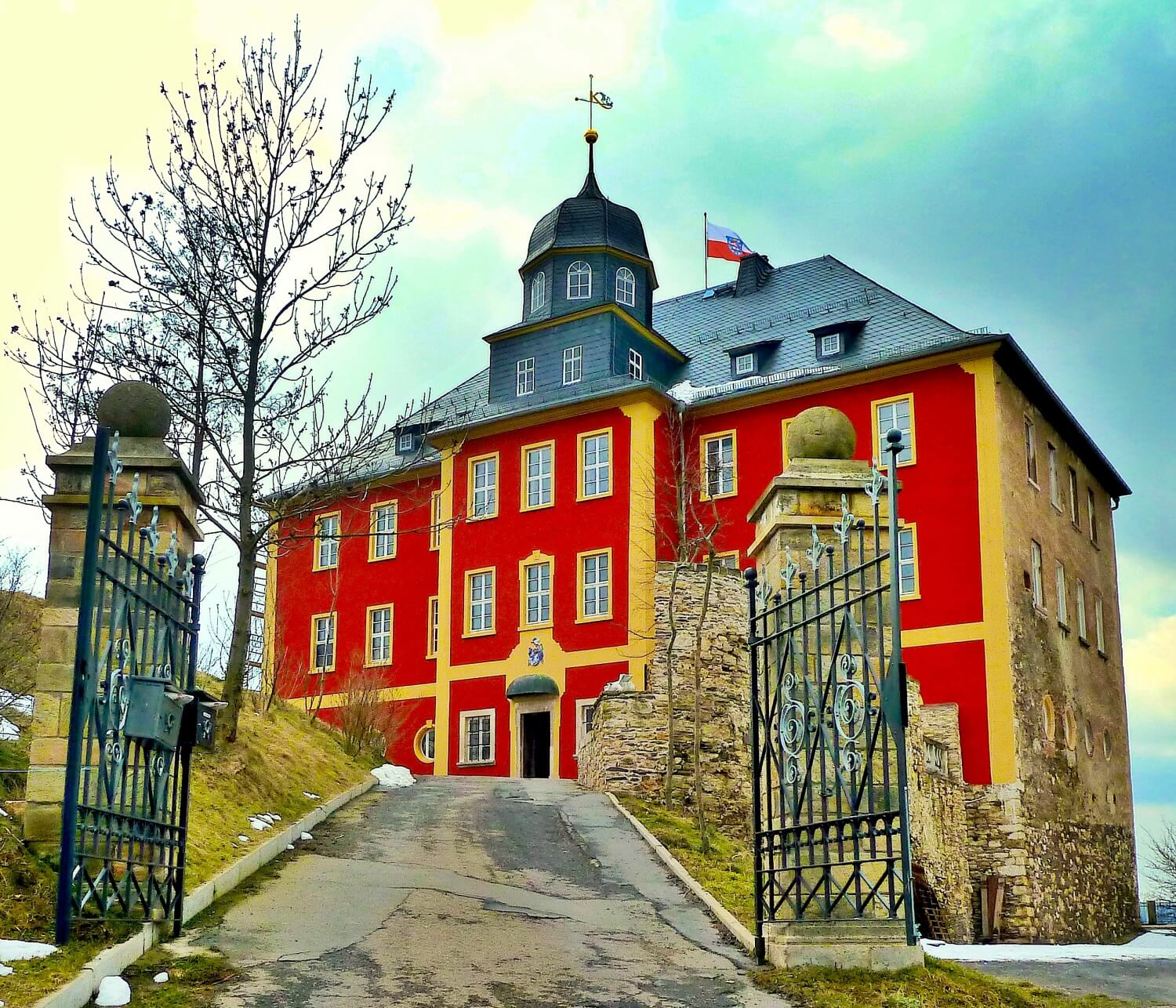
Schloss Brandenstein
Saale-Orla-Kreis Thüringen Germany
castle, chateau
Schloss Brandenstein
Saale-Orla-Kreis Thüringen Germany
castle, chateau
Brandenstein Castle is a high medieval castle in the Hessian ridge near Schlüchtern-Elm in the Main-Kinzig district , Hesse
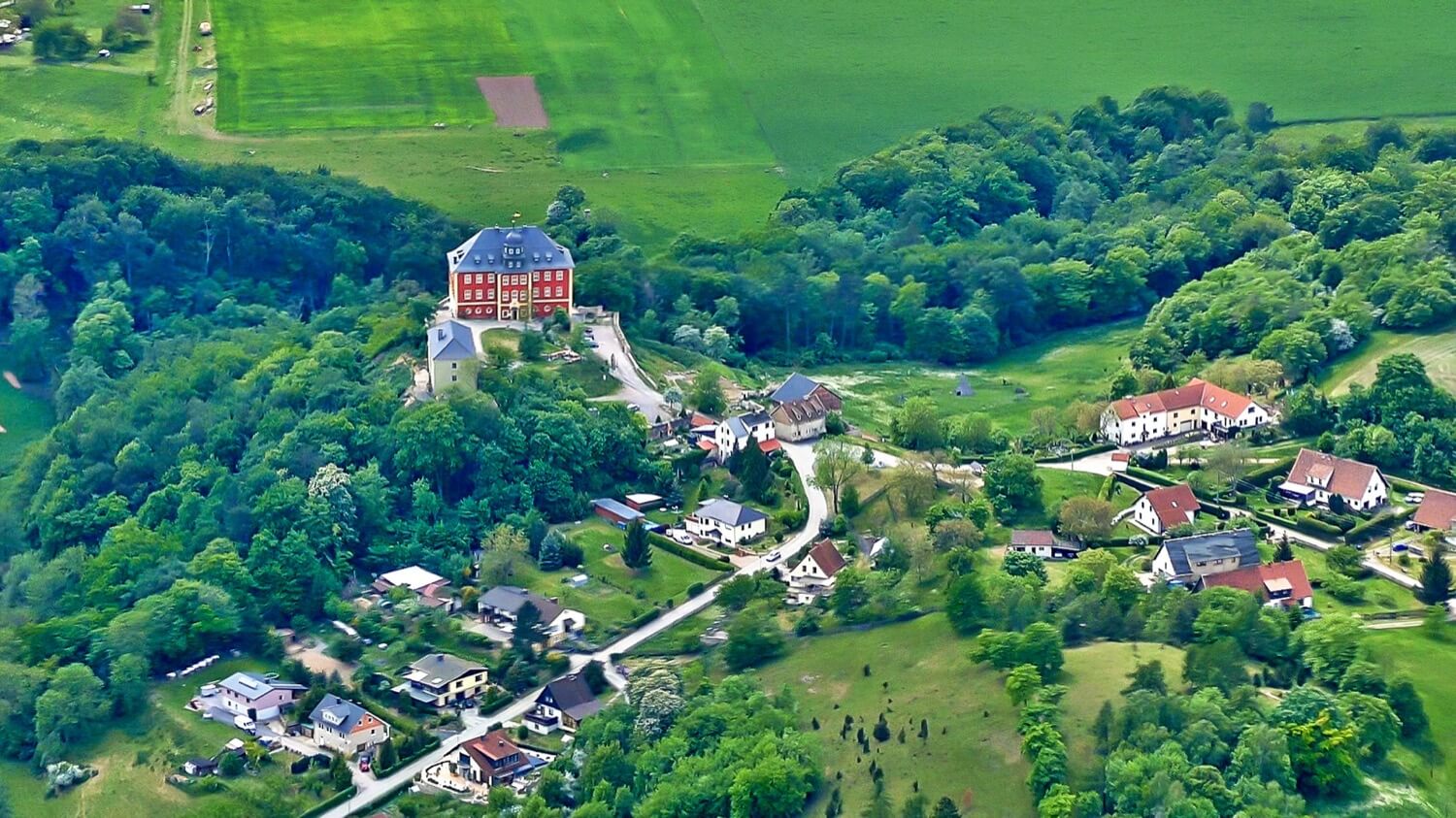
Schloss Brandenstein, auch bekannt als Burg Brandenstein, steht auf einem Zechsteinriff im Ortsteil Brandenstein der Stadt Ranis im Saale-Orla-Kreis in Thüringen
Previous names
Schloss Brandenstein, Schloss Brandenstein
Description
Brandenstein Castle is a high medieval castle in the Hessian ridge near Schlüchtern-Elm in the Main-Kinzig district , Hesse .
HIstory
Ownership history
The castle was mentioned in 1278 in the oldest surviving documentary evidence as the possession of Hermann von Brandenstein . 1307 she went along with related materiel, later Office Brandenstein , as a fief of the Bishopric of Würzburg to the counts of Rieneck-Rothenfels , 1316 it became the property of Ulrich IV. Of Hanau . From 1424 to 1540 the castle was owned by the Lords of Eberstein, initially as a pledge and later as a fief . After their extinction, the castle fell back to Hanau. In 1717 the castle and the associated office of Hanau were given a loan of 100,000 guilderspledged to the Landgrave of Hessen-Kassel and since then administered as part of the Landgraviate. The pledge was used by Count Johann Reinhard III. , the last male member of the Hanau count family, in addition , the Hanau-Lichtenberger passive loan of the diocese of Strasbourg and the archbishopric of Mainz for his only daughter, Countess Charlotte Christine , married to Hereditary Prince Ludwig (VIII.) of Hesse-Darmstadt, even after his death , and to secure their heirs.
After the death of Count Johann Reinhard III. In 1736, Landgrave Friedrich von Hessen-Kassel inherited the County of Hanau-Münzenberg and with it Brandenstein Castle. The Brandenstein office was initially administered like a part of the Landgraviate, although due to the special circumstances in the family of the Landgraves of Hesse-Kassel, the County of Hanau-Münzenberg was treated as a secondary school for younger princes for over half a century . It was not until Landgrave Wilhelm IX. - initially regent in Hanau - also inherited the Landgraviate, the office and Brandenstein Castle were again added to the County of Hanau-Münzenberg, now practically a part of the state of Hessen-Kassel. In 1803 the Landgraviate of Hessen-Kassel becameThe Electorate of Hesse was raised, but then, standing on the losing side in the Austro-Prussian War of 1866, it was annexed to the Kingdom of Prussia as an independent state. The castle now belonged to the Prussian state.
In 1895 it came back into the hands of a Brandensteiner: the Württemberg officer Gustav von Brandenstein bought the castle. In 1905 Alexander von Brandenstein took over the property. He married the daughter of the legendary Count Ferdinand von Zeppelin in 1909 and was raised to the rank of Count (in primogeniture) by King Wilhelm II of Württemberg on the occasion of the wedding . Now he had the family name Brandenstein-Zeppelin. The castle is still owned by the family today. Today the castle is owned by Constantin von Brandenstein-Zeppelin , the younger brother of Albrecht Graf von Brandenstein-Zeppelin .
Building history
The castle was probably built after 1243 by a branch of the Lords of Steckelberg to secure their bailiwick area. After 1316, Ulrich IV von Hanau expanded the castle as an official seat. In the 15th century the castle was enlarged. Because of the raids and robberies of Mangold II. Von Eberstein and his feud against the imperial city of Nuremberg , the castle was shot at and captured by troops under the command of the Franconian district chief Count Georg II. Von Wertheim in 1522 on the orders of Emperor Charles V. After 1540, after it fell back to the Counts of Hanau , the castle was converted into a renaissance castle. During theThirty Years War it was a refuge for the residents of the surrounding villages.
Since 1872, the 144 m long crosses Brandenstein Tunnel of the railway line Flieden-Gemünden Castle Hill about 100 m in the area of the access road in front of the castle. In 1895/96 Gustav von Brandenstein renovated the castle he had just bought.
https://second.wiki
Schloss Brandenstein, auch bekannt als Burg Brandenstein, steht auf einem Zechsteinriff im Ortsteil Brandenstein der Stadt Ranis im Saale-Orla-Kreis in Thüringen.
Geschichte
Die Burg war der Stammsitz des 1289 erstmals urkundlich erwähnten Geschlechts der Ritter und späteren Herren von Brandenstein. Diese hatten spätestens seit 1351 die Burg Brandenstein als Lehen der Wettiner inne. Sie besaßen aber auch schwarzburgische, orlamündische und lobdeburgische Lehen, traten jedoch meist als wettinische Gefolgsleute und Räte in Erscheinung und spielten als solche eine relativ bedeutende Rolle.
Die Brandensteiner waren Adlige, die auf Dauer durchaus gut mit einem Vasallenverhältnis zu den Wettinern leben konnten, insbesondere dann, wenn diese ihnen militärischen Schutz gewährten und die Zahlung der nicht unerheblichen Reichssteuern abnahmen.
1584 kam die Burg für 16.000 Taler an die Herren von Breitenbauch. Während des Dreißigjährigen Krieges, zum ersten Mal 1634, wurde Burg Brandenstein von kroatischen Truppen belagert. Die Burg wurde in dieser Zeit wohl sehr stark beschädigt und fand Erwähnung als „das Wüste Haus“ von Brandenstein. So wurde es von 1698 bis 1705 vom Landrat Christoph Adam von Breitenbauch im Stile des Hochbarocks zum Schloss umgebaut. Er ließ die Reste der alten Burg entfernen und gestaltete einen Schlosshof auf der Ostseite. Nachweisbar ist ein runder Gartenpavillon, dessen Grundmauern noch erhalten sind. Die Vorburg ließ er aus Steinen der Ruine Burg Stein wiedererrichten.
Das Schloss befand sich bis zur Bodenreform 1945 im Besitz derer von Breitenbauch, die sich schon 1906 in Breitenbuch umbenannt hatten. Bis 1955 diente Schloss Brandenstein als Arbeiterwohnheim und Parteischule des Stahlwerks Maxhütte und der Keramischen Werke Hermsdorf (Leni-Fleischer-Schule). Von 1955 bis 1988 war das Schloss Jugendherberge[3] mit ca. 18.000 Übernachtungen im Jahr. Nach 1988 stand das Schloss leer und war dem Verfall preisgegeben.
Im Jahr 2000 wurde das Gebäude von der Thüringer Familie Holger Kahl (Vater des Kunsthändlers Fabian Kahl, bekannt aus „Bares für Rares“) aufgekauft. Seither wird das Haus schrittweise renoviert und rekonstruiert. Unkonventionell erscheint die heutige Farbgebung der Fassaden. Die Familie nutzt Teile der ersten Etage als Wohnbereich. Im zweiten Stock befindet sich der sogenannte Sonnensaal, der für verschiedene Veranstaltungen genutzt werden kann. Seit 2007 ist im Keller des Schlosses ein kleines, veganes Burgcafé mit einer Hof- und einer Westterrasse für Gäste eingerichtet. Im Rahmen einer Seminarfacharbeit entstand ein kleiner Ausstellungsraum im Obergeschoss des Gebäudes, der einen Teil der Geschichte des Schlosses mit Fundstücken belegt und seit September 2009 zu besichtigen ist.
Useful information
Gratis
Gratis
Gratis
Gratis
kontakt@schloss-brandenstein.de
Privateigentum, Besuch nur nach vorheriger Absprache oder am Wochenende
-
External links
Nearby castles
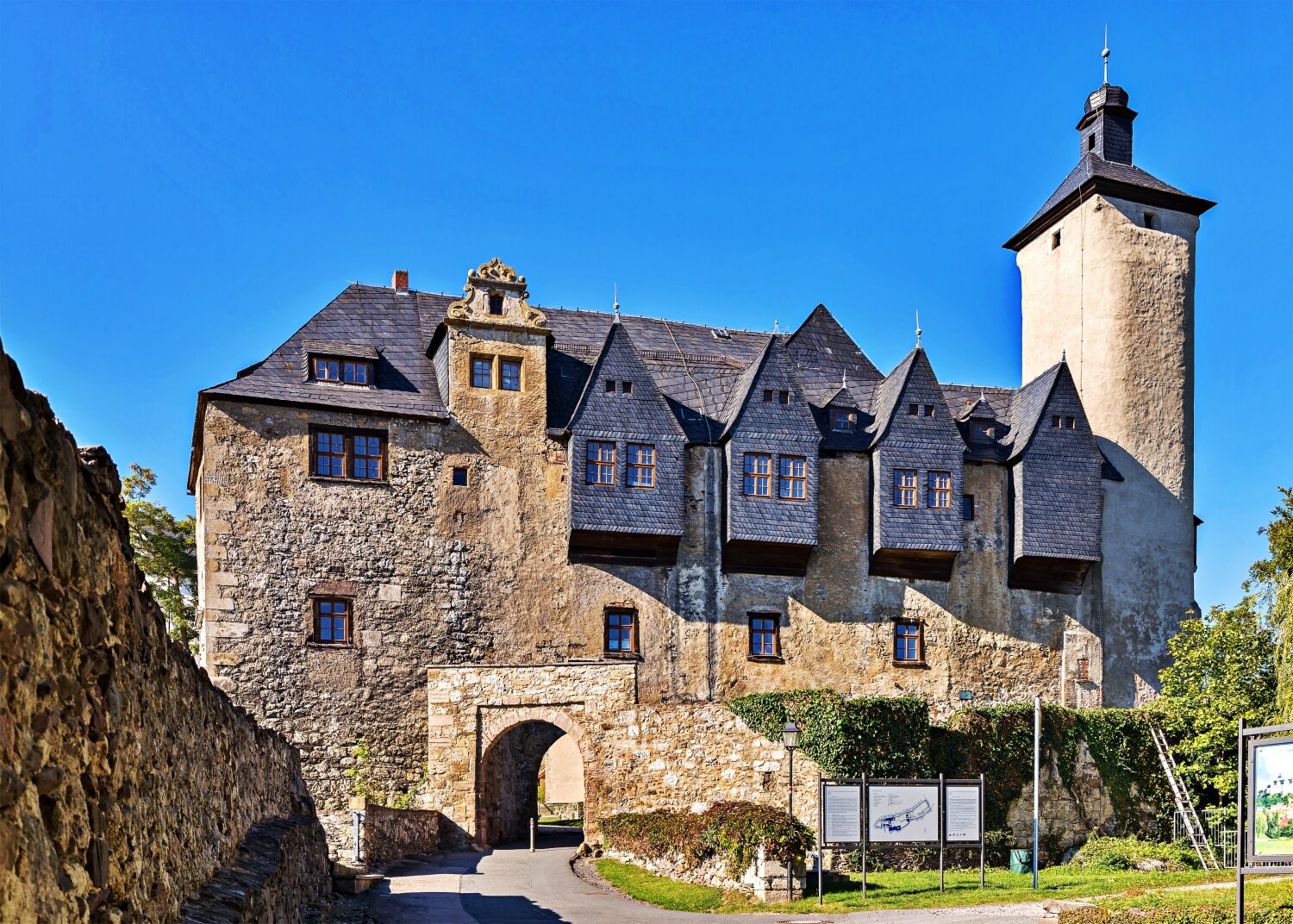
Burg Ranis
Saale-Orla-Kreis
0.9km
castle, chateau
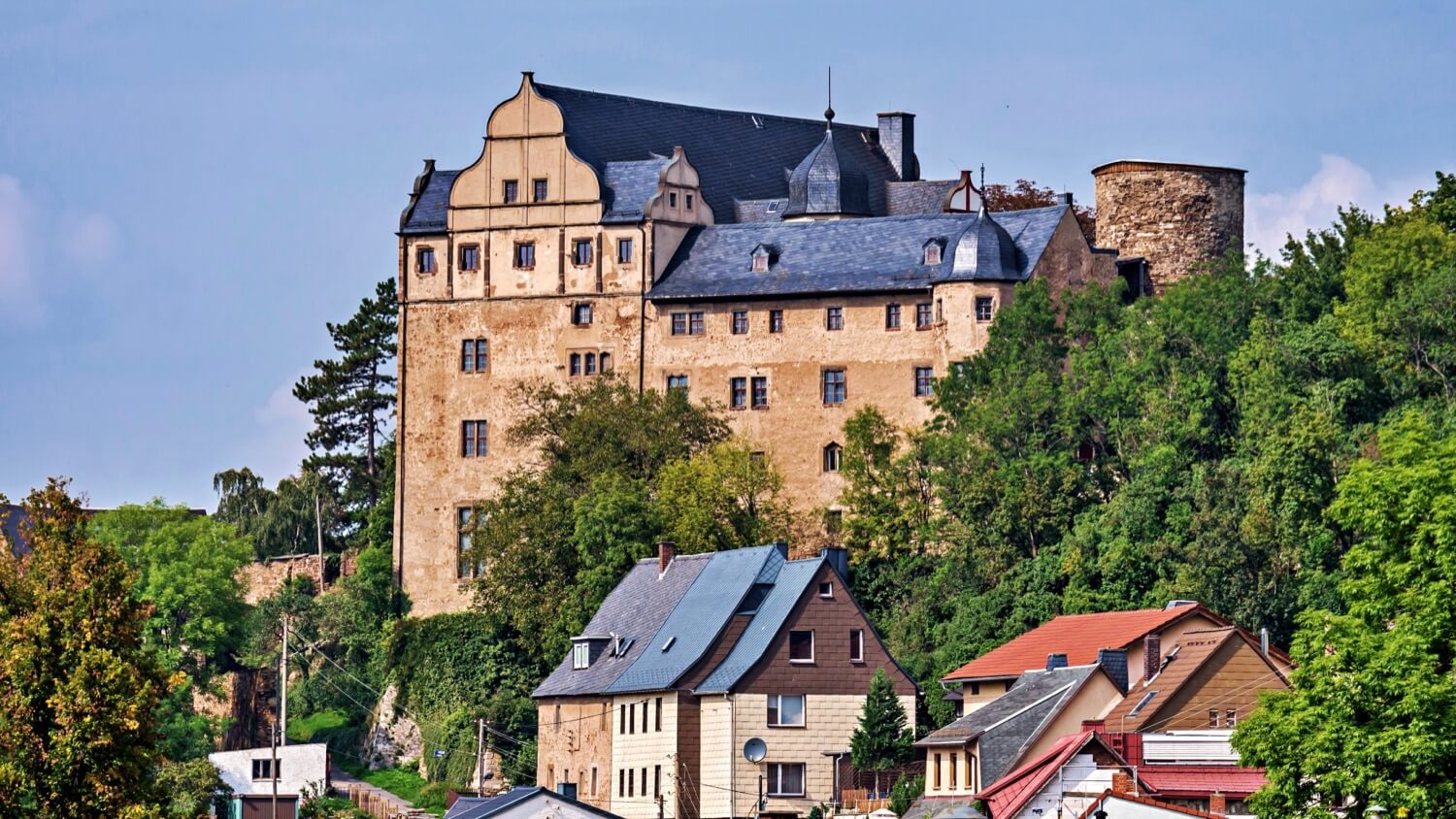
Burg Könitz
Landkreis Saalfeld-Rudolstadt
5.1km
castle, chateau
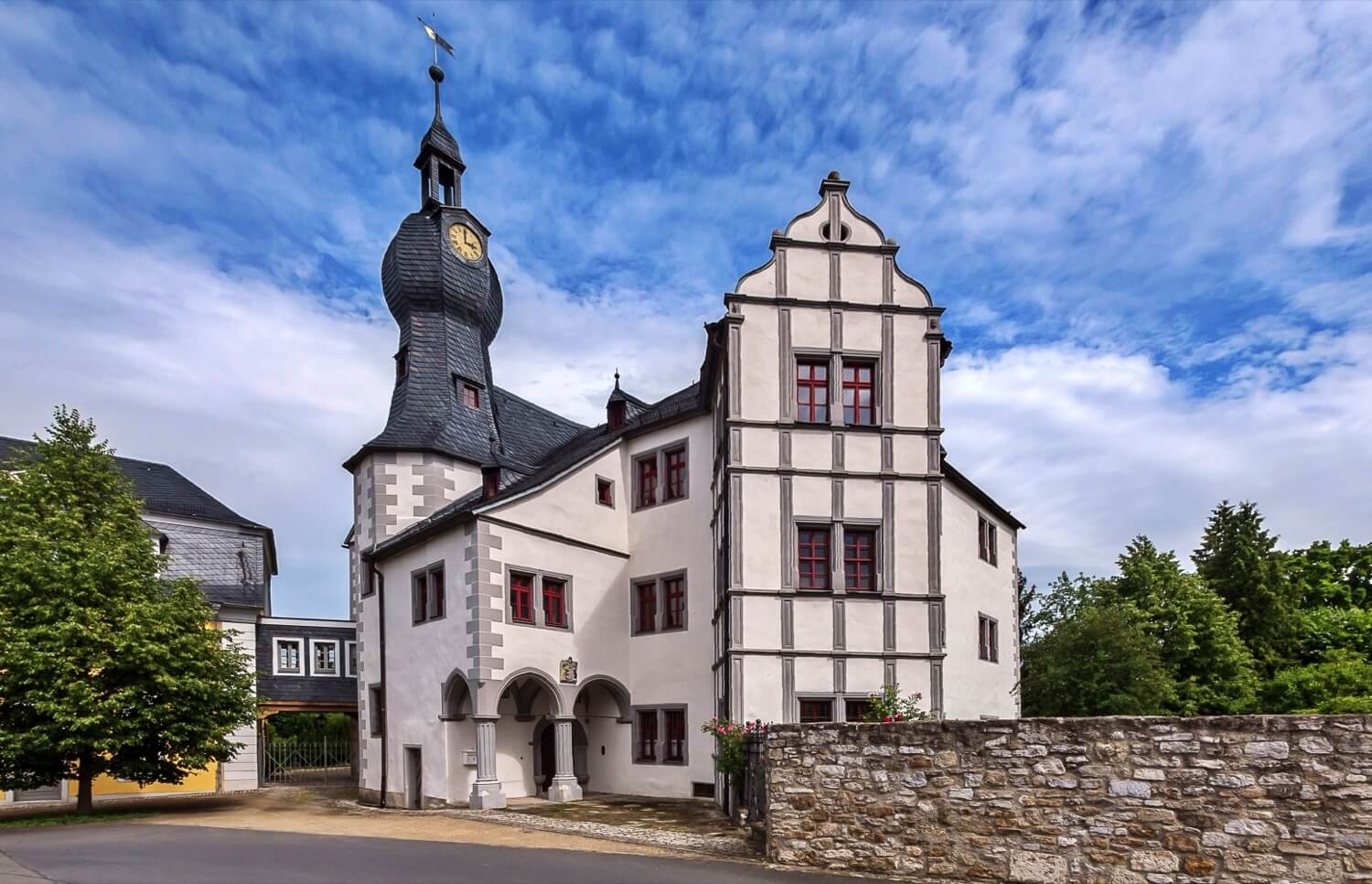
Schloss Nimritz
Saale-Orla-Kreis
7.6km
castle, chateau
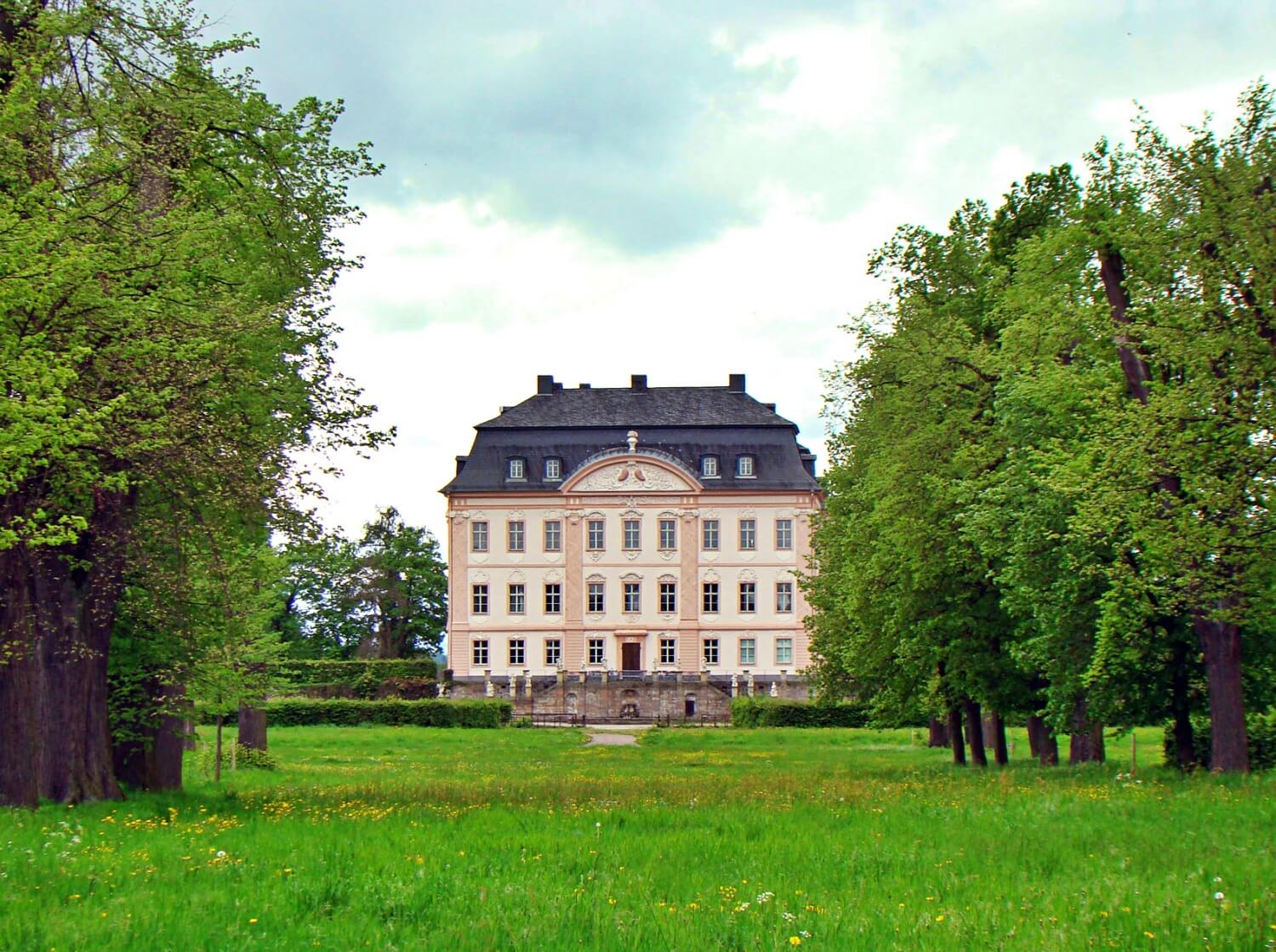
Schloss Oppurg
Saale-Orla-Kreis
8.5km
castle, chateau
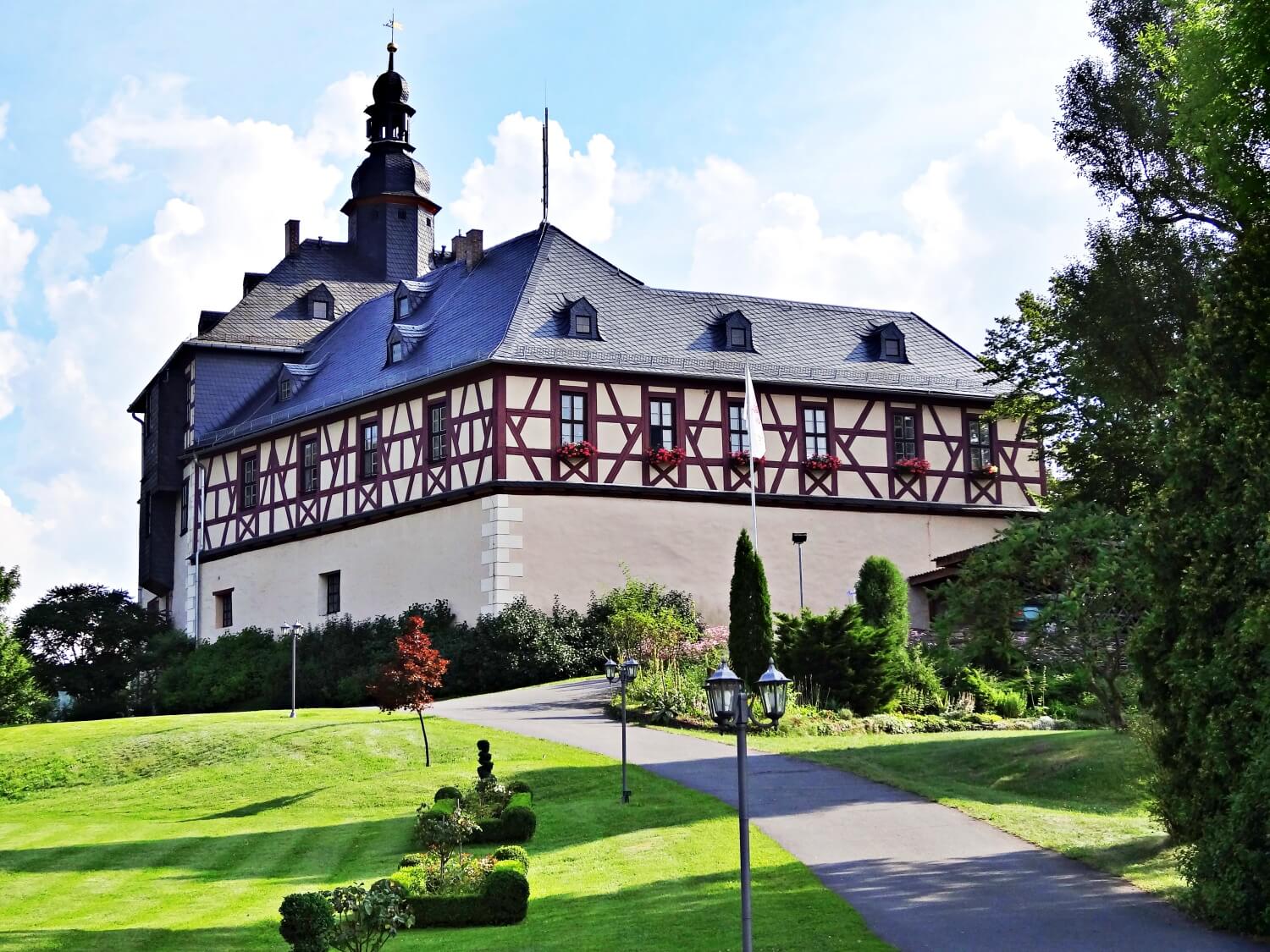
Schloss Eichicht
Landkreis Saalfeld-Rudolstadt
10.6km
castle, chateau
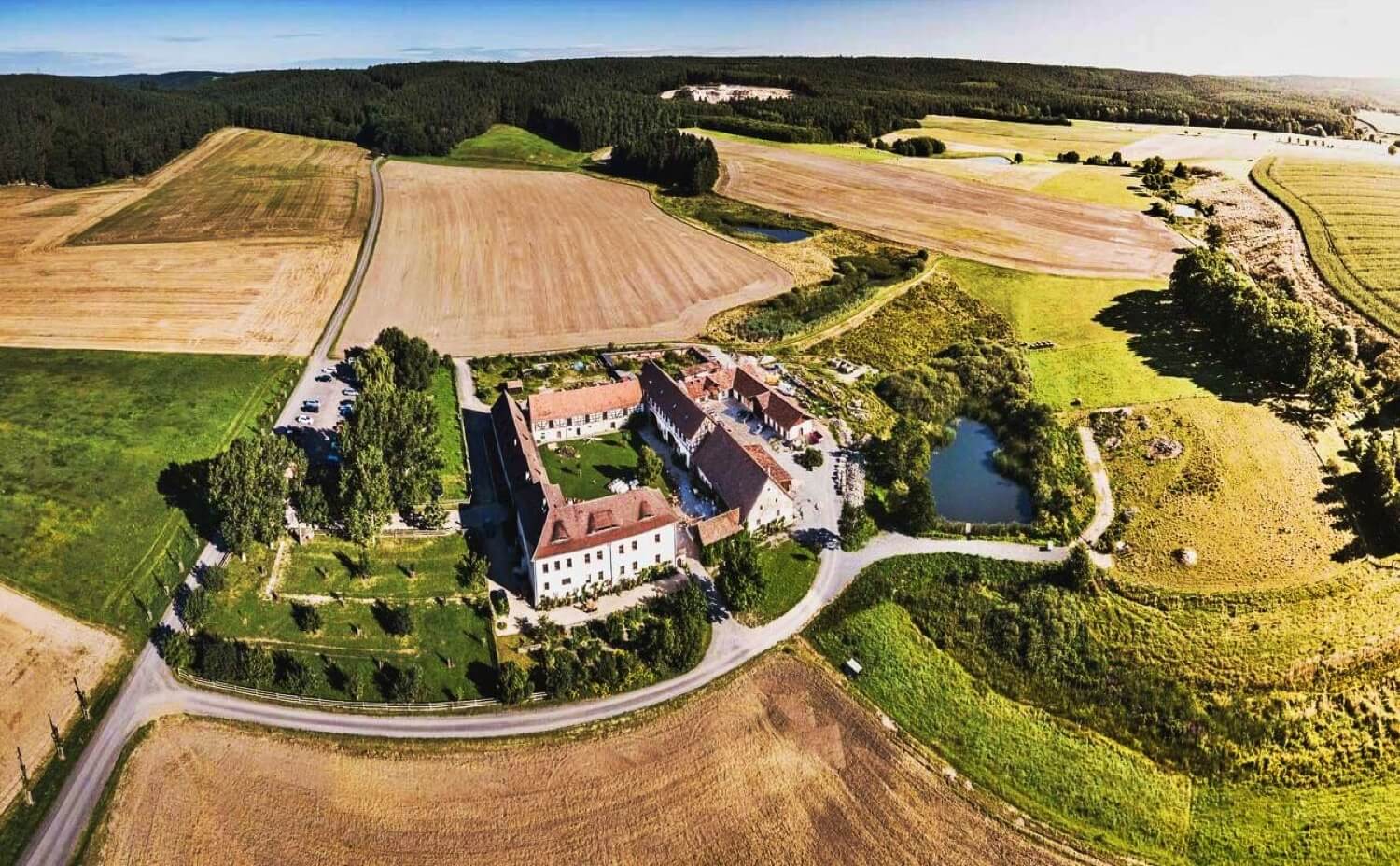
Positz manor
Saale-Orla-Kreis
10.7km
manor, mansion
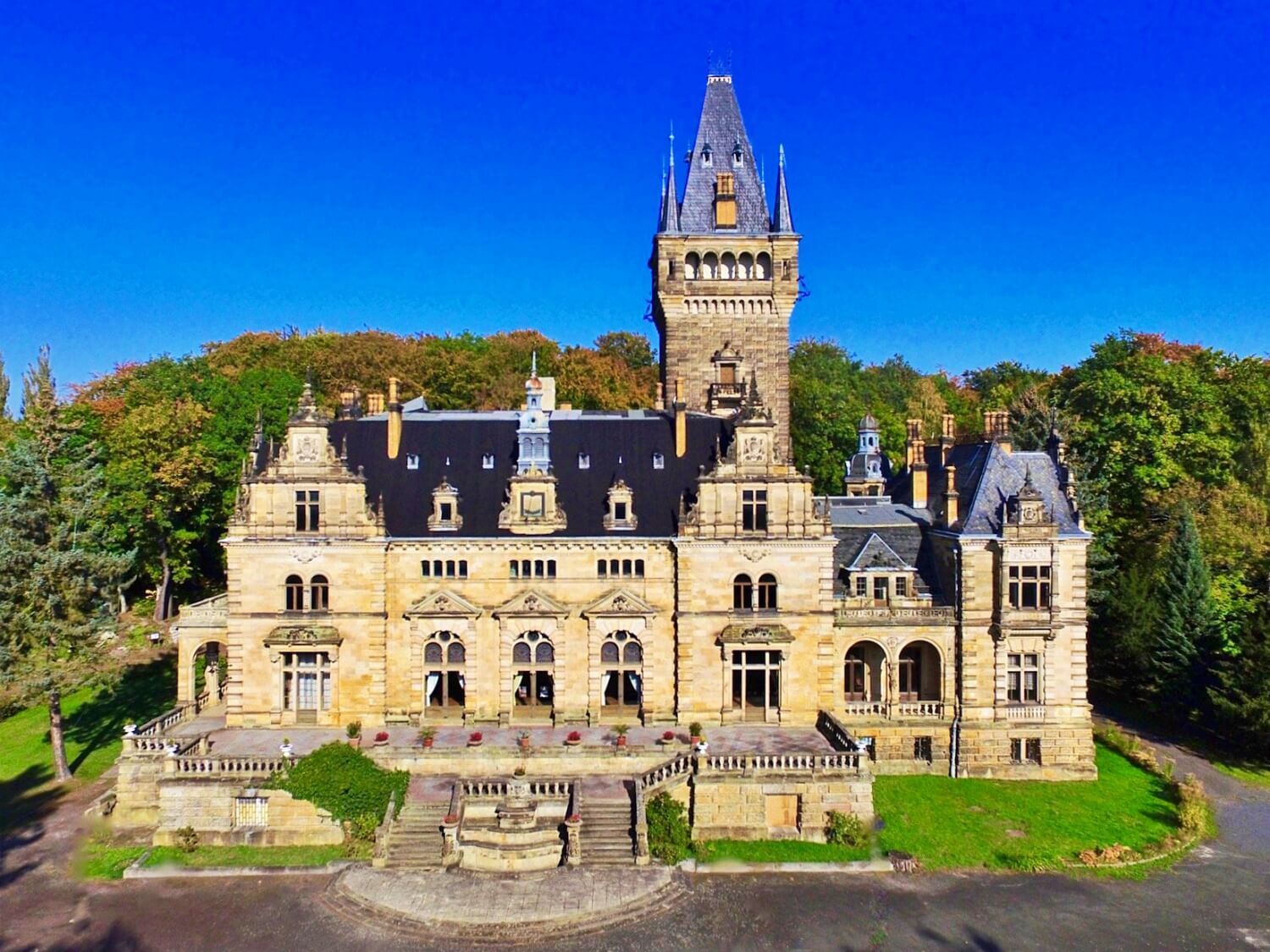
Neues Jagdschloss Hummelshain
Saale-Holzland-Kreis
12.3km
castle, chateau