Veste Oberhaus
Niederbayern Bayern Germany
castle, chateau
Veste Oberhaus
Niederbayern Bayern Germany
castle, chateau
Veste Oberhaus is a fortress that was founded in 1219 and, for most of its time, served as the stronghold of the Bishop of Passau, Germany
Veste Oberhaus ist eine Festung auf der linken Seite der Donau, gegenüber der rechtsseitigen Altstadt von Passau
Previous names
Veste Oberhaus, Veste Oberhaus
Description
Veste Oberhaus is a fortress that was founded in 1219 and, for most of its time, served as the stronghold of the Bishop of Passau, Germany. It is currently the site of a museum, a youth hostel, and a restaurant, as well as an open-air theatre dating to 1934.
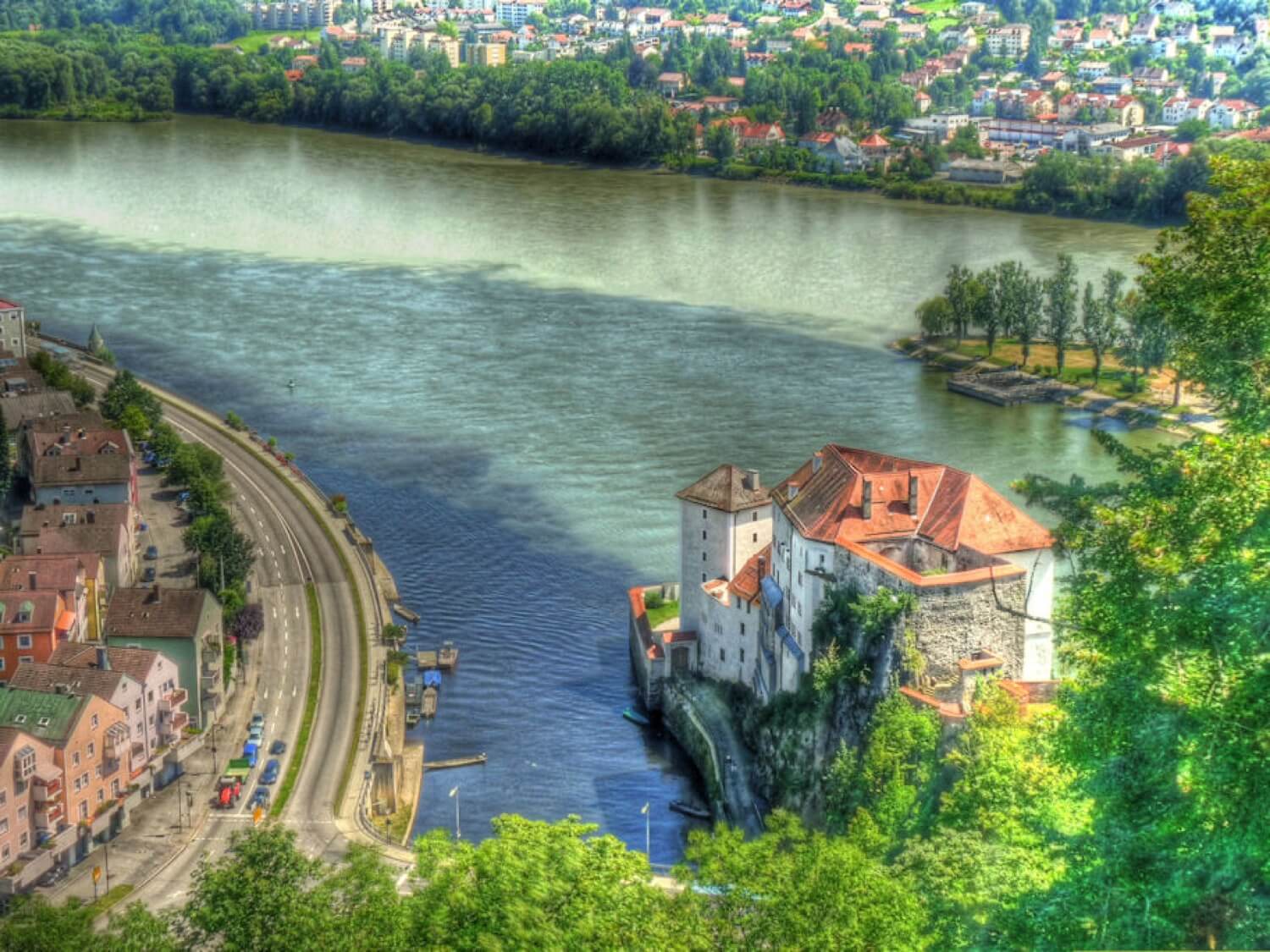
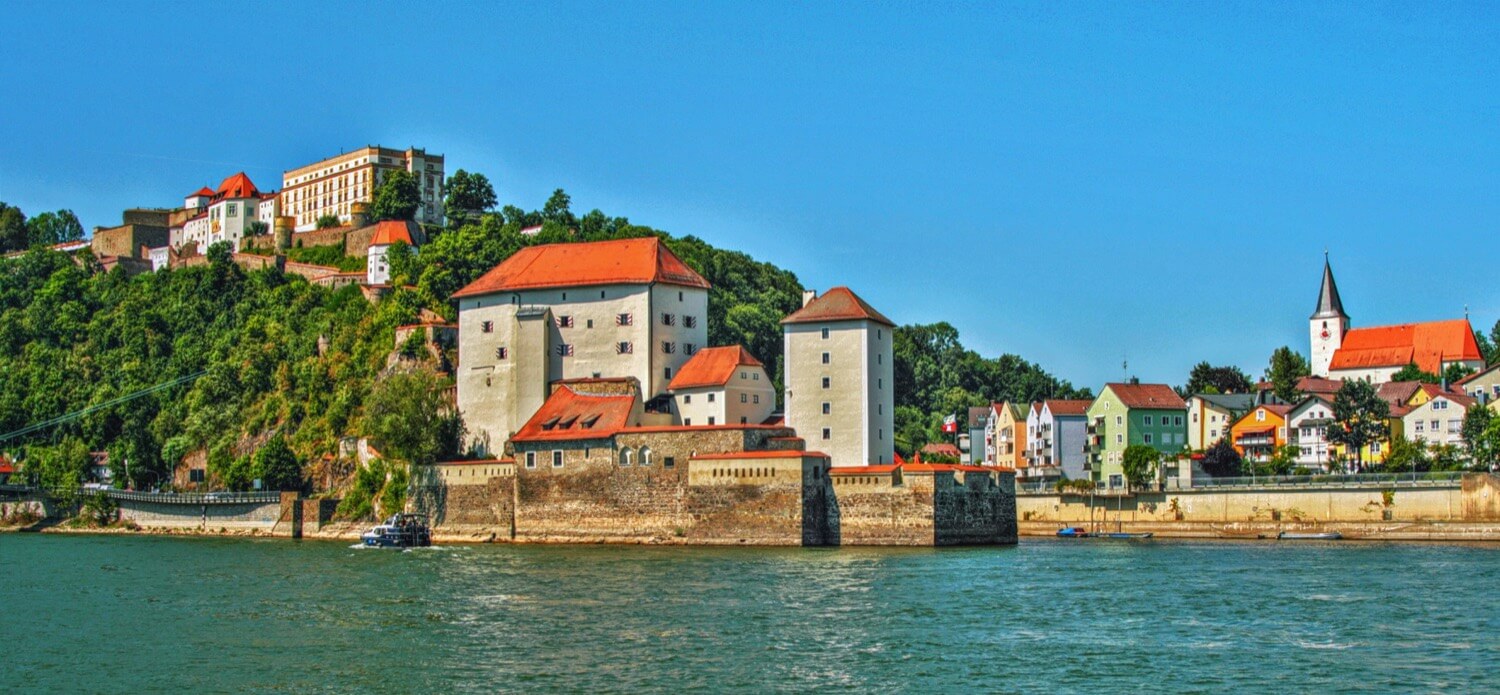
The fortress is located on the mountain crest (St. Georgsberg) on the left side of the Danube between it and the Ilz, and dominates the old city of Passau, which it faces across the Danube. Below Oberhaus on the promontory between the two rivers is Veste Niederhaus, part of the fortress system.
The fortress was built in 1219 by Ulrich II, the first prince-bishop of Passau, at the location of a previously existing chapel dedicated to St. George. The intention was to express the military strength of the bishopric and support the bishop's status as an elector of the Holy Roman Empire, granted in 1217, and also to protect against both external enemies and internal threats such as those citizens of Passau who wished to acquire the independent status of a free imperial city.
As siege techniques improved over the centuries, Veste Oberhaus was repeatedly renovated and extended, beginning in 1255–56, so that it offers an opportunity to study fortification techniques from the 13th through the early 19th century. The inscription "1499" prominent on the facade refers to one of these renovations. The most significant rebuilding took place under Leonhard von Laiming, Christoph von Schachner, Urban von Trennbach, and Johann Philipp von Lamberg. Under them, the fortress developed from a Gothic citadel to an early Renaissance princely residence, a "fortified princely castle", and finally, in the era of invasion by the Turks, a regional fortress and symbol of aristocratic status. Archeological investigations in the 1990s revealed traces of a 17th-century residential tower.
The fortress was attacked five times between 1250 and 1482, each time without success. Twice, in 1298 and 1367, the attackers were the citizens of Passau themselves in rebellion against the bishop.
Between 1535 and 1540, numerous Protestant Anabaptists were imprisoned in the castle dungeon for their beliefs. During their imprisonment, the Ausbund hymnal, still used in Amish religious services, was developed. Some of the hymn writers died while imprisoned; many were martyred.
In 1704, 1742, and 1800 the fortress was forced to surrender to various forces. Secularization in 1802 brought an end to the rule of the bishop. Napoleon made use of the fortress during his campaign against Austria, placing it under the control of his allies the Bavarians as a border outpost, but in 1805 it surrendered to the Austrian army. After the Congress of Vienna the area was controlled by Bavaria and for almost a century, until 1918, the fortress served an additional purpose as a state and military prison. It was feared as the "Bastille of Bavaria".
In 1932 the City of Passau gained possession of Veste Oberhaus and instituted a museum, the Oberhausmuseum.
The location of the fortress is the St. Georgsberg mountain, 105 metres (344 ft) above the valley floor between the Danube and the Ilz. Steep cliffs fall off on both sides. The smaller Veste Niederhaus, connected to Veste Oberhaus by a battlement, is located below on the bank of the Danube; this addition, made after 1367, created a double fortress almost 700 metres (2,300 ft) in length.
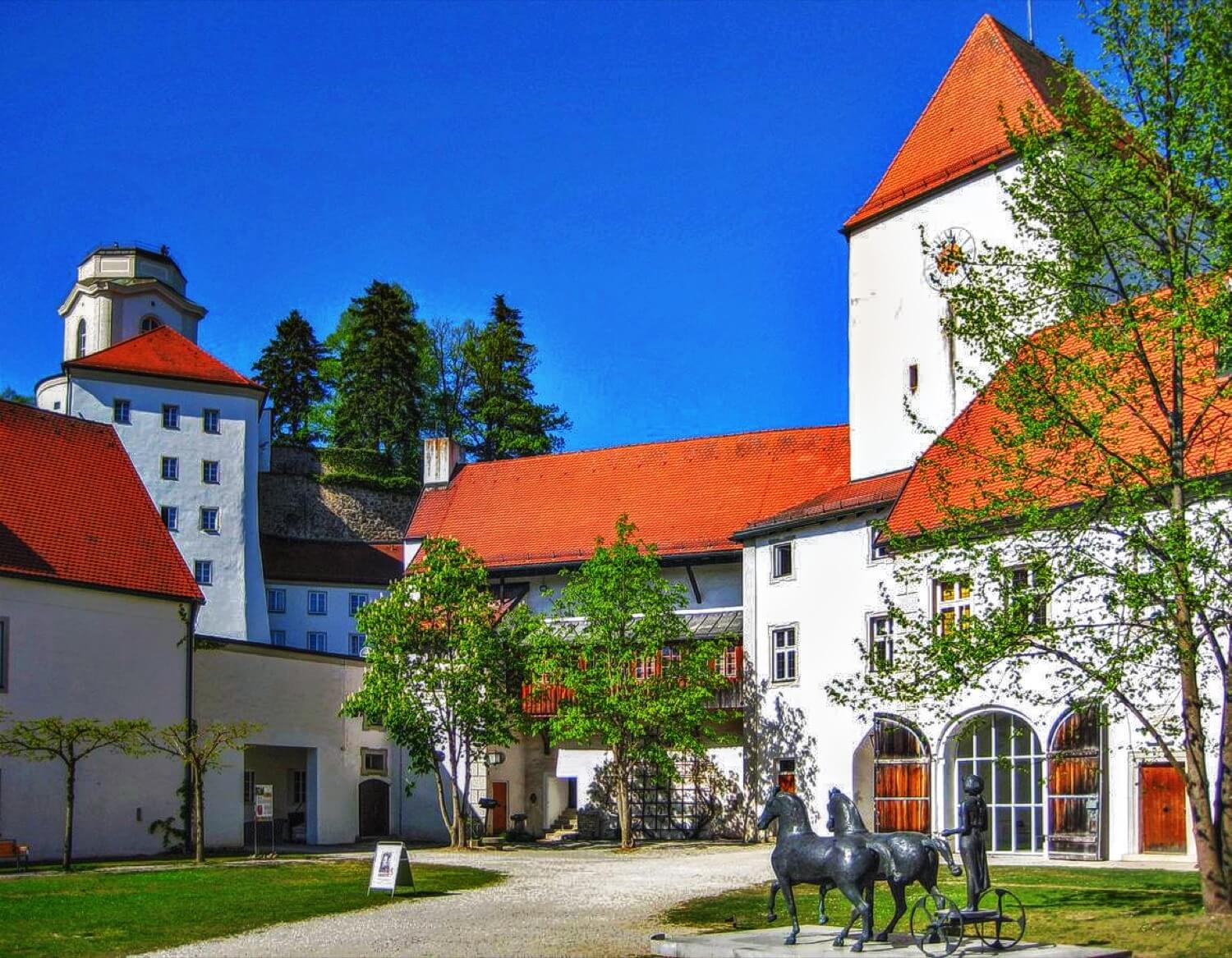
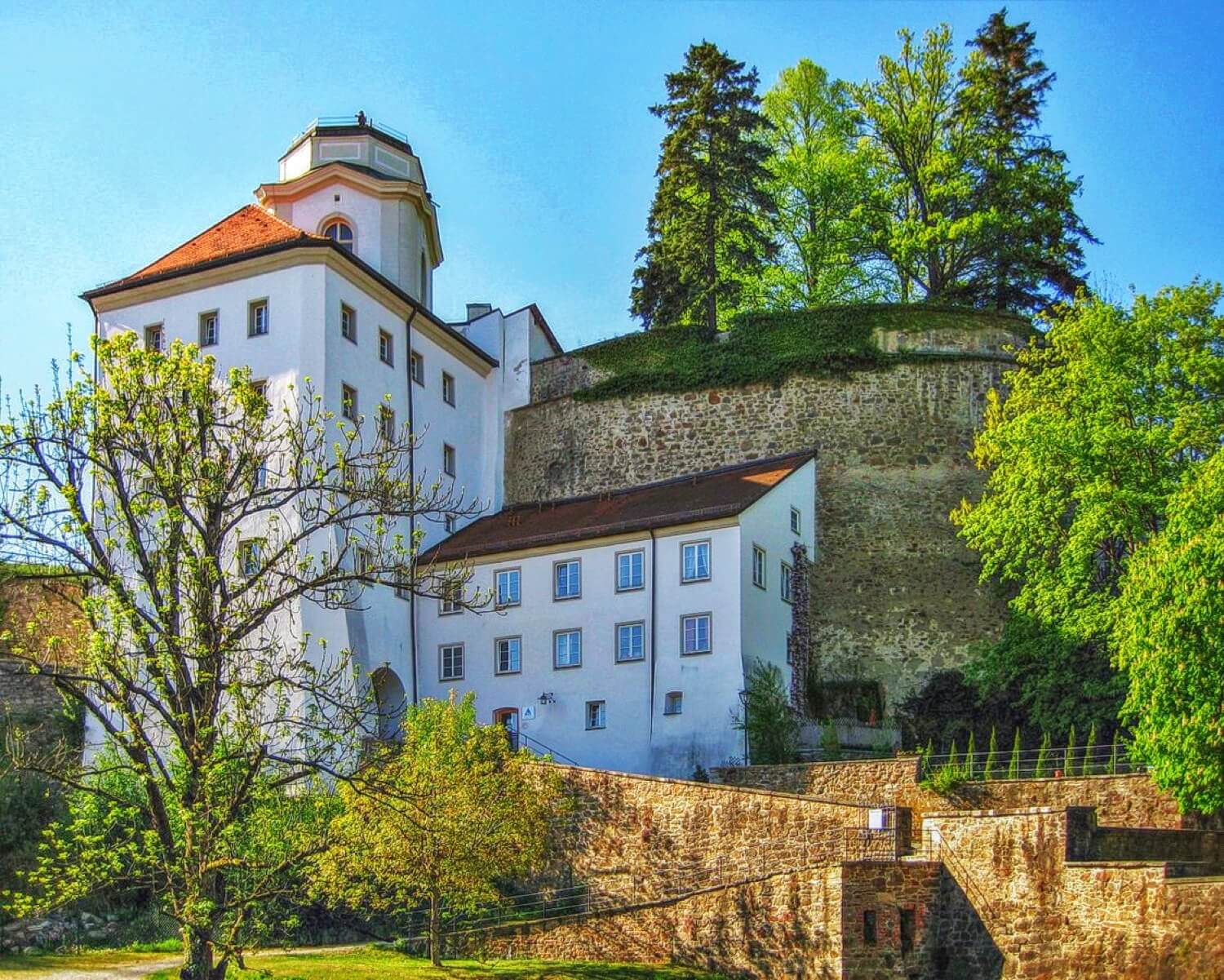
A road rises to Veste Oberhaus on the Ilz side. On foot, the castle can be reached via the 200 steps of the Oberhausleiten-Stiege stairway from the Schanzlbrücke Danube bridge. The main gate, the Ravelintor, bears the arms of Cardinal Johann Philipp von Lamberg and was built in 1703. This leads to the Kronwerke, a Baroque bailey constructed in 1674–1740, and a second defensive area dating mostly to the 16th century. From this middle defensive ring, the Burgstraße leads past the main watchtower (built around 1350) and across a drawbridge through a tower built in 1433 to the main fortress. The gate tower at this point bears the arms of Prince Bishop Leonhard von Laiming dated 1440. The buildings encircling the outer courtyard are 16th-century. The church of St. George in the inner courtyard has early and high Gothic frescoes and predates the fortress; it was renovated in Baroque style. The building erected by Christoph von Schachner in 1499–1503 with the highly visible coat of arms and date of 1499 on its facade contains a ceremonial Rittersaal (knights' hall) on the upper floor; this is connected by an open arcade to the dirnitz and princely suite, which date to the 14th–17th centuries. A cannon battery is housed on the lower story under the Rittersaal.
The so-called "Linde Battery", a terrace within the walls of the Veste Oberhaus, offers a good view of the Dreiflüsseeck (three rivers corner), the confluence of the Inn, Danube and Ilz; the differing colors of the three rivers are clearly visible from this point.
The Oberhausmuseum includes the museum of the city of Passau, an art gallery, collections covering the history of Eastern Bavaria, Bohemia, and Austria, a firefighting museum, and a porcelain collection. Today the fortress also houses a restaurant, a viewing platform on the so-called Observation Tower dating to the 18th century, an observatory, and a youth hostel in the so-called General's Building dating to 1597.
In May 1933, with great fanfare, the Ostmarkmuseum was opened.
In April 1934, the former Officers' Garden became an outdoor cafe where many National Socialists were hosted.
The Baroque-era forward fortifications were replaced by a Thingplatz open-air theatre. In the form of an amphitheater in the approximate form of a quarter circle, this was designed by Ludwig Moshamer and had approximately 6,000 seats and room for approximately 18,000 standees. Ground was broken on August 26, 1934, and the facility was dedicated on September 22, 1935. The inaugural performance was of a work by Hans Baumann honoring "farmers of the border marches" and entitled Für unsere Treue gibt es keinen Tod (for our loyalty there is no death), with a cast of 1,600. In 1937 Eberhard Wolfgang Möller's Frankenburger Würfelspiel was performed; this concerned an event that happened not far away from Passau, and was to have been repeated annually, but political objections by the Austrians prevented it. In 1938, 85 boys and 162 girls born in 1927 and 1928 were sworn in there as Hitler Youth.
In July 1940, when Rüdiger von Bechelaren, the latest play by Hans Baumann, was staged, 2,000 Hitler Youth were integrated.
The theatre since World War II has again been in use.
In April 1938, Passau unveiled its Guest Suite, where National Socialist dignitaries were hosted. And the regional Donauzeitung marveled about some features at the Oberhaus George's Chapel. Ancient warrior insignia of the Germanic god Wotan, it stated, had been transferred to that Saint.
In February 1939, Margarethe Schneider-Reichel called all Orts-, Zellen-, and Block-Frauenschaftsleiterinnen from the city and the Passau district to a weekend seminar at Veste Oberhaus. There, at the auditorium, they listened to the Kreisleiter before Dr. Paul Reiß from Mainkofen addressed them for three hours. The central topic were "necessary measures" the National Socialist state was taking to control the population.
Veste Oberhaus ist eine Festung auf der linken Seite der Donau, gegenüber der rechtsseitigen Altstadt von Passau. Gegründet im Jahr 1219, war sie für die meiste Zeit die Burg und Residenz des fürstlichen Bischofs vom Hochstift Passau. Die weit sichtbare Inschrift 1499 auf der Fassade zeigt nur eines der Baujahre der bis 1800 immer wieder erweiterten Burg.
Der Bau der Veste Oberhaus auf dem Georgsberg über Passau datiert auf das Jahr 1219. Sie wurde vom ersten Passauer Fürstbischof Ulrich II. um eine bereits vorhandene Georgskapelle errichtet. Die Burganlage sollte Ausdruck militärischer Stärke und Zugleich Rückhalt sein für die 1217 erlangte Reichsfürstenwürde der Passauer Bischöfe. Des Weiteren sollte sie als Schutz vor äußeren und inneren Feinden dienen, so unter anderem gegen Passauer Bürger, die eine Reichsstadt errichten wollten.
Aufgrund der fortschreitenden Belagerungstechnik wurde die Festung über die Jahrhunderte ständig ausgebaut und erweitert, wodurch sie die Möglichkeit bietet, die Fortifikationskunst vom 13. bis zum 19. Jahrhundert zu studieren. Die wichtigsten Umbauten fanden unter den Fürstbischöfen Leonhard von Layming, Christoph von Schachner, Urban von Trennbach und Johann Philipp von Lamberg statt. Sie bauten die Festung von einer gotischen Zwingburg, über einen Fürstensitz in der Frührenaissance, zu einem „Festen Hochschloss“ und schließlich, in Zeiten der Türkenbedrohung, zu einer repräsentativen Landesfestung aus.
Die Veste Oberhaus erlebte fünf Belagerungen zwischen 1250 und 1482, die allesamt erfolglos blieben. Zweimal, 1298 und 1367, waren es die Bürger von Passau, die versuchten, sich gegen den Bischof zu erheben.
Zwischen 1535 und 1540 waren im Kerker der Veste zahlreiche Anhänger der reformatorischen Täuferbewegung wegen ihrer Glaubensüberzeugungen inhaftiert. Während ihrer Haftzeit entstand der Ausbund (Gesangbuch), ein Gesangbuch, das noch heute in den Gottesdiensten der Amischen benutzt wird. Einige der Liederdichter verstarben in der Haftzeit, viele erlitten im Anschluss an den Kerkeraufenthalt den Märtyrertod.
Mit der Säkularisation 1802 verlor der Bischof den Besitz. Napoleon I. benutzte die Festung in seinem Feldzug gegen Österreich. Sie wurde dem Verbündeten Bayern als Grenzfestung gegen Österreich zur Verfügung gestellt. 1805 ergab sich die Festung der österreichischen Armee. Nach dem Wiener Kongress wurde sie für fast ein Jahrhundert von der bayerischen Armee sowohl als Festung als auch ab 1822 als Staatsgefängnis für politische Gefangene und als Militärstrafanstalt benutzt. Bis 1918 war die Veste Oberhaus somit die gefürchtete „Bastille Bayerns“.
Die Stadt Passau kam 1932 in den Besitz der Anlage und richtete das Oberhausmuseum ein.
Das Oberhausmuseum umfasst das Stadtmuseum, eine Gemäldegalerie und weitere Sammlungen mit Schwerpunkt auf Ostbayern und die Nachbarländer Böhmen und Österreich. Die barocke Vorfeld-Fortifikation wurde 1934 von den Nationalsozialisten durch den ersten Thing des Dritten Reiches ersetzt (nach dem Entwurf von Ludwig Moshamer). Die Burg beherbergt daneben noch ein Restaurant, einen Aussichtsturm im sogenannten Observationsturm aus dem 18. Jahrhundert, eine Sternwarte und eine Jugendherberge im sogenannten Generalsgebäude von 1597.
Das Oberhausmuseum umfasst das Stadtmuseum, eine Gemäldegalerie und weitere Sammlungen mit Schwerpunkt auf Ostbayern und die Nachbarländer Böhmen und Österreich. Die barocke Vorfeld-Fortifikation wurde 1934 von den Nationalsozialisten durch den ersten Thing des Dritten Reiches ersetzt (nach dem Entwurf von Ludwig Moshamer). Die Burg beherbergt daneben noch ein Restaurant, einen Aussichtsturm im sogenannten Observationsturm aus dem 18. Jahrhundert, eine Sternwarte und eine Jugendherberge im sogenannten Generalsgebäude von 1597.
Nearby castles
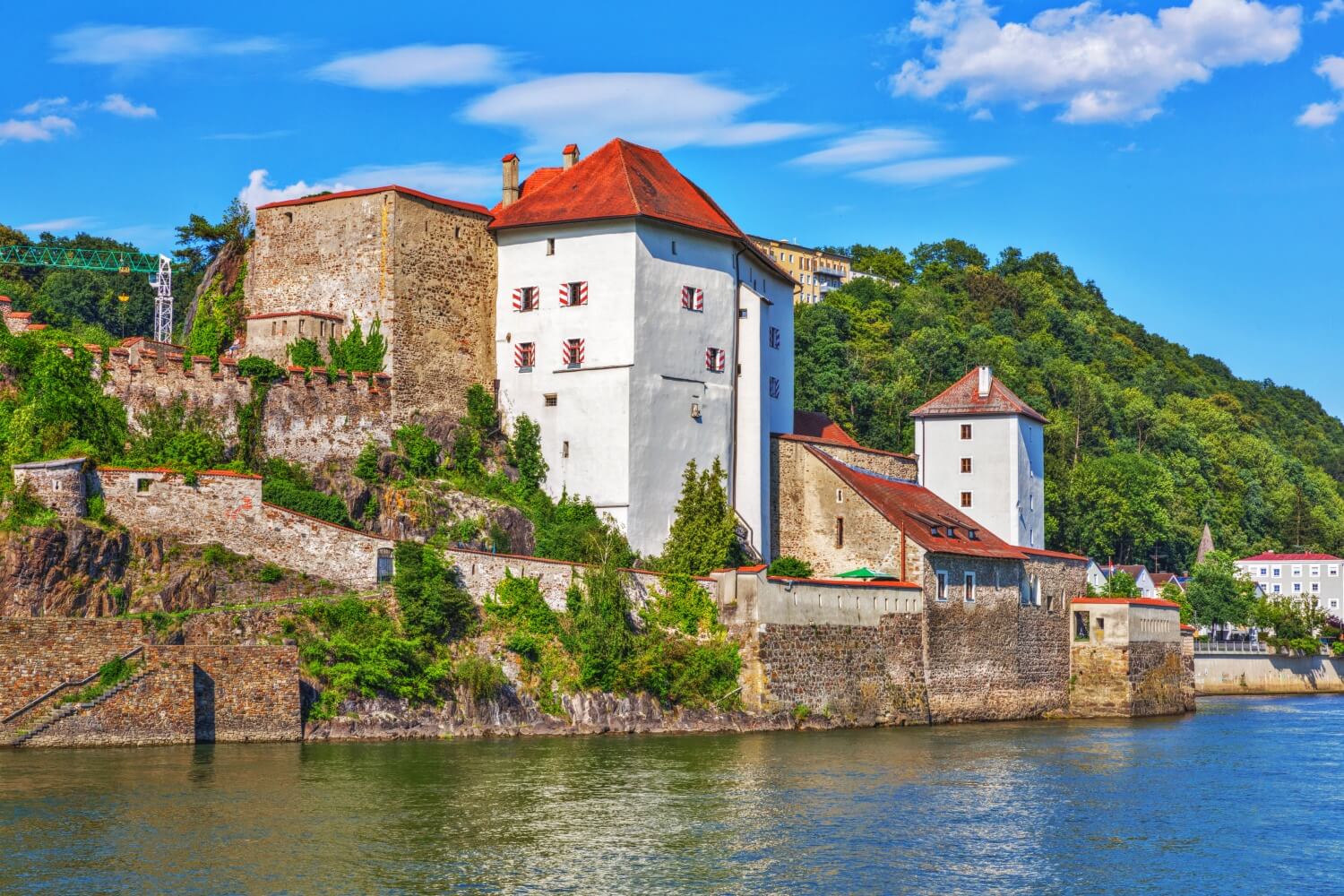
Veste Niederhaus
Niederbayern
0.3km
castle, chateau
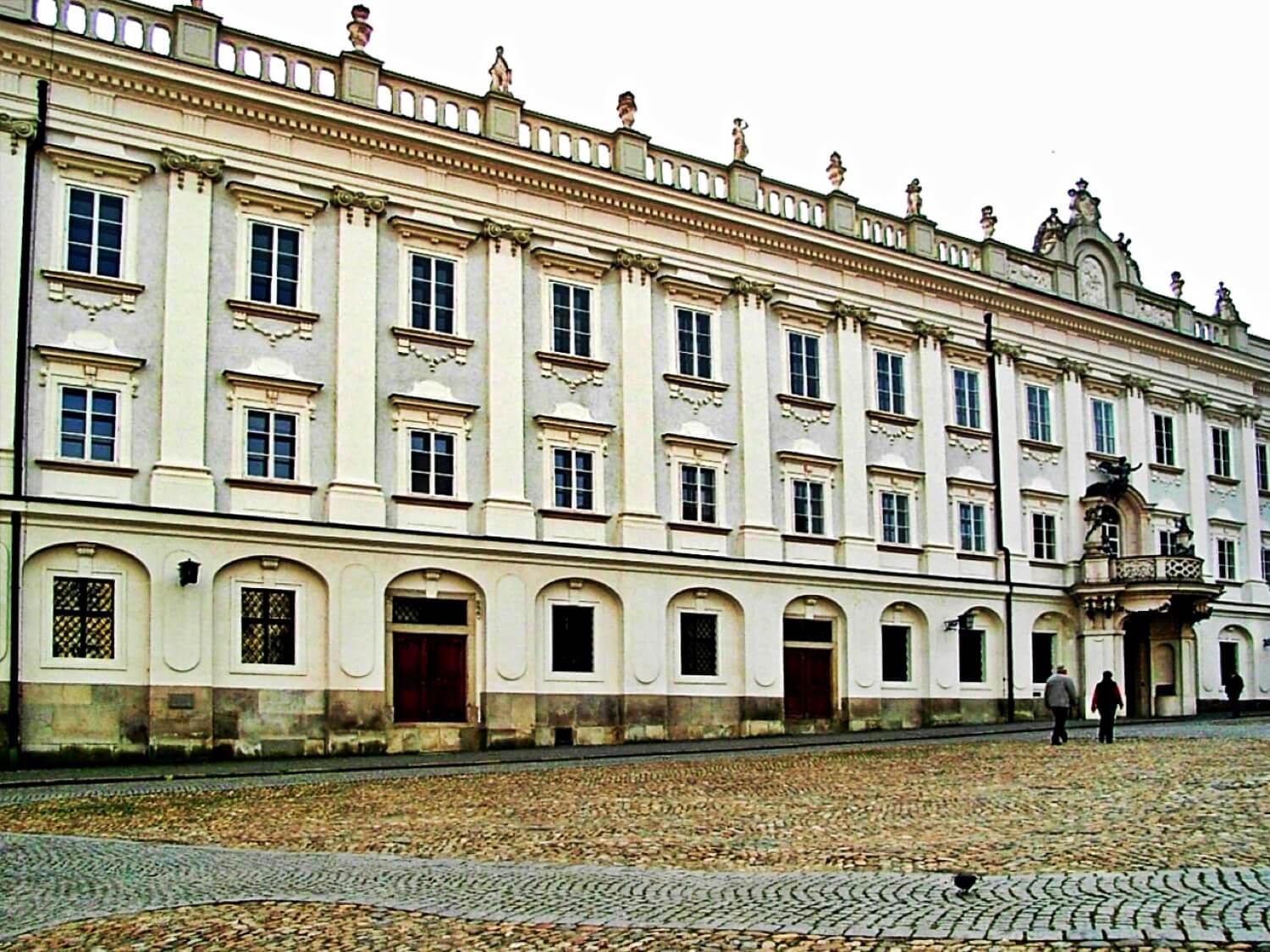
Neue Residenz Passau
Niederbayern
0.5km
castle, chateau
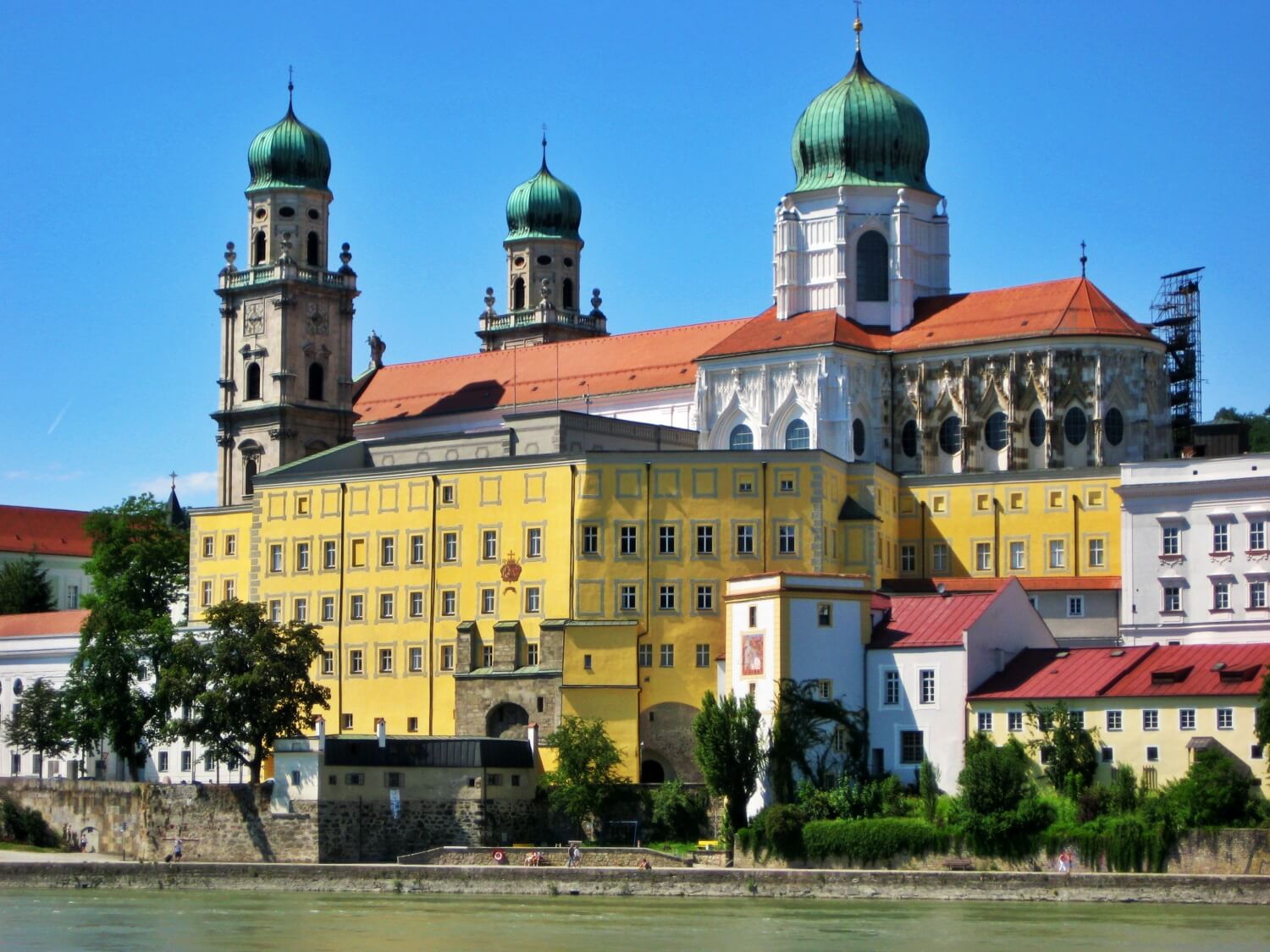
Alte Residenz Passau
Niederbayern
0.5km
castle, chateau
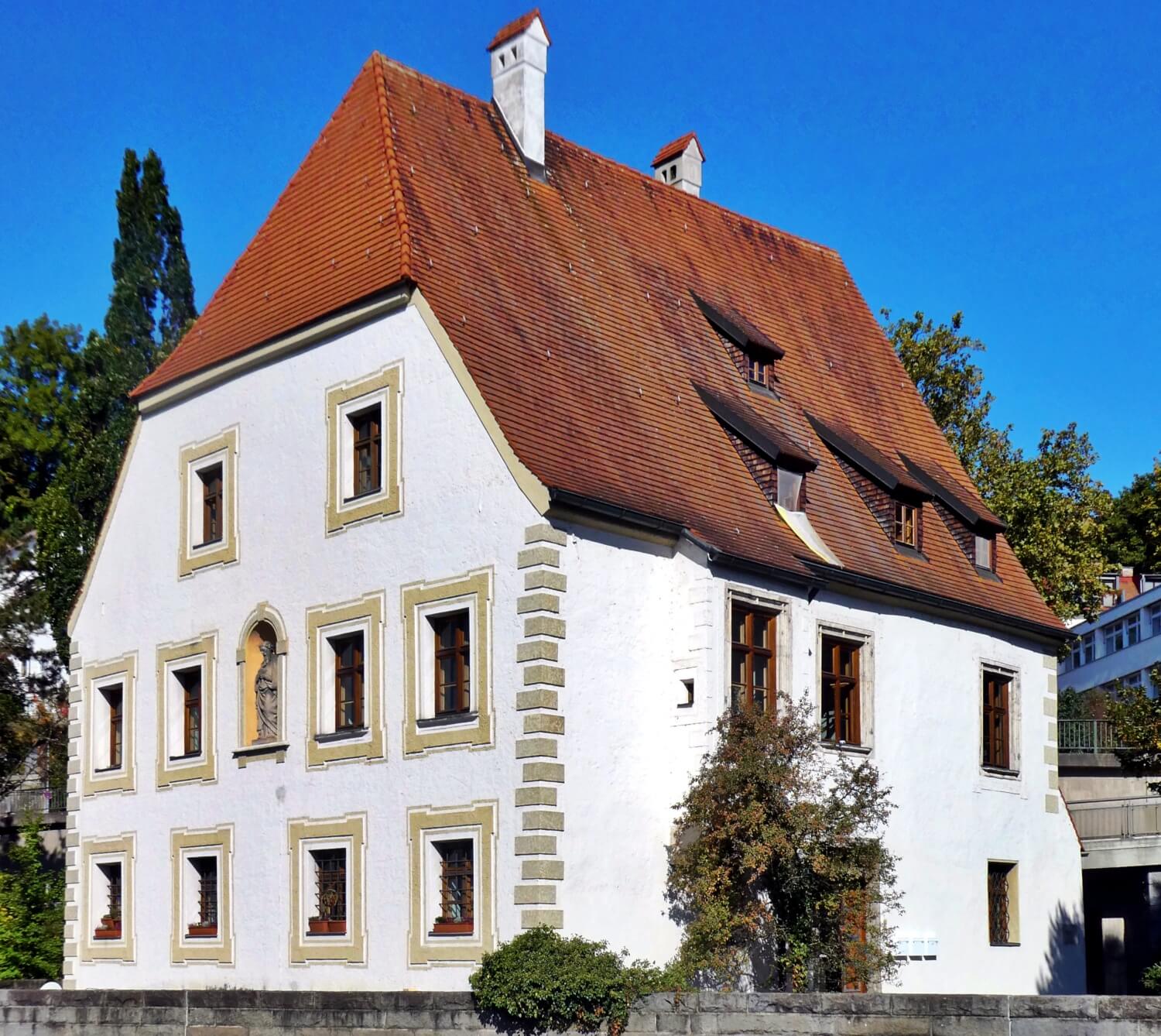
Schloss Eggendobl
Niederbayern
1.3km
castle, chateau
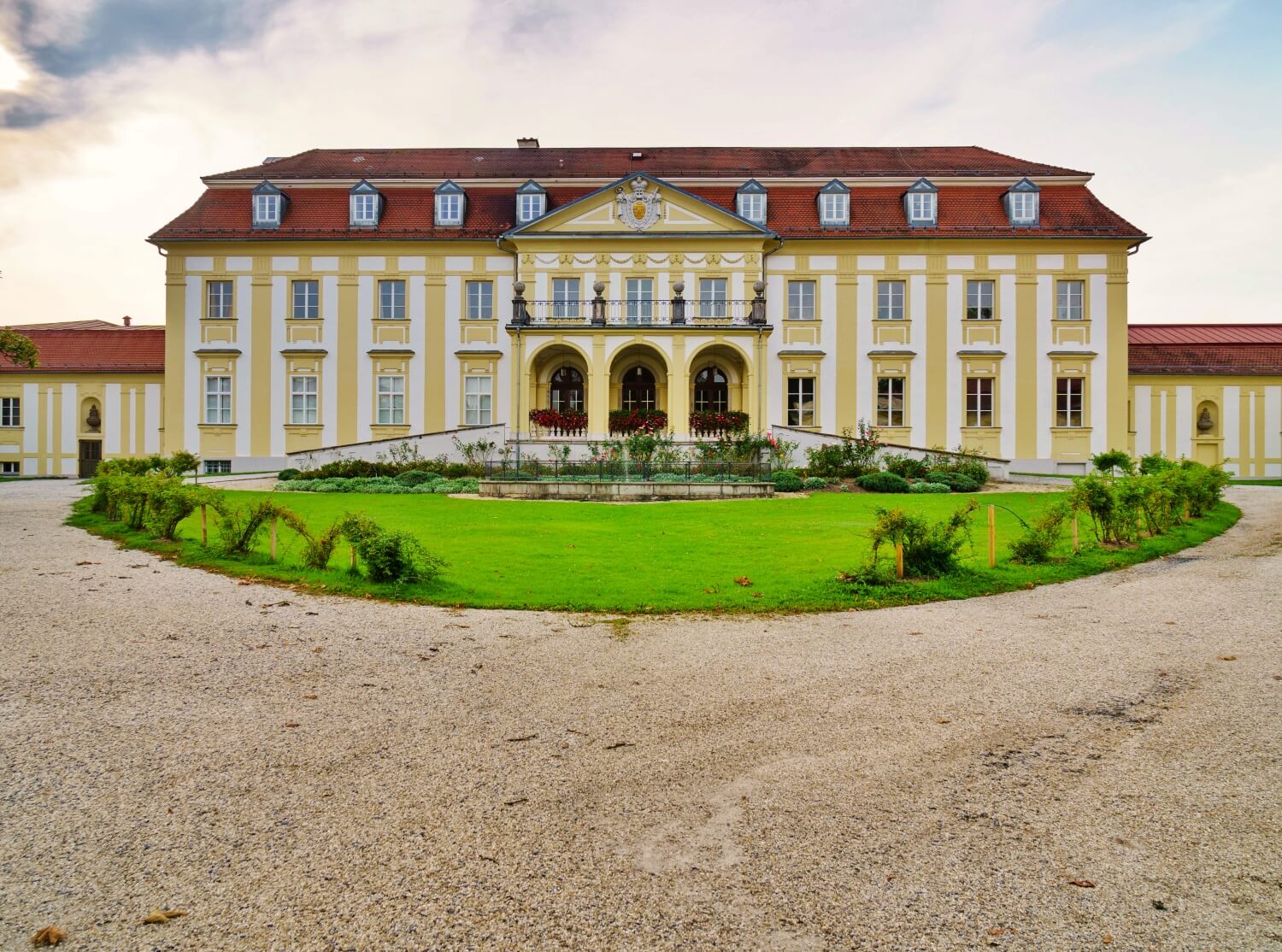
Schloss Freudenhain
Niederbayern
1.6km
castle, chateau
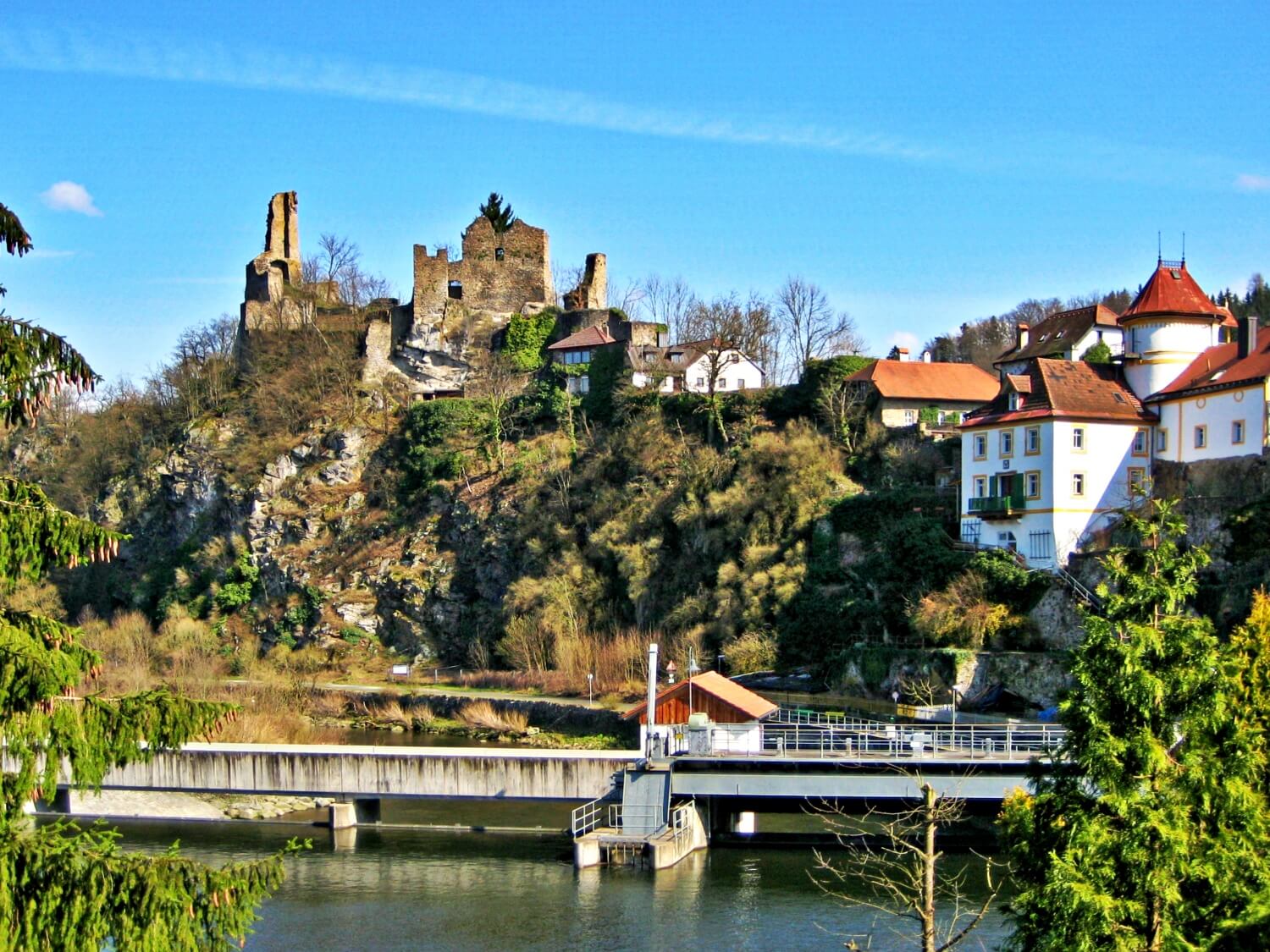
Burgruine Hals
Niederbayern
1.7km
castle, chateau
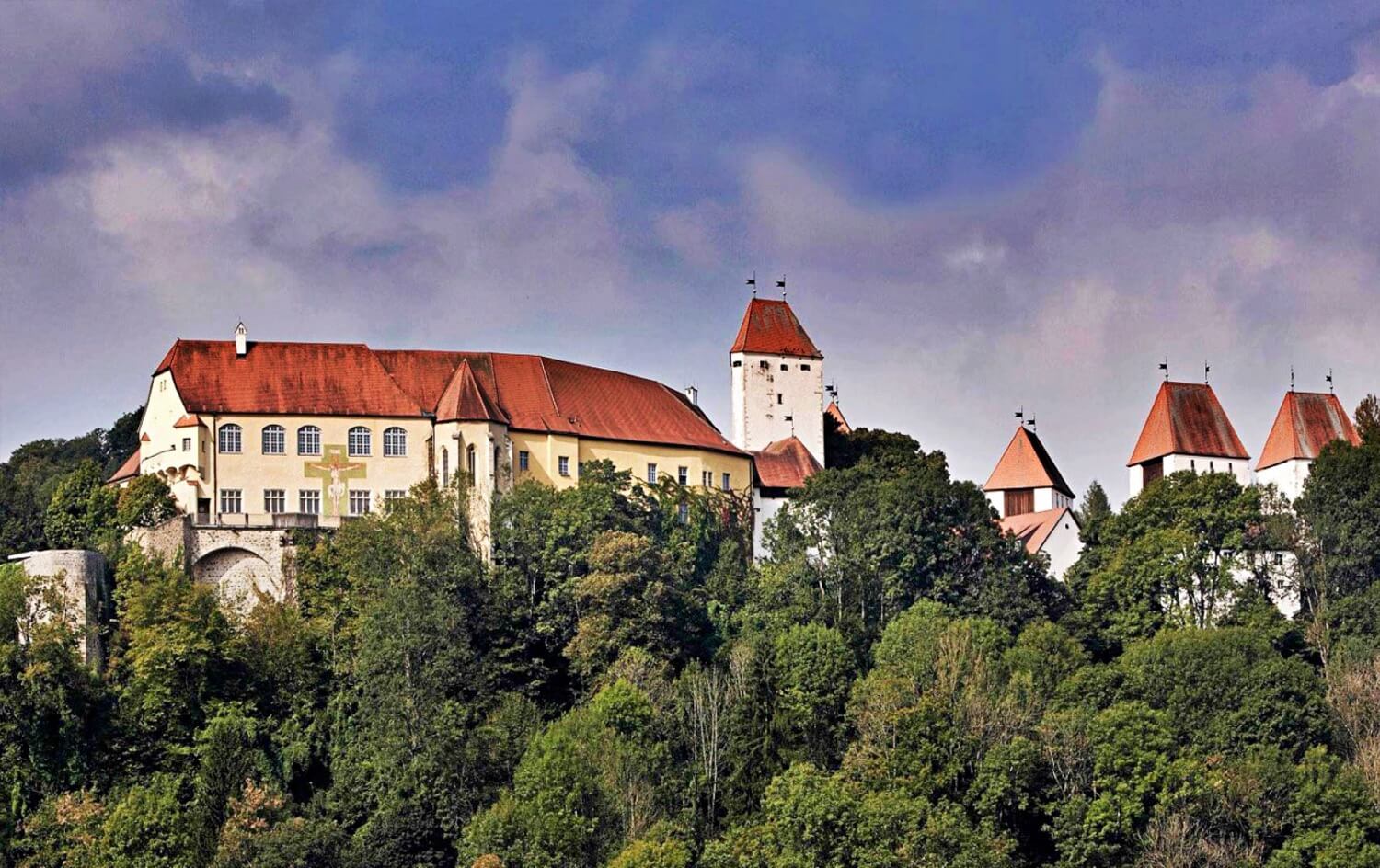
Schloss Neuburg am Inn
Niederbayern
8.1km
castle, chateau