Dachau Palace
Oberbayern Bayern Germany
manor, mansion
Schloss Dachau
Oberbayern Bayern Germany
manor, mansion
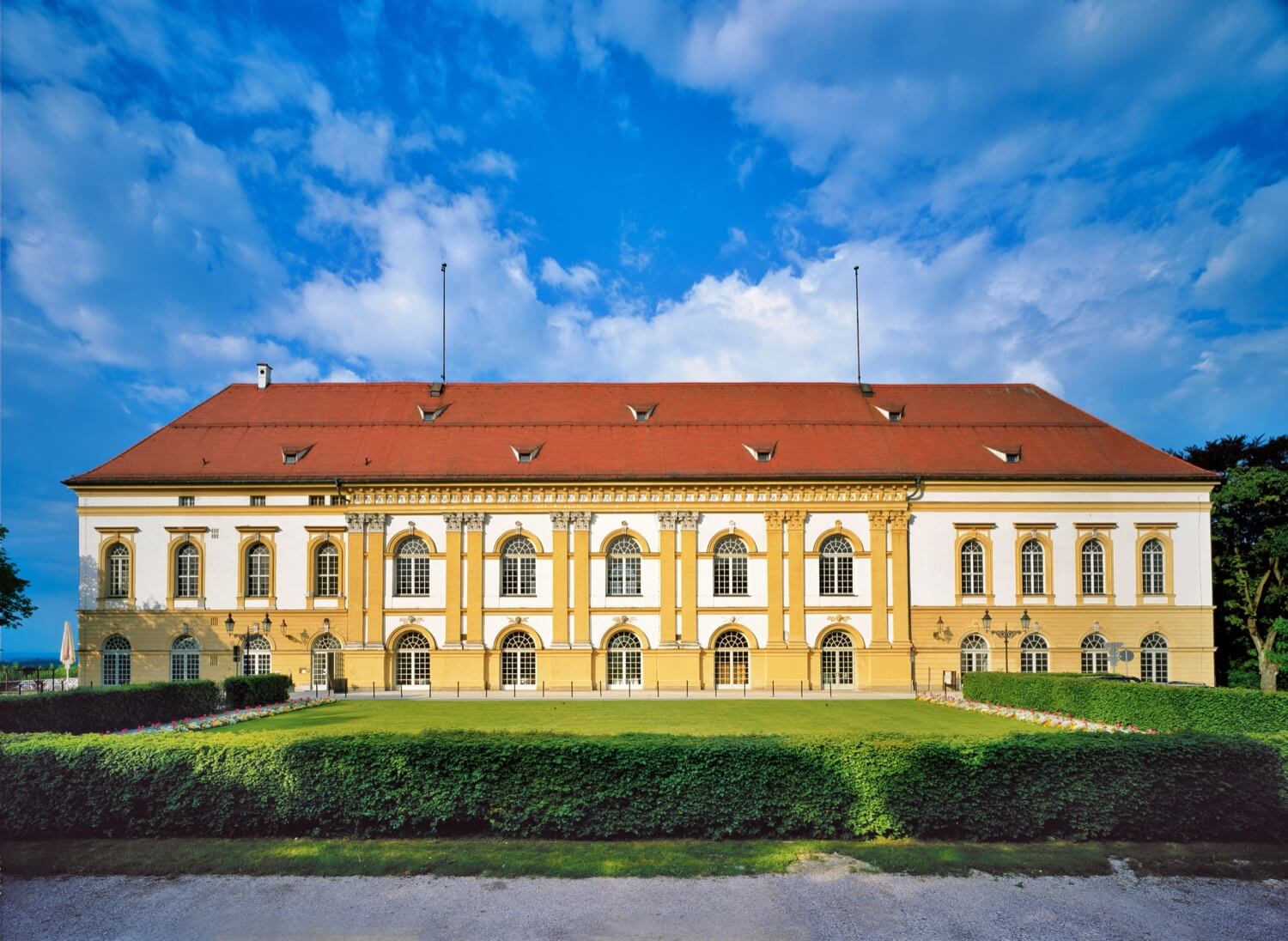
The Dachau Palace is a former residence of the rulers of Bavaria at Dachau, southern Germany
Das Dachauer Schloss auf dem Schlossberg von Dachau war Sommerresidenz der Wittelsbacher
Previous names
Dachau Palace, Schloss Dachau
Description
The Dachau Palace is a former residence of the rulers of Bavaria at Dachau, southern Germany.
The castle was constructed around 1100 as a castle by the cadet branch of the House of Wittelsbach. In 1182, the last Count of Dachau, Konrad III, died without issue and Duke Otto I of Bavaria took possession of it shortly thereafter. The original castle was demolished between 1398 and 1403. In 1467 Sigismund, Duke of Bavaria resigned and then kept only Bavaria-Dachau as his domain until his death in 1501.
William IV of Bavaria and his son Albert V ordered the construction of a Renaissance style four-wing palace with a court garden on the site of the old castle. The new building was designed by Heinrich Schöttl; construction began in 1546 and was completed in 1577. It later became the favoured residence of the rulers of Bavaria. Also the history of Schleissheim Palace started with a renaissance country house (1598) and hermitage founded by William V close to Dachau Palace.
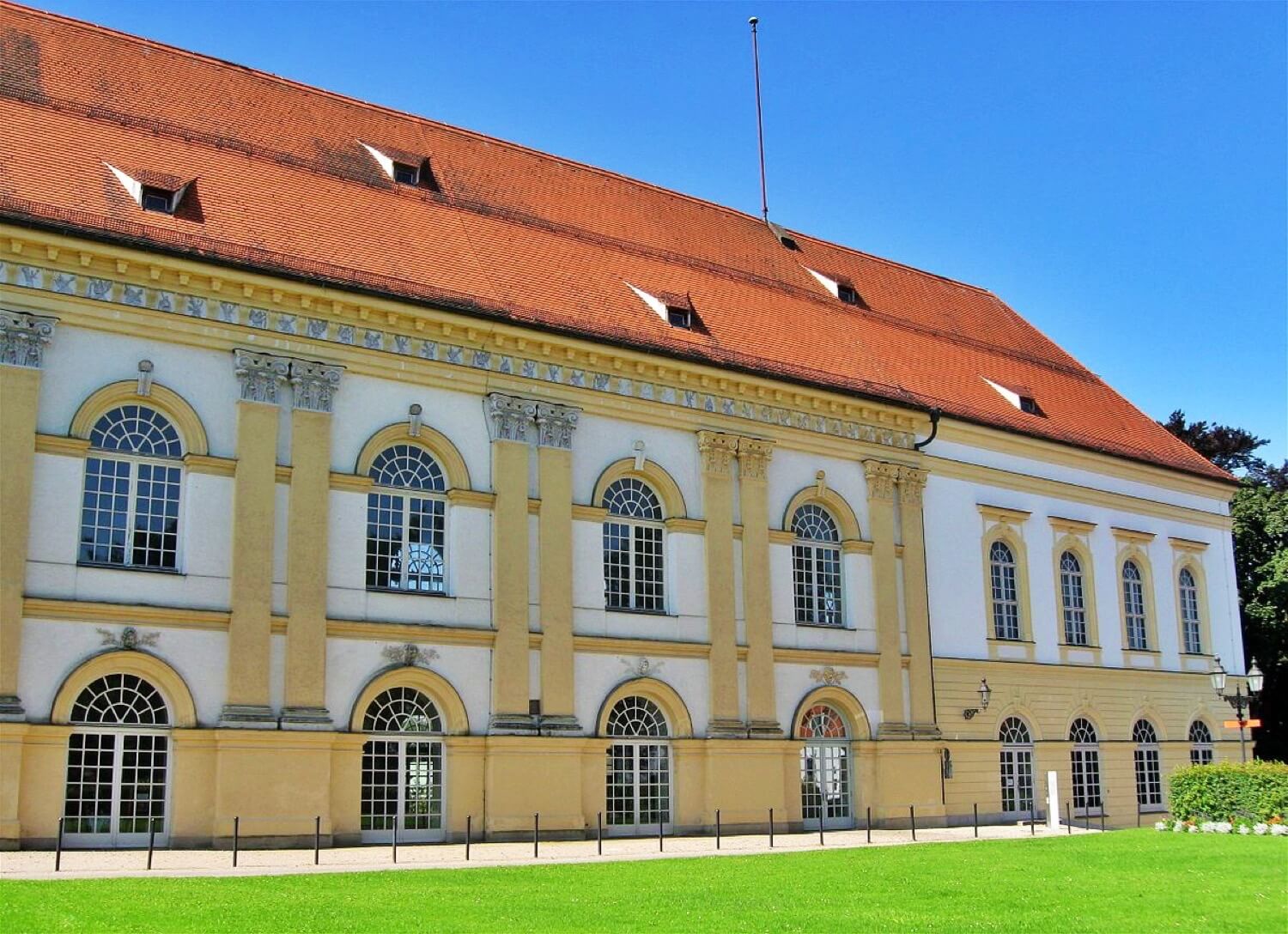
In 1715, Maximilian II Emanuel commissioned a redesign in Baroque style by Joseph Effner. Only the south-west wing is extant; King Maximilian I ordered the other 3 wings to be demolished in the early 19th century. They had suffered extensive damage at the hands of Napoleonic troo
The Palace is managed by the Bavarian Administration of State-owned Palaces, an administrative department of the Free State of Bavaria. It is open to visitors and the Banqueting Hall can be booked for special events. It is also used as a venue for classical concerts.
The main sight of the palace is the banqueting hall with its coffered Renaissance ceiling, designed and created between 1564 and 1566 by Hans Wisreutter, which was restored to the palace in 1977. The view from the top of the Schlossberg overlooks Munich and extends to the Bavarian Alps.
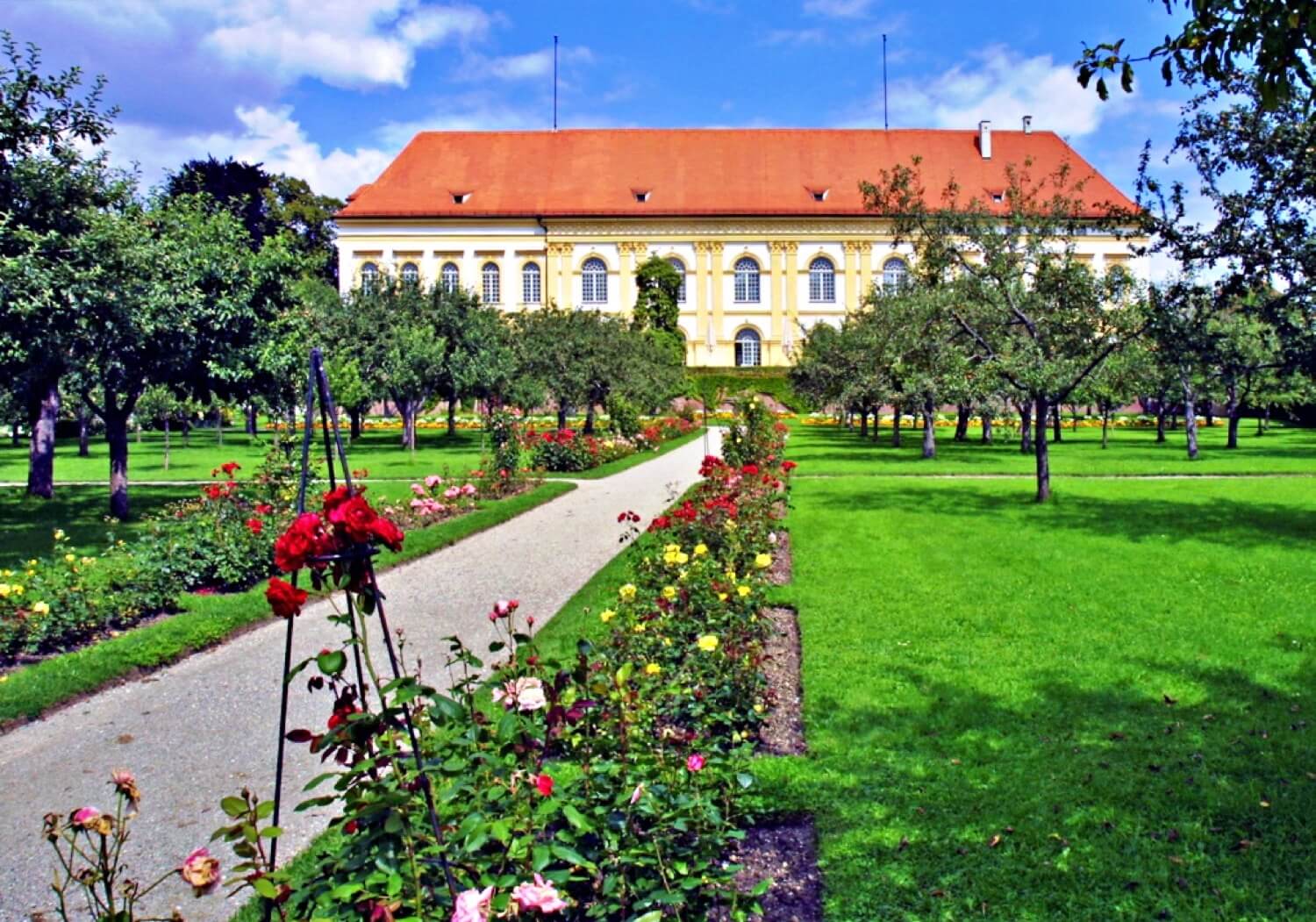
The court garden was created from the 1572 in order to enjoy the remarkable view from the Schlossberg, several pavilions were built, of which three are still preserved. Comparable with the vineyard and famous Sanssouci Palace, were the "hanging gardens" of the Schlossberg: terraces with precious espalier fruits. For the upper part of the parterres a still existing balcony of lime trees was created. Joseph Effner re-designed together with his brother Johann Christoph Effner also the garden in Baroque style in 1717. As a representative of an enlightened absolutism, Elector Max III. Joseph ordered already in 1765 to develop an English landscape garden. Today, the lower part of the garden has been abandoned and is awaiting resurrection.
Das Dachauer Schloss auf dem Schlossberg von Dachau war Sommerresidenz der Wittelsbacher.
Unter Herzog Wilhelm IV. und Albrecht V. wurde 1546 bis 1577 die damals dort befindliche Burg zu einem Schloss u. a. durch die Münchner Hofbaumeister Heinrich Schöttl und Wilhelm Egkl mit vier Flügeln ausgebaut. Der Saal im Südwestflügel wurde von Hans Wisreutter aus München in den Jahren 1564 bis 1566 mit einer prachtvollen Holzdecke ausgestattet, die bis heute erhalten ist. Er gilt als einer der herausragendsten Säle aus der Renaissance nördlich der Alpen.
Das Schloss wurde im 18. Jahrhundert von Hofbaumeister Joseph Effner auf Wunsch von Kurfürst Max Emanuel umgestaltet. Das Treppenhaus und die Westfassade von 1715 sind im Régence-Stil erbaut.
Das heutige Schloss stellt nur einen Teil der ursprünglichen Anlage dar, da König Max Joseph I. drei der vier Flügel abreißen ließ, die durch die Einquartierung napoleonischer Truppen schweren Schaden genommen hatten. Lediglich der barocke Festsaaltrakt blieb erhalten. Dieser Festsaal im Obergeschoss dient heute als Konzertsaal. Erst 1977 wurde die Decke an der ursprünglichen Stelle wieder angebracht.
Der Hofgarten entstand ab 1572. Nicht zuletzt, um die bemerkenswerte Aussicht vom Schlossberg genießen zu können, wurden mehrere Pavillons errichtet, von denen heute noch drei erhalten sind. Berühmt und mit dem Weinbergschloss Sanssouci vergleichbar, waren die „hängenden Gärten“ des Schlossberges: Terrassenanlagen mit kostbarem Spalierobst. Zur Gartengestaltung des oberen Parterres gehört der heute noch bestehende Laubengang aus Lindenbäumen. Joseph Effner, der Dachauer Hofgärtnersohn, ging 1706 zum Studium der Gartenkunst nach Paris und gestaltete mit seinem Bruder Johann Christoph Effner dann im Jahre 1717 den Garten im barocken Stil. Als Vertreter eines aufgeklärten Absolutismus ließ Kurfürst Max III. Joseph bereits 1765 einen Bereich als englischen Landschaftsgarten entwickeln. Heute sind die unteren Gartenteile aufgegeben und harren ihrer Wiederbelebung.
Nearby castles
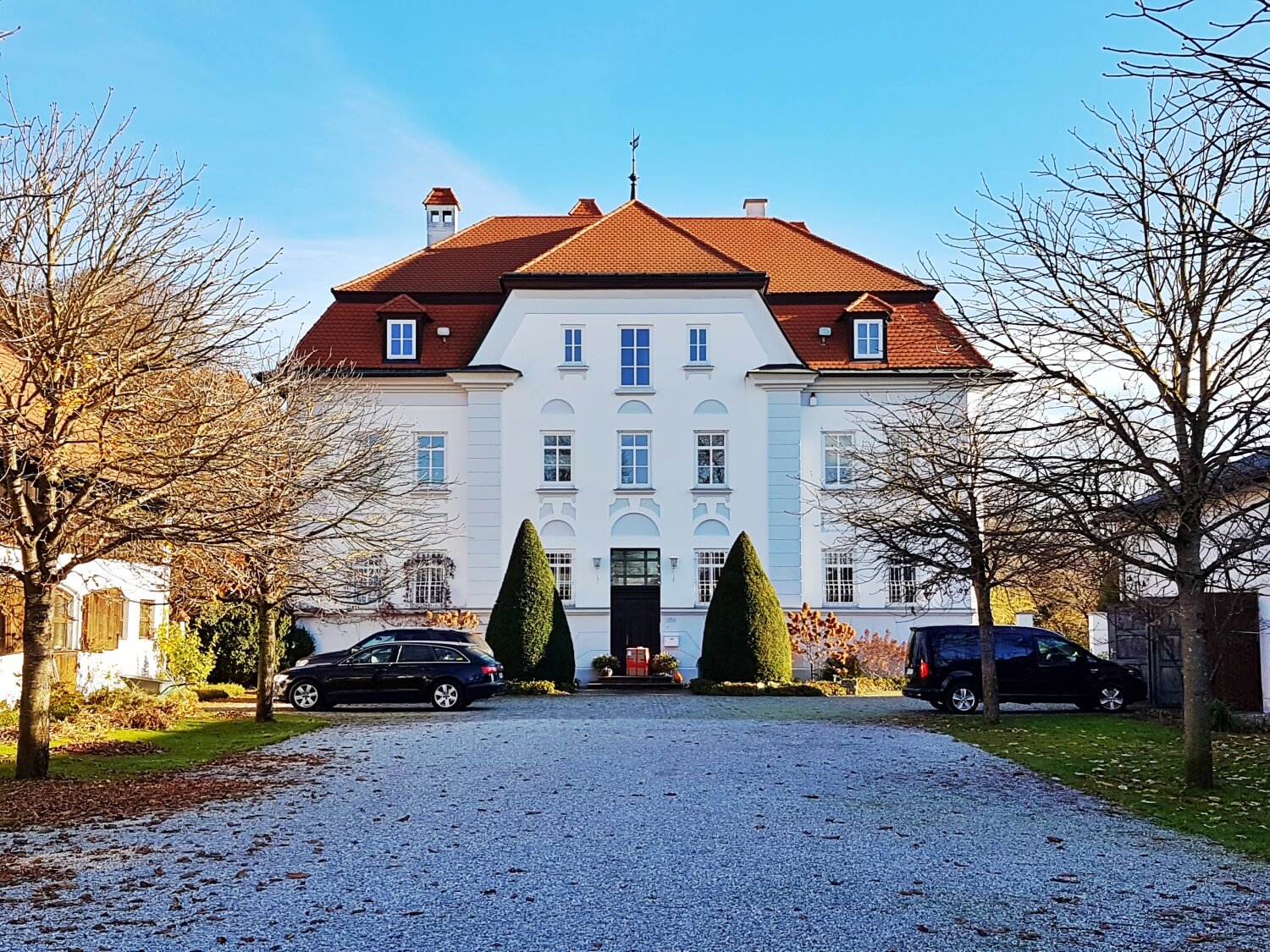
Schloss Geiselbullach
Oberbayern
7.6km
castle, chateau
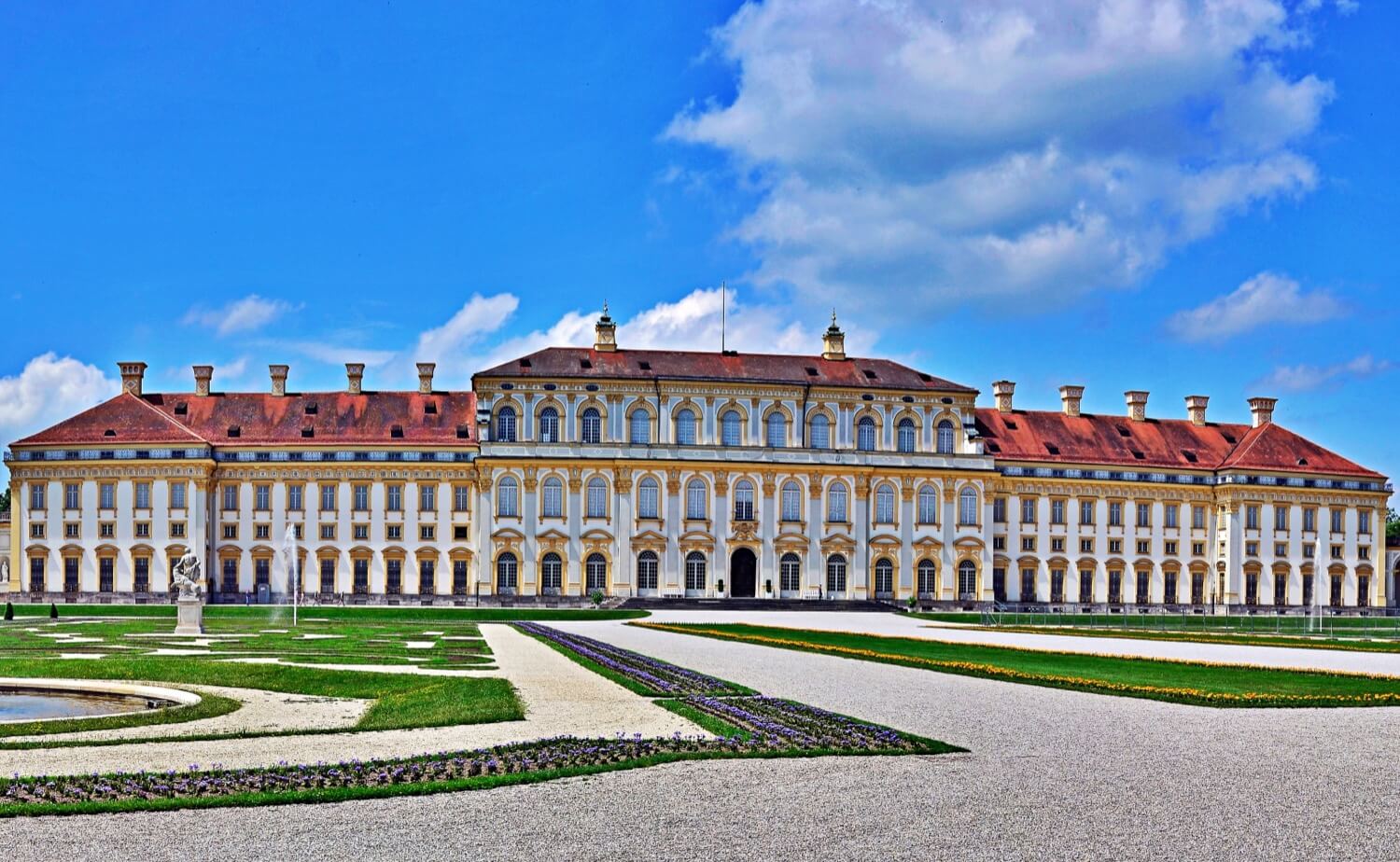
Schlossanlage Schleissheim
Oberbayern
9.5km
castle, chateau
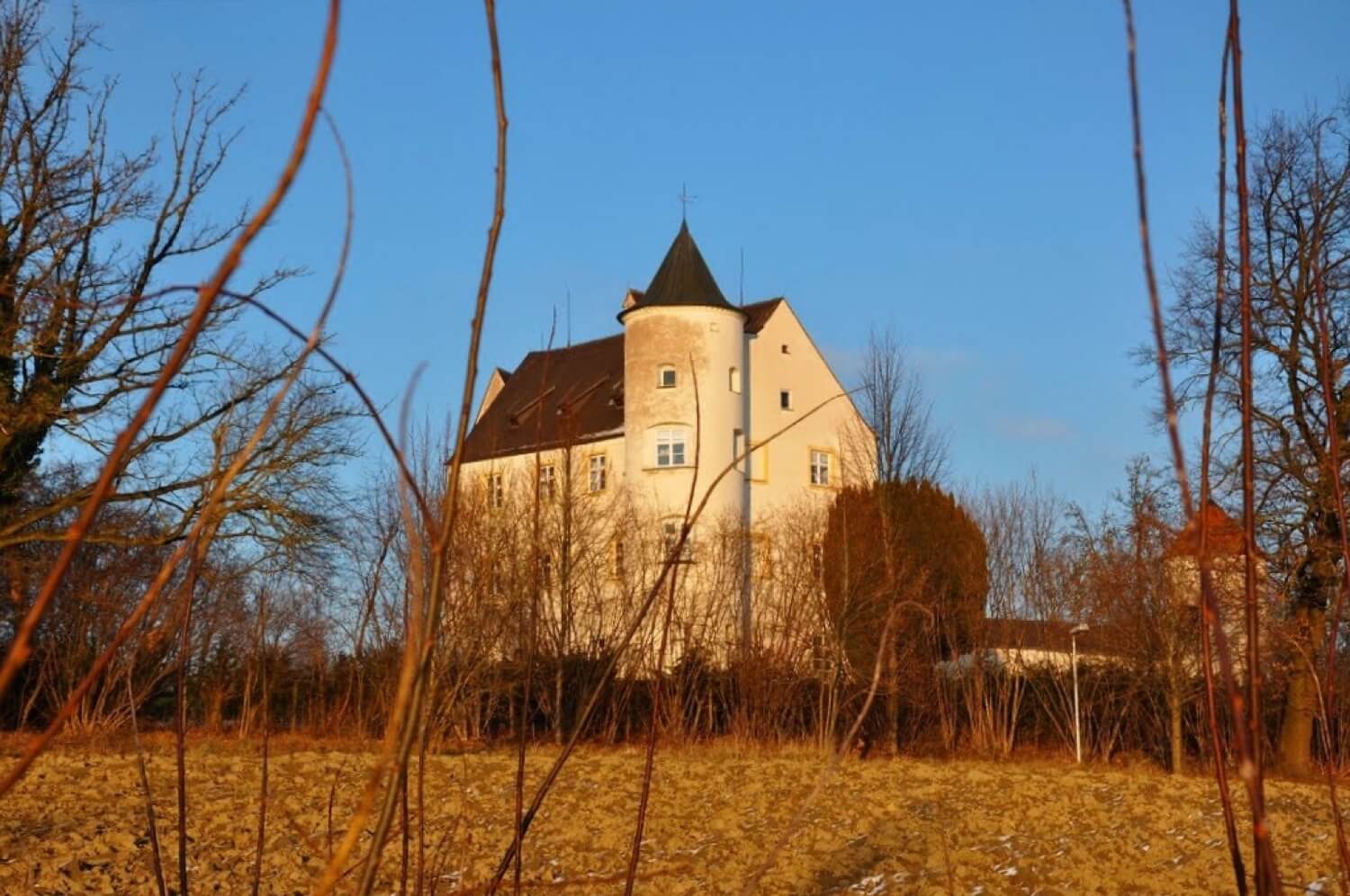
Schloss Lauterbach (Bavaria)
Oberbayern
9.8km
castle, chateau
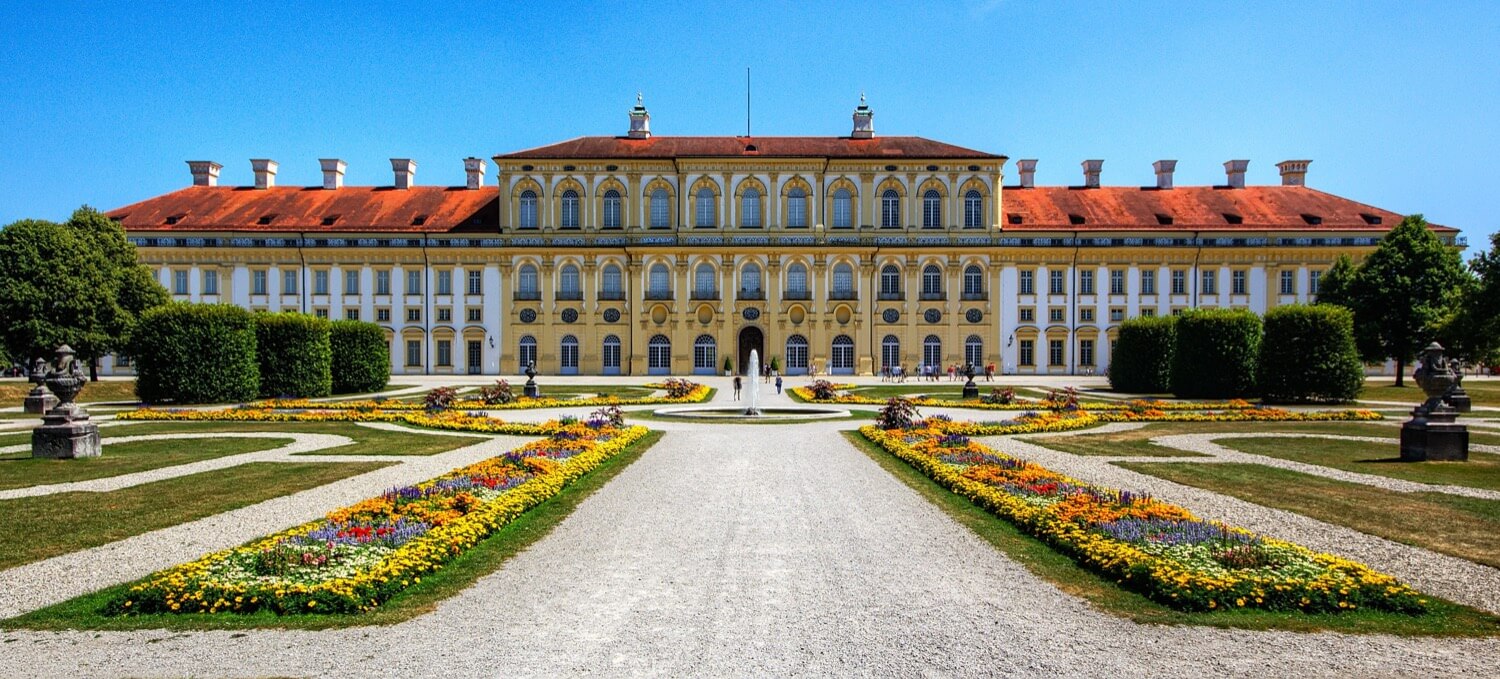
Schleissheim Palace
Upper Bavaria
10.1km
manor, mansion
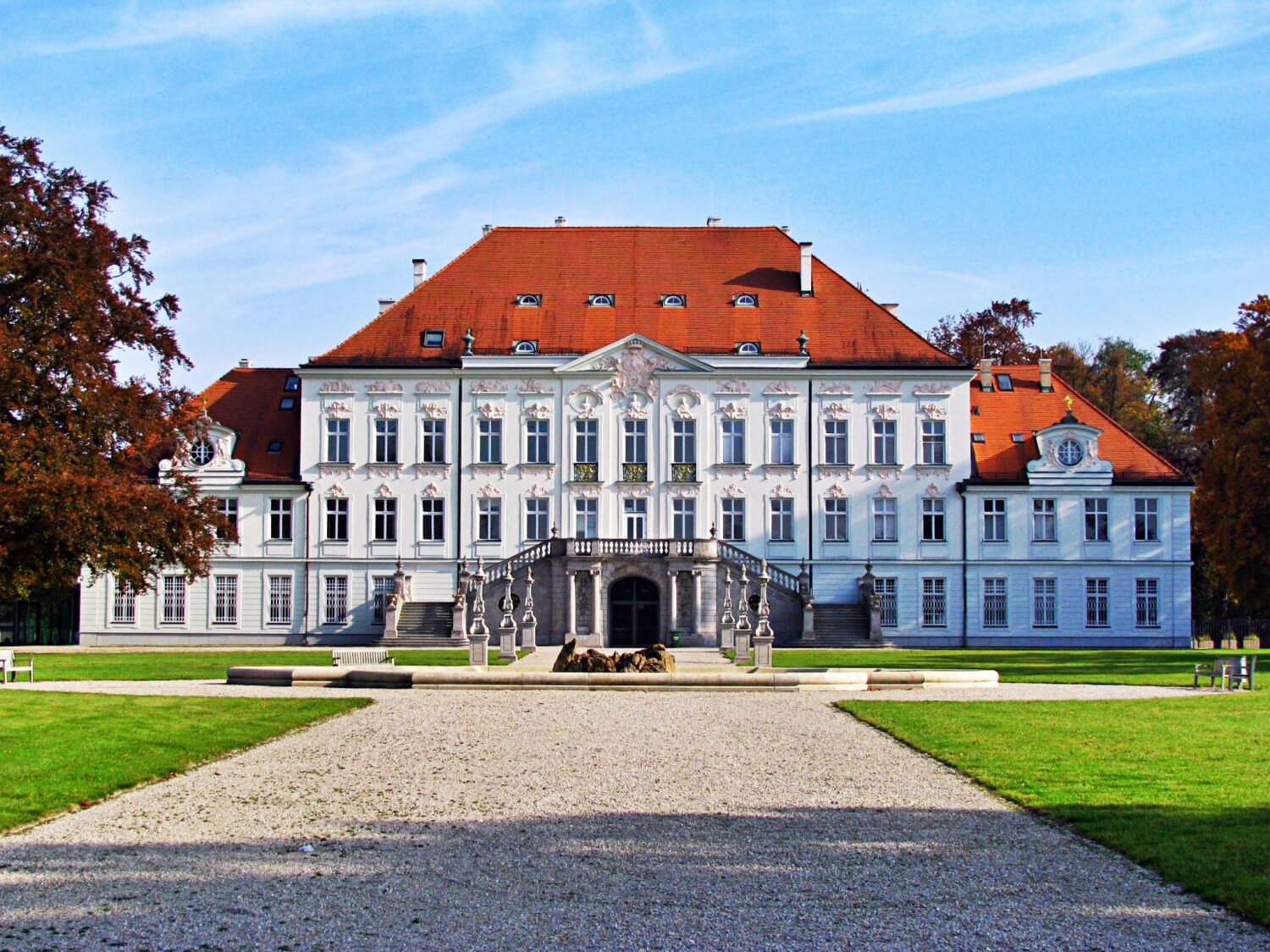
Schloss Haimhausen
Oberbayern
10.3km
castle, chateau
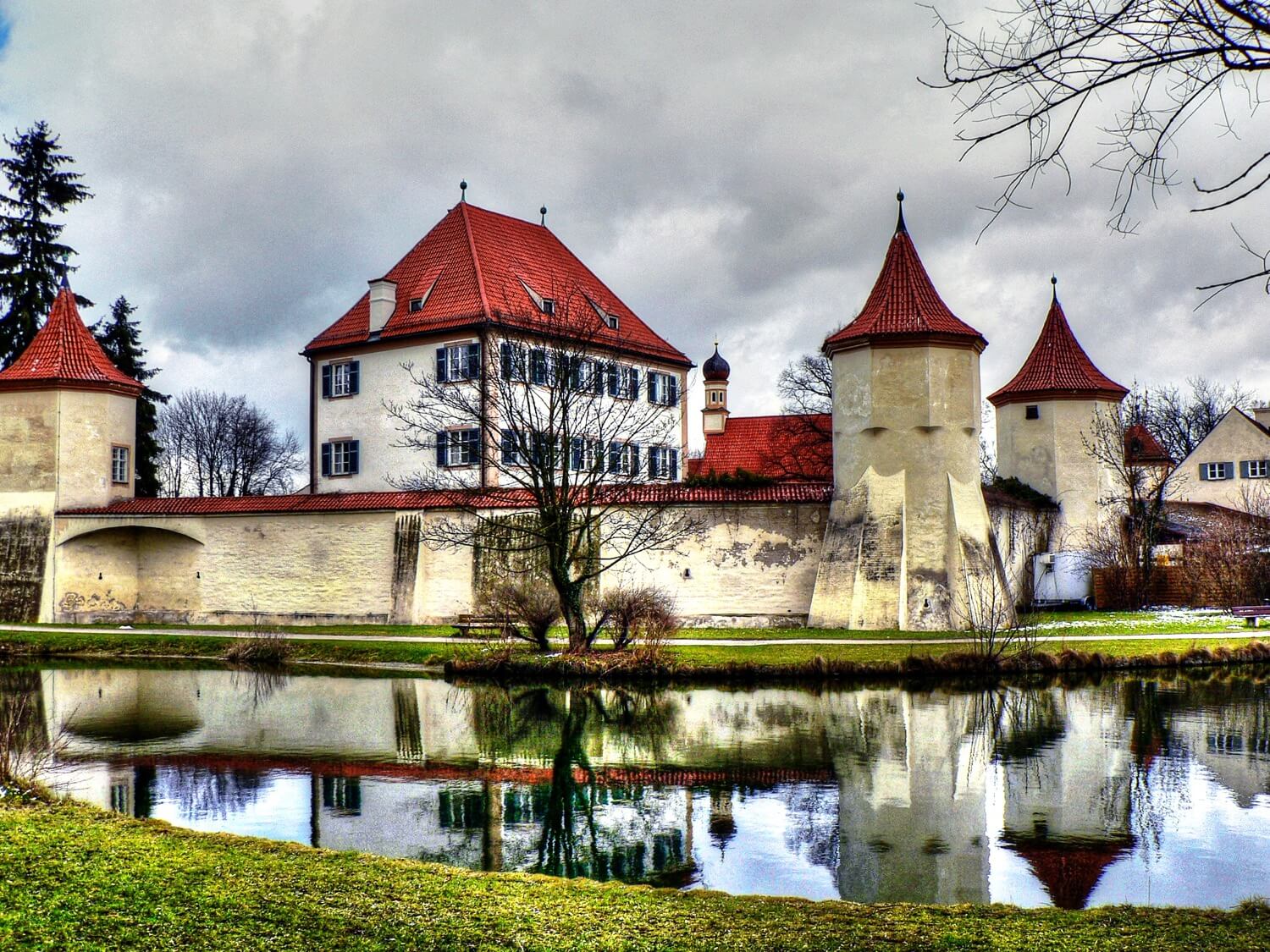
Blutenburg Castle
Oberbayern
10.7km
castle, chateau
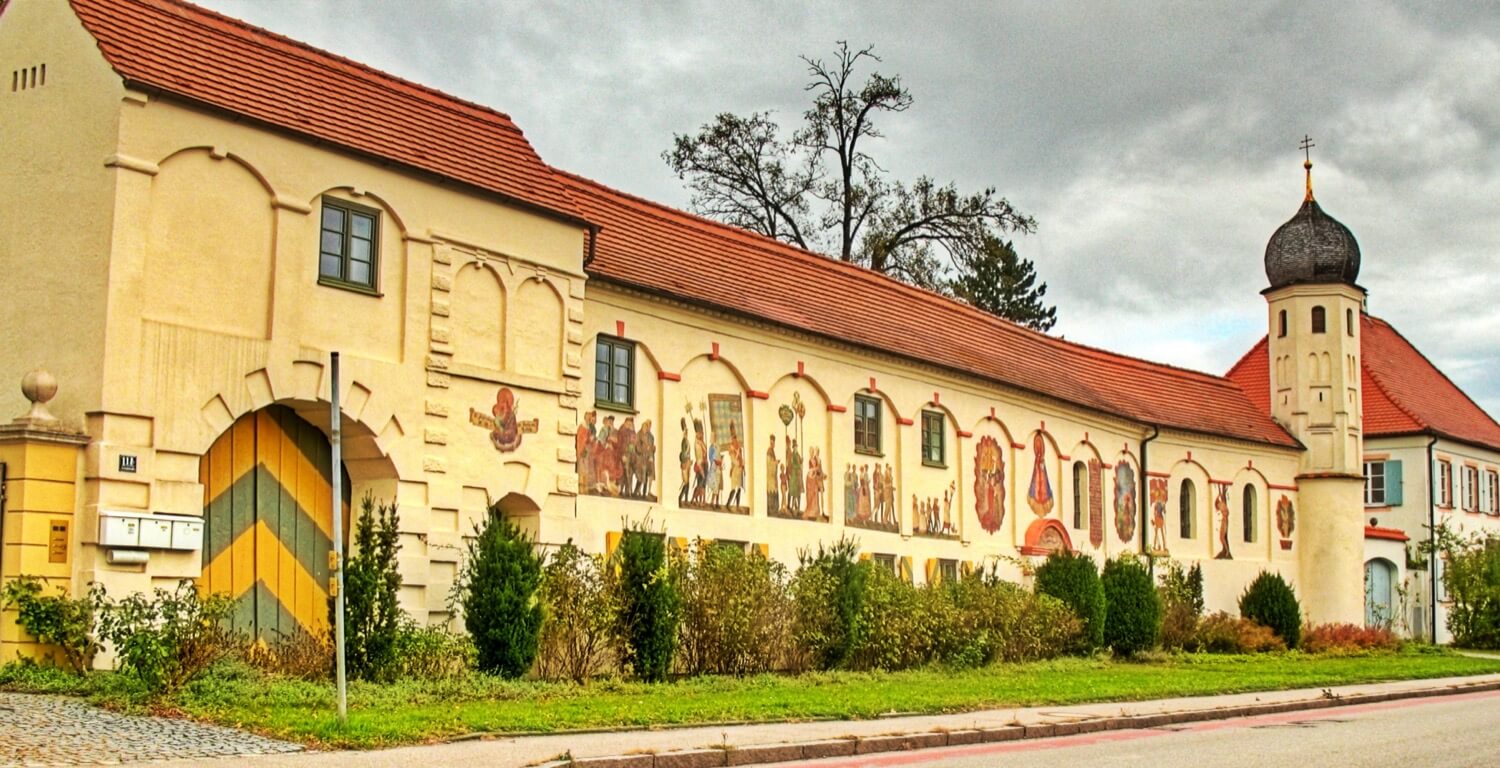
Schloss Esting
Oberbayern
11.2km
castle, chateau