Vranov nad Dyjí Chateau
Znojmo Jihomoravský kraj Czech Republic
castle, chateau
Státní zámek Vranov nad Dyjí
Znojmo Jihomoravský kraj Czech Republic
castle, chateau
Vranov's location was first mentioned by Cosmas of Prague in 1100 as a border sentry castle (oppidum (et) castrum Wranou)
Barokní zámek byl původně vybudovaný jako jeden z prvků podyjské obranné soustavy při jižní hranici země
Previous names
Vranov nad Dyjí Chateau, Státní zámek Vranov nad Dyjí
Description
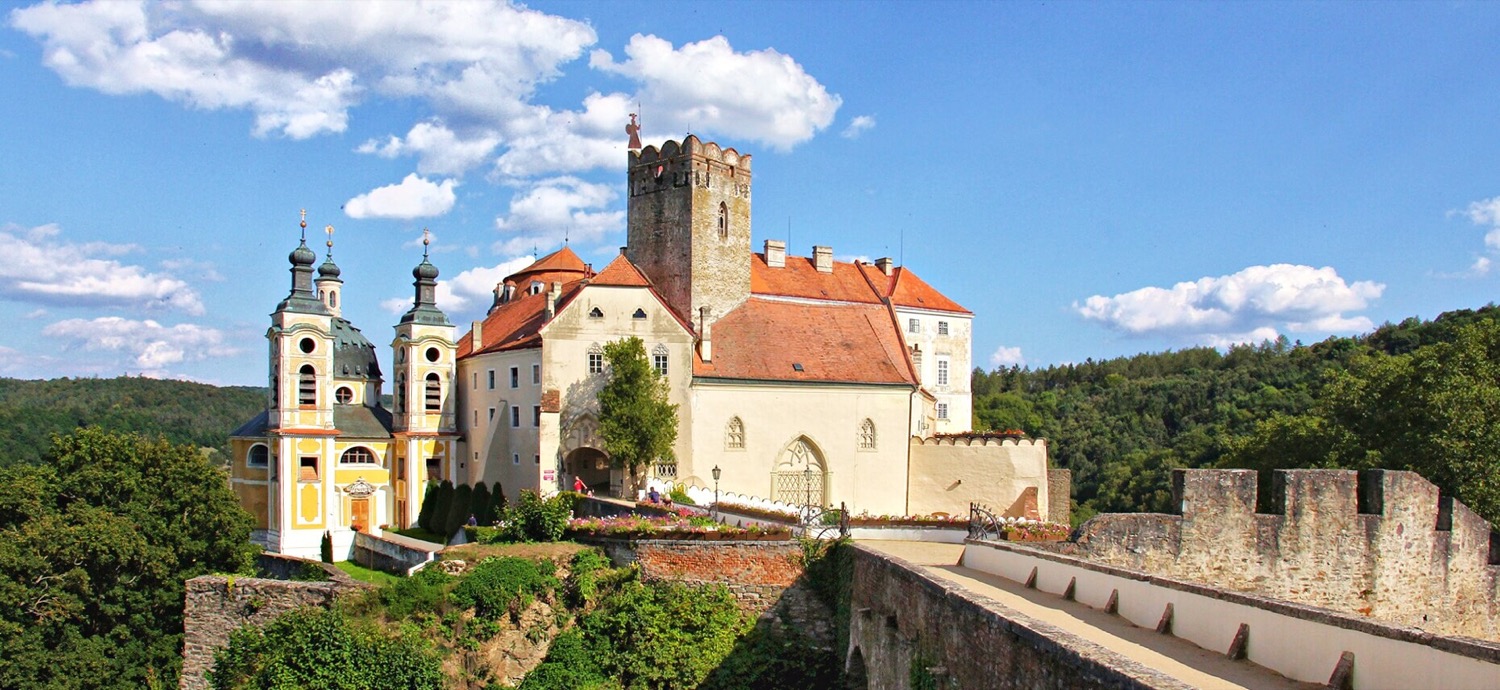
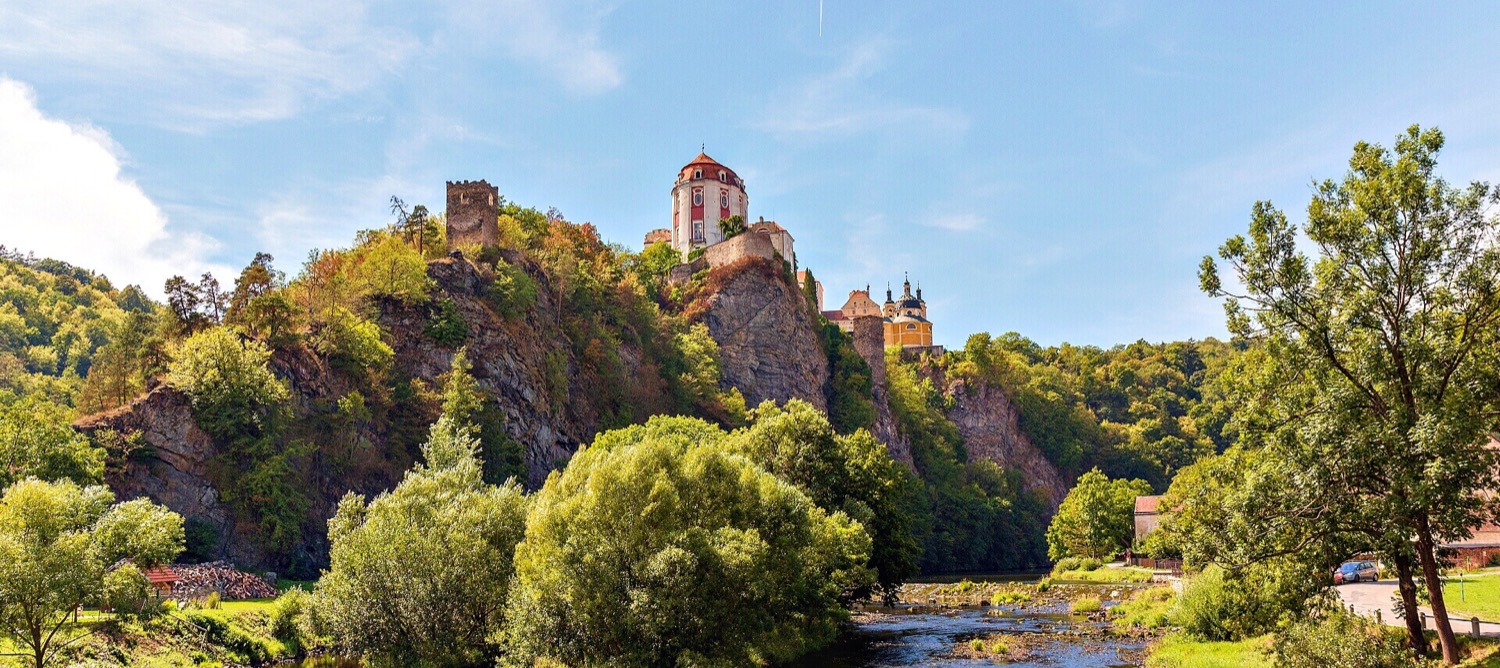
Vranov's location was first mentioned by Cosmas of Prague in 1100 as a border sentry castle (oppidum (et) castrum Wranou). It was built by the Dukes of Bohemia to defend the southern border of Moravia against raids from the neighbouring Austrian March. Until 1323 the castle was in royal hands but in that year king John of Bohemia pawned Vranov to a powerful Bohemian nobleman, the viceroy Jindřich of Lipá.
In 1421, during the disturbances of the Hussite Wars the Bohemian noble family of Lichtenburg took control of the castle and the contiguous market town. In 1499 it definitely passed on to Lichtenburgs as hereditary possession by the king Vladislaus II of Bohemia and Hungary. The Lichtenburg family held Vranov for almost a century, until 1516.
In the 16th century, Vranov frequently changed the holders. Probably the most significant owners were lords from the Bavarian family of Althann, cousins of the Princes of Belmonte. Wolf Dietrich of Althann purchased the castle in 1614.
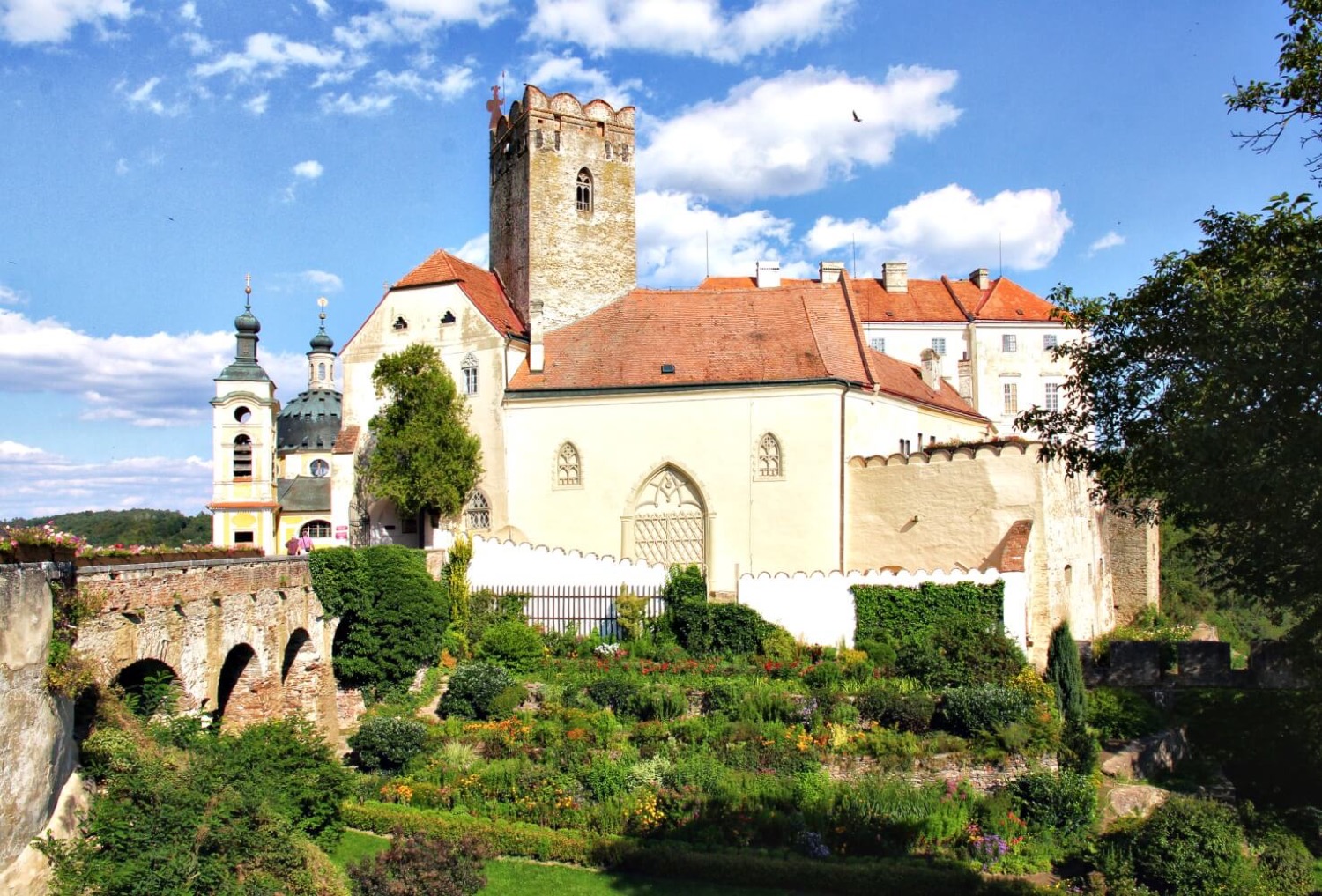
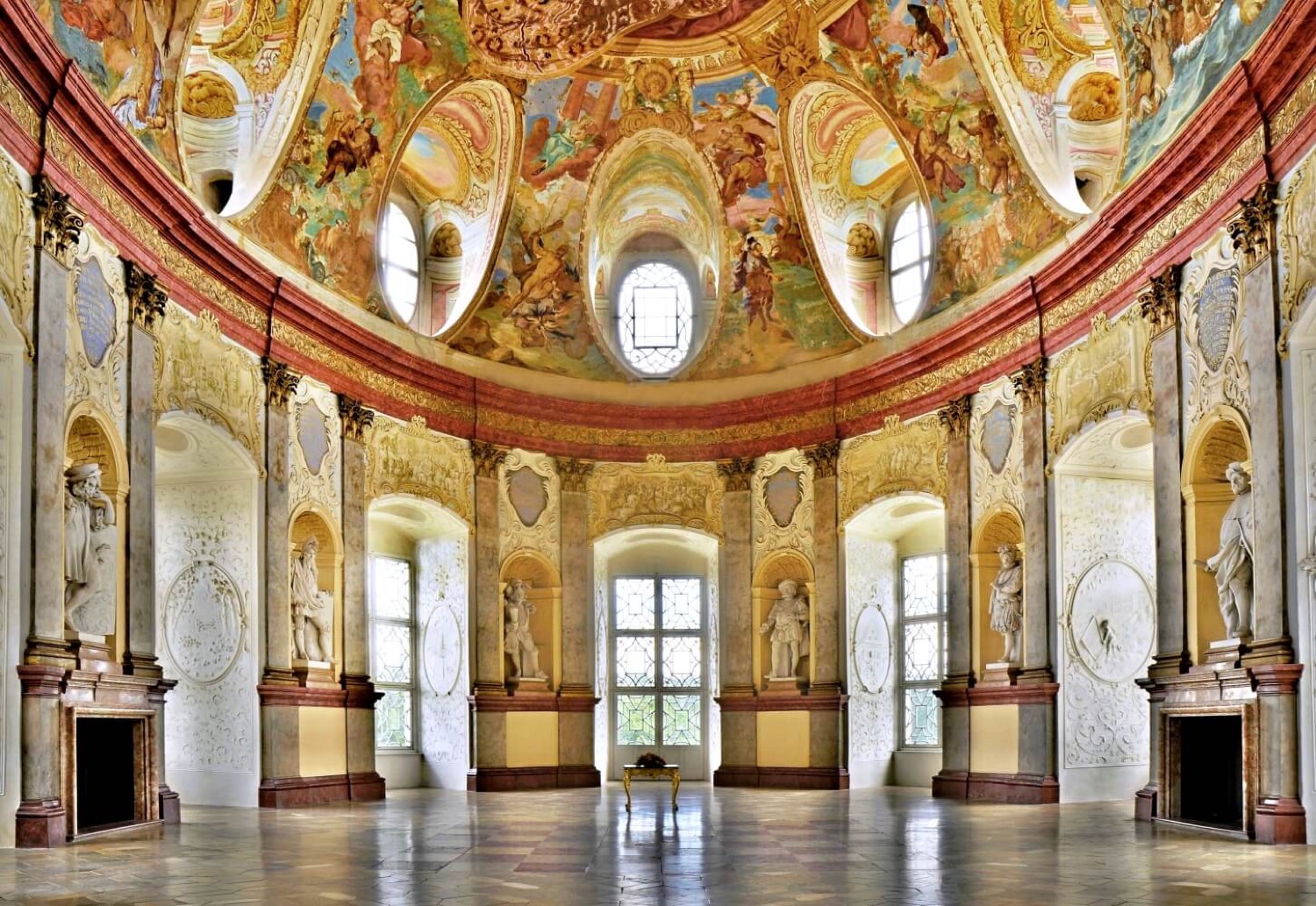
Michael Johann II Althann recovered the Vranov estate for the family in 1680. He commissioned the famous Austrian architect Johann Bernhard Fischer von Erlach to design a grand hall, known as ‘the Hall of the Ancestors’ in the Baroque style as a memorial to his Althann ancestors. It was built between 1687 and 1695. It’s an oval construction surmounted by an imposing cupola and became a dominant feature of Vranov. An Austrian sculptor, Tobias Kracker, created large statues of the ancestors in niches around the walls and another Austrian artist, Johann Michael Rottmayr, painted an allegorical glorification of the Althann family in the cupola. To complement the Hall of the Ancestors with a spiritual element, Fischer von Erlach designed a Baroque chapel, the Chapel of the Holy Trinity, which incorporated an Althann family vault. The richly decorated chapel was built in two years (1699 and 1670). After the death of Michael Johann II Althann more grand buildings were constructed, completing the transformation of the original castle complex into an up-to-date Baroque chateau.
Barokní zámek byl původně vybudovaný jako jeden z prvků podyjské obranné soustavy při jižní hranici země. První písemný doklad o jeho existenci najdeme už v Kosmově kronice (k roku 1100). Zpočátku to byl královský majetek. V 15. století ho získal bohatý a mocný rod Lichtenburků, v průběhu 16. století se tu střídali v krátkých intervalech různí majitelé jako například Ditrichštejnové, Štrejnové ze Švarcenavy, Čertorejští, Meziříčtí z Lomnice ap. Za třicetileté války hrad obléhali a poškodili Švédové a zkázu pak dovršil rozsáhlý požár v roce 1665.
Po částečném zničení hradu v roce 1665 zahájili tehdejší majitelé Althannové podle plánů J. B. Fischera z Erlachu přestavbu na barokní zámek. Architektonickým těžištěm zámku se stal Sál předků o rozměrech 25 × 15 × 15 m se sochami předků pánů z Althannu a freskou v kupoli od Johanna Michaela Rottmayra. Další součástí zámku je barokní zámecká kaple Nejsvětější Trojice z přelomu 17. a 18. století. Z nejstaršího období se dochovala pouze hradební zeď a tři věže. Další stavební úpravy následovaly ještě v 18. století, kdy bylo upraveno i zámecké okolí na přírodní park s řadou drobných staveb.
V 19. století vlastnili vranovské dominium i se zámkem dva spřízněné rody polského původu: Mniszkové a Stadničtí, kteří se mimo jiné zaměřili na dovršení úprav krajinářského parku budovaného již za Althannů v druhé polovině 18. století. Za druhé světové války koupil zámek jako říšský konfiskát německý baron Gebhard von der Wense-Mörse. Po jejím skončení se zámek stal státním majetkem.
Useful information
Parking of motor vehicles in front of the lock is not possible. For this purpose, large and except for the seasonal season, the guarded parking lot at the road at the end of Vranov (towards Podmýč) serves. Visitors can take a 600-meter-long pedestrian walking path to the main entrance to the castle.
https://www.zamek-vranov.cz/cs/informace-pro-navstevniky/vstupne
https://www.zamek-vranov.cz/cs/informace-pro-navstevniky/vstupne
https://www.zamek-vranov.cz/cs/informace-pro-navstevniky/vstupne
Free:
- Children under 6 years, ZTP / P and ZTP / P, ZTP 18 years, cardholders ICOM, ICOMOS, Association of Museums and Galleries, holders zaměsnaneckých certificates of the National Heritage Institute and journalists after the previous accreditation in the management of the castle
- Children up to 6 years
-
External links
Nearby castles
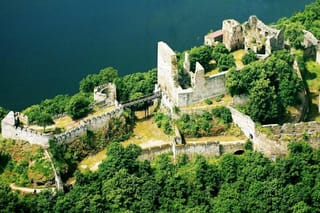
Cornštejn Castle
Znojmo
8.4km
castle, chateau
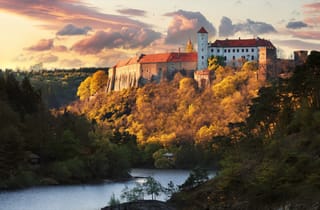
Bítov Castle
Znojmo
9.9km
castle, chateau
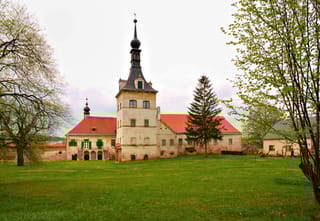
Uherčice Chateau
Znojmo
13.2km
castle, chateau
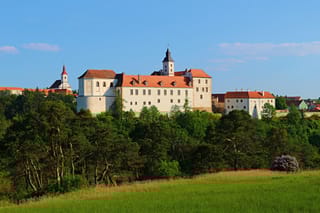
Jevišovice Castle
Znojmo
16.9km
castle, chateau
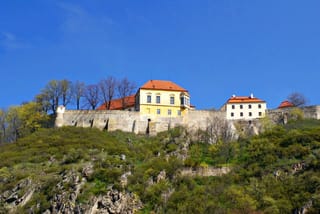
Znojmo Castle/Deblín Chateau
Znojmo
17.4km
castle, chateau
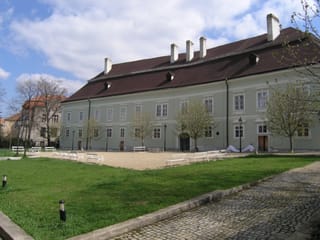
Moravské Budějovice Chateau
Třebíč
17.7km
castle, chateau
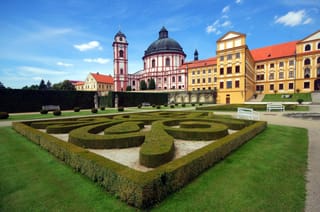
Jaroměřice Chateau
Třebíč
23.1km
castle, chateau