Hrádek u Nechanic Chateau
Hradec Králové Královéhradecký kraj Czech Republic
castle, chateau
Zámek Hrádek u Nechanic
Hradec Králové Královéhradecký kraj Czech Republic
castle, chateau
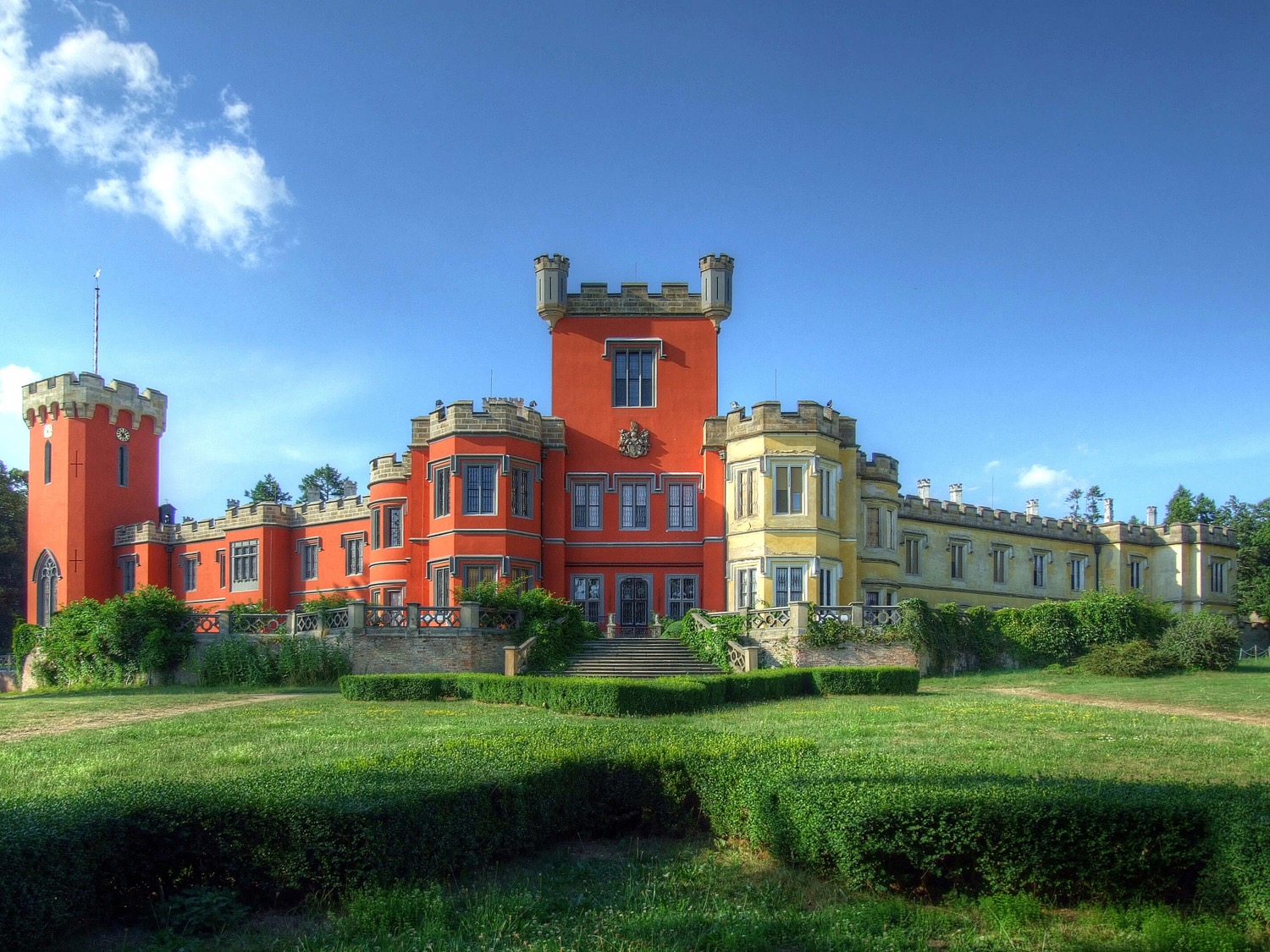
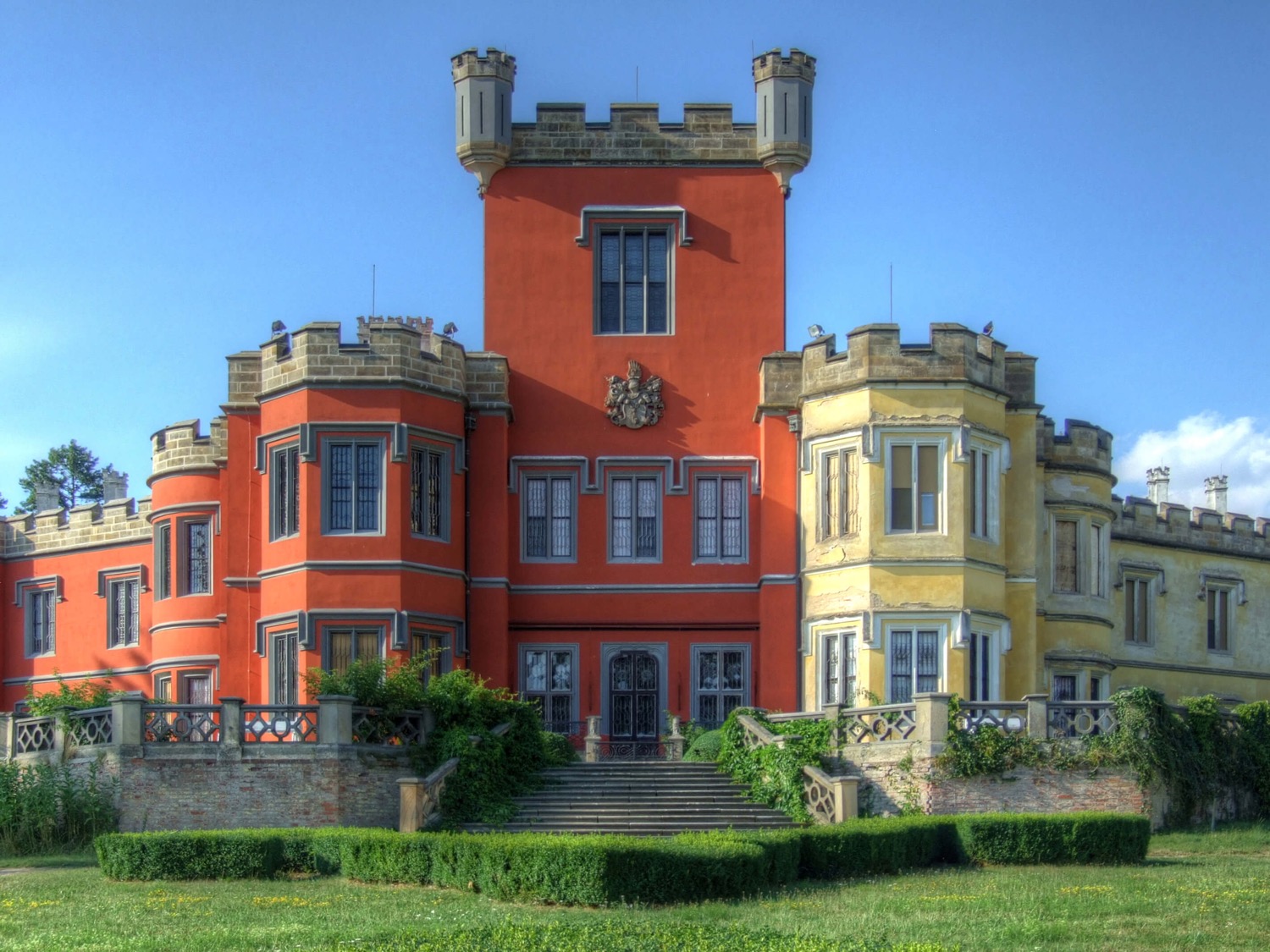
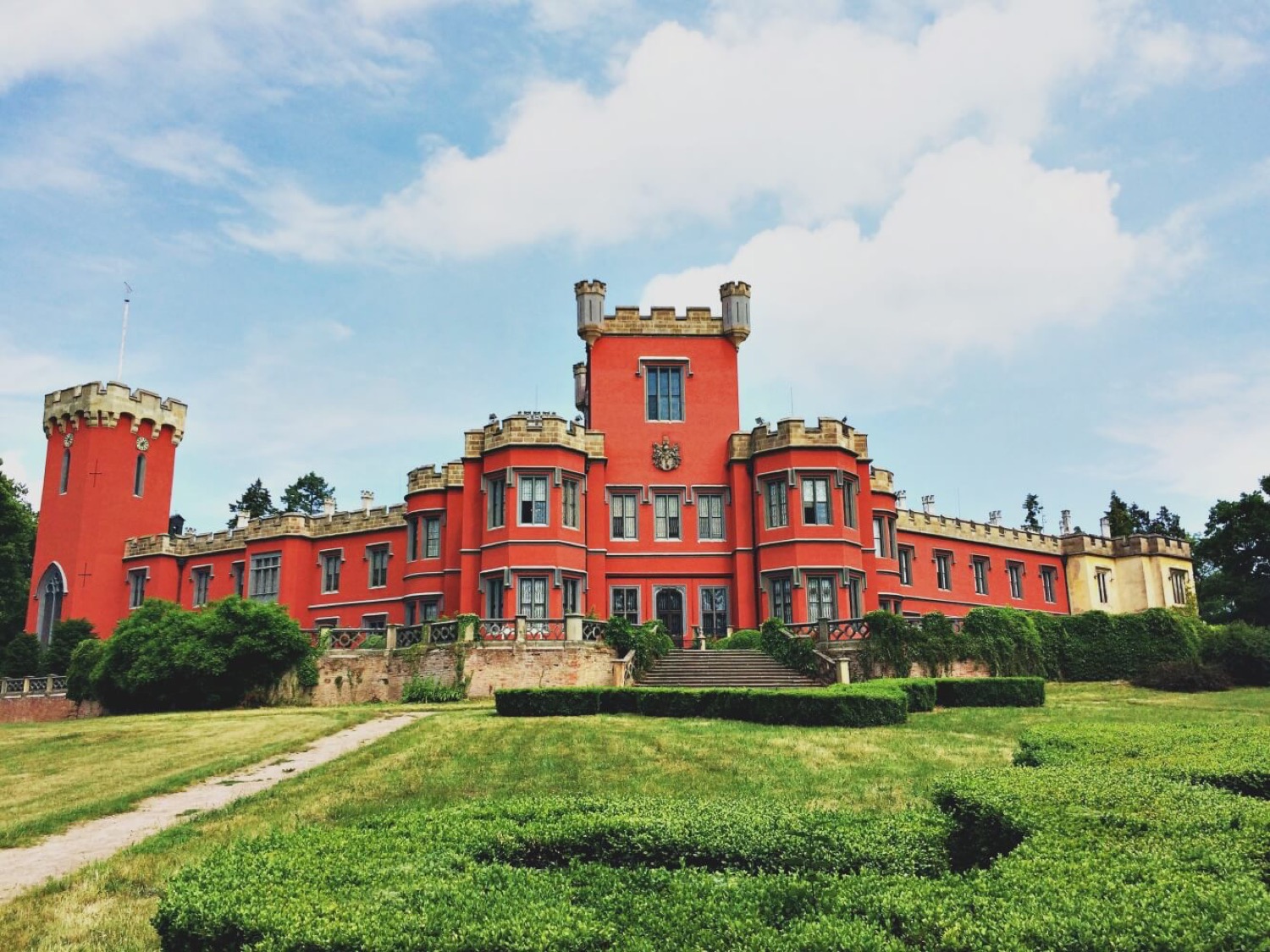
Hrádek u Nechanic is a 19th-century Gothic style Romantic château near the town of Hrádek in the Hradec Králové Region of the Czech Republic
V roce 1829 koupili sádovské panství spolu s Nechanicemi od Schafgotschů Harrachové a rozhodli se na tzv
Previous names
Hrádek u Nechanic Chateau, Zámek Hrádek u Nechanic
Description
Hrádek u Nechanic is a 19th-century Gothic style Romantic château near the town of Hrádek in the Hradec Králové Region of the Czech Republic. In 2001 Hrádek u Nechanic was declared part of the National Cultural Heritage. The chateau is administered by the National Heritage Trust and the Ministry of Culture.
Hrádek u Nechanic was built between 1839 and 1857 as a representative and summer seat by Count František Arnošt of Harrach, one of the most important representatives of the Jilemnice dynasty. The young Austrian architect Karl Fischer led building operations and suggested decoration of the chateau's interior. The chateau was designed by the English architect Edward Buckton Lamb. It is referred to as “Little Hluboká” because it resembles to Hluboka Chateau in southern Bohemia. Most of the furniture was made by local artisans. The remainder of the interior was brought from Italy and Austria. Around the same time, L. Krüger converted part of the local forest into a park. In the left part of the park, a reserve and pheasantry were founded. In 1945, the chateau was confiscated because of the Beneš decrees.
V roce 1829 koupili sádovské panství spolu s Nechanicemi od Schafgotschů Harrachové a rozhodli se na tzv. Lubenském vrchu postavit nový zámek. Zámek byl postaven v letech 1839–1854 jako hlavní, reprezentativní sídlo hrabat z Harrachu Františkem Arnoštem hrabětem z Harrachu. Projekt zámecké budovy ve stylu romantické neogotiky, tzv. Tudorské gotiky byl vypracován dle nerealizovaného projektu přestavby anglického zámku Crewe Hall od E. B. Lamba z poloviny 17. století. Projekt upravil a v detailech provedl významný rakouský architekt Karel Fischer. Ten také navrhoval veškeré interiéry zámku. Okolí zámku bylo současně s výstavbou upraveno jako anglický park. V části vznikla též obora a bažantnice.
Nedlouho po dostavbě zámku byla svedena v okolí bitva u Hradce Králové. V samotném zámku byl tehdy zřízen vojenský lazaret.
V roce 1945 se stal zámek sídlem generálmajora Govorova, náčelníka jedné z armád Ukrajinského frontu Rudé armády. Roku 1945 byl zámek na základě tzv. Benešových dekretů znárodněn. Od roku 1953 je zpřístupněn veřejnosti. Roku 2001 byl prohlášen národní kulturní památkou.
Nearby castles
Barchov Chateau
Hradec Králové
7.4km
castle, chateau
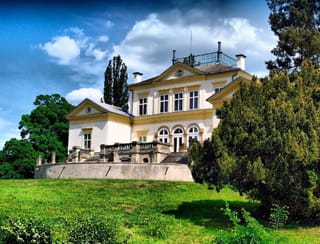
Dobřenice Chateau
Hradec Králové
8.3km
castle, chateau
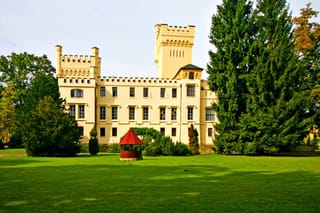
Skřivany Chateau
Hradec Králové
12.6km
castle, chateau
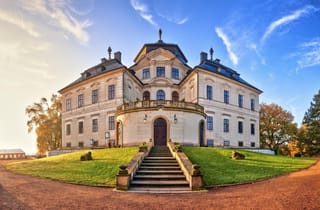
Karlova Koruna Chateau
Hradec Králové
17.0km
castle, chateau
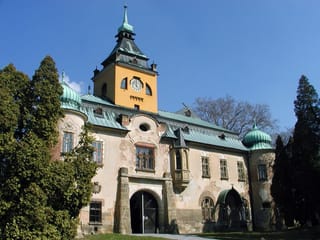
Holovousy Chateau
Jičín
18.1km
castle, chateau
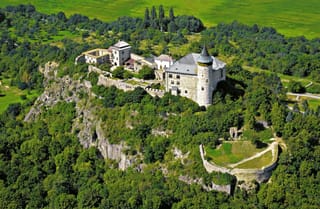
Kunětická Hora Castle
Pardubice
19.0km
castle, chateau
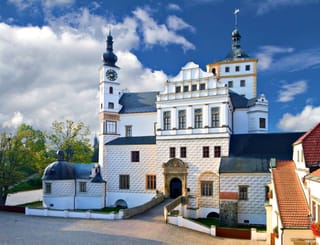
Pardubice Chateau
Pardubice
21.8km
castle, chateau