Kasteel van Heilissem
Brabant Wallon Région Wallonne Belgium
manor, mansion
Château d’Hélécine
Brabant Wallon Région Wallonne Belgium
manor, mansion
Kasteel van Heilissem
Brabant Wallon Région Wallonne Belgium
manor, mansion
Heylissem abbey was founded in the early 12th century by the lord René de Zetrud
L’abbaye d’Heylissem fut fondée au début du 12e siècle par le seigneur René de Zetrud
De Abdij van Heylissem werd gesticht in het begin van de 12e eeuw door de Heer René de Zetrud
Previous names
Kasteel van Heilissem, Château d’Hélécine, Kasteel van Heilissem
Description
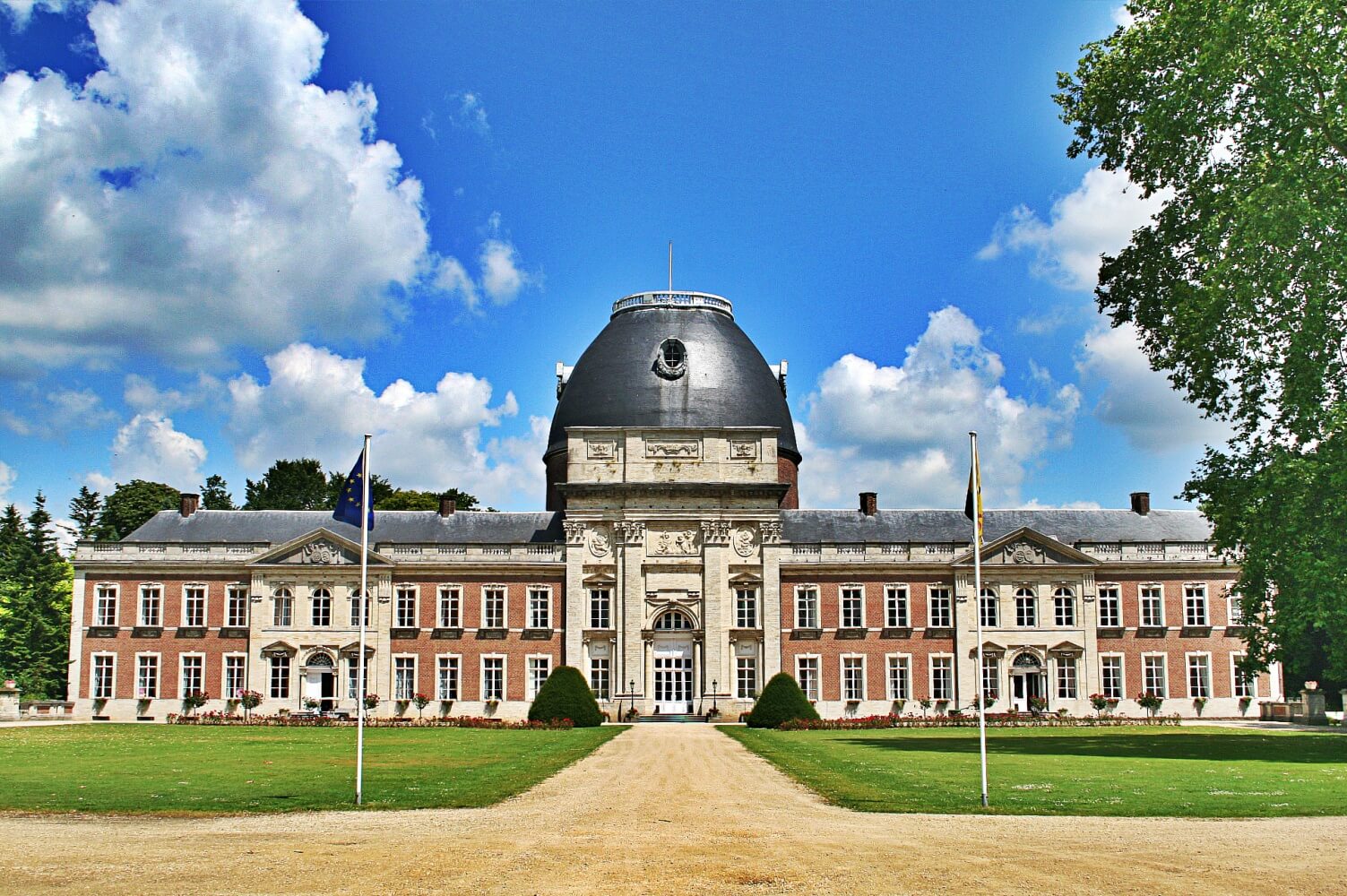
Heylissem abbey was founded in the early 12th century by the lord René de Zetrud. At that time, the Norbertine canons, a very rich and powerful Hesbaye community, had established themselves on the site.
For the next two centuries, Heylissem abbey greatly increased its wealth to then consolidate its religious its religious authority. The abbey also had several windmills and a brewery and several farms, which it worked to provide for its needs.
The strategic position of Heylissem abbey, located on the border with the State of the Duchy of Brabant, on the Hesbay side, ensured its protection against the Dukes of Brabant, which gave it a fortress role. The abbey and the surrounding area were the scene of battles on several occasions.
In the 16th and 17th centuries, the bloody wars regularly forced the monks to flee the premises, and then return to repair the damage. The convent buildings were burnt down during the war of 1507; the church, the refectory, the dormitory and the abbot’s house were also burnt down in 1568 following the Wars of religion; the abbey was occupied by the Prince of Orange and his troops in 1635; and it was sacked in 1693 following the battle of Neerwinden.
Peace finally came to Heylissem Abbey in the 18th century, which would enable it to increase its wealth once more and above all attain some measure of splendour.
The job of rebuilding the abbey was entrusted to the Brussels architect Laurent Dewez. He is responsible for the basic form of the current dome.
After the French revolution, the abbey was deconsecrated and became a château, which would pass from hand to hand, until it was converted into a beetroot sugar factory, on the orders of its owner, Gustave van den Bossche in the early 19th century.
At the end of the 19th century, the architect Alphonse Balat was called upon to carry out several conversions: he raised the dome and added a terrace surrounded by a balustrade. The lateral façade was also reworked in a neoclassical style.
In 1962, Brabant Provincial Council bought back the château, its outhouses and the park, which it opened to the general public.
Between 2018 and 2023, Walloon Brabant is going to invest €22,000 in Hélécine Château to transform the place, with restorations and new developments, in order to redeploy its services offer and expand its leisure areas, preserving its historical heritage at the same time.
L’abbaye d’Heylissem fut fondée au début du 12e siècle par le seigneur René de Zetrud. À cette époque, les chanoines norbertins, communauté très riche et puissante de Hesbaye, étaient implantés sur le site.
Durant les deux siècles suivants, l’abbaye d’Heylissem a fortement accru son patrimoine pour affermir ensuite son autorité religieuse. L’abbaye possédait d’ailleurs plusieurs moulins et une brasserie en plus desquels la communauté exploitait de nombreuses fermes afin de subvenir à ses besoins.
La position stratégique de l’abbaye d’Heylissem, située à la frontière des États du Duché de Brabant, du côté de la Hesbaye, a permis d’assurer sa protection auprès des Ducs de Brabant, qui lui ont donné un rôle de forteresse. À plusieurs reprises, l’abbaye et ses alentours furent le terrain de combats.
Aux 16e et 17e siècles, les guerres sanglantes forcèrent régulièrement les moines à abandonner les lieux, puis à y revenir pour réparer les dommages. Les bâtiments conventuels furent brûlés lors de la guerre de 1507 ; l’église, le réfectoire, le dortoir et la maison abbatiale furent également brûlés en 1568 à la suite des Guerres de religion ; l’abbaye fut occupée par le Prince d’Orange et ses troupes en 1635 ; et elle fut saccagée en 1693 suite à la bataille de Neerwinden.
Il faut attendre le 18e siècle pour que la tranquillité s’installe à l’abbaye d’Heylissem, ce qui permettra d’agrandir à nouveau son patrimoine et surtout d’accéder à un certain niveau de splendeur.
Le soin de rebâtir l’abbaye fut confié à l’architecte bruxellois Laurent Dewez. C’est à lui que l’on doit la forme générale du dôme actuel.
Après la Révolution française, l’abbaye fut désacralisée et devint un château qui passera de main en main, jusqu’au moment où le domaine fut reconverti en une fabrique de sucre de betteraves, sous l’impulsion de son propriétaire Gustave van den Bossche au début du 19e siècle.
Fin du 19e, il fit appel au célèbre architecte Alphonse Balat pour apporter quelques transformations : il rehaussa le dôme et ajouta une terrasse entourée d’une balustrade. La façade latérale fut également retravaillée dans un style néoclassique.
En 1962, la Province de Brabant racheta le château, ses dépendances et le parc, qu’elle ouvrit au grand public.
De 2018 à 2023, le Brabant wallon va investir 22 000 000 € au Château d’Hélécine pour métamorphoser ce lieu, entre restaurations et nouveaux aménagements, afin de redéployer l’offre de services et d’étoffer les zones de loisirs, tout en permettant la préservation de ce patrimoine historique.
De Abdij van Heylissem werd gesticht in het begin van de 12e eeuw door de Heer René de Zetrud. In die tijd waren Norbertijner kanunniken, een zeer rijke en machtige gemeenschap in Haspengouw, ingeplant op de site.
In de twee daaropvolgende eeuwen kon de Abdij van Heylissem haar patrimonium fors uitbreiden en zij verstevigde nadien ook haar religieuze autoriteit. De Abdij bezat toen verschillende molens, een brouwerij en een aantal boerderijen die voorzagen in haar behoeften.
Vanwege de strategische ligging van de Abdij, aan de grens van het Hertogdom Brabant langs de kant van Haspengouw, genoot ze bescherming van de Hertogen van Brabant die haar de rol van versterking toekenden. Verschillende keren werd strijd geleverd rond de Abdij en in haar omgeving.
In de 16e en 17e eeuw dwongen bloedige oorlogen de monniken verschillende keren om de Abdij te verlaten, maar telkens keerden ze terug om de schade te herstellen. De abdijgebouwen gingen een eerste keer in rook op tijdens de oorlog van 1507. De kerk, de refter de slaapzaal en de woning van de abt werden in 1568, tijdens de Godsdienstoorlogen, opnieuw in brand gestoken. In 1635 werd de Abdij bezet door de Prins van Oranje en zijn leger, in 1693 werd ze geplunderd na de slag van Neerwinden.
Wij moeten wachten tot de 18e eeuw om de rust te zien terugkeren in de Abdij van Heylissem. In die periode kon ze opnieuw haar patrimonium uitbreiden en bereikte ze een zeker niveau van praal.
Het weer opbouwen van de Abdij werd toevertrouwd aan de Brusselse architect Laurent Dewez. Aan hem danken we de algemene vorm van de huidige koepel.
Na de Franse Revolutie werd de Abdij ontwijd en kreeg een bestemming als kasteel dat in verschillende handen overging, tot het in het begin van de 19e eeuw door de toenmalige eigenaar, Gustave van den Bossche, in gebruik werd genomen als bietsuikerfabriek.
Op het einde van de 19e eeuw werd beroep gedaan op de beroemde architect Alphonse Balat voor enkele verbouwingen: hij verhoogde de koepel en voegde een terras met een balustrade toe. Ook werd de zijgevel herwerkt in een neoclassicistische stijl.
In 1962 kocht de Provincie Brabant het kasteel, de bijgebouwen en het park dat werd opengesteld voor het grote publiek.
Van 2018 tot 2023 zal Waals-Brabant 22.000.000 euro investeren voor een metamorfose van het Kasteel van Hélécine. Restauraties en nieuwe voorzieningen moeten het dienstenaanbod uitbreiden en de vrijetijdszone meer stofferen, terwijl anderzijds het kasteel als historisch erfgoed zal bewaard blijven.
Nearby castles
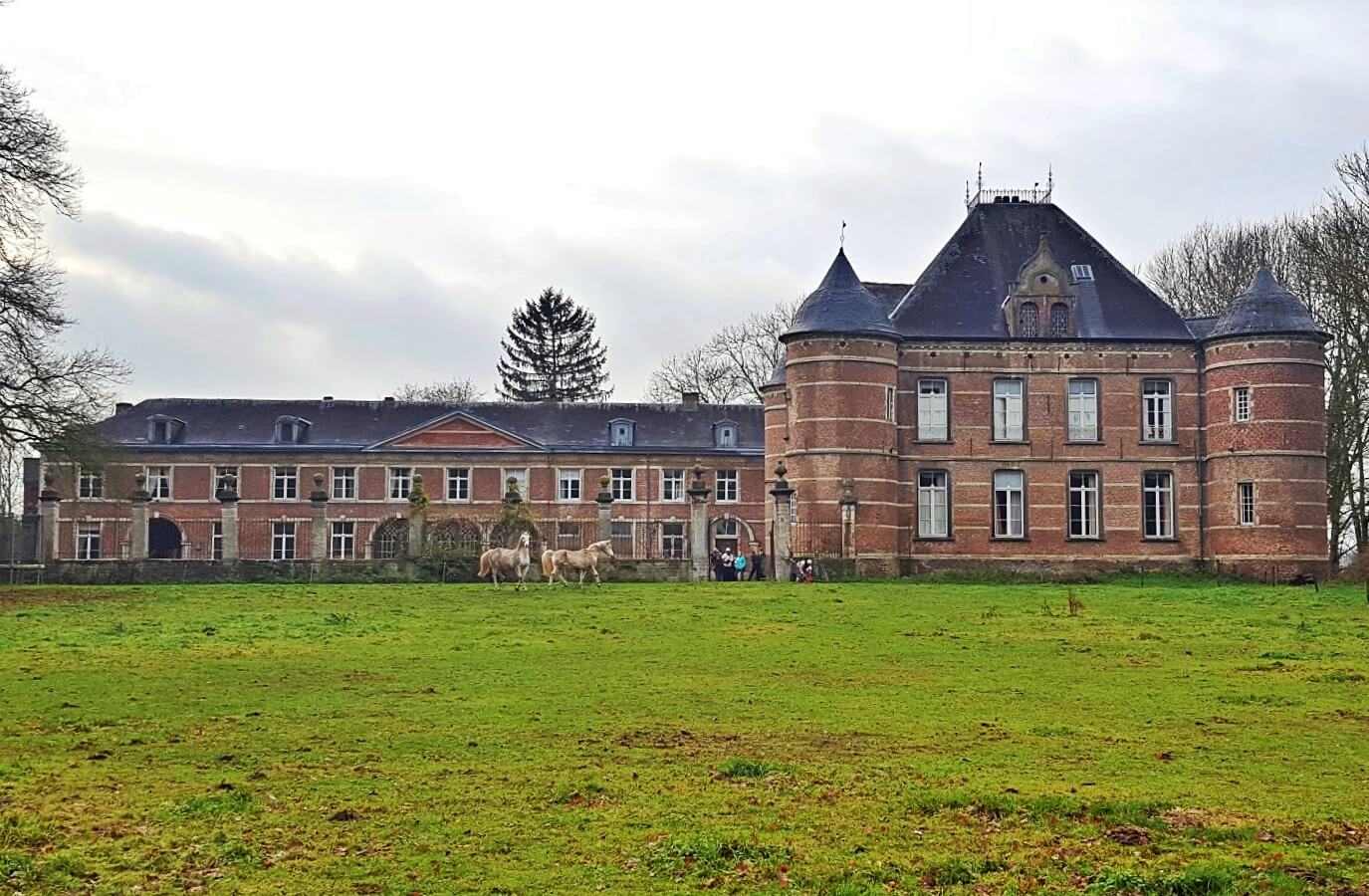
Kasteel van Oorbeek
Vlaams-Brabant
8.1km
manor, mansion
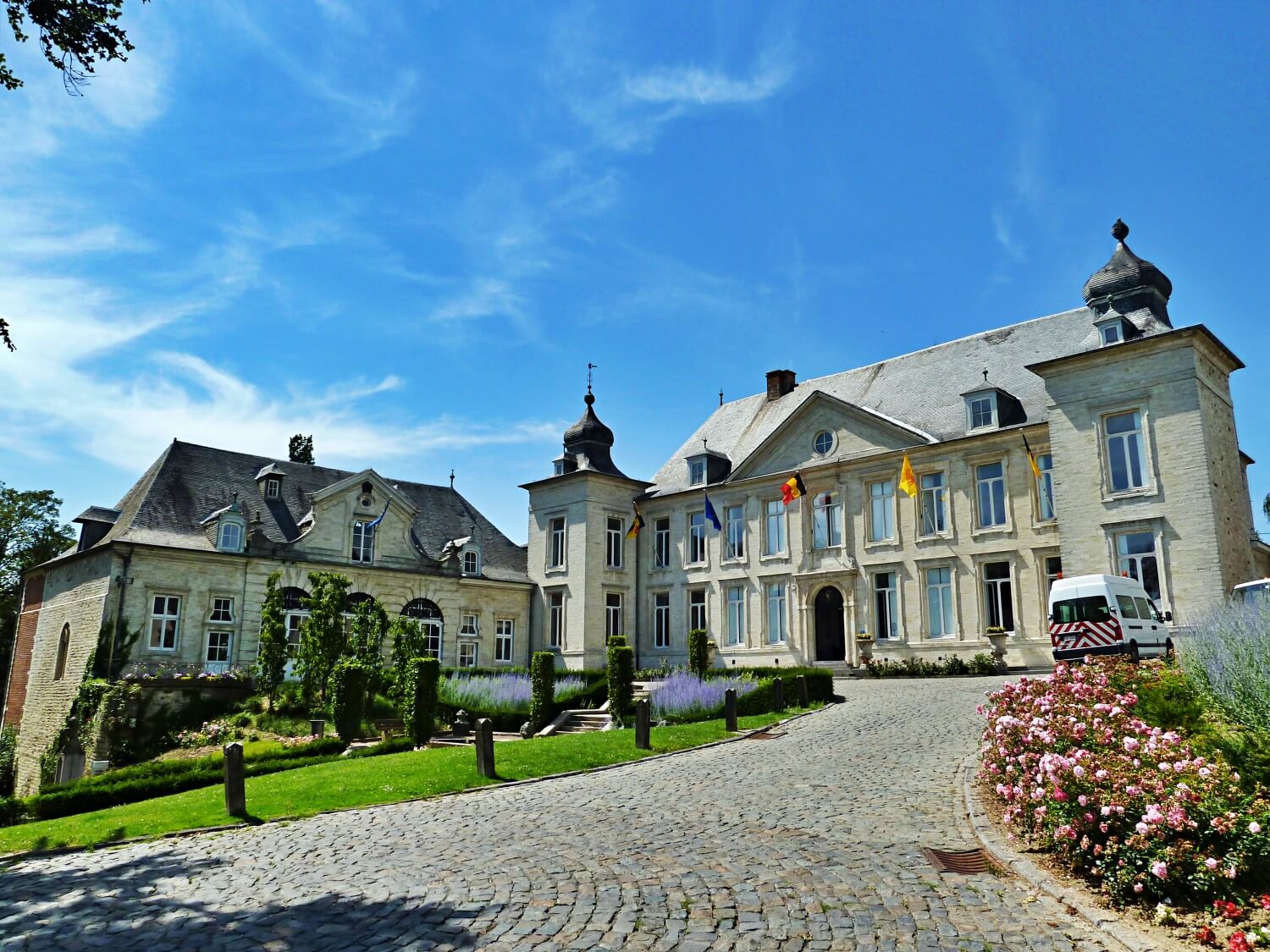
Pastur Castle
Brabant Wallon
8.3km
castle, chateau
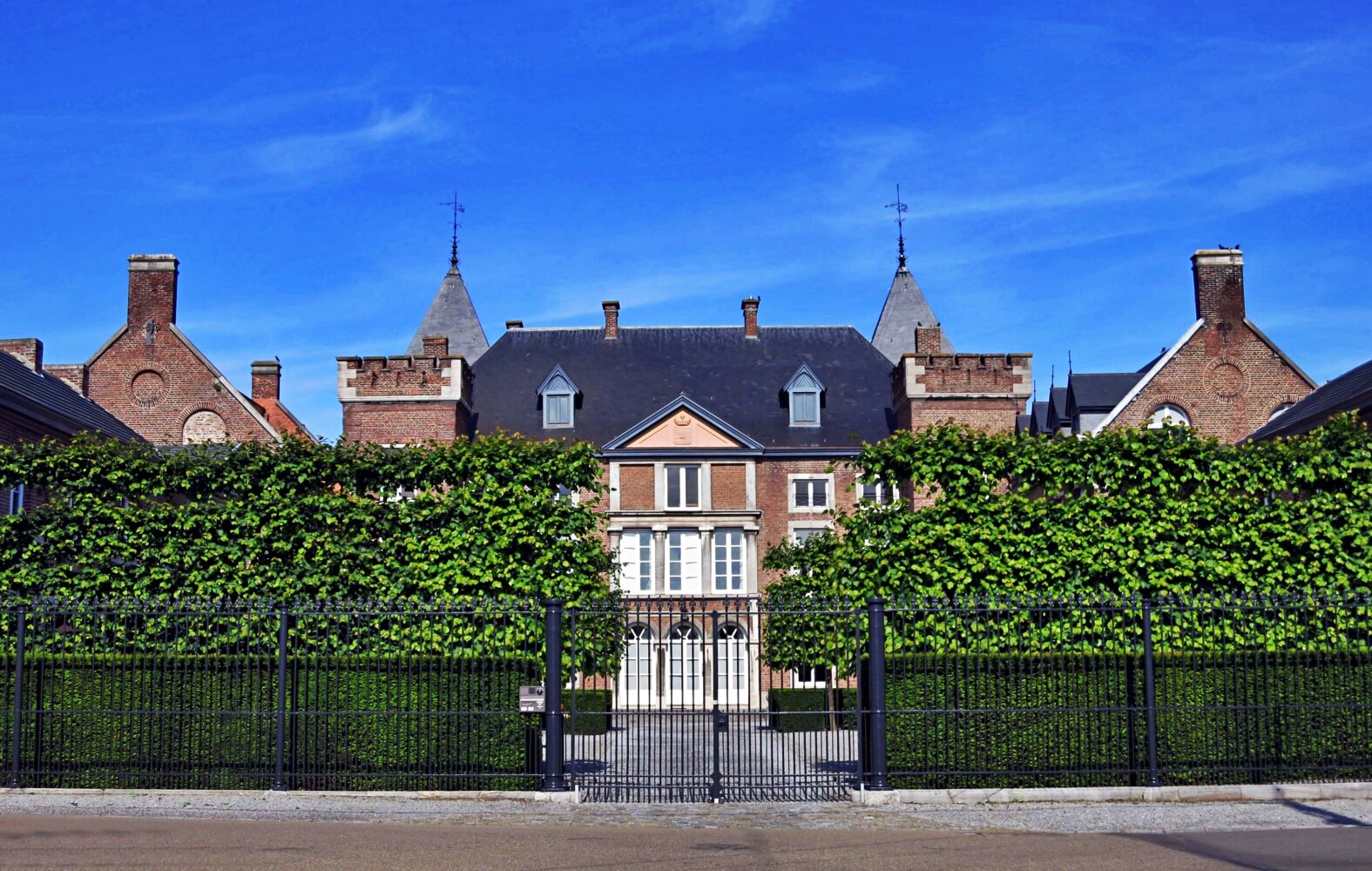
Kasteel van Gingelom
Limburg
10.6km
manor, mansion
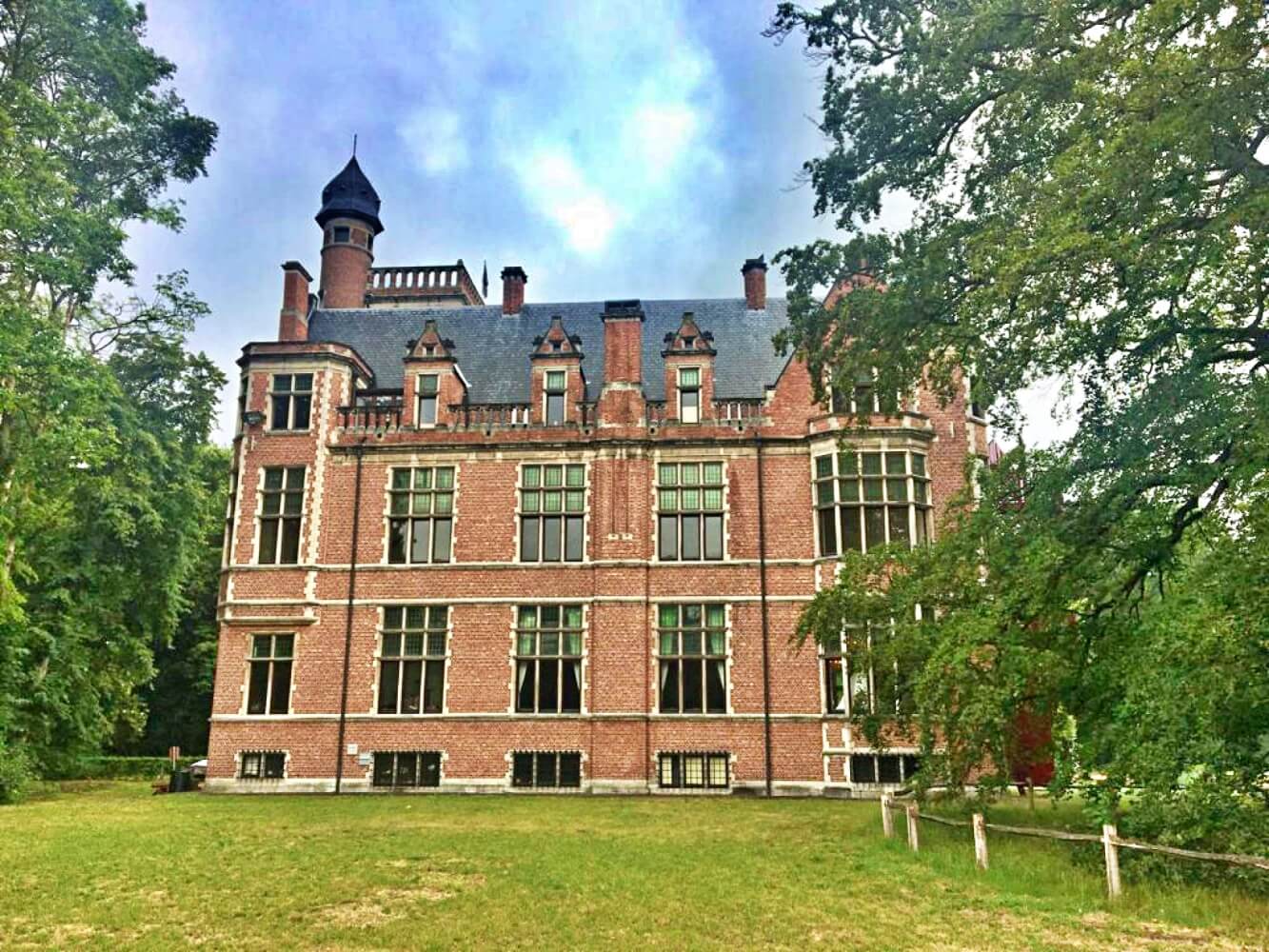
De Hallehof
Vlaams-Brabant
11.5km
castle, chateau
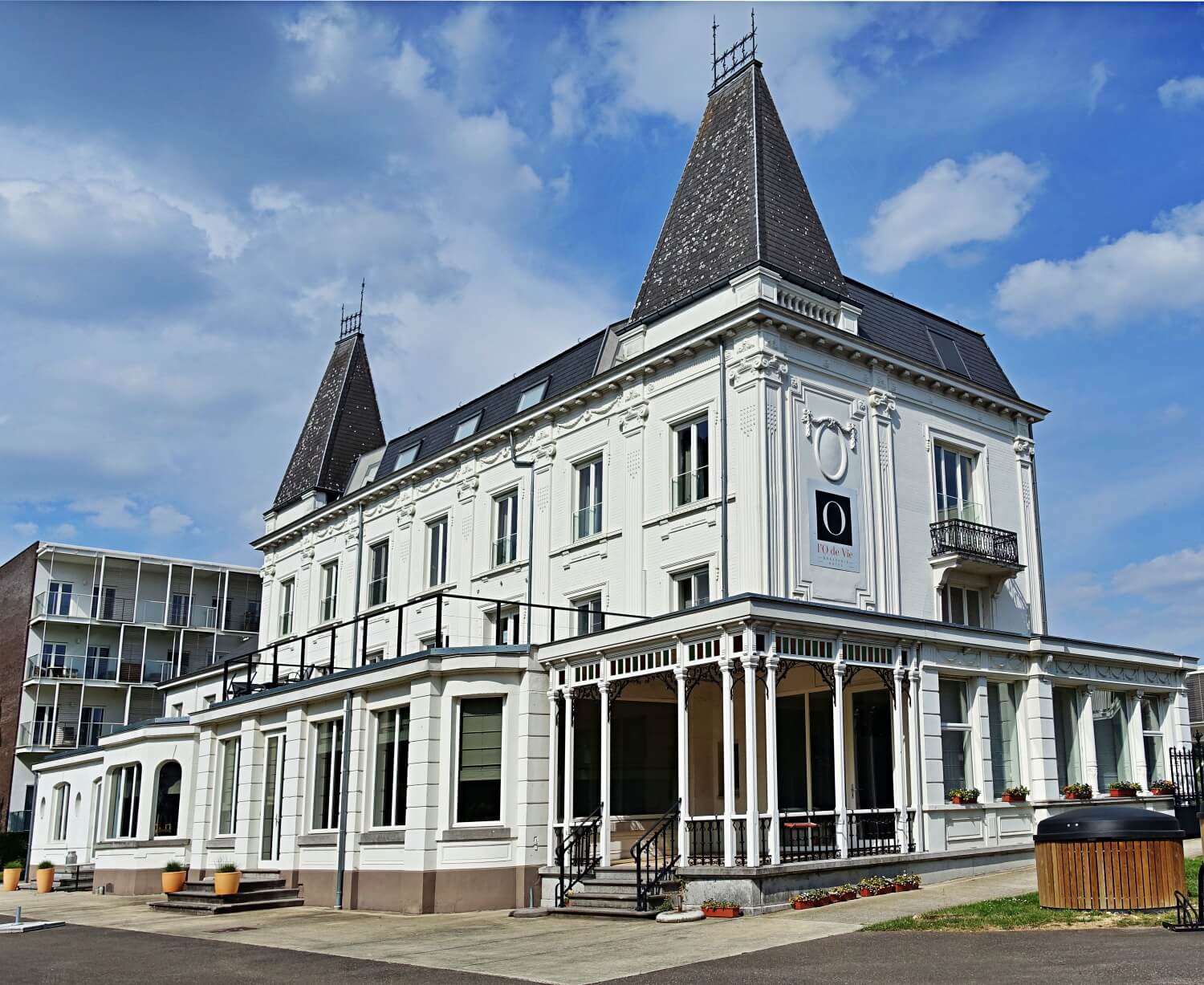
Kasteel Peten
Limburg
11.7km
manor, mansion
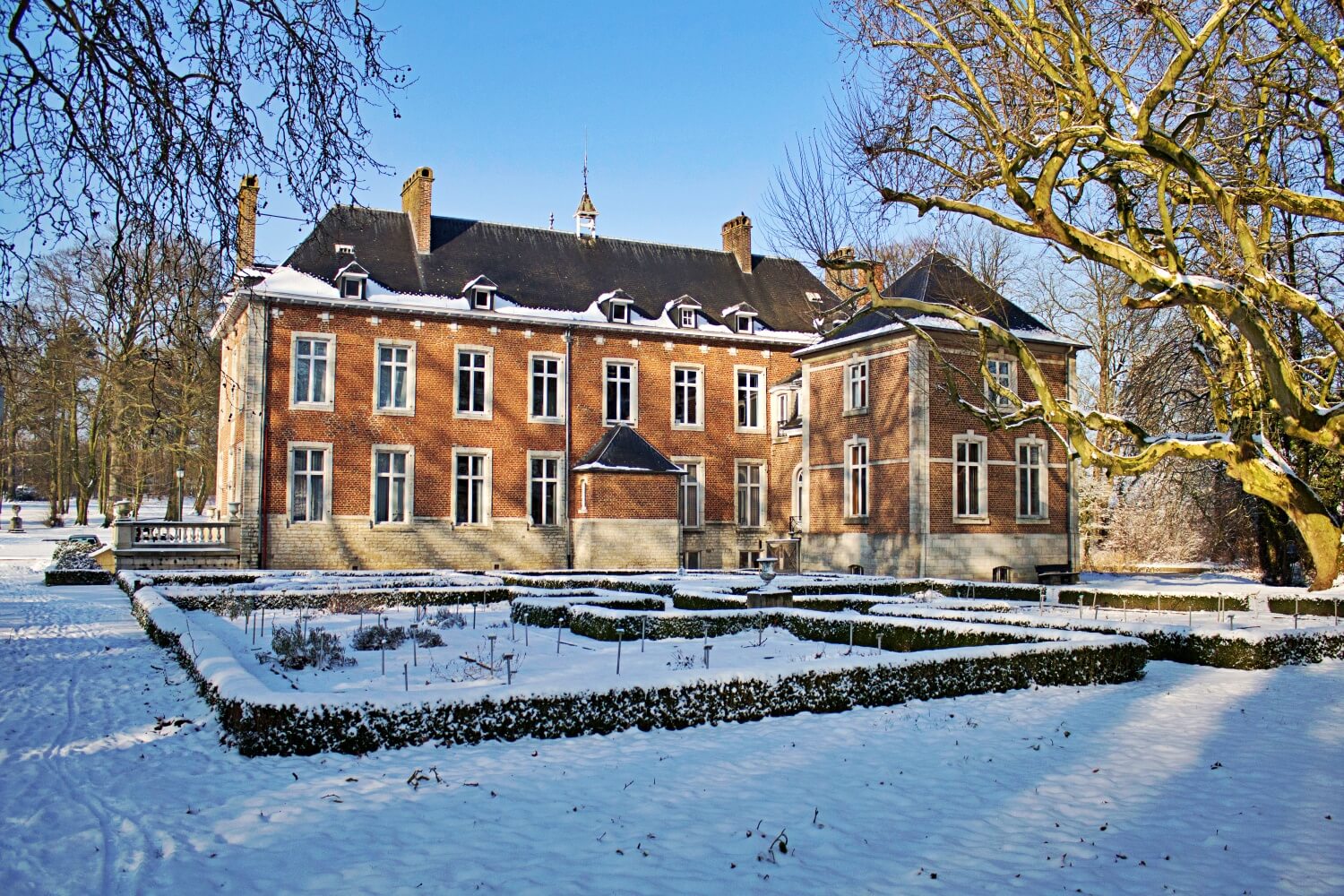
Kasteel van Kwabeek
Vlaams-Brabant
14.1km
manor, mansion
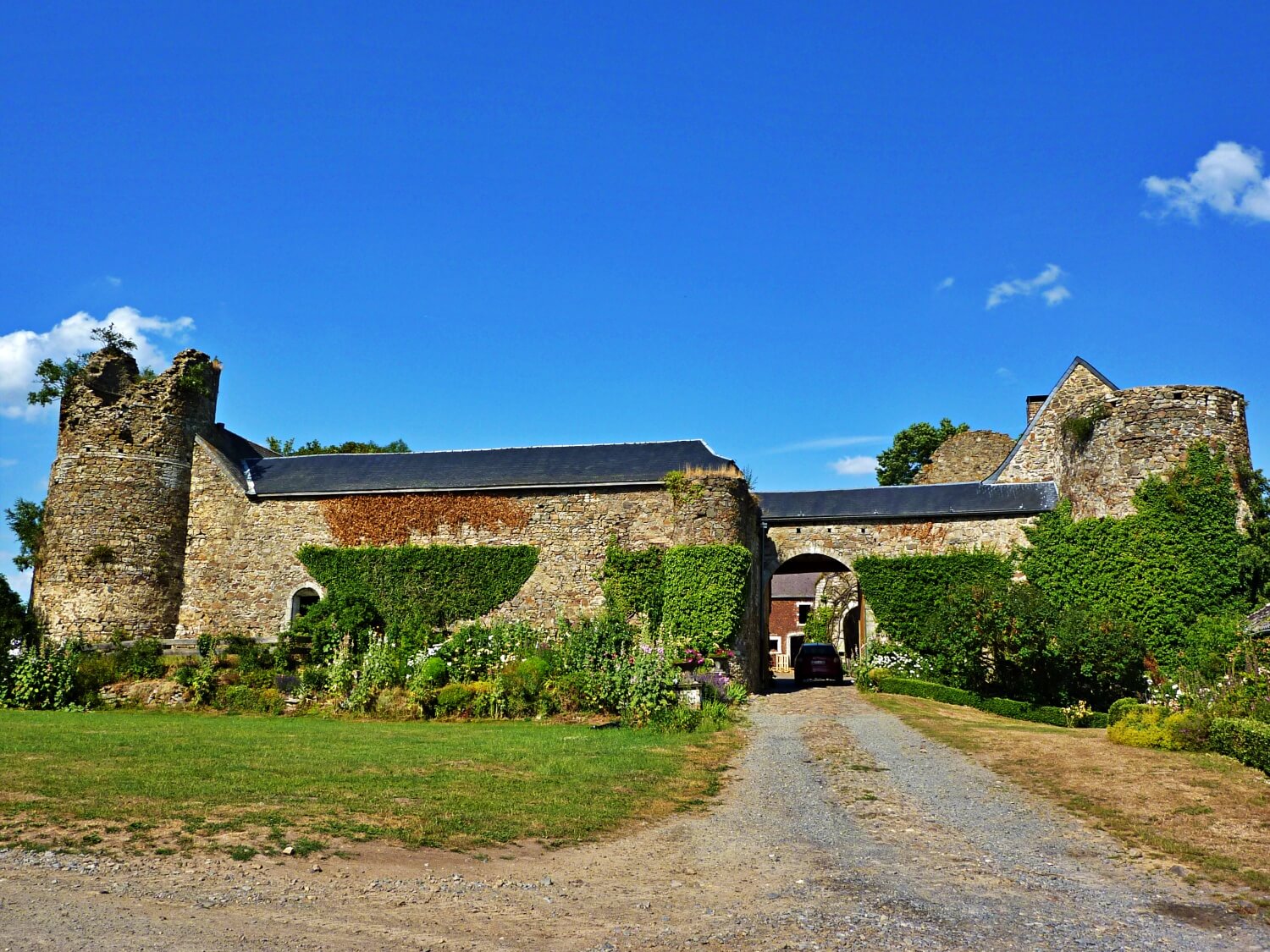
Kasteel van Opprebais
Brabant Wallon
14.7km
manor, mansion