Farciennes Castle
Hainaut Région Wallonne Belgium
castle, chateau
Château de Farciennes
Hainaut Région Wallonne Belgium
castle, chateau
Kasteel van Farciennes
Hainaut Région Wallonne Belgium
castle, chateau
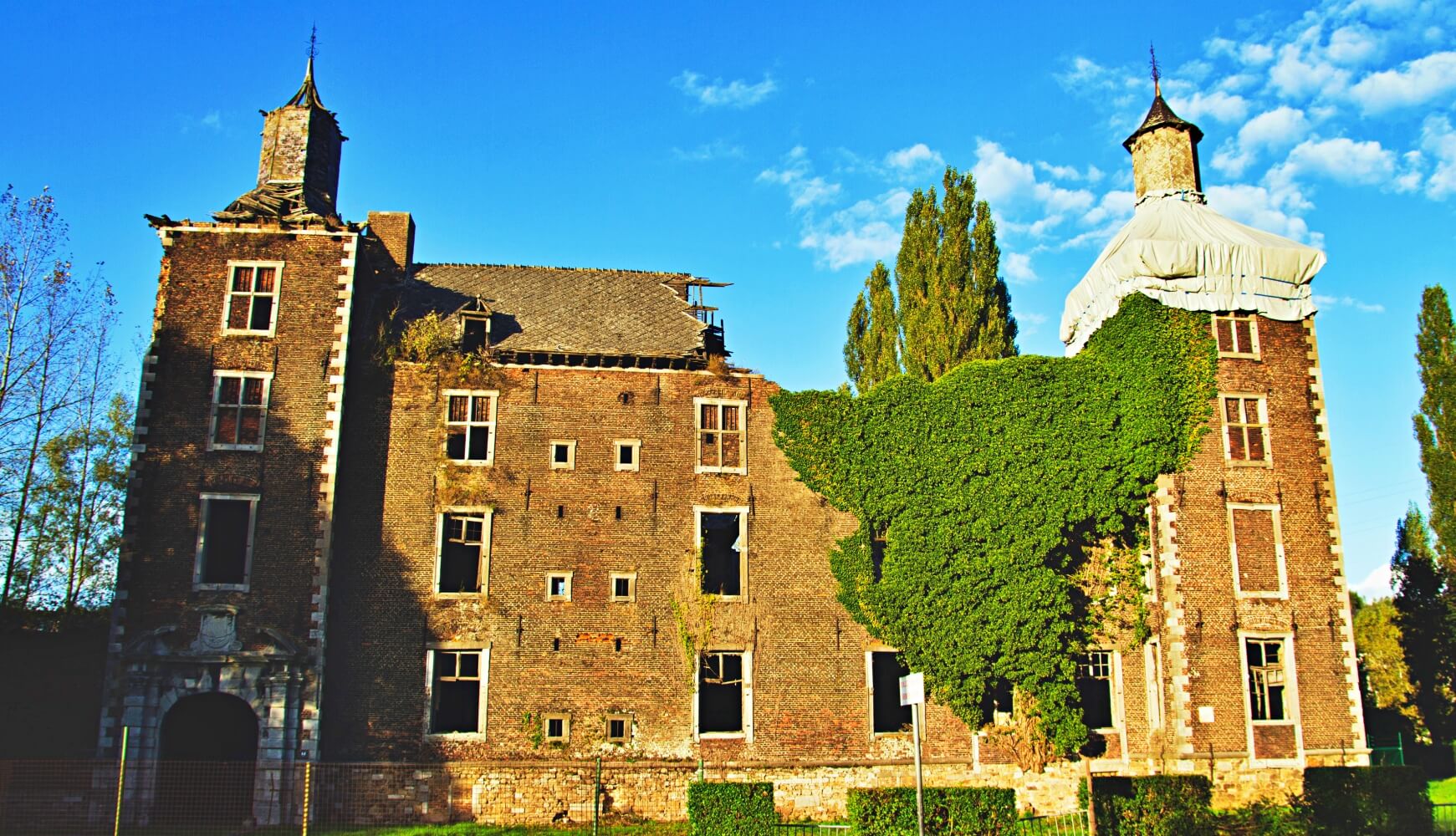
Farciennes Castle (French: Château de Farciennes) is a derelict 17th-century castle in Farciennes in the province of Hainaut, Belgium
Le château de Farciennes est un château belge du xviie siècle situé dans la commune de Farciennes en Région wallonne
Het Kasteel van Farciennes is een vervallen 17de-eeuws kasteel in Farciennes in de provincie Henegouwen
Previous names
Farciennes Castle, Château de Farciennes, Kasteel van Farciennes
Description
Farciennes Castle (French: Château de Farciennes) is a derelict 17th-century castle in Farciennes in the province of Hainaut, Belgium. The present building stands on the site of an earlier castle of the 14th century.
History
The first record of the castle at Farciennes dates from 1344, when Adolf van der Marck, Prince-Bishop of Liège, gave Hendrik of Farciennes permission to restore and strengthen his castle. On 23 September 1408 the united armies of John III, Duke of Bavaria (John the Pitiless), at that time Prince-Bishop of Liège, and his brother William II, Duke of Bavaria, defeated the rebellious citizens of Liège in battle on the plain of Russon. The victors ordered that the strongholds in the area be dismantled, which included the castle of Farciennes.
The remains of the stronghold changed hands several times until Charles Albert de Longueval became owner. He ordered the demolition of what was left of the medieval structure and erected on the same spot a new aristocratic castle in the year 1630. However, he never saw it finished, as he died before its completion in 1676.
Marie-Emmanuelle de Longueval, Countess of Bouquoi, married Albert-Maximilien, Count de Fours, and so the castle passed to the de Fours family. It was badly damaged by pillaging armies during the French Revolution. Count François de Fours was however able to keep the castle out of the French hands with a sales trick.
In 1809 the Count de Fours, the last lord of Farciennes, sold the castle to Gabriel Scarsez, a lawyer from Mons, but he lacked the means to maintain an estate like Farciennes in good condition, so the building gradually began to decay. Finally, large parts of the surrounding park were sold and factories built on the land. The castle started to show cracks as a result of the coal mines causing the ground below to subside. The building was rented out and was turned into a starch factory. In the meantime the beautiful interior was plundered and the contents scattered throughout the world.
In 1860 the castle was turned into a farm. A part was set aside for living quarters and some of the big ballrooms housed the cows and pigs.
Neglect and ill-treatment continued unchecked, even though the castle was classed as a structure of national importance in 1926, until eventually, in 2008, the town of Farciennes bought what remained of the building, which was only a skeleton of what was once was a beautiful estate. Large parts of the building have collapsed and despite the there is nothing that can save the castle from inevitable destruction.
Le château de Farciennes est un château belge du xviie siècle situé dans la commune de Farciennes en Région wallonne.
Histoire
Farciennes était implanté jadis aux confins de la Principauté de Liège sur la rive gauche de la Sambre qui servait de frontière avec le Comté de Hainaut. Il s’agissait d’une enclave inféodée à la ville épiscopale.
Le château faisait suite à un donjon médiéval. Il était jadis entouré d’eau grâce à un léger détournement de la rivière. Le château n’est plus qu’une ombre, engoncé dans des habits verts qui n’ont rien d’académique. Accoutré d’oripeaux, il garde un peu de sa superbe ancestrale. De ce qu’il en reste, on voit des murs construits en briques et en pierre bleue pour les encadrements et croisées de baies et les chaînages des arêtes des trois tours, carrées.
Farciennes et ses tombes
En démolissant en 1851 la chapelle Saint-Jacques à Tergnée (datant du xviie siècle), on y a exhumé cinq vieux cercueils datant du xviiie siècle. Il s'agit de membres de la famille du comte Charles Batthyany. L'origine hongroise de celle-ci explique vraisemblablement la présence de grands clous enfoncés dans les couvercles des cercueils à la hauteur de la poitrine. Cela rappelle en effet la tradition des populations de la région des Carpathes qui obéissaient à une superstition qui voulait que, par ce procédé, on empêche les défunts de sortir de leur tombe pour venir vampiriser les vivants.
Het Kasteel van Farciennes is een vervallen 17de-eeuws kasteel in Farciennes in de provincie Henegouwen. Het huidige gebouw staat op de plaats van een middeleeuws kasteel uit de 14e eeuw.
Geschiedenis
De eerste aantekeningen over het kasteel in Farciennes dateren uit 1344, toen Adolf van der Mark, prins-bisschop van Luik , toestemming gaf aan Hendrik van Farciennes om zijn kasteel te herstellen en te versterken.
Op 23 september 1408 versloegen de verenigde legers van Jan van Beieren, prins-bisschop van Luik, en zijn broer, graaf Willem VI van Holland, de opstandige burgers van Luik. De prins-bisschop beval dat alle versterkingen in het gebied werden ontmanteld; ook het kasteel van Farciennes werd afgebroken.
De overblijfselen van de vesting veranderden meerdere keren van eigenaar, tot in 1637, Charles Albert de Longueval-Bucquoy de middeleeuwse ruïne sloopt en een nieuwe kasteel laat bouwen. Een grote tuin met fonteinen wordt aangelegd in 1676 en een jaar later ingehuldigd door Lodewijk XIV van Frankrijk
In de achttiende eeuw kwam het kasteel in handen van de familie Fours.
Nearby castles
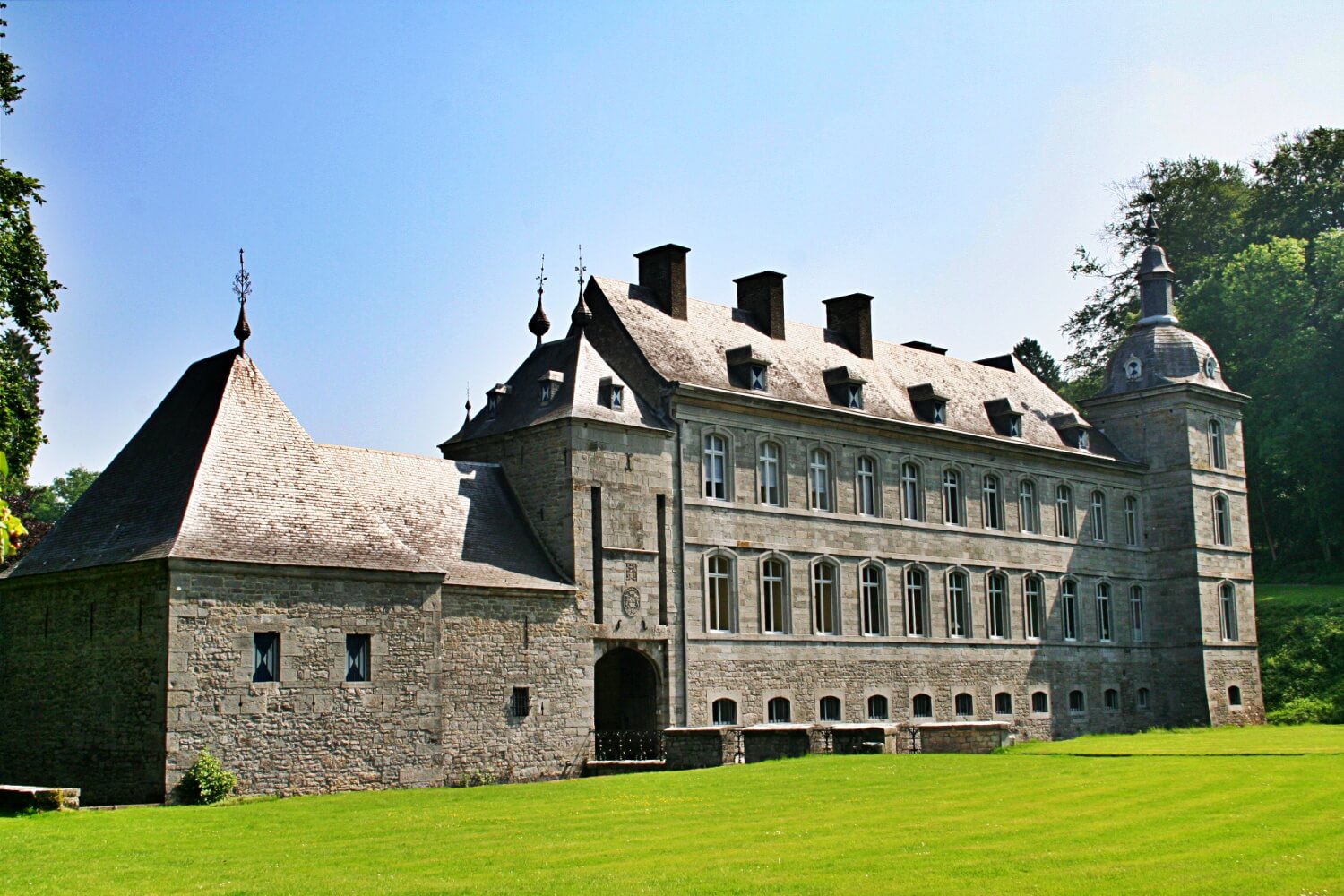
Kasteel van Acoz
Hainaut
8.1km
manor, mansion
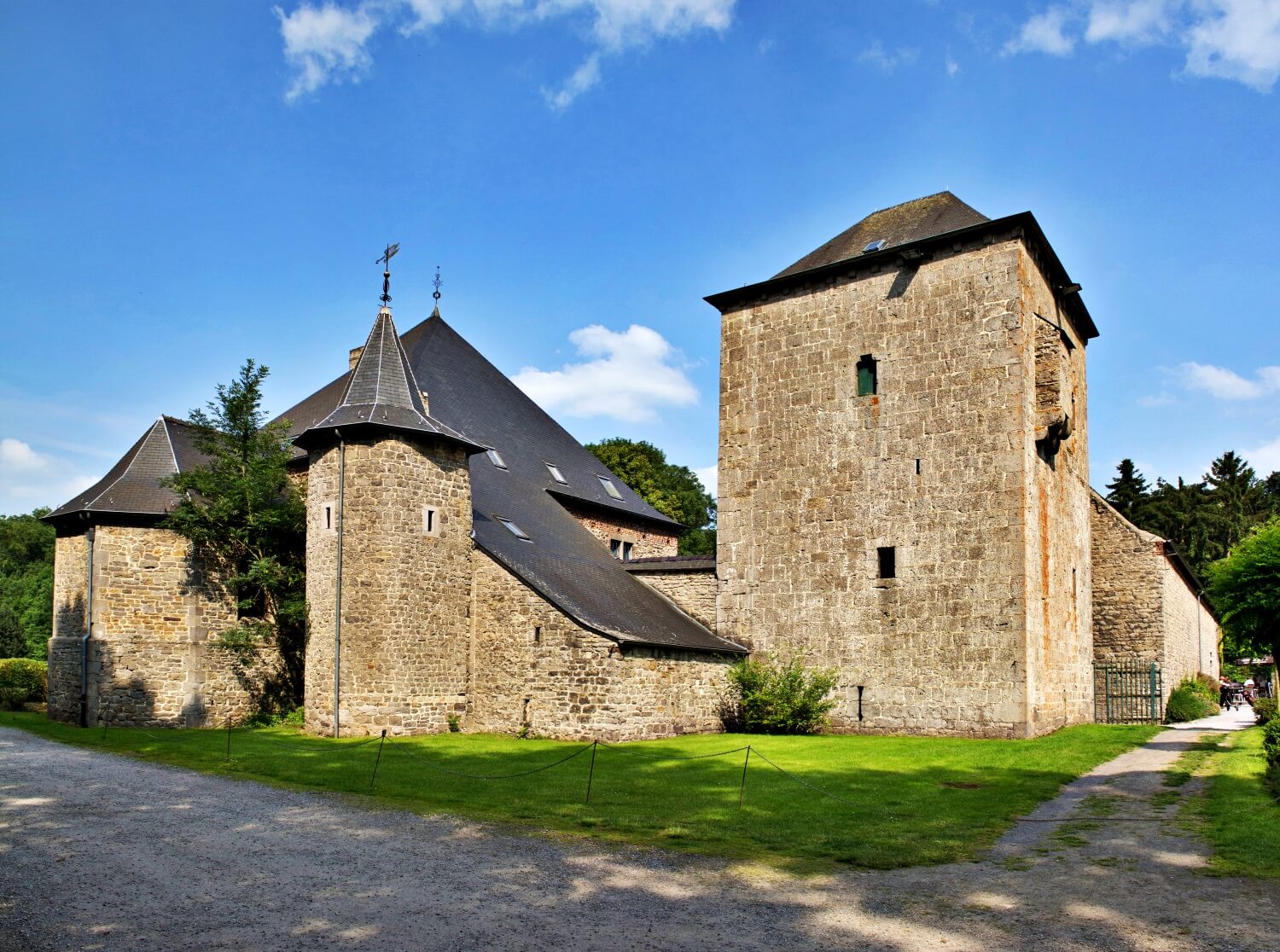
Le Château-Ferme de Falnuée
Namur
11.6km
castle, chateau
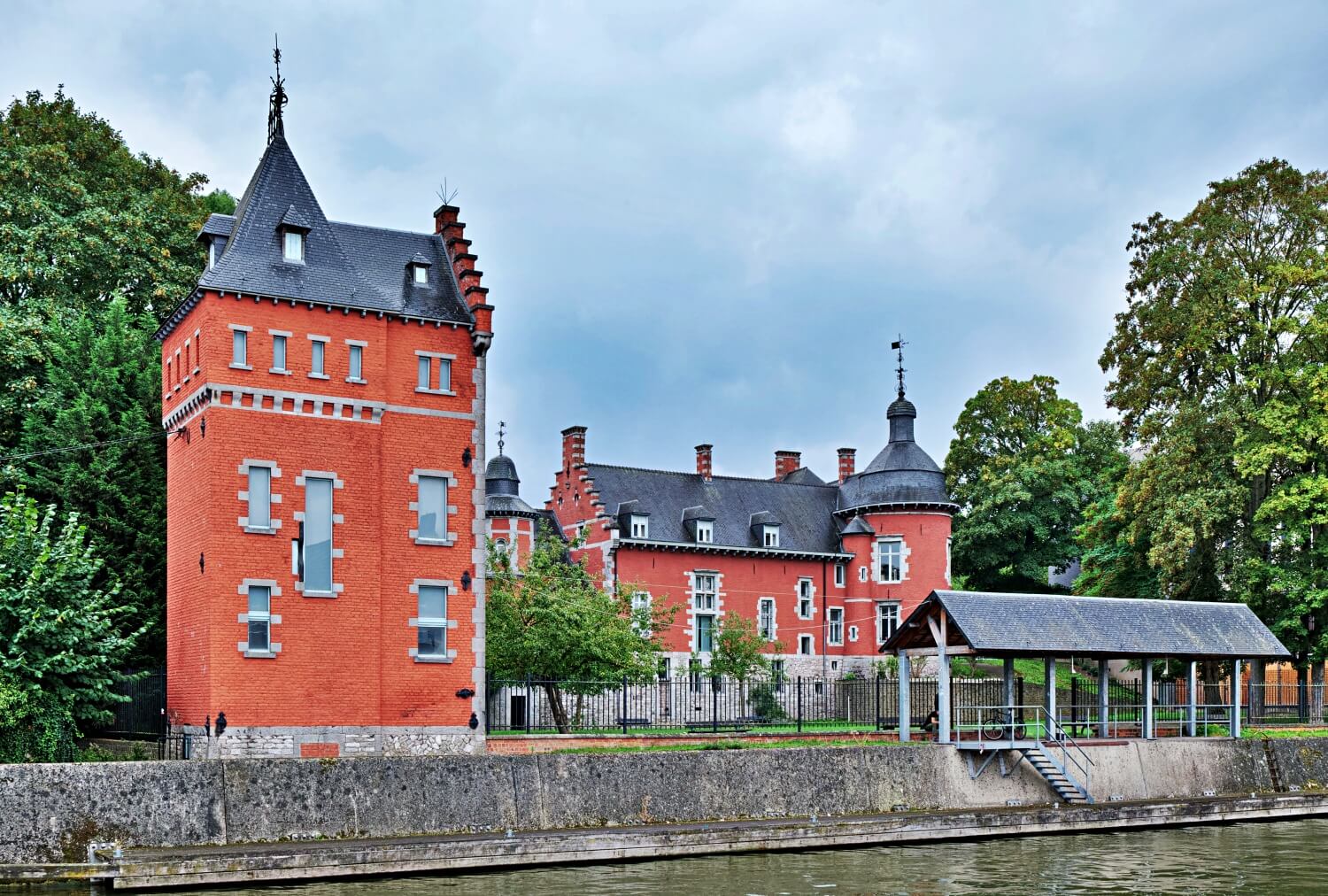
Cartier Castle
Hainaut
11.8km
castle, chateau
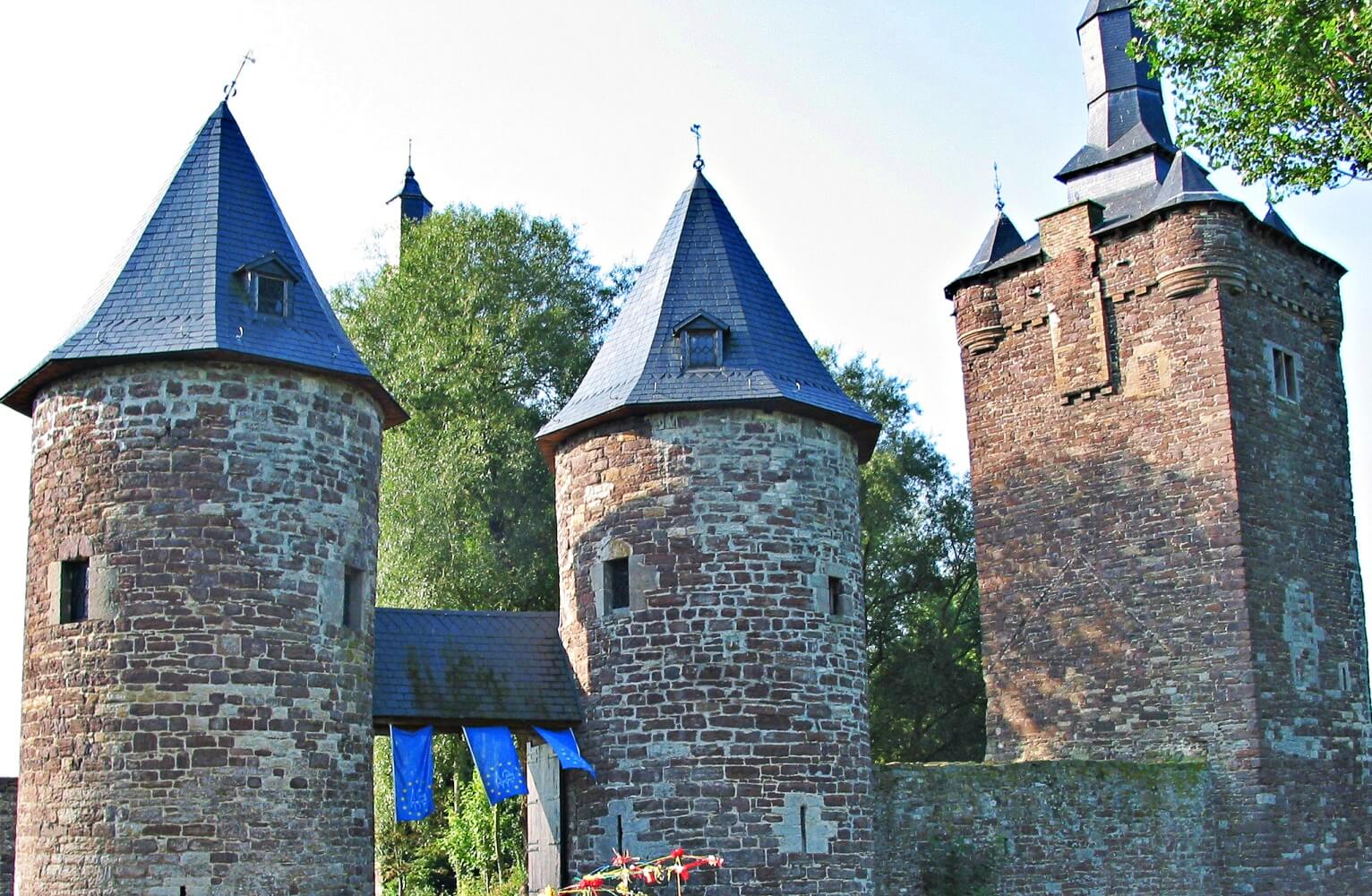
Kasteel van Sombreffe
Namur
11.9km
manor, mansion

Kasteel van Thozée in Mettet
Namur
13.1km
manor, mansion
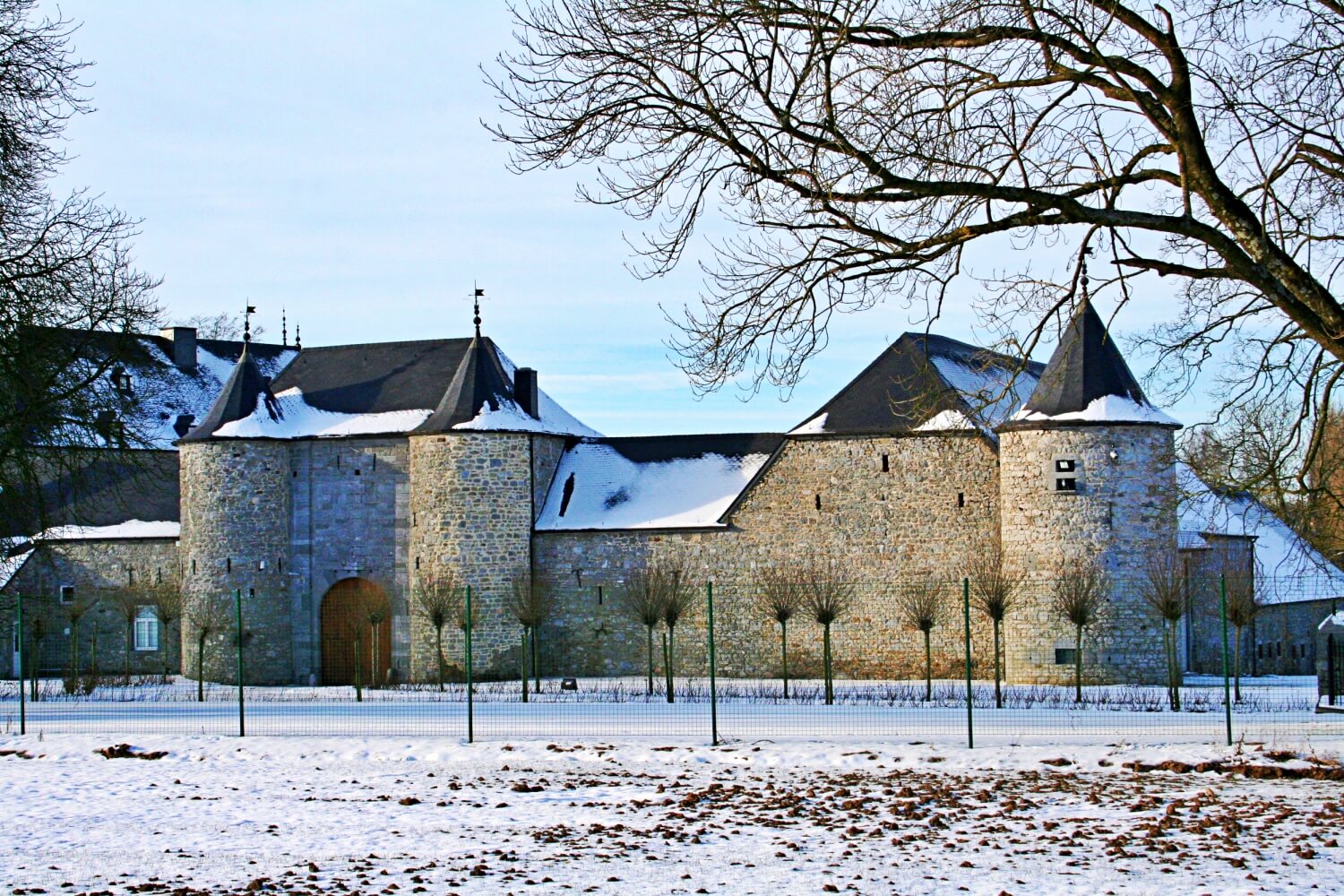
Castle of Tarcienne
Namur
13.5km
castle, chateau
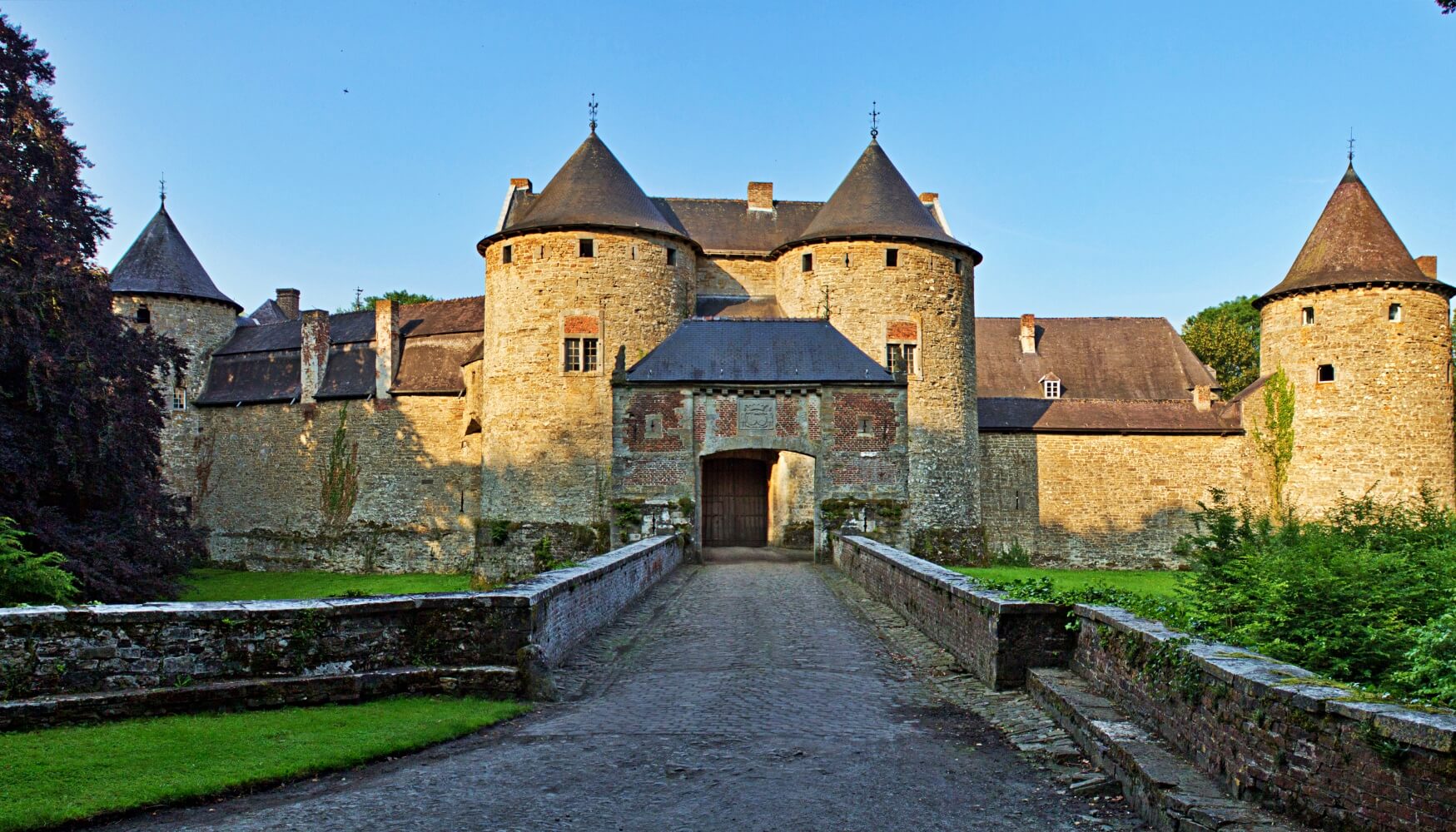
Kasteel van Corroy-le-Château
Namur
13.6km
manor, mansion