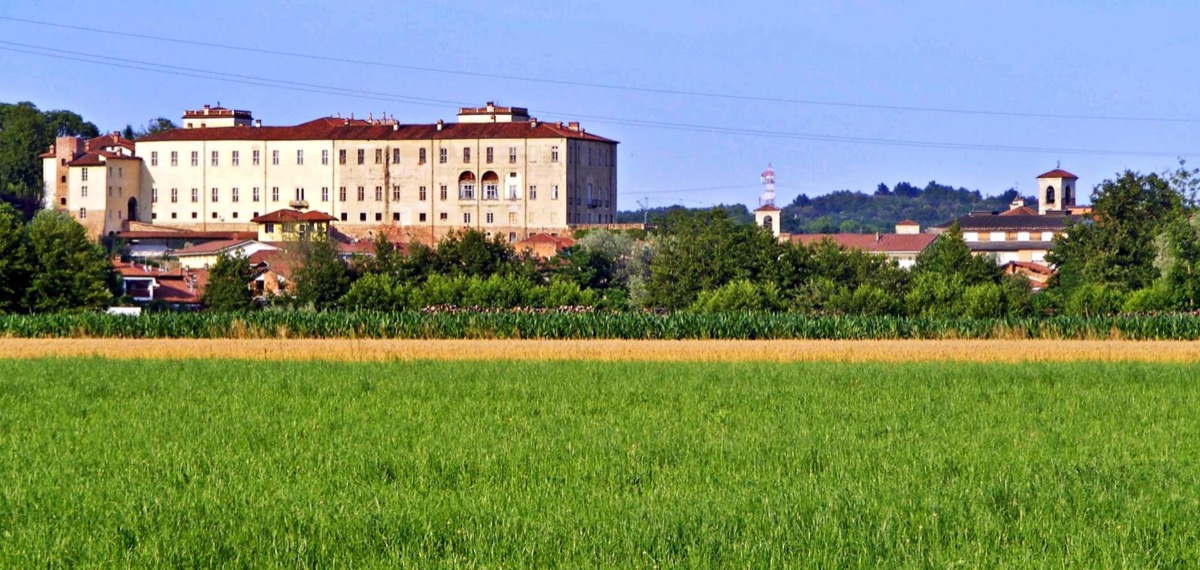
Castello di San Giorgio Canavese
Città Metropolitana di Torino Piemonte Italy
castle, chateau
Castello di San Giorgio Canavese
Città Metropolitana di Torino Piemonte Italy
castle, chateau
CASTELLO DI SAN GIORGIO CANAVESE
The origins of the Biandrate Castle probably date back to the 10th century when the "castrum" of San Giorgio Canavese was an important outpost that oversaw the territory
Il già esistente castello di San Giorgio Canavese presidiava con scopi difensivi già nel X secolo il castrum locale
Previous names
Castello di San Giorgio Canavese, Castello di San Giorgio Canavese
Description
CASTELLO DI SAN GIORGIO CANAVESE
The origins of the Biandrate Castle probably date back to the 10th century when the "castrum" of San Giorgio Canavese was an important outpost that oversaw the territory. Until the beginning of the 19th century, the castle complex consisted of two structures: the Old Castle (Castelvecchio) dating back to the 12th century and a second structure which dates back to between the 13th and the 14th century. The first was almost completely destroyed in the 19th century and an English style garden has been created in its place; the second structure assumed its present day look during the 18th century. The San Giorgio Castle is, just like Pavone, a magnificent castle restructured in the 18th century for a society event: the wedding of the Marquis Ferdinando di San Giorgio and the Marquise Vilcardel de Fleury. The grandiose atrium that opens on to the yard and the great staircase d'onore on the first floor, in fact, date back to the period; the medieval towers were eliminated in favor of a central body with three foreparts that jut out onto the yard. Because of this, the structure takes on the look of a majestic palazzo with rooms on the ground floor which are enlivened with multi-colored decorations. In the 19th century, however, a slow period of decline began, which was stopped by the restorations carried out by Ricci for Emanuele di Rovasenda, who inherited the complex in 1916. During the 1950's, the Rovasenda family abandoned the castle, ceding it to a private company that will oversee its restoration.
https://www.piemonteitalia.eu
Il già esistente castello di San Giorgio Canavese presidiava con scopi difensivi già nel X secolo il castrum locale. Solo nel XII secolo fu ricostruito sotto forma di insieme di edifici dai conti di Biandrate. Il castello è composto da due distinte parti, collegate da un ponte sopraelevato in muratura:
Il castello vero e proprio, costituito da edifici costruiti fra il XIII ed il XIV secolo e rimaneggiati nel '700 in occasione di un importante evento per la famiglia Biandrate, attualmente sono stati completamente restaurati nelle eleganti forme barocche.
La funzione attuale del Castello è di spazio per eventi culturali, matrimoni e convention.
Il Castel Vecchio, la parte più antica del complesso, risalente al 1100.
Questa parte, in seguito ai rifacimenti settecenteschi, venne riutilizzata come stalla e fienile, mantenendo così l'architettura medioevale originale. Attualmente un attento restauro ha restituito l'aspetto altomedioevale, riscoprendo tutte le finestre gotiche che erano state murate, gli eleganti soffitti a cassettoni in legno e gli elementi decorativi in cotto. Attualmente negli spazi altomedioevali del Castel Vecchio è stato aperto un Resort, costituito da 10 stanze da letto a tema, saloni e sale da pranzo con arredi d'epoca.
Un parco ed un elegante giardino all'italiana - realizzato nel XVII secolo - fanno da contorno al maniero.
L'uso del castello nella fiction Elisa di Rivombrosa
Dal 2002 al 2003, il castello ha ospitato parte delle riprese della fiction Mediaset Elisa di Rivombrosa. Nella narrazione il castello è conosciuto come il palazzo in cui risiede la marchesa Lucrezia Van Necker, nemica storica della famiglia Ristori. Gli interni del castello presentano diverse stanze arredate in stile settecentesco, nel film figura anche una sala con porta finestra sul parco, in cui si evidenzia una fontana d'acqua interna, vicino a un piccolo ripostiglio in cui la marchesa Van Necker nasconde delle boccette di veleno. Nella seconda serie, la villa è riutilizzata come abitazione del marchese Ercole Salvati di Cerreto l'arredamento cambia, si evince che il castello sia stato acquistato dal marchese dopo la frettolosa fuga di Lucrezia da Torino. Nella terza serie, nonostante il ritorno della Van Necker, il castello non compare neanche in un episodio.
Useful information
GRATUITO
Il parco circostante
info@foresteriadelcastello.it
- Spazio per eventi culturali e mondani
- Proprietà privata (un hotel)
- SPA sul territorio
-
External links
Nearby castles
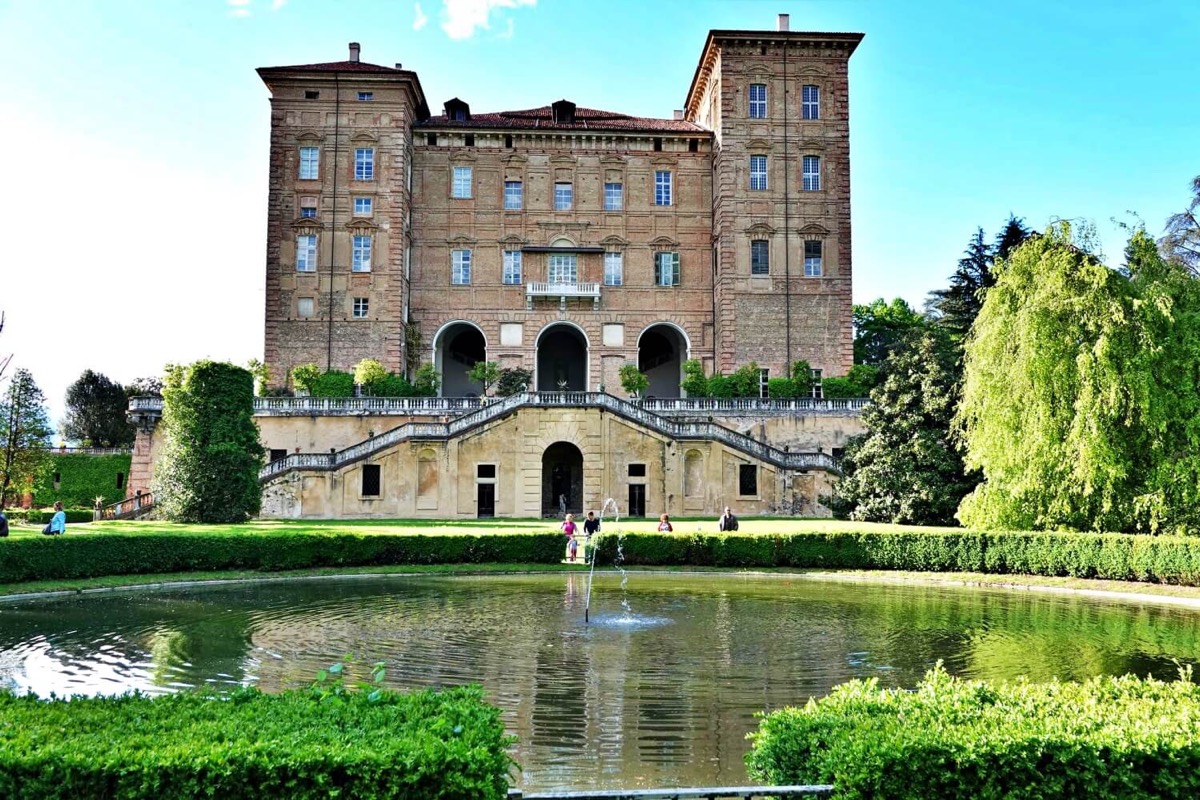
Castello ducale di agliè
Città Metropolitana di Torino
3.6km
castle, chateau
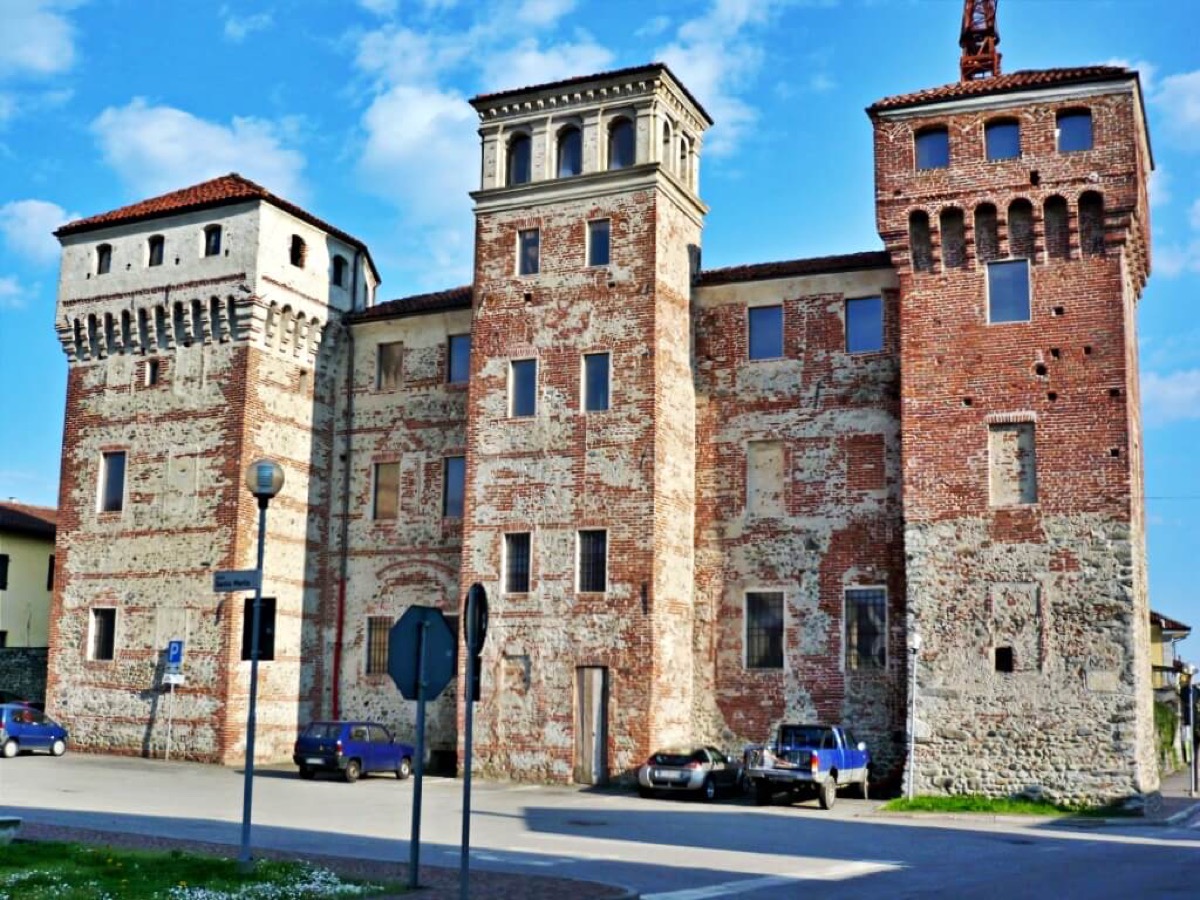
Castello di Ozegna
Città Metropolitana di Torino
4.7km
castle, chateau
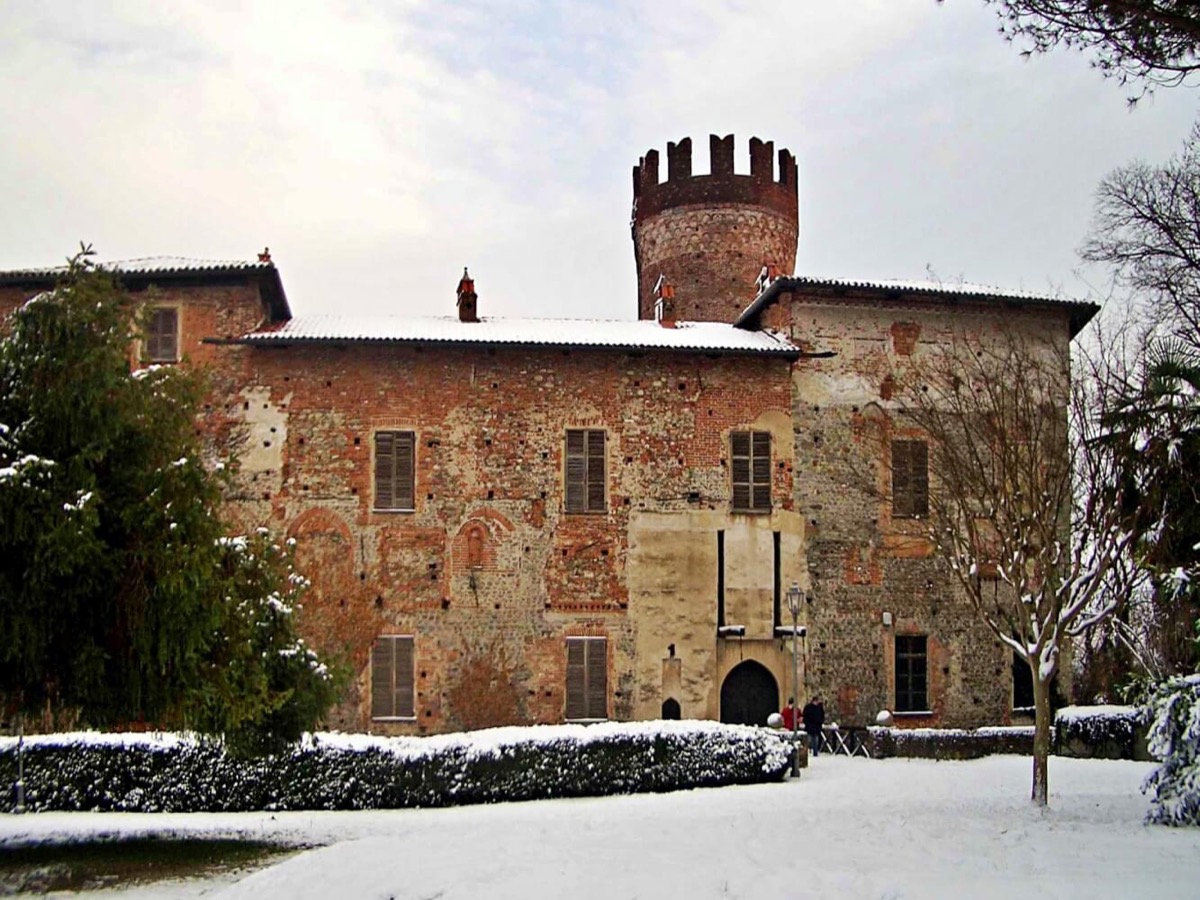
Castello di Malgrà
Città Metropolitana di Torino
5.4km
castle, chateau
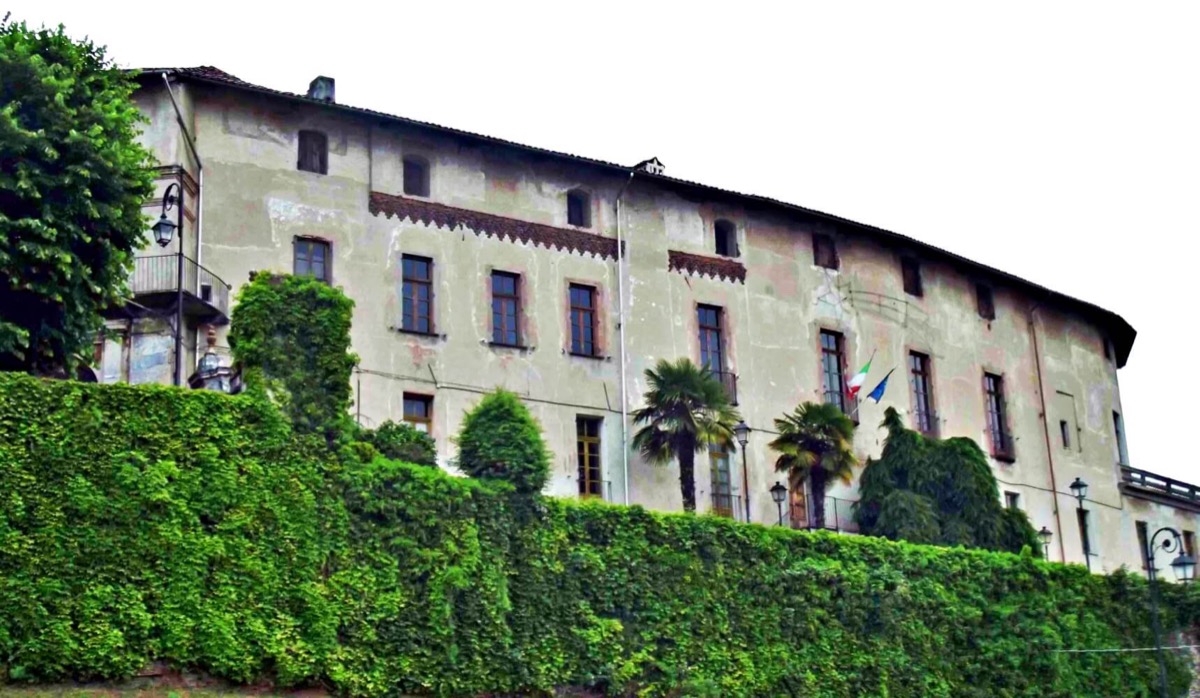
Castello di Foglizzo
Città Metropolitana di Torino
7.5km
castle, chateau
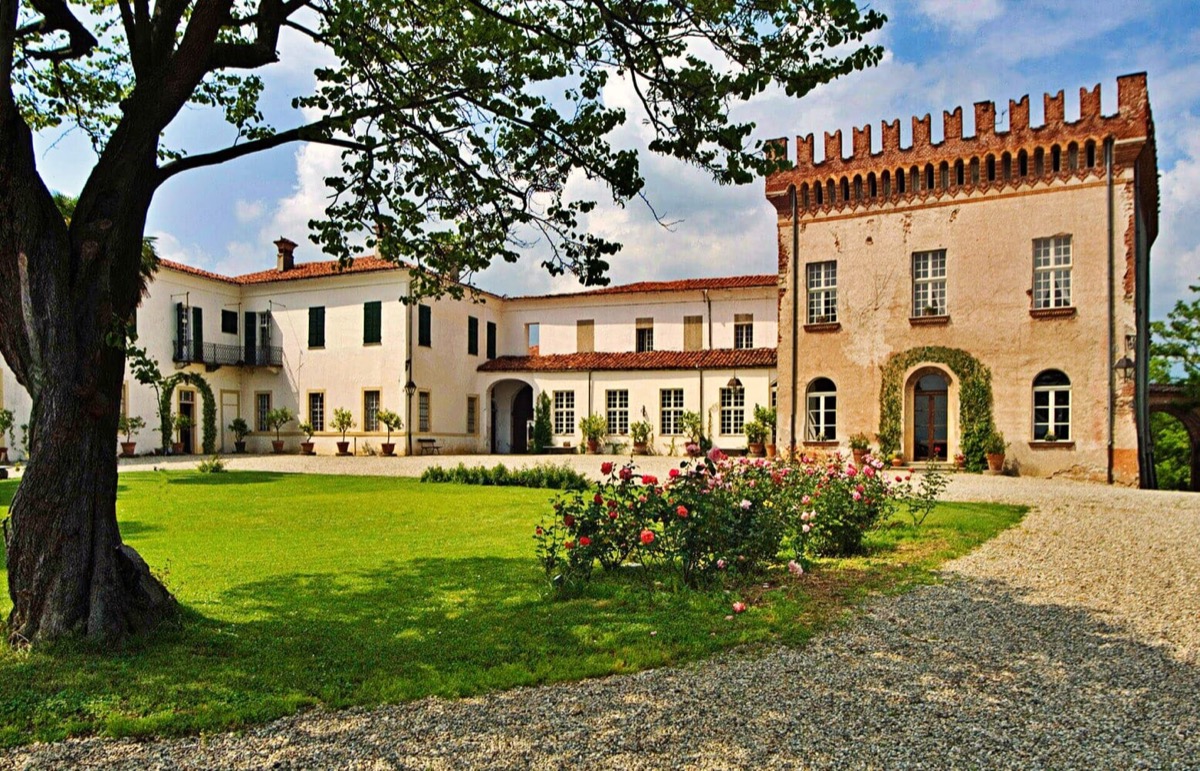
Castle of Castellamonte
Città Metropolitana di Torino
8.6km
castle, chateau
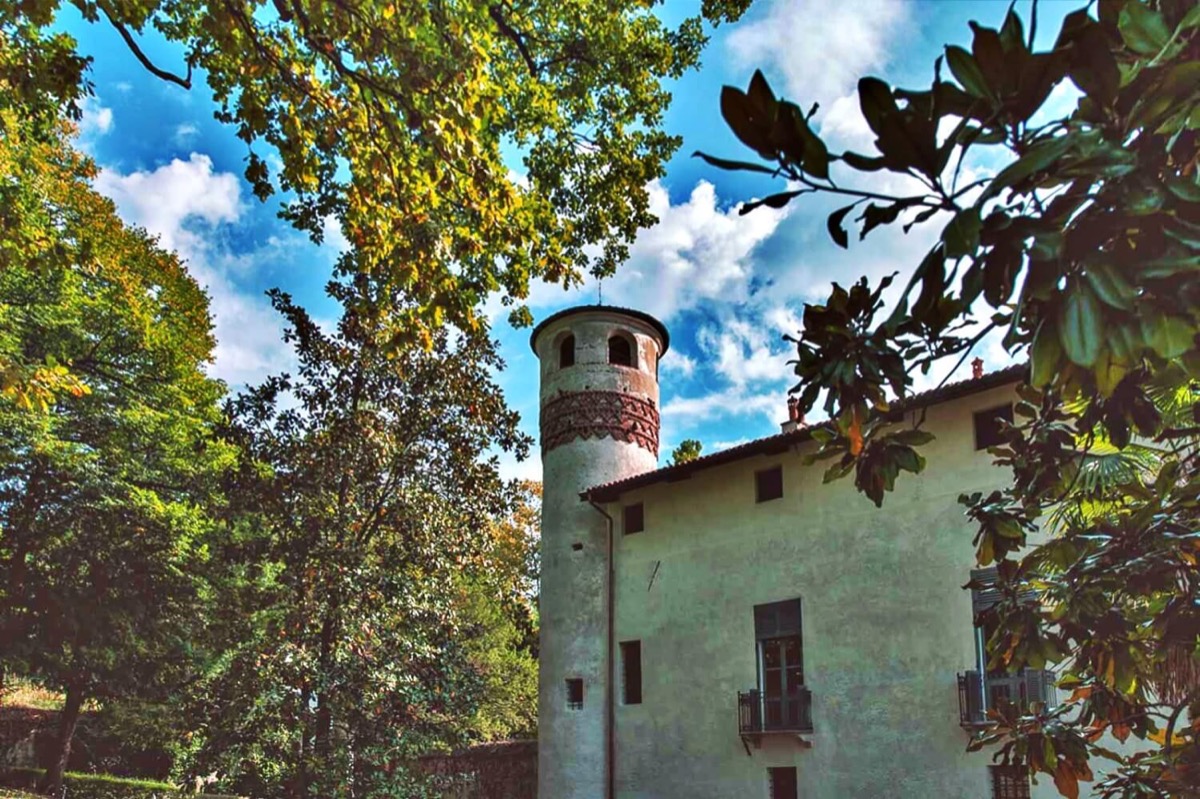
Castello di Parella
Città Metropolitana di Torino
10.3km
castle, chateau
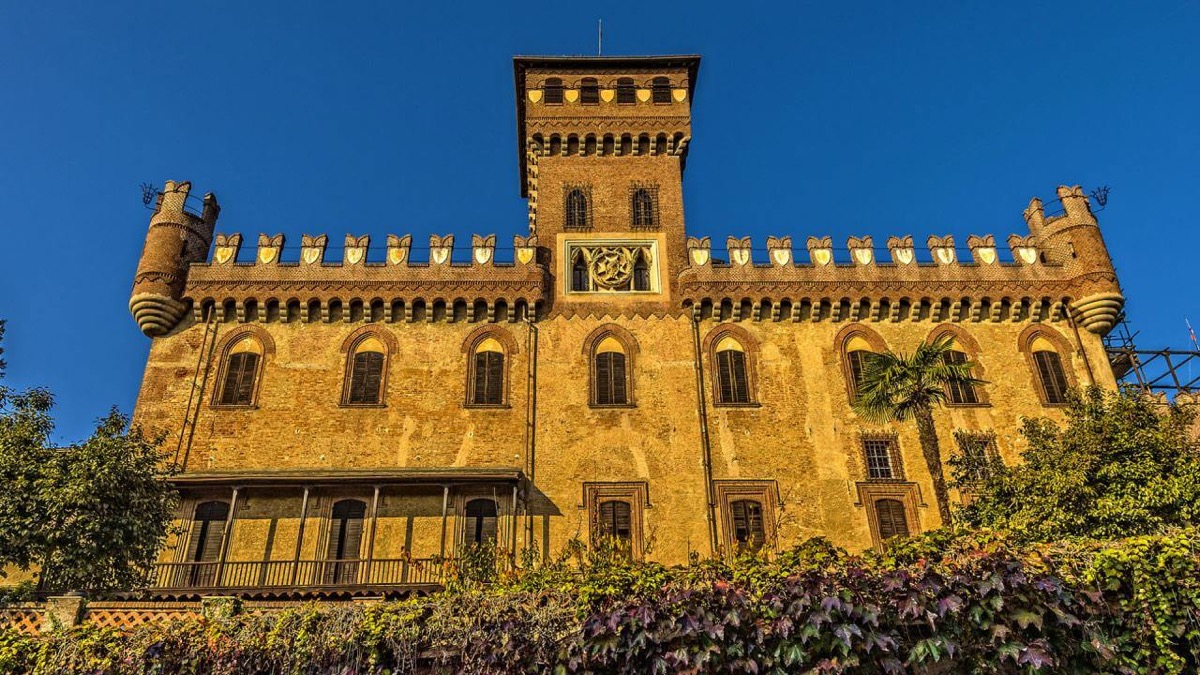
Castello di Mazzè
Città Metropolitana di Torino
11.6km
castle, chateau